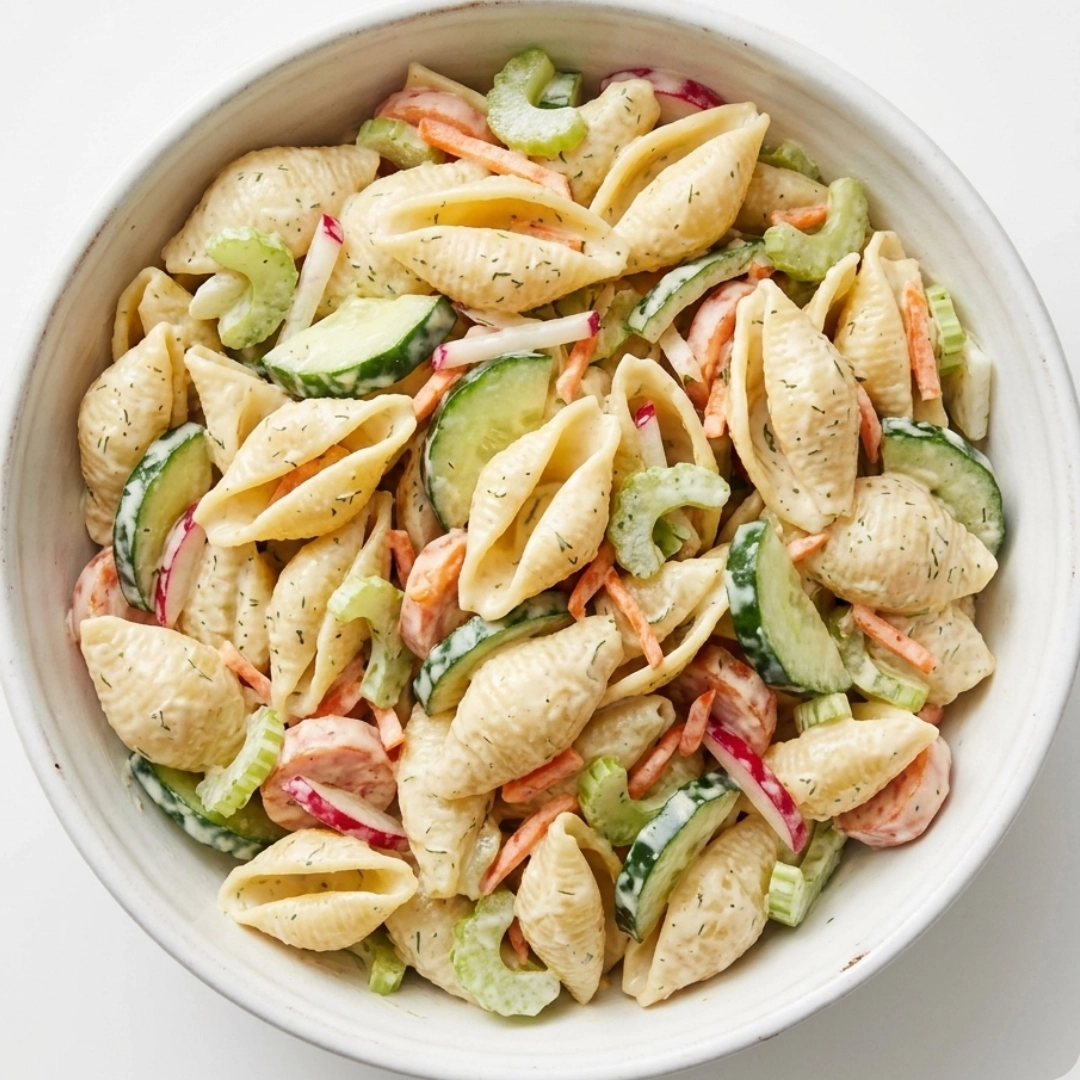
There is something truly magical about the arrival of spring. As the frost retreats and the first green shoots begin to peek through the soil, our culinary cravings undergo a dramatic shift. We move away from the heavy, slow-simmered stews of winter and toward dishes that embody brightness, crunch, and vitality. This spring pasta salad is the quintessential embodiment of that seasonal transition. Combining the heartiness of tender shell pasta with a garden-fresh medley of radishes, cucumbers, and carrots, it offers a symphony of textures that dance on the palate. Whether you are hosting a sunny backyard luncheon, preparing for a festive Easter brunch, or simply seeking a vibrant meal-prep option for a busy week, this recipe stands as a testament to the beauty of simple, high-quality ingredients.
Table of Contents
Essential Ingredients for a Vibrant Spring Pasta Salad
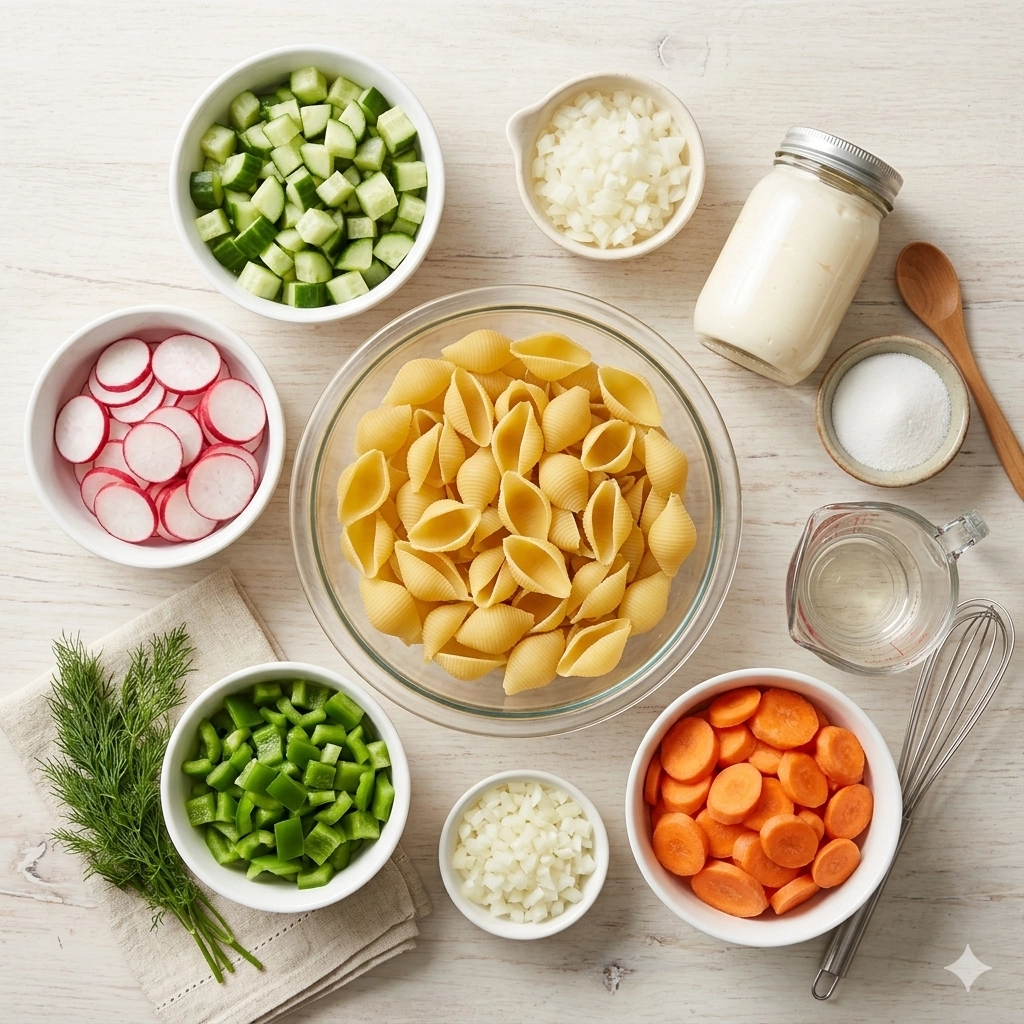
To create a dish that is both satisfying and visually stunning, we rely on a specific combination of pantry staples and garden-fresh produce. Each component plays a vital role in balancing the creamy dressing with the snap of the vegetables.
- 10 ounces uncooked large shell pasta (approximately 3 and 1/2 cups)
- 2 cups fresh cucumber, diced
- 1 and 1/2 cups thinly sliced radishes
- 1 cup chopped green bell pepper
- 1/4 cup finely diced sweet yellow onion
- 1 cup peeled and sliced carrots
- 3/4 cup reduced fat mayonnaise
- 1/3 cup granulated sugar
- 1 teaspoon fresh dill, finely chopped
- 1 tablespoon white vinegar
Step-by-Step Preparation Instructions
Follow these precise steps to ensure your pasta salad achieves the perfect harmony of flavor and texture.
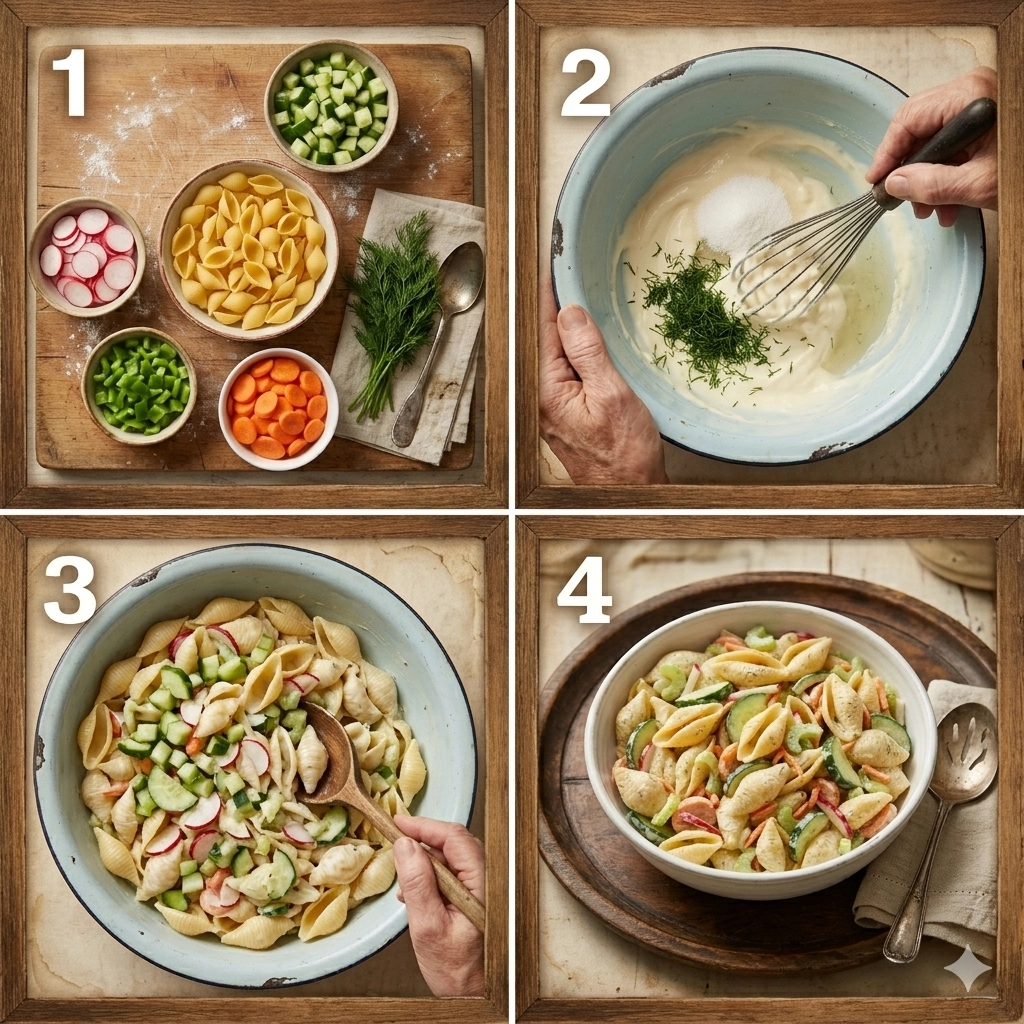
- Begin by bringing a large pot of salted water to a rolling boil. Add the large shell pasta and cook according to the package directions until it reaches an al dente texture.
- Once cooked, immediately drain the pasta in a colander and rinse thoroughly with cold water. This stops the cooking process and prevents the shells from sticking together.
- In a large mixing bowl, combine the cooled pasta with the diced cucumber, sliced radishes, chopped green bell pepper, diced sweet yellow onion, and sliced carrots.
- In a separate medium-sized bowl, prepare the dressing by stirring together the reduced fat mayonnaise, granulated sugar, fresh dill, and white vinegar until the mixture is smooth and the sugar has begun to dissolve.
- Pour the creamy dressing over the pasta and vegetable mixture. Use a large spoon or spatula to toss the ingredients gently, ensuring every shell and vegetable slice is evenly coated.
- Cover the bowl tightly with plastic wrap or a lid and place it in the refrigerator. Allow the salad to chill for several hours before serving to let the flavors meld together beautifully.
Mastering the Texture and Flavor Balance
Creating a truly memorable spring pasta salad requires more than just mixing ingredients; it involves an understanding of culinary chemistry and texture. One of the most important elements is the “al dente” cook on the pasta. Because the pasta will sit in a creamy dressing for several hours, starting with a firm noodle is essential. If the pasta is overcooked initially, it will absorb too much moisture from the dressing and become mushy. By rinsing the shells in cold water immediately after draining, you wash away excess starch, which ensures the dressing remains a coating rather than turning into a thick paste.
The vegetable preparation is equally crucial. For the radishes, aim for paper-thin slices. This allows their peppery bite to distribute evenly throughout the salad without overwhelming any single mouthful. Similarly, dicing the cucumber into uniform half-inch pieces ensures that you get a refreshing, watery crunch in every forkful. The sweet yellow onion should be minced very finely; you want its aromatic quality to permeate the dressing without the texture of large onion chunks disrupting the experience.
The Science of a Balanced Creamy Dressing
The dressing for this spring pasta salad is a classic “boiled-style” cold dressing that relies on the interplay between fat, acid, and sugar. The use of reduced fat mayonnaise provides a lighter base that doesn’t feel overly heavy on a warm spring day. However, mayonnaise alone can be one-dimensional. The addition of white vinegar introduces a sharp acidity that cuts through the richness of the mayo, acting as a flavor enhancer for the fresh vegetables.
Sugar plays a surprisingly large role here. It balances the vinegar’s tartness and rounds out the earthy notes of the fresh dill. When these ingredients are whisked together, they create a light emulsion. Over the course of the chilling period, the sugar draws a tiny amount of moisture out of the vegetables (particularly the cucumbers and radishes), which slightly thins the dressing and allows it to seep into the hollows of the shell pasta. This is why the “chilling for several hours” step is not optional—it is the period where the dressing transforms into a cohesive sauce.
Strategic Modifications and Ingredient Substitutions
While the base recipe is designed for a specific flavor profile, there are several ways to adapt this dish to suit different dietary needs or pantry availability.
Pasta Alternatives: If you do not have large shells, orecchiette or rotini are excellent substitutes. The goal is to use a shape with “nooks and crannies” that can trap the dressing and small bits of dill. For those following a gluten-free diet, a high-quality brown rice or chickpea-based shell pasta works well, though these should be tossed with a teaspoon of olive oil after rinsing to prevent sticking.
Vegetable Swaps: If radishes are too sharp for your preference, consider substituting them with blanched sugar snap peas or frozen peas that have been thawed. To maintain the color profile, red bell pepper can stand in for the green bell pepper, offering a slightly sweeter note.
Dressing Adjustments: For a tangier profile, you can replace half of the mayonnaise with plain Greek yogurt. This increases the protein content and adds a pleasant fermented notes to the salad. If fresh dill is unavailable, you can use a half-teaspoon of dried dill weed, though the fresh herb is highly recommended for that signature “spring” aroma.
Perfect Pairings and Serving Suggestions
This spring pasta salad is incredibly versatile, making it a staple for various occasions. For a light lunch, serve it in chilled glass bowls alongside a crisp Sauvignon Blanc or a sparkling lemon water. The acidity in these beverages complements the vinegar in the dressing perfectly.
If you are featuring this at a barbecue or potluck, it serves as the ideal counterpoint to smoky, grilled proteins. It pairs exceptionally well with grilled lemon-herb chicken, cedar-planked salmon, or even classic bratwursts. Because of its creamy nature, it acts as a refreshing palate cleanser between bites of richer meats. For a beautiful presentation at a brunch, consider serving the salad on a large platter lined with bright green butter lettuce leaves, garnishing the top with a few extra sprigs of fresh dill and a light dusting of white pepper.
Deep-Dive Culinary FAQ
How long can I store this pasta salad in the refrigerator?
When kept in an airtight container, this salad will remain fresh and delicious for three to four days. In fact, many people find that the flavor actually improves on the second day as the dill and onion have more time to infuse the dressing. If the salad seems a bit dry after a few days, simply stir in a teaspoon of milk or a tiny bit more mayonnaise to loosen the dressing before serving.
Can I make this recipe vegan?
Yes, transforming this into a vegan-friendly dish is quite simple. You only need to substitute the traditional mayonnaise with a high-quality plant-based mayonnaise. Ensure the sugar you are using is certified vegan if that is a concern for your dietary needs. The vegetables and pasta are naturally vegan, so the flavor profile remains very close to the original.
Why is it important to use white vinegar instead of apple cider vinegar?
White vinegar has a clean, sharp, and neutral acidity that allows the flavor of the fresh dill and the sweetness of the carrots to shine. Apple cider vinegar has a distinct fruity undertone and a brownish tint that can muddy the bright, white look of the creamy dressing and compete with the delicate spring flavors.
What is the best way to prevent the cucumbers from making the salad watery?
If you are planning to keep the salad for more than two days, you can “seed” the cucumbers. Simply slice the cucumber in half lengthwise and use a small spoon to scrape out the watery center where the seeds are located. Then, dice the firm outer flesh as usual. This significantly reduces the amount of water released into the dressing over time.
A Final Note on Seasonal Entertaining
As you prepare this dish, remember that the secret to a great pasta salad lies in the freshness of the produce. Spring is a time of abundance, so look for radishes that feel firm and heavy for their size and cucumbers with tight, unblemished skin. This recipe is more than just a side dish; it is a celebration of the season’s crisp textures and bright colors. When you bring this bowl to the table, you are sharing a bit of springtime joy with your friends and family. Enjoy the process of chopping, whisking, and tasting—and most importantly, enjoy the refreshing results of your labor.
Nutritional Profile Per Serving
The following values are estimates based on a standard serving size of approximately three-quarters of a cup.
| Nutrient | Amount Per Serving | Percent Daily Value |
| Calories | 110 | 6 percent |
| Total Fat | 3.5 grams | 4 percent |
| Saturated Fat | 0.5 grams | 3 percent |
| Cholesterol | 5 milligrams | 2 percent |
| Sodium | 140 milligrams | 6 percent |
| Total Carbohydrates | 17 grams | 6 percent |
| Dietary Fiber | 1 gram | 4 percent |
| Total Sugars | 5 grams | — |
| Protein | 3 grams | 6 percent |
Health and Safety Disclaimer
The nutritional information provided is an estimate and may vary based on specific brands of ingredients used. For individuals with specific dietary restrictions or medical conditions, please consult with a healthcare professional or registered dietitian. Always ensure that perishable items like mayonnaise-based salads are not left at room temperature for more than two hours to prevent foodborne illness.
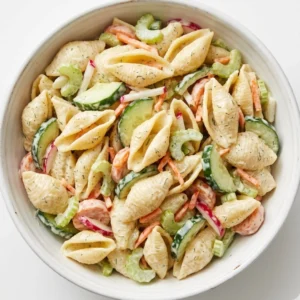
Spring Pasta Salad
Ingredients
- 10 ounces uncooked large shell pasta (about 3.5 cups)
- 2 cups fresh cucumber, diced
- 1.5 cups radishes, thinly sliced
- 1 cup green bell pepper, chopped
- 0.25 cup sweet yellow onion, finely diced
- 1 cup carrots, peeled and sliced
- 0.75 cup reduced fat mayonnaise
- 0.33 cup granulated sugar
- 1 tsp fresh dill, finely chopped
- 1 tbsp white vinegar
Instructions
- Bring a large pot of salted water to a boil. Cook the shell pasta according to package directions until al dente.
- Drain the pasta in a colander and rinse thoroughly with cold water to stop the cooking and remove excess starch.
- In a large mixing bowl, combine the cooled pasta with the diced cucumber, sliced radishes, green bell pepper, onion, and carrots.
- In a separate medium bowl, whisk together the mayonnaise, sugar, fresh dill, and white vinegar until the dressing is smooth.
- Pour the dressing over the pasta mixture and toss gently with a large spoon to ensure even coating.
- Cover the bowl and refrigerate for several hours to allow the flavors to meld and the salad to chill completely.
Notes
Equipment
- Large stock pot For boiling pasta
- colander
- large mixing bowl
- medium mixing bowl For dressing
- whisk
- chef’s knife For vegetable prep