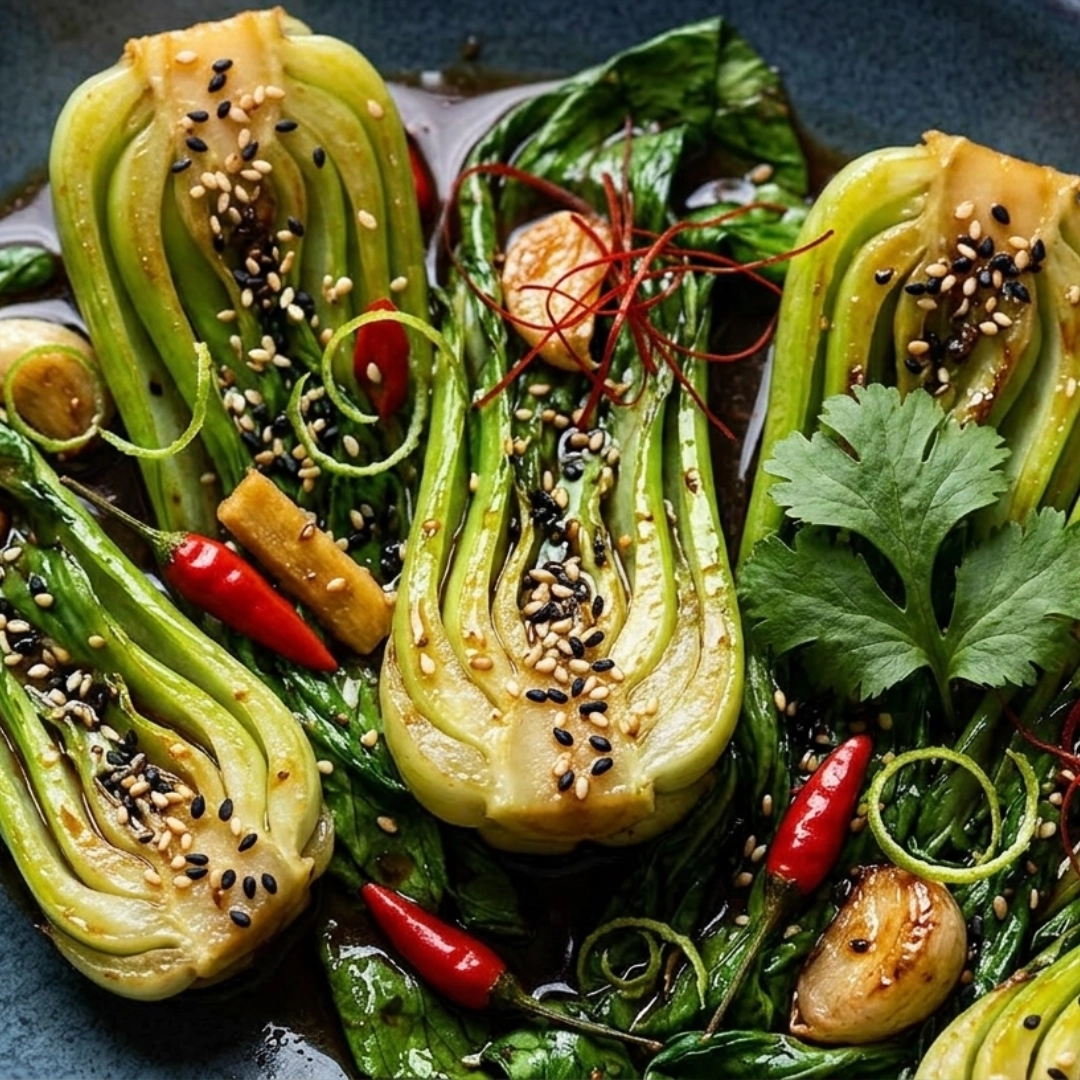
Mastering the art of simple vegetable sides is a hallmark of an expert home cook. Among the vast array of leafy greens, baby bok choy stands out as a versatile, nutrient-dense powerhouse that transforms beautifully under the right heat. This sautéed bok choy recipe elevates the mild, mustard-like notes of the vegetable with a punchy trifecta of garlic, ginger, and crushed red pepper. By following a specific searing and steaming method, you can achieve that elusive restaurant-quality texture: stalks that are tender yet retain a satisfying snap, paired with emerald leaves that melt in your mouth. Whether you are looking for a quick weeknight addition or a sophisticated side for a dinner party, this dish delivers high impact with minimal effort.
Table of Contents
Ingredients
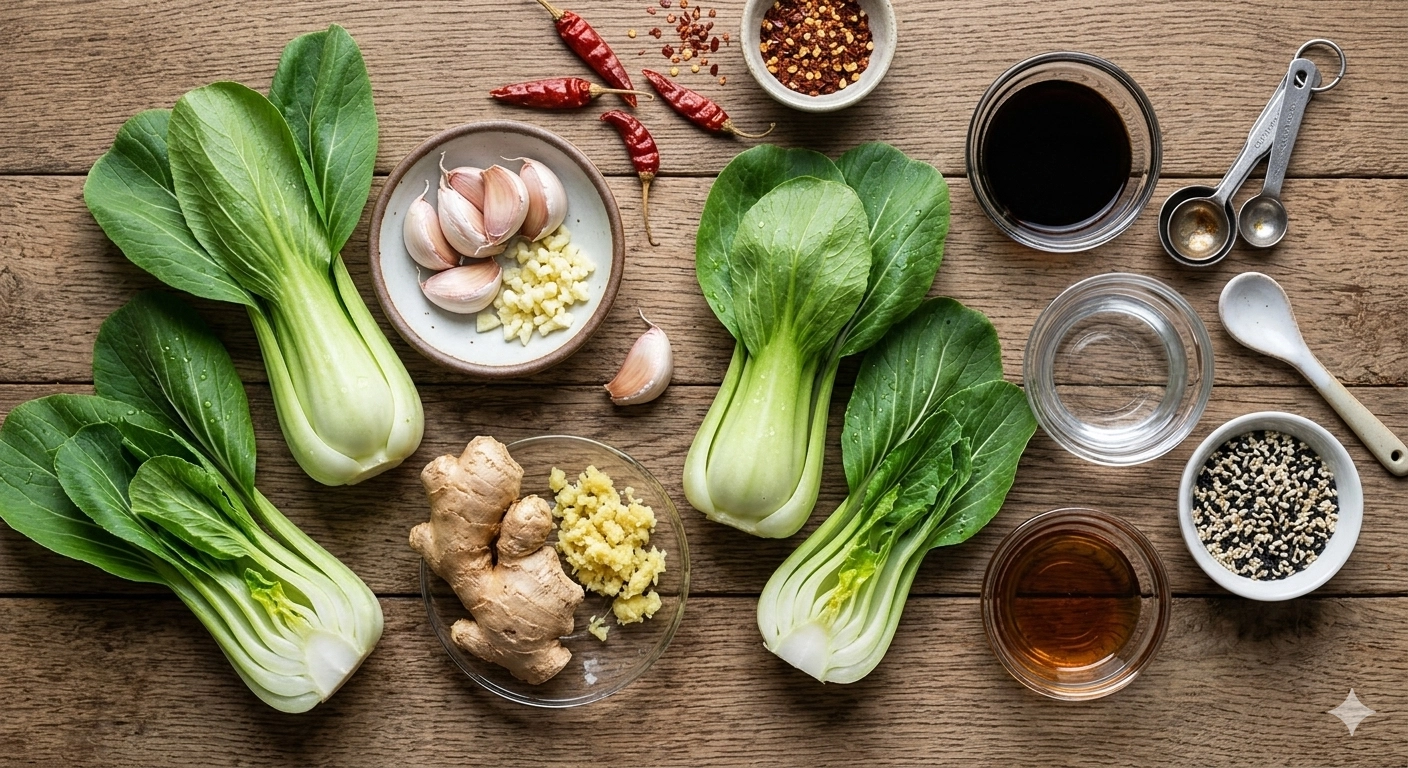
- 1 tablespoon vegetable oil or avocado oil
- 4 cloves garlic, minced
- 2 teaspoons fresh ginger, peeled and minced
- 1/4 teaspoon crushed red pepper flakes
- 4 bunches baby bok choy, cut in half with ends removed
- 2 tablespoons soy sauce
- 1 tablespoon water
- 1 teaspoon toasted sesame oil
- 1 teaspoon sesame seeds (optional garnish)
Instructions
- Prepare the vegetables by rinsing the halved baby bok choy thoroughly under cold water to remove any trapped sediment. Pat them completely dry with a kitchen towel.
- Place a large non-stick pan or a wok over medium heat and add the vegetable or avocado oil.
- Once the oil is shimmering and hot, carefully place the baby bok choy into the pan. Toss them gently to ensure every surface is lightly coated in the oil.
- Introduce the aromatics by adding the minced garlic, minced ginger, and crushed red pepper flakes to the pan. Sauté these ingredients for approximately 2 minutes, stirring constantly to prevent the garlic from browning too quickly or burning.
- Pour the soy sauce and one tablespoon of water over the vegetables.
- Immediately cover the pan with a tight-fitting lid. Allow the bok choy to steam for 2 to 4 minutes, depending on the thickness of the stalks.
- Remove the lid and give the mixture a good stir. Continue to cook for an additional 3 minutes uncovered, allowing the excess liquid to evaporate and the sauce to glaze the vegetables.
- Transfer the cooked bok choy to a serving platter. Drizzle with the toasted sesame oil and sprinkle with sesame seeds if desired. Serve immediately while hot.
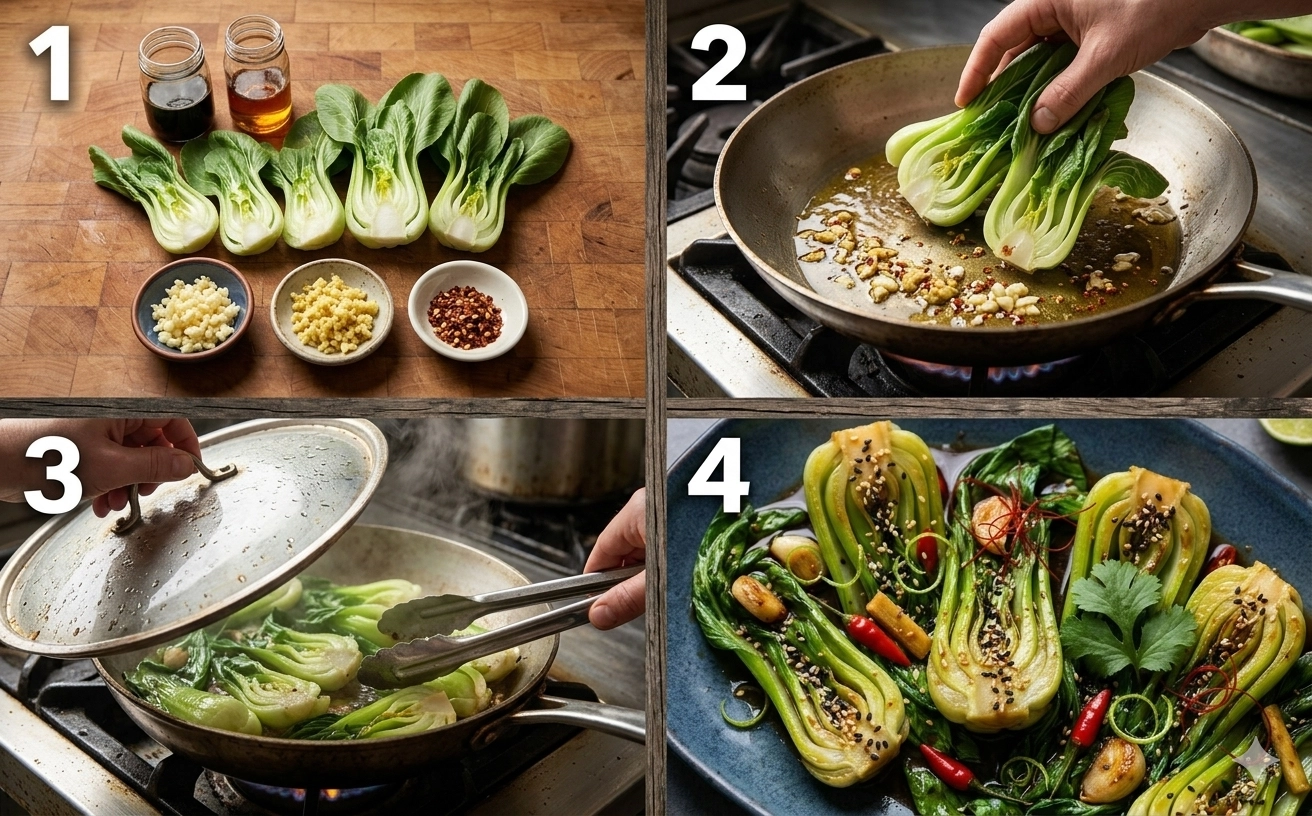
Step-by-Step Details for Culinary Success
Achieving the perfect sautéed bok choy is a process of managing moisture and heat. The journey begins with the preparation of the greens. Because baby bok choy grows close to the ground, the tightly packed layers near the base often trap grit and soil. When you slice the bunches in half lengthwise, you expose these hidden crevices. It is essential to run cold water through these layers. Once washed, the drying phase is paramount. If the vegetables are damp when they hit the hot oil, they will immediately begin to steam rather than sear, depriving you of that beautiful golden-brown caramelization on the flat side of the stalk.
The cooking sequence is designed to maximize flavor without compromising the integrity of the aromatics. Starting the bok choy in the oil first allows the outer cells to soften slightly before the delicate garlic and ginger enter the fray. Garlic, in particular, has a high sugar content and a low burn point; by adding it after the pan has been slightly tempered by the vegetables, you ensure it releases its oils and fragrance into the fat without turning bitter and black.
The transition from sautéing to steaming is where the magic happens. By adding a small amount of water along with the soy sauce and sealing the pan, you create an enclosed environment of intense convection. This high-moisture heat penetrates the thick, fibrous white bulbs of the bok choy, softening them much faster than dry heat alone could. Once the lid is removed for the final few minutes, the remaining liquid reduces into a savory, concentrated jus that clings to the leaves. This two-stage method ensures that the leaves don’t turn into a mushy paste while you wait for the stems to become edible.
Unique Culinary Insights for Perfect Greens
When working with Asian brassicas like bok choy, understanding the “Wok Hei” or the “breath of the wok” can change your perspective, even if you are using a standard flat-bottomed skillet. High heat is your friend, but control is your ally. One tip often overlooked is the temperature of the aromatics. If you find your garlic is browning too fast, you can briefly lift the pan off the burner to regulate the temperature.
Another insight involves the ginger. Many home cooks struggle with the fibrous texture of fresh ginger. To get the best results, use a microplane or the finest side of a box grater. This creates a ginger “pulp” that integrates seamlessly into the sauce, ensuring every bite has an even distribution of warmth without any woody shards. Furthermore, always use toasted sesame oil as a finishing oil rather than a cooking oil. Its smoke point is quite low, and its delicate nutty aroma is easily destroyed by high heat. Adding it at the very end, once the pan is off the heat, preserves its complex flavor profile.
Finally, consider the size of your pan. Overcrowding is the enemy of a good sauté. If the bok choy halves are piled on top of each other, the bottom layer will burn while the top layer remains raw. If your pan isn’t large enough to hold all the halves in a relatively single layer, it is better to sear the vegetables in two batches and then combine them for the steaming step. This ensures uniform cooking and a much more professional presentation.
Modifications and Creative Substitutions
While the classic garlic and ginger profile is a staple, this recipe is highly adaptable to different dietary needs and pantry availability. For those following a gluten-free lifestyle, the soy sauce can be replaced in an exact one-to-one ratio with tamari or coconut aminos. Coconut aminos will add a slight sweetness, which many find complements the peppery bite of the radish-like bok choy quite well.
If you cannot find baby bok choy, full-sized bok choy is a viable alternative, though it requires a slightly different prep. For the larger variety, it is often best to separate the white stalks from the green leaves. Cut the stalks into bite-sized batons and start them in the pan three minutes before adding the leaves, as the thickness of a mature head can be quite formidable.
For those who prefer a bit more “funk” in their side dishes, a teaspoon of fish sauce added during the steaming phase can provide a deep umami backbone. Alternatively, if you want a brighter, more citrus-forward dish, a squeeze of fresh lime juice or a teaspoon of rice vinegar at the very end can cut through the richness of the sesame oil and soy sauce, lifting the entire flavor profile.
Accompaniments and Serving Suggestions
Sautéed bok choy is a quintessential side dish that pairs effortlessly with a wide variety of proteins. Its savory, slightly salty profile makes it the perfect companion for a honey-glazed salmon or a miso-marinated cod. The crispness of the stalks provides a textural contrast to flaky fish, while the greens soak up any extra glaze or sauce on the plate.
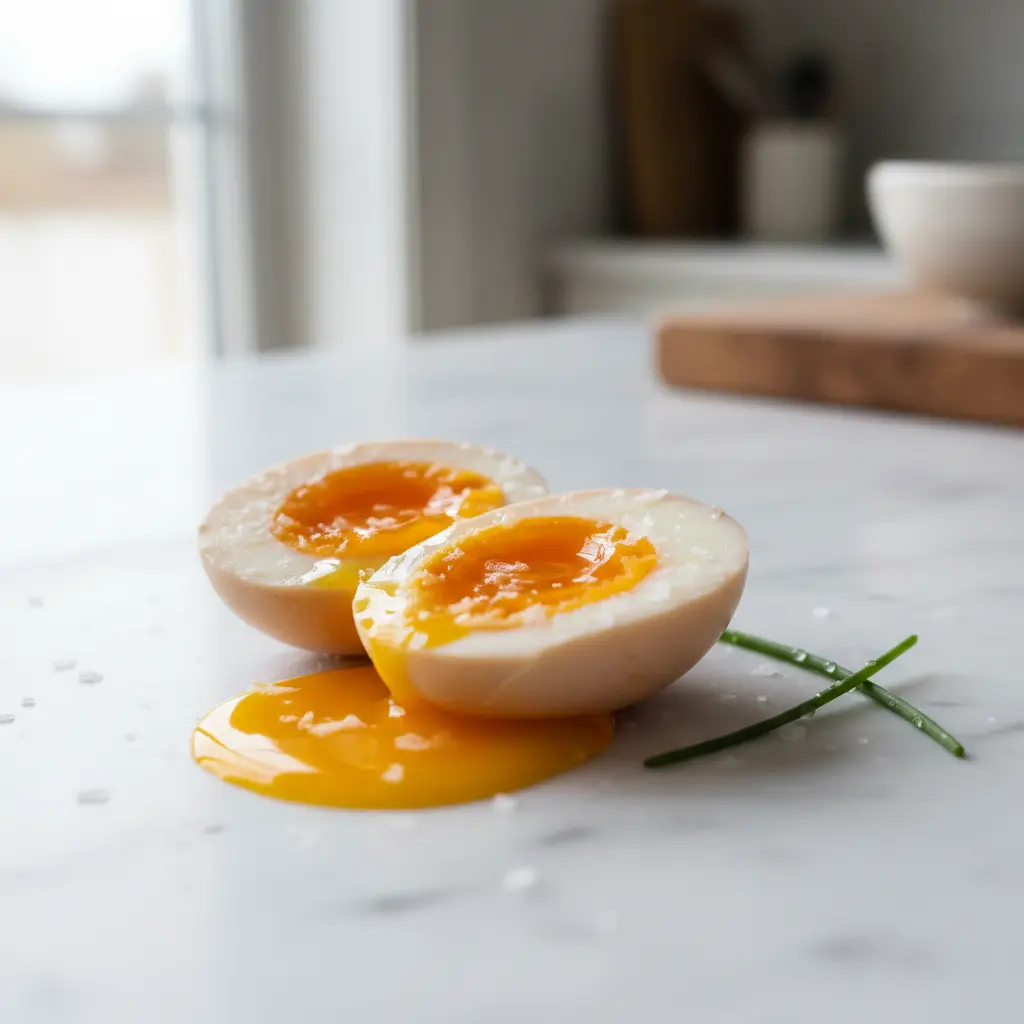
For a plant-based feast, serve this alongside crispy seared tofu and a bowl of steaming jasmine or brown rice. The rice acts as a neutral canvas for the garlic-ginger sauce produced in the pan. You can also incorporate this bok choy into a larger “bowl” concept, topping the greens with a soft-boiled jammy egg and a drizzle of sriracha for a quick and nutritious lunch.
If you are serving this as part of a multi-course Asian-inspired dinner, it balances heavier, meat-centric dishes like Mongolian beef or sweet and sour pork. The bitterness of the greens cleanses the palate between bites of rich, saucy proteins. For presentation, arrange the halves in a circular pattern on a round platter, with the leafy tops pointing toward the center, creating a beautiful floral effect.
Deep-Dive FAQ
How do I keep my bok choy from getting soggy?
The key to preventing sogginess is two-fold: drying the vegetables thoroughly after washing and ensuring your pan is hot enough before you add them. If the pan is too cool, the vegetables will release their internal moisture slowly, causing them to simmer in their own juices. High heat creates an immediate sear that locks in the structure of the stalks.
Can I make this recipe ahead of time?
While sautéed greens are always best served immediately, you can prep the ingredients hours in advance. Wash and dry the bok choy and mince the garlic and ginger so they are ready to go. If you must reheat leftovers, do so quickly in a hot skillet for sixty seconds; avoid the microwave, as it will turn the delicate leaves into a rubbery texture.
What is the difference between baby bok choy and regular bok choy?
Baby bok choy is harvested earlier, resulting in smaller, more tender heads that are sweeter and less fibrous than their mature counterparts. The entire head of baby bok choy is edible and can be cooked whole or halved. Regular bok choy has much larger, tougher white stems that often benefit from being chopped into smaller pieces and cooked longer.
Is it necessary to peel the ginger?
Yes, for the best culinary experience, the skin of the ginger should be removed as it can be tough and papery. An easy trick for this is to use the edge of a small spoon to scrape away the skin; this allows you to follow the irregular contours of the ginger root without wasting the flavorful flesh underneath.
Final Thoughts on This Vibrant Side Dish
Mastering this sautéed bok choy recipe provides you with a reliable, healthy, and flavorful tool in your culinary repertoire. By focusing on the balance of aromatics and the dual-stage cooking method, you transform a humble cabbage into a standout dish. The interaction between the spicy ginger, pungent garlic, and savory soy sauce creates a depth of flavor that belies the short cooking time. As you become more comfortable with the technique, feel free to experiment with different oils or garnishes to make the recipe your own. Enjoy the process of bringing these vibrant greens to your table.
Nutrition Table
| Nutrient | Amount Per Serving |
| Calories | 85 calories |
| Total Fat | 6 grams |
| Saturated Fat | 1 gram |
| Sodium | 640 milligrams |
| Total Carbohydrates | 6 grams |
| Dietary Fiber | 2 grams |
| Sugars | 2 grams |
| Protein | 3 grams |
| Vitamin A | 140 percent |
| Vitamin C | 75 percent |
Disclaimer
The nutritional information provided is an estimate based on standard ingredient measurements. Actual values may vary depending on the specific brands used and the exact size of the produce. Please consult with a healthcare professional for specific dietary advice.
Sautéed Bok Choy with Garlic and Ginger
Ingredients
- 1 tablespoon vegetable oil or avocado oil
- 4 cloves garlic, minced
- 2 teaspoons fresh ginger, peeled and minced
- 0.25 teaspoon crushed red pepper flakes
- 4 bunches baby bok choy, cut in half with ends removed
- 2 tablespoons soy sauce
- 1 tablespoon water
- 1 teaspoon toasted sesame oil
- 1 teaspoon sesame seeds (optional garnish)
Instructions
- Rinse the halved baby bok choy thoroughly under cold water to remove trapped sediment. Pat them completely dry with a kitchen towel.
- Heat the vegetable oil in a large non-stick pan or wok over medium heat until shimmering.
- Carefully place the bok choy into the pan and toss gently to coat in the oil.
- Add minced garlic, minced ginger, and red pepper flakes. Sauté for 2 minutes while stirring constantly to avoid burning the garlic.
- Pour in the soy sauce and water, then immediately cover the pan with a tight-fitting lid.
- Steam for 2 to 4 minutes until the stalks are tender.
- Remove the lid and cook for an additional 3 minutes uncovered, allowing the sauce to reduce and glaze the vegetables.
- Remove from heat, drizzle with toasted sesame oil, and sprinkle with sesame seeds if desired. Serve immediately.
Notes
Equipment
- Large non-stick pan or Wok Must have a matching lid.
- Kitchen towel or paper towels For drying the greens.
- tongs or spatula
- Microplane or grater For the ginger.