When spring arrives, the culinary world awakens with vibrant greens, and nothing captures the essence of the season quite like a tray of perfectly roasted asparagus. This simple yet elegant side dish is a staple in many kitchens because of its incredible versatility and the way high heat transforms a humble spear into a caramelized, tender-crisp delicacy. Many home cooks struggle with soggy or limp stalks, but mastering the art of the oven roast ensures that every bite is packed with concentrated flavor.
Whether you are preparing a quick weeknight dinner or hosting a sophisticated holiday gathering, roasted asparagus provides the perfect balance of nutrition and gourmet appeal. By using a few pantry staples—high-quality oil, salt, and pepper—you can elevate this vegetable to center stage. In this comprehensive guide, we will explore the nuances of selecting the best bunches, the science behind the snap, and the precise timing required to achieve that elusive golden-brown char without losing the vegetable’s characteristic snap.
Table of Contents
Essential Ingredients for Success
To create the best version of this dish, you only need a handful of high-quality components. The simplicity of the ingredient list means that the quality of each item will shine through in the final result.
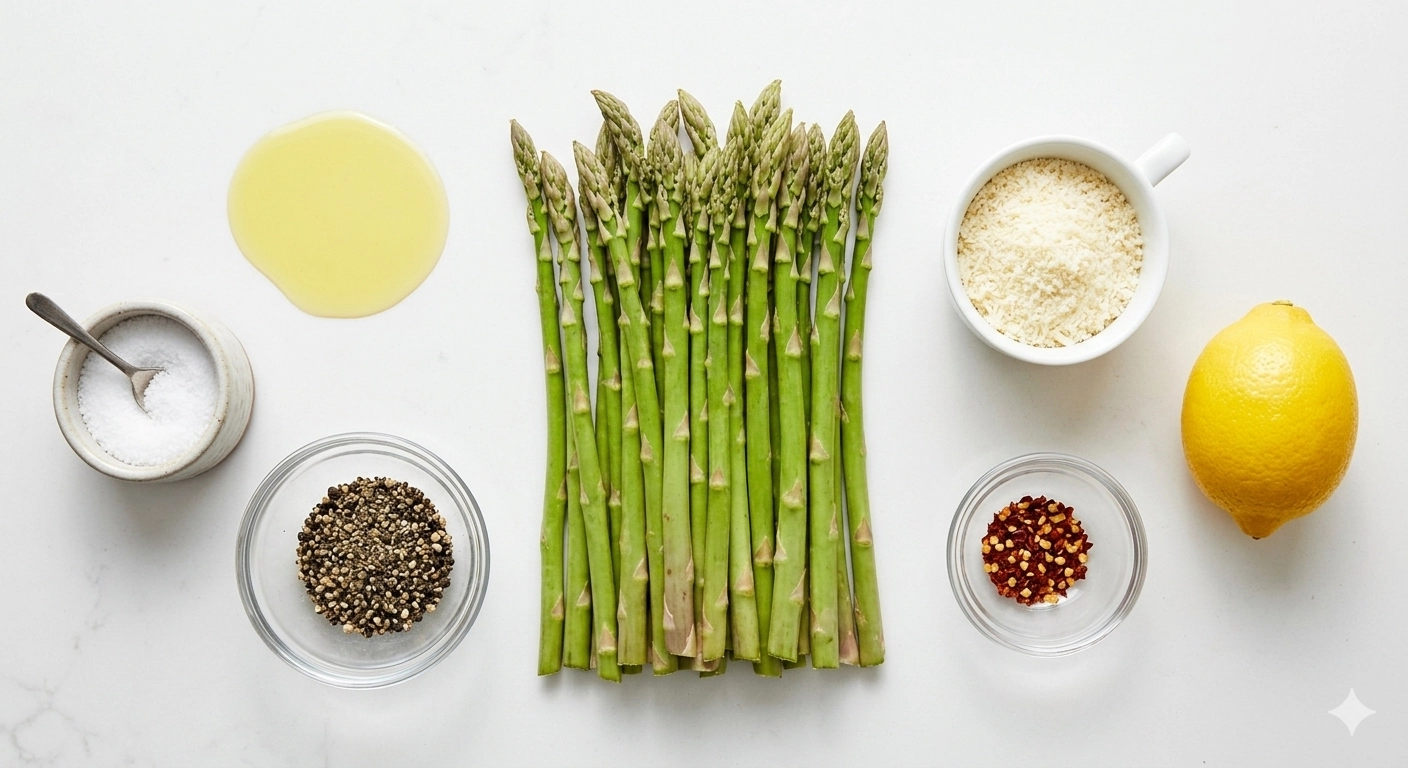
- Fresh Asparagus: One pound of medium-thick spears, with the woody ends removed.
- Extra Virgin Olive Oil: Two teaspoons to one tablespoon, depending on your preference for richness.
- Fine Sea Salt: To taste, ensuring the natural sugars of the vegetable are enhanced.
- Freshly Cracked Black Pepper: To taste, providing a subtle heat and earthy depth.
- Fresh Lemon: One small lemon, cut into wedges for a bright finishing touch.
- Grated Parmesan Cheese: Optional, for a salty, savory crust.
- Red Pepper Flakes: Optional, for those who enjoy a tiny hint of spice.
Step-By-Step Roasting Instructions
Following a specific sequence of events is vital for ensuring your asparagus doesn’t steam but instead roasts to perfection.
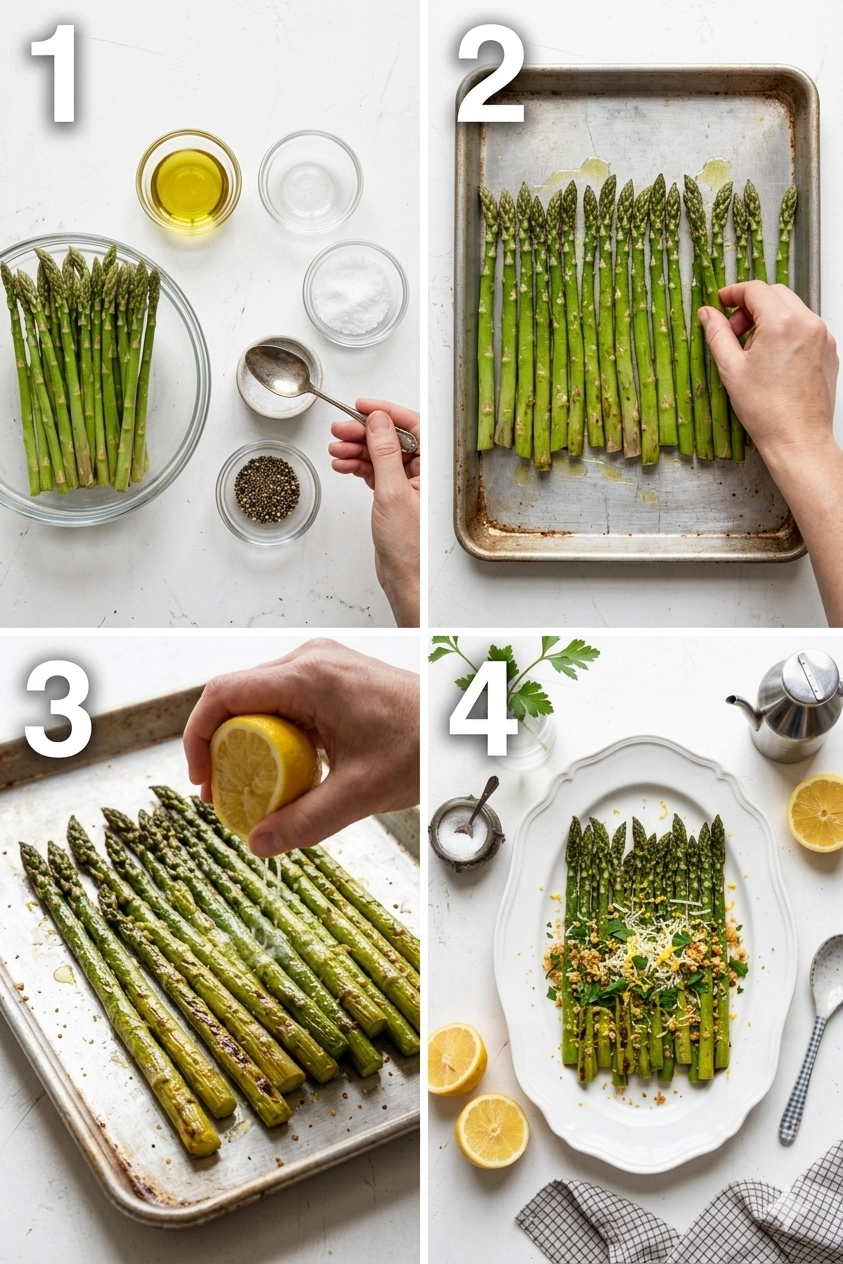
- Preparation of the Oven: Begin by preheating your oven to 425 Fahrenheit. A high temperature is essential for caramelization.
- Trimming the Stalks: Rinse the asparagus under cool water and pat them completely dry. Snap off the tough, woody ends by bending the spear near the base; it will naturally break where the fibrous part meets the tender stem.
- Seasoning the Spears: Place the trimmed asparagus onto a large, rimmed baking sheet. Drizzle with the extra virgin olive oil and sprinkle with the sea salt and black pepper.
- The Toss: Use your hands or tongs to toss the spears directly on the pan, ensuring every inch is lightly coated in oil and seasoning.
- Arranging for Airflow: Spread the asparagus out into a single layer. Ensure they are not crowded; space between the spears allows the hot air to circulate, creating crispy edges.
- The Roast: Slide the pan into the center of the oven. Bake for 10 to 15 minutes. The exact time depends on the thickness of your stalks.
- Final Flourish: Remove the pan from the oven when the tips are lightly browned and the stalks are tender when pierced with a fork. Immediately squeeze fresh lemon juice over the top while they are still sizzling.
Master the Art of the Perfect Snap
The most important physical preparation for asparagus is removing the “woody” bottom. If you have ever bitten into a piece of asparagus only to find it stringy and impossible to chew, the culprit was a failure to trim correctly.
The “snap method” is a time-honored kitchen trick. Because asparagus grows from the ground up, the bottom of the stalk becomes tough and fibrous to support the weight of the spear. By holding the spear at the very base and again in the middle, and gently bending it, the vegetable will naturally fracture at the exact point where the texture changes from woody to succulent.
While some chefs prefer to use a knife to cut the whole bunch at once for a uniform look, the snap method ensures that you are not wasting any tender parts while also ensuring no tough bits remain. If you choose to use a knife, look for the area where the green color begins to fade into a pale white or purple; this is usually the demarcation line for trimming.
Achieving the Ultimate Savory Char
The magic of roasting lies in the Maillard reaction—a chemical reaction between amino acids and reducing sugars that gives browned food its distinctive flavor. Because asparagus has a high water content, you must fight against the tendency of the vegetable to steam.
To achieve a deep, savory char, never line your pan with parchment paper if you want maximum browning. The direct contact with the metal of the baking sheet conducts heat more efficiently into the vegetable. Furthermore, the oil acts as a heat conductor. You want just enough oil to coat the spears so they glisten, but not so much that they are swimming in fat.
If you find your asparagus is cooked through but not browned, you can move the oven rack to the highest position for the last two minutes of cooking. This brings the tips closer to the heating element, providing a final blast of heat that crisps up the delicate buds at the top.
Dynamic Flavor Modifications and Substitutions
While the classic preparation is undeniably delicious, this recipe serves as a blank canvas for various flavor profiles.
The Garlic Infusion: If you are a fan of pungent aromatics, toss the spears with two cloves of finely minced garlic before roasting. Be careful, as garlic can burn at 425 Fahrenheit; if you notice it browning too quickly, tent the pan with foil.
Nutty Textures: For a sophisticated crunch, sprinkle toasted slivered almonds or pine nuts over the asparagus after it comes out of the oven. The richness of the nuts complements the earthy notes of the vegetable beautifully.
Acidic Variations: If lemon is not your favorite, try a drizzle of high-quality balsamic glaze. The sweetness of the reduced vinegar balances the slight bitterness of the asparagus. Alternatively, a splash of champagne vinegar can provide a more delicate tang.
Cheese Options: While Parmesan is the standard, crumbled feta or goat cheese added in the final minute of roasting creates a creamy, tangy contrast. The heat will soften the cheese without completely melting it, adding a luxurious mouthfeel to the dish.
Ideal Accompaniments and Serving Suggestions
Roasted asparagus is a versatile player that fits into almost any meal plan. It is light enough to serve alongside a heavy pasta dish, yet substantial enough to be the star of a vegetarian grain bowl.
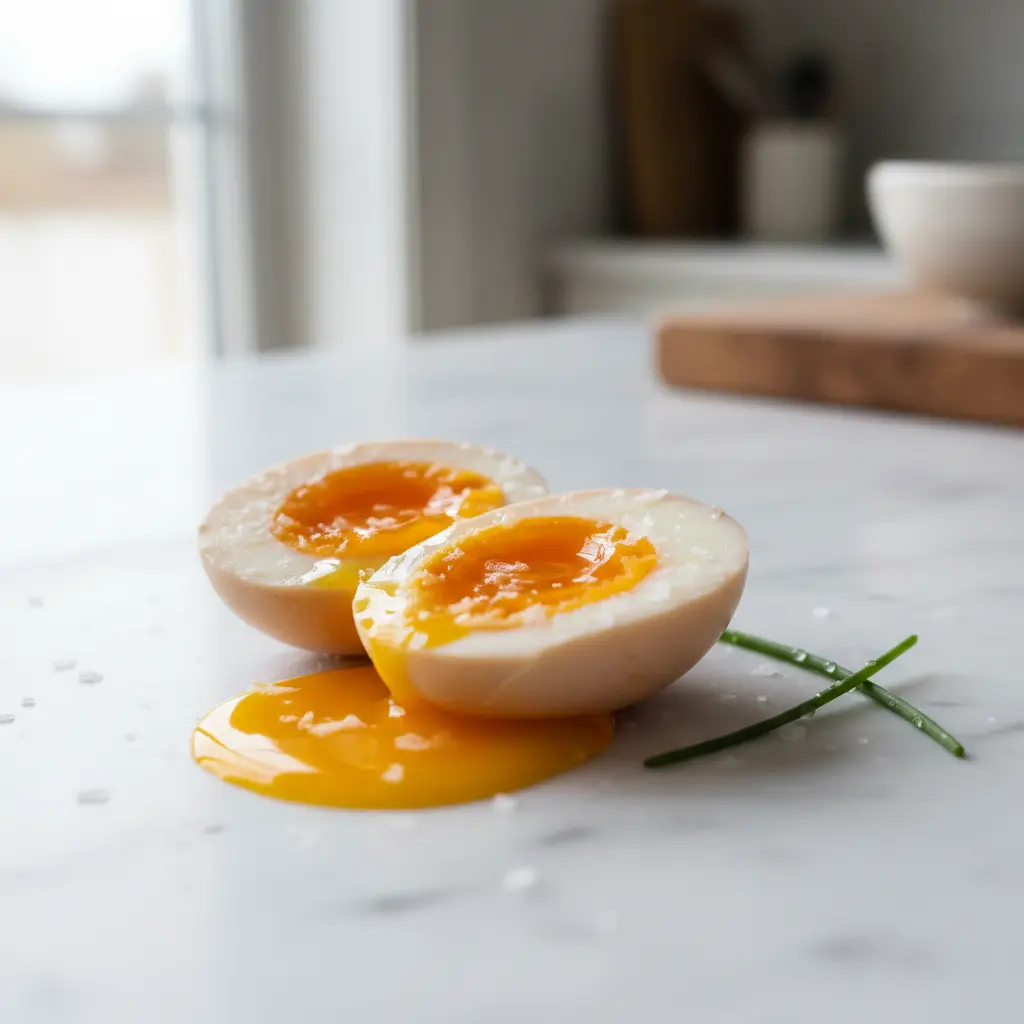
For a classic pairing, serve these spears next to a pan-seared salmon fillet or a roasted chicken. The brightness of the lemon on the asparagus acts as a natural palate cleanser for richer meats. If you are hosting brunch, these roasted spears are the perfect companion to a soft-poached egg. When the yolk breaks and mixes with the olive oil and lemon on the plate, it creates a “sauce” that is truly divine.
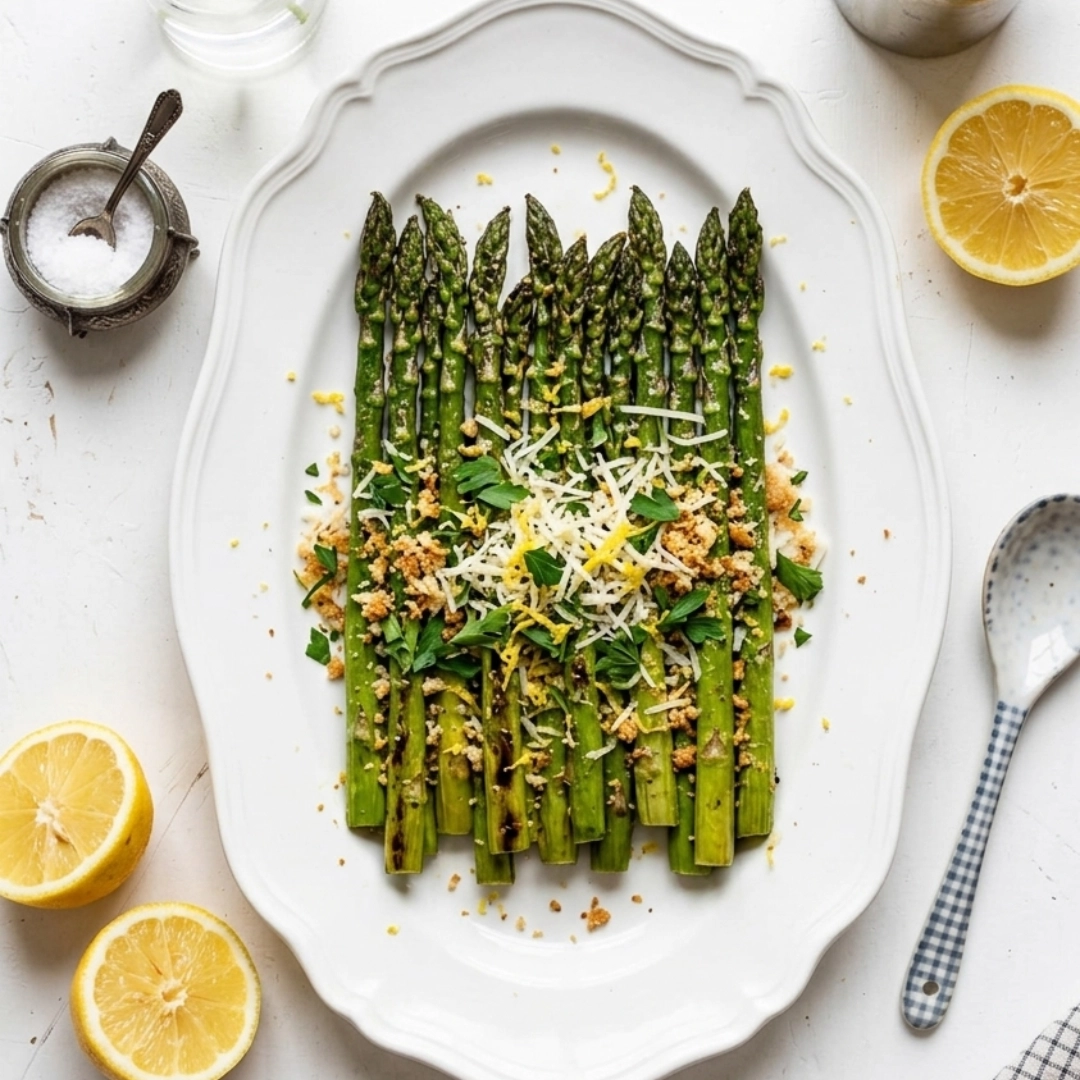
In terms of presentation, try serving the stalks on a long, narrow platter. Arrange them all facing the same direction to highlight their elegant shape. If you are serving a large crowd, you can even serve them at room temperature; unlike boiled vegetables, roasted asparagus retains its integrity and flavor even as it cools.
Strategic Kitchen Insights for Storage
If you happen to have leftovers, they can be stored in an airtight container in the refrigerator for up to three days. However, be aware that the asparagus will lose its crispness once chilled.
To revive leftover roasted asparagus, avoid the microwave. Instead, toss them back into a hot skillet for two minutes or place them under the broiler for a sixty-second blast. This will help re-crisp the exterior. Leftover spears are also a fantastic addition to a morning omelet or chopped up into a cold quinoa salad for lunch the next day.
Deep-Dive Culinary Questions
How do I choose the best bunch at the grocery store?
Look for stalks that are firm to the touch and can stand up straight without drooping. The tips, or “buds,” should be tightly closed and compact, not spreading or flowering. Avoid any bunches where the ends look excessively dry or cracked, as this indicates the asparagus has been sitting on the shelf for too long and may be overly fibrous.
Should I peel my asparagus spears?
Peeling is generally only necessary for extremely thick, “jumbo” asparagus stalks. If your spears are the thickness of a thumb or larger, the outer skin can sometimes be tough. In this case, use a vegetable peeler to gently remove the outer skin from the bottom half of the stalk. For standard or thin spears, peeling is an unnecessary step that removes valuable nutrients.
Why did my asparagus turn out mushy?
Mushiness is almost always caused by one of two things: overcrowding the pan or overcooking. When the spears are touching or overlapping, the moisture they release gets trapped, essentially boiling the vegetable in its own juice. Always ensure there is plenty of “breathing room” on your baking sheet. Additionally, start checking for doneness at the ten-minute mark; thin spears can go from perfect to mushy in a matter of sixty seconds.
Is it better to roast thick or thin asparagus?
This is largely a matter of personal preference. Thin spears, often called “pencil asparagus,” cook very quickly and offer a higher ratio of crispy tips to tender stalks. Thick spears take longer to roast but offer a much juicier, meatier interior that many people find more satisfying. Both work perfectly with this roasting method as long as you adjust your timer accordingly.
The Final Touch on Your Green Side Dish
Perfecting the roasted asparagus technique is a milestone for any home cook. It moves you away from the bland, uninspired vegetables of the past and into a world where high-heat roasting brings out the best in nature’s bounty. By focusing on the quality of your oil, the precision of your oven temperature, and the crucial post-roast addition of citrus, you create a dish that is far more than the sum of its parts. This recipe is a testament to the fact that you do not need complex techniques or rare ingredients to produce a world-class meal.
Estimated Nutritional Values
| Category | Amount per Serving |
| Calories | Sixty-five |
| Total Fat | Five grams |
| Saturated Fat | One gram |
| Sodium | One hundred fifty milligrams |
| Total Carbohydrates | Four grams |
| Dietary Fiber | Two grams |
| Sugars | Two grams |
| Protein | Three grams |
Nutritional Disclaimer
The nutritional information provided is an estimate based on standard ingredient measurements. Actual values may vary depending on the specific brands used and the exact size of the produce. For those with specific dietary requirements, it is recommended to calculate values using a specialized nutrition tool.
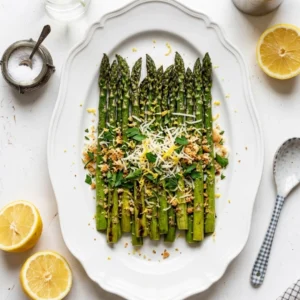
The Ultimate Roasted Asparagus
Ingredients
- 1 pound fresh asparagus, medium-thick spears preferred
- 2 tsp extra virgin olive oil
- 0.25 tsp fine sea salt
- 0.125 tsp freshly ground black pepper
- 1 fresh lemon, cut into wedges
- 1 tbsp grated Parmesan cheese (optional)
- 1 pinch red pepper flakes (optional)
Instructions
- Preheat your oven to 425 Fahrenheit. Prepare a large rimmed baking sheet.
- Rinse the asparagus and pat dry with a clean kitchen towel. Snap off the tough, woody ends by bending the spears near the base until they break naturally.
- Place the trimmed asparagus on the baking sheet. Drizzle with olive oil and sprinkle with sea salt and black pepper.
- Toss the asparagus to coat thoroughly and spread into a single layer, ensuring the spears are not crowded.
- Roast in the center of the oven for 10 to 15 minutes, depending on thickness, until the tips are lightly browned and tender.
- Remove from the oven and immediately squeeze fresh lemon juice over the hot asparagus. Serve warm.
Notes
Equipment
- Rimmed baking sheet
- Kitchen towel For drying the spears
- tongs For tossing