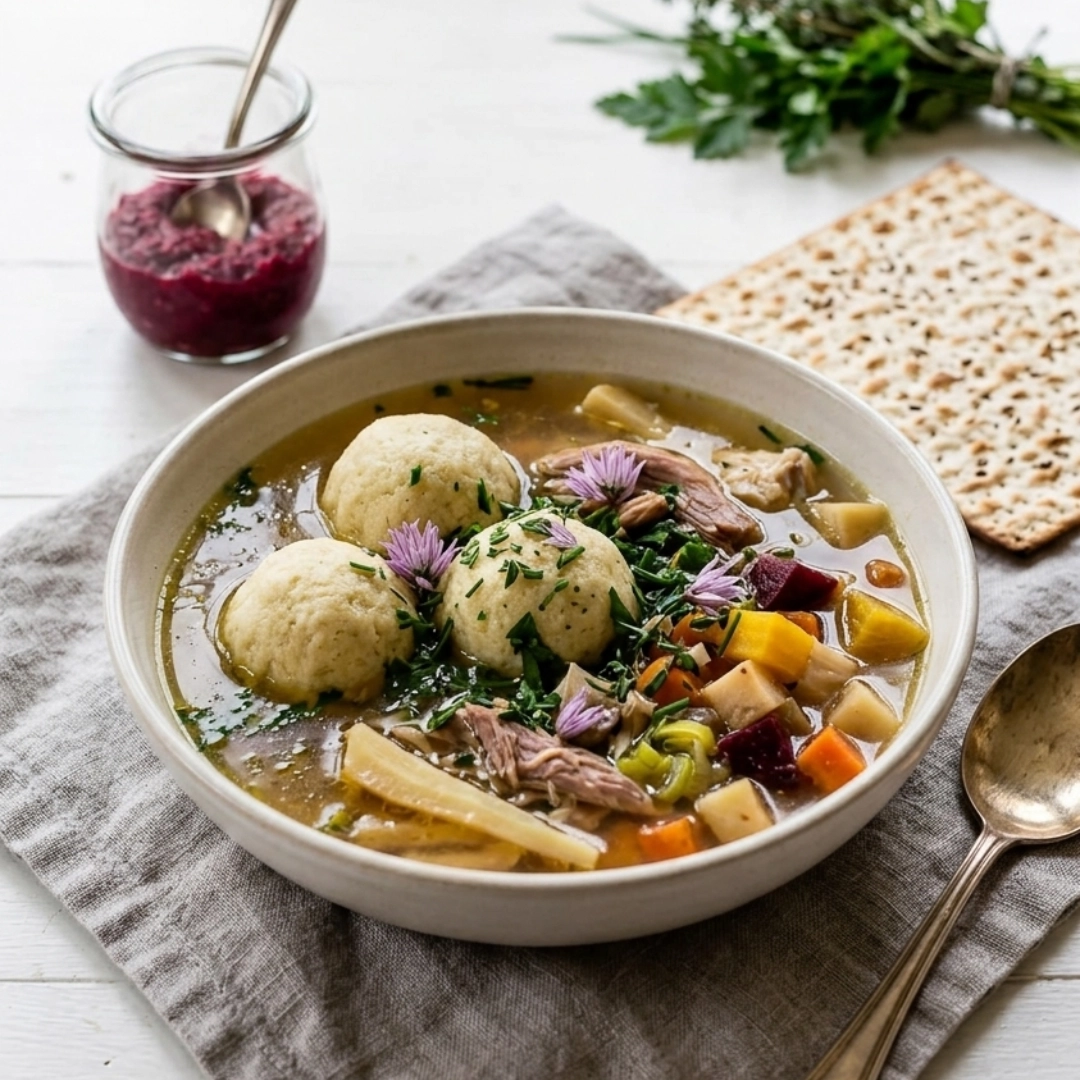
Matzo ball soup is often affectionately referred to as Jewish Penicillin, and for very good reason. There is something fundamentally restorative about a bowl of golden chicken broth teeming with tender vegetables and pillowy dumplings. This specific matzo ball soup recipe focuses on creating a deeply flavored base and matzo balls that strike the perfect balance between light and substantial. Whether you are preparing for a holiday Seder or simply seeking a warm embrace on a chilly afternoon, this dish delivers a timeless sense of home and healing. By following the traditional methods of searing the chicken and allowing the matzo mixture to properly hydrate, you ensure a result that is far superior to anything found in a tin.
Table of Contents
Necessary Ingredients for This Classic Dish
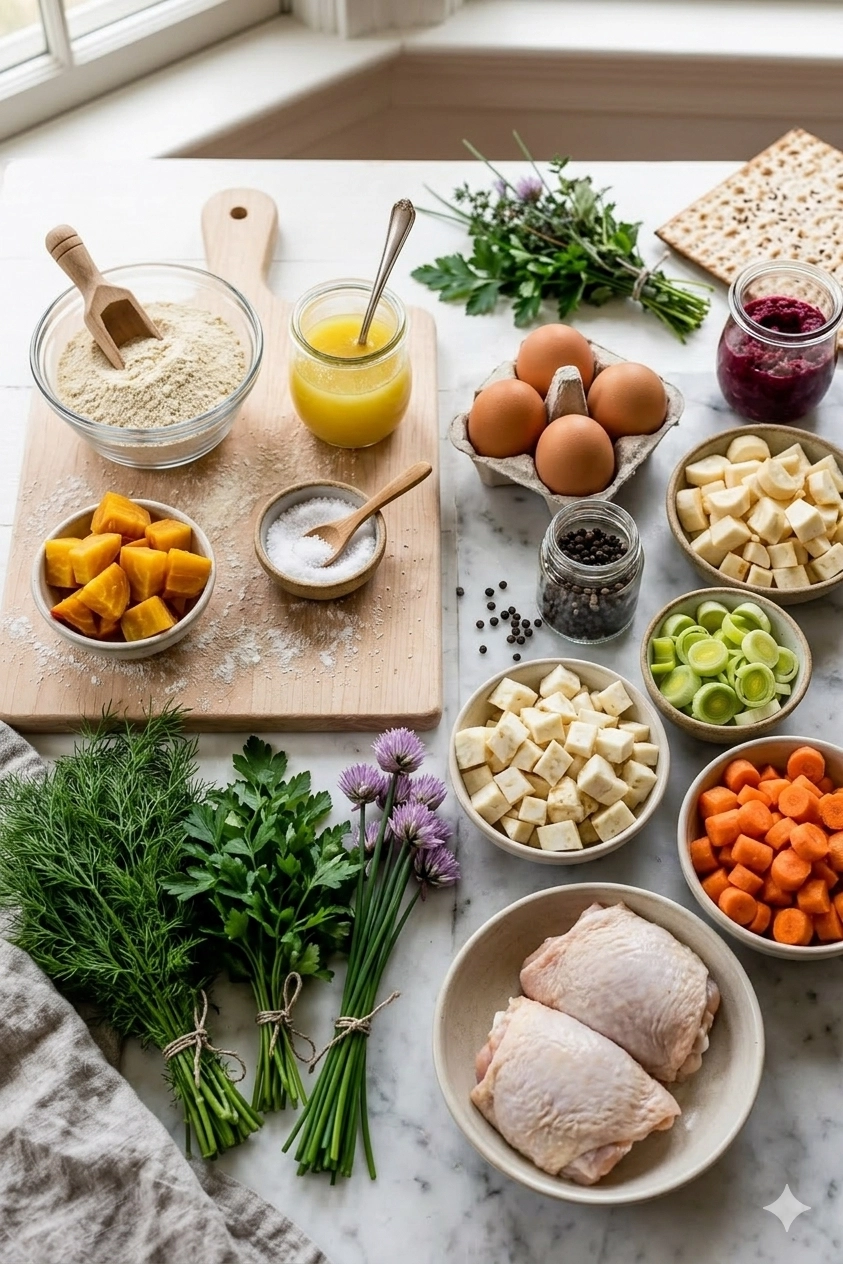
To create this soul-warming meal, you will need to gather high-quality ingredients for both the rich chicken base and the dumplings themselves. Ensure your vegetables are fresh and your chicken is properly seasoned for the best flavor profile.
For the Soup Base
- Two boneless skinless chicken breasts
- Two tablespoons olive oil
- Eight cups high quality chicken stock
- Two large carrots, peeled and small diced
- Two stalks celery, small diced
- Sea salt to taste
- Black pepper to taste
- Fresh dill for garnish
- Sliced green onions for garnish (optional)
For the Matzo Balls
- One cup matzo meal
- Four large eggs
- Two tablespoons melted schmaltz (chicken fat) or melted butter
- One tablespoon finely minced yellow onion
- One teaspoon finely minced garlic
- One half teaspoon baking powder
- One half teaspoon sea salt
- One fourth teaspoon black pepper
- One tablespoon minced fresh parsley
Master Instructions for Preparation
Success in this recipe comes from the order of operations. We begin by building flavor in the pot through searing, then move to the patient process of hydrating the matzo dough to ensure the dumplings do not fall apart during the simmer.
- Begin by seasoning the boneless skinless chicken breasts generously on both sides with sea salt and black pepper.
- In a large soup pot or Dutch oven (six quart size is ideal), heat the olive oil over medium high heat.
- Once the oil is shimmering, place the chicken breasts in the pot and sear on both sides until they are golden brown and cooked throughout.
- Pour the chicken stock into the pot with the chicken, place a lid on top, and simmer over medium heat for approximately one hour. You want the chicken to be tender enough to shred easily with two forks.
- While the chicken is simmering, prepare the matzo ball mixture. In a medium bowl, combine the matzo meal, minced yellow onions, minced garlic, eggs, baking powder, sea salt, black pepper, minced parsley, and melted schmaltz (or butter).
- Stir the mixture until fully combined, then cover and place it in the refrigerator to rest for at least thirty minutes. This step is vital for hydration.
- Once the chicken is finished simmering, remove it from the pot and shred it into bite sized pieces using two forks. Return the shredded chicken to the broth.
- Add the diced carrots and celery to the pot and continue to simmer.
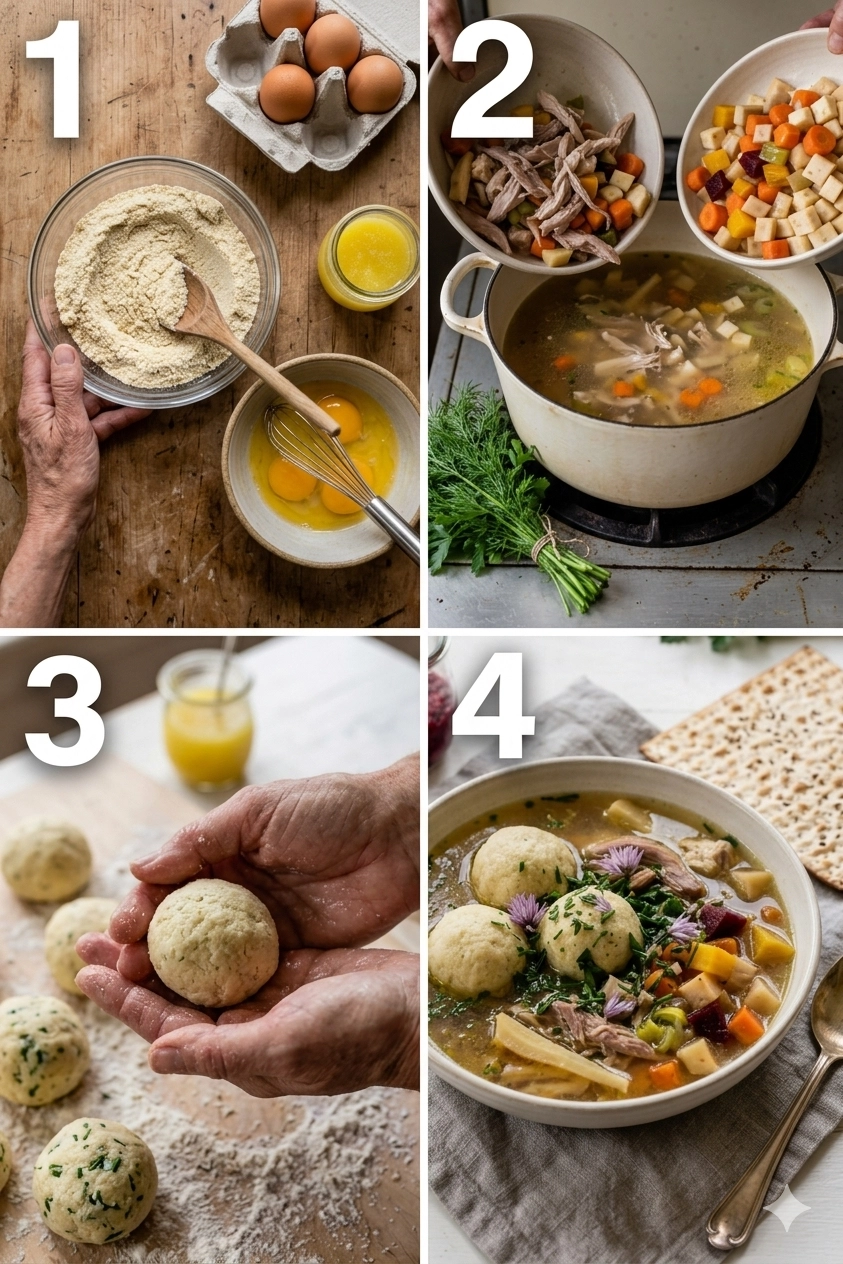
- Remove the matzo mixture from the fridge. Wet your hands slightly with water to prevent sticking and roll the batter into balls roughly the size of a ping pong ball.
- Carefully drop the matzo balls into the simmering soup pot. Do not overcrowd the pot; they will expand as they cook.
- Cover and cook for fifteen to twenty minutes. Every three to four minutes, gently move or flip the balls to ensure even cooking. They should be firm and cooked through.
- Serve by placing a few matzo balls in a bowl and ladling the chicken, vegetables, and broth over the top. Garnish with fresh dill and sliced green onions.
Step-by-Step Details for Culinary Success
The process of making a truly exceptional matzo ball soup recipe is as much about technique as it is about ingredients. When you begin by searing the chicken breasts, you are not just cooking the meat; you are creating fond, those little brown bits at the bottom of the pot that dissolve into the stock to create a complex, savory depth. This initial sear provides a roasted flavor that a simple boil cannot achieve.
As the chicken simmers for an hour, the collagen and proteins break down, enriching the stock. This is the perfect window of time to focus on your matzo balls. The secret to a “floater” versus a “sinker” often lies in the inclusion of baking powder and the resting period. When you mix the matzo meal with the eggs and schmaltz, the meal starts as dry, gritty particles. If you were to cook them immediately, the dumplings would likely crumble. By allowing the mixture to sit in the refrigerator for thirty minutes, the matzo meal fibers fully absorb the moisture from the eggs and fat. This creates a cohesive “dough” that holds its shape while remaining airy enough to expand.
When it comes time to roll the balls, the “wet hand technique” is your best friend. Matzo dough is notoriously tacky. By keeping a small bowl of water nearby and dipping your fingers before rolling each ball, you create a smooth surface that prevents the dough from tearing. As they hit the simmering broth, the baking powder reacts with the heat, causing them to puff up. The gentle flipping every few minutes ensures that the centers cook through at the same rate as the exterior, preventing that dreaded “dense core” that can plague less-careful preparations.
Unique Culinary Insights for the Perfect Broth
One of the most overlooked aspects of a great matzo ball soup recipe is the clarity and temperature of the broth. To keep your soup from looking cloudy, ensure you are simmering rather than hard-boiling once the vegetables and matzo balls are added. A violent boil can break apart the delicate vegetables and cause the matzo balls to shed excess meal into the liquid, making it murky.
If you want to take the flavor to a professional level, consider the “Schmaltz Factor.” While melted butter is a fine substitute, authentic schmaltz—rendered chicken fat—carries an essence of roasted chicken that defines the traditional taste of this dish. You can often find schmaltz at specialty butcher shops or render it yourself by slowly melting chicken skin and fat over low heat until the liquid gold separates from the crispy “gribenes.”
Another professional tip involves the parsley and dill. While many people throw herbs in at the beginning, the delicate volatile oils in fresh dill are easily destroyed by long heat. For the most vibrant flavor, add the minced parsley into the matzo ball dough itself so the flavor is trapped inside, but save the fresh dill for the very last second of serving. This provides a hit of freshness that cuts through the richness of the chicken fat.
Simple Modifications and Substitutions
While this matzo ball soup recipe is rooted in tradition, there are several ways to adapt it to your pantry or dietary needs without sacrificing the soul of the dish.
- The Fat Source: If you do not have schmaltz and want to keep the dish dairy-free (Pareve), avocado oil or a neutral vegetable oil can be used in the matzo balls. However, for the richest flavor, schmaltz is king, followed closely by melted butter for those not following Kosher dietary laws regarding mixing meat and dairy.
- Vegetable Variations: While carrots and celery are the standard “mirepoix” for this soup, adding a diced parsnip can introduce a lovely earthy sweetness. Some cooks also enjoy adding a bit of leek for a more sophisticated onion profile.
- Gluten-Free Options: For those with gluten sensitivities, gluten-free matzo meal is widely available. It behaves very similarly to standard matzo meal, though you may find it requires an extra ten minutes of hydration time in the refrigerator to ensure the balls don’t fall apart.
- Chicken Choices: While this recipe calls for chicken breasts for a leaner, cleaner soup, you can certainly use boneless skinless thighs if you prefer darker meat and a slightly higher fat content in your broth.
Ideal Accompaniments and Serving Suggestions
Matzo ball soup is a complete meal in a bowl, but it often shines brightest when paired with other traditional Ashkenazi elements. A side of fresh challah bread is a common companion, perfect for soaking up every last drop of the golden broth. If you are serving this as part of a larger multi-course meal, it usually acts as the first course, followed by brisket or roasted chicken.
When serving, presentation matters. Use wide, shallow bowls to allow the matzo balls to sit proudly above the water line. A heavy-handed garnish of fresh dill is not just for looks; the aroma of the herb hitting the hot steam is part of the sensory experience. For an extra bite, some families serve a side of prepared horseradish, which can be stirred into the soup by individual diners to provide a pungent, clearing heat that contrasts beautifully with the mellow chicken stock.
Deep-Dive FAQ for Home Cooks
Why do my matzo balls always fall apart when I drop them in the soup?
The most common reason for matzo balls disintegrating is a lack of hydration time. The matzo meal needs at least thirty minutes in the refrigerator to fully bind with the eggs and fat. If the meal is still dry in the center, it won’t have the structural integrity to withstand the simmering broth. Additionally, make sure your broth is at a gentle simmer, not a rolling boil, which can mechanically knock the balls apart.
Can I make the matzo balls in advance and reheat them later?
Yes, you can certainly prepare the components ahead of time. However, for the best texture, it is recommended to store the cooked matzo balls in a separate container with just enough broth to keep them moist, rather than leaving them sitting in the full pot of soup. Matzo balls act like sponges; if they sit in the soup for twenty four hours, they will absorb a massive amount of liquid and may become overly soft or soggy.
What is the difference between a floater and a sinker?
This is a classic debate in Jewish kitchens. “Floaters” are light, airy, and fluffy, usually achieved by adding a leavening agent like baking powder or seltzer water and avoiding over-mixing. “Sinkers” are dense, heavy, and chewy, often preferred by those who want a more substantial dumpling. This recipe produces a “floater” thanks to the baking powder and the specific ratio of eggs to meal.
Is it better to cook the matzo balls in the soup or in plain water?
Cooking the matzo balls directly in the soup, as detailed in this recipe, allows the dumplings to absorb the flavor of the seasoned chicken stock. If you cook them in plain water, they will taste bland. However, the trade-off is that the matzo balls will soak up some of your broth, so you may need to have a little extra stock on hand to top off the pot before serving.
A Final Note on This Timeless Classic
There is a reason this matzo ball soup recipe has endured through generations. It is a dish that requires patience—time for the chicken to become tender and time for the matzo dough to rest—but the reward is a level of comfort that few other foods can match. By focusing on the small details, like the sear on the chicken and the freshness of the herbs, you elevate a humble dumpling soup into a centerpiece of culinary tradition. Enjoy the process of rolling the balls and the wonderful aroma that will fill your kitchen as the pot simmers on the stove.
Nutritional Information Table
| Nutrient | Amount Per Serving |
| Calories | Three hundred twenty |
| Total Fat | Fourteen grams |
| Saturated Fat | Four grams |
| Cholesterol | One hundred eighty milligrams |
| Sodium | Nine hundred fifty milligrams |
| Total Carbohydrates | Twenty six grams |
| Dietary Fiber | Two grams |
| Sugars | Three grams |
| Protein | Twenty two grams |
Disclaimer
The nutritional information provided is an estimate based on standard ingredient measurements. Actual values may vary depending on the specific brands of chicken stock and matzo meal used. Always consult with a healthcare professional for specific dietary needs or concerns.
The Ultimate Comforting Matzo Ball Soup
Ingredients
- 2 boneless skinless chicken breasts
- 2 tbsp olive oil
- 8 cups high quality chicken stock
- 2 large carrots, peeled and small diced
- 2 stalks celery, small diced
- 1 cup matzo meal
- 4 large eggs
- 2 tbsp melted schmaltz or butter
- 1 tbsp yellow onion, finely minced
- 1 tsp garlic, finely minced
- 0.5 tsp baking powder
- 0.5 tsp sea salt
- 0.25 tsp black pepper
- 1 tbsp fresh parsley, minced
- 1 handful fresh dill, for garnish
- 1 handful green onions, sliced (optional garnish)
Instructions
- Season the chicken breasts with sea salt and black pepper. In a large pot over medium-high heat, sear the chicken in olive oil until golden brown on both sides.
- Pour the chicken stock over the seared chicken. Cover and simmer for one hour until the chicken is tender enough to shred.
- In a medium bowl, combine matzo meal, eggs, melted fat (schmaltz or butter), onion, garlic, baking powder, salt, pepper, and parsley. Mix well.
- Cover the matzo mixture and refrigerate for at least 30 minutes. This is critical for the matzo meal to hydrate and bind properly.
- Remove the cooked chicken from the pot and shred into bite-sized pieces using two forks. Return the chicken to the pot.
- Add the diced carrots and celery to the simmering broth.
- With wet hands, roll the chilled matzo mixture into ping-pong-sized balls. Carefully drop them into the simmering soup.
- Cover and simmer for 15 to 20 minutes, gently flipping the balls every few minutes. Garnish with fresh dill and serve hot.
Notes
Equipment
- 6-quart Dutch oven or stock pot
- medium mixing bowl
- Tongs and forks for shredding
- Chef knife and cutting board