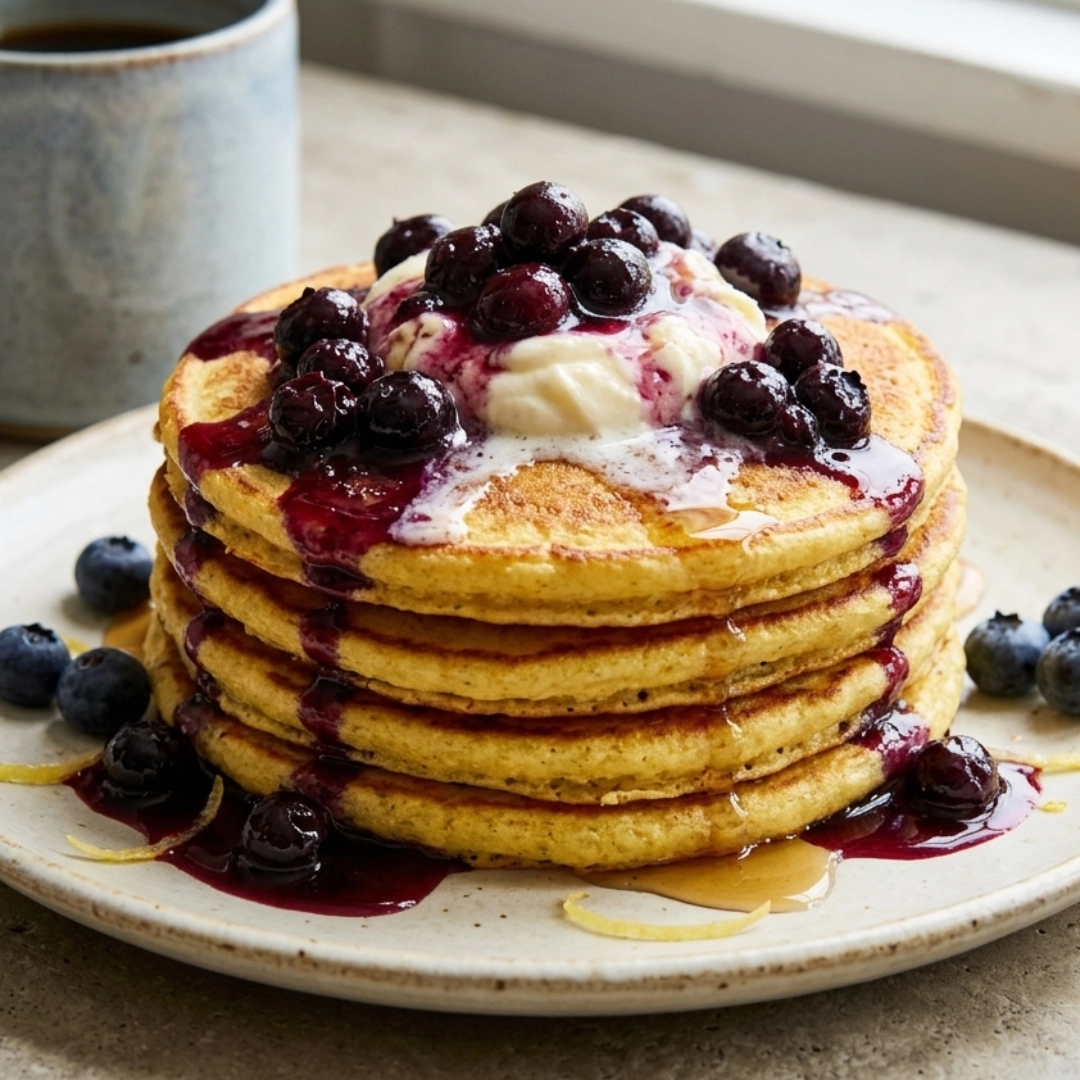
There is a profound difference between a standard breakfast and a culinary experience that stays with you long after the final bite. These Lemon Ricotta Pancakes fall squarely into the latter category. While the average pancake relies on heavy flour and chemical leaveners for its height, this specific recipe utilizes the structural integrity of whipped egg whites and the creamy, moisture-rich profile of whole-milk ricotta. The result is a breakfast staple transformed into something resembling a soufflé—cloud-like, intensely fragrant with fresh citrus, and possessing a delicate crumb that practically melts upon contact. Whether you are hosting a refined Sunday brunch or simply want to elevate a quiet Saturday morning, this recipe provides the blueprint for the most tender, citrus-forward flapjacks you will ever experience.
Table of Contents
Ingredients for the Perfect Citrus Stack
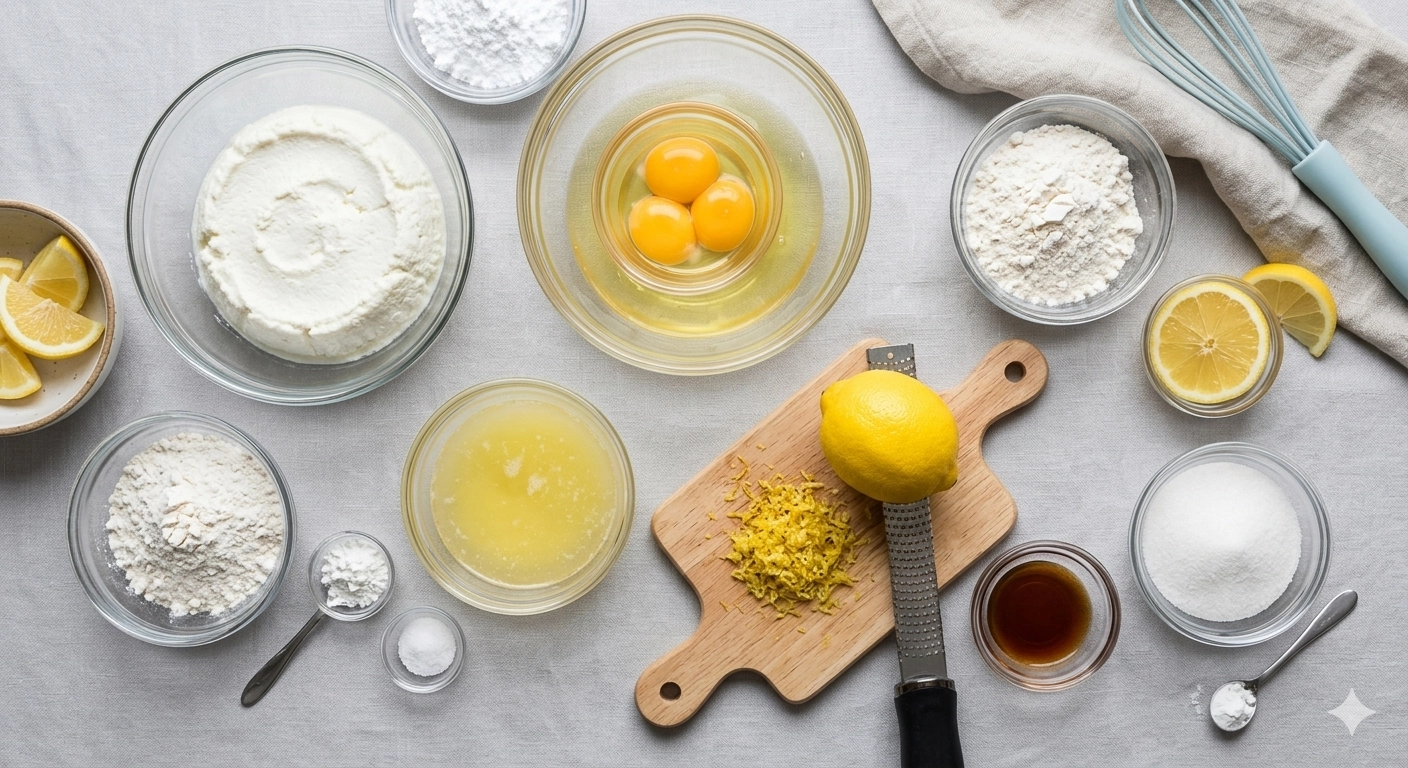
To ensure the success of this delicate batter, please gather the following specific components. It is essential to use high-quality, fresh ingredients, as the simplicity of the recipe allows every flavor to shine through clearly.
- Two thirds cup all-purpose flour, sifted (82 grams)
- One tablespoon cornstarch
- One teaspoon baking powder
- One teaspoon kosher salt
- Five large eggs, room temperature and separated
- Finely grated lemon zest from one whole lemon
- Two teaspoons pure vanilla extract
- Two tablespoons unsalted butter, melted (plus additional for the cooking surface and serving)
- One cup whole-milk ricotta, drained for one to two hours (240 grams)
- One quarter cup granulated sugar (50 grams)
- A pinch of cream of tartar
Preparation Instructions
Follow these steps with care, paying close attention to the temperature of your pan and the gentle nature of the folding process.
- Begin by preparing your ricotta. Place the cheese in a fine-mesh sieve over a bowl and allow it to drain for at least sixty to ninety minutes. This removes excess whey, ensuring your pancakes stay fluffy rather than soggy.
- In a medium mixing bowl, whisk together the sifted all-purpose flour, cornstarch, baking powder, and kosher salt until perfectly combined.
- In a separate large bowl, combine the five egg yolks, the drained ricotta, two tablespoons of melted butter, the fresh lemon zest, and the vanilla extract. Whisk these until the mixture is smooth and uniform.
- Using a stand mixer or a hand mixer, beat the five egg whites with a pinch of cream of tartar until they begin to foam. Gradually add the one quarter cup of sugar and continue beating until you achieve stiff, glossy peaks.
- Sift half of the dry ingredient mixture into the bowl containing the egg yolk and ricotta base.
- Take one third of the whipped egg whites and gently fold them into the yolk mixture to lighten the base.
- Sift in the remaining dry ingredients and fold them in carefully.
- Add the remaining two thirds of the egg whites in two separate batches, folding with a rubber spatula until just combined. It is perfectly acceptable to have a few small streaks of white remaining; over-mixing will deflate the air you’ve worked so hard to incorporate.
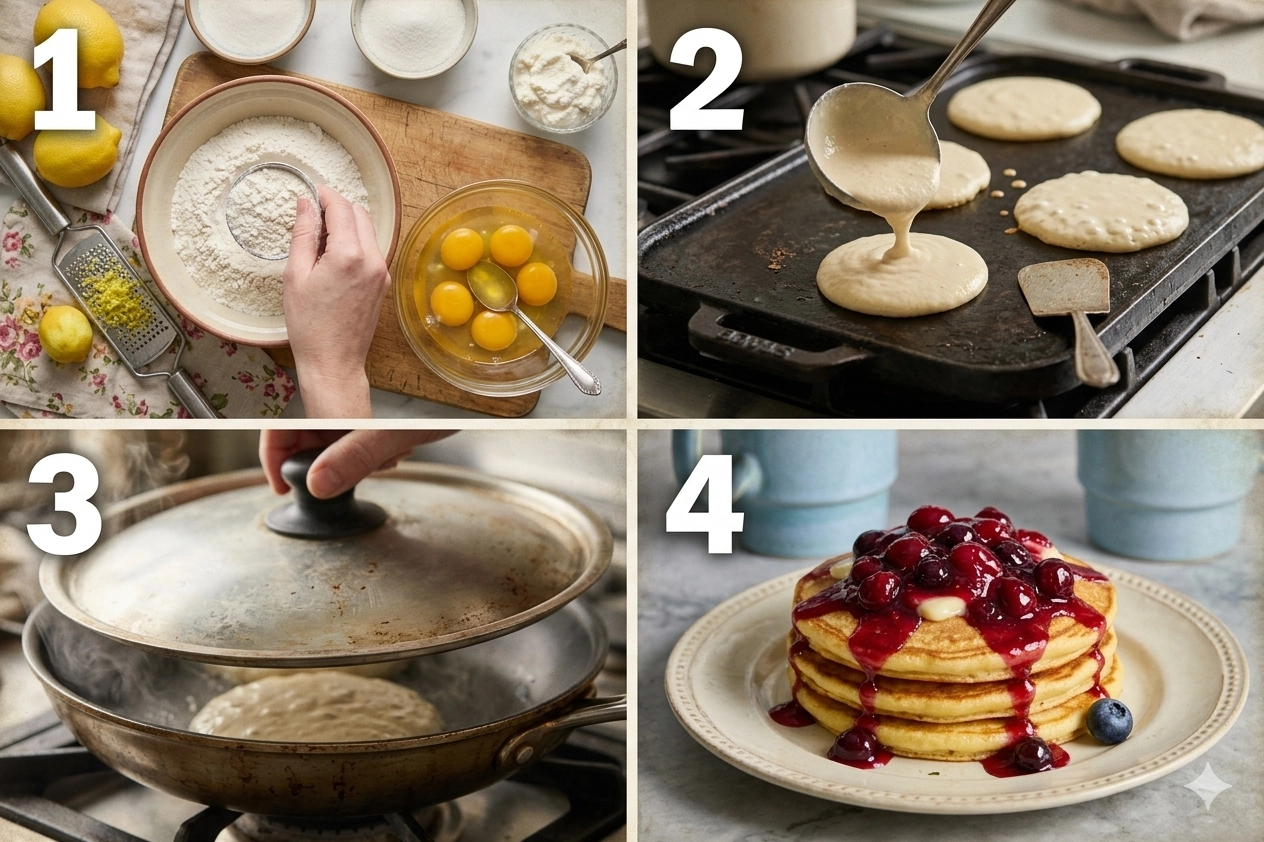
- Preheat a nonstick skillet or griddle over medium heat. Add a half teaspoon of butter to coat the surface.
- Scoop portions of the batter into the pan. Immediately cover the pan with a tight-fitting lid and reduce the heat to low.
- Cook for approximately five minutes. If the butter begins to brown too quickly, the heat is too high. You may add a teaspoon of water to the center of the pan to create steam if necessary.
- Once the pancakes are eighty to ninety percent cooked through and the bottoms are lightly browned, flip them gently.
- Cover again and cook for an additional two to three minutes on the second side.
- Serve immediately with a dusting of powdered sugar and fresh lemon wedges.
Massive Step-by-Step Details and Kitchen Science
Creating a souffléed pancake is an exercise in managing aeration and moisture. The process begins long before the heat hits the pan. Draining the ricotta is the “secret” step that most home cooks skip, but it is the difference between a heavy pancake and one that feels like a cloud. When you drain the ricotta, you are removing the liquid whey that would otherwise weigh down the delicate egg white structure. By the time the cheese is ready, it should be thick and concentrated, providing a rich, creamy mouthfeel without the excess water.
The dry ingredients play a structural role. We use a combination of all-purpose flour and cornstarch. Cornstarch is a pure starch that contains no gluten; by replacing a portion of the flour with cornstarch, we effectively lower the protein content of the mixture. This results in a more tender crumb, as there is less gluten development to make the pancake “chewy.” Sifting is equally important. It removes lumps and aerates the flour, making it easier to fold into the wet ingredients without aggressive stirring.
The heart of the loft in this recipe comes from the egg whites. When you beat egg whites, you are essentially creating a matrix of protein that traps air bubbles. The addition of cream of tartar—an acidic byproduct of winemaking—stabilizes these proteins, making the bubbles less likely to pop. When you fold these whites into the heavy ricotta base, you must be incredibly gentle. Use a “cut and fold” motion: cut through the center of the bowl with your spatula, scrape along the bottom, and fold the batter over the top. This preserves the millions of tiny air pockets that will expand when heated, causing the pancakes to rise dramatically.
Cooking these is a departure from the high-heat, rapid-flip method of standard flapjacks. Because the batter is so thick and airy, it needs time to set. This is why we use a lid. The lid creates an oven-like environment within the pan, using trapped steam to cook the interior of the pancake while the bottom browns slowly. This ensures that by the time you flip the pancake, the center is almost fully set, preventing the “splat” effect that often happens with thick batters. The low and slow approach yields a perfectly golden exterior and a moist, custard-like interior.
Unique Culinary Insights for Success
To achieve professional-grade results, consider the temperature of your ingredients. Eggs separate much more easily when they are cold, as the yolk is firmer and less likely to break. However, egg whites reach a much higher volume when beaten at room temperature. The best strategy is to separate the eggs immediately upon taking them out of the refrigerator, then let the yolks and whites sit on the counter for thirty minutes before you begin the mixing process.
The choice of ricotta also matters immensely. Avoid “part-skim” or “low-fat” versions for this recipe. Whole-milk ricotta has a higher fat content which provides the necessary richness to balance the acidity of the lemon. If you can find “hand-packed” or artisanal ricotta, the texture will be even more luxurious. Some commercial brands use stabilizers like gums or carrageenan; while these are fine, a pure ricotta made only from milk, salt, and vinegar will provide the cleanest flavor profile.
Finally, let’s talk about the lemon. You want the zest, not the pith. The yellow outer layer contains the essential oils that provide that bright, floral citrus aroma. The white layer underneath (the pith) is bitter and will ruin the delicate balance of the batter. Use a microplane or a very fine grater to remove only the yellow skin. If you want an even deeper lemon flavor, you can rub the lemon zest into the quarter cup of sugar with your fingertips before adding it to the eggs; this “massages” the oils out of the zest and into the sugar, distributing the flavor more evenly throughout the entire stack.
Accompaniments and Serving Suggestions
While these pancakes are magnificent on their own with just a dusting of sugar, they provide a wonderful canvas for various toppings. Because they are so light and airy, you want to avoid heavy, cloying syrups that might overwhelm the delicate lemon notes.
A traditional choice is a fresh blueberry compote. The deep, earthy sweetness of blueberries is a classic pairing with lemon and ricotta. Simply simmer a cup of berries with a splash of water and a teaspoon of sugar until they burst. Alternatively, a dollop of high-quality lemon curd can double down on the citrus theme, providing a tart, velvety contrast to the fluffy pancake.
For a sophisticated brunch presentation, serve these with a side of thick-cut, maple-glazed bacon or a savory chicken sausage. The saltiness of the meat cuts through the richness of the cheese and the sweetness of the sugar. If you prefer a lighter side, a simple salad of macerated strawberries and fresh mint leaves adds a refreshing, herbaceous element to the plate. Always serve the pancakes on warmed plates; because they are so airy, they can lose heat quickly, and a cold plate is the enemy of a perfect breakfast.
Modifications and Substitutions
If you find yourself missing an ingredient, there are ways to adapt this recipe without sacrificing too much of its character. If you do not have cream of tartar, you can substitute it with a half teaspoon of fresh lemon juice or white vinegar to help stabilize the egg whites. The acidity serves the same purpose in strengthening the protein bonds.
For those looking for a slightly different texture, you can substitute the all-purpose flour with a high-quality gluten-free flour blend. Look for a “one-to-one” replacement that includes xanthan gum to help with the structure. While the texture will be slightly different, the ricotta and egg whites do most of the heavy lifting, so the results will still be delicious.
If you cannot find whole-milk ricotta, you can use cottage cheese in a pinch, but you must pulse it in a food processor first to remove the curds and create a smooth consistency. Be sure to drain the cottage cheese even more thoroughly than you would the ricotta, as it typically has a much higher moisture content. However, for the authentic New York Times-inspired experience, stick with the ricotta if at all possible.
Deep-Dive Culinary FAQ
Why did my pancakes turn out flat instead of fluffy?
Flat pancakes are usually the result of one of two things: over-mixing the batter or improper egg white preparation. When you fold the egg whites into the base, you must be extremely gentle; if you stir too vigorously, you pop the air bubbles, and the “lift” is lost. Additionally, ensure your egg whites were beaten to truly stiff peaks and that no yolk or oil touched the whites, which would prevent them from fluffing up.
Can I make the batter ahead of time?
Unfortunately, this is a batter that needs to be used immediately. Because the lift relies on the physical air trapped in the egg whites and the chemical reaction of the baking powder, the batter will begin to deflate the moment it is mixed. If you let it sit in the refrigerator overnight, you will end up with much denser, thinner pancakes the next morning.
Is it necessary to use a lid while cooking?
Yes, the lid is a critical component of this specific cooking method. Because the pancakes are thick, the bottom would burn before the middle is cooked through if left uncovered. The lid traps steam, which helps “set” the top and interior of the pancake, allowing it to cook evenly while maintaining a moist, tender texture that is reminiscent of a soufflé.
What is the best way to reheat leftovers?
If you happen to have leftovers, the best way to reheat them is in a toaster oven or a regular oven at three hundred Fahrenheit for about five to seven minutes. This helps maintain the exterior texture better than a microwave, which can make the ricotta-heavy batter somewhat rubbery or overly soft.
The Final Flourish
Mastering the art of the lemon ricotta pancake is a milestone for any home cook. It requires a bit more patience than a boxed mix—there is the draining of the cheese, the careful separating of eggs, and the gentle folding of the batter—but the reward is incomparable. These pancakes are more than just a meal; they are an invitation to slow down and savor the bright, creamy, and sophisticated flavors of a well-crafted dish. Once you have tasted the delicate cloud of a perfectly executed lemon ricotta stack, the standard pancake will likely never satisfy you in quite the same way again.
Nutrition Information
| Serving Size: 2 Pancakes | Amount per Serving |
| Calories | 380 calories |
| Total Fat | 18 grams |
| Saturated Fat | 10 grams |
| Cholesterol | 195 milligrams |
| Sodium | 420 milligrams |
| Total Carbohydrates | 32 grams |
| Dietary Fiber | 1 gram |
| Sugars | 12 grams |
| Protein | 15 grams |
Disclaimer
The nutritional values provided are estimates based on standard ingredient data. Actual nutritional content may vary depending on the specific brands used and individual preparation methods. Please consult a professional nutritionist if you have specific dietary requirements or health concerns.
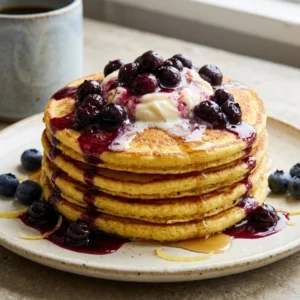
Fluffy Lemon Ricotta Pancakes
Ingredients
- 0.66 cup all-purpose flour, sifted (82 grams)
- 1 tbsp cornstarch
- 1 tsp baking powder
- 1 tsp kosher salt
- 5 large eggs, room temperature and separated
- 1 tbsp finely grated lemon zest (from 1 lemon)
- 2 tsp pure vanilla extract
- 2 tbsp unsalted butter, melted (plus more for pan)
- 1 cup whole-milk ricotta, drained (240 grams)
- 0.25 cup granulated white sugar (50 grams)
- 1 pinch cream of tartar
Instructions
- Place the ricotta in a fine-mesh sieve over a bowl and allow it to drain for 60 to 90 minutes to remove excess moisture.
- In a medium bowl, whisk together the sifted flour, cornstarch, baking powder, and salt until well combined.
- In a separate large bowl, whisk egg yolks, drained ricotta, melted butter, lemon zest, and vanilla extract until smooth.
- In a clean bowl, beat egg whites with cream of tartar until foamy. Gradually add sugar and beat until stiff, glossy peaks form.
- Sift half of the dry ingredients into the yolk-ricotta mixture. Fold in one third of the egg whites gently to lighten the base.
- Sift in the remaining dry ingredients and fold. Add the remaining egg whites in two batches, folding until just combined.
- Heat a nonstick skillet over low-medium heat with butter. Scoop batter into the pan, cover with a lid, and cook for 5 minutes.
- Flip gently once the bottom is golden. Cover again and cook for 2 to 3 more minutes until the center is set.
Notes
Equipment
- fine mesh sieve For draining ricotta
- Nonstick skillet or griddle
- Tight-fitting lid Essential for steaming the pancakes
- stand mixer or hand mixer For whipping egg whites
- rubber spatula For gentle folding
- Microplane or fine grater For lemon zest