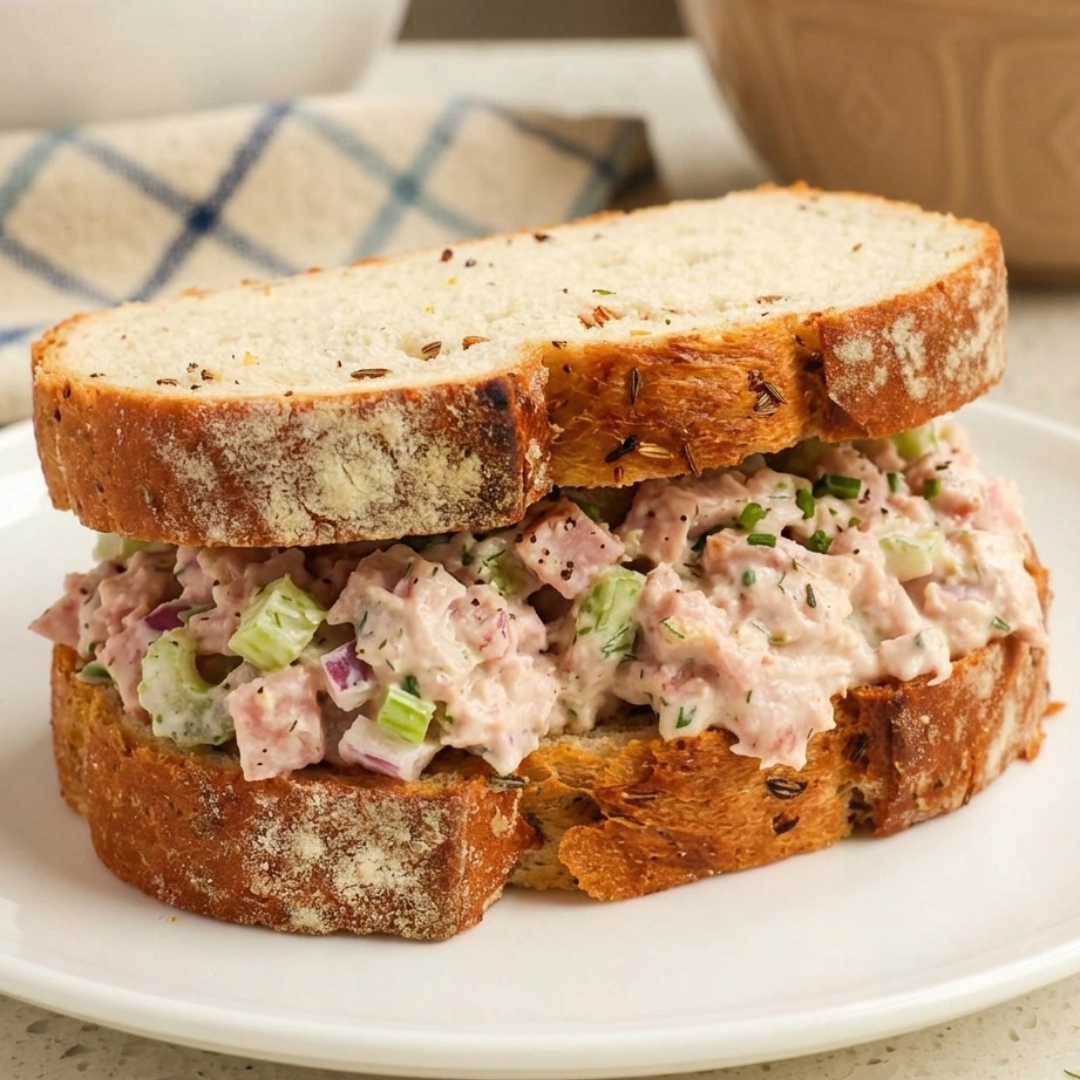
There is something undeniably nostalgic about a bowl of freshly prepared ham salad. For many of us, it evokes memories of family reunions, holiday luncheons, and that perfect sandwich tucked into a brown paper bag. This ham salad recipe is a celebration of those classic flavors, combining the smoky depth of cured ham with the crunch of fresh vegetables and a dressing that strikes the perfect balance between creamy and tangy. Whether you are looking to repurpose your holiday leftovers or simply want a protein-packed lunch that beats any store-bought alternative, this recipe is your definitive guide to achieving the perfect texture and taste.
Table of Contents
Ingredients
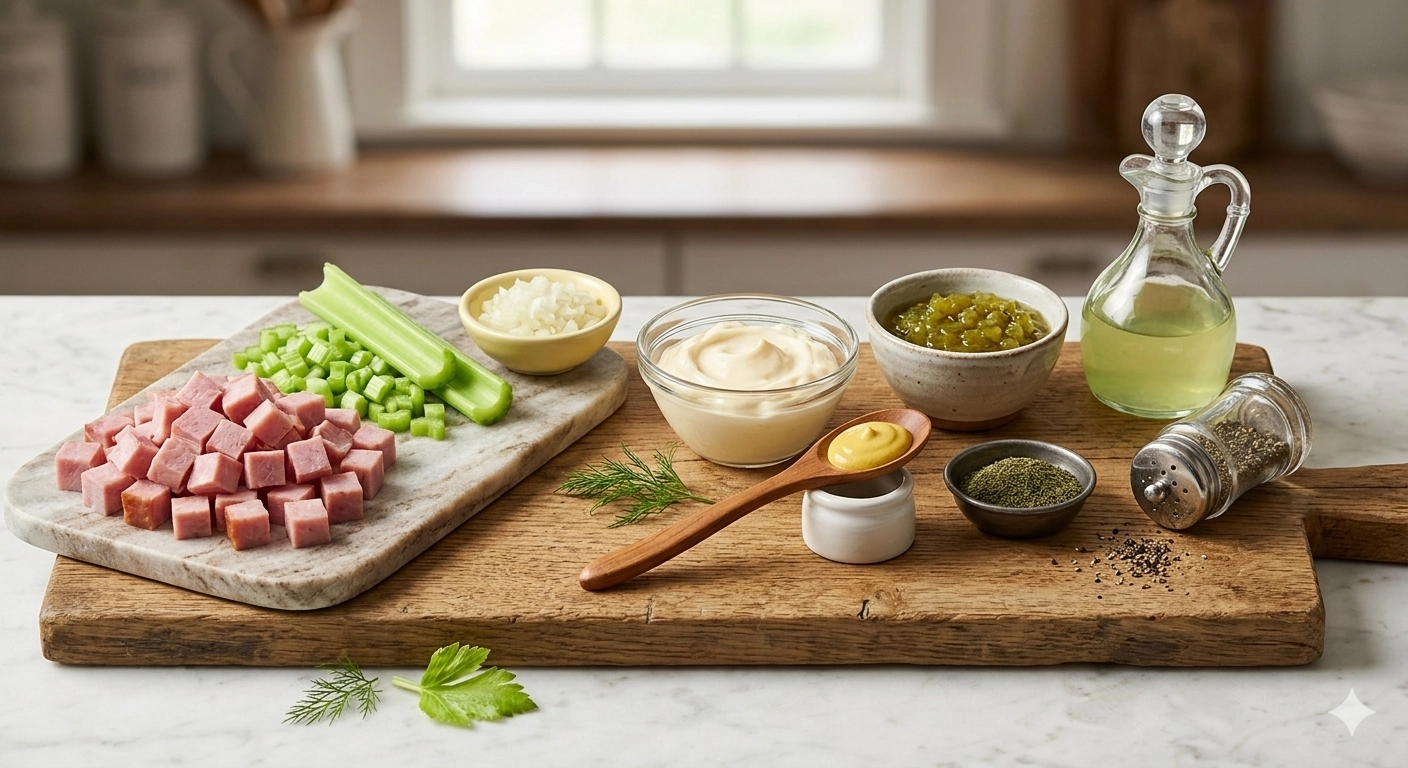
To ensure the highest quality results, gather these specific ingredients. Each component plays a vital role in the final flavor profile and structural integrity of the salad.
- 1 1/2 pounds cooked ham, diced
- 2 ribs celery, finely chopped
- 2 tablespoons yellow onion, finely chopped
- 3/4 cup mayonnaise
- 1/4 cup sweet pickle relish
- 1 tablespoon yellow mustard
- 1 teaspoon dried dill (or 1 tablespoon fresh dill weed, chopped)
- Freshly ground black pepper, to taste
- 1 to 2 tablespoons pickle juice (optional, for desired consistency)
Instructions
Follow these steps carefully to ensure your ham salad has the ideal consistency without becoming a puree.
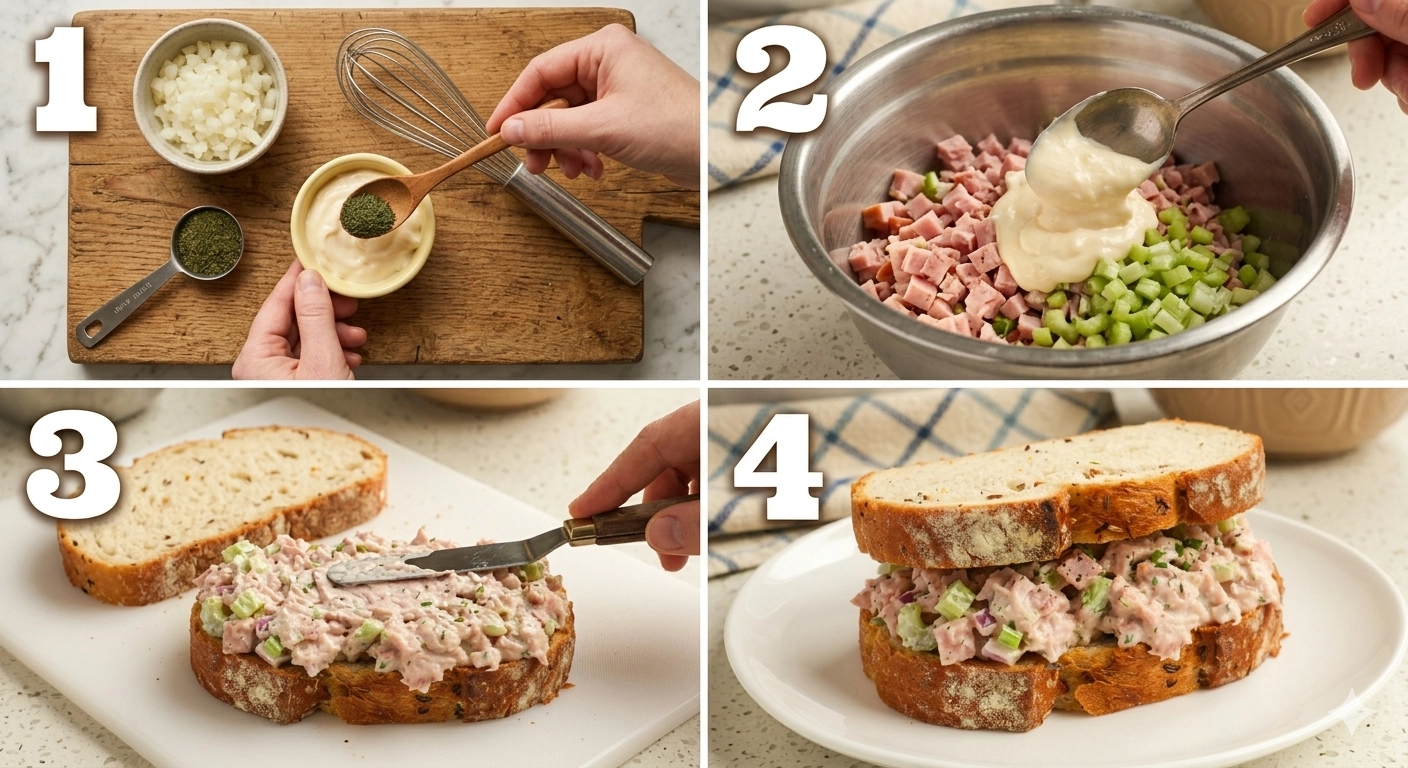
- Prepare the Ham: Begin by cutting your cooked ham into small, manageable sections. Place these pieces into the bowl of a food processor.
- Pulse for Texture: Pulse the ham in the food processor 6 to 7 times. You are looking for a finely chopped or minced consistency rather than a smooth paste. Transfer the processed ham into a large mixing bowl.
- Combine the Aromatics: Add the finely chopped celery and yellow onion to the bowl with the ham.
- Incorporate the Dressing: Spoon in the mayonnaise, sweet pickle relish, and yellow mustard. Sprinkle the dried or fresh dill over the top.
- Mix Thoroughly: Using a large spoon or spatula, stir the mixture until all ingredients are evenly distributed and the ham is thoroughly coated in the creamy dressing.
- Season and Adjust: Add freshly ground black pepper to suit your preference. If you prefer a slightly thinner or more tangy salad, stir in 1 to 2 tablespoons of pickle juice.
- Chill: For the best flavor development, cover the bowl and refrigerate for at least an hour before serving.
Achieving the Ultimate Creamy Consistency
The secret to a world-class ham salad lies in the balance of its textures. Unlike a chicken salad which often features larger chunks, a traditional ham salad is more of a spread. However, there is a fine line between a “mince” and a “mash.” By using the pulse function on your food processor specifically 6 to 7 times, you create small, uniform bits of ham that hold onto the dressing without losing their identity.
The choice of mayonnaise is equally paramount. A high-quality, full-fat mayonnaise provides the necessary richness to stand up to the salty, smoky notes of the ham. When you fold in the sweet pickle relish and yellow mustard, you are creating a complex emulsion that hits every part of the palate: salty from the meat, sweet from the relish, and acidic from the mustard and optional pickle juice. This synergy is what makes the salad addictive.
Step-by-Step Details and Kitchen Science
When you embark on making this recipe, the first thing you will notice is the importance of the ham’s temperature. Using cold ham from the refrigerator actually makes it easier to chop in the food processor. Cold fats stay solid, allowing the blade to slice through the meat cleanly. If the ham is too warm, the fats can smear, leading to a greasy texture.
As you move to the vegetable preparation, aim for a very fine dice on both the celery and the onion. The goal here is “stealth crunch.” You want the refreshing snap of the celery and the sharp bite of the onion to be present in every mouthful, but you don’t want any single piece to overwhelm the delicate mince of the ham.
The addition of dill—whether dried or fresh—is a culinary masterstroke in this specific recipe. Dill contains essential oils that provide a bright, grassy contrast to the heavy, savory notes of the pork. If you are using dried dill, remember that it is more concentrated than fresh; however, fresh dill offers a vibrant aesthetic and a more nuanced aroma.
Finally, let’s talk about the “marinating” period. While you can eat this salad immediately, letting it rest in the refrigerator is a crucial step. During this time, the osmosis process allows the salt from the ham to season the dressing, while the acids in the mustard and pickle juice begin to slightly soften the fibers of the meat and vegetables, resulting in a more cohesive and flavorful bite.
Unique Culinary Insights
One of the most common mistakes in making ham salad is over-processing the meat. If the food processor runs too long, the friction generates heat and turns the ham into a paste-like consistency similar to deviled ham. While deviled ham has its place, a true ham salad should have a distinct “crumb” or “grain.”
Another professional tip involves the moisture content of your ham. If you are using a leftover holiday ham that was particularly juicy or glazed, you might find that the salad releases liquid after sitting in the fridge. To prevent a “soupy” salad, always pat the diced ham dry with paper towels before putting it into the food processor. This ensures the mayonnaise adheres perfectly to the meat rather than sliding off.
If you find that your ham is exceptionally salty—common with certain hickory-smoked varieties—increase the amount of sweet pickle relish by a teaspoon. The sugar in the relish acts as a chemical foil to the sodium, balancing the flavor profile without needing to add more fat or bulk.
Modifications and Substitutions
While this recipe is perfected in its classic form, there are several ways to adapt it based on what you have in your pantry or your personal dietary preferences.
- The Mustard Swap: If yellow mustard feels too “picnic-style” for your taste, you can substitute an equal amount of Dijon mustard. This will provide a deeper, more sophisticated heat and a slightly creamier mouthfeel.
- The Onion Alternative: For those who find yellow onion too pungent, try using finely minced shallots or the white parts of green onions (scallions). These offer a milder, sweeter onion flavor that won’t linger as long on the palate.
- Lightening It Up: If you are watching your calorie intake, you can replace half of the mayonnaise with plain Greek yogurt. This adds a pleasant tang and boosts the protein content, though it will change the traditional flavor slightly.
- Herbal Variations: If you aren’t a fan of dill, flat-leaf parsley or even a tiny pinch of celery seed can provide that necessary botanical lift.
Accompaniments and Serving Suggestions
The versatility of ham salad is one of its greatest strengths. Traditionally, it is served on soft white bread or a buttery croissant for a decadent lunch. To make it a “tea sandwich,” remove the crusts and cut the sandwiches into small triangles or rectangles.
For a low-carb or gluten-free option, ham salad makes an excellent stuffing for hollowed-out garden tomatoes or avocado halves. You can also serve it as a dip in the center of a platter surrounded by crisp cucumber slices, celery sticks, and bell pepper strips.
If you are hosting a gathering, consider serving the ham salad on top of round butter crackers (like Ritz) topped with a single slice of cornichon or a sprig of fresh parsley. This transforms a simple lunch staple into an elegant appetizer that guests can easily pick up and enjoy.
Deep-Dive FAQ
What is the best type of ham to use for this recipe?The best results come from using a high-quality cured and smoked ham. Leftover spiral-cut ham from a holiday dinner is ideal because it already has deep flavor penetration from the curing process. You can also use a thick-cut ham steak from the grocery store, just be sure to trim away any excessively large pieces of gristle or outer rind before dicing.
How long will homemade ham salad stay fresh in the refrigerator? When stored in a strictly airtight container, this ham salad will remain delicious for three to five days. However, you should never leave the salad out at room temperature for more than two hours, especially during outdoor events, as the mayonnaise and meat are perishable. If you notice any separation of liquids after a few days, simply give it a quick stir to re-incorporate the dressing.
Can I freeze ham salad for later use? Freezing is generally not recommended for ham salad. The emulsion in the mayonnaise tends to break during the freezing and thawing process, which can lead to a grainy, oily texture. Additionally, the celery and onions will lose their characteristic crunch and become translucent and soft. It is always best to enjoy this dish fresh or within a few days of preparation.
Why is my ham salad too salty even though I didn’t add salt?Ham is naturally high in sodium because of the curing process used to preserve the meat. Because of this, we recommend only seasoning with black pepper. If your final product still feels too salty, try adding an extra tablespoon of mayonnaise or a little more finely chopped celery to bulk out the recipe and distribute the saltiness across more volume.
Nutrition Information and Summary
This ham salad is a protein-rich dish that provides a satisfying and hearty meal. Below is an approximate nutritional breakdown per serving based on a ten-serving yield.
| Nutrient | Amount Per Serving |
| Calories | 226 |
| Total Fat | 18 grams |
| Saturated Fat | 3 grams |
| Cholesterol | 35 milligrams |
| Sodium | 850 milligrams |
| Total Carbohydrates | 4 grams |
| Dietary Fiber | 0 grams |
| Sugars | 3 grams |
| Protein | 12 grams |
Nutritional Disclaimer
The nutritional values provided are estimates based on standard ingredient data. Actual nutritional content may vary depending on the specific brands of ham, mayonnaise, and relish used. For individuals with specific dietary requirements or medical conditions, please consult with a registered dietitian or healthcare professional.
Mastering the Art of the Classic Spread
Crafting the perfect ham salad is a balance of tradition and technique. By prioritizing the quality of your ham and being mindful of the texture during the processing phase, you create a dish that is far superior to any deli counter offering. This recipe honors the simplicity of the ingredients while providing enough depth to satisfy the modern palate. Whether it is spread thick on a piece of toasted rye or enjoyed straight from the bowl with a cracker, this ham salad is a testament to why certain recipes become timeless classics. Enjoy the process of creating this creamy, smoky, and satisfying staple in your own kitchen.
Ultimate Old-Fashioned Ham Salad
Ingredients
- 1.5 pounds cooked ham, diced
- 2 ribs celery, finely chopped
- 2 tbsp yellow onion, finely chopped
- 0.75 cup mayonnaise
- 0.25 cup sweet pickle relish
- 1 tbsp yellow mustard
- 1 tsp dried dill
- Freshly ground black pepper, to taste
- 1 tbsp pickle juice (optional)
Instructions
- Place the diced cooked ham into a food processor.
- Pulse the ham 6 to 7 times until it is finely minced but still has texture. Do not over-process into a paste.
- Transfer the minced ham to a large mixing bowl and add the chopped celery and onion.
- Add the mayonnaise, sweet pickle relish, yellow mustard, and dried dill to the bowl.
- Stir everything together until the ingredients are thoroughly combined and evenly coated.
- Season with black pepper. If a thinner consistency is desired, stir in the pickle juice.
- Cover and refrigerate for at least one hour before serving to let flavors meld.
Notes
Equipment
- food processor Used for mincing the ham
- large mixing bowl
- Spatula or Spoon
- knife and cutting board