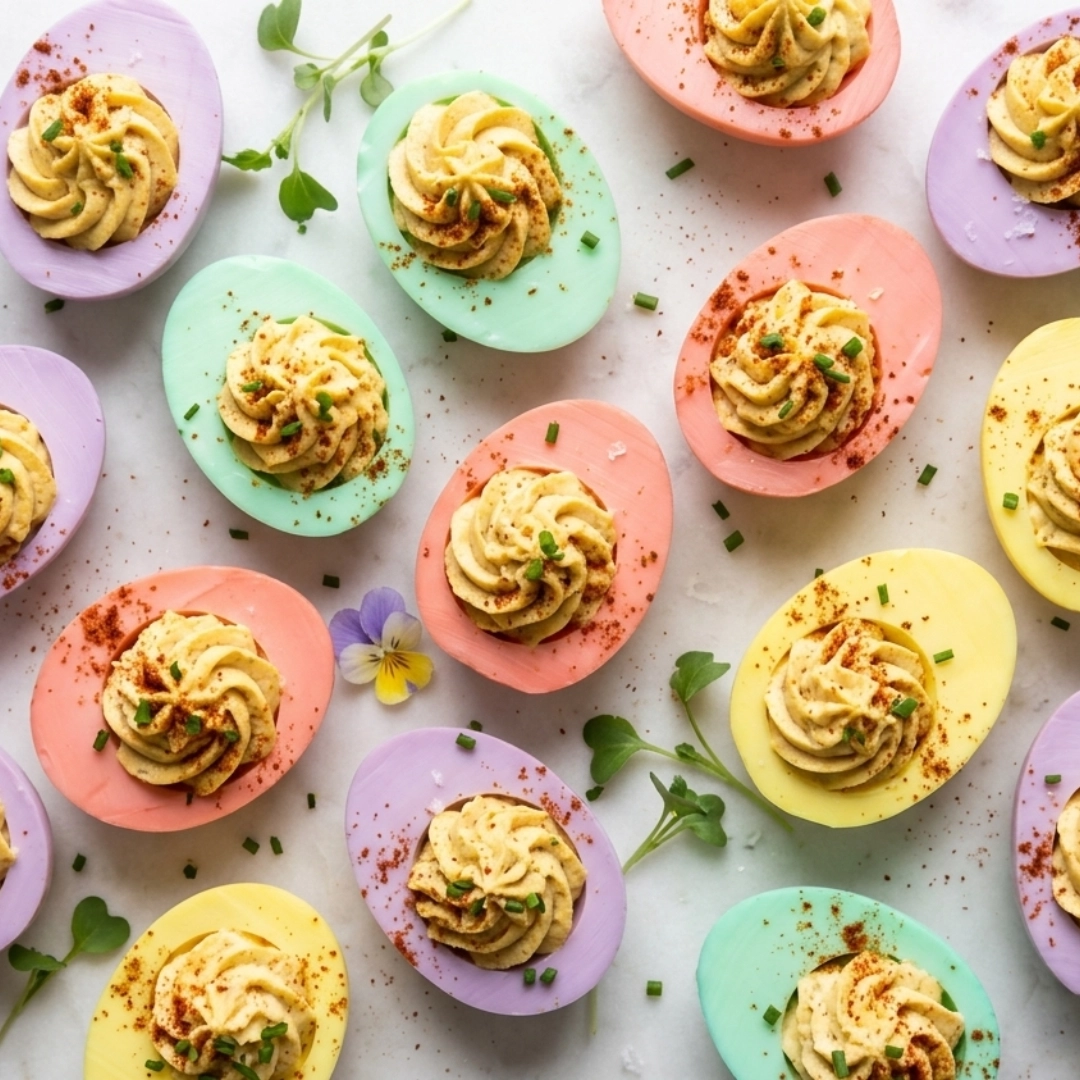
Whether you are hosting a formal brunch or a casual family gathering, a platter of Easter Deviled Eggs serves as the ultimate center-piece of your holiday table. This recipe takes the classic, savory appetizer and elevates it with a whimsical, colorful twist that mirrors the beauty of dyed Easter eggs. By gently coloring the whites in soft pastel hues, you create a dish that is as visually stunning as it is delicious. The combination of creamy yolks, tangy mustard, and a hint of vinegar provides that nostalgic flavor everyone loves, while the aesthetic transformation makes them a conversation starter. This guide will walk you through every nuance of creating these festive treats, ensuring they are the highlight of your springtime celebration.
Table of Contents
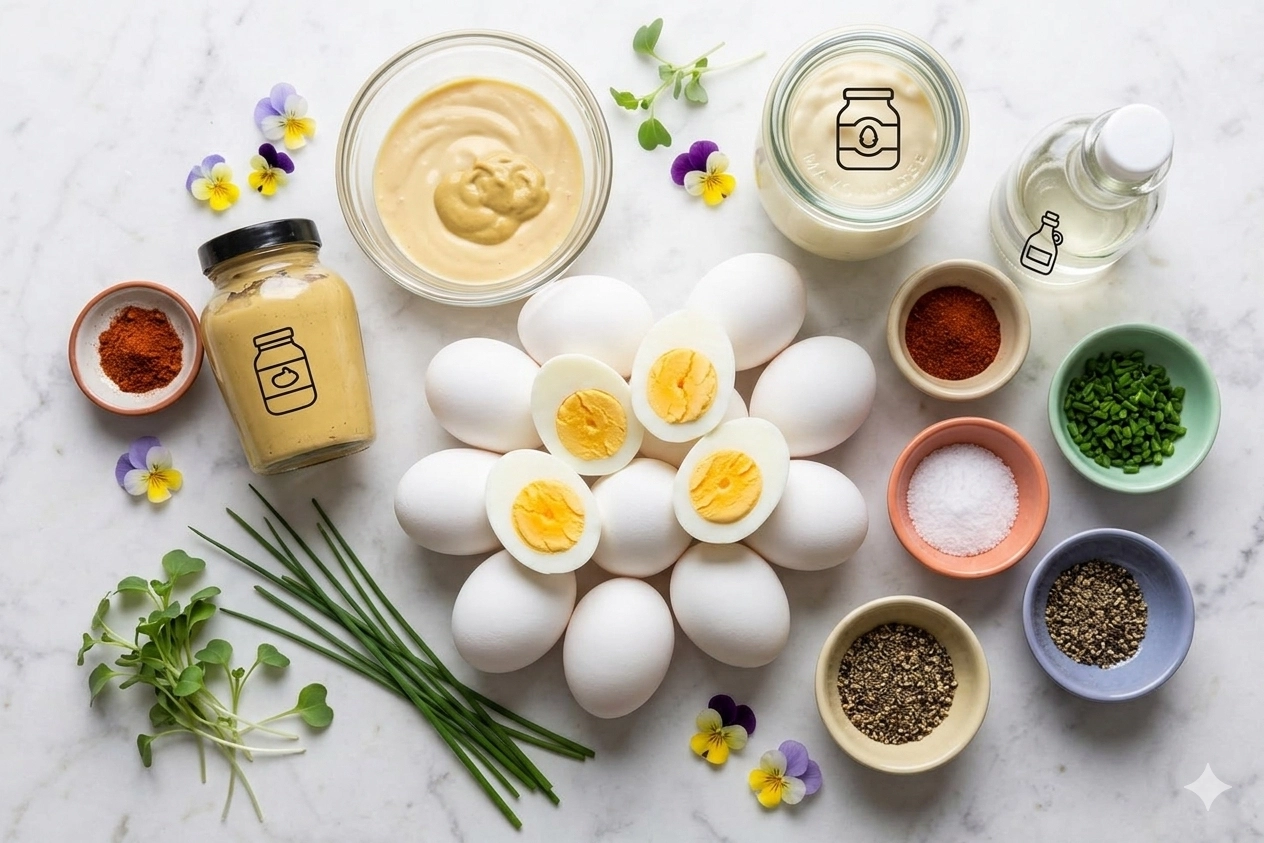
Necessary Ingredients for Your Holiday Platter
To begin this culinary project, you will need to gather a few pantry staples and some decorative elements. Accuracy in your measurements will ensure the filling remains stable and the colors stay bright.
- 12 large eggs
- Half cup mayonnaise
- 1 tablespoon Dijon mustard
- 1 teaspoon white vinegar
- Liquid food coloring (assorted colors like pink, blue, yellow, and green)
- Salt, to taste
- Pepper, to taste
Step-by-Step Preparation Instructions
Follow these precise steps to achieve perfectly cooked eggs and beautifully tinted whites.
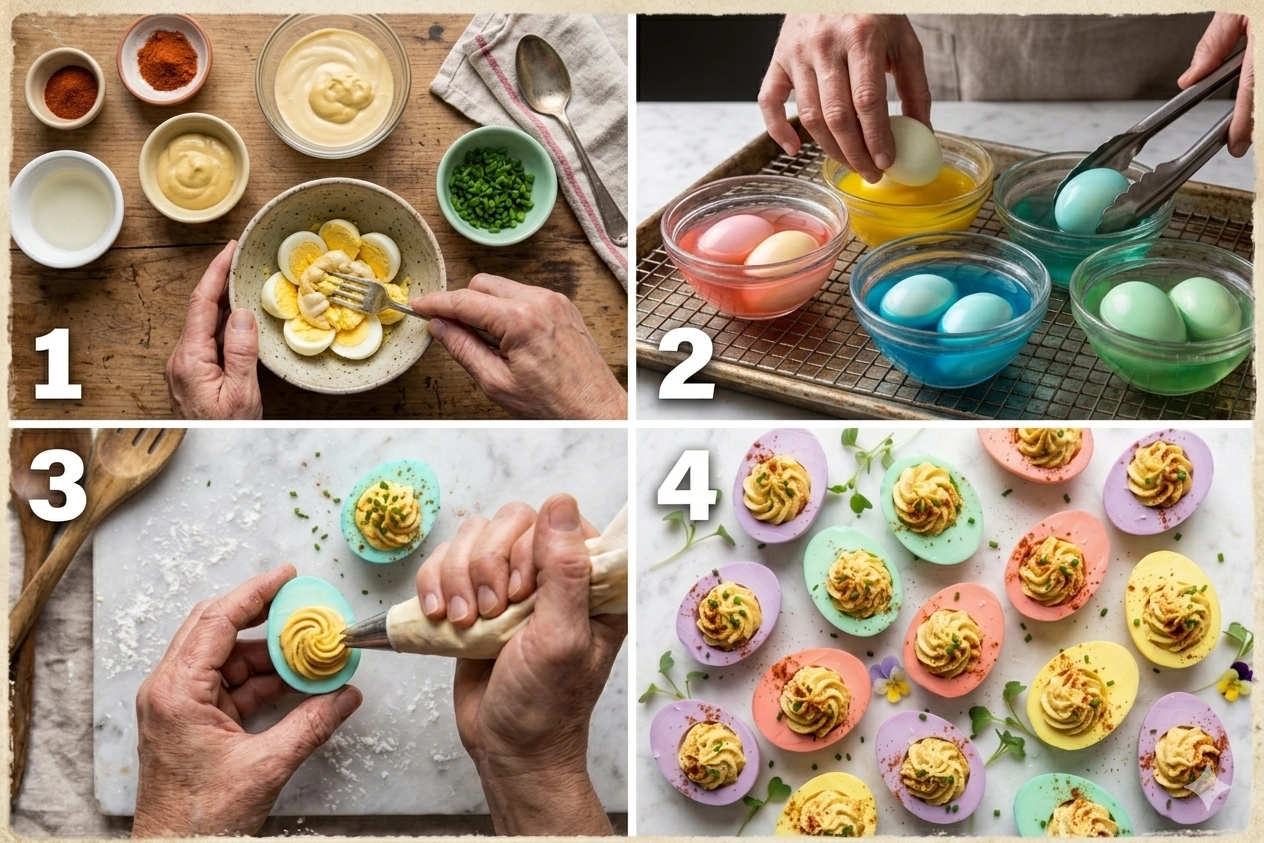
- Place your eggs into a large saucepan and add enough cold water to cover them by at least one inch.
- Set the pan over high heat and bring the water to a rolling boil. Once boiling, cover the pot with a lid and immediately remove it from the heat.
- Let the eggs sit in the hot water for exactly 12 minutes to ensure a fully set yolk without a gray ring.
- While the eggs sit, prepare an ice bath in a large bowl. After 12 minutes, transfer the eggs to the ice bath and let them cool for at least 10 minutes.
- Carefully peel the cooled eggs and slice them in half lengthwise. Gently remove the yolks and place them in a medium mixing bowl.
- Set up your dyeing stations by filling several small bowls with approximately one cup of water each. Add a few drops of food coloring to each bowl until you reach your desired intensity.
- Submerge the empty egg white halves into the colored water. Let them soak for 1 to 3 minutes depending on how vibrant you want the pastels to be.
- Remove the whites from the dye and place them on a paper towel-lined tray, hollow side down, to drain and dry.
- In the bowl with the yolks, add the mayonnaise, Dijon mustard, and white vinegar. Use a fork or whisk to mash and combine until the mixture is completely smooth. Season with salt and pepper to taste.
- Transfer the yolk mixture into a piping bag or a plastic bag with the corner snipped off. Pipe the filling into the centers of the dried, colored egg whites.
- Chill the finished eggs in the refrigerator until you are ready to serve.
Comprehensive Guide to the Dyeing and Filling Process
The secret to a truly professional-looking Easter Deviled Egg lies in the details of the dyeing process. Unlike traditional egg dyeing where the shell is intact, here we are working with the porous surface of the cooked egg white itself. This means the color absorbs much faster. It is helpful to use wide-mouthed bowls or ramekins so the egg halves can float freely without crowding, which prevents uneven patches of color. If you prefer a very light, ethereal look, a single minute in the dye is often sufficient. For a deep jewel-toned effect, you can extend the soak time, but keep a close eye on them to ensure they don’t become overly dark.
When it comes to the filling, texture is everything. To reach a level of smoothness that rivals a gourmet restaurant, consider passing your dry yolks through a fine-mesh sieve before adding the wet ingredients. This extra step removes any tiny lumps and creates a velvety paste that pipes beautifully through decorative star tips. When mixing in your mayonnaise and mustard, do so gradually. The goal is a consistency that is firm enough to hold its shape once piped but creamy enough to melt in your mouth. If the mixture feels too stiff, you can add an extra teaspoon of mayonnaise to loosen it up without compromising the flavor profile.
Achieving the Ultimate Creamy Consistency
The marriage of fats and acids is what gives deviled eggs their signature “bite.” In this recipe, the Dijon mustard provides a sophisticated depth that yellow mustard sometimes lacks, while the white vinegar reinforces the tanginess. When you are whisking these together, ensure the vinegar is fully incorporated so it doesn’t separate. A well-emulsified filling will remain glossy and fresh even after sitting on a serving tray for an hour. If you are preparing these for an outdoor event, keep the platter over a bed of ice to maintain that perfect temperature and texture.
Elevating Your Presentation with Accompaniments
While these eggs are a showstopper on their own, how you present them can enhance the overall experience. Placing them on a bed of fresh microgreens or curly parsley can mimic the look of eggs nestled in a garden. For a bit of textural contrast, consider a light dusting of smoked paprika or a few snips of fresh chives on top of the yolk filling. These small additions provide a pop of green or red that complements the pastel bases beautifully. Serving them alongside other spring favorites like honey-glazed ham or a bright citrus salad creates a cohesive and festive menu.
Creative Modifications and Flavor Substitutions
While the base recipe is a timeless classic, there are several ways to tweak the ingredients to suit different palates while keeping the core process the same.
- Greek Yogurt Swap: For a slightly tangier and lighter version, you can substitute half of the mayonnaise with plain Greek yogurt. This maintains the creaminess while adding a boost of protein.
- Mustard Variations: If you don’t have Dijon, a spicy brown mustard can add a rustic kick, or a honey mustard can provide a subtle sweetness that balances the vinegar.
- Natural Colorants: If you prefer to avoid synthetic food dyes, you can use beet juice for pink, turmeric water for yellow, or red cabbage juice (with a pinch of baking soda) for blue. Note that natural dyes may require longer soaking times to achieve the same vibrancy.
- Acidic Balance: If white vinegar is too sharp for your taste, apple cider vinegar or freshly squeezed lemon juice offers a softer, fruitier acidity.
Mastering the Art of the Perfect Hard-Boiled Egg
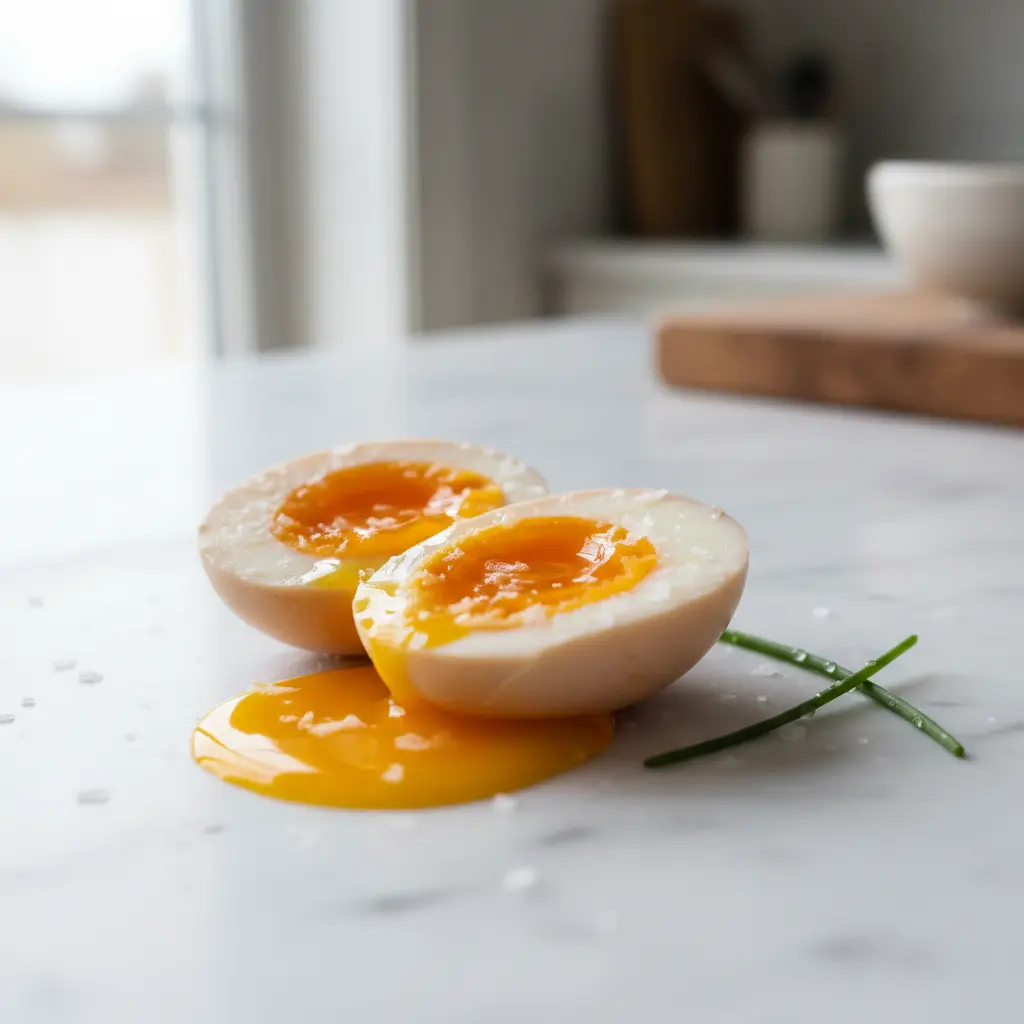
The foundation of any great deviled egg is the hard-boiling technique. Many home cooks struggle with the dreaded “green ring” around the yolk, which is caused by overcooking and a reaction between sulfur and iron. By using the “boil and sit” method outlined in the instructions, you gently cook the egg, resulting in a tender white and a bright, buttery yolk. Furthermore, using eggs that are a few days old rather than farm-fresh can actually make the peeling process much easier, as the inner membrane pulls away from the shell more readily.
Deep-Dive Culinary Questions
Can I dye the eggs the night before I plan to serve them?
It is best to dye the egg whites on the same day you plan to serve them to ensure the colors remain crisp and the whites don’t become rubbery. If you must work ahead, you can boil and peel the eggs a day in advance, but wait to submerge them in the color bath until the morning of your event.
How do I prevent the yolk filling from drying out?
The yolk mixture can develop a slight crust if left exposed to the air for too long. To prevent this, always keep your filled eggs covered with plastic wrap or stored in an airtight container until the moment of service. If you are piping them in advance, a very light mist of water or a tiny bit of extra mayo in the mix can help retain moisture.
What is the best way to transport these to a party?
Transporting deviled eggs can be tricky because they tend to slide. Use a dedicated deviled egg carrier with individual indentations, or place them on a bed of shredded lettuce or kale to keep them upright and secure during the drive.
Is it possible to make these eggs spicy?
Absolutely. While the reference recipe is mild and family-friendly, you can easily incorporate a teaspoon of sriracha or a dash of cayenne pepper into the yolk mixture. Just be sure to taste as you go so the heat doesn’t overwhelm the delicate flavor of the eggs.
Culinary Wrap-Up and Final Thoughts
These Easter Deviled Eggs represent the perfect fusion of tradition and creativity. By taking a few extra minutes to tint the whites, you transform a standard appetizer into a festive work of art that captures the spirit of spring. The creamy, tangy filling serves as the perfect anchor for the colorful presentation, ensuring that your guests are as impressed by the taste as they are by the appearance. Whether you stick to the classic recipe or experiment with natural dyes and garnishes, these eggs are guaranteed to bring a sense of joy and celebration to your holiday meal.
Estimated Nutritional Information
| Nutrient | Amount Per Serving (1 Egg Half) |
| Calories | 75 calories |
| Total Fat | 6 grams |
| Saturated Fat | 1.5 grams |
| Cholesterol | 185 milligrams |
| Sodium | 95 milligrams |
| Total Carbohydrates | 1 gram |
| Protein | 6 grams |
Nutritional Disclaimer
The nutritional values provided are estimates based on standard ingredient measurements. Actual nutritional content may vary depending on specific brands of mayonnaise or mustard used, as well as the exact size of the eggs. For those with specific dietary requirements, please consult a professional nutritionist.
Easter Deviled Eggs
Ingredients
- 12 large eggs
- 0.5 cup mayonnaise
- 1 tbsp Dijon mustard
- 1 tsp white vinegar
- 1 dash liquid food coloring (assorted colors)
- 1 pinch fine sea salt, to taste
- 1 pinch freshly ground black pepper, to taste
Instructions
- Place eggs in a saucepan, cover with cold water, and bring to a boil. Cover, remove from heat, and let sit for 12 minutes.
- Transfer eggs to an ice bath for 10 minutes, then peel carefully and slice in half lengthwise.
- Remove yolks into a bowl and set whites aside. Prepare small bowls of water with food coloring for dyeing.
- Submerge egg white halves in the colored water for 1 to 3 minutes until pastel colors are achieved.
- Drain colored whites on paper towels. Mash yolks with mayonnaise, mustard, vinegar, salt, and pepper until smooth.
- Pipe or spoon the yolk mixture into the colored egg white centers. Chill until ready to serve.
Notes
Equipment
- Large saucepan
- Large bowl for ice bath
- Small bowls for dyeing
- Piping bag with star tip
- mixing bowl