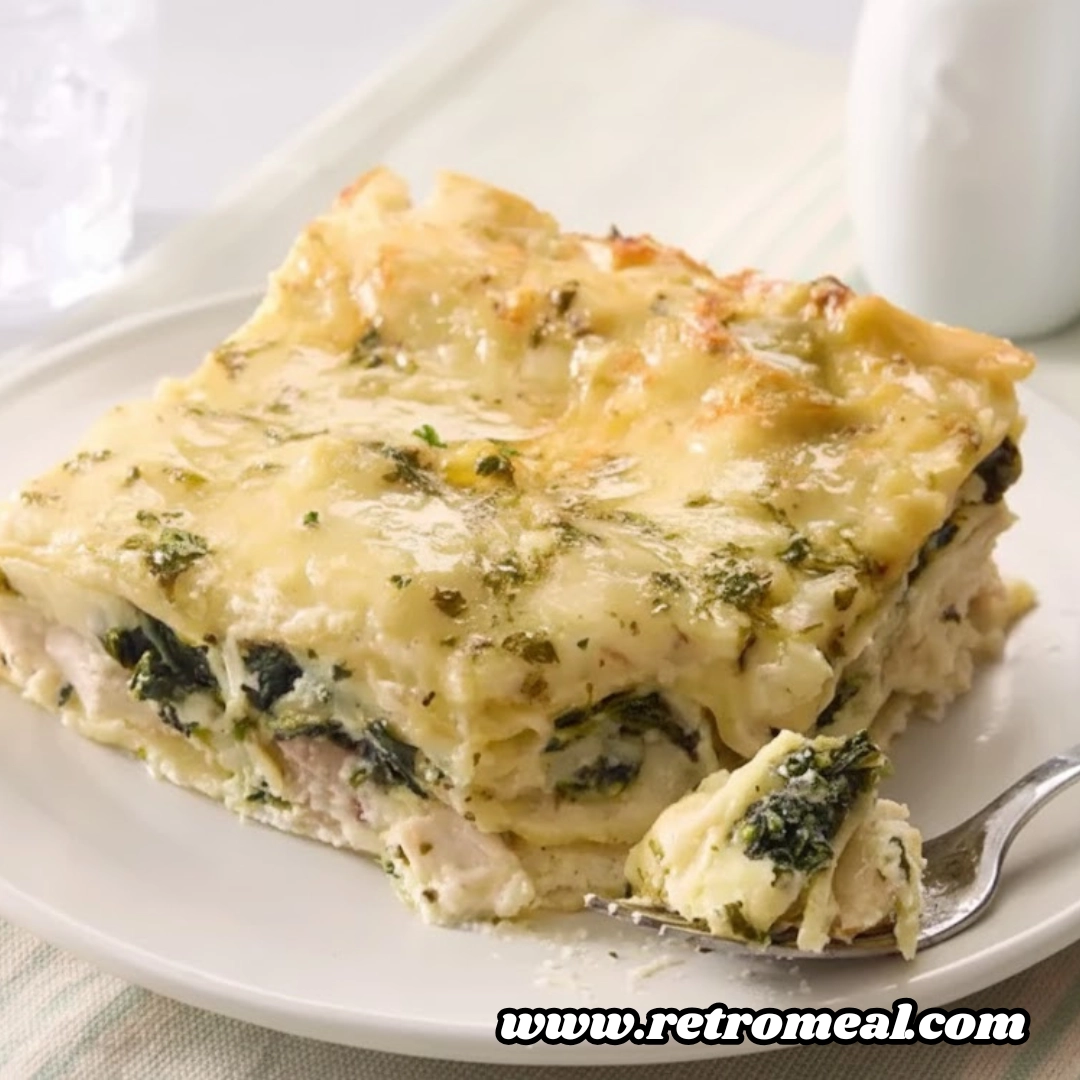
The traditional red-sauce lasagna is a staple of American dinner tables, but there is something uniquely sophisticated and comforting about a White Cheese Chicken Lasagna. This dish departs from the acidic tang of tomatoes, opting instead for a velvety, béchamel-style sauce infused with aromatic herbs and a trio of decadent cheeses. Featuring tender morsels of chicken and the earthy punch of spinach, this recipe is a masterclass in balanced textures. Whether you are hosting a neighborhood potluck or simply looking to impress your family with a high-end Sunday dinner, this creamy alternative offers a rich, savory profile that feels like a warm embrace in every bite.
Table of Contents
Ingredients
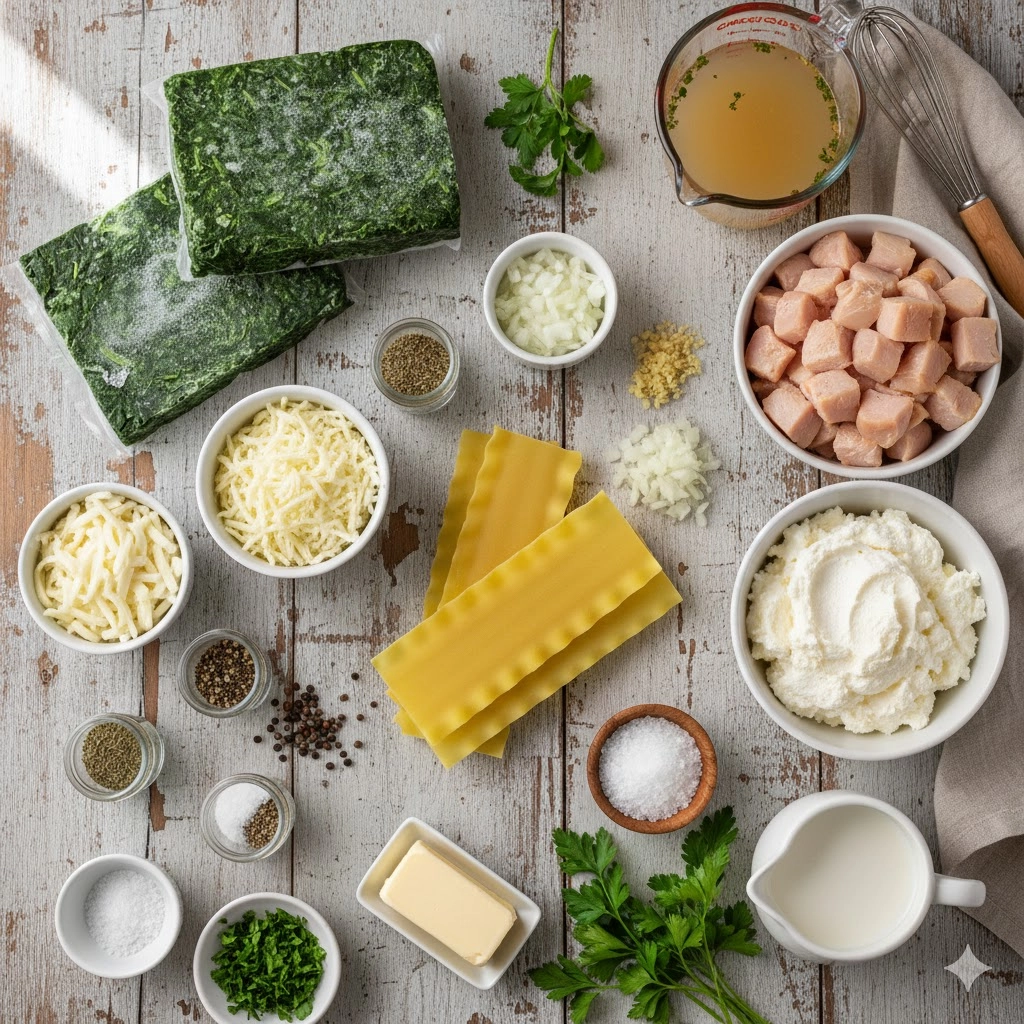
To create this gourmet masterpiece, ensure you have gathered the following components. Precision in your measurements will ensure the sauce reaches the perfect consistency and the layers hold their shape.
- 9 lasagna noodles
- 1/2 cup butter
- 1 onion, chopped
- 1 clove garlic, minced
- 1/2 cup all-purpose flour
- 2 cups chicken broth
- 1 1/2 cups milk
- 1 teaspoon salt
- 4 cups shredded mozzarella cheese, divided
- 1 cup grated Parmesan cheese, divided
- 1 teaspoon dried basil
- 1 teaspoon dried oregano
- 1/2 teaspoon ground black pepper
- 2 cups ricotta cheese
- 2 cups cubed, cooked chicken meat
- 2 (10 ounce) packages frozen chopped spinach, thawed and drained
- 1 tablespoon chopped fresh parsley
Instructions
Follow these precise steps to construct your lasagna. Each phase is designed to build layers of flavor that meld beautifully during the baking process.
- Preheat and Prep: Begin by preheating your oven to 350 Fahrenheit. This ensures a steady environment for the cheeses to melt and the flavors to fuse.
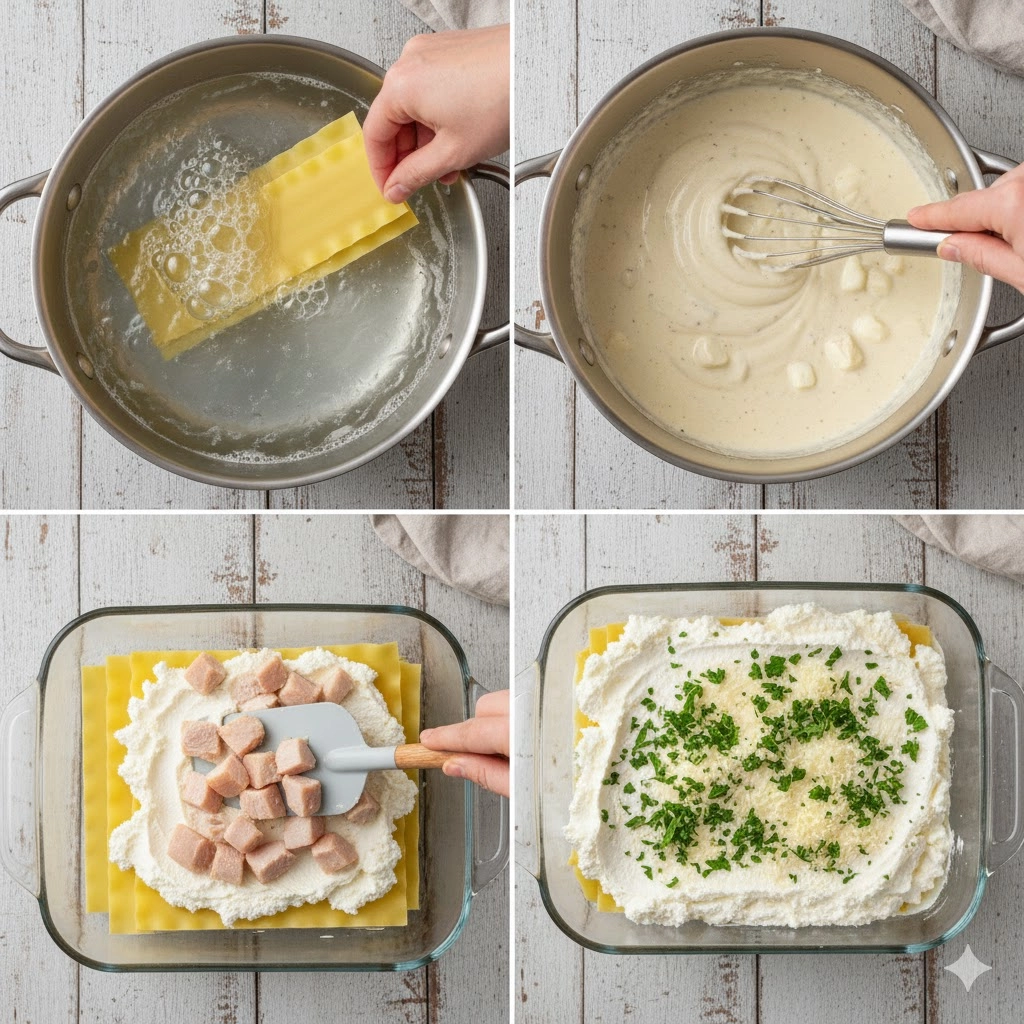
- Boil the Pasta: Bring a large pot of lightly salted water to a rolling boil. Add the 9 lasagna noodles and cook for 8 to 10 minutes, or until they reach an al dente texture. Drain immediately and rinse with cold water to stop the cooking process and prevent the noodles from sticking together.
- Sauté the Aromatics: In a large saucepan over medium heat, melt the 1/2 cup of butter. Add the chopped onion and minced garlic, stirring until the onion becomes translucent and tender.
- Create the Roux and Sauce: Whisk in the 1/2 cup of all-purpose flour. Continue to whisk for about 2 minutes until the flour is lightly browned. Gradually pour in the 2 cups of chicken broth and 1 1/2 cups of milk, adding the 1 teaspoon of salt. Cook while whisking continuously for 1 minute as the mixture thickens.
- Cheese the Sauce: Into the bubbling sauce, stir in 2 cups of the shredded mozzarella and 1/4 cup of the grated Parmesan. Stir until the cheese is fully melted and the sauce is smooth.
- Season: Mix in the 1 teaspoon of dried basil, 1 teaspoon of dried oregano, and 1/2 teaspoon of ground black pepper. Remove the saucepan from the heat and set it aside.
- Initial Layering: Take a 9×13 inch baking dish and spread 1/3 of your prepared white sauce evenly across the bottom. Place 3 cooked lasagna noodles over the sauce. Spread the 2 cups of ricotta cheese over the noodles and top with the 2 cups of cubed cooked chicken.
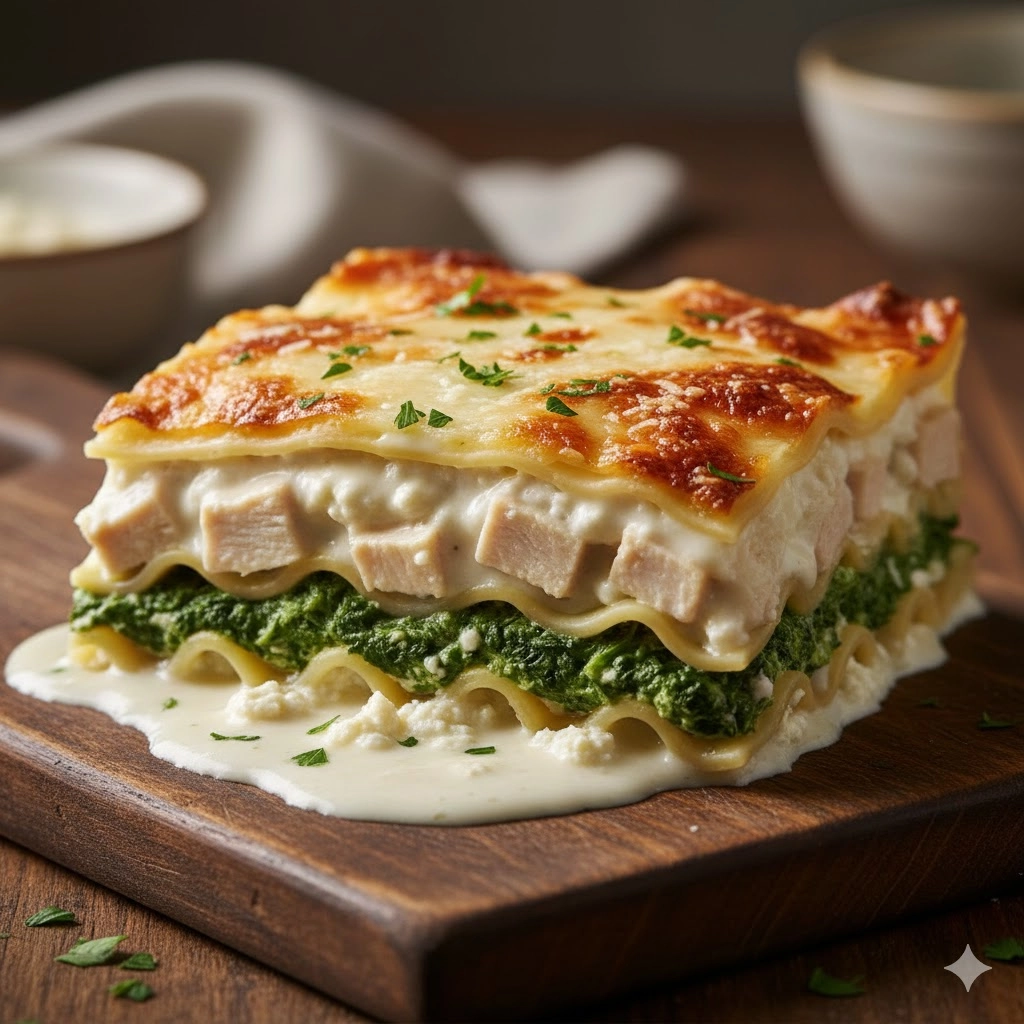
- The Middle Layer: Arrange another 3 lasagna noodles over the chicken. Spread the next 1/3 of the sauce mixture over these noodles. Layer on the thawed and drained spinach, followed by the remaining 2 cups of mozzarella and 1/2 cup of the Parmesan cheese.
- The Top Layer: Place the final 3 noodles over the cheese layer. Spread the remaining 1/3 of the sauce evenly over the top. Finish by sprinkling the 1 tablespoon of chopped fresh parsley and the final 1/4 cup of Parmesan cheese.
- Bake: Place the dish in the preheated oven and bake for 35 to 40 minutes, until the top is golden and the sauce is bubbling at the edges.
Mastering the Creamy Béchamel Foundation
The soul of this White Cheese Chicken Lasagna lies in the white sauce, often referred to in culinary circles as a Mornay sauce once the cheese is added. Achieving the perfect consistency requires a bit of kitchen science. When you whisk the flour into the melted butter, you are creating a roux. This step is vital because it coats the flour particles in fat, preventing them from clumping when the liquid is introduced. Cooking the roux for a full 2 minutes is essential; it removes the “raw” flour taste and imparts a subtle nuttiness to the lasagna.
When you begin adding the chicken broth and milk, do so gradually. If you pour all the liquid in at once, you risk a lumpy sauce. By incorporating it in stages and whisking vigorously, you create a smooth emulsion. The addition of the whole milk provides a silky mouthfeel, while the chicken broth adds a savory depth that water or extra milk simply cannot provide. Remember that the sauce will continue to thicken slightly in the oven as it interacts with the starch from the noodles, so don’t be alarmed if it seems a bit fluid when you first remove it from the stove.
The integration of the mozzarella and Parmesan directly into the sauce ensures that every single square inch of the lasagna is infused with cheesy goodness. Unlike traditional lasagna where the cheese might only exist in distinct layers, this method creates a cohesive, unified flavor profile where the seasonings—basil, oregano, and black pepper—are suspended perfectly within the creamy matrix.
Selecting and Preparing Your Chicken and Spinach
Since this recipe calls for 2 cups of cubed, cooked chicken meat, it provides a fantastic opportunity for efficiency. You can use leftovers from a Sunday roast, or for a quicker solution, a store-bought rotisserie chicken works beautifully. When cubing the chicken, aim for bite-sized pieces roughly half an inch in size. This ensures that the chicken is evenly distributed, so no one gets a slice of lasagna that is all noodle and no protein.
The spinach is equally important for providing a pop of color and a boost of nutrients. The recipe calls for two 10 ounce packages of frozen chopped spinach. The most critical step here is the draining process. Frozen spinach retains an incredible amount of water. If you do not squeeze it dry, that moisture will release during the baking process, leading to a watery lasagna and a soggy bottom crust. After thawing, place the spinach in a clean kitchen towel or a fine-mesh strainer and press firmly until no more green liquid escapes. This extra effort results in a much tighter, more professional-looking slice of lasagna.
Strategic Layering for the Perfect Slice
How you assemble your White Cheese Chicken Lasagna determines the structural integrity of the final dish. By starting with a layer of sauce on the bottom of the 9×13 inch dish, you create a non-stick barrier and ensure the bottom noodles stay moist and tender.
The placement of the ricotta is also key. Ricotta provides a creamy, slightly grainy texture that contrasts perfectly with the smooth white sauce. Placing it early in the layering process, right against the first set of noodles, allows it to act as a “glue” for the chicken cubes. When you move to the middle layer, the combination of spinach and the bulk of the mozzarella creates a dense, flavorful core. Finally, the top layer of sauce and the remaining Parmesan act as a protective seal, browning beautifully under the oven’s heat to create a crust that is visually appealing and full of concentrated umami flavor.
Creative Modifications and Substitutions
While the base recipe is a verified classic, there are ways to adapt it based on what you have in your pantry or your specific dietary preferences.
- Protein Swaps: If you aren’t a fan of chicken, this recipe translates exceptionally well to ground turkey or even sautéed mushrooms for a vegetarian twist. If using mushrooms, be sure to sauté them until all their moisture has evaporated to avoid a runny sauce.
- Noodle Alternatives: For those looking to save time, “no-boil” or oven-ready lasagna noodles can be used. However, because these noodles absorb more liquid than pre-boiled ones, you may want to increase the milk or broth by about 1/4 cup to ensure the lasagna doesn’t turn out too dry.
- Herb Variations: While dried basil and oregano are the standard, you can elevate the dish with fresh herbs. If using fresh basil or oregano, triple the amount (use 1 tablespoon instead of 1 teaspoon) as fresh herbs are less concentrated than dried ones.
- Cheese Adjustments: If you prefer a sharper flavor, substitute half of the mozzarella with provolone or a mild white cheddar. This will give the lasagna a more complex, aged flavor profile.
Optimal Accompaniments and Serving Suggestions
Because this White Cheese Chicken Lasagna is incredibly rich and decadent, it pairs best with side dishes that offer acidity or a crisp texture to cleanse the palate.
- Crisp Green Salads: An arugula and fennel salad with a light lemon vinaigrette is the perfect foil to the heavy cream and cheese. The peppery notes of the arugula cut right through the richness.
- Roasted Vegetables: Consider serving with roasted asparagus or steamed broccoli. The slight bitterness of these green vegetables complements the savory notes of the chicken broth and garlic.
- Bread Options: A crusty baguette or homemade garlic bread is essential for mopping up any extra white sauce left on the plate.
- Wine Pairing: If you enjoy wine, a crisp white like a Sauvignon Blanc or a lightly oaked Chardonnay works wonders. The acidity in the wine balances the fats in the butter and cheese.
Deep-Dive Culinary Questions
Why did my white sauce turn out lumpy even after whisking?
Lumps usually occur if the liquid is added too quickly or if the roux wasn’t smooth to begin with. To fix this, you can pour the sauce through a fine-mesh strainer to remove the lumps, or use an immersion blender to smooth it out before adding the cheese. Always remember that cold milk added to a hot roux requires constant, vigorous whisking to maintain a smooth texture.
Can I prepare this lasagna a day in advance?
Absolutely, this is an excellent make-ahead meal. You can assemble the entire lasagna, cover it tightly with plastic wrap or foil, and keep it in the refrigerator for up to 24 hours. When you are ready to bake, you may need to add 5 to 10 minutes to the total cooking time since the dish will be starting from a much colder temperature than freshly prepared ingredients.
How do I prevent the lasagna from falling apart when I serve it?
The secret to a perfect, clean slice is patience. When the lasagna comes out of the oven, it is essentially a molten pool of cheese and sauce. You must let it rest for at least 15 to 20 minutes before cutting into it. This resting period allows the proteins and starches to set, ensuring that your layers stay distinct and upright when plated.
What is the best way to reheat leftovers without drying them out?
The best way to reheat a white-sauce pasta dish is in the oven. Place a slice in a small oven-safe dish, add a teaspoon of milk or water to the side, and cover it tightly with foil. Heat at 325 Fahrenheit until warmed through. This creates a steam-room effect that re-hydrates the sauce and prevents the chicken from becoming rubbery.
A New Perspective on a Classic Comfort Meal
Transitioning from a red-sauce lasagna to this white cheese version opens up a whole new world of culinary possibilities. This dish proves that comfort food doesn’t always have to be heavy in tomato acid; it can be light, aromatic, and incredibly elegant. By following the exact ratios of butter, flour, and broth, you ensure a restaurant-quality result in the comfort of your own kitchen. This recipe is more than just a meal; it is a versatile centerpiece that brings people together, offering a creamy, savory experience that lingers long after the final bite.
Nutrition Information
| Item | Amount Per Serving |
| Calories | 369 |
| Total Fat | 21 grams |
| Saturated Fat | 12 grams |
| Cholesterol | 85 milligrams |
| Sodium | 740 milligrams |
| Total Carbohydrates | 23 grams |
| Dietary Fiber | 2 grams |
| Sugars | 4 grams |
| Protein | 24 grams |
Nutrition Disclaimer
The nutritional values provided are estimates based on standard ingredient data. Actual nutritional content may vary depending on specific brands used and slight variations in preparation methods. For individuals with strict medical dietary requirements, please consult a professional nutritionist.
White Cheese Chicken Lasagna
Ingredients
- 9 lasagna noodles
- 0.5 cup butter
- 1 onion, chopped
- 1 clove garlic, minced
- 0.5 cup all-purpose flour
- 2 cups chicken broth
- 1.5 cups milk
- 1 tsp salt
- 4 cups shredded mozzarella cheese, divided
- 1 cup grated Parmesan cheese, divided
- 1 tsp dried basil
- 1 tsp dried oregano
- 0.5 tsp ground black pepper
- 2 cups ricotta cheese
- 2 cups cubed, cooked chicken meat
- 20 ounces frozen chopped spinach, thawed and drained
- 1 tbsp chopped fresh parsley
Instructions
- Preheat your oven to 350 degrees Fahrenheit. Bring a large pot of lightly salted water to a boil and cook lasagna noodles for 8 to 10 minutes until al dente. Drain and rinse with cold water.
- In a large saucepan over medium heat, melt the butter. Stir in the chopped onion and minced garlic until the onion is tender.
- Whisk in the flour and cook for about 2 minutes until lightly browned. Gradually add chicken broth, milk, and salt. Whisk continuously for 1 minute until thickened.
- Stir in 2 cups of mozzarella and 1/4 cup of Parmesan until melted. Season with basil, oregano, and black pepper. Remove from heat.
- Spread 1/3 of the sauce mixture in the bottom of a 9×13-inch baking dish. Layer with 3 noodles, the ricotta cheese, and the cooked chicken.
- Place 3 more noodles over the chicken. Layer with another 1/3 of the sauce, the drained spinach, the remaining 2 cups of mozzarella, and 1/2 cup of Parmesan.
- Top with the remaining noodles and spread the rest of the sauce evenly. Sprinkle with fresh parsley and the final 1/4 cup of Parmesan.
- Bake in the preheated oven for 35 to 40 minutes until bubbling and golden. Let rest before serving.
Notes
Equipment
- 9×13-inch baking dish
- Large saucepan
- Large pasta pot
- whisk
- colander