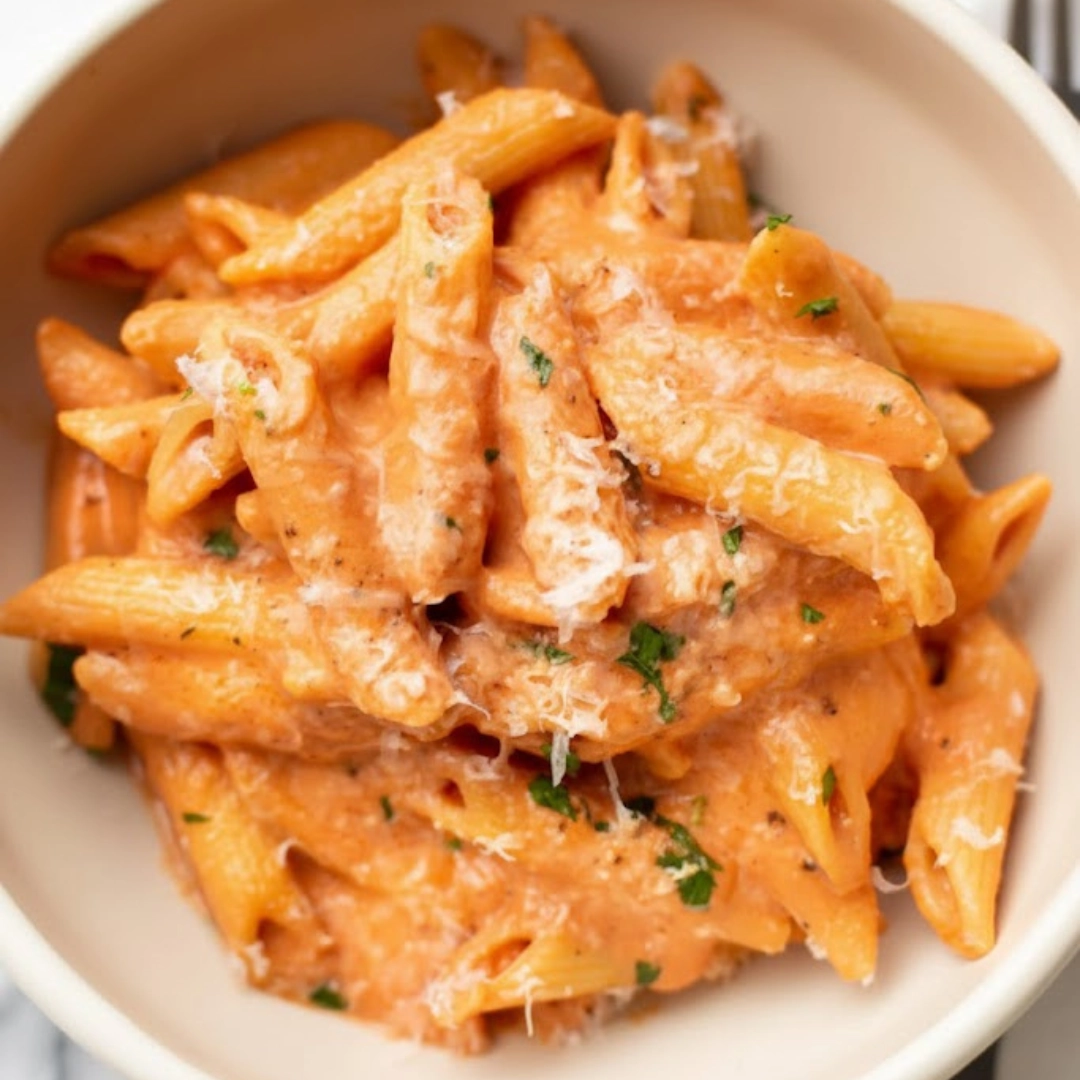
There is something inherently soul-warming about a bowl of pasta tossed in a velvety, vibrant sauce. When life gets hectic and the schedule feels overwhelming, having a reliable, fast-paced recipe in your back pocket is a true lifesaver. This Creamy Tomato Garlic Pasta is exactly that—a sophisticated yet simple dish that relies on basic pantry ingredients to deliver a high-end dining experience. By combining the bright acidity of tomatoes with the indulgent richness of heavy cream and the aromatic depth of sautéed garlic, you create a flavor profile that is both comforting and revitalizing.
Whether you are cooking for a hungry family on a Tuesday night or looking for a cozy solo meal after a long day at the office, this recipe bridges the gap between convenience and quality. The beauty of this dish lies in its balance. It is not just a tomato sauce, and it is not just a cream sauce; it is a harmonious marriage of the two, often referred to as a pink sauce or rose sauce. In less time than it takes to order takeout, you can have a steaming bowl of pasta on the table, coated in a sauce so smooth it feels like silk.
Table of Contents
Essential Ingredients for Success
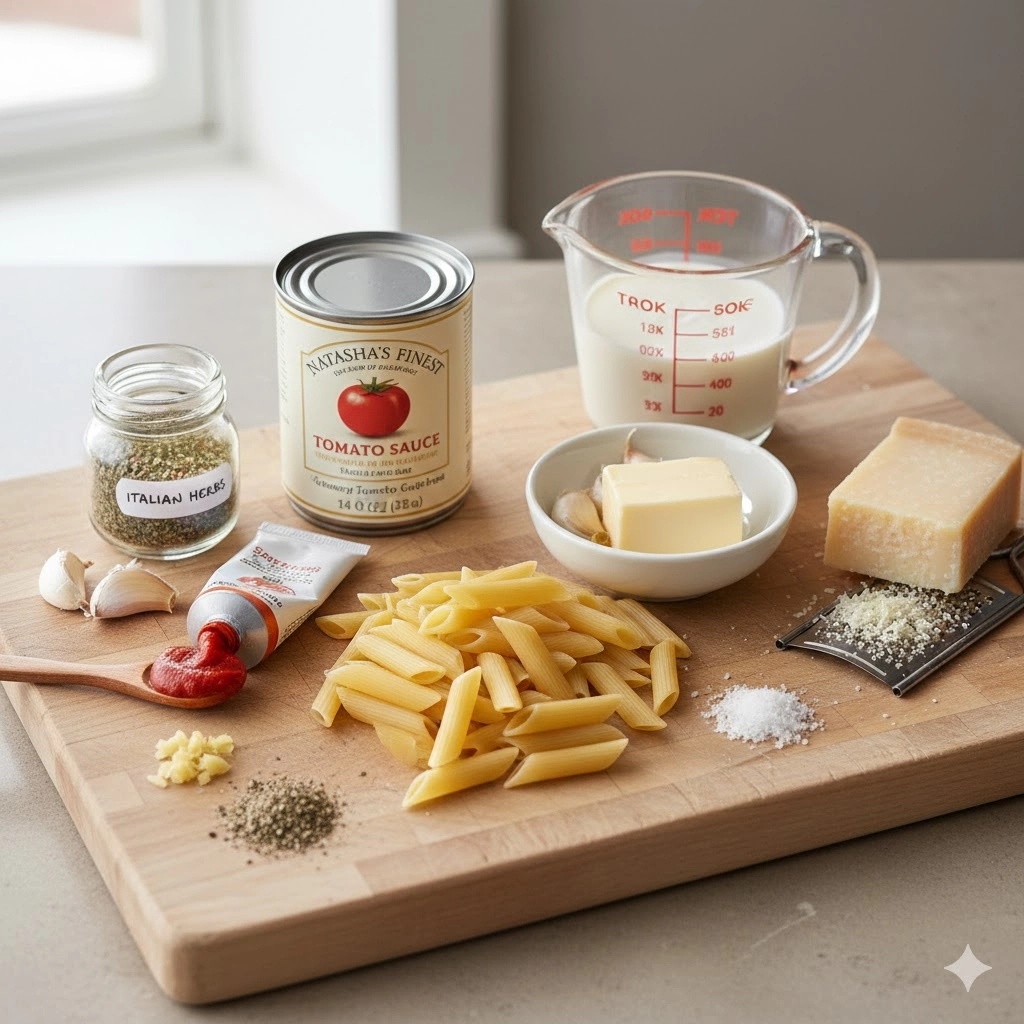
To create this masterpiece, you will need a few key items that are likely already sitting in your kitchen. Each ingredient plays a specific role in building the layers of flavor that make this dish so addictive.
- 8 ounces uncooked pasta: While you can use any shape, tubular varieties like penne or rigatoni are excellent for trapping the sauce inside.
- 2 tablespoons butter: Used for sautéing the garlic, adding a nutty richness that oil simply cannot replicate.
- 2-3 cloves garlic: Minced finely to ensure the flavor permeates every drop of the sauce.
- 2 tablespoons tomato paste: This provides a concentrated, deep tomato essence and helps thicken the base.
- 1 (14 ounce) can tomato sauce: This serves as the smooth, liquid foundation for our sauce.
- 3/4 cup heavy/whipping cream: The secret to the luxurious mouthfeel and the beautiful orange-pink hue.
- 1/4 teaspoon Italian seasoning: A balanced blend of herbs that adds an earthy, Mediterranean aromatic quality.
- Salt & pepper to taste: Vital for brightening the other flavors and adding necessary seasoning.
- Freshly grated parmesan cheese: For serving, adding a salty, umami finish to the final plate.
Instructions for the Perfect Plate
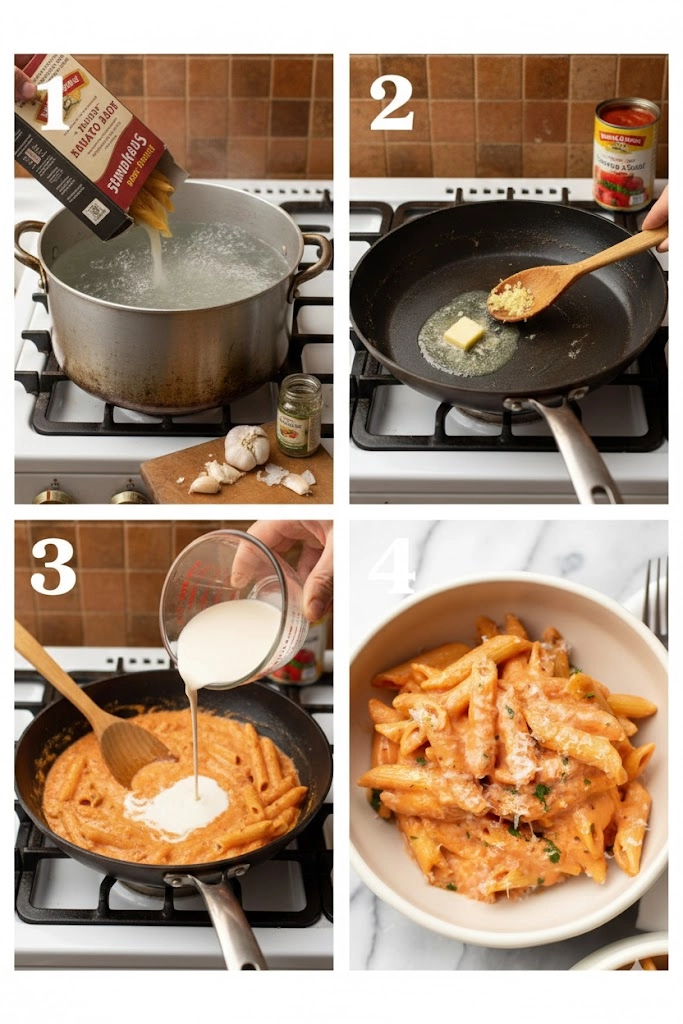
- Begin by bringing a large pot of water to a rolling boil. Be sure to salt the water generously; it should taste like the sea, as this is your only chance to season the pasta itself. Cook the 8 ounces of pasta until it reaches an al dente texture, following the specific timing on your package.
- While the pasta is boiling, place a large skillet over medium-high heat and add the 2 tablespoons of butter. Once the butter has melted and begun to foam slightly, add your minced garlic. Sauté the garlic for approximately one minute, stirring constantly to prevent it from browning or burning, which can turn the sauce bitter.
- Into the skillet, stir in the 2 tablespoons of tomato paste, the 14 ounce can of tomato sauce, the 3/4 cup of heavy cream, and the 1/4 teaspoon of Italian seasoning. Use a whisk or a wooden spoon to blend everything together until the mixture is uniform and completely smooth.
- Lower the heat slightly to maintain a gentle bubble. Allow the sauce to simmer for about 5 minutes. During this time, the flavors will meld and the consistency will thicken. You are looking for a sauce that easily coats the back of a spoon.
- Taste your sauce. Season it generously with salt and pepper. If the tomatoes taste particularly acidic, feel free to stir in a tiny pinch of granulated sugar to round out the flavor.
- Once the pasta is finished, drain it (reserving a small amount of the cooking water). Toss the pasta directly into the skillet with the sauce. If the sauce seems too thick, add a splash of the hot pasta water to loosen it up. Serve immediately with a liberal dusting of freshly grated parmesan cheese.
Elevating the Texture through Kitchen Science
The transformation of these humble ingredients into a gourmet sauce is a fascinating process of emulsification and reduction. When you first combine the tomato sauce and the heavy cream, you are mixing a water-based acidic liquid with a high-fat dairy product. This is why using heavy cream is non-negotiable. The high fat content in heavy cream—typically around 36 to 40 percent—acts as a stabilizer. If you were to use a lower-fat dairy product like whole milk or even half-and-half, the acid in the tomatoes would likely cause the proteins in the milk to clump together, resulting in a grainy or “curdled” sauce.
The five-minute simmering period is where the magic truly happens. As the sauce bubbles gently, water evaporates, which concentrates the natural sugars in the tomato and the fats in the cream. This reduction phase is what gives the sauce its “clinging” power. A well-executed sauce shouldn’t just sit at the bottom of the bowl; it should embrace the pasta. By using tomato paste alongside the sauce, we are doubling down on the lycopene-rich tomato flavor without adding excess water, ensuring the final result is punchy and vibrant rather than diluted.
Achieving the Ultimate Creamy Consistency
To ensure your sauce is the envy of all your dinner guests, pay close attention to the garlic sautéing phase. Garlic is delicate; it contains natural sugars that can burn in an instant. By using butter as your fat source, you are surrounding the garlic in a protective, flavorful medium. If the garlic turns dark brown, it will impart a scorched flavor to the entire batch. You want it to be fragrant and just barely softened.
Another professional touch is the “pasta water trick.” Professional chefs rarely drain their pasta completely dry. The starchy water left behind in the pot is liquid gold. When you toss your cooked pasta into the simmering tomato cream, that starch acts as a bridge, helping the fats in the sauce bind to the surface of the noodles. If you find the sauce has thickened too much while waiting for the pasta to finish, that half-cup of reserved water can restore the sauce to its original, silky glory in seconds.
Ideal Sides and Serving Suggestions
While a bowl of this creamy tomato garlic pasta is a complete meal on its own, adding the right accompaniments can turn a simple dinner into a feast.
- The Classic Crunch: A side of garlic bread is almost mandatory. The toasted, buttery edges of a baguette are perfect for swiping up any extra sauce left on your plate. If you want to go the extra mile, melt some mozzarella over the top of the bread for a cheesy, gooey contrast.
- Vibrant Greenery: To balance the richness of the cream and butter, a crisp, acidic salad is highly recommended. A classic Caesar salad with a tangy dressing and plenty of black pepper provides a wonderful counterpoint. Alternatively, an Italian-style garden salad with a red wine vinaigrette can help cut through the fat of the sauce, cleansing the palate between bites.
- Protein Additions: If you are looking to increase the satiety of the meal, this sauce is incredibly versatile. Sliced grilled chicken breast, pan-seared shrimp, or even crumbled spicy Italian sausage can be folded into the sauce just before serving. The spicy sausage, in particular, works wonders by adding a layer of heat that complements the sweetness of the cream.
Smart Modifications and Dietary Substitutions
While the recipe as written is a crowd-pleaser, there is always room for a little kitchen creativity. If you find yourself missing an ingredient or catering to specific tastes, consider these adjustments:
- Herb Variations: If you don’t have a pre-mixed Italian seasoning, you can easily recreate the profile using a mix of dried oregano, basil, and thyme. For a fresher, brighter finish, stir in a handful of chopped fresh basil leaves or a sprinkle of fresh parsley right before serving.
- Adding Heat: For those who enjoy a bit of a “kick,” add a half-teaspoon of red pepper flakes into the butter along with the garlic. This infuses the oil with heat, creating a spicy “Arrabbiata-style” cream sauce.
- Vegetable Boost: You can easily sneak some nutrients into this dish. Stir in two cups of fresh baby spinach during the final two minutes of simmering. The heat of the sauce will wilt the greens perfectly. Sautéed mushrooms or bell peppers also make a wonderful addition to the base of the sauce.
- Dairy Notes: As mentioned previously, stick to heavy cream to avoid curdling. However, if you are looking for a slightly different tang, a dollop of mascarpone cheese stirred in at the end can add an incredible depth of flavor.
Guidance on Storage and Reheating
If you happen to have leftovers, this pasta stores remarkably well, though the sauce will continue to be absorbed by the pasta as it sits.
- Refrigeration: Place leftovers in an airtight container and keep them in the fridge for up to three days.
- Freezing: You can freeze the sauce on its own for up to three months. It is generally better to freeze the sauce separately from the pasta, as frozen pasta can become mushy upon thawing.
- Reheating: The best way to revive this dish is on the stovetop. Place the pasta and sauce in a saucepan over low heat. Add a tablespoon of water or a splash of cream to help loosen the sauce. Cover the pan and stir occasionally until it is heated through. Avoid using high heat or a microwave if possible, as this can cause the fat in the cream to separate, leaving you with an oily texture.
Deep-Dive FAQ
Why does my tomato sauce sometimes taste bitter or too sour?
The acidity of canned tomatoes varies wildly between brands. Factors like the ripeness of the tomatoes when they were canned and the canning process itself contribute to the final flavor. If your sauce tastes a bit too sharp, the solution is a tiny pinch of granulated sugar. Sugar doesn’t make the sauce “sweet” in small quantities; rather, it acts as a chemical balance to the citric acid in the tomatoes, smoothing out the overall flavor profile.
Can I use fresh tomatoes instead of canned sauce for this recipe?
While you certainly can, it will significantly change the texture and the cooking time. Fresh tomatoes contain a lot of water and skins. You would need to peel, seed, and stew them down for a much longer period to achieve the same concentrated, smooth consistency that a 14 ounce can of tomato sauce provides. For a 20-minute weeknight meal, the canned version is actually the superior choice for consistency and speed.
What is the best type of parmesan cheese to use for the topping?
For the best results, avoid the shelf-stable grated cheese in the green shaker bottle. That product often contains anti-caking agents like cellulose which prevent it from melting properly. Instead, buy a wedge of real Parmigiano-Reggiano or a high-quality domestic Parmesan and grate it yourself using a microplane or the small holes of a box grater. It will melt into the sauce beautifully and provide a much more nuanced, salty flavor.
A Final Note on This Culinary Journey
In the world of home cooking, there is a distinct joy in finding a recipe that requires minimal effort but yields maximum reward. This Creamy Tomato Garlic Pasta is a testament to that philosophy. It proves that you don’t need a pantry full of exotic ingredients or hours of free time to create a meal that feels special. By following the simple sequence of sautéing, simmering, and tossing, you are engaging in a timeless culinary tradition of turning staples into a feast. The next time you are tempted by the convenience of a jarred sauce, remember that in nearly the same amount of time, you can create something fresh, vibrant, and infinitely more delicious right on your own stove.
Nutrition Information
| Nutrient | Amount per Serving |
| Calories | 485 kcal |
| Total Fat | 32 grams |
| Saturated Fat | 19 grams |
| Cholesterol | 85 milligrams |
| Sodium | 650 milligrams |
| Total Carbohydrates | 42 grams |
| Dietary Fiber | 3 grams |
| Sugars | 6 grams |
| Protein | 10 grams |
Disclaimer
The nutritional values provided are calculated based on standard ingredient measurements and should be considered an approximation. Actual nutritional content may vary depending on specific brands used and individual preparation methods. Always consult with a healthcare professional for specific dietary needs.
Super Easy Creamy Tomato Garlic Pasta
Ingredients
- 8 ounces uncooked pasta (such as penne or rigatoni)
- 2 tbsp butter
- 3 cloves garlic, minced
- 2 tbsp tomato paste
- 14 ounces tomato sauce (one standard can)
- 0.75 cup heavy/whipping cream
- 0.25 tsp Italian seasoning
- Salt and pepper to taste
- Freshly grated parmesan cheese, for serving
Instructions
- Bring a large pot of salted water to a boil. Cook the pasta al dente according to the package instructions.
- While the pasta cooks, melt the butter in a large skillet over medium-high heat. Add the minced garlic and sauté for about 1 minute until fragrant, stirring constantly to prevent burning.
- Stir in the tomato paste, tomato sauce, heavy cream, and Italian seasoning. Whisk or stir until the mixture is uniform and completely smooth.
- Allow the sauce to simmer gently for about 5 minutes or until it has thickened to your liking. It should bubble very lightly.
- Season the sauce generously with salt and pepper. If the sauce is too tangy, stir in a small pinch of sugar.
- Drain the pasta (reserving a splash of pasta water) and toss the noodles directly into the skillet with the sauce. Serve immediately with plenty of parmesan cheese.
Notes
Equipment
- Large pasta pot
- large skillet
- Wooden spoon or whisk
- colander
- Cheese grater