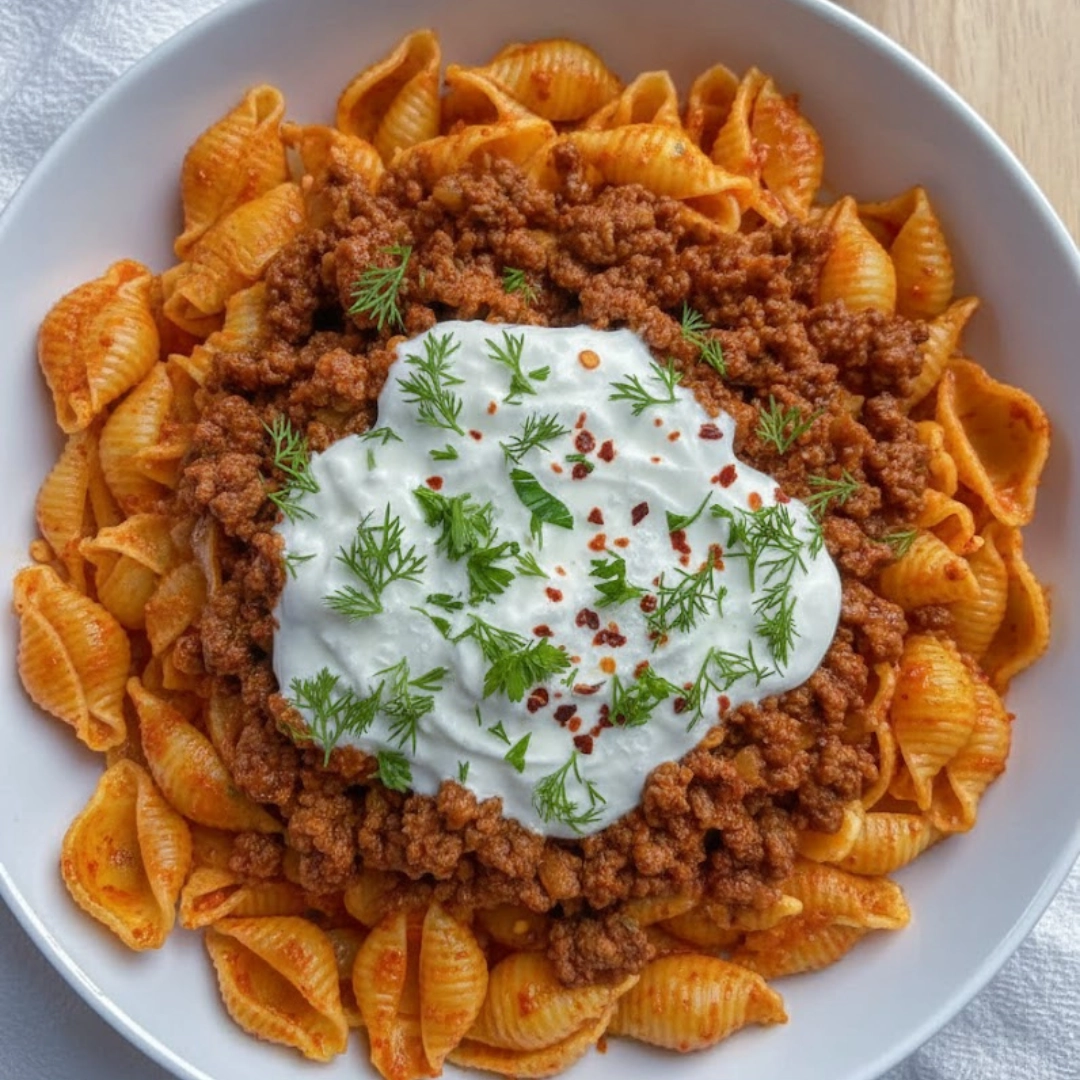
The allure of a deceptively simple dish that tastes infinitely more complex than its components is timeless, and this Viral Anna Pauls Turkish Pasta is a perfect modern example. Inspired by a vibrant social media trend, this recipe brings together the subtle warmth of Turkish culinary influences—namely, rich butter, bright chili flakes, and cooling yogurt—with the satisfying familiarity of Italian pasta. It is a meal that strikes a beautiful balance between a cozy, decadent sauce and a surprisingly fresh finish, making it an ideal candidate for a weeknight dinner that feels entirely special. It is a dish that requires minimal hands-on time but delivers maximum impact, suitable for a solo comfort meal or a captivating centerpiece for casual entertaining.
Table of Contents
Foundation: The Necessary Provisions
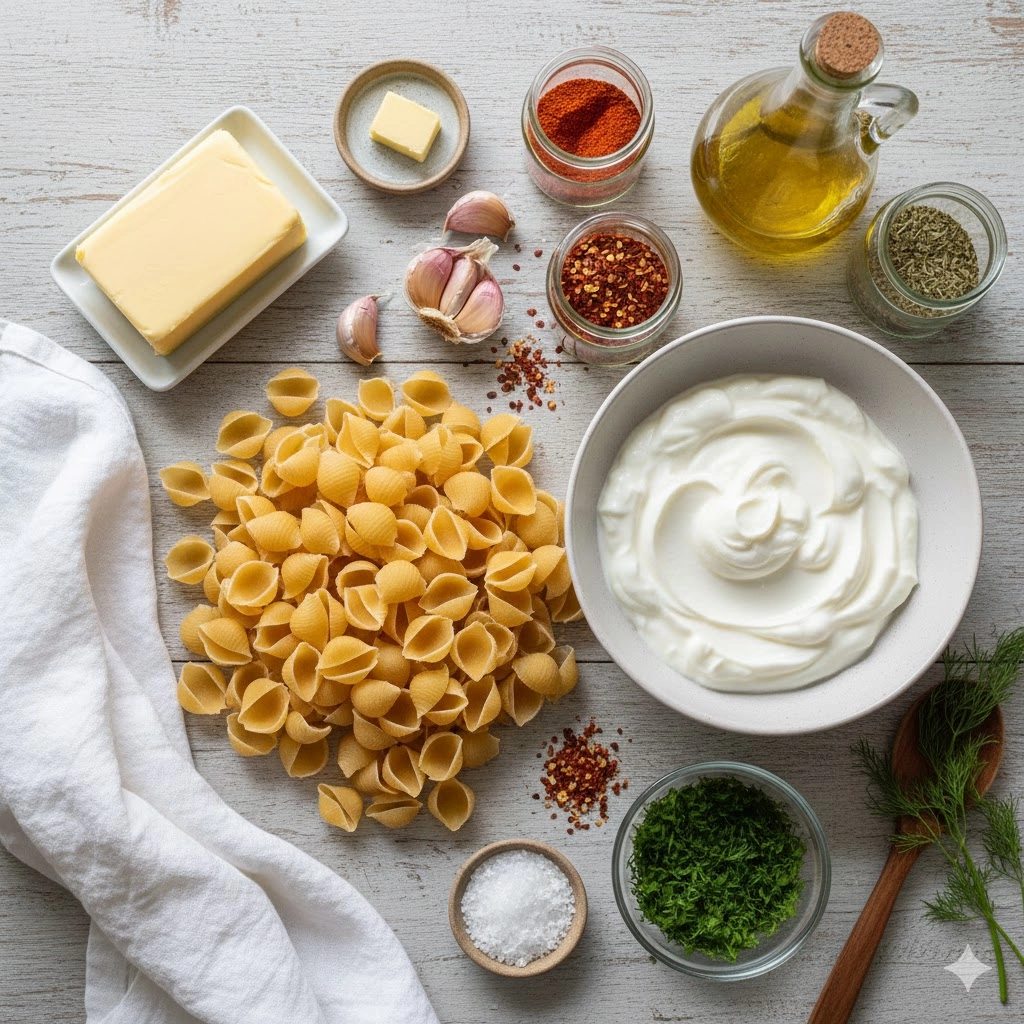
Gathering your mise en place before starting is key to the seamless execution of this dish. This preparation list is scaled for four servings.
- For the Pasta:
- one pound (four hundred fifty grams) of short-cut pasta, such as fusilli, penne, or rigatoni
- kosher salt, for salting the pasta water
- For the Butter Sauce Base:
- four tablespoons (fifty-six grams) unsalted butter
- one tablespoon olive oil
- two cloves garlic, finely minced
- two teaspoons smoked paprika
- one teaspoon red pepper flakes (or pul biber if available)
- one-half teaspoon dried oregano
- one-quarter cup (sixty milliliters) of the reserved pasta cooking water
- For the Yogurt Finish:
- one cup (two hundred forty grams) whole milk Greek yogurt
- one-quarter cup (sixty milliliters) cold water, or more to thin
- one clove garlic, grated
- one-half teaspoon salt
- For Garnish and Service:
- fresh dill, finely chopped
- flaky sea salt, to taste
The Process: A Step-by-Step Methodology
This recipe is constructed in parallel, combining the pasta cooking with the preparation of the two core sauces—the spiced butter and the seasoned yogurt.
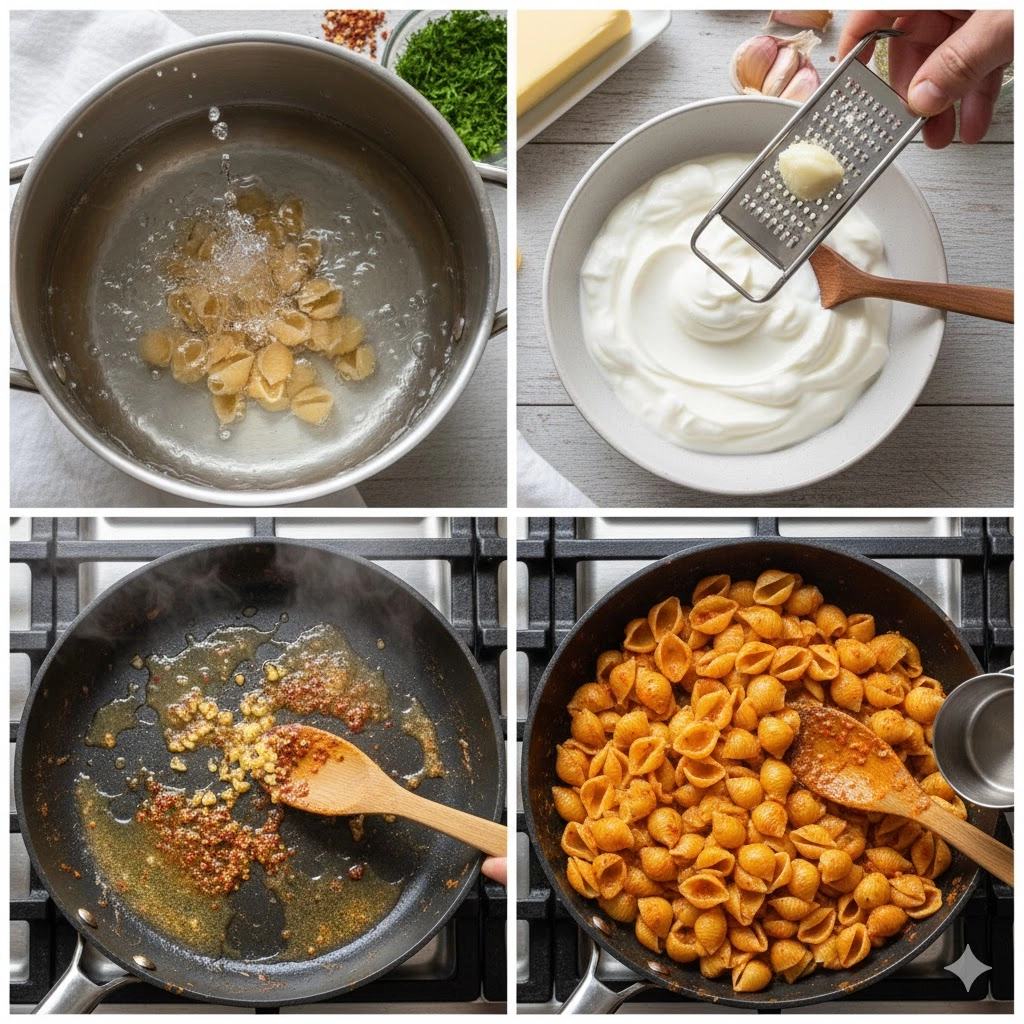
- Prepare the Pasta: Bring a large pot of heavily salted water to a rolling boil. Add the pasta and cook according to package directions until perfectly al dente. Reserve one cup of the starchy cooking liquid before draining.
- Construct the Yogurt: In a medium bowl, whisk together the Greek yogurt, cold water, grated garlic, and salt until the mixture is smooth and pourable, like a thick ranch dressing. Set aside.
- Initiate the Butter Sauce: Melt the butter and olive oil together in a large, wide skillet over medium heat. Once the butter is foamy and the oil is shimmering, add the minced garlic. Sauté for thirty seconds until fragrant.
- Toast the Spices: Add the smoked paprika, red pepper flakes, and oregano to the skillet. Cook, stirring constantly, for sixty to ninety seconds until the spices are deeply aromatic and blooming in the fat.
- Emulsify the Sauce: Pour in the one-quarter cup of reserved pasta water. Bring the mixture to a simmer and stir vigorously to create a smooth, slightly thickened, glossy sauce.
- Combine and Finish: Add the drained pasta to the skillet with the butter sauce. Toss the pasta gently for one to two minutes, allowing the noodles to fully absorb the spiced butter mixture.
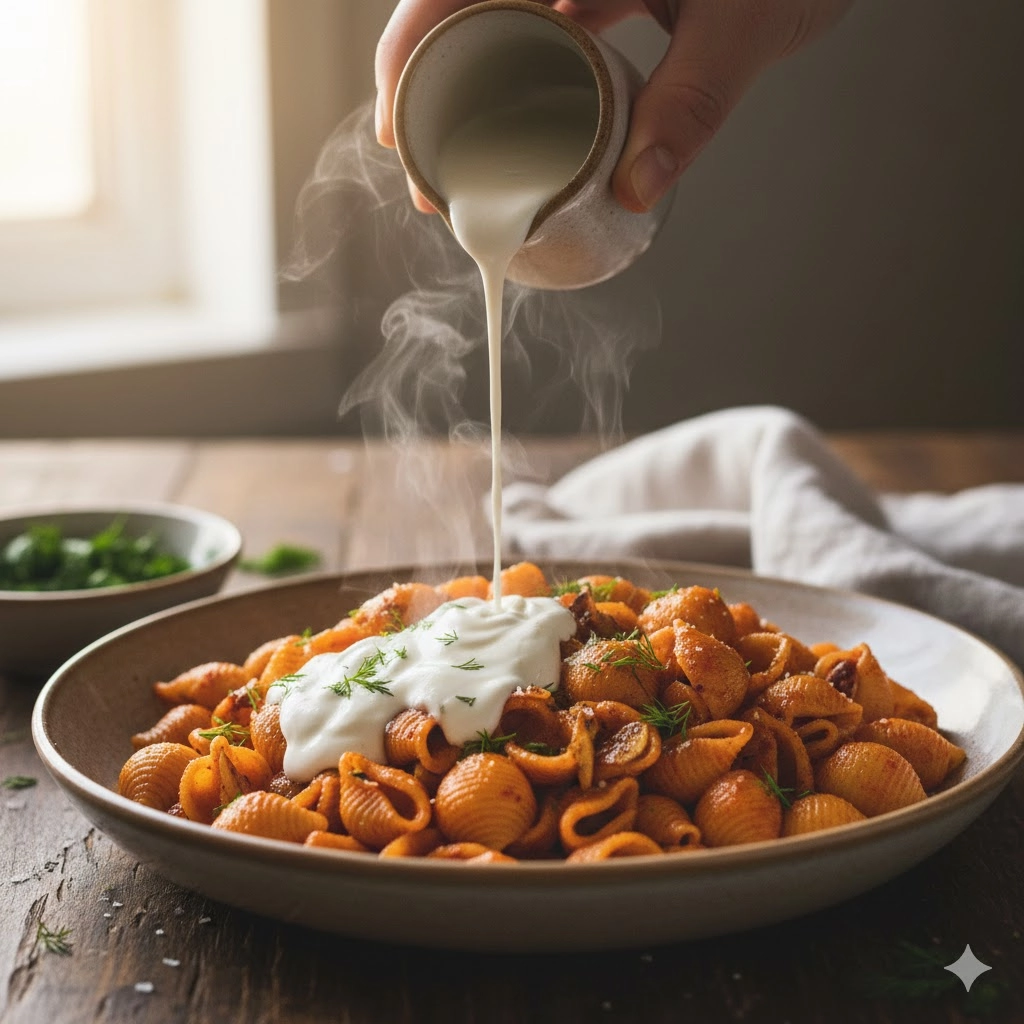
- Plate and Serve: Transfer the pasta to serving bowls. Drizzle a generous amount of the prepared yogurt over the hot pasta. Garnish liberally with chopped fresh dill and a sprinkle of flaky sea salt.
Deep Dive: Texture, Aroma, and Execution Nuances
Mastering this Turkish-inspired pasta relies on attention to small sensory details in the kitchen. Focusing on the interaction of textures and the blooming of aromatics transforms a simple dish into an outstanding one.
The Yogurt’s Temperament
The yogurt is the cooling, acidic foil to the warm, spicy butter. It is crucial to thin the whole milk Greek yogurt with cold water. When you combine the cold, thinned yogurt with the hot pasta, the temperature differential is what creates the dynamic flavor profile—hot and spicy on one side, cool and tangy on the other. If the yogurt is too thick, it will sit atop the pasta in heavy dollops rather than lightly coating it. Aim for the consistency of heavy cream that can be drizzled easily. Grating the garlic, rather than mincing or pressing it, releases its raw, pungent juices more intensely, which is essential for cutting through the richness of the butter.
Blooming the Spices
The single most critical step for the deep flavor of this dish is the blooming of the spices in the hot fat. Smoked paprika, red pepper flakes, and oregano are fat-soluble, meaning their flavor compounds release and intensify when gently heated in butter and oil. When you add the spices to the sizzling fat after the garlic, they should cook just long enough to turn a shade darker and release a powerful, nutty aroma. This process, typically only sixty to ninety seconds, must be done over medium heat; high heat will scorch the spices, resulting in a bitter, acrid taste. The difference between properly bloomed spices and simply mixed spices is night and day in the final dish.
The Perfect Pasta Kiss
Once the butter sauce is fully emulsified with the reserved pasta water—it should look slightly glossy and creamy—the drained pasta is added. This step is not merely about mixing; it’s about cohesion. Tossing the pasta in the skillet for a full minute or two allows the heat from the pasta to activate the starches on its surface, which then absorb and cling to the butter sauce. If the pasta is added too briefly, the sauce will pool at the bottom of the bowl. This finishing toss ensures every single piece of pasta is coated in the fragrant, spiced butter. If the sauce seems too tight during the toss, a tiny splash more of the reserved pasta water can loosen it slightly.
Expert Adjustments for Flavor Depth
Elevating this seemingly simple recipe requires a few simple but powerful culinary techniques that deepen the complexity of the final plate.
- Brown Butter Base: Instead of simply melting the butter, take the time to brown it slightly before adding the olive oil and garlic. Heat the butter alone over medium-low heat until the milk solids separate, sink, and turn a rich, nutty brown color. This adds a layer of toasted, caramel-like depth that plays wonderfully against the sharpness of the yogurt.
- The Chili Flake Factor: Seek out authentic Turkish pul biber (Aleppo pepper) if you can find it. Unlike standard crushed red pepper flakes, pul biber offers a richer, slightly fruity heat with less of a sharp, stinging burn. This substitution introduces a more authentic and rounded warmth to the Viral Anna Pauls Turkish Pasta.
- A Touch of Lemon Zest: While not traditional, a whisper of fresh lemon zest—a half teaspoon, added alongside the spices—provides a volatile oil that brightens the overall aroma and adds an almost imperceptible hint of freshness to the butter sauce, preventing it from tasting too heavy.
- Don’t Skip the Salt Water: Seasoning the pasta water like the sea is non-negotiable. It is the only opportunity you have to season the pasta itself from the inside out. Bland pasta cannot be fixed by an aggressively seasoned sauce, so be generous with the kosher salt in the boiling water.
Realistic Substitutions and Variations
This pasta’s adaptable nature makes it perfect for creative adjustments based on pantry stock or dietary preferences.
- Dairy-Free Yogurt: Substitute the Greek yogurt with a high-quality, unsweetened, plain coconut or almond milk yogurt alternative. It may require less water to thin, so add it gradually until you reach the desired drizzle consistency. The tanginess will be slightly different but still provides the necessary cooling contrast.
- Protein Addition: Introduce a source of protein to make this a more substantial meal. Sautéed shrimp, ground lamb seasoned with cumin and allspice, or shredded rotisserie chicken can be folded into the finished pasta just before plating.
- Herbal Switch: While dill is the classic Turkish pairing, fresh mint or flat-leaf parsley can be substituted for a slightly different aromatic profile. Mint will add a more pronounced cooling effect, while parsley will offer a greener, clean finish.
- Spice Level Adjustment: For those sensitive to heat, halve the red pepper flakes and add a small pinch of sweet paprika instead of smoked to maintain color and depth without the chili warmth. Conversely, for a bolder kick, a pinch of cayenne pepper can be added with the other spices.
Thoughtful Service: Pairing and Presentation
The plating is what takes this dish from a simple skillet meal to a curated dining experience. Since the dish balances hot and cold elements, quick serving is essential.
- A Foundation of Crusty Bread: Serve the pasta alongside thick slices of crusty, artisanal bread or a soft Turkish pita. The bread is essential for soaking up the remaining spiced butter sauce and yogurt from the bottom of the bowl.
- A Simple Side Salad: The richness of the butter and the density of the yogurt call for a light, sharp counterpoint. A simple salad of finely sliced cucumbers, tomatoes, and red onion, dressed sparingly with olive oil and red wine vinegar, cleanses the palate wonderfully between bites.
- Wine Pairing: Choose a crisp, acidic white wine that will stand up to the spice and cut the richness of the butter. A bone-dry Sauvignon Blanc or a sharp, unoaked Pinot Grigio are excellent choices. For red wine drinkers, a light-bodied, fruit-forward Beaujolais served slightly chilled provides a pleasant contrast.
Kitchen Inquiries: Common Questions Answered
Addressing common preparation concerns ensures a flawless result every time.
Q: Can I make the yogurt sauce ahead of time?
A: Absolutely. The yogurt sauce can be prepared up to one day in advance and stored in an airtight container in the refrigerator. In fact, resting the yogurt allows the raw garlic flavor to mellow and integrate fully, often enhancing the final taste.
Q: Why do I need to reserve the pasta water?
A: The starch released from the pasta as it cooks is what makes the reserved water so valuable. When added to the butter and spices, this starchy liquid acts as a binder and emulsifier, helping the fat and the liquid to combine into a smooth, glossy sauce that clings perfectly to the noodles.
Q: What is the best way to reheat leftovers?
A: Due to the fresh yogurt component, reheating is tricky. The best method is to gently warm the butter-coated pasta separately in a skillet over low heat, adding a splash of water or broth to prevent drying. Prepare a fresh batch of the seasoned yogurt to drizzle over the reheated pasta, as the original yogurt will have thinned and lost its fresh tang after refrigeration.
Q: My butter sauce broke and looks oily, what went wrong?
A: This happens when the emulsion is broken, usually by either adding too little starchy water or heating the mixture too quickly after adding the water. To fix it, remove the skillet from the heat, add one more tablespoon of warm water or broth, and whisk vigorously off the heat until the sauce comes back together. Toss the pasta immediately.
Understanding the Plate: Nutritional Breakdown
The following is an approximation of the nutritional content for one serving of this Viral Anna Pauls Turkish Pasta.
| Nutrient | Amount per Serving |
| Calories | 680 kcal |
| Protein | 24 g |
| Carbs | 85 g |
| Fat | 27 g |
| Fiber | 5 g |
| Sugar | 6 g |
| Sodium | 350 mg |
Nutritional Disclaimer
Nutrition information is an estimate and may vary based on preparation and ingredients used.
Viral Anna Paul’s Turkish Pasta
Ingredients
- 1 lb short-cut pasta (fusilli, penne, or rigatoni)
- kosher salt, for pasta water
- 4 tbsp unsalted butter
- 1 tbsp olive oil
- 2 cloves garlic, finely minced
- 2 tsp smoked paprika
- 1 tsp red pepper flakes or pul biber
- 0.5 tsp dried oregano
- 0.25 cup reserved pasta cooking water
- 1 cup whole milk Greek yogurt
- 0.25 cup cold water, or more to thin
- 1 clove garlic, grated
- 0.5 tsp salt (for yogurt sauce)
- fresh dill, chopped, for garnish
- flaky sea salt, to taste
Instructions
- Bring a large pot of salted water to a boil. Cook the pasta until al dente according to package directions. Reserve 1 cup of cooking water, then drain.
- In a bowl, whisk Greek yogurt, cold water, grated garlic, and salt until smooth and pourable. Set aside.
- Melt butter and olive oil in a skillet over medium heat. Add minced garlic and sauté for 30 seconds until fragrant.
- Add paprika, red pepper flakes, and oregano. Stir constantly for 60–90 seconds until aromatic.
- Add 1/4 cup reserved pasta water. Simmer and stir until emulsified into a glossy sauce.
- Add the drained pasta to the skillet. Toss for 1–2 minutes until fully coated with sauce.
- Plate the pasta. Drizzle with yogurt sauce and top with chopped dill and flaky salt. Serve immediately.
Notes
Equipment
- large pot
- skillet
- mixing bowl
- whisk
- colander
- measuring cup
- knife
- cutting board