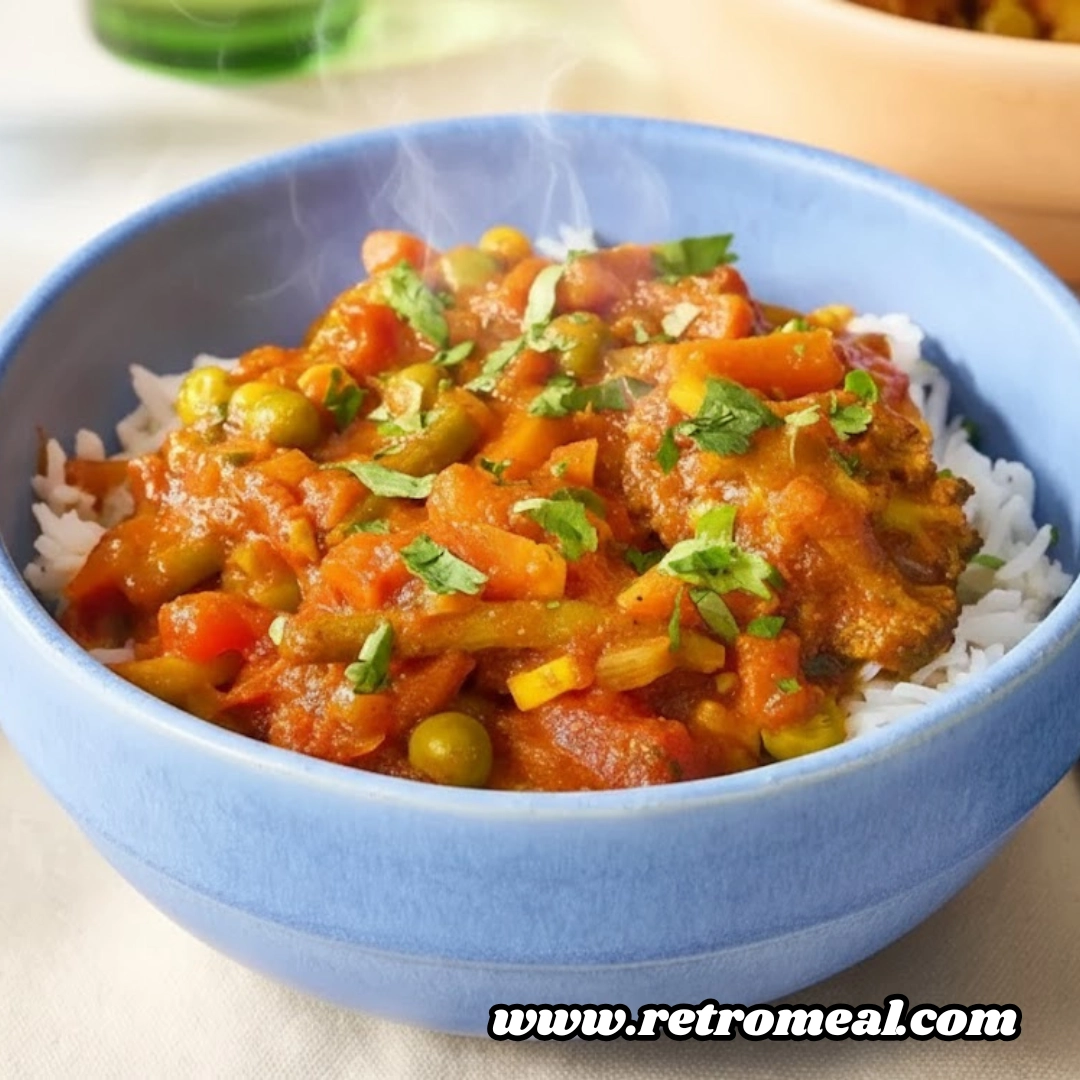
A balanced lifestyle often calls for meals that provide depth of flavor without requiring hours of labor over a stove. This vegetable curry recipe offers a streamlined approach to traditional spice-heavy cooking, utilizing pantry staples and frozen convenience to create a nourishing, plant-based dinner. The foundation relies on a concentrated aromatic base of toasted spices and tomato, which transforms a simple bag of mixed vegetables into a complex, savory stew. Whether you are navigating a busy Tuesday or looking for a reliable meal-prep option, this dish provides a consistent, warming result that pairs exceptionally well with steamed grains or soft flatbreads.
Table of Contents
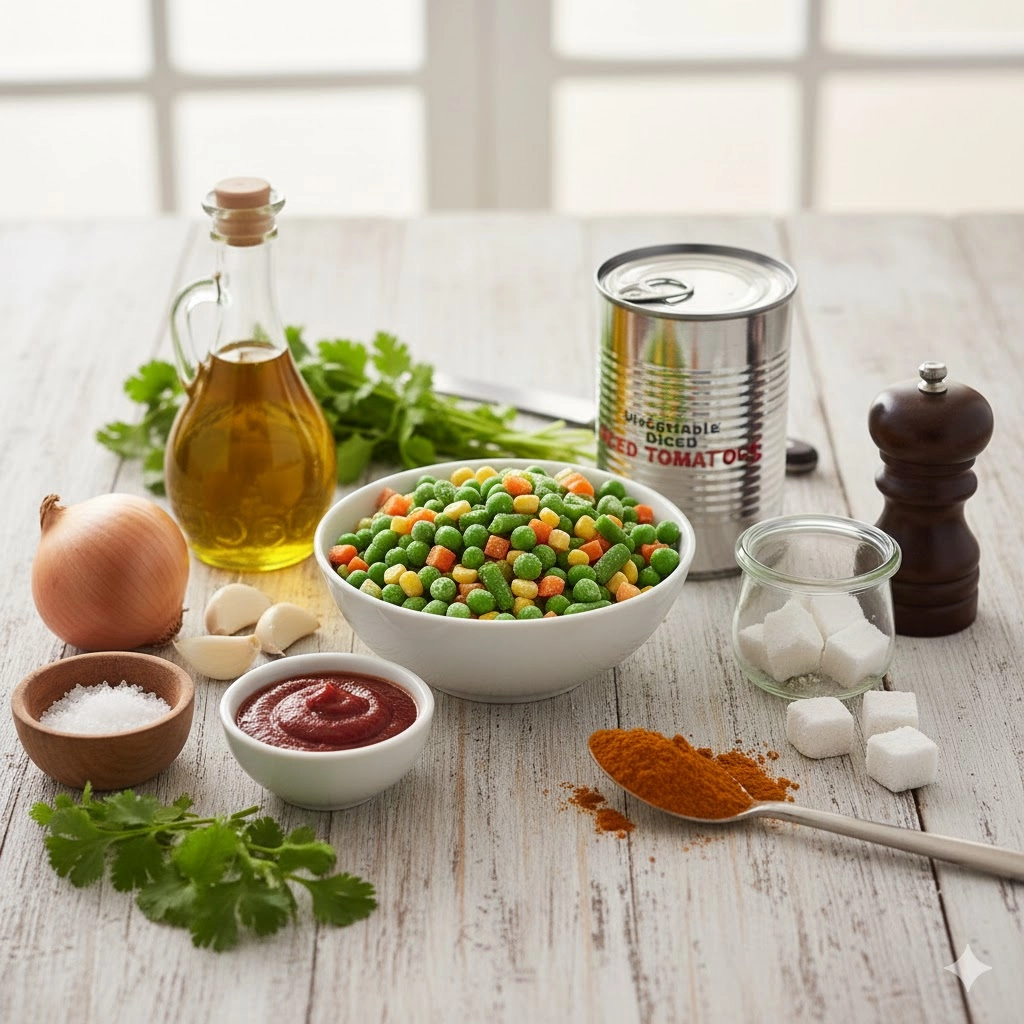
Essential Components for the Curry
The Aromatic Base
- One tablespoon high-quality olive oil
- One medium yellow onion, finely diced
- Two cloves fresh garlic, crushed or minced
- Two and one-half tablespoons mild or medium curry powder
- Two tablespoons concentrated tomato paste
The Heart of the Dish
- One can (fourteen and one-half ounces) diced tomatoes in juice
- One ten-ounce package frozen mixed vegetables (typically peas, carrots, corn, and green beans)
- One vegetable bouillon cube, crumbled
- One and one-half cups filtered water
- Sea salt and freshly ground black pepper to taste
The Finishing Touches
- Two tablespoons fresh cilantro, roughly chopped for garnish
Primary Cooking Directions
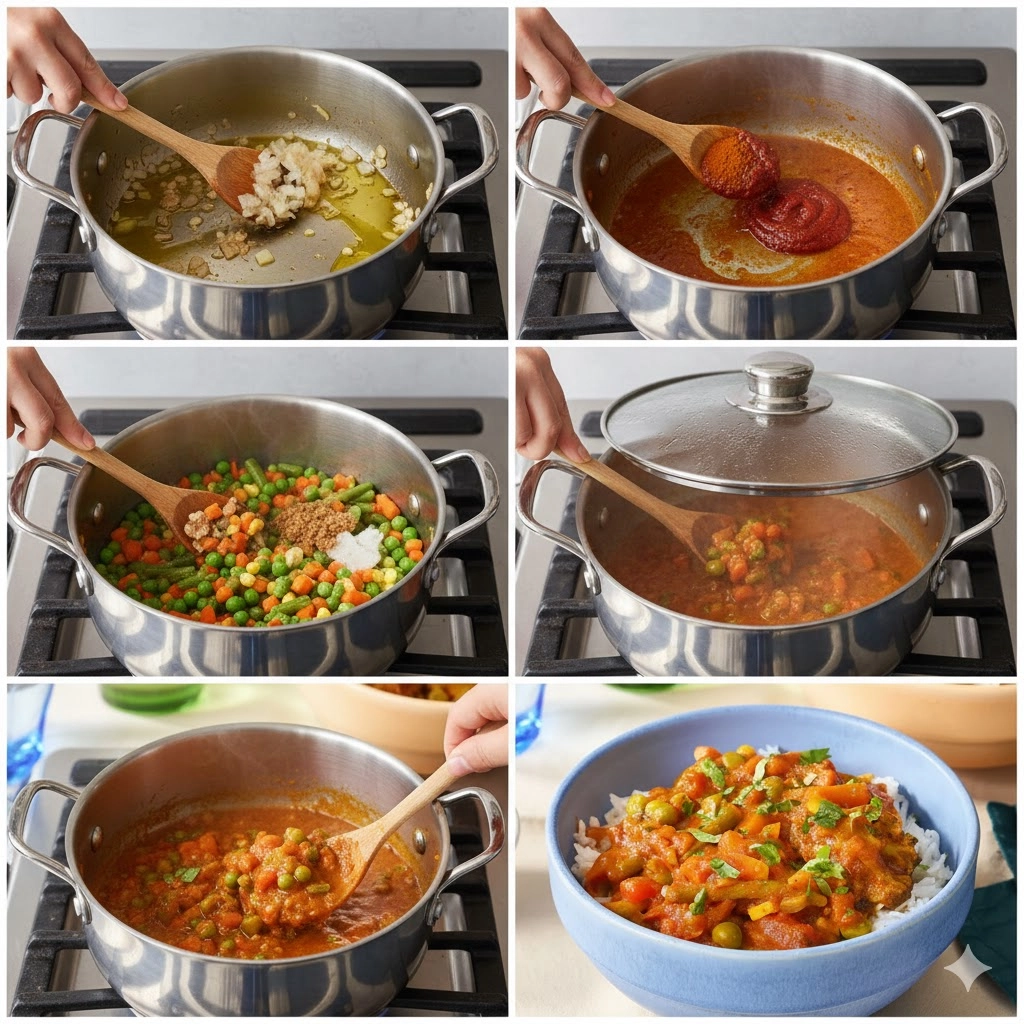
- Heat the olive oil in a heavy-bottomed saucepan or Dutch oven over medium heat.
- Sauté the diced onion and garlic until they reach a translucent, golden hue.
- Incorporate the curry powder and tomato paste, stirring constantly to toast the spices.
- Add the canned tomatoes with their liquid, the vegetable bouillon, and the frozen vegetables.
- Pour in the water and stir thoroughly to dissolve the bouillon.
- Bring the liquid to a gentle boil, then reduce heat and simmer until the sauce thickens and vegetables are tender.
- Adjust seasoning with salt and pepper before garnishing with fresh cilantro.
Detailed Culinary Process and Sensory Cues
Building the Flavor Foundation
Begin by warming the olive oil over a steady medium flame. When the oil shimmers, add the onions. You are looking for a soft sizzle rather than a harsh sear. Stir frequently for about two minutes; the onions should transition from opaque white to a delicate, translucent gold. Adding the garlic at this stage fills the kitchen with a sharp, savory aroma that indicates the base is ready.
Toasting the Spices
Once the aromatics are soft, stir in the curry powder and tomato paste. This is a critical step known as “blooming.” The heat from the oil releases the essential oils within the dried spices, deepening their color to a dark ochre and intensifying the smell. The tomato paste will begin to caramelize, losing its bright red color and turning a rich brick-red. Continue stirring for two to three minutes to prevent the spices from scorching, which can introduce a bitter note to the finished sauce.
Integrating the Main Ingredients
Pour in the diced tomatoes and the frozen vegetables. The cold vegetables will temporarily drop the temperature of the pot, which is normal. Crumble the bouillon cube directly over the mixture and add the water. As you stir, ensure you scrape the bottom of the pan to incorporate any browned bits of tomato paste or spice—this is where the concentrated flavor lives.
The Simmering Phase
Bring the pot to a bubbling simmer. Cover the pot partially to allow a small amount of steam to escape, which helps the sauce reduce and thicken. Allow the mixture to cook for twenty to thirty minutes. You will know the curry is ready when the sauce has a glossy sheen and the liquid has reduced enough to coat the back of a wooden spoon. The vegetables should be tender but not disintegrating. Taste the sauce; the acidity of the tomatoes should be balanced by the warmth of the curry powder.
Professional Tips for Success
- The Sauté Secret: If the onions begin to brown too quickly or stick to the pan, add a tablespoon of water or vegetable broth to deglaze the surface immediately.
- Bouillon Distribution: Always crumble the bouillon cube or dissolve it in the warm water before adding it to the pot to ensure there are no salty pockets in the final dish.
- Consistency Control: For a thicker, more “stew-like” consistency, use a potato masher to lightly crush a small portion of the vegetables directly in the pot toward the end of the cooking time.
- Tomato Texture: If you prefer a smoother sauce, use crushed tomatoes or tomato purée instead of diced tomatoes.
- Managing Heat: Curry powders vary significantly in heat levels. Start with two tablespoons if you are sensitive to spice, then add the remaining half tablespoon after tasting the simmered sauce.
- Acid Balance: If the curry tastes a bit flat after simmering, a tiny squeeze of fresh lime juice or a teaspoon of coconut sugar can brighten the overall profile.
Suggested Recipe Adaptations
- Protein Boost: Add one can of rinsed chickpeas or red lentils during the simmering phase. This increases the fiber and protein content significantly, making the meal more filling.
- Creamy Texture: Replace half of the water with full-fat coconut milk. This creates a velvety, Thai-inspired texture and mellows the intensity of the curry powder.
- Fresh Vegetable Swap: While frozen vegetables are convenient, you can use fresh cauliflower florets, cubed sweet potatoes, or chopped bell peppers. Ensure you increase the simmering time by ten minutes to account for the denser fresh produce.
- Leafy Greens: Stir in two cups of fresh baby spinach or kale during the last five minutes of cooking. The residual heat will wilt the greens without overcooking them.
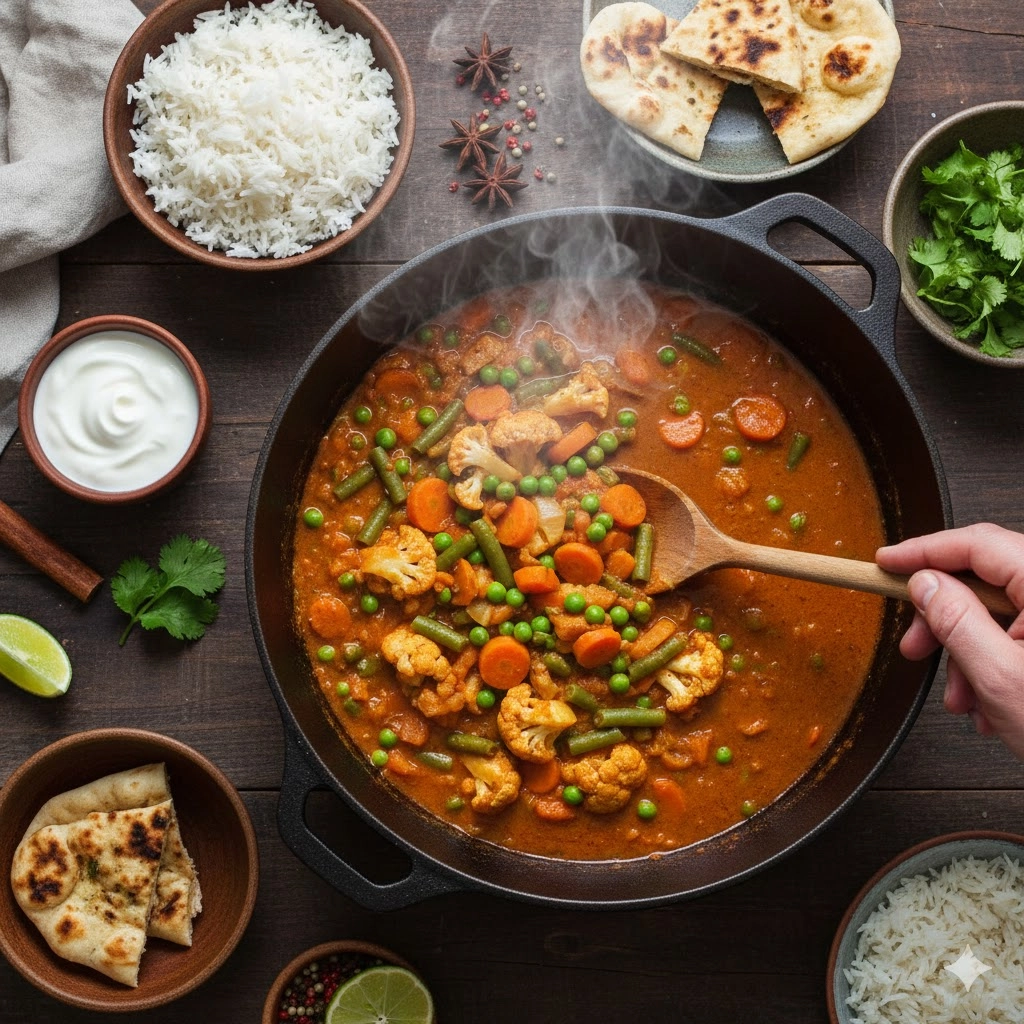
Presentation and Serving Ideas
This curry is best served in wide, shallow bowls to allow room for accompaniments. A generous portion of steamed basmati or jasmine rice provides a neutral base that soaks up the spiced gravy. For a more tactile dining experience, serve alongside warm, charred naan bread or garlic rotis. To enhance the visual appeal, don’t skimp on the fresh cilantro; the bright green contrast against the deep orange sauce makes the dish look as vibrant as it tastes. A dollop of plain Greek yogurt or a swirl of coconut cream on top can provide a cooling element if the curry powder carries significant heat.
Frequently Asked Questions
Can I prepare this dish in advance for meal prepping?
Yes, this curry is an excellent candidate for meal prep as the flavors continue to develop and meld while sitting in the refrigerator. It remains fresh for up to four days when stored in an airtight container.
What is the best way to reheat leftovers without losing texture?
Reheat the curry on the stovetop over low heat, adding a splash of water or broth to loosen the sauce. Avoid high-heat microwaving, which can cause the vegetables to become rubbery.
Is it possible to make this recipe in a slow cooker?
You can certainly use a slow cooker by reducing the water by half a cup and cooking on low for four to six hours. However, the stovetop method is recommended for the best flavor development during the initial aromatic sauté.
Can I use curry paste instead of curry powder?
You can substitute the powder with one to two tablespoons of yellow or red curry paste. Be aware that pastes are often more concentrated and salty, so adjust your added salt accordingly.
Nutrition Information
| Nutrient | Amount per Serving |
| Calories | 103 kcal |
| Protein | 4 g |
| Carbs | 16 g |
| Fat | 4 g |
| Fiber | 5 g |
| Sugar | 4 g |
| Sodium | 267 mg |
Nutrition Disclaimer
Nutrition information is an estimate and may vary based on preparation and ingredients used.

Simple One-Pot Aromatic Vegetable Curry
Ingredients
- 1 tbsp olive oil
- 1 medium yellow onion, chopped
- 2 cloves garlic, crushed
- 2.5 tbsp curry powder
- 2 tbsp tomato paste
- 14.5 oz canned diced tomatoes with juice
- 1 vegetable bouillon cube
- 10 oz frozen mixed vegetables
- 1.5 cups water
- salt and pepper to taste
- 2 tbsp fresh cilantro, chopped
Instructions
- Heat olive oil in a large saucepan over medium heat. Add onion and garlic; cook and stir until golden, about 2 minutes.
- Stir in curry powder and tomato paste. Cook and stir for 2 to 3 minutes to bloom the spices and caramelize the paste.
- Add the diced tomatoes, crumbled vegetable bouillon cube, frozen mixed vegetables, and water.
- Stir well to combine and ensure the bouillon is dissolved. Bring the mixture to a gentle boil.
- Reduce heat to low and simmer uncovered for 20 to 30 minutes until the sauce thickens and vegetables are tender.
- Taste and season with salt and pepper. Garnish with fresh cilantro and serve hot over rice or with naan.
Notes
Equipment
- Large saucepan or Dutch oven
- wooden spoon or spatula
- measuring spoons and cups
- chef’s knife