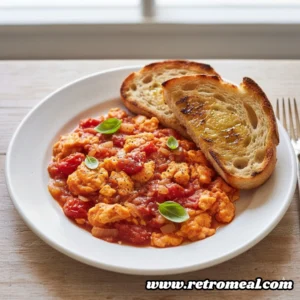
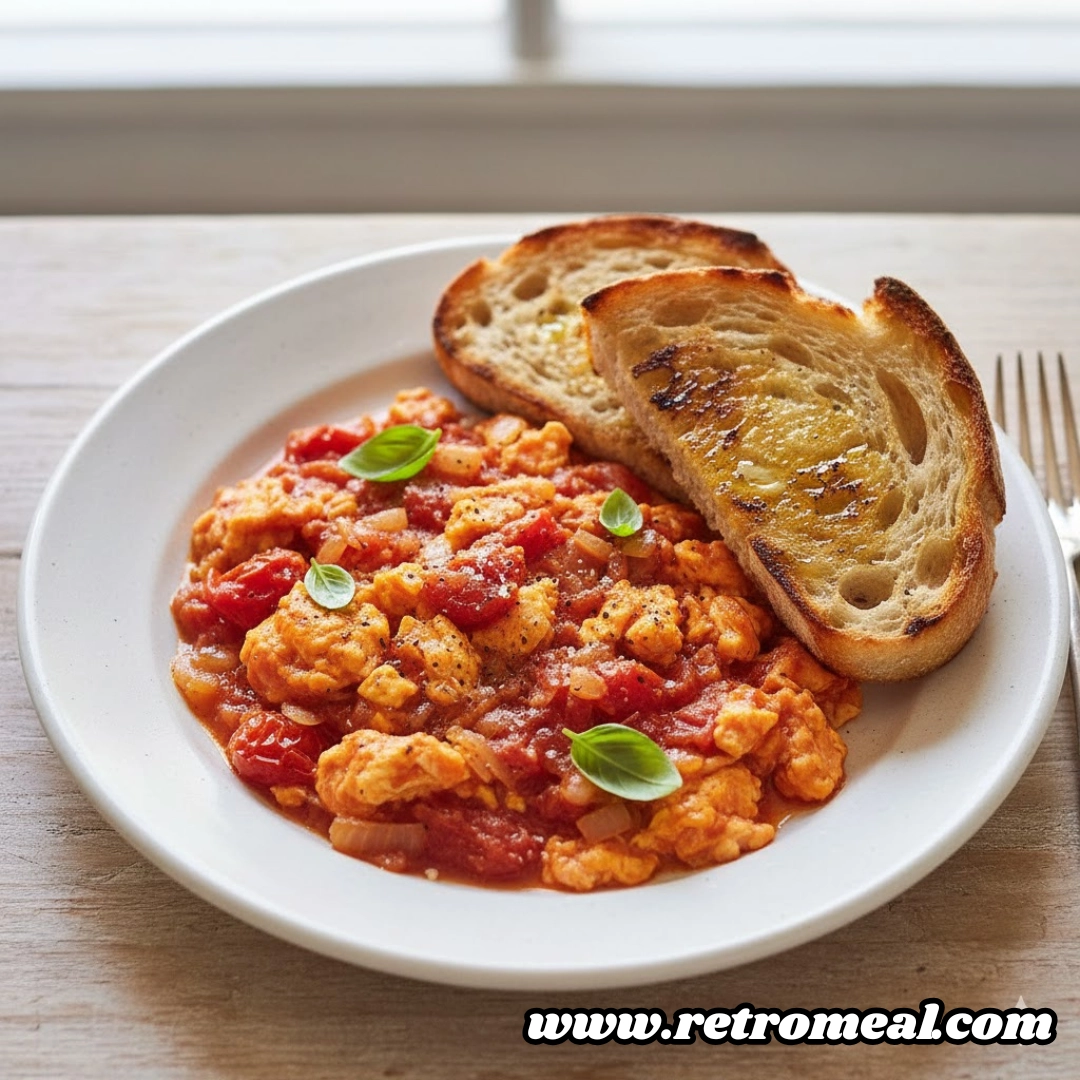
There is a profound beauty in the simplicity of Italian farmhouse cooking, where the quality of a few humble ingredients is elevated through patience and heat. These Tuscan Scrambled Eggs represent that philosophy perfectly. Far from the rushed, rubbery eggs often found on a busy weekday morning, this dish is a celebration of texture and concentrated garden flavors. By taking the time to reduce fresh plum tomatoes and golden onions into a thick, savory jam before ever cracking an egg, you create a foundation of flavor that is remarkably deep. This is a breakfast meant for slow weekend mornings, served with a thick slice of crusty bread and perhaps a view of the rolling hills, even if those hills are just in your imagination.
Table of Contents
Essential Ingredients for Rustic Italian Eggs
To achieve the authentic flavor profile of this countryside classic, you will need a handful of high-quality staples. The success of the dish relies heavily on the moisture content and sweetness of your produce.
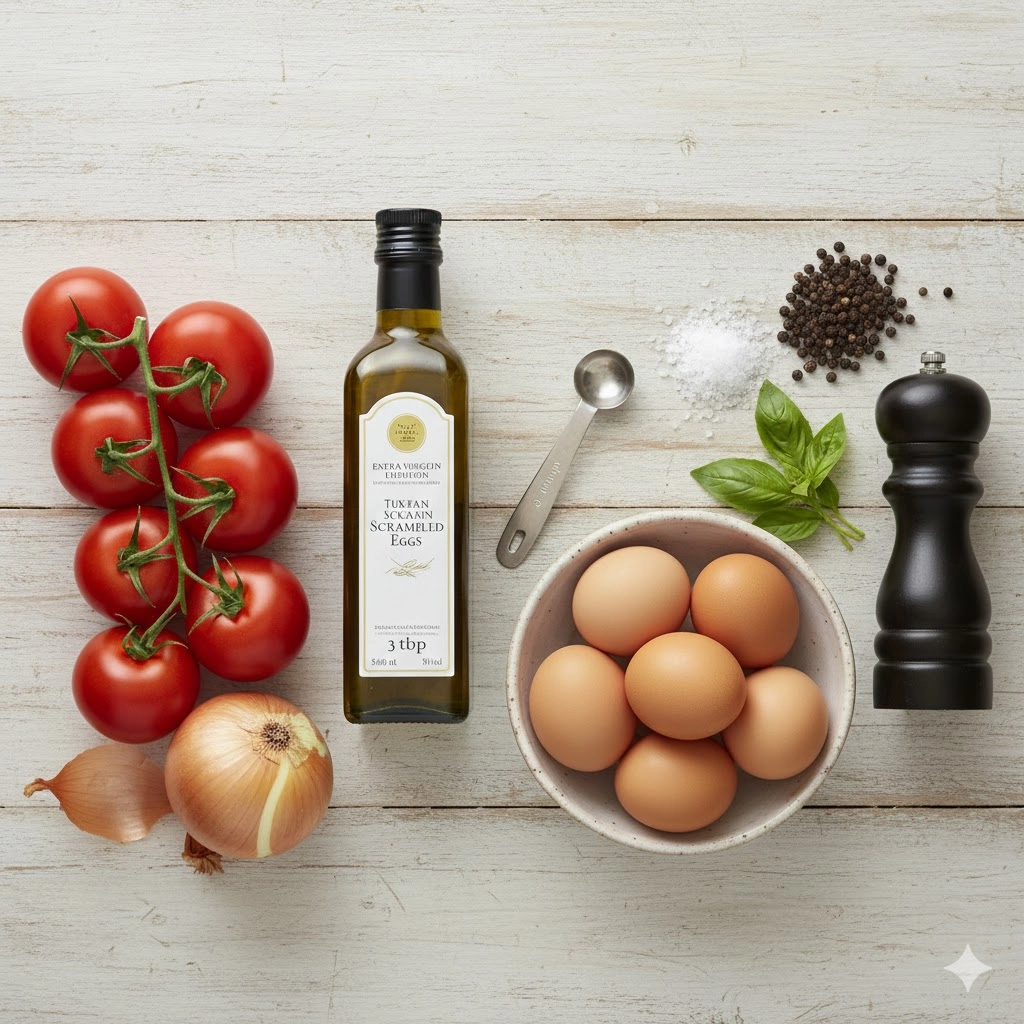
- 3 tablespoons extra-virgin olive oil
- 1 large yellow onion, peeled and chopped
- 1 1/4 pound (600 grams) plum tomatoes, peeled and chopped, or one 14-ounce can of diced tomatoes
- 6 large eggs
- Salt and freshly ground pepper
Preparation Instructions
The secret to this recipe is the long simmer of the base. Follow these steps carefully to ensure the eggs remain tender while the vegetables reach their peak sweetness.
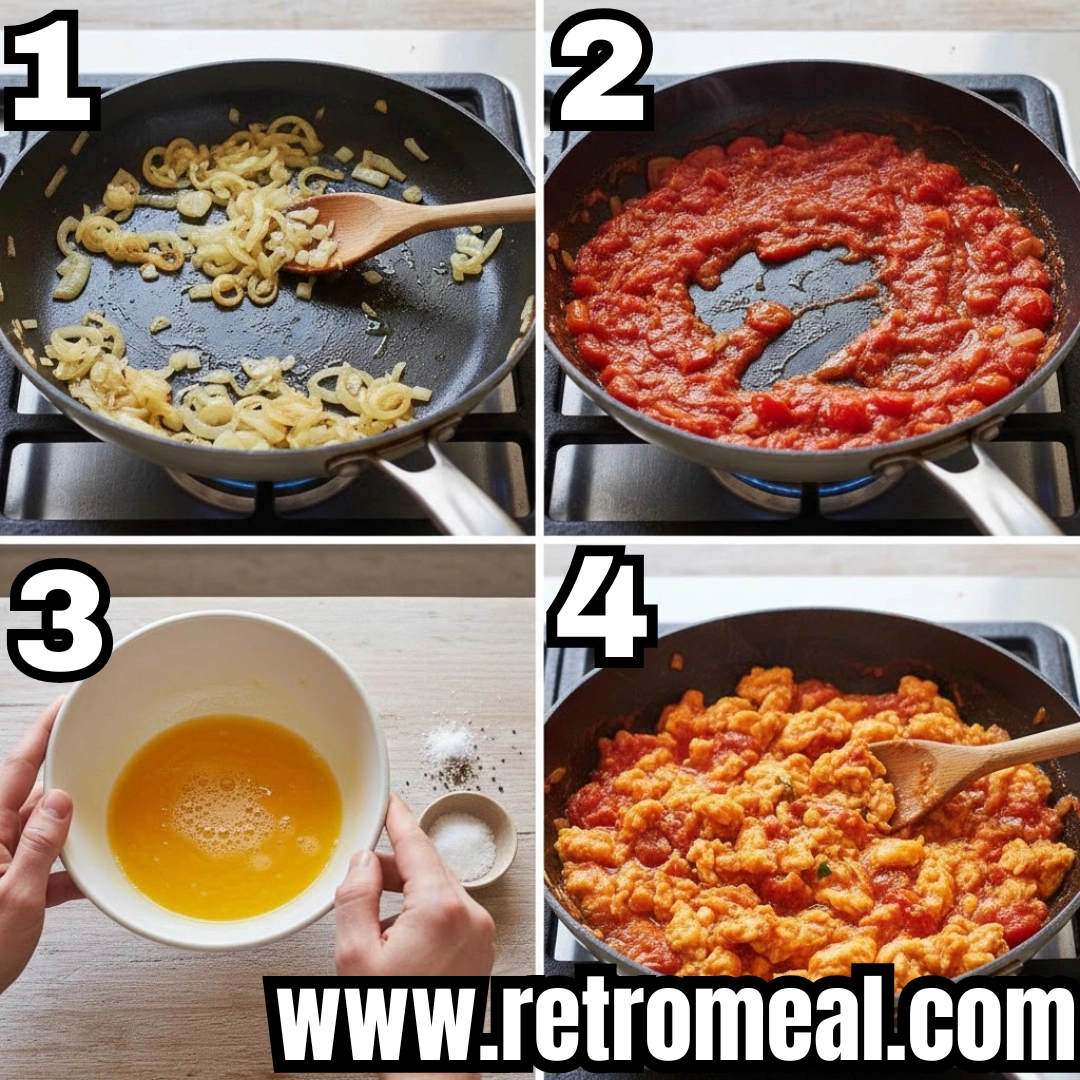
- Caramelize the Onion Base: Pour the extra-virgin olive oil into a large nonstick skillet and set the heat to medium. Once the oil is shimmering, add your chopped yellow onions. Sauté them steadily, stirring occasionally, until they are translucent and just beginning to take on a beautiful golden hue. This should take approximately 6 minutes.
- Reduce the Tomato Sauce: Add your prepared plum tomatoes (or canned diced tomatoes) to the skillet with the onions. Immediately turn the heat down to low. Allow the mixture to simmer gently for about 40 minutes. The goal here is to let the liquid evaporate completely, leaving behind a thick, concentrated tomato and onion mixture.
- Prepare the Egg Mixture: While the tomatoes are finishing their reduction, crack the six large eggs into a medium mixing bowl. Whisk them vigorously until the yolks and whites are perfectly blended and a few small bubbles form on the surface. Season the eggs with a pinch of salt and a few cracks of black pepper.
- The Scrambling Process: Pour the whisked eggs directly into the skillet with the concentrated tomato base. Increase the heat to medium. Using a wooden spoon, stir the mixture constantly, ensuring you are scraping the bottom and sides of the pan to prevent the eggs from browning or sticking.
- The Final Set: Continue stirring for about 3 minutes. You want to remove the skillet from the heat the very moment the eggs begin to set but still appear moist and glistening. Do not overcook them, as the residual heat will continue to firm them up.
- Service: Immediately transfer the eggs to a warm serving plate and serve while hot.
Master Class: Achieving the Ultimate Creamy Consistency
The primary difference between a standard scramble and these Tuscan Scrambled Eggs is the ratio of vegetable reduction to egg. Because you are spending 40 minutes evaporating the water from the tomatoes, you are essentially creating a “tomato confit” that acts as a flavor bomb for the eggs.
When you add the eggs to this concentrated base, you must be mindful of the “carry-over cooking” effect. Eggs are incredibly sensitive to temperature. If they look perfectly cooked in the pan, they will be dry by the time they hit the table. The Italian style of preparing these eggs favors a soft, almost custardy curd. To achieve this, your wooden spoon should be in constant motion. This breaks up the protein chains as they solidify, creating smaller, more delicate curds that interlock with the soft bits of onion and tomato.
If you find the mixture is cooking too quickly, do not be afraid to lift the pan off the burner for ten seconds while continuing to stir. This manual temperature regulation is a hallmark of professional egg preparation. The final result should be a cohesive, bright orange and red scramble that looks rich and feels velvety on the tongue.
Selecting and Preparing Your Produce
The choice of tomato is paramount here. Plum tomatoes, such as Roma or San Marzano, are preferred because they have a lower water content and fewer seeds compared to beefsteak or globe tomatoes. This means they break down into a thick sauce faster and offer a more meaty texture. If you are using fresh tomatoes, peeling them is a vital step for a refined texture. To do this easily, score a small “X” on the bottom of each tomato and drop them into boiling water for 30 seconds, then immediately into an ice bath. The skins will slip right off.
If you opt for the convenience of canned tomatoes, ensure they are high-quality diced tomatoes in juice. You will still need the full 40 minutes of simmering to ensure the metallic edge of the canning process is cooked out and the natural sugars are allowed to caramelize alongside the onions.
The yellow onion provides the savory backbone. By cooking it in three tablespoons of extra-virgin olive oil, you are essentially poaching the onion in fat, which draws out its sweetness. Make sure the onion pieces are chopped uniformly so they melt into the eggs rather than providing large, crunchy interruptions.
Historical and Regional Context of the Dish
While this specific preparation is popularized by the classic text Tuscany: The Beautiful Cookbook, it mirrors a long-standing Mediterranean tradition of combining eggs with “soffritto” bases. In rural Tuscany, breakfast was often a hearty affair designed to fuel a day of labor. Using preserved tomatoes or the last of the season’s harvest allowed families to stretch a few eggs into a substantial meal for three or four people.
The use of olive oil instead of butter is a distinct regional marker. While Northern Italian cooking might rely on butter for its richness, Tuscan cuisine is defined by the peppery, fruity notes of high-quality olive oil. This fat coats the palate and carries the acidity of the tomatoes, creating a balanced flavor profile that butter simply cannot replicate in this specific context.
Thoughtful Modifications and Substitutions
While the traditional recipe is perfection in its simplicity, there are ways to adapt it based on what you have in your pantry without losing the Tuscan soul of the dish.
- Herb Infusions: While the reference recipe focuses on the purity of the vegetables, adding a teaspoon of chopped fresh oregano or a few torn basil leaves at the very end of the tomato reduction can add a floral top note.
- The Cheese Element: If you desire a saltier finish, a light grating of Pecorino Toscano or Aged Parmesan over the top of the finished eggs provides a sharp contrast to the sweet tomatoes.
- Allium Swaps: If yellow onions are unavailable, shallots make an excellent substitute. They offer a more delicate, garlic-forward flavor that complements the eggs beautifully. Red onions can be used, though they will turn the dish a slightly darker, muddier color.
- Spice Variations: For those who enjoy a bit of heat, a pinch of red pepper flakes (peperoncino) added to the oil with the onions will infuse the entire dish with a gentle, warming glow.
Perfect Accompaniments and Serving Suggestions
This dish is visually stunning, with its vibrant reds and yellows, and deserves to be served with sides that complement its rustic nature.
- Toasted Levain or Ciabatta: The best way to enjoy these eggs is scooped onto a piece of thick, grilled sourdough bread that has been rubbed with a raw garlic clove and drizzled with a bit more olive oil.
- Arugula Salad: A simple side of baby arugula dressed with lemon juice and sea salt provides a peppery, acidic crunch that cuts through the richness of the slow-cooked eggs.
- Roasted Potatoes: If serving this for a brunch, small fingerling potatoes roasted with rosemary and sea salt echo the woody herbs often found in Tuscan landscapes.
- Beverage Pairings: A strong, dark roast espresso or a glass of chilled tomato juice seasoned with a dash of balsamic vinegar rounds out the meal perfectly.
Frequently Asked Questions
Why does it take 40 minutes to cook the tomatoes?
The long cooking time is not just about heating the tomatoes; it is about a chemical transformation. Tomatoes contain a high percentage of water. By simmering them on low for 40 minutes, you are evaporating that water, which concentrates the natural sugars and acids. This creates a jam-like consistency that coats the eggs. If you rush this process, your eggs will be watery and the flavor will be thin rather than robust.
Can I use a different type of oil for this recipe?
While you could technically use a neutral oil like canola or vegetable oil, you would lose a significant portion of the flavor profile. Extra-virgin olive oil is a primary seasoning in this dish, providing the fat that carries the onion and tomato flavors. If you find the flavor of olive oil too strong, you can use a “light” olive oil, but avoid butter as it changes the character from a Mediterranean dish to a French-style scramble.
Is it necessary to peel the tomatoes?
If you are using fresh plum tomatoes, peeling them is highly recommended. As the tomatoes cook down for 40 minutes, the skins will separate from the flesh and become tough, curly strands that can be unpleasant in the finished eggs. If you don’t mind the rustic texture of the skins, you can leave them on, but for the best mouthfeel, the extra five minutes of peeling is well worth the effort.
How do I prevent the eggs from sticking to the pan?
Using a high-quality nonstick skillet is the first line of defense. However, the constant movement of the wooden spoon is equally important. By continuously scraping the bottom of the pan, you prevent the egg proteins from sitting in one spot long enough to bond with the surface. Also, ensure your heat stays at a true medium; if the pan is too hot, the eggs will seize and stick regardless of the coating.
Nutritional Profile and Dietary Information
This recipe provides a balanced start to the day, offering high-quality protein from the eggs and a significant dose of lycopene from the cooked tomatoes.
| Nutrient | Amount Per Serving |
| Calories | 331 |
| Total Fat | 24 grams |
| Saturated Fat | 6 grams |
| Cholesterol | 372 milligrams |
| Sodium | 185 milligrams |
| Total Carbohydrates | 16 grams |
| Dietary Fiber | 3 grams |
| Sugars | 9 grams |
| Protein | 15 grams |
Nutritional Disclaimer
The nutritional information provided above is an estimate based on standard ingredient databases. Actual values may vary depending on the specific brands used and the exact size of the produce. For those with specific dietary requirements, please consult with a healthcare professional or registered dietitian.
Final Thoughts on This Italian Classic
Cooking Tuscan Scrambled Eggs is a lesson in the rewards of patience. While we are often conditioned to think of eggs as a “fast food” breakfast, this recipe proves that the best things come to those who wait for the simmer. The transformation of raw onions and tomatoes into a rich, savory compote creates a breakfast experience that is far more sophisticated than the sum of its parts. Whether you are hosting a weekend brunch or simply want to treat yourself to a mindful morning in the kitchen, these eggs offer a taste of Italian tradition that is sure to become a staple in your home.