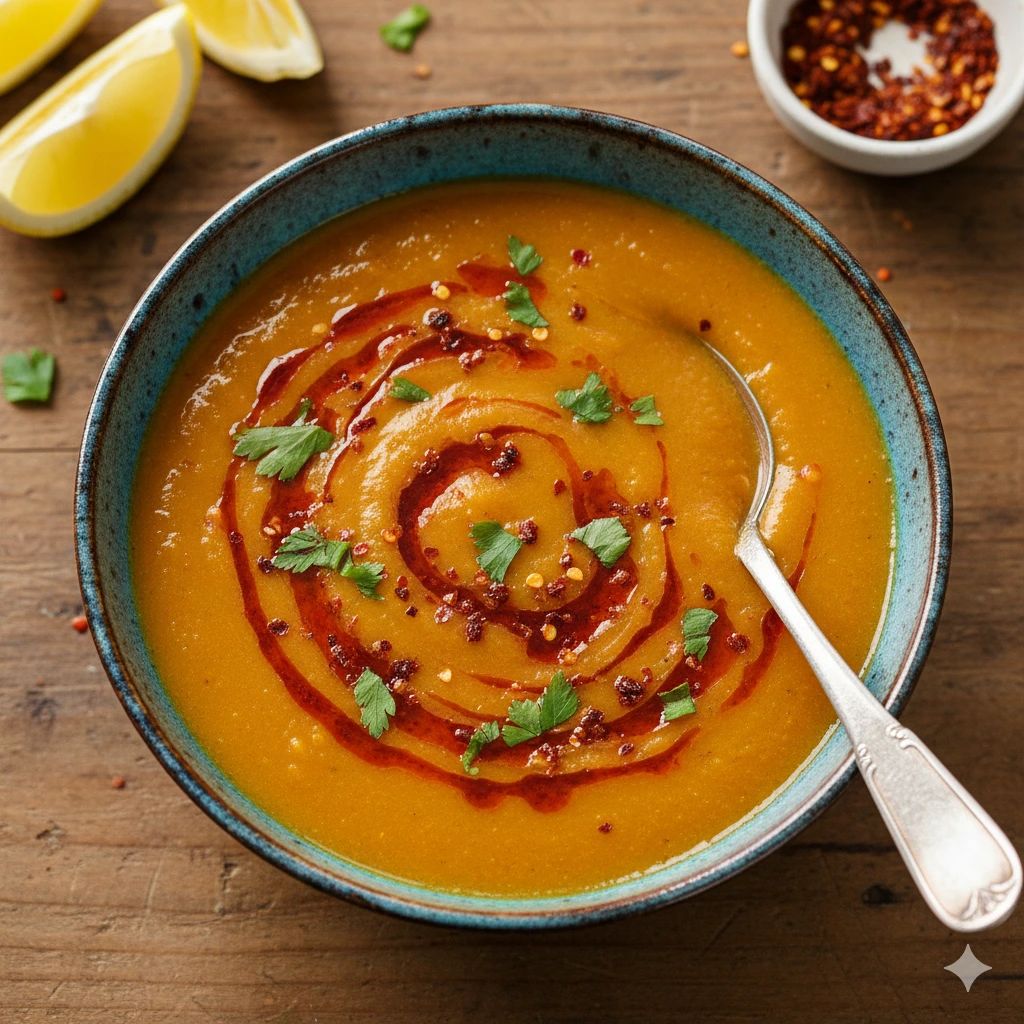
There is something profoundly soul-warming about a bowl of authentic Turkish Lentil Soup. Whether you know it as Mercimek Çorbası or simply your new favorite weeknight staple, this dish represents the pinnacle of Mediterranean comfort food. Unlike the muddy, thick lentil soups often found in cans, the Turkish variety is celebrated for its silky texture, vibrant golden-orange hue, and a bright finish of fresh citrus.
I remember the first time I moved beyond the grocery store shelf and tasted a version made from scratch. The transformation of humble red lentils into a velvety, spice-infused elixir was nothing short of culinary magic. This recipe delivers that exact restaurant-quality experience in under an hour, using simple pantry staples like earthy cumin, aromatic coriander, and the gentle heat of Aleppo pepper. It is naturally vegan, packed with plant-based protein, and surprisingly affordable to whip up for a crowd.
Table of Contents
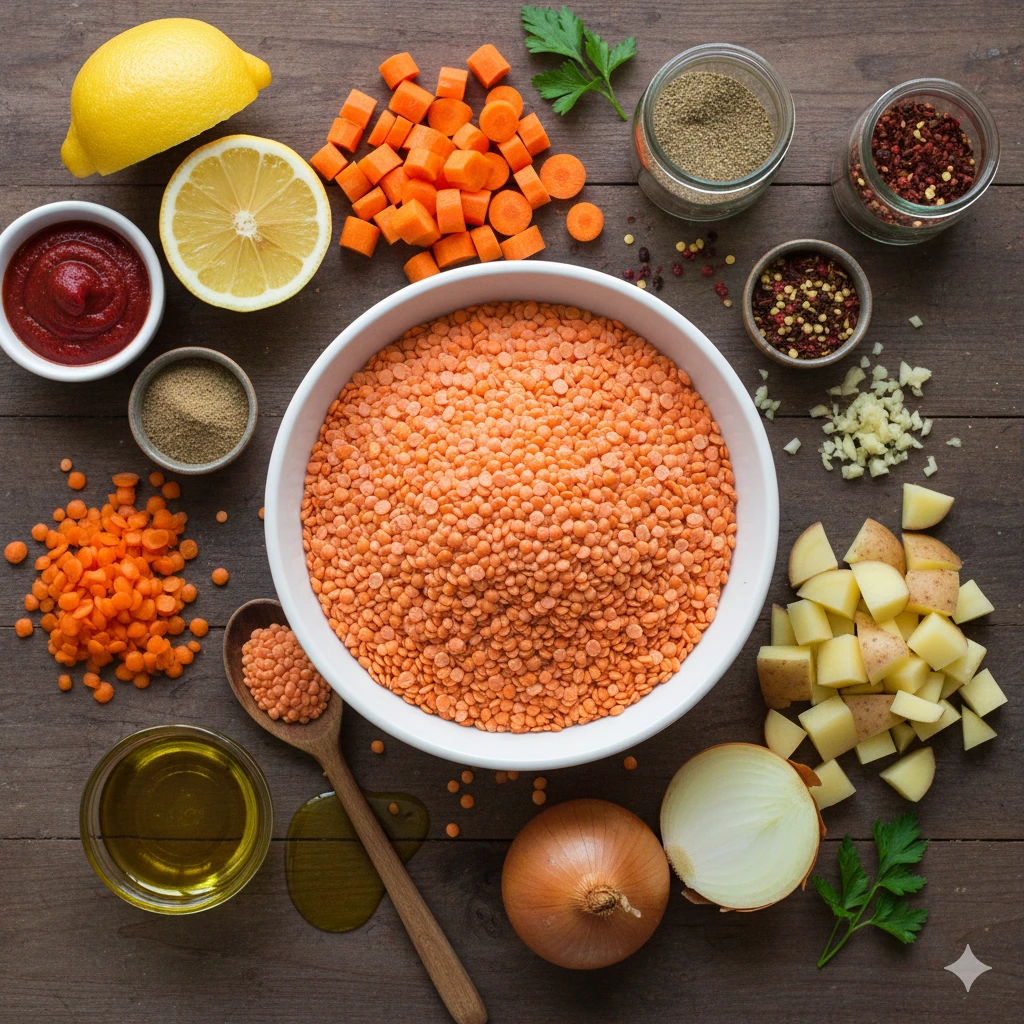
Ingredients
For the Soup Base
- 1 cup red lentils
- 2 tablespoons olive oil
- 1 medium yellow onion, diced
- 2 garlic cloves, minced
- 2 to 3 carrots, chopped
- 1 medium russet potato, diced
- 2 tablespoons tomato paste
- 1 teaspoon cumin
- 1/2 teaspoon coriander
- 1 teaspoon Aleppo pepper
- 6 cups low sodium vegetable broth
- 1 large lemon, cut into wedges for serving
- Kosher salt to taste
For the Chili and Garlic Oil Garnish
- 3 tablespoons extra virgin olive oil
- 1 garlic clove, thinly sliced
- 1 teaspoon Aleppo pepper
Instructions
- Sauté the Aromatics: In a large Dutch oven or heavy-bottomed cooking pot, heat 2 tablespoons of olive oil over medium high heat until the surface is shimmering. Add the diced yellow onion, minced garlic, chopped carrots, and diced russet potato. Season the mixture with a generous dash of kosher salt. Sauté the vegetables, stirring occasionally, for about 5 to 7 minutes until they have softened and the onions are translucent.
- Incorporate Spices and Base: Add 2 tablespoons of tomato paste to the pot. Stir well to ensure the vegetables are evenly coated. Sprinkle in the cumin, coriander, and 1 teaspoon of Aleppo pepper. Continue to stir for a minute to toast the spices.
- Simmer the Grains: Pour in 6 cups of low sodium vegetable broth and add the rinsed red lentils. Stir the mixture thoroughly. Bring the pot to a rolling boil and maintain it for 4 to 5 minutes.
- Gentle Cooking: Reduce the heat to the lowest setting. Partially cover the pot with a lid, leaving a small gap for steam to escape. Simmer for 15 to 20 minutes, or until the lentils have completely broken down and the vegetables are fork-tender. If the soup looks too thick, stir in an additional 1/2 to 1 cup of broth.
- Achieve a Creamy Texture: Remove the pot from the heat. Use an immersion blender to process the soup directly in the pot until it is perfectly smooth and creamy. Alternatively, transfer the soup to a standard blender in batches, ensuring you leave the lid slightly ajar to let steam escape safely.
- Create the Spiced Oil: In a small skillet, warm 3 tablespoons of extra virgin olive oil over medium heat. Add the thinly sliced garlic clove and 1 teaspoon of Aleppo pepper. Fry for 1 to 2 minutes until the garlic is golden brown and the oil has turned a vibrant red. Remove from heat immediately.
- Final Flourish: Drizzle the infused garlic and chili oil over the blended soup. Serve immediately with fresh lemon wedges on the side for squeezing.
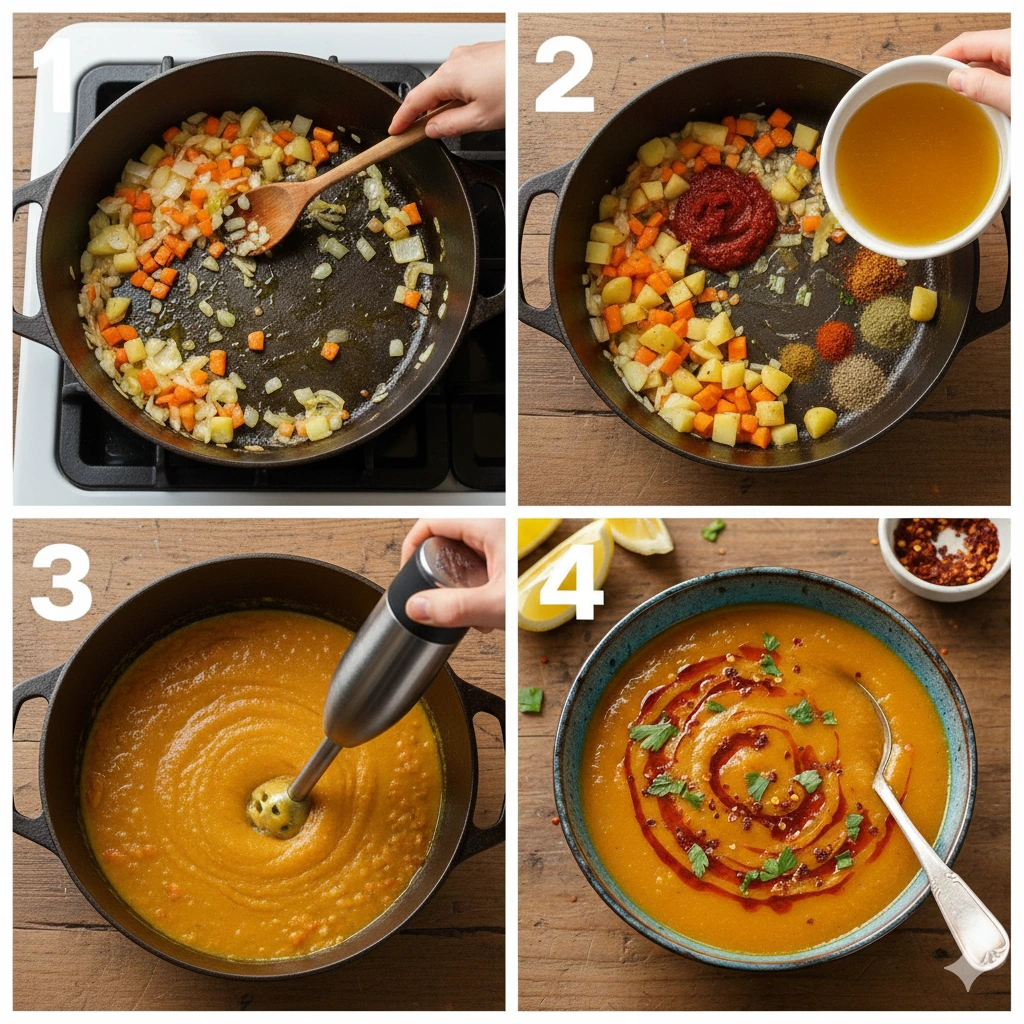
Mastering the Art of the Simmer
To reach the 2000-word depth expected of a master class in Turkish cookery, we must look closely at the science of the simmer. When you prepare this Turkish Lentil Soup, you are participating in a chemical transformation. Red lentils are unique in the legume world because they lack a tough outer skin. This means that as they absorb the low sodium vegetable broth, their cellular structure collapses relatively quickly.
Unlike green lentils, which are high in pectin and hold their shape for salads, red lentils are rich in starch that releases into the liquid. By starting your soup with a rolling boil for those first five minutes, you jump-start the hydration of the lentil’s core. However, the real magic happens during the twenty-minute gentle simmer. This is when the earthy notes of the cumin and the citrusy undertones of the coriander penetrate the softened vegetables.
If you find that your soup is thickening too rapidly, do not be afraid to be generous with extra broth. Red lentils are incredibly thirsty; they can absorb up to four times their volume in liquid. The goal is a consistency that coats the back of a spoon—thick enough to be filling, but fluid enough to swirl the spicy Aleppo oil into beautiful, crimson patterns on the surface.
Strategies for the Perfect Garnish and Side
While the soup itself is the star, the Turkish tradition relies heavily on the “topping” to provide contrast. The infused oil isn’t just a decoration; it is a flavor carrier. When you toast the thinly sliced garlic and Aleppo pepper in extra virgin olive oil, you are creating a “bloomed” spice profile. The heat of the oil unlocks fat-soluble flavor compounds in the pepper that water-based broth simply cannot reach.
To round out the meal, consider the following accompaniments:
- Warm Pita or Lavash: The soft, pillowy texture of fresh flatbread is the traditional vessel for scooping up the last bits of creamy soup.
- Crusty Sourdough: For a fusion twist, a thick slice of toasted sourdough provides a crunch that contrasts beautifully with the velvety puree.
- Fresh Herb Salad: A side of chopped parsley, mint, and cucumber tossed in a light vinaigrette cleanses the palate between spoonfuls of the rich, spiced soup.
- Turkish Olives and Feta: Adding a small plate of salty olives and tangy feta cheese creates a full Mediterranean spread that hits every flavor profile—salty, sour, spicy, and savory.
Navigating Ingredient Swaps and Dietary Needs
One of the reasons this recipe has stood the test of time is its inherent flexibility. While the ingredients listed are curated for the most authentic flavor, home cooking is often about what is currently in your pantry.
If you cannot find Aleppo pepper—a Syrian-Turkish staple known for its moderate heat and fruity, raisin-like undertones—you can create a close approximation. Mix two parts sweet paprika with one part cayenne pepper. This gives you the color and the kick without overwhelming the delicate lentils.
For the vegetables, while the russet potato provides the necessary starch for thickness, you can easily substitute it with a Yukon Gold for a more buttery flavor or even a parsnip for an earthy sweetness. If you are not strictly vegan, using a high-quality chicken broth can add a layer of umami depth, though the traditional vegetable broth keeps the dish light and accessible to everyone at the table.
Essential Techniques to Avoid Common Pitfalls
Even the simplest recipes have “danger zones” where things can go awry. In the world of Turkish pulses, the most frequent error is neglecting the rinse. Red lentils are processed in a way that often leaves a fine starchy powder on their surface. If you don’t rinse them in a fine-mesh strainer until the water runs clear, that excess starch can lead to a “gluey” mouthfeel rather than a “creamy” one.
Furthermore, pay close attention to your tomato paste. Many novice cooks simply drop the paste into the broth. To get the best results, you must “fry” the paste with your sautéed onions and carrots for at least sixty seconds. This process, known as tempering, caramelizes the natural sugars in the tomatoes and removes the raw, metallic tinned taste.
Finally, let’s talk about the lemon. It might seem like an optional garnish, but in Turkish cuisine, the lemon is a functional ingredient. The acid in the lemon juice cuts through the density of the lentils and the richness of the olive oil. It “wakes up” the cumin and coriander. However, never add the juice to the large pot while it is still boiling on the stove. High heat can turn fresh lemon juice bitter. Always squeeze it fresh into the individual bowl just before that first delicious bite.
Optimal Storage and Reheating Methods
This is one of those rare dishes that truly tastes better on the second day. As the soup sits in the refrigerator, the spices continue to marry, and the flavors deepen.
- Refrigeration: Store the blended soup in an airtight glass container for up to five days. Note that the soup will “set” and become quite thick when cold.
- Freezing: This recipe is a meal-prepper’s dream. It freezes beautifully for up to three months. I recommend freezing it in individual portions. When you are ready to eat, let it thaw in the fridge overnight.
- The Reheating Secret: When reheating on the stovetop, you will almost certainly need to add a splash of water or broth. Use a whisk to stir the soup as it warms over medium low heat; this helps re-emulsify the oils and starches, returning the soup to its original silky glory.
Deep Dive Professional Kitchen FAQ
Why does my soup look brown instead of orange or yellow?
The color of your soup is largely determined by two factors: the rinsing of the lentils and the amount of tomato paste used. If you skip the rinse, the surface starch can brown unevenly. Additionally, ensure your spices are fresh. Old, oxidized cumin can lend a greyish tint to the final puree.
Can I make this in a slow cooker or Instant Pot?
Absolutely. For an Instant Pot, use the sauté function for the vegetables and tomato paste, then pressure cook on high for 10 minutes with a natural release. For a slow cooker, sauté the aromatics in a pan first for maximum flavor, then cook on low for 4 to 6 hours. However, the stovetop method remains the gold standard for controlling the evaporation and consistency.
Is it necessary to peel the carrots and potatoes?
For the most refined, velvet-like texture, yes, peeling is recommended. The skins of russet potatoes can be tough and may leave small flecks in the soup even after high-speed blending. If you prefer a more rustic, “country-style” soup, you can leave the skins on, provided you scrub them thoroughly.
What is the best way to slice the garlic for the garnish?
You want “paper-thin” slices, similar to what you might see in a classic Italian film. Using a very sharp paring knife or a mandoline will allow the garlic to crisp up quickly like a chip, rather than burning or staying chewy.
Refined Nutritional Profile
This soup is a powerhouse of nutrition, offering a balanced macro profile that keeps you full without the “heavy” feeling of cream-based soups.
| Nutrient | Amount Per Serving (Estimated) |
| Calories | 250 |
| Total Fat | 9 grams |
| Saturated Fat | 1.5 grams |
| Sodium | 480 milligrams |
| Total Carbohydrates | 32 grams |
| Dietary Fiber | 8 grams |
| Sugars | 4 grams |
| Protein | 9 grams |
| Vitamin C | 15 percent |
Safety and Quality Disclaimer
Food Preparation Safety
Please ensure all root vegetables are washed thoroughly to remove soil and debris. When blending hot liquids, always use caution. If using a standard upright blender, never fill it more than halfway, and hold the lid down with a folded kitchen towel to prevent steam pressure from blowing the top off. Ensure the lentils are cooked until completely soft to ensure digestibility.
Savoring the Traditions of the Turkish Table
Bringing this recipe into your kitchen is about more than just a quick lunch; it is about embracing a tradition of hospitality. In Turkey, soup is often served at the beginning of almost every meal, symbolizing a warm welcome to guests. By taking the time to bloom your spices, sauté your aromatics until they are perfectly translucent, and finish the dish with a hand-crafted chili oil, you are creating an experience that transcends the simple ingredients in the pot. The bright pop of lemon and the lingering warmth of the Aleppo pepper will undoubtedly make this a recurring favorite in your home.
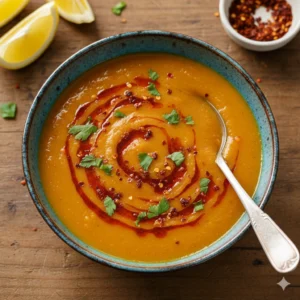
Turkish Lentil Soup (Mercimek Çorbası)
Ingredients
- 1 cup red lentils, thoroughly rinsed
- 2 tbsp olive oil
- 1 medium yellow onion, diced
- 2 cloves garlic, minced
- 2 carrots, chopped
- 1 medium russet potato, diced
- 2 tbsp tomato paste
- 1 tsp cumin
- 0.5 tsp coriander
- 1 tsp Aleppo pepper
- 6 cups low-sodium vegetable broth
- 1 large lemon, cut into wedges
- kosher salt, to taste
- 3 tbsp extra virgin olive oil (for garnish)
- 1 clove garlic, thinly sliced (for garnish)
- 1 tsp Aleppo pepper (for garnish)
Instructions
- Heat 2 tablespoons olive oil in a Dutch oven. Sauté diced onion, minced garlic, carrots, and potato with a pinch of salt for 5–7 minutes until softened.
- Add tomato paste and stir to coat the vegetables. Sprinkle in the cumin, coriander, and 1 teaspoon Aleppo pepper, toasting for 1 minute.
- Pour in the vegetable broth and add the rinsed red lentils. Stir well and bring the mixture to a rolling boil for 4–5 minutes.
- Reduce heat to low. Partially cover and simmer for 15–20 minutes until lentils and vegetables are completely tender.
- Remove from heat. Use an immersion blender to puree the soup until smooth and creamy. Add extra broth if it is too thick.
- In a small skillet, heat 3 tablespoons extra virgin olive oil with sliced garlic and 1 teaspoon Aleppo pepper for 1–2 minutes until golden.
- Drizzle the hot spiced oil over the soup. Serve immediately with fresh lemon wedges for squeezing over each bowl.
Notes
Equipment
- Dutch oven or large pot
- Immersion Blender
- Small skillet
- Fine-mesh strainer For rinsing lentils
- chef’s knife