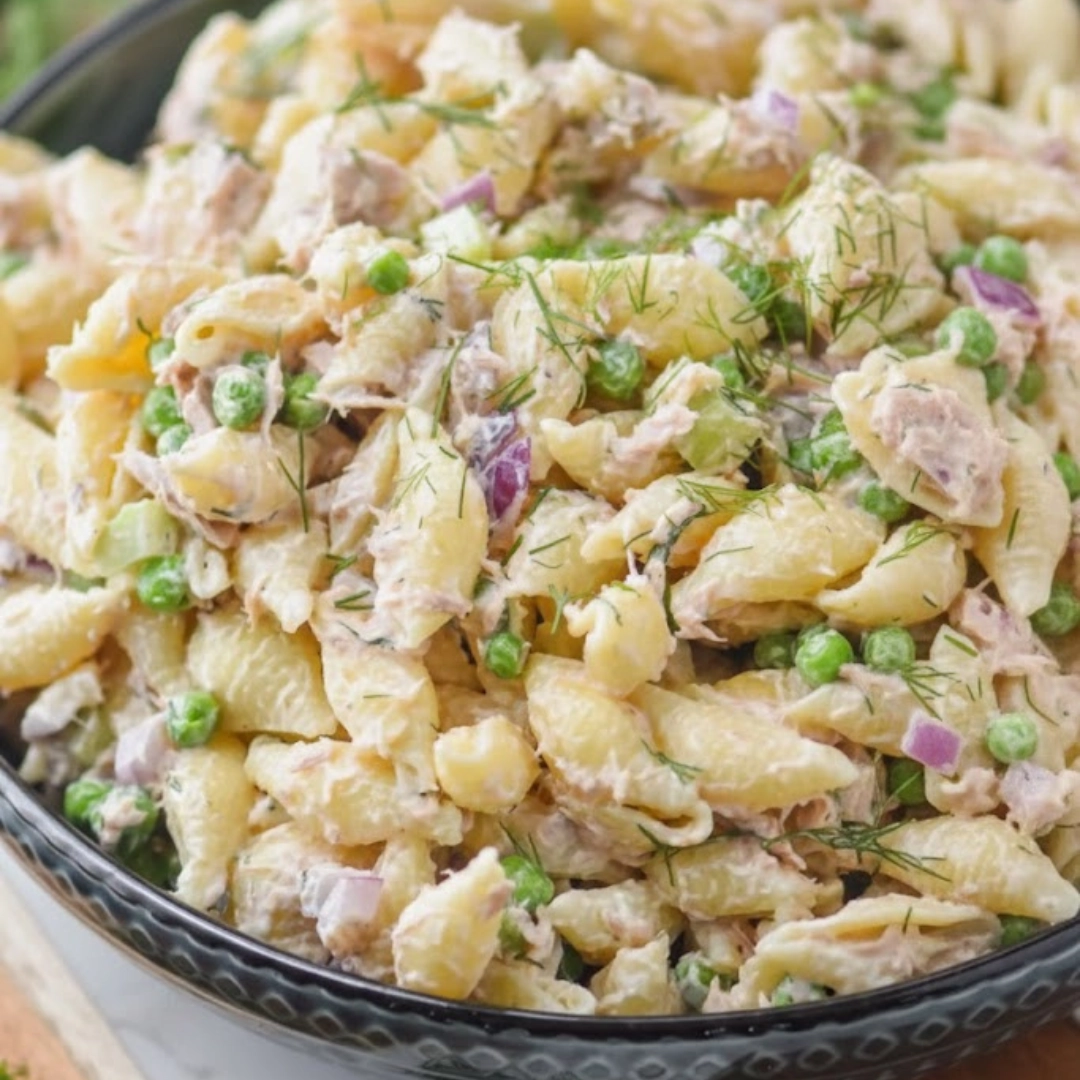
When the temperature begins to rise and the sun hangs a little longer in the sky, my culinary cravings shift immediately toward the refreshing, the cool, and the classic. There is something deeply nostalgic about a cold pasta salad waiting in the refrigerator. It signals the start of barbecue season, poolside lounging, and those long, lazy Sunday afternoons where the only thing on the agenda is enjoying good company. This specific version, a Tuna Pasta Salad with Dill, is the quintessential American side dish that manages to be both hearty enough for a main lunch and light enough to sit alongside grilled burgers or chicken.
By combining the flaky texture of high-quality tuna with the pop of sweet garden peas and a dressing that strikes the perfect balance between creamy and zesty, you create a dish that is far more than the sum of its parts. It is a reliable, crowd-pleasing staple that evokes memories of church potlucks and family reunions, yet it feels fresh and vibrant thanks to the addition of lemon and aromatic herbs.
Table of Contents
Ingredients
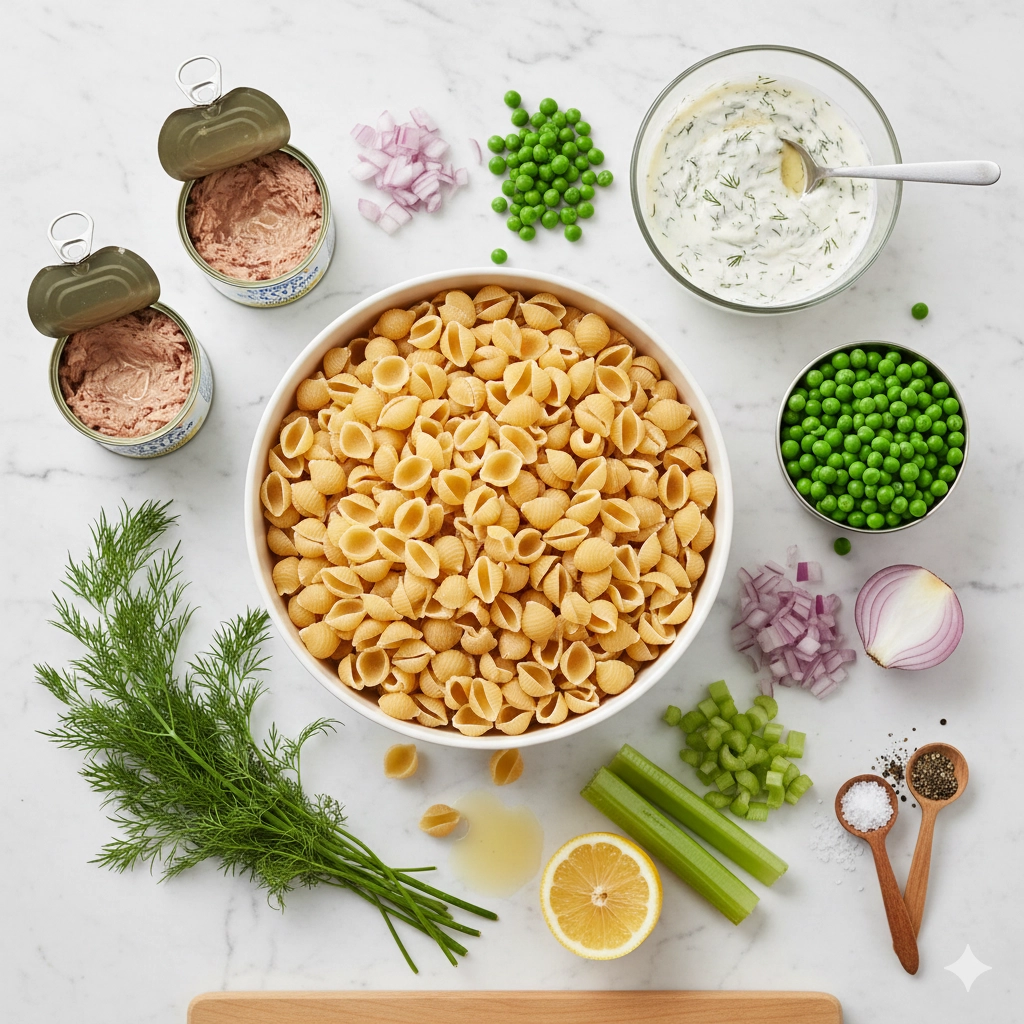
To ensure the best results, gather these specific items before you begin. Quality matters here, especially when it comes to the texture of the pasta and the freshness of the vegetables.
- 1 pound medium shells (cooked, drained, and rinsed with cold water)
- 12 ounces tuna (drained; please note this is the dry weight listed on the can)
- 1 cup frozen peas
- 2 stalks celery (diced)
- 1/2 small red onion (diced)
- 1 cup light mayonnaise
- 1/4 cup plain yogurt
- 1 teaspoon lemon juice
- 1 tablespoon fresh dill (or 1 teaspoon dry dill)
- 1 teaspoon salt
- 1/4 teaspoon black pepper
Instructions
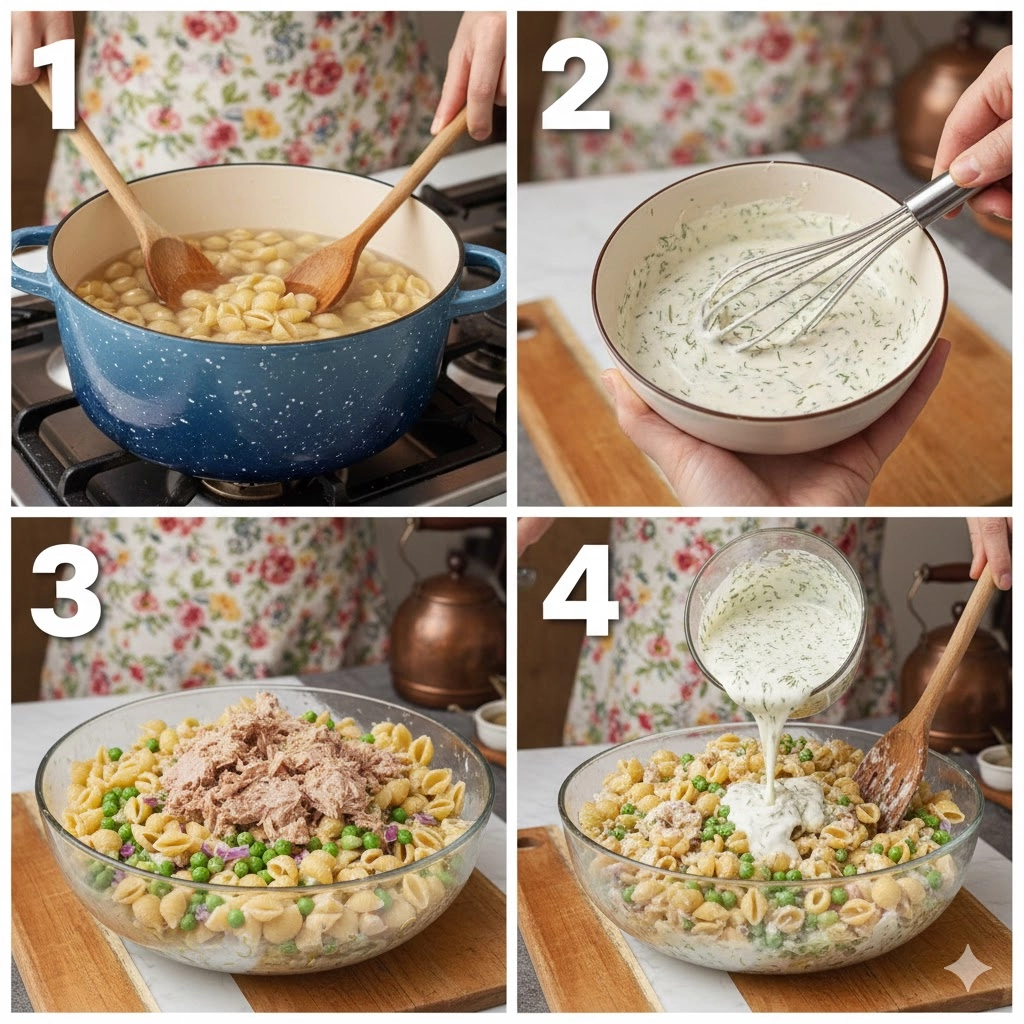
- Begin by bringing a large pot of salted water to a boil. Cook the medium shells according to the package instructions. It is vital to cook them just until tender—avoid overcooking to prevent a mushy salad. Once finished, drain the pasta and immediately rinse it under cold running water to stop the cooking process and remove excess starch.
- In a small mixing bowl, prepare the creamy base. Whisk together the light mayonnaise, plain yogurt, lemon juice, fresh dill, salt, and black pepper. Stir until the mixture is completely smooth and the dill is evenly distributed.
- In a separate, large mixing bowl, combine the chilled pasta shells, the drained tuna, the frozen peas, the diced celery, and the finely diced red onion.
- Pour the prepared dressing over the pasta mixture. Using a large spoon or spatula, gently toss all the ingredients together until every shell is coated in the creamy sauce and the tuna is broken into bite-sized flakes.
- Serve immediately or refrigerate to allow the flavors to meld.
Achieving the Ultimate Creamy Consistency
The secret to a pasta salad that doesn’t turn dry or clumpy lies in the science of the dressing and the temperature of the noodles. Many home cooks make the mistake of dressing warm pasta. When pasta is warm, its starch molecules are active and ready to absorb liquid. If you pour your mayo-based dressing over hot shells, the pasta will drink up the moisture, leaving you with a sticky, dry mess an hour later. Rinsing the pasta in cold water is a non-negotiable step here; it shocks the noodles, locks the starch, and ensures the dressing sits on the surface to create that velvet-like mouthfeel.
Furthermore, the blend of mayonnaise and yogurt is a deliberate choice for texture. While mayonnaise provides the fat and body we love in a traditional deli salad, yogurt introduces a lighter protein structure and a natural acidity. This prevents the salad from feeling “heavy” on the palate. If you find the salad has thickened too much after a night in the fridge, a tiny splash of milk or an extra dollop of yogurt can revive that initial creaminess without over-salting the dish.
Deep-Dive FAQ
Should I use tuna packed in oil or water for this recipe?
For this specific recipe, it is highly recommended to use tuna packed in water. Tuna in water has a cleaner, more neutral flavor profile that allows the lemon and dill to shine. Oil-packed tuna can make the dressing feel greasy and may cause the mayonnaise to separate. Additionally, the dry weight consistency of water-packed tuna integrates better with the yogurt-based dressing, ensuring the salad remains light and refreshing rather than overly oily.
Do I really need to use frozen peas without thawing them first?
Yes, using frozen peas is actually a “pro move” for food safety and texture. Because the peas are small, they will thaw within minutes of being tossed with the other ingredients. By adding them frozen, they act as little ice chilled units that help keep the salad at a safe temperature if you are transporting it to a picnic. Furthermore, pre-thawing peas often leads to them becoming mushy or releasing excess water into your dressing, which can thin out the sauce.
How long can I safely store this salad in the refrigerator?
When stored in an airtight container, this Tuna Pasta Salad will remain delicious for up to four days. However, be aware that the red onion will become more pungent the longer it sits, and the pasta will slowly continue to absorb the dressing. If you are preparing this for a major event, making it the night before is perfectly fine, but you might want to give it a quick stir and perhaps a fresh squeeze of lemon before serving to brighten the flavors back up.
Mastering the Step-by-Step Details
The process of making a great tuna salad is about more than just tossing items in a bowl; it’s about the preparation of each individual component. When you dice your celery and red onion, aim for a “small dice.” You want these pieces to be small enough to tuck inside the openings of the pasta shells. This ensures that every single forkful contains a bit of crunch, a bit of zest, and a bit of creaminess.
When handling the tuna, drain it thoroughly. Press down on the lid of the can or use a fine-mesh strainer to remove as much canning liquid as possible. Once the tuna is in the bowl with the shells, use your fork to break it up, but don’t pulverize it into a paste. You want recognizable flakes of fish that provide a meaty contrast to the soft pasta.
The dressing should be whisked until it is “emulsified”—meaning the lemon juice and mayonnaise have completely bonded. If you see streaks of yellow or white, keep whisking. If you have the time, let the dressing sit in the fridge for ten minutes before adding it to the pasta; this allows the dried or fresh dill to rehydrate and release its oils into the cream, resulting in a more flavorful finished product.
Accompaniments and Serving Suggestions
While this dish is a powerhouse on its own, it pairs beautifully with various summer staples. If you are serving this at a barbecue, it acts as the perfect cooling agent alongside spicy grilled sausages or blackened chicken breasts. The creaminess of the mayo and yogurt cuts through the heat of charred meats perfectly.
For a light lunch, serve a generous scoop of the Tuna Pasta Salad over a bed of crisp butter lettuce or romaine hearts. The contrast between the soft pasta and the leafy greens adds a sophisticated touch. If you want to lean into the “picnic” vibe, serve it with a side of kettle-cooked potato chips or a fresh fruit salad featuring watermelon and mint. For beverage pairings, a cold glass of iced tea with lemon or a crisp Sauvignon Blanc works wonderfully to complement the dill and citrus notes in the dressing.
Modifications and Substitutions
Personalizing your pasta salad is part of the fun of home cooking. If you find yourself without certain ingredients, there are several ways to pivot without losing the essence of the dish.
- The Herb Swap: If dill isn’t your favorite, or if your grocery store is out of fresh bunches, try a combination of half a teaspoon of dry tarragon and half a teaspoon of dry parsley. Tarragon offers a slight licorice note that pairs exceptionally well with seafood.
- The Creamy Base: If you aren’t a fan of yogurt, you can substitute it one-for-one with sour cream. This will result in a slightly richer, tangier profile. For those who prefer a sweeter dressing, Miracle Whip can replace the mayonnaise, though you should reduce the added salt as Miracle Whip carries its own distinct seasoning blend.
- The Protein: Not a fan of tuna? This recipe works beautifully with canned or shredded rotisserie chicken. The instructions remain identical—just ensure the chicken is chilled before mixing.
- The Crunch: If celery is off the table, shredded carrots or diced bell peppers offer a similar textural contrast and a boost of color.
Unique Culinary Insights for Success
One of the most overlooked aspects of pasta salad is the “salt factor.” Pasta itself is quite bland, and cold dishes often require a bit more seasoning than hot dishes because cold temperatures mute our taste buds. To ensure your salad is flavorful, salt your pasta water aggressively—it should “taste like the sea.” This seasons the noodle from the inside out.
Additionally, consider the “resting period.” While you can eat this salad immediately, giving it just thirty minutes in the refrigerator allows the lemon juice to slightly “pickle” the red onions and celery, softening their raw bite and integrating them into the dressing. This resting time also allows the starch in the pasta to settle, giving the entire dish a more cohesive, professional structure. If you are worried about the salad becoming too dry during this rest, simply reserve two tablespoons of the dressing and fold it in right before the bowl hits the table.
Nutrition Information
| Nutrient | Amount Per Serving |
| Calories | 245 |
| Total Fat | 11g |
| Saturated Fat | 2g |
| Cholesterol | 15mg |
| Sodium | 480mg |
| Total Carbohydrates | 26g |
| Dietary Fiber | 2g |
| Sugars | 3g |
| Protein | 12g |
Disclaimer
The nutritional values provided are estimates based on standard ingredients and a 12 serving yield. Actual nutritional content may vary depending on specific brands used and individual preparation methods. Consult with a professional nutritionist if you have specific dietary requirements.
A Final Note on This Seasonal Favorite
There is a reason why Tuna Pasta Salad remains a permanent fixture in the American recipe box. It is a testament to the beauty of simple, pantry-stable ingredients coming together to create something comforting and reliable. Whether you are packing it for a weekday work lunch or presenting it in a large glass bowl at a neighborhood gathering, this recipe provides a sense of ease and satisfaction. It is a dish that doesn’t demand perfection, but rather invites you to enjoy the process of mixing, tasting, and sharing. Keep this recipe close for your next sunny outing—it is sure to become a requested favorite among your friends and family.
Tuna Pasta Salad with Dill
Ingredients
- 1 pound medium shells, cooked, drained, and rinsed with cold water
- 12 ounces tuna packed in water, drained (dry weight)
- 1 cup frozen peas
- 2 stalks celery, diced
- 0.5 small red onion, diced
- 1 cup light mayonnaise
- 0.25 cup plain yogurt
- 1 tsp lemon juice
- 1 tbsp fresh dill (or 1 tsp dry dill)
- 1 tsp salt
- 0.25 tsp black pepper
Instructions
- Cook the shells according to package instructions, being sure not to overcook. Drain and rinse thoroughly with cold water to stop the cooking process.
- In a small bowl, whisk together the light mayonnaise, plain yogurt, lemon juice, dill, salt, and pepper until smooth.
- In a large bowl, combine the cooled noodles, drained tuna, frozen peas, diced celery, and diced red onion.
- Pour the dressing over the ingredients in the large bowl and toss gently until everything is evenly coated.
Notes
Equipment
- large pot For boiling pasta
- colander
- large mixing bowl
- whisk
- small mixing bowl For dressing