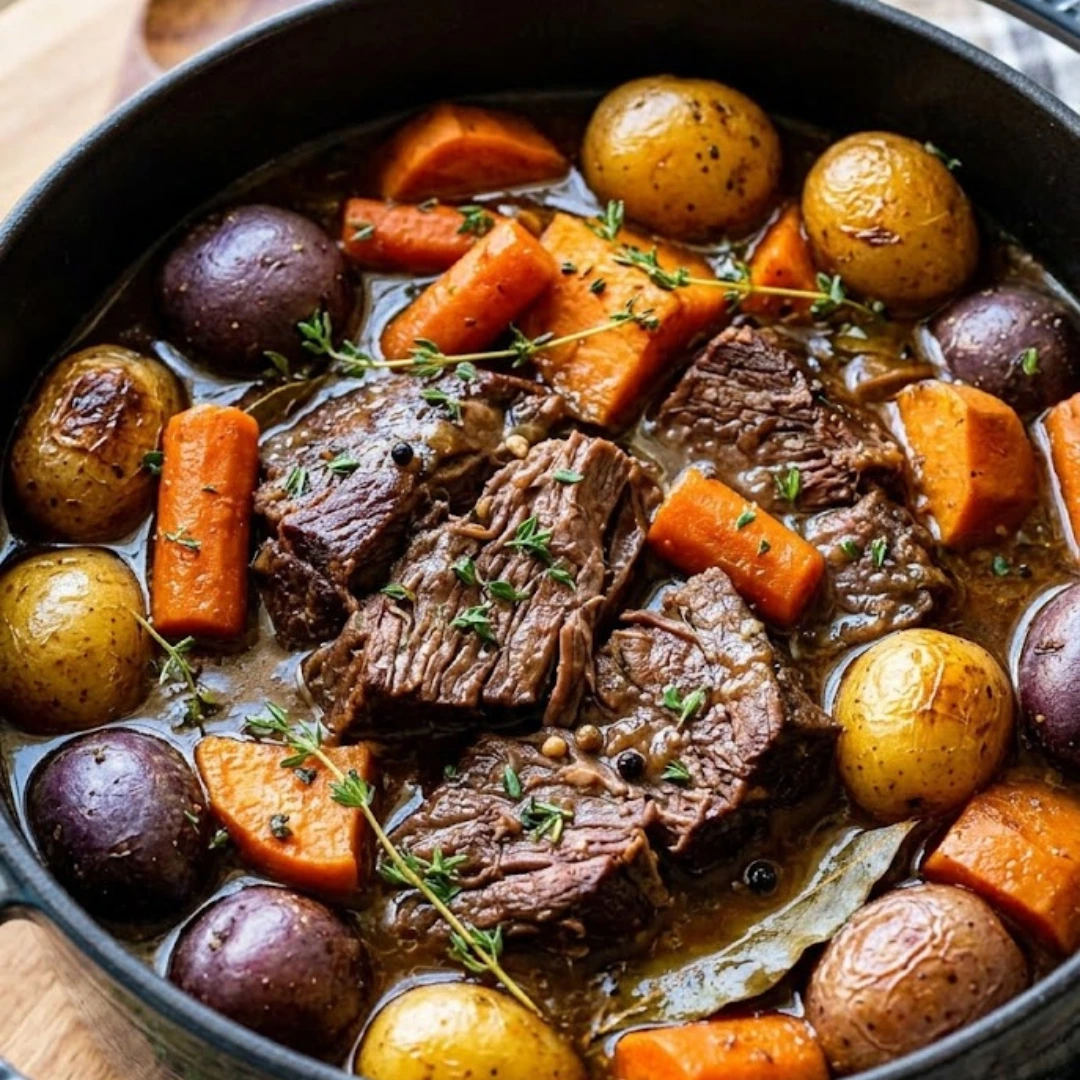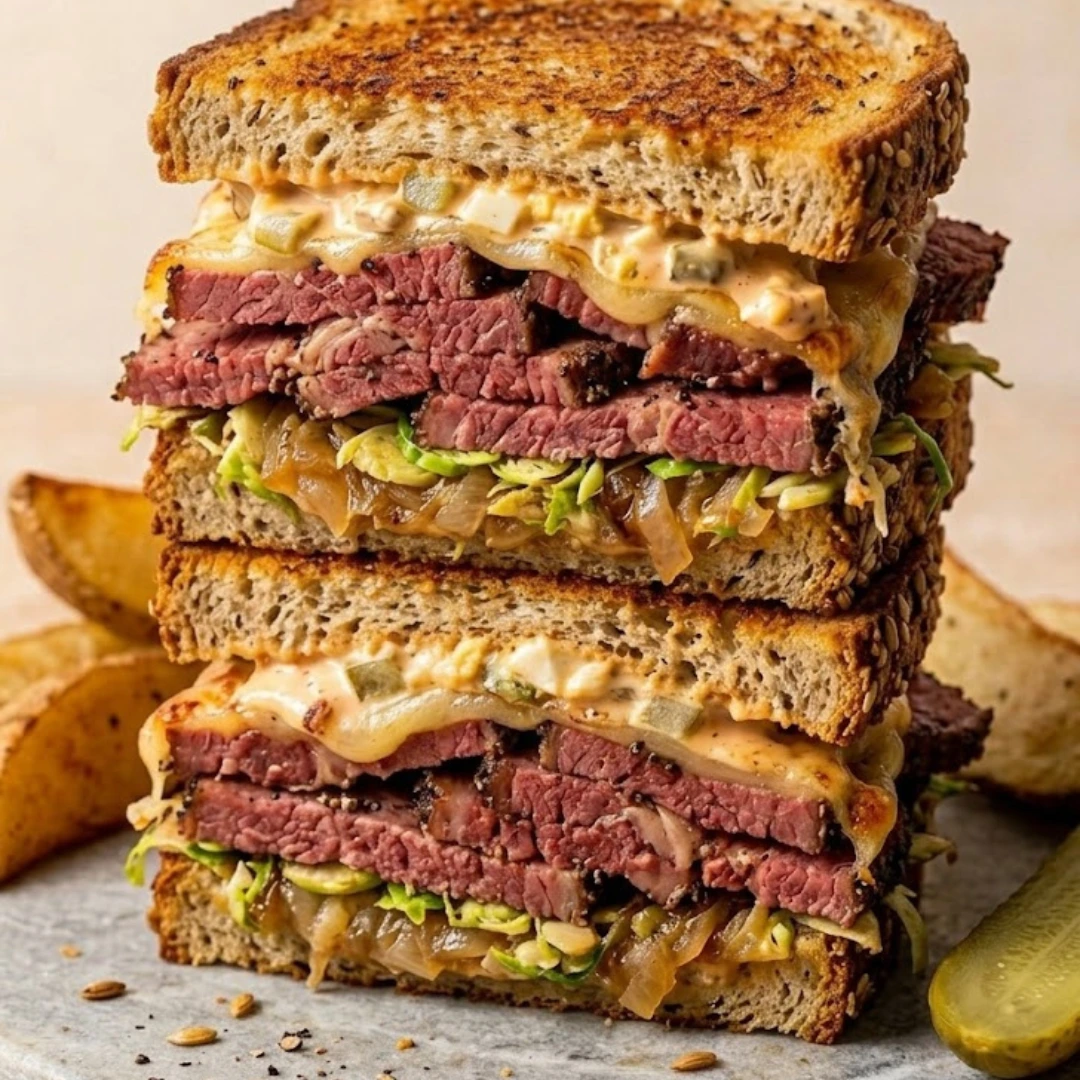
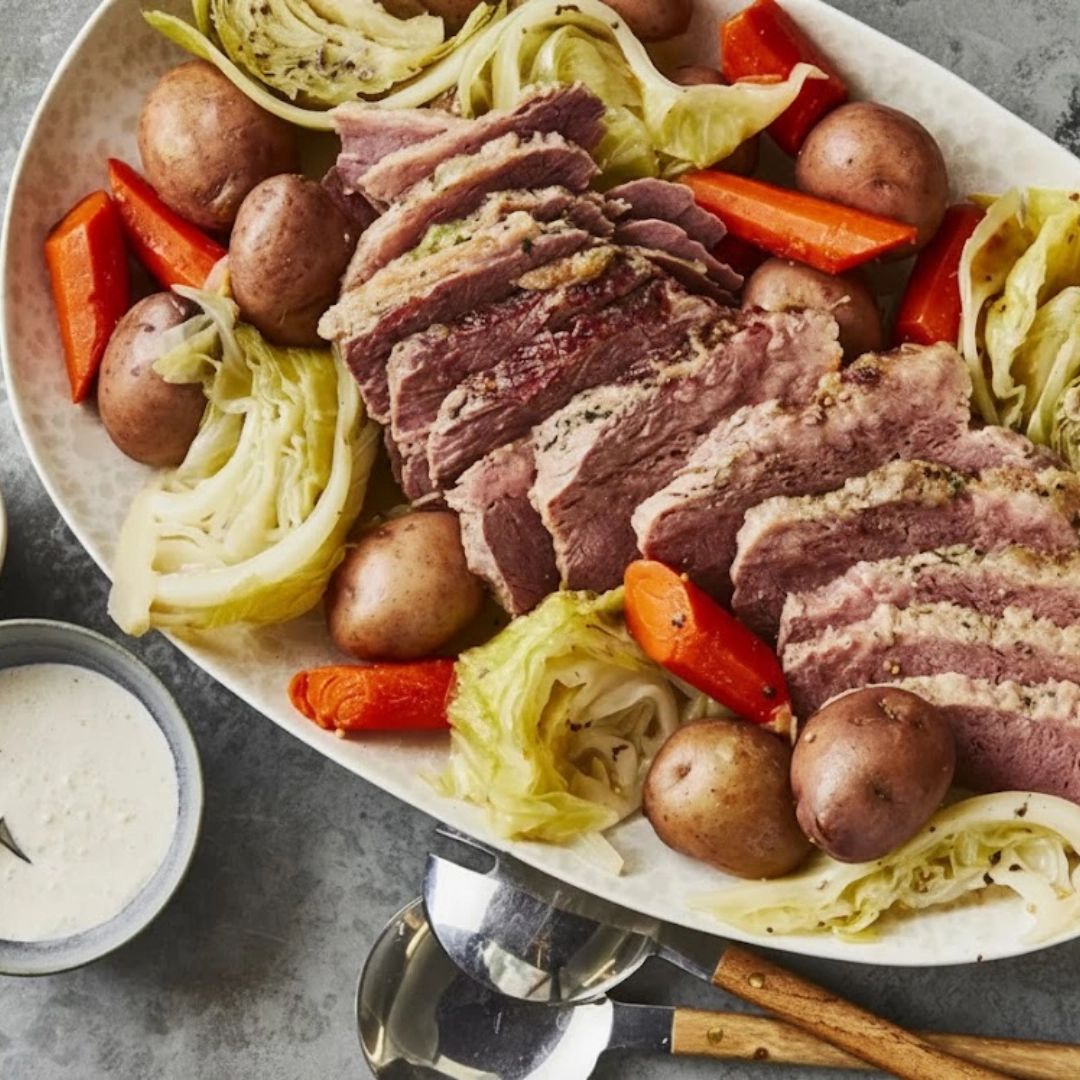
There is something undeniably comforting about a heavy pot simmering on the stove, filling the entire home with the savory, spiced aroma of a traditional Corned Beef and Cabbage dinner. While many associate this iconic dish exclusively with the festivities of Saint Patrick’s Day, its deep flavors and tender textures make it a magnificent centerpiece for any Sunday supper or family gathering throughout the year. This recipe captures the essence of classic home cooking—uncomplicated, soul-warming, and incredibly satisfying. By simmering a high-quality brisket with earthy root vegetables and vibrant cabbage, you create a complete meal that honors tradition while delivering modern-day deliciousness.
Table of Contents
Ingredients for the Perfect Brisket Feast
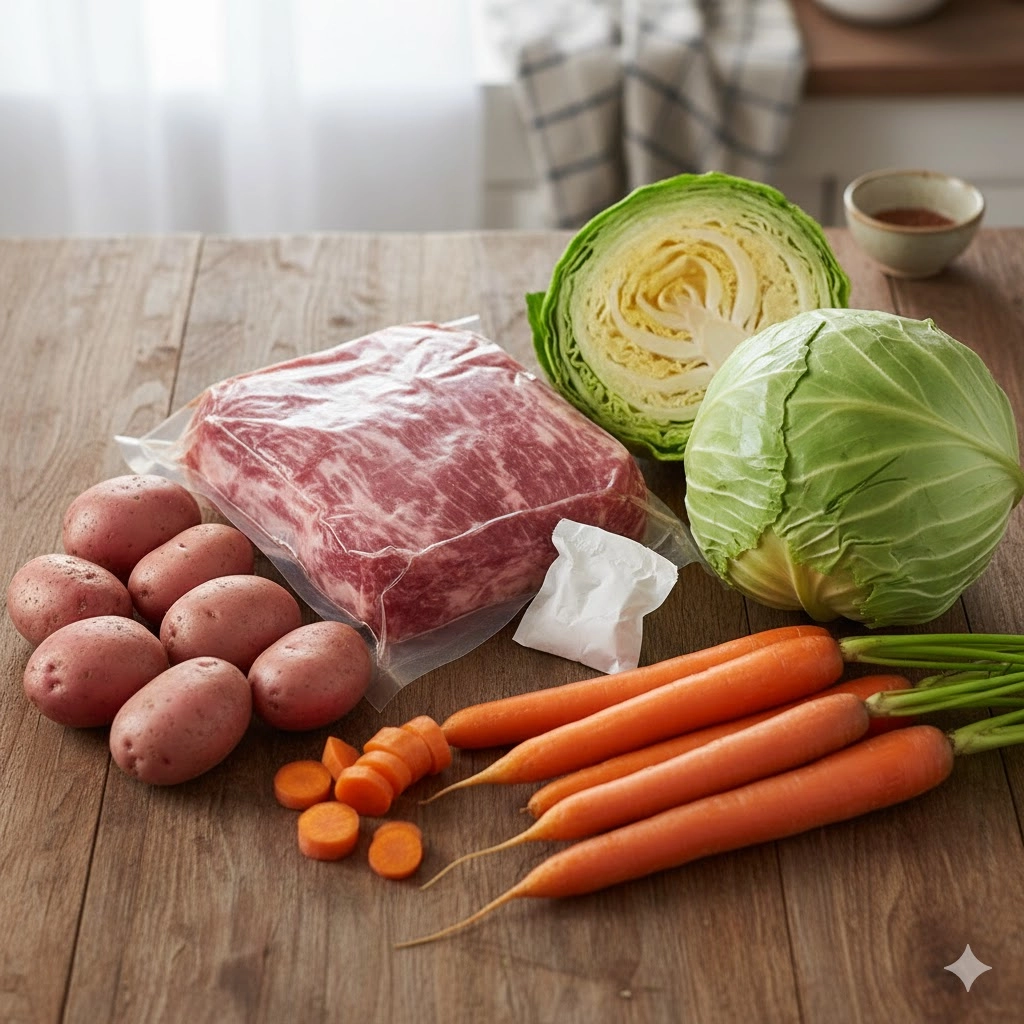
To achieve the best results, start with fresh, high-quality produce. This recipe is designed to yield six generous servings, making it perfect for a large family meal or for ensuring you have plenty of leftovers for sandwiches the following day.
- 1 3-pound corned beef brisket with the included spice packet
- 10 small red potatoes
- 5 medium carrots
- 1 large head of green cabbage
- Water (enough to fully submerge the brisket)
Step-by-Step Culinary Directions
Cooking a brisket is a lesson in patience, but the active preparation time is remarkably low. Follow these steps precisely to ensure your meat is tender and your vegetables are cooked to the ideal texture without becoming mushy.
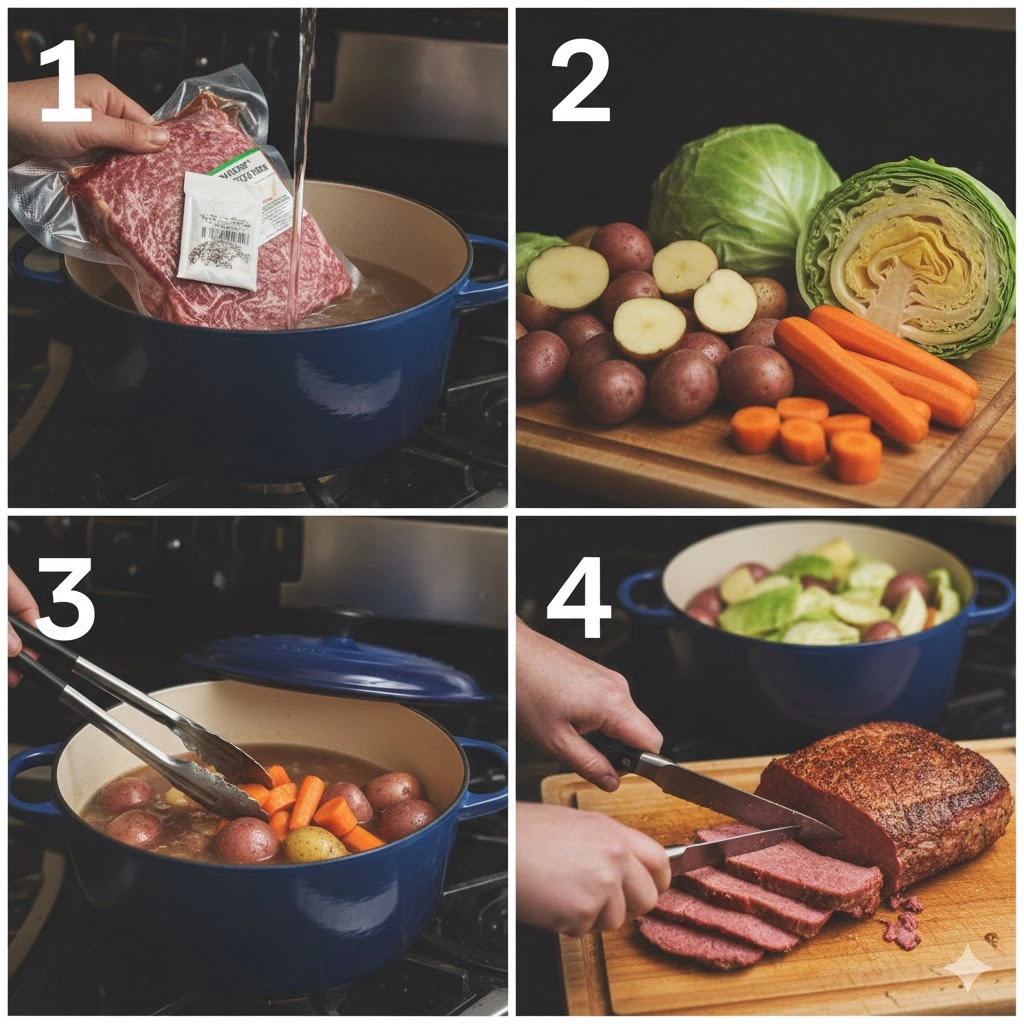
- Begin by gathering all your ingredients and a large Dutch oven.
- Place the 3-pound corned beef brisket into the Dutch oven. Open the accompanying spice packet and sprinkle the contents over the meat.
- Pour enough water into the pot so that the brisket is entirely covered.
- Place the lid on the Dutch oven and bring the water to a rolling boil over high heat.
- Once boiling, immediately reduce the heat to a low simmer. Keep the pot covered and allow the meat to cook for approximately 2 hours, or until it is just starting to become fork-tender.
- While the meat is simmering, prepare your vegetables. Slice the 10 small red potatoes in half. Peel the 5 medium carrots and cut them into chunks about 3 inches long. Core the cabbage and slice the head into small wedges.
- After the initial 2-hour simmer, add the halved potatoes and sliced carrots to the pot with the beef.
- Continue to cook the mixture for about 10 minutes until the vegetables begin to soften.
- Place the cabbage wedges on top of the other ingredients in the pot. Cover and cook for an additional 15 minutes. This ensures the potatoes reach perfect tenderness and the cabbage is cooked through but still retains its structure.
- Carefully remove the meat from the Dutch oven and place it on a cutting board. Let it rest for 15 minutes before slicing.
- Keep the vegetables and the flavorful broth in the pot to stay warm.
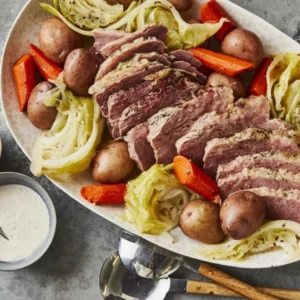
- Slice the brisket against the grain into thin slices. Serve the meat on a large platter surrounded by the carrots, potatoes, and cabbage, drizzling a bit of the cooking broth over everything.
Expansive Step-by-Step Mastery and Kitchen Science
When you embark on making Corned Beef and Cabbage, you are participating in a slow-cooking process that transforms a tough cut of meat into something legendary. The brisket comes from the lower breast of the cow, an area that works hard and contains a significant amount of connective tissue. The magic of this recipe lies in the “low and slow” simmer. Over the course of two hours, the collagen in the meat slowly breaks down into gelatin. This is what gives the beef its signature “melt-in-your-mouth” quality. If you were to rush this process at a high boil, the muscle fibers would tighten and become rubbery.
The choice of a Dutch oven is intentional. The thick walls of the vessel distribute heat evenly, preventing hot spots that could scorch the bottom of the meat. When you add the spice packet, you are introducing a blend that typically includes mustard seeds, peppercorns, bay leaves, and allspice. These aromatics infuse the water, creating a flavorful poaching liquid that seasons the beef from the inside out.
The timing of the vegetable additions is the most critical part of the sequence. Potatoes and carrots require more time to break down their starches and fibers than cabbage does. By giving the root vegetables a 10-minute head start, you ensure that by the time the cabbage is tender and bright green, the potatoes are creamy and the carrots are sweet and soft. Resting the meat for 15 minutes is not a step to be skipped; this allows the juices to redistribute through the fibers, ensuring every slice is moist rather than dry.
Navigating Modifications and Ingredient Substitutions
While the classic version is hard to beat, there are several ways to adapt this recipe based on what you have in your pantry or your specific dietary preferences.
If you cannot find red potatoes, Yukon Gold potatoes are an excellent substitute because they hold their shape well during boiling and offer a buttery flavor. For those who prefer a deeper, more complex cooking liquid, you can replace a portion of the water with a bottle of Irish stout or a light lager. The sugars in the beer interact with the salt in the beef to create a rich, savory profile.
If you find yourself with a larger brisket, remember the golden rule of 50 minutes of cooking time per pound of meat. A 4-pound brisket will need closer to 3 hours of simmering before it is ready for the vegetables. For those watching their sodium intake, you can rinse the brisket under cold water before placing it in the pot to remove some of the surface brine, though the characteristic flavor comes from that salt-cure.
Expert Insights for Culinary Success
To elevate your Corned Beef and Cabbage from a standard meal to a restaurant-quality experience, consider the “across the grain” slicing technique. Look closely at the meat to identify the direction of the long muscle fibers. You want to position your knife perpendicular to these lines. Slicing through the fibers shortens them, making the meat significantly easier to chew and much more tender on the palate.
Another tip involves the cabbage. Many people overcook cabbage until it becomes grey and develops a strong sulfuric odor. To avoid this, ensure you only add it during the final 15 minutes of cooking. You want the cabbage to be translucent and soft, but still possessing a slight “bite” or structural integrity.
For the most flavorful broth, avoid the temptation to peek under the lid too often. Every time the lid is lifted, steam escapes and the internal temperature of the Dutch oven drops, which can lead to uneven cooking times. Trust the process and let the gentle bubbles do the work.
Complementary Sides and Serving Suggestions
While this dish is a complete meal in a pot, the right accompaniments can truly make the flavors sing. Traditionally, corned beef is served with a side of sharp creamy horseradish or a grainy stone-ground mustard. These acidic, pungent condiments cut through the richness of the fatty brisket and the saltiness of the brine.
If you want to add more greenery to the table, a crisp side salad with a light vinaigrette provides a refreshing contrast to the heavy, warm elements of the boiled dinner. Many families also enjoy serving a loaf of warm, crusty Irish soda bread on the side. The dense, slightly sweet bread is perfect for soaking up the residual broth at the bottom of the bowl. For a modern twist, you can serve the sliced beef with a drizzle of melted butter and chopped parsley over the vegetables to add a pop of freshness and color.
Deep-Dive Frequently Asked Questions
Is it necessary for the beef to be completely submerged in the water during the simmering process?
Yes, it is vital to keep the brisket covered with liquid throughout the cooking duration. Because this is a long simmer, the water acts as the heat conductor that breaks down the tough connective tissues. If part of the meat is exposed to the air, it will likely dry out and become tough rather than tender. Check the pot occasionally and add a splash of boiling water if the level has dropped significantly.
Can I prepare this recipe if I do not own a heavy Dutch oven?
While a Dutch oven is the preferred tool for heat retention, you can certainly use any large, heavy-bottomed stockpot. The main requirement is that the pot is deep enough to hold the 3-pound brisket and the vegetables while remaining fully covered by water. Ensure your lid fits tightly to trap the steam, as this is what keeps the environment moist and the meat succulent.
How do I know exactly when the corned beef is “fork-tender” and ready for the vegetables?
The best way to test for doneness is to use a long-tined fork. Insert the fork into the thickest part of the brisket; if it slides in and out with very little resistance, the meat is ready. If you feel a “tug” or the meat feels springy, it needs more time. Generally, for a 3-pound cut, this point is reached right at the 2-hour mark of simmering.
What is the best way to handle leftovers for the next day?
Leftover corned beef is a treasure in the kitchen. Once the meal is finished, store the meat and vegetables in an airtight container in the refrigerator for up to three days. For the best texture when reheating, place the meat in a baking dish with a few tablespoons of the leftover broth, cover with foil, and warm it in the oven at 325 degrees Fahrenheit until it reaches an internal temperature of 165 degrees Fahrenheit.
Preserving the Tradition of the Boiled Dinner
This Corned Beef and Cabbage recipe is more than just a list of instructions; it is a gateway to a tradition that has fed generations. The simplicity of the ingredients belies the complexity of the final flavor profile. By following the specific sequence of adding the vegetables and allowing the meat the time it needs to rest, you ensure a meal that is consistently delicious. Whether you are celebrating your heritage or simply looking for a robust, comforting dinner that requires minimal hands-on effort, this classic preparation will never let you down.
Nutritional Information
| Nutrient | Amount Per Serving |
| Calories | 882 |
| Total Fat | 42 grams |
| Saturated Fat | 14 grams |
| Cholesterol | 195 milligrams |
| Sodium | 3250 milligrams |
| Total Carbohydrates | 50 grams |
| Dietary Fiber | 9 grams |
| Total Sugars | 8 grams |
| Protein | 71 grams |
| Vitamin C | 95 percent |
| Calcium | 12 percent |
| Iron | 45 percent |
Health and Safety Disclaimer
Individual nutritional requirements vary based on age, gender, and activity level. This recipe is high in sodium due to the traditional salt-curing process of the beef; those on sodium-restricted diets should consult with a healthcare professional. Always ensure meat is cooked to the recommended internal temperature of 165 degrees Fahrenheit when reheating to ensure food safety.
Traditional Corned Beef and Cabbage
Ingredients
- 1 3 pound corned beef brisket with spice packet
- 10 small red potatoes
- 5 medium carrots
- 1 large head cabbage
- water, enough to cover meat
Instructions
- Place the corned beef brisket in a large Dutch oven and cover completely with water. Add the contents of the spice packet, cover the pot, and bring to a boil.
- Once boiling, reduce the heat to low and let simmer until the beef is nearly fork-tender, which takes about 2 hours.
- While the meat simmers, prepare the vegetables: cut potatoes in half, peel and cut carrots into 3-inch pieces, and slice the cabbage into small wedges.
- Add the prepared potatoes and carrots to the Dutch oven; cook for about 10 minutes until they begin to soften.
- Place the cabbage wedges on top and continue cooking for 15 more minutes until the potatoes are fully tender and the cabbage is cooked.
- Remove the meat from the pot and let it rest for 15 minutes. Slice across the grain and serve with the vegetables and a ladle of the cooking broth.
Notes
Equipment
- Large Dutch Oven A heavy-bottomed pot ensures even heat distribution.
- Sharp chef’s knife Crucial for slicing the brisket cleanly against the grain.
- cutting board Preferably one with a juice groove.
- tongs For safely removing the meat and vegetables from the hot broth.