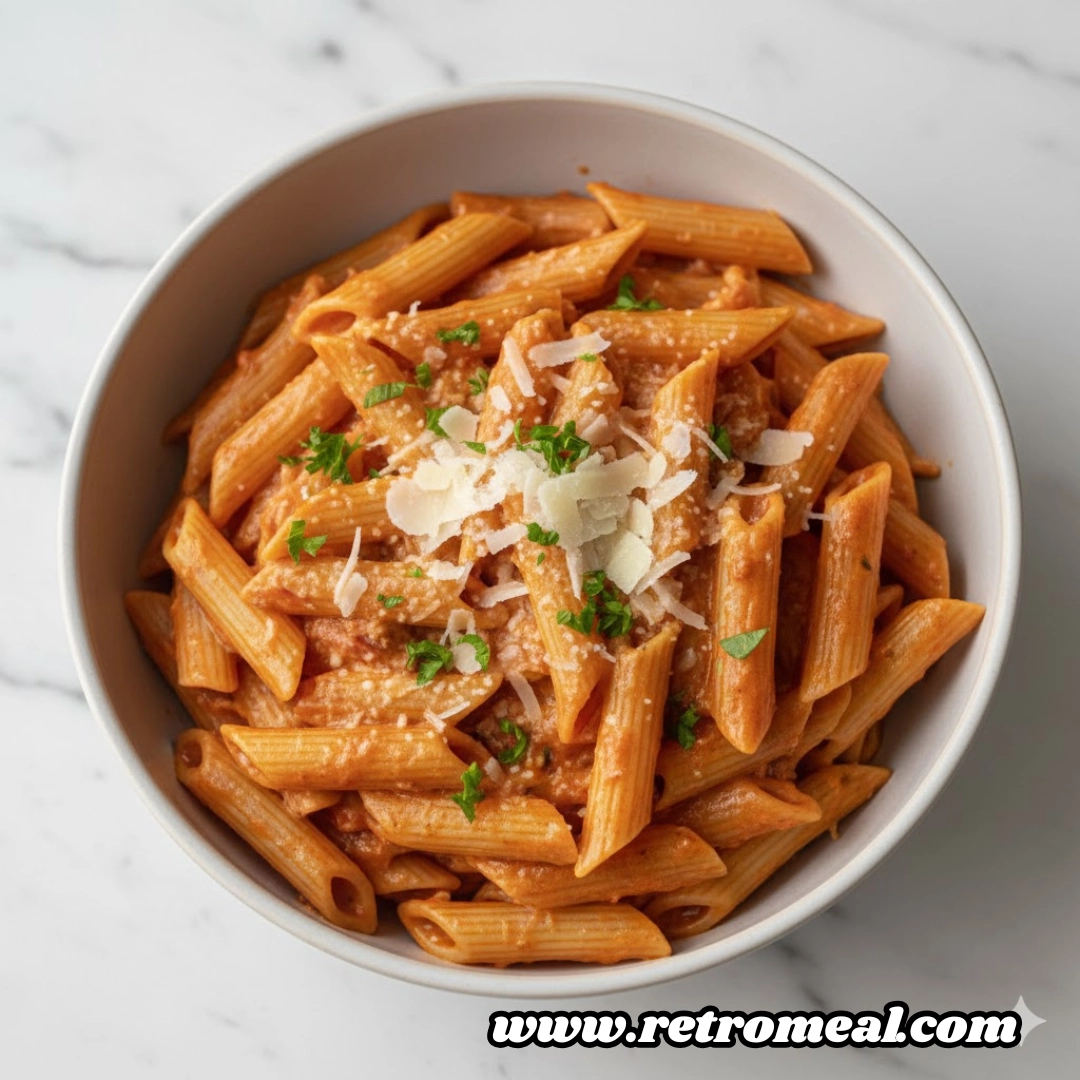
Combining the bright, acidic punch of vine-ripened tomatoes with the velvety richness of heavy cream creates a culinary balance that few other sauces can match. This specific tomato cream sauce focuses on a streamlined preparation that maximizes depth of flavor without requiring hours of simmering on the stove. It is a versatile staple, serving as a lush coating for various pasta shapes or a sophisticated base for protein-heavy dishes. Whether you are preparing a quiet mid-week dinner or hosting a gathering that calls for a reliable crowd-pleaser, this sauce provides a consistent, high-quality result using pantry essentials.
Table of Contents
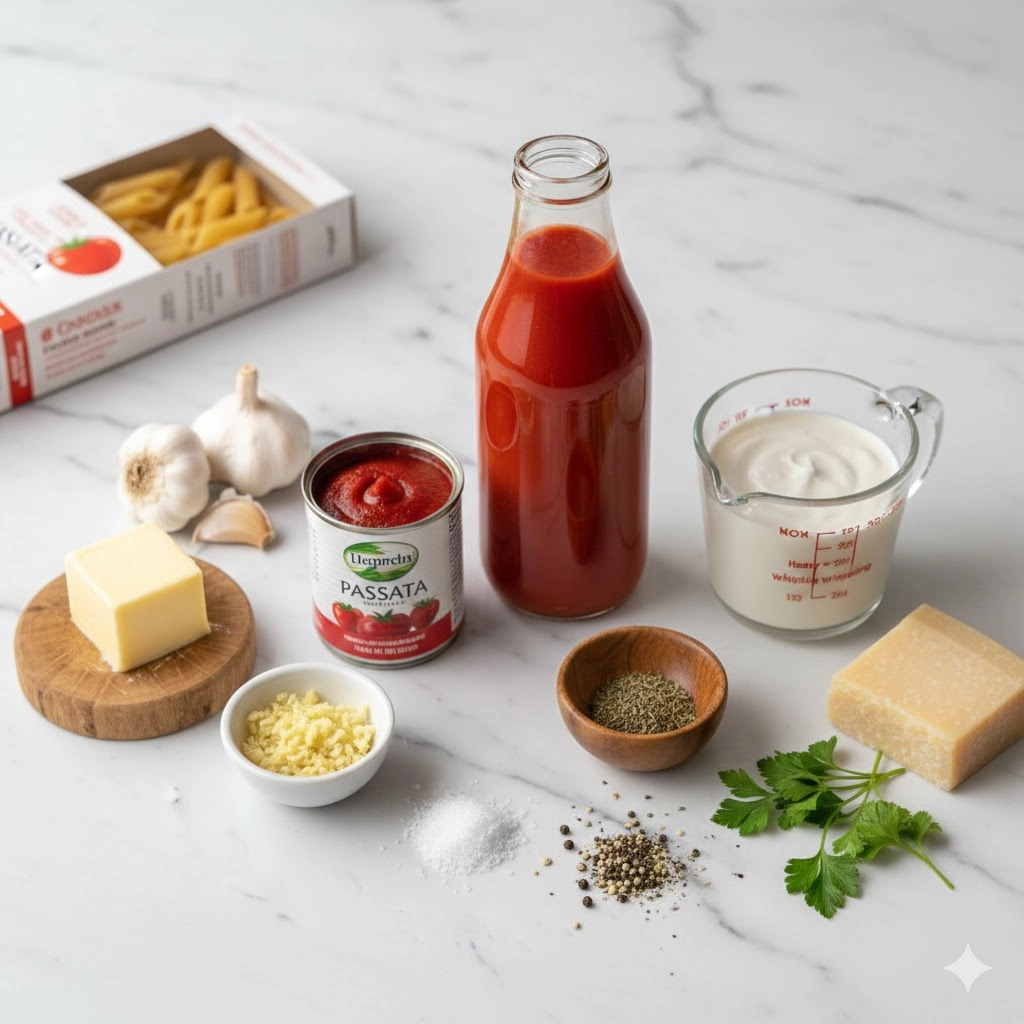
Ingredients
- 8 ounces uncooked dry pasta (penne, rigatoni, or fusilli work best)
- 2 tablespoons unsalted butter
- 3 cloves fresh garlic, finely minced
- 2 tablespoons concentrated tomato paste
- 14 ounces canned tomato sauce (pureed tomato passata)
- 0.75 cups heavy whipping cream
- 0.25 teaspoon dried Italian herb blend
- Fine sea salt and cracked black pepper to taste
- Freshly grated Parmesan cheese for garnish
Instructions
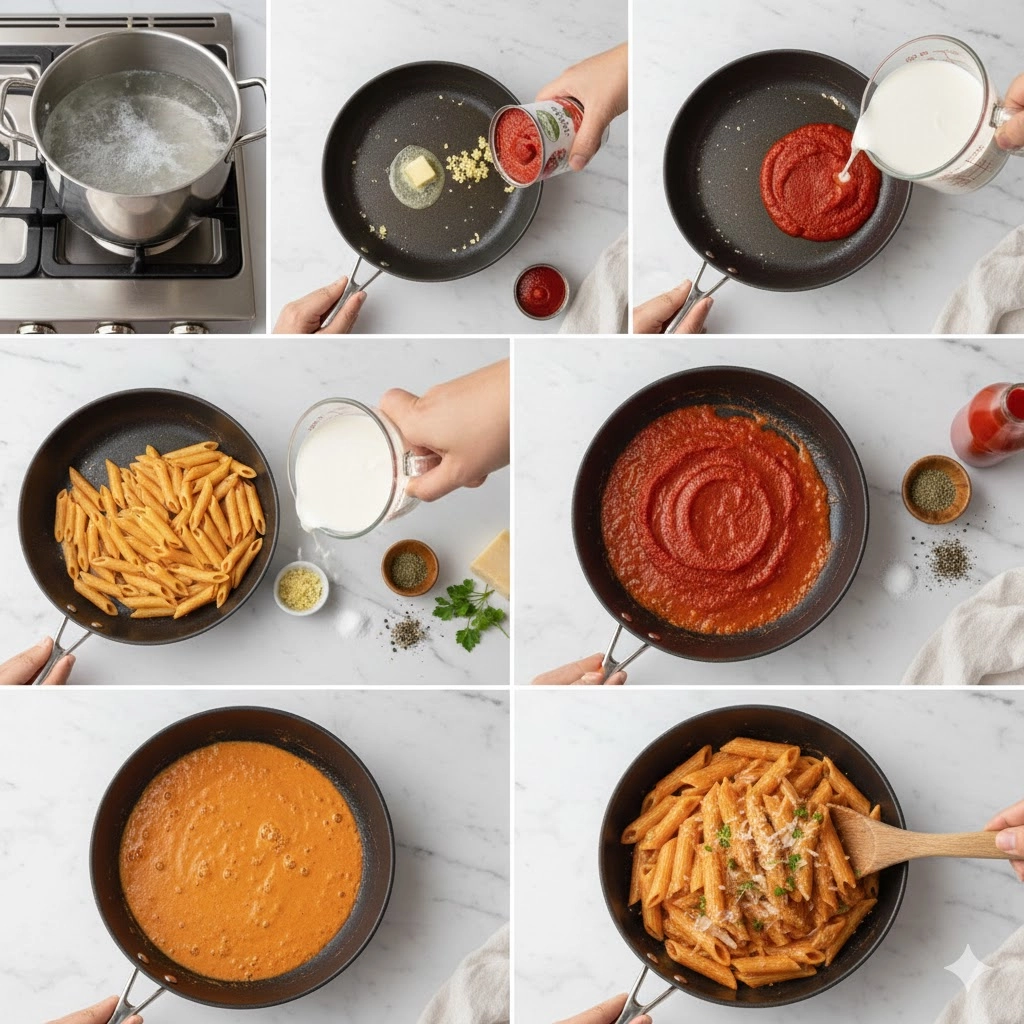
- Bring a large pot of heavily salted water to a rolling boil and cook the pasta until it reaches an al dente texture.
- While the pasta boils, melt the butter in a wide skillet over medium heat.
- Sauté the minced garlic in the butter for sixty seconds until fragrant but not browned.
- Whisk in the tomato paste and the canned tomato sauce until the mixture is uniform.
- Pour in the heavy cream and sprinkle in the dried Italian seasoning, stirring to combine.
- Allow the sauce to maintain a very gentle simmer for five minutes to thicken.
- Adjust the seasoning with salt and pepper, adding a tiny pinch of sugar if the tomatoes are particularly tart.
- Drain the pasta and toss it directly into the skillet, coating every piece thoroughly.
Step-by-Step Details
Achieving the perfect consistency for a tomato cream sauce requires attention to heat management and emulsification. Start by ensuring your pasta water is seasoned well; it should taste like the sea, as this is your only chance to season the pasta itself. When you begin the sauce, keep the heat at a steady medium. If the butter begins to brown or the garlic turns dark gold, the flavor will become bitter, which clashes with the delicate cream.
Once you add the tomato paste, use a wooden spoon to “fry” it in the butter for about thirty seconds before adding the liquid tomato sauce. This removes the raw metallic taste often found in canned paste and unlocks a deeper, caramelized umami profile. When the heavy cream is introduced, the sauce will transform from a deep red to a vibrant, silky orange.
The simmering stage is crucial. You are looking for small, lazy bubbles rather than a violent boil. Boiling a cream-based sauce too hard can cause the fats to separate, leading to a grainy texture. As the sauce reduces, it should become thick enough to coat the back of a spoon. If you find the sauce has thickened too much by the time the pasta is ready, reserve a small splash of the starchy pasta cooking water. Adding this liquid back into the skillet helps the sauce cling to the noodles and creates a professional, glossy finish.
Pro Tips
- Choose High-Quality Tomatoes: Since the ingredient list is short, the quality of your canned tomato sauce or passata matters. Look for brands that list only tomatoes and salt, avoiding those with added citric acid if possible.
- The Sugar Secret: If the sauce tastes sharp or metallic, a half-teaspoon of white sugar can neutralize the acidity of the tomatoes without making the dish sweet.
- Freshly Grated Cheese Only: Avoid the pre-shredded cheese in green cans or plastic pouches. Freshly grated Parmesan contains no anti-clumping agents and will melt seamlessly into the warm sauce.
- Warm Your Bowls: Serving this dish in room-temperature or cold bowls will cause the cream sauce to thicken and seize quickly. Running your serving dishes under hot water for a moment ensures the meal stays silky until the last bite.
- Garlic Prep: Mince your garlic about ten minutes before cooking. This allows the allicin to develop, providing a more robust nutritional profile and a punchier flavor.
Variations or Substitutions
- Herb Swaps: If you lack an Italian blend, use equal parts dried oregano and dried basil. For a fresher profile, stir in a handful of chopped fresh basil leaves right before serving.
- Spicy Kick: Add a half-teaspoon of red pepper flakes to the butter along with the garlic to create a “creamy arrabbiata” style sauce.
- Vegetable Boost: Stir in two cups of fresh baby spinach during the last minute of simmering. The residual heat will wilt the greens perfectly without overcooking them.
- Protein Addition: Sliced grilled chicken breast or sautéed shrimp can be tossed into the finished sauce for a more substantial meal.
Serving Suggestions
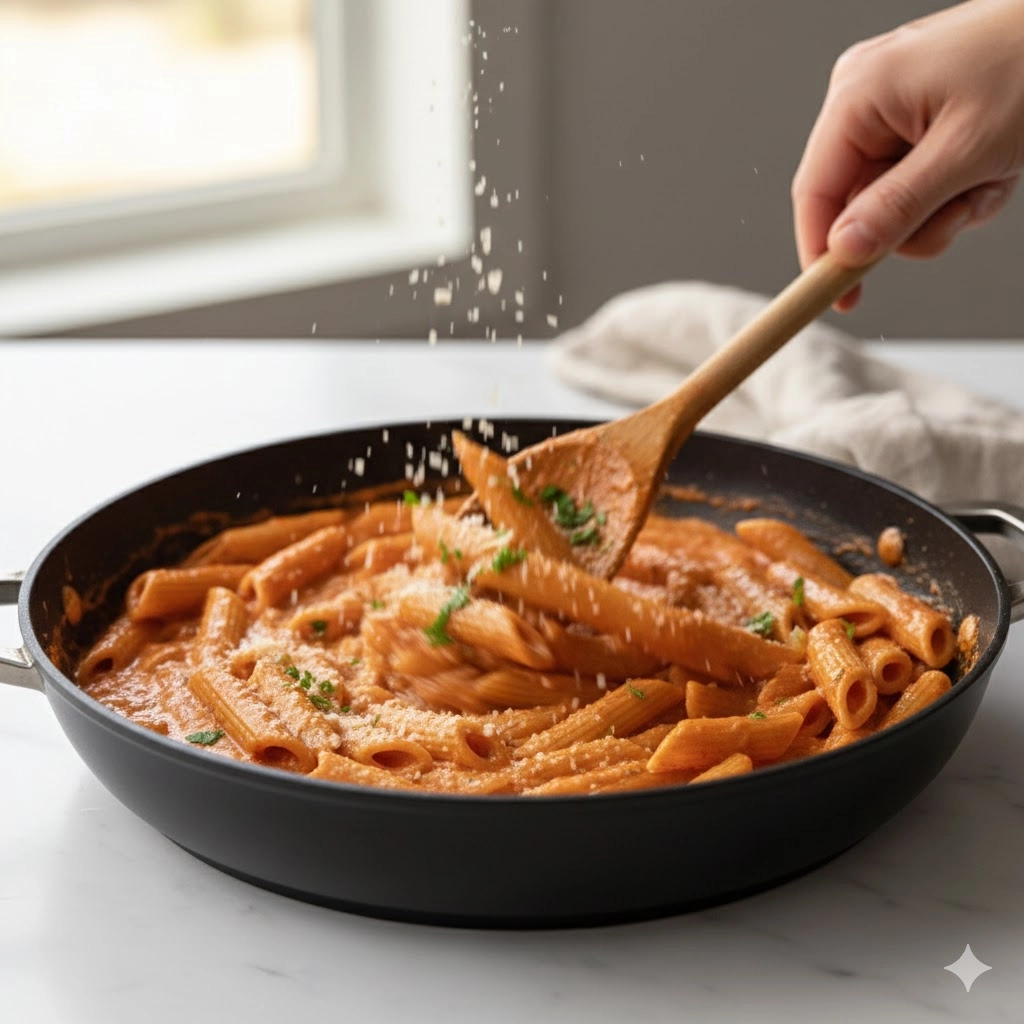
This dish is classically served in deep bowls with an extra dusting of Parmesan and a crack of fresh black pepper. To balance the richness of the cream, a crisp green salad with a sharp lemon vinaigrette is an excellent accompaniment. If you want to lean into the comfort aspect, serve with warm crusty bread or garlic knots to soak up the remaining sauce at the bottom of the plate. For a lighter alternative, this sauce can also be served over roasted zucchini noodles or spaghetti squash.
FAQs
Can I use half-and-half instead of heavy cream?
It is not recommended to use lower-fat dairy like half-and-half or milk. The high acidity in the tomatoes can cause lower-fat liquids to curdle when heated, resulting in a broken, unappealing texture.
How do I store and reheat leftovers?
Store any remaining pasta in an airtight container in the refrigerator for up to three days. When reheating, add a tablespoon of water or broth to the pan to loosen the sauce, as the pasta will absorb moisture while sitting.
Can this sauce be made ahead of time?
Yes, you can prepare the sauce and store it separately from the pasta. Reheat it gently over low heat, stirring constantly to maintain the emulsion before tossing with freshly cooked noodles.
Is it possible to freeze tomato cream sauce?
While tomato sauces freeze well, dairy can sometimes change texture upon thawing. If you must freeze it, do so for no more than three months and whisk it vigorously while reheating to bring the fats back together.
Nutrition Information
| Nutrient | Amount per Serving |
| Calories | 485 kcal |
| Protein | 12 g |
| Carbs | 54 g |
| Fat | 26 g |
| Fiber | 4 g |
| Sugar | 6 g |
| Sodium | 610 mg |
Nutrition information is an estimate and may vary based on preparation and ingredients used.
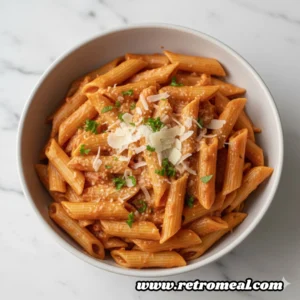
Simple Homemade Tomato Cream Sauce
Ingredients
- 8 ounces uncooked dry pasta (penne or fusilli)
- 2 tbsp unsalted butter
- 3 cloves fresh garlic, finely minced
- 2 tbsp concentrated tomato paste
- 14 ounces canned tomato sauce or pureed passata
- 0.75 cup heavy whipping cream
- 0.25 tsp dried Italian herb blend
- Fine sea salt and cracked black pepper to taste
- Freshly grated Parmesan cheese for garnish
Instructions
- Bring a large pot of heavily salted water to a boil and cook the pasta until al dente.
- Melt the butter in a wide skillet over medium heat and sauté the minced garlic for sixty seconds.
- Whisk in the tomato paste and the canned tomato sauce until the mixture is uniform.
- Pour in the heavy cream and sprinkle in the dried Italian seasoning, stirring to combine.
- Maintain a very gentle simmer for five minutes until the sauce has thickened slightly.
- Adjust seasoning with salt and pepper. Toss the drained pasta into the skillet to coat thoroughly.
Notes
Equipment
- Large pasta pot
- Wide skillet or sauté pan
- whisk
- wooden spoon
- colander