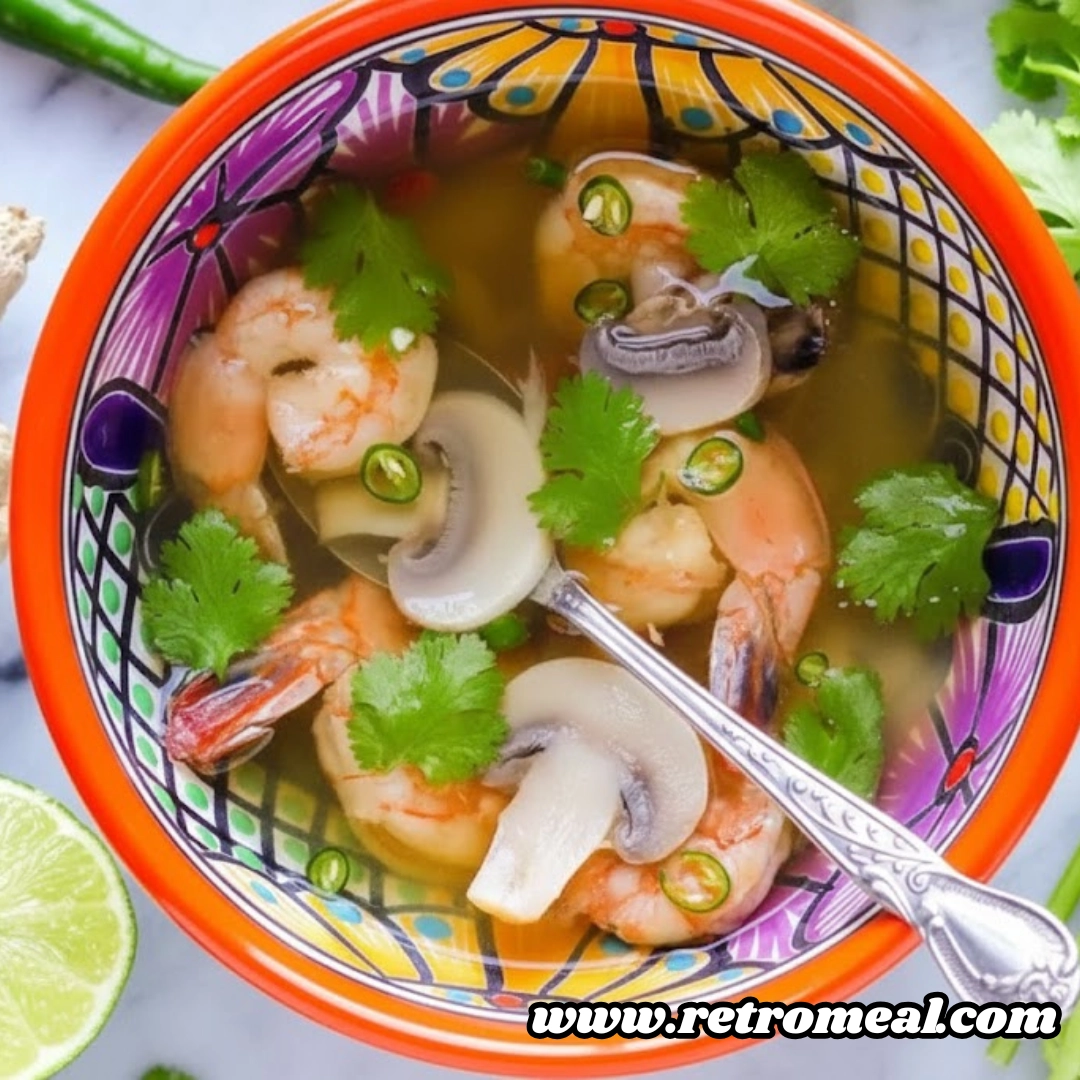
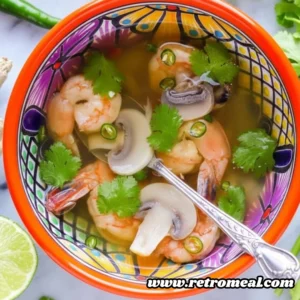
Experience the vibrant, soul-warming flavors of Thailand right in your own kitchen with this authentic yet accessible Tom Yum Soup (Spicy Thai Soup with Shrimp). This iconic dish is a masterclass in balancing the four pillars of Thai cuisine: spicy, sour, salty, and sweet. Whether you are looking for a light weeknight dinner or a restorative bowl of broth to clear your senses, this recipe delivers a restaurant-quality experience using simple techniques and easy-to-find ingredients.
Table of Contents
Ingredients for Your Thai Culinary Adventure
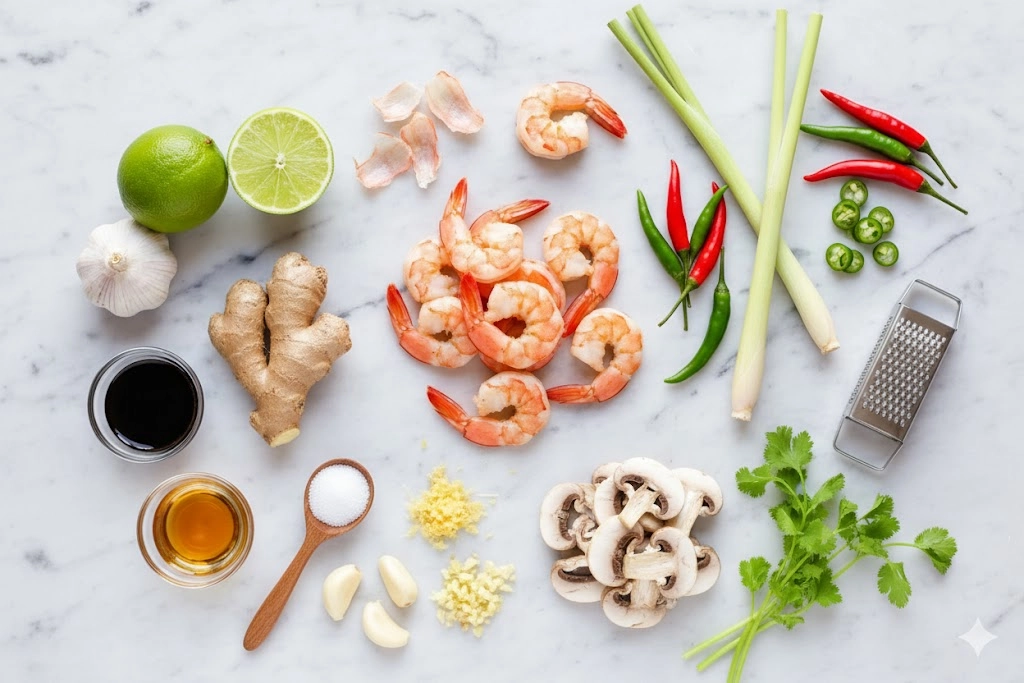
To create the most flavorful base for your Tom Yum Soup (Spicy Thai Soup with Shrimp), gather these fresh components. Each ingredient plays a vital role in building the complex layers of flavor that make this soup world-famous.
- One half pound shrimp, peeled and deveined
- Two stalks lemongrass
- Six cups water or shrimp stock
- Four cloves garlic, minced
- Two Thai bird’s eye chiles, sliced, or more to taste
- One lime, zested and juiced
- One cup sliced button mushrooms
- One teaspoon grated ginger
- One teaspoon sugar
- Two teaspoons soy sauce or fish sauce, plus more to taste
- Fresh cilantro leaves for serving
- Extra lime wedges for serving
Master the Art of Preparation: Step-by-Step Instructions
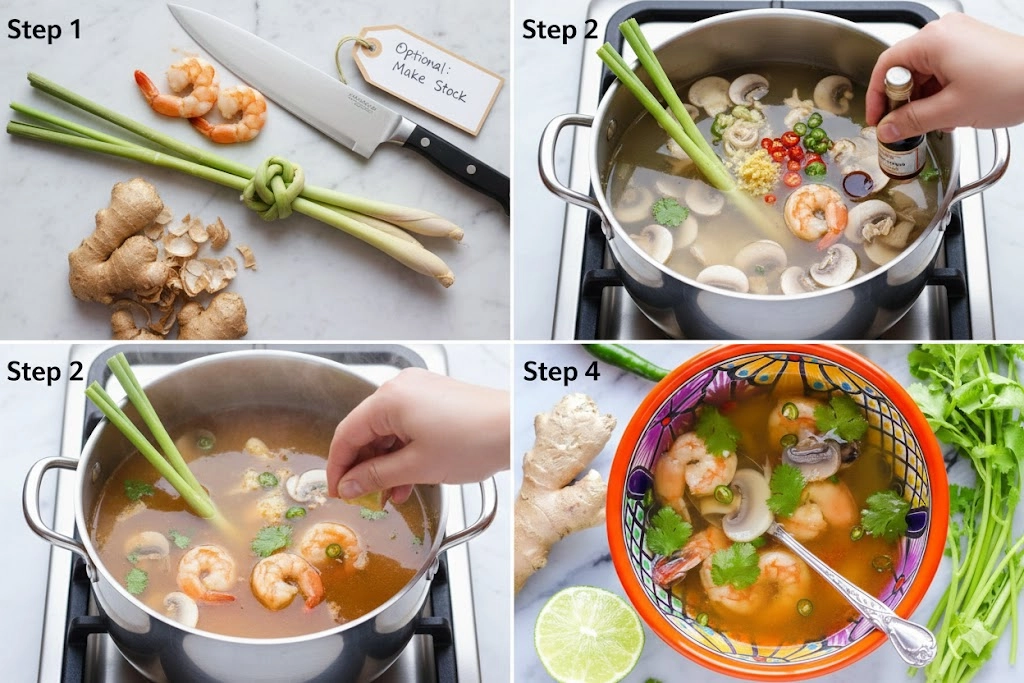
- Prepare the Seafood and Aromatics: Begin by ensuring your shrimp are properly cleaned. If they are not already prepped, peel and devein one half pound of shrimp. If you have the time, save those shells! You can simmer them in your six cups of water for a few minutes to create a quick, intensive shrimp stock that adds incredible depth to the final dish.
- Handle the Lemongrass: Take your two stalks of lemongrass and trim about one inch off the bottom and five inches off the leafy tops. Peel away the woody, fibrous outer layers until you reach the pale, tender core. Using the back of a heavy knife or a rolling pin, gently bruise and smash the stalks to release their essential oils. Tie each stalk into a simple knot; this keeps them contained in the pot while maximizing the surface area exposed to the water.
- Build the Broth: Pour your six cups of water or prepared shrimp stock into a medium-sized pot. Drop in the knotted lemongrass stalks and cover the pot with a tight-fitting lid. Set the heat to high and bring the liquid to a rolling boil. Once boiling, reduce the heat to maintain a steady simmer.
- Infuse the Flavors: To the simmering liquid, add your minced garlic, sliced Thai chiles, lime zest, button mushrooms, grated ginger, sugar, and your choice of soy sauce or fish sauce. Let these aromatics mingle and infuse the broth for approximately three minutes. You will notice the aroma becoming intensely fragrant and bright.
- Poach the Shrimp: Gently add the shrimp to the bubbling broth. Cook them just until they transition from translucent to a beautiful pink and opaque color. This typically takes about three minutes. Be careful not to overcook them, as shrimp can become rubbery if left in the heat too long.
- Final Seasoning: Stir in the fresh lime juice at the very end. Turn off the heat and perform a taste test. This is where you become the chef—adjust the balance by adding more chiles for heat, more lime for acidity, or an extra splash of fish sauce for saltiness.
- Garnish and Serve: Ladle the steaming soup into deep bowls. Top generously with fresh cilantro leaves, extra slices of chile, and provide lime wedges on the side for guests to customize their bowls.
Navigating Substitutions and Variations
While the traditional recipe is perfection, there are many ways to adapt this Tom Yum Soup (Spicy Thai Soup with Shrimp) to fit what you have in your pantry or your specific dietary needs.
If you cannot find fresh lemongrass at your local grocer, do not worry. While lemongrass offers a unique, woody-citrus note, you can substitute it with several thin slices of fresh lemon. It will provide that necessary bright acidity, even if it lacks the complex herbal undertone of the original grass. Similarly, while Thai bird’s eye chiles provide a sharp, clean heat, they can be difficult to track down. You can easily swap them for sliced serrano peppers or jalapeños. Keep in mind that Thai chiles are significantly hotter, so you may need to use more of the milder peppers to achieve the same kick.
For those with dietary restrictions, the choice between soy sauce and fish sauce is pivotal. Traditional Thai cooking almost exclusively uses fish sauce for its umami depth and salty punch. However, if you have a seafood allergy or prefer a vegan-friendly seasoning, soy sauce is an excellent alternative. It provides the necessary salt and fermented depth without the fishy notes.
Regarding the protein, while shrimp is the classic choice for “Tom Yum Goong,” this broth is incredibly versatile. You can swap the shrimp for squid rings, mussels, or even chunks of a firm white fish like cod or halibut. If you prefer a land-based protein, thinly sliced chicken breast works beautifully, though it may require an extra minute or two of simmering to ensure it is cooked through.
Deep Dive into the Cooking Process
The magic of Tom Yum Soup (Spicy Thai Soup with Shrimp) lies in the rapid infusion of aromatics. Unlike a French stock that simmers for hours, Thai broths are about freshness and “high notes.” When you smash the lemongrass, you are rupturing the internal cells of the plant, allowing the citral and geraniol oils to seep into the water almost instantly. This is why the prep work—the smashing and knotting—is the most important part of the recipe.
The sequence of adding ingredients is also calculated. We add the ginger, garlic, and chiles early to allow their flavors to permeate the liquid base. However, we wait until the very end to add the lime juice. Heat can actually mute the vibrant, “electric” acidity of fresh lime juice and even turn it slightly bitter if boiled for too long. By stirring it in right before serving, you ensure that the soup tastes bright and alive.
Using shrimp stock instead of plain water is the single best way to elevate this dish. If you bought whole shrimp, the shells are essentially free flavor. Sautéing them for sixty seconds in a dry pot before adding the water toasted the chitin in the shells, creating a deep, orange-hued liquid that tastes like the essence of the sea. This creates a much more “professional” tasting soup that lingers on the palate.
Crafting the Perfect Accompaniments
Because this is a light, brothy soup, you might want to serve it with side dishes to create a more substantial meal. In Thailand, it is very common to serve Tom Yum alongside a steaming bowl of jasmine rice. The rice acts as a neutral sponge, soaking up the spicy broth and helping to temper the heat of the Thai chiles.
If you want to keep the meal light but varied, consider pairing the soup with a crunchy Thai Noodle Salad. The contrast between the hot, spicy soup and a cold, peanut-dressed noodle salad is refreshing. For a surf-and-turf style dinner, a side of grilled pork skewers or “Moo Ping” provides a sweet and savory balance to the sour and spicy soup.
Essential Culinary Insights for Success
To truly master this dish, pay close attention to the mushrooms. Button mushrooms are excellent because they are mild and absorb the broth well, but you can also use straw mushrooms or oyster mushrooms for a more authentic texture. Mushrooms act as little “flavor bombs” in the soup, holding onto the spicy liquid.
Another tip involves the ginger. In traditional Thai cooking, galangal is used instead of ginger. Galangal is related to ginger but has a much more medicinal, pine-like flavor and is much harder. This recipe uses ginger to ensure you can find the ingredients at a standard American grocery store. To get the most out of your ginger, use a microplane to grate it directly into the pot. This ensures the ginger disappears into the broth while providing a consistent heat throughout every spoonful.
Finally, do not be afraid of the “sour” in hot and sour. The name “Tom Yum” refers to the boiling process (Tom) and the spicy/sour salad flavors (Yum). If your soup tastes a bit flat, it almost always needs more lime juice or a tiny pinch more sugar to make the other flavors pop.
Frequently Asked Questions
Can I make this soup ahead of time for meal prep?
Yes, you can certainly prepare the broth in advance. In fact, the flavors of the garlic, ginger, and chiles will continue to develop as the broth sits. However, I recommend storing the broth separately from the shrimp. When you are ready to eat, bring the broth to a simmer, add the fresh shrimp, and cook them for three minutes. This prevents the shrimp from becoming tough during the reheating process. Always add a fresh squeeze of lime juice right before serving to revive the bright flavors.
Is Tom Yum Soup supposed to be clear or creamy?
There are actually two main versions of this soup. This recipe focuses on “Tom Yum Nam Sai,” which is the clear broth version. It is light, refreshing, and emphasizes the herbal notes of the lemongrass and lime. The creamy version, “Tom Yum Nam Khon,” usually involves adding evaporated milk or coconut milk and Thai chili paste (Nam Prik Pao). Both are delicious, but the clear version is often preferred for its clean, sharp flavor profile.
How do I adjust the spice level if I don’t like it too hot?
The heat in this soup comes entirely from the Thai bird’s eye chiles. To keep the flavor but lose the “burn,” you can de-seed the chiles before slicing them, or simply crack them open and drop them into the broth whole. This allows the flavor to infuse without releasing all the capsaicin found in the seeds and ribs. If you accidentally make it too spicy, adding a bit more sugar or serving it with extra rice can help neutralize the fire on your tongue.
What is the difference between lime zest and makrut lime leaves?
Makrut lime leaves (formerly known as kaffir lime leaves) have a very specific, floral, almost perfume-like aroma that is hard to replicate. However, they can be very difficult to find outside of Asian specialty markets. This recipe uses lime zest as a clever work-around. While it doesn’t have the exact floral notes, the zest contains the essential oils of the lime fruit and provides that necessary citrus “punch” that defines a good Tom Yum.
Storing and Reheating Best Practices
If you find yourself with leftovers, store them in an airtight container in the refrigerator for up to three days. As mentioned previously, the acidity of the lime juice tends to fade over time, so you will want to have an extra lime on hand to brighten up the leftovers.
I generally advise against freezing this soup. The mushrooms can become quite spongy and lose their pleasant texture once thawed, and the delicate balance of the aromatic broth can become muddied. Since the soup only takes about fifteen minutes to make from scratch, it is always best enjoyed fresh. If you must freeze it, freeze only the infused broth (without the shrimp and mushrooms) and add fresh ingredients when you reheat it.
A Final Word on This Thai Classic
There is something incredibly satisfying about making a world-class soup in less than twenty minutes. This Tom Yum Soup (Spicy Thai Soup with Shrimp) is a testament to the power of fresh ingredients and simple techniques. By taking the time to properly bruise your lemongrass and using a high-quality stock, you create a dish that is far superior to anything found in a tin or a packet. It is a vibrant, healthy, and deeply comforting meal that brings the bold energy of a Bangkok street market right to your dinner table. Enjoy the process of tasting and balancing your broth, and don’t be afraid to make it your own.
Nutritional Information
| Nutrient | Amount Per Serving |
| Calories | 156 |
| Total Fat | 2 grams |
| Saturated Fat | 0 grams |
| Cholesterol | 120 milligrams |
| Sodium | 799 milligrams |
| Total Carbohydrates | 24 grams |
| Dietary Fiber | 4 grams |
| Total Sugars | 4 grams |
| Protein | 16 grams |
| Vitamin C | 39 milligrams |
| Calcium | 135 milligrams |
| Iron | 5 milligrams |
| Potassium | 670 milligrams |
Nutritional Disclaimer
The nutritional values provided are estimates based on standard ingredient databases. Actual nutritional content may vary depending on the specific brands of ingredients used and the precision of measurements. These figures are calculated based on four servings per recipe. If you use soy sauce instead of fish sauce, the sodium content may vary slightly. Garnishes and optional side dishes like jasmine rice are not included in these calculations.
Tom Yum Soup (Spicy Thai Soup with Shrimp)
Ingredients
- 0.5 pound shrimp, peeled and deveined
- 2 stalks lemongrass, trimmed and smashed
- 6 cups water or shrimp stock
- 4 cloves garlic, minced
- 2 Thai (bird’s eye) chiles, sliced (adjust to taste)
- 1 lime, zested and juiced
- 1 cup button mushrooms, sliced
- 1 tsp fresh ginger, grated
- 1 tsp granulated sugar
- 2 tsp fish sauce or soy sauce (plus more to taste)
- Fresh cilantro leaves, for serving
- Lime wedges, for serving
Instructions
- Peel and devein the shrimp if not already cleaned. Optionally, simmer the shells in your water to create a quick shrimp stock, then strain before starting the soup.
- Trim the lemongrass stalks. Remove the tough outer layers and smash the tender core with the back of a knife to release oils. Tie each stalk into a knot.
- Bring 6 cups of water or stock to a boil in a medium pot with the lemongrass knots. Reduce to a simmer.
- Add minced garlic, sliced chiles, lime zest, mushrooms, grated ginger, sugar, and fish sauce (or soy sauce). Simmer for 3 minutes to infuse the broth.
- Add the shrimp to the pot. Cook for approximately 3 minutes until the shrimp are pink and opaque. Turn off the heat.
- Stir in the fresh lime juice. Taste and adjust seasonings, adding more chiles, lime, or sauce as desired. Serve immediately with cilantro and lime wedges.
Notes
Equipment
- Medium stock pot
- chef’s knife For preparing lemongrass and aromatics
- Microplane or grater For ginger and lime zest
- ladle