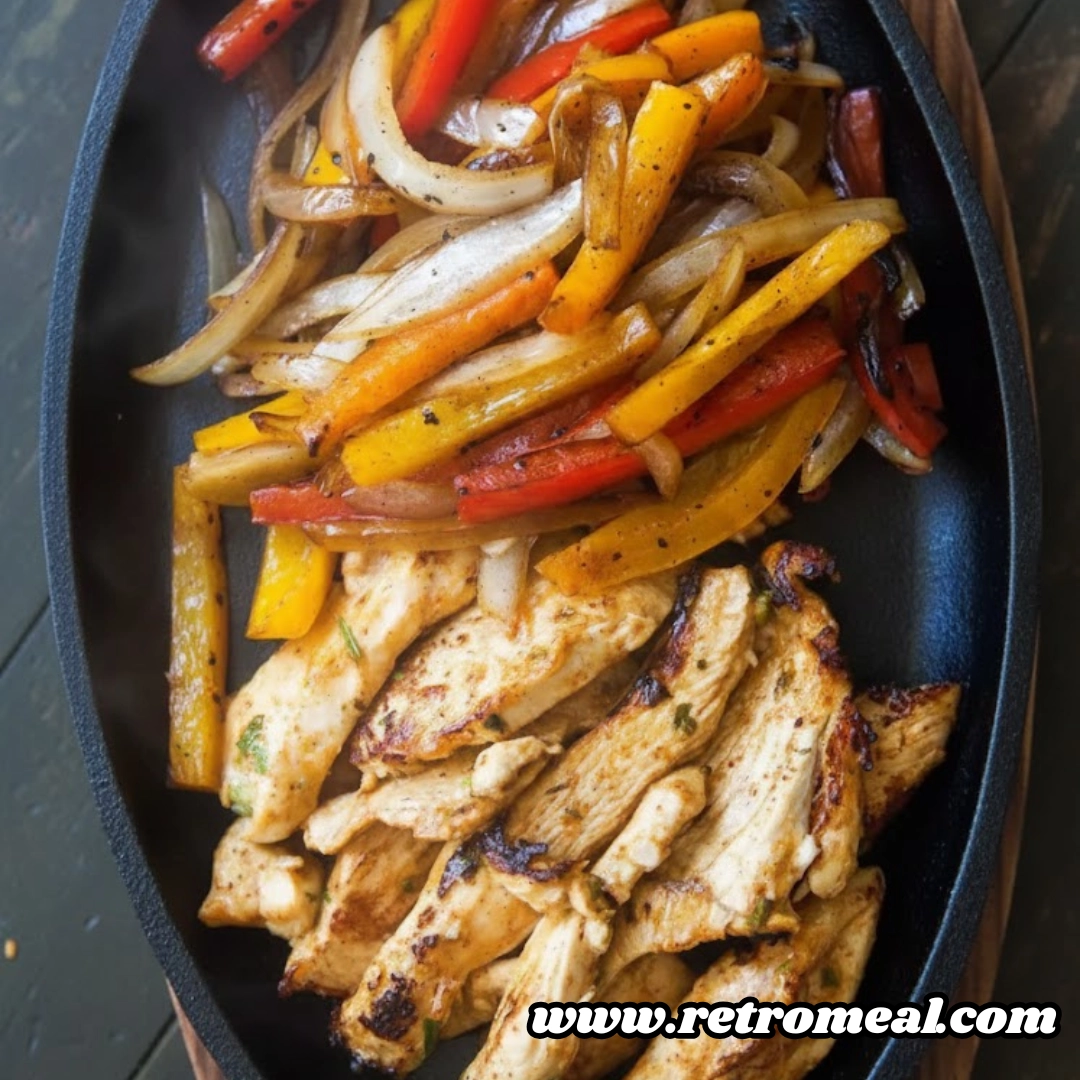
There is something undeniably electric about the sound of a sizzling skillet making its way through a crowded dining room. That signature hiss of steam and the intoxicating aroma of charred peppers and spiced poultry are the hallmarks of a classic Tex-Mex experience. While many people reserve this dish for a night out, creating The Best Chicken Fajitas in your own kitchen is surprisingly straightforward and yields results that often surpass your favorite local spot. By focusing on a high-heat sear and a punchy, citrus-forward marinade, you can transform humble chicken breasts into a festive, restaurant-quality feast that is perfect for busy weeknights or casual weekend gatherings with friends.
Table of Contents
Ingredients
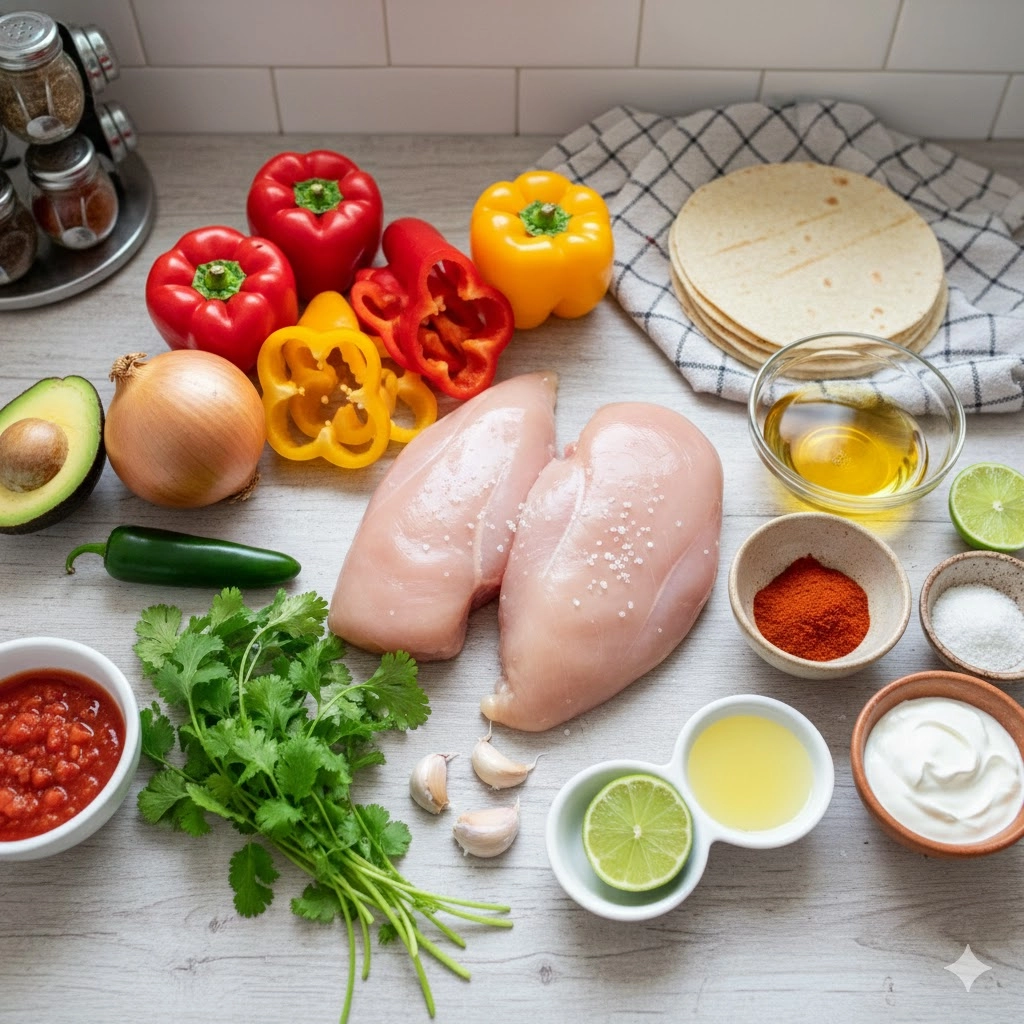
For the Fajitas
- 1 1/4 to 1 1/2 pounds skinless, boneless chicken breasts
- Salt, to taste
- 2 tablespoons canola or extra virgin olive oil
- 1 large onion, sliced lengthwise (root to tip) into 1/4-inch strips
- 3 pepper bell peppers (various colors), sliced into 1/4-inch strips
For the Marinade192021
- 1/4 cup chopped fresh cilantro
- 1/2 jalapeño pepper, seeded and minced
- 1 clove garlic, minced
- 3 tablespoons extra virgin olive oil
- 2 tablespoons lime juice
- 1/2 teaspoon salt
- 1/2 teaspoon ground cumin
- 1/2 teaspoon chili powder
For Serving
- 8 to 12 flour tortillas
- Homemade or store-bought salsa
- Sliced avocado or guacamole
- Sour cream
- Thinly sliced iceberg lettuce dressed lightly with salt and cider vinegar
Instructions
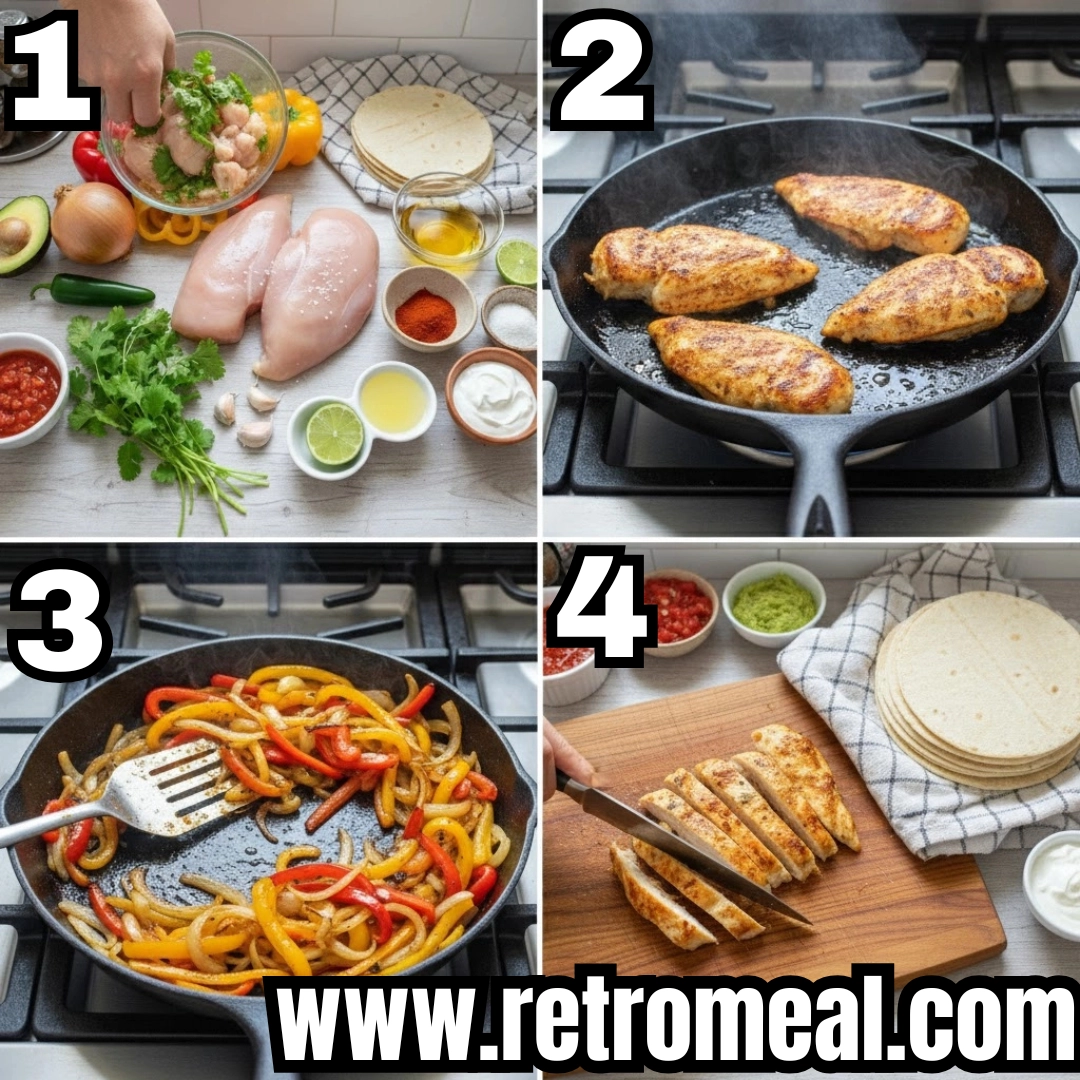
- Prepare the Poultry: If your chicken breasts are large (one half pound or more), slice them in half horizontally. This ensures the center thickness is between 1/2-inch and 3/4-inch, allowing for even cooking without drying out the exterior.
- Whisk the Marinade: In a glass or plastic container, combine the chopped cilantro, minced jalapeño, minced garlic, 3 tablespoons of olive oil, lime juice, salt, cumin, and chili powder.
- Infuse the Flavor: Add the chicken pieces to the marinade container. Toss thoroughly to ensure every inch of the meat is coated. Cover and let sit at room temperature for 30 minutes, or refrigerate for up to 8 hours.
- Prep for the Sear: Remove the chicken from the marinade. Use a paper towel to wipe off the excess liquid and solids so the meat sears rather than steams. Lightly sprinkle both sides of the chicken with additional salt.
- High-Heat Searing: Heat 1 tablespoon of canola or olive oil in a large cast iron skillet over high heat. Wait until the oil just begins to smoke. Place the chicken breasts in the pan, working in batches if necessary to avoid overcrowding.
- Develop the Crust: Let the chicken cook undisturbed for 2 to 3 minutes until a deep, golden-brown sear forms. Flip the pieces and cook for another 2 to 3 minutes on the second side.
- Rest the Meat: Transfer the seared chicken to a cutting board. Stack the pieces on top of each other and cover tightly with aluminum foil. Let them rest for 5 minutes to allow the juices to redistribute.
- Sauté the Vegetables: While the chicken rests, add the remaining tablespoon of oil to the same hot skillet. Toss in the sliced onions and bell peppers. Use a metal spatula to scrape up the browned bits (fond) from the bottom of the pan.
- Char the Veggies: Spread the vegetables in an even layer and let them sit undisturbed for 2 minutes to achieve a slight blackening. Stir and cook for another 2 minutes until tender-crisp.
- Slice and Assemble: Slice the rested chicken across the grain into thin strips. Serve immediately alongside the hot peppers and onions, warm tortillas, and your choice of toppings.
Master the Sizzle: Step-by-Step Details
The journey to The Best Chicken Fajitas begins long before the meat hits the pan. It starts with the physical preparation of the chicken. In the world of Tex-Mex cooking, consistency is king. If you attempt to cook a massive, bulbous chicken breast whole, the tapered thin end will turn to rubber by the time the thick center reaches a safe temperature. By slicing the breast horizontally—essentially creating two thin cutlets—you increase the surface area for the marinade and the sear. This technique is far superior to pounding the meat with a mallet, as pounding can break down the muscle fibers too much, resulting in a mushy texture rather than the firm, juicy bite required for a great fajita.
Once the chicken is prepped, the marinade serves as the soul of the dish. The combination of lime juice and zest (acid) with olive oil (fat) creates a vehicle for the aromatics. The jalapeño and chili powder provide a foundational warmth rather than an overwhelming heat, while the cumin adds that earthy, smoky depth that defines Southwestern cuisine. It is vital to observe the timing here. A 30-minute soak at room temperature is often more effective than a long cold soak because the meat fibers are more relaxed. However, do not exceed 24 hours in the fridge; the high acid content of the lime juice will eventually begin to “cook” the protein, turning the texture chalky.
The actual cooking process is a lesson in patience and high-grade heat. Using a cast iron skillet is highly recommended because of its incredible heat retention. When the chicken hits the oil, you should hear a loud, aggressive sizzle. Resisting the urge to move the chicken is the hardest part. That undisturbed contact is what creates the Maillard reaction—the chemical process that produces the dark, flavorful crust. When you flip the meat, you are looking for those deep mahogany patches. Once removed, the resting period is non-negotiable. If you slice the chicken immediately, the internal juices will run out onto the board, leaving you with dry meat. Stacking the breasts under foil creates a mini-oven effect, ensuring the meat stays piping hot while the vegetables pick up all those delicious leftover flavors in the pan.
Achieving Professional Results: Unique Culinary Insights
To truly elevate this dish to the status of The Best Chicken Fajitas, you must treat the vegetables with as much respect as the protein. Many home cooks make the mistake of steaming their peppers and onions by overcrowding the pan or moving them constantly. The goal is “char,” not “stew.” By letting the vegetables sit against the hot iron for two full minutes without stirring, you mimic the flavor of a commercial flat-top grill. This creates sweet, caramelized edges and a smoky finish that balances the bright acidity of the lime-marinated chicken.
Another professional secret lies in the “fond”—those dark, caramelized bits stuck to the bottom of the pan after the chicken is removed. When you toss the onions and peppers into the skillet, they release a small amount of moisture. Use your spatula to aggressively scrape the bottom of the pan. This effectively deglazes the skillet, coating every strip of pepper in a concentrated chicken and spice essence. It is this layer of flavor that separates a bland home stir-fry from a genuine fajita experience.
Finally, consider the grain of the meat. If you look closely at a chicken breast, you will see the muscle fibers running in a specific direction. Always slice perpendicular to these lines. Cutting “across the grain” shortens the fibers, which means your teeth have to do less work. This results in a “melt-in-your-mouth” tenderness that is the hallmark of a well-executed fajita.
Adaptations for Every Kitchen: Modifications & Substitutions
While the classic recipe calls for boneless, skinless chicken breasts, you can easily pivot based on what you have in your refrigerator. Chicken thighs are a fantastic alternative for those who prefer a richer, more succulent flavor. Thighs are more forgiving of overcooking due to their higher fat content, though they may require an extra three to four minutes in the pan to ensure the fat properly renders and the meat reaches an internal temperature of 165 Fahrenheit.
For those looking to adjust the heat levels, the jalapeño is your primary lever. For a mild family-friendly version, remove every seed and all the white pith from the jalapeño, or substitute it entirely with a tablespoon of mild canned green chilies. Conversely, if you crave a fiery experience, keep the seeds in or swap the jalapeño for a serrano pepper. If you find yourself without lime juice, a combination of lemon juice and a splash of orange juice can mimic the citrus profile, though lime remains the traditional gold standard for Tex-Mex flavor profiles.
The Art of the Spread: Accompaniments & Serving
Presentation is a massive part of the fajita experience. To serve The Best Chicken Fajitas properly, you should bring the components to the table while they are still steaming. For the tortillas, skip the microwave. Instead, char them briefly over an open gas flame or in a dry skillet until they are pliable and boast a few toasted spots. Wrap them in a clean kitchen towel or a specialized tortilla warmer to keep them soft throughout the meal.
The contrast of temperatures and textures is what makes each bite exciting. The hot, charred chicken and peppers need the cooling touch of sour cream or a dollop of fresh guacamole. A unique addition mentioned in this recipe is the vinegar-dressed iceberg lettuce. By tossing thinly sliced lettuce with a pinch of salt and a splash of cider vinegar, you add a sharp, crunchy element that cuts through the richness of the avocado and the savory spices of the meat. It acts almost like a quick pickle, providing a necessary brightness to the heavy skillet flavors.
Deep-Dive Culinary FAQ
How can I prevent my chicken from sticking to the cast iron pan during the sear?
The most common reason for sticking is attempting to flip the meat too early. When the chicken develops a proper crust, it will naturally release from the surface of the pan. Additionally, ensure your pan is “whispering” hot before adding the oil and the meat; a cold pan is a recipe for sticking and a lack of browning.
Is it possible to make this recipe on an outdoor grill instead of a skillet?
Absolutely. To grill these fajitas, keep the chicken breasts whole (or halved horizontally) and grill them over direct medium-high heat. You can use a grill basket for the sliced peppers and onions to prevent them from falling through the grates. This will add an even deeper smoky flavor to the final dish.
What is the best way to reheat leftovers without the chicken becoming rubbery?
To maintain the integrity of the meat, avoid the microwave if possible. Instead, heat a small amount of oil in a skillet over medium heat and quickly toss the chicken and vegetables until just warmed through. This helps maintain the sear on the chicken and prevents the vegetables from becoming mushy.
Can I use corn tortillas instead of flour for this recipe?
While flour tortillas are the traditional choice for fajitas due to their sturdiness and ability to hold heavy fillings, corn tortillas are a delicious gluten-free alternative. Just be sure to toast them well so they don’t tear under the weight of the chicken and peppers.
A Final Note on This Tex-Mex Classic
Mastering The Best Chicken Fajitas is a rewarding endeavor that brings a sense of celebration to any dining table. By prioritizing the quality of your sear and the balance of your marinade, you create a meal that is both nourishing and deeply satisfying. This recipe proves that you don’t need complex equipment or rare ingredients to produce a world-class dinner; you simply need high heat, fresh produce, and a little bit of patience. Gather your favorite toppings, warm up those tortillas, and enjoy the vibrant flavors of a perfectly executed fajita.
Nutrition Table
| Nutrient | Amount Per Serving |
| Calories | 355 calories |
| Total Fat | 21 grams |
| Saturated Fat | 3 grams |
| Cholesterol | 72 milligrams |
| Sodium | 680 milligrams |
| Total Carbohydrates | 8 grams |
| Dietary Fiber | 2 grams |
| Sugars | 4 grams |
| Protein | 33 grams |
Disclaimer
Nutrition information is calculated using an ingredient database and should be considered an estimate. In cases where multiple ingredient alternatives are given, the first listed is calculated for nutrition. Garnishes and optional ingredients are not included.
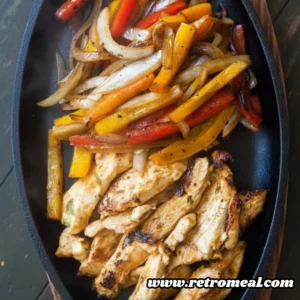
The Best Chicken Fajitas
Ingredients
- 1.5 pounds skinless, boneless chicken breasts
- Salt, to taste
- 2 tbsp canola or extra virgin olive oil
- 1 large onion, sliced lengthwise into 1/4-inch strips
- 3 large bell peppers (various colors), sliced into 1/4-inch strips
- 0.25 cup chopped fresh cilantro
- 0.5 jalapeño pepper, seeded and minced
- 1 clove garlic, minced
- 3 tbsp extra virgin olive oil (for marinade)
- 2 tbsp lime juice
- 0.5 tsp salt
- 0.5 tsp ground cumin
- 0.5 tsp chili powder
- 12 flour tortillas
- Toppings: salsa, guacamole, sour cream, and shredded lettuce
Instructions
- If chicken breasts are thicker than 3/4 inch, slice them in half horizontally to create thinner cutlets for even cooking.
- Whisk together cilantro, jalapeño, garlic, 3 tbsp olive oil, lime juice, salt, cumin, and chili powder in a container.
- Add chicken to the marinade, coat well, and let sit for 30 minutes at room temperature or up to 8 hours in the fridge.
- Remove chicken from marinade, wipe off excess liquid, and sprinkle with a bit of salt.
- Heat 1 tbsp oil in a cast iron skillet on high until smoking. Sear chicken 2-3 minutes per side until well-browned.
- Remove chicken to a board, stack the pieces, and cover with foil to rest for 5 minutes.
- Add remaining oil to the skillet. Sauté onions and peppers for 4 minutes, scraping up browned bits, until slightly charred.
- Slice chicken across the grain into strips. Serve immediately with the peppers, onions, and warm tortillas.
Notes
Equipment
- Cast iron frying pan
- cutting board
- aluminum foil
- Metal spatula
- mixing bowl