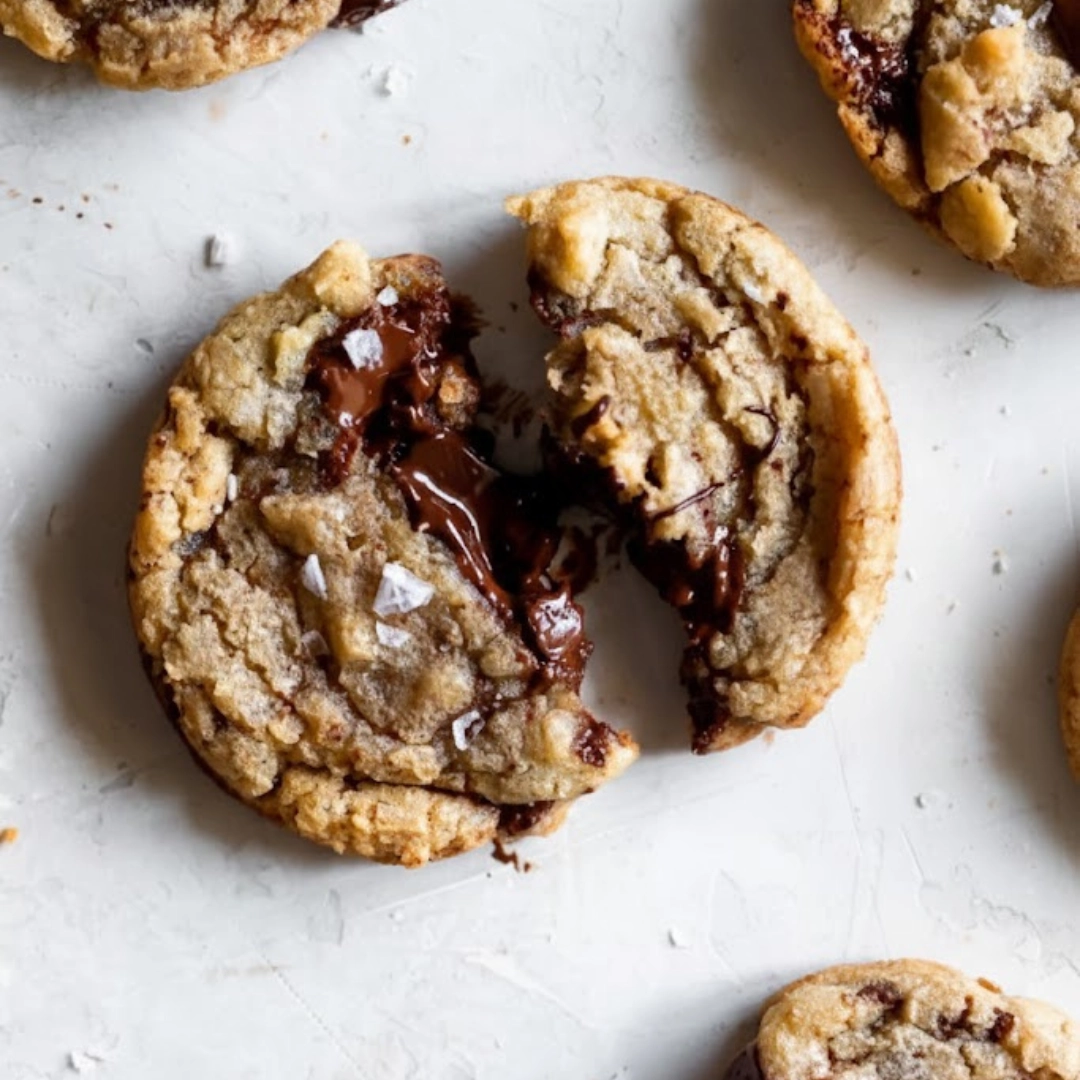
If you are searching for The BEST Chewy Chocolate Chip Cookies, you’ve come to the right place. This recipe is the result of focused testing and precise ingredient manipulation designed specifically to maximize chewiness and flavor.
Unlike standard recipes that often yield a flatter, crispier, or overly cakey result, this method ensures a perfectly soft center, crinkled edges, and an enduring chew. We ditch the traditional creaming method and focus on the science of baking.
Based on professional culinary techniques, achieving a chewy texture is a matter of managing the fat, sugar, and protein ratios. After testing this recipe multiple times, we found the key is using melted butter and a strategic blend of sugars and flour that limits spread while retaining moisture. This approach consistently delivers a superior texture that keeps the cookies moist for days.
Essential Ingredients and Why They Work
The quality and state of your ingredients are critical to the final texture of The BEST Chewy Chocolate Chip Cookies.
The Importance of Melted Butter for Texture
Most cookie recipes call for creaming softened butter with sugar. While this method incorporates air for a cakey texture, it is counterproductive for chewiness. Melted butter, used in this recipe, changes the physical structure of the dough.
The moisture content in melted butter helps coat the flour proteins, delaying the formation of gluten. This ensures the final baked cookie is dense and soft rather than airy and crisp. Using warm, melted butter is the first non-negotiable step to achieving an expert chew.
Choosing the Right Flour for an Expert Chew (Bread vs. All-Purpose)
This recipe is optimized using bread flour, which has a higher protein content than standard all-purpose flour (around 12-14% versus 10-12%). This higher protein content creates a stronger gluten network when combined with the dough’s moisture, resulting in a significantly chewier and more structured cookie.
- Bread Flour: Higher protein equals more structure and better chew.
- All-Purpose Flour: Can be used, but the cookies may spread slightly more and be less intensely chewy.

Sugar Ratio: The Secret to Moisture and Spread
We use a higher proportion of brown sugar to granulated white sugar. Brown sugar contains molasses, which is acidic and hygroscopic, meaning it holds onto moisture. This high moisture content prevents the cookie from drying out during baking, directly contributing to the desired softness and chewiness.
- Brown Sugar: Ensures moisture retention and chewiness.
- Granulated Sugar: Provides necessary structure and aids in spread.
Step-by-Step Instructions for Perfect Cookie Dough
Preparing the Wet Ingredients (The Emulsification Technique)
Combine the warm, melted butter with both brown and granulated sugars. Whisk vigorously for about 30 seconds until the mixture is uniform and slightly glossy. Next, whisk in the eggs and vanilla extract. Whisking ensures the ingredients are fully emulsified, creating a stable base that prevents the dough from separating or spreading excessively later.

Incorporating Dry Ingredients (Avoiding Overmixing)
In a separate bowl, whisk together the bread flour, baking soda, and salt. Add the dry ingredients to the wet ingredients all at once. Mix only until a few streaks of flour remain visible. Overmixing develops too much gluten, which can lead to tough, rather than chewy, cookies.
Finally, fold in your chocolate chips. For a completely different but equally delicious meal, consider checking out this savory recipe for shredded chicken recipe which offers a great contrast to this sweet treat.
Mastering the Dough Chill: Time, Temperature, and Flavor
The Science of Chilling: Flavor Development and Preventing Spread
Chilling the cookie dough is not merely a suggestion; it is a critical step for developing both flavor and texture.
- Hydration: Chilling allows the flour proteins time to fully hydrate, preventing a gritty texture.
- Flavor: As the dough rests, the ingredients mingle and the sugars begin to break down, deepening the caramel flavor through the Maillard reaction.
- Structure: Most importantly, chilling solidifies the melted butter. Cold, firm fat melts slower in the oven, limiting how quickly the cookies spread and ensuring they bake up thick and chewy.
We recommend a minimum chill time of 2 hours, but the best results are achieved after 24 hours.
Shaping and Spacing Tips for Uniform Baking
Scoop the chilled dough using a 3-tablespoon ice cream scoop for large, uniform cookies. Roll the scoops into tall, slightly oblong balls, not perfectly round spheres. This height helps the cookie stay thick as it bakes. Place the dough balls at least 2 inches apart on a parchment-lined baking sheet to allow for slight spread without crowding.
Professional Baking Method for Soft Centers
The Visual Cues for Doneness (No Guesswork)
Bake the cookies at 375 or 190 . The exact baking time will vary based on your oven and cookie size, but generally, it takes 10-12 minutes.
The professional cue for doneness is visual:
- The edges should be set and golden brown.
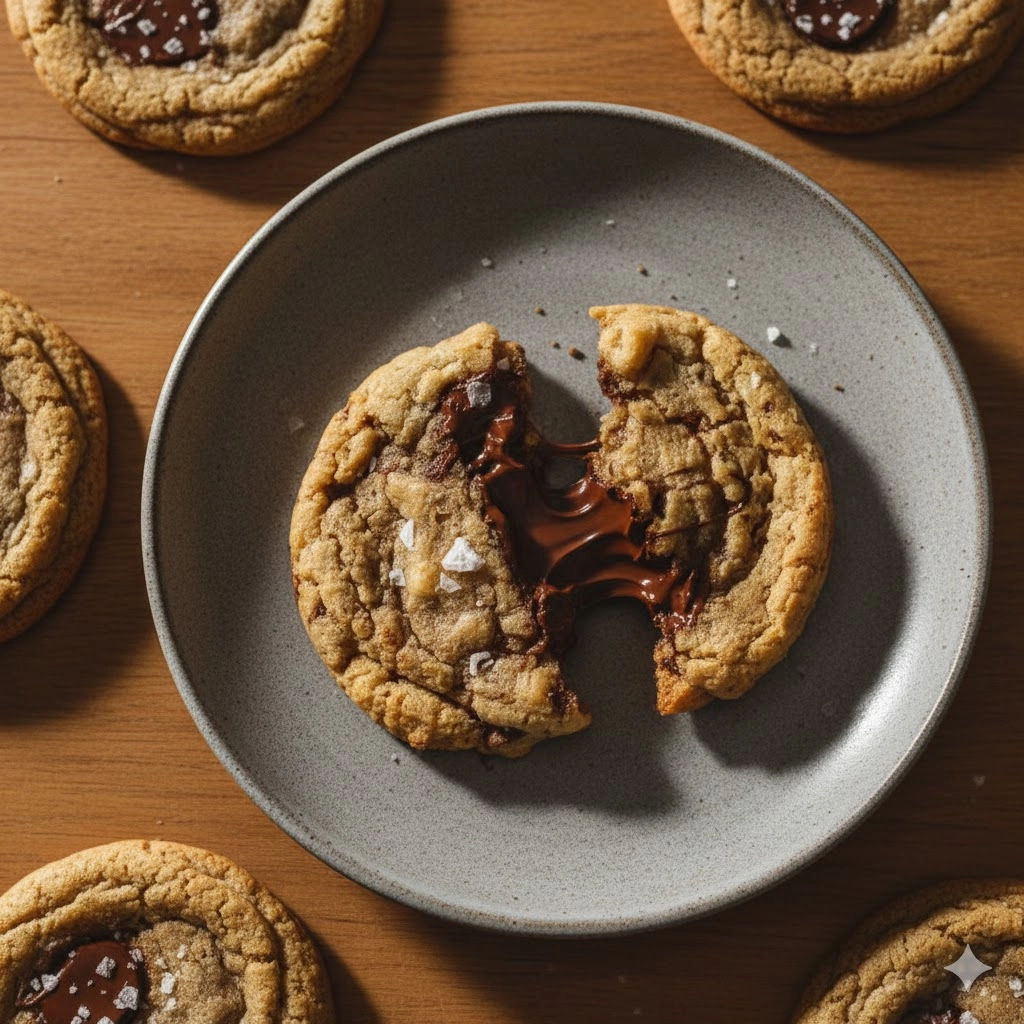
- The centers should still look soft, puffy, and slightly underbaked.
Slightly underbaking is essential to guarantee a perpetually chewy center. The cookie will continue to cook on the sheet after it is removed from the oven.
Cooling and Setting: The Critical Final Step
Immediately upon removing the pan from the oven, use a large, round cookie cutter or glass to gently scoot the edges of each cookie back toward the center. Swirl the cutter around the warm cookie to create a perfectly round, thick shape. Let the cookies cool on the baking sheet for 5-10 minutes to finish setting before transferring them to a wire rack.
Recipe Variations and Flavor Additions
Chocolate Selection: Chips, Chunks, or Discs?
The type of chocolate significantly impacts the texture of the final bite. We highly recommend using a mix of large chocolate chunks and regular chips. The chunks melt slower, creating pockets of rich, molten chocolate that add complexity and chew.
- Dark Chocolate (60-70% Cacao): Provides the best flavor contrast to the sweet dough.
- Chocolate Discs: Ideal for presentation, as they melt into beautiful puddles on top of the cookie.
Expert Substitutions (Brown Butter, Egg-Free Options)
For an elevated flavor, you can substitute the melted butter with brown butter. Simply melt the butter and continue cooking it until the milk solids turn a nutty brown color. Cool it slightly before using. For an egg-free option, substitute the eggs with a flax egg (1 tablespoon ground flaxseed mixed with 3 tablespoons water, allowed to sit for 5 minutes).
Troubleshooting Common Cookie Issues
Why Your Cookies Spread Too Thin (Flat Cookies)
If your cookies spread too much and look flat, the cause is usually one of three things:
- Insufficient Chilling: The fat (melted butter) was not firm enough before baking. Always chill for a minimum of 2 hours.
- Oven Temperature: Your oven may be running cooler than indicated. Use an oven thermometer to verify the temperature.
- Too Much Leavener: Excess baking soda can cause rapid spread. Ensure your measurements are precise.
How to Prevent Cakey or Dry Results
Cakey cookies result from too much air being incorporated into the dough, typically by creaming the butter or overmixing the flour. This recipe bypasses the creaming step. If your cookies are dry:
- You may have used too much flour (always spoon and level, never scoop directly from the bag).
- They were baked too long (pull them when the centers still look soft).
Storing and Serving Your Chewy Chocolate Chip Cookies
Store baked The BEST Chewy Chocolate Chip Cookies in an airtight container at room temperature for up to 5 days. For long-term storage, freeze the individual cookie dough balls on a baking sheet, then transfer them to a freezer-safe bag. Bake from frozen, adding 2-4 minutes to the total baking time.
For serving, these are best when slightly cooled to allow the structure to set, served with a glass of cold milk.
Frequently Asked Questions (FAQs)
Why is melting the butter important for chewiness?
Melting the butter reduces the water content in the dough compared to using softened butter. Critically, it also forces out air, which inhibits gluten development. Less air and less gluten development result in a denser, moister, and ultimately chewier cookie texture, rather than a cakey one.
Can I use all-purpose flour instead of bread flour?
Yes, you can substitute all-purpose flour, but it will reduce the intensity of the chewiness. All-purpose flour has lower protein content, which creates a slightly weaker structure. If using all-purpose flour, consider reducing the total amount by 1-2 tablespoons to maintain the intended moisture level.
How long should I chill the cookie dough?
A minimum of 2 hours is required for the butter to firm up and control spread. For the absolute BEST Chewy Chocolate Chip Cookies flavor and texture, a 24-hour chill is recommended, which deepens the flavor profile considerably.
What is the ideal internal temperature for a perfectly baked chewy cookie?
The ideal internal temperature for a soft-centered, chewy cookie is typically around 180 to 190 or 82 to 88 . If you use a food thermometer, check the center before pulling the cookies from the oven.
How do I store leftover baked cookies and cookie dough?
Baked cookies are stored in an airtight container at room temperature for up to 5 days. You can also freeze the baked cookies for up to 3 months. Cookie dough can be chilled for up to 3 days or frozen for up to 3 months.
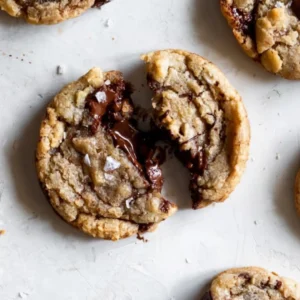
The BEST Chewy Chocolate Chip Cookies
Ingredients
- 1 cup unsalted butter, melted and warm
- 1 1/4 cups packed brown sugar
- 1/2 cup granulated sugar
- 2 large eggs
- 2 tsp vanilla extract
- 2 1/4 cups bread flour (or all-purpose flour)
- 1 tsp baking soda
- 1/2 tsp salt
- 2 cups semisweet chocolate chips or chunks
Instructions
- In a large bowl, whisk together melted warm butter, brown sugar, and granulated sugar until glossy and combined (about 30 seconds).
- Add the eggs and vanilla extract. Whisk again until emulsified and smooth.
- In a separate bowl, whisk together bread flour, baking soda, and salt. Add dry ingredients to wet ingredients and mix until just combined.
- Fold in chocolate chips or chunks, being careful not to overmix.
- Chill dough for at least 2 hours, preferably 24 hours, to develop flavor and texture.
- Preheat oven to 375°F (190°C). Scoop dough into 3-tablespoon balls and place on parchment-lined baking sheet, 2 inches apart.
- Bake for 10–12 minutes or until edges are golden and centers look just underbaked.
- Immediately after baking, use a cookie cutter or glass to swirl and round the cookies if desired. Cool on sheet for 5–10 minutes before transferring to a rack.
Notes
Equipment
- mixing bowls
- whisk
- rubber spatula
- ice cream scoop (3 tbsp)
- baking sheet
- parchment paper
- oven
- cookie cutter or glass (for swirling)
- wire cooling rack