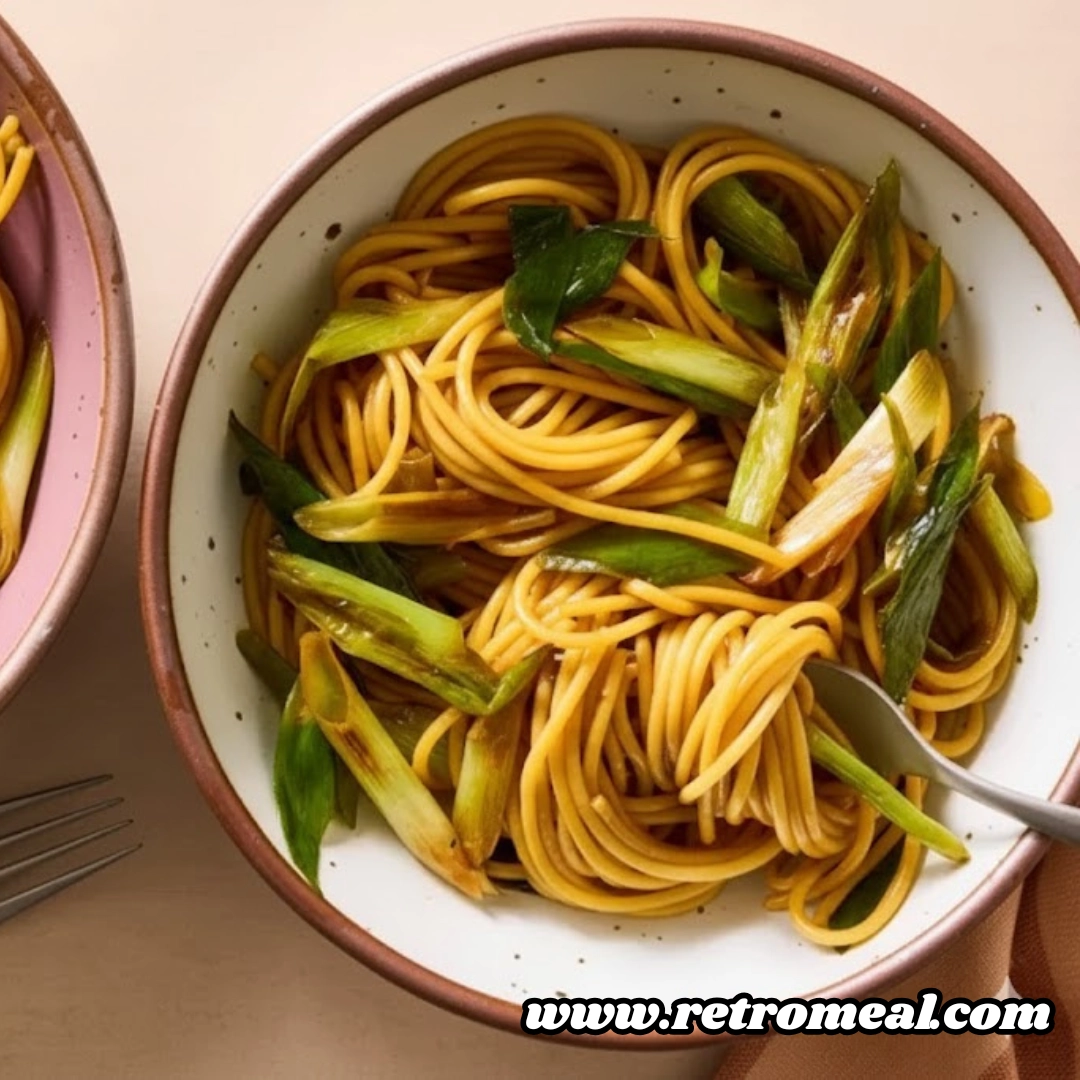
The beauty of a perfect meal often lies in its restraint. While many modern recipes demand a laundry list of exotic spices and complex techniques, The 4-Ingredient Scallion Pasta proves that a few humble pantry staples can create a dish of profound depth and comfort. This recipe is a thoughtful bridge between the traditional Shanghainese “cong you ban mian” and the accessibility of a weeknight Italian pasta dinner. By slowly extracting the aromatic essence of fresh scallions into a warm oil and balancing it with the savory-sweet profile of soy sauce and sugar, you transform basic spaghetti into a silky, umami-rich masterpiece. It is a testament to the power of low-and-slow cooking, turning the sharp bite of a green onion into a mellow, buttery treat that clings beautifully to every strand of noodle.
Table of Contents
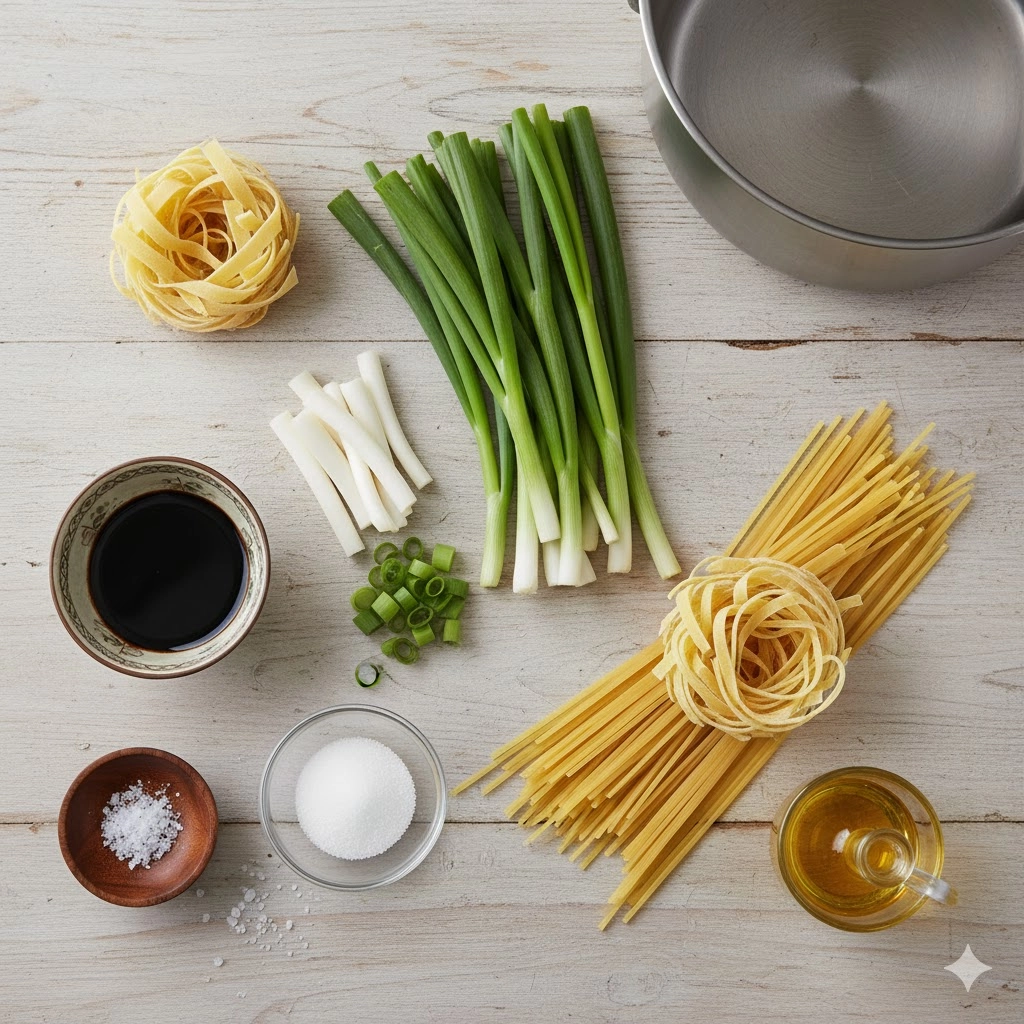
Ingredients
- Salt for pasta water
- One fourth cup vegetable oil
- Ten scallions, about five ounces, ends trimmed and sliced into one inch lengths, with white and green parts separated
- Two tablespoons Kikkoman soy sauce or one tablespoon each Chinese light and dark soy sauce
- One teaspoon granulated sugar
- One pound dried pasta, such as spaghetti, linguine, or pappardelle
Instructions
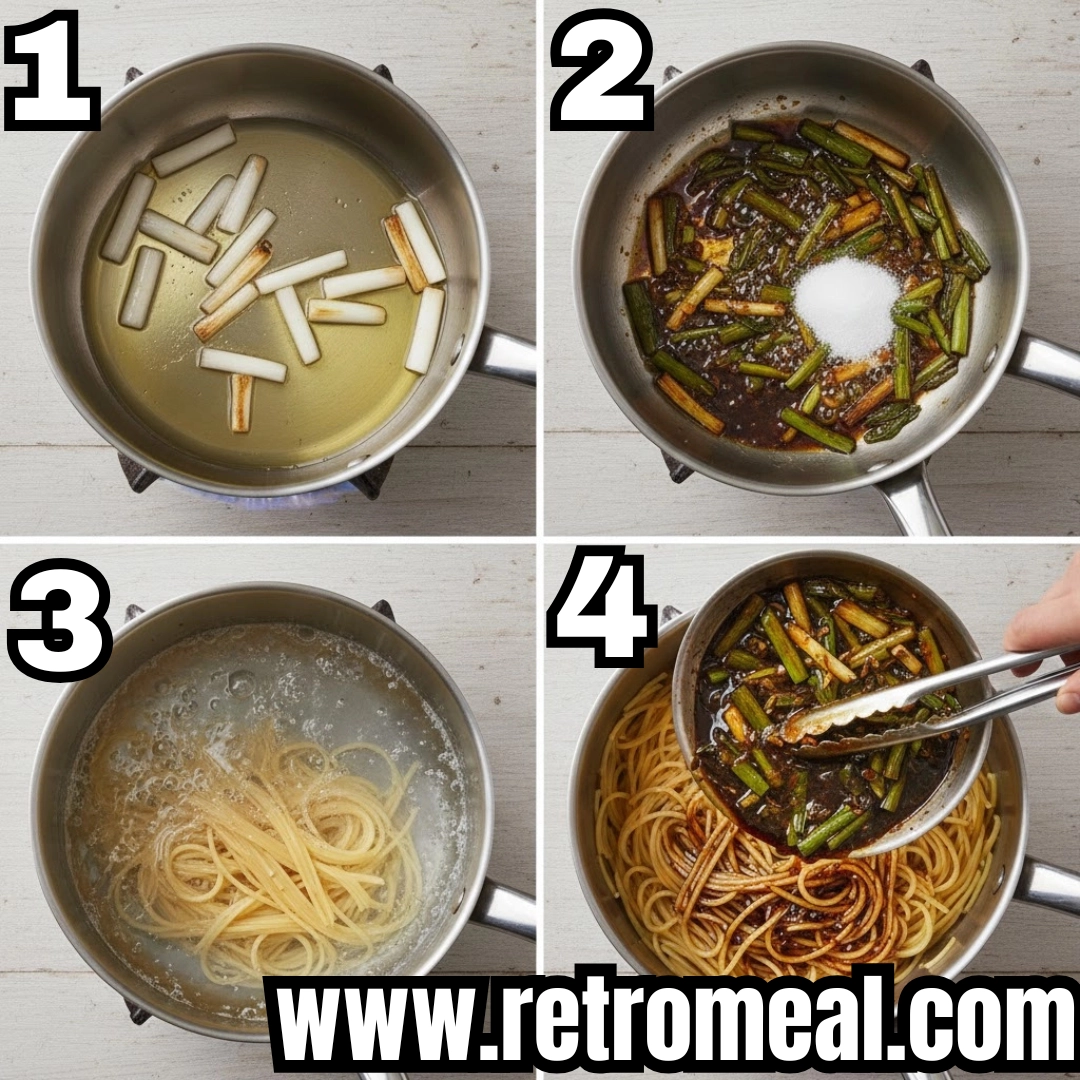
- Begin by bringing a large pot of water to a rolling boil. Season the water generously with salt to ensure the pasta is flavored from the inside out.
- While the water reaches a boil, prepare your aromatics. Place a small frying pan over low heat and add the vegetable oil along with the white parts of the sliced scallions.
- Allow the scallion whites to fry gently, stirring occasionally, until they become soft and develop a light golden brown color around the edges. This process should take approximately eight minutes.
- Introduce the green portions of the scallions into the pan. Continue to fry over low heat for another five minutes, until every piece of scallion is tender and takes on a deep, browned hue.
- Pour the soy sauce and the granulated sugar into the frying pan with the oil and scallions. Allow the mixture to bubble up and cook for one to two minutes, stirring constantly until the sugar dissolves and the bubbling subsides. Remove the pan from the heat and set it aside.
- Drop your dried pasta into the boiling water. Cook according to the specific timing instructions on the package until it reaches your desired texture.
- Drain the cooked pasta thoroughly and return it to the large pot.
- Pour the warm scallion oil and sauce mixture over the pasta. Toss vigorously until every strand is completely coated and the scallions are evenly distributed. Serve the dish immediately while hot.
Step-by-Step Details
The secret to The 4-Ingredient Scallion Pasta is not just the components, but the patience applied during the frying process. When you start with the scallion whites in the cold oil, you are initiating a gentle infusion. As the oil temperature rises slowly, the cell walls of the scallions break down, releasing their natural sugars and aromatic sulfur compounds into the fat. This isn’t a flash-fry; it is a confit. You want to see the oil shimmering and tiny bubbles surrounding the scallion pieces, but you should never hear a violent sizzle. If the oil begins to smoke, the heat is too high, which will result in a bitter flavor rather than the sweet, caramelized depth we are aiming for.
As the whites begin to turn translucent and then a pale toasted tan, adding the greens introduces a different texture. The greens are more delicate and will wilt quickly, absorbing the flavored oil. By the time the full thirteen minutes of frying are complete, the scallions should be dark and incredibly tender. Unlike some versions that fry scallions until they are crispy and then discard them, this method keeps the scallions in the sauce, allowing them to provide a melt-in-your-mouth contrast to the al dente pasta.
When you add the soy sauce and sugar to the hot oil, a beautiful emulsification begins to happen. The sugar acts as a bridge between the salty soy and the rich oil, creating a glaze-like consistency. This brief bubbling phase is crucial—it slightly reduces the soy sauce, intensifying its umami character and ensuring the sugar is fully integrated so there is no graininess in the final bite.
Deep-Dive FAQ
Can I use a different type of oil if I do not have vegetable oil?
Yes, you can certainly substitute vegetable oil with other neutral oils that have a high smoke point, such as grapeseed oil, canola oil, or even a light peanut oil. It is best to avoid extra virgin olive oil for this specific recipe because its strong, peppery flavor profile can compete with the delicate aroma of the fried scallions. The goal is to use a fat that acts as a blank canvas, allowing the essence of the scallion to be the primary flavor driver of the sauce.
Is it possible to make this dish gluten free?
Absolutely. To make this recipe gluten free, you simply need to make two easy swaps. First, use your favorite gluten free long pasta, such as a brown rice spaghetti or a corn-based linguine. Second, replace the soy sauce with an equal amount of tamari or a gluten free liquid aminos. Since the sauce relies heavily on the soy component for both color and salt, ensure your substitute is high quality to maintain the depth of flavor that defines this Shanghainese-inspired dish.
How do I store and reheat leftovers?
If you happen to have leftovers, they can be stored in an airtight container in the refrigerator for up to three days. Because the sauce is oil-based, the pasta may appear to “clump” together once chilled. To reheat, place the pasta in a skillet over medium-low heat with a small splash of water or a tiny bit more oil. Toss gently until the oil melts and the noodles are heated through. Avoid using the microwave if possible, as it can sometimes make the pasta rubbery and cause the oil to separate unevenly.
Unique Culinary Insights
The choice of soy sauce is the most impactful decision you will make in this recipe. While traditional “cong you ban mian” utilizes a specific ratio of light soy sauce for saltiness and dark soy sauce for a deep, molasses-like color and sweetness, this version simplifies things by using Kikkoman. This specific Japanese-style soy sauce is a “koikuchi” variety, which means it is naturally darker and more robust than Chinese light soy sauce but thinner than dark soy sauce. It provides a perfect middle ground that works exceptionally well with the starchiness of Italian pasta.
Another insight involves the pasta water. While the recipe calls for draining the pasta, many seasoned home cooks find that keeping about two tablespoons of the starchy cooking water can help the oil and soy sauce emulsify even further. If you find your pasta looks a little dry once you have tossed it with the oil, a tiny splash of that salted water will create a glossy, restaurant-quality sheen that helps the scallions stick to the noodles rather than falling to the bottom of the bowl.
Modifications & Substitutions
While the four-ingredient version is a minimalist dream, there are several ways to adapt this recipe based on what you have in your kitchen. If you cannot find scallions, you could technically use the white and light green parts of leeks, though you would need to slice them very thinly to mimic the texture of the scallions. The flavor will be slightly sweeter and more onion-forward, but still delicious.
If you prefer a bit of heat, adding a teaspoon of red chili flakes or a dollop of chili crisp to the oil at the same time you add the soy sauce will provide a spicy kick that cuts through the richness of the oil. For those who enjoy a more acidic finish, a few drops of Chinkiang black vinegar (or a mild balsamic or rice vinegar) added right before serving can brighten the entire dish and provide a complex tang that complements the savory soy.
Accompaniments & Serving
This pasta is incredibly satisfying on its own, but it also serves as a fantastic base for various proteins. A popular addition is a crispy fried egg placed right on top; the runny yolk mingles with the scallion oil to create an even richer sauce. If you want to lean into the traditional Chinese roots of the dish, serving it with a side of smashed cucumber salad seasoned with garlic and sesame oil provides a refreshing, crunchy contrast to the warm, soft noodles.
For a heartier meal, you might consider serving this alongside some pan-seared bok choy or even some simple grilled shrimp. The flavors are versatile enough that they won’t clash with most proteins. When serving, ensure you use a wide bowl rather than a flat plate to keep the noodles nestled together, which helps retain the heat and keeps the sauce from spreading too thin.
Nutritional Profile and Health Considerations
Nutrition Table
| Nutrient | Amount Per Serving |
| Calories | 580 |
| Total Fat | 18 grams |
| Saturated Fat | 3 grams |
| Sodium | 650 milligrams |
| Total Carbohydrates | 88 grams |
| Dietary Fiber | 4 grams |
| Sugars | 5 grams |
| Protein | 15 grams |
Disclaimer
The nutritional information provided is an estimate based on standard ingredients and may vary depending on the specific brands or types of pasta and soy sauce used. Please consult with a healthcare professional or a registered dietitian if you have specific dietary needs or health concerns.
Embracing Simple Culinary Excellence
There is a unique joy in discovering a recipe that requires so little but gives so much. This 4-Ingredient Scallion Pasta is more than just a quick dinner; it is a lesson in the chemistry of flavor extraction and the versatility of the pantry. Whether you are using traditional wheat noodles or a box of spaghetti found in the back of the cupboard, the result is always a comforting, aromatic bowl of goodness. Once you master the art of the slow-fried scallion, you will find yourself returning to this method again and again for a reliable and delicious meal.
The 4-Ingredient Scallion Pasta
Ingredients
- 1 pound dried pasta (spaghetti, linguine, or pappardelle)
- 0.25 cup vegetable oil
- 10 whole scallions (ends trimmed, 1-inch lengths, whites and greens separated)
- 2 tbsp Kikkoman soy sauce (or 1 tbsp each light and dark soy sauce)
- 1 tsp granulated white sugar
- to taste salt for pasta water
Instructions
- Bring a large pot of water to a boil and season generously with salt.
- In a small frying pan, combine the vegetable oil and the white parts of the scallions over low heat.
- Fry the scallion whites for about 8 minutes, stirring occasionally, until they are soft and lightly browned around the edges.
- Add the scallion greens to the pan and continue frying on low for 5 more minutes until all scallions are tender and browned.
- Stir in the soy sauce and sugar. Let the mixture bubble for 1 to 2 minutes until the sugar dissolves and bubbling subsides, then remove from heat.
- Cook the pasta in the boiling water according to package directions until al dente.
- Drain the pasta and return it to the pot. Pour the scallion oil mixture over the noodles.
- Toss thoroughly until the pasta is evenly coated and serve immediately while hot.
Notes
Equipment
- Large pasta pot
- Small frying pan or skillet
- colander
- tongs or pasta fork