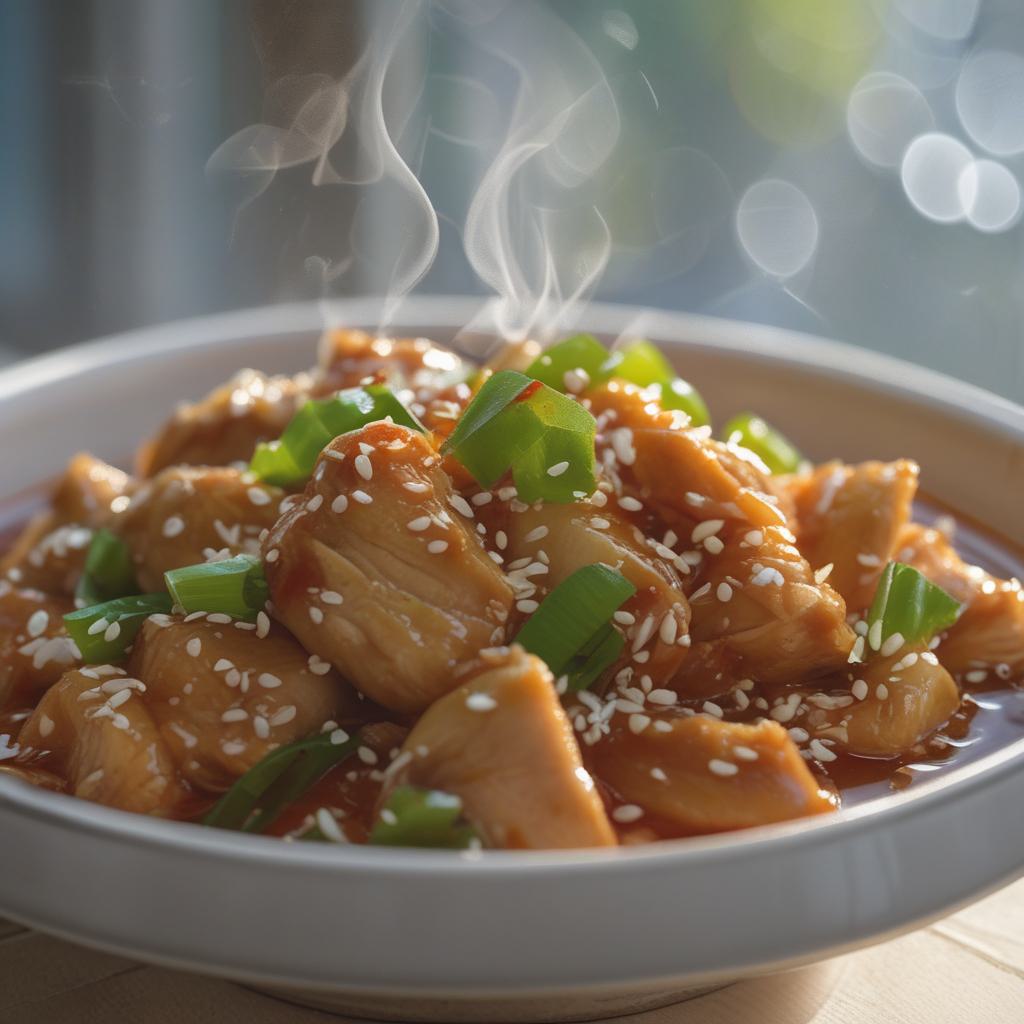
The moment your slow cooker lid lifts, a fragrant steam rises like culinary theater – caramelized ginger pirouetting with toasted sesame, pungent garlic waltzing with sweet-savory soy. This is teriyaki reimagined through slow alchemy, where humble chicken thighs transform into lacquered masterpieces. The genius lies in the “dump and go” approach that belies sophisticated flavor architecture. As bone-in thighs commune with tamari, mirin, and brown sugar over hours, connective tissue surrenders to silken perfection while the sauce reduces to sticky nirvana. Food scientists would applaud how the slow cooker’s 190°F/88°C simmer perfectly dissolves collagen into gelatin while preventing protein squeeze-out – but home cooks simply swoon over chopsticks gliding through mahogany-glazed meat. Unlike rushed stir-fries, this method coaxes out umami dimensions: shiitake mushrooms’ earthy bass notes, rice vinegar’s bright treble, and honey’s floral whispers harmonizing into a symphony that clings voluptuously to every grain of jasmine rice. For professionals seeking weeknight elegance, this dish proves that patience, not complexity, is the ultimate luxury ingredient.
Table of Contents
Ingredient Deep Dive
| Ingredient | Quantity | Purpose |
|---|---|---|
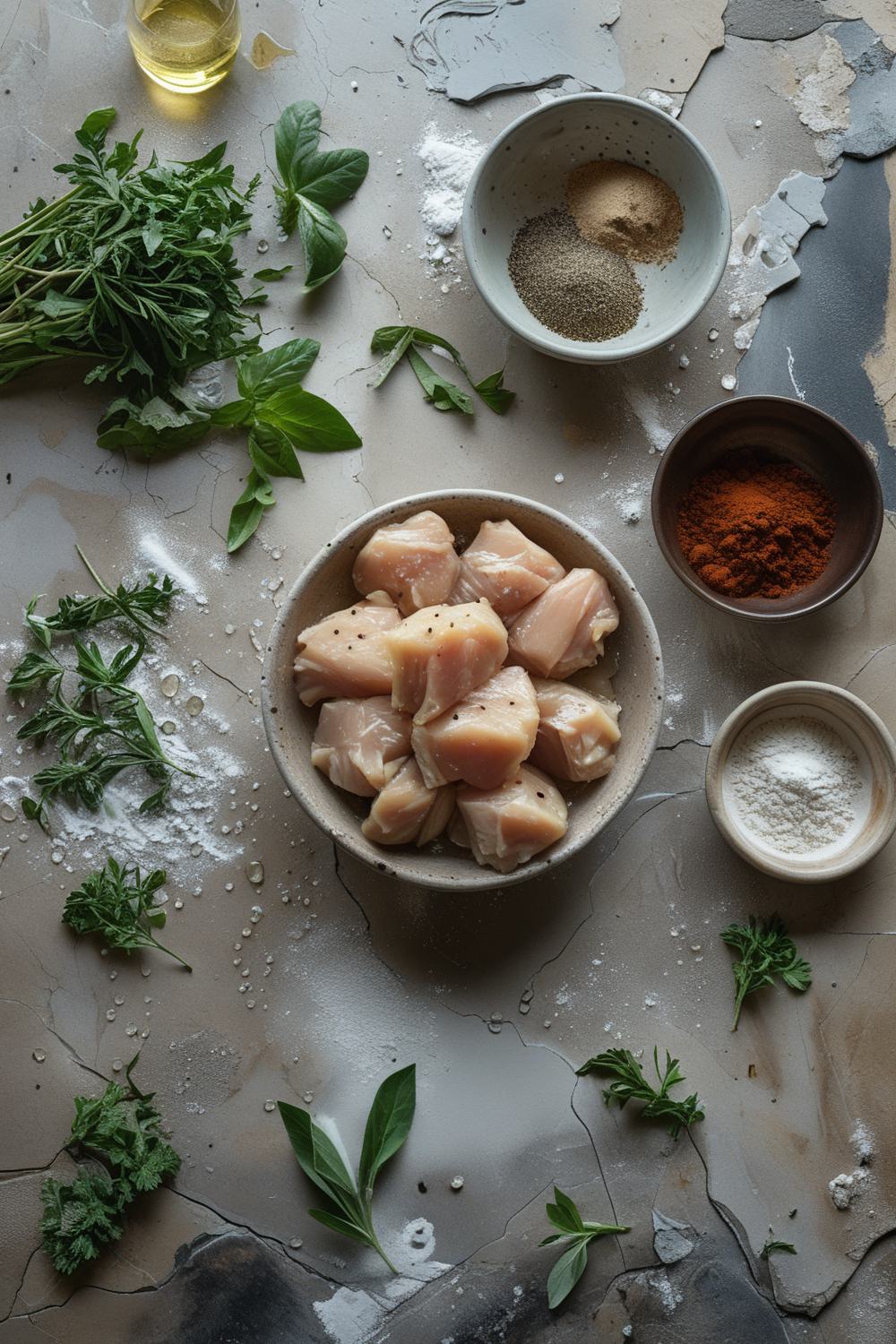
| Bone-in chicken thighs | 6 pieces | Fat content prevents drying during slow cooking; bones add collagen |
| Tamari soy sauce | 3/4 cup | Glutamate-rich base for umami; milder than regular soy sauce |
| Mirin | 1/2 cup | Adds sweetness and sheen; alcohol tenderizes proteins |
| Dark brown sugar | 1/3 cup | Maillard reaction accelerator; balances salt with molasses depth |
| Fresh ginger (grated) | 2 tbsp | Zingiberene oils cut richness; protease enzymes tenderize meat |
The triumvirate of tamari, mirin, and brown sugar forms the teriyaki trinity, each element carefully calibrated. Tamari’s higher protein content (compared to standard soy sauce) creates superior viscosity when reduced. Mirin’s 14% alcohol content acts as a solvent, extracting fat-soluble flavors from ginger and garlic while its sugars invert into glossy fructose under heat. Brown sugar’s acidic molasses (pH 5.5) lowers the Maillard reaction threshold, browning proteins at the slow cooker’s lower temperature.
Bone-in thighs are non-negotiable – their 15% fat content emulsifies into the sauce, while collagen converts to gelatin over 6 hours, creating that coveted unctuous mouthfeel. Fresh ginger’s protease enzymes (gingerols) act as natural meat tenderizers, breaking down myosin strands. When heated, its zingiberene oils transform from pungent to sweet floral notes, bridging the gap between savory and sweet elements.
Substitutions & Swaps
For gluten-free needs, use certified GF tamari OR coconut aminos; note the latter is sweeter (reduce brown sugar by 25%). Vegan adaptations shine with king oyster mushrooms – their longitudinal fibers mimic pulled chicken when slow-cooked. Replace mirin with 1/4 cup apple juice + 2 tbsp rice vinegar to maintain acidity without alcohol.
In pantry emergencies, substitute brown sugar with equal parts white sugar + 1 tsp molasses. Fresh ginger can be swapped with 1 tsp ground ginger added during the last hour (to prevent bitterness). For lower sodium, use low-sodium tamari and halve the added salt, boosting flavor with 1 tbsp mushroom powder. Honey works instead of sugar but add it in the last 30 minutes to prevent scorching.
Equipment Guide
A 6-quart oval slow cooker is ideal for even heat distribution around thighs. Avoid round models where crowded thighs steam rather than braise. Use microplane zesters for ginger – the fine grating maximizes surface area for flavor extraction. A fat separator proves essential for de-greasing sauce; attempting to skim with spoons removes precious emulsified liquid.
Though not mandatory, a infrared thermometer ensures your cooker heats to the optimal 190°F/88°C (below boiling). Finishing in a 12″ cast-iron skillet creates restaurant-worthy glaze; its retained heat caramelizes sauce faster than non-stick pans. For slicing, Japanese nakiri knives cleanly cut through chicken without shredding tender fibers.
Step-by-Step Walkthrough
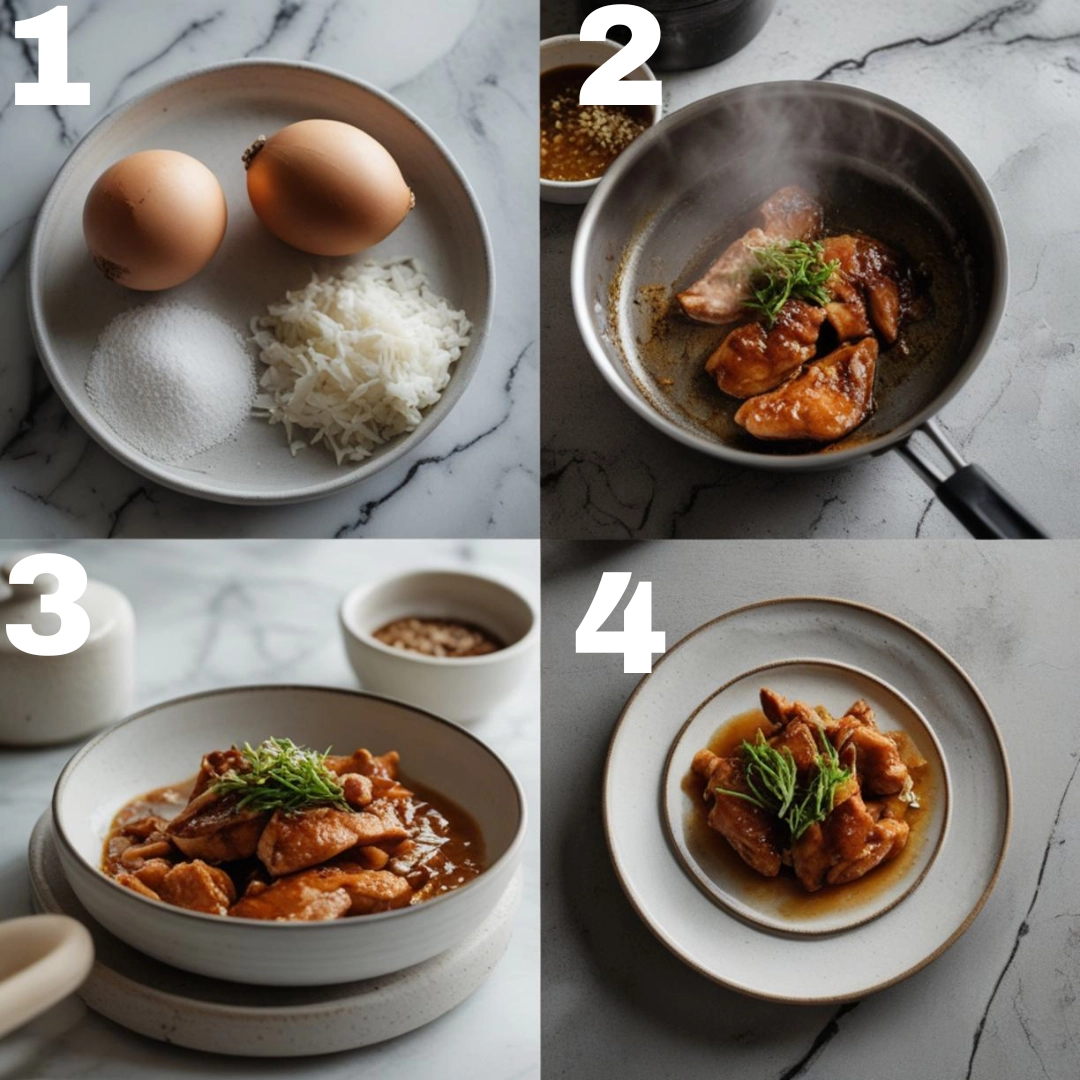
- Place chicken thighs skin-side up in slow cooker (ensuring no overlap)
- Whisk tamari, mirin, brown sugar, ginger, garlic, and rice vinegar in bowl
- Pour liquid evenly over chicken without displacing skin
- Cook LOW 5.5 hours until 195°F internal temp achieved
- Transfer thighs to tray; strain sauce into fat separator
- Skim fat; pour liquid into skillet with cornstarch slurry (1:1 ratio)
- Simmer 8-10 minutes until nape consistency (coats spoon thickly)
- Brush thighs with glaze; broil 90 seconds for caramelization
Pro tip #1: Cold chicken only! Adding room-temp thighs raises cooker temp dangerously, resulting in tough meat. Refrigerate until moment of use.
Pro tip #2: NO early stirring! Disturbing thighs before hour 4 disrupts collagen breakdown. Trust the process.
Pro tip #3: Strain through chinois rather than colander – it captures garlic/ginger solids while allowing viscous liquid through, preventing gritty texture.
Expert Tips & Troubleshooting
The Hallmark of Perfection: Sauce should coat a spoon thickly (nape stage at 220°F). If too thin, create slurry with 1 tbsp arrowroot + 2 tbsp cold sauce, whisk into main pot. Too thick? Add splash of unsalted chicken stock, not water, to maintain umami balance.
Preventing Greasiness: Use thighs skin-on but remove skin after cooking before glazing. The skin protects meat during slow cooking but becomes rubbery. Alternatively, refrigerate cooked thighs 20 minutes; solidified fat lifts off easily with slotted spoon.
Crisis Management: If you accidentally cooked HIGH instead of LOW, salvage by removing chicken at 3.5 hours (check temp immediately). Sauce will be watery – strain into saucepan, reduce by 1/3 before thickening.
Flavor Variations
Spicy Mango Twist: Add 1 cup frozen mango + 2 tsp gochujang with initial sauce – tropical sweetness balances heat. Pineapple Brightness: Substitute 1/3 cup mirin with pineapple juice; add 1/4 tsp citric acid for tang. Kid-Friendly: Skip garlic; use 1 tbsp orange marmalade + extra 2 tbsp brown sugar.
Japanese Knotweed Inspiration: Foraged spring variation – replace 25% tamari with 1/2 cup chopped knotweed stalks (similar to rhubarb acidity). Smoky Version: Add 1 tsp lapsang souchong tea leaves in sachet during final hour.
Storage & Reheating
Refrigerate components separately: glaze in airtight container (up to 2 weeks), chicken in broth (5 days). To reheat, place thighs in skillet with 2 tbsp reserved cooking liquid; cover medium-low 8 minutes. Never microwave – it degrades the gelatinized texture. Glaze should be rewarmed separately and brushed on after reheating.
FAQ Section
Can I use chicken breasts?
Not recommended – their 2% fat content dries out over 6 hours. If necessary, use boneless thighs.
My sauce tastes too salty – how to fix?
Stir in 1 tsp rice vinegar + 1/2 tsp honey; simmer 5 minutes to rebalance.
Can I freeze cooked teriyaki chicken?
Freeze UNGLAZED thighs in cooking liquid up to 3 months. Add fresh glaze after thawing/reheating.
Is fresh garlic better than powdered?
Essential for true depth – powdered garlic’s allicin dissipates during long cooking.
The Recipe Card
Transform six chicken thighs into lacquered perfection with just 10 minutes prep. Slow-cooked in tamari-mirin glaze, finished under broiler for caramelized crust. Serve over steam rice with blanched bok choy. Serves 4 adults generously.
Nutrition Information
| Nutrient | Per Serving |
|---|---|
| Calories | 480 |
| Protein | 38g |
| Carbs | 24g |
| Sodium | 890mg |
*Nutrition calculated with 70% glaze absorption. Actual values may vary based on ingredient brands and cooking variations.