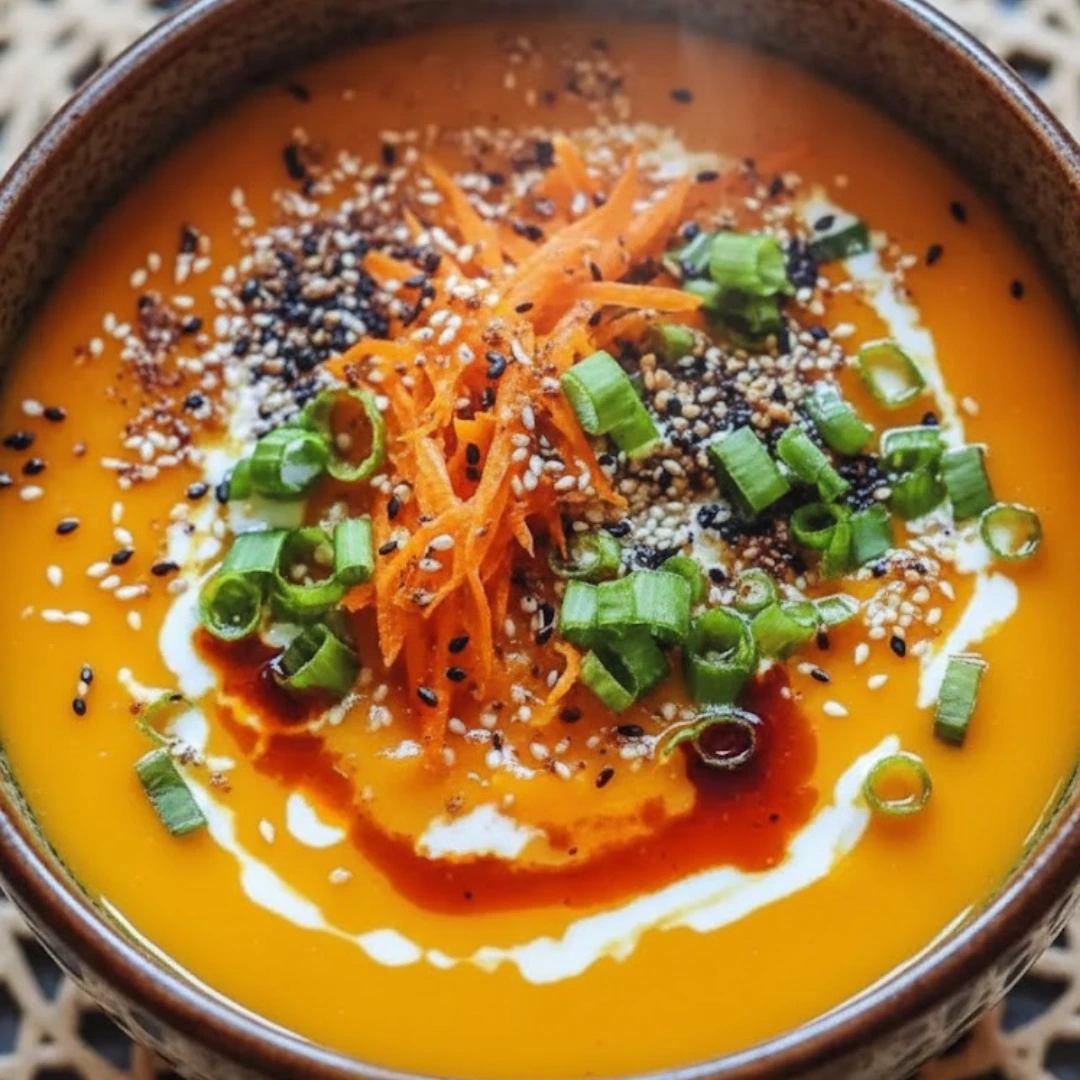
There is something profoundly soul-soothing about a bowl of soup that manages to be both light and incredibly deep in flavor. This Spicy Miso Carrot Soup is a masterclass in balance, bringing together the natural, earthy sweetness of roasted root vegetables with the fermented richness of white miso. Whether you are seeking a vibrant lunch to brighten a gray afternoon or an elegant appetizer for a dinner party, this recipe delivers a gourmet experience with humble pantry staples. By roasting the ingredients to achieve peak caramelization and finishing the dish with a handcrafted chili ginger oil, we transform the simple carrot into something truly extraordinary.
Table of Contents
Ingredients for the Golden Miso Base
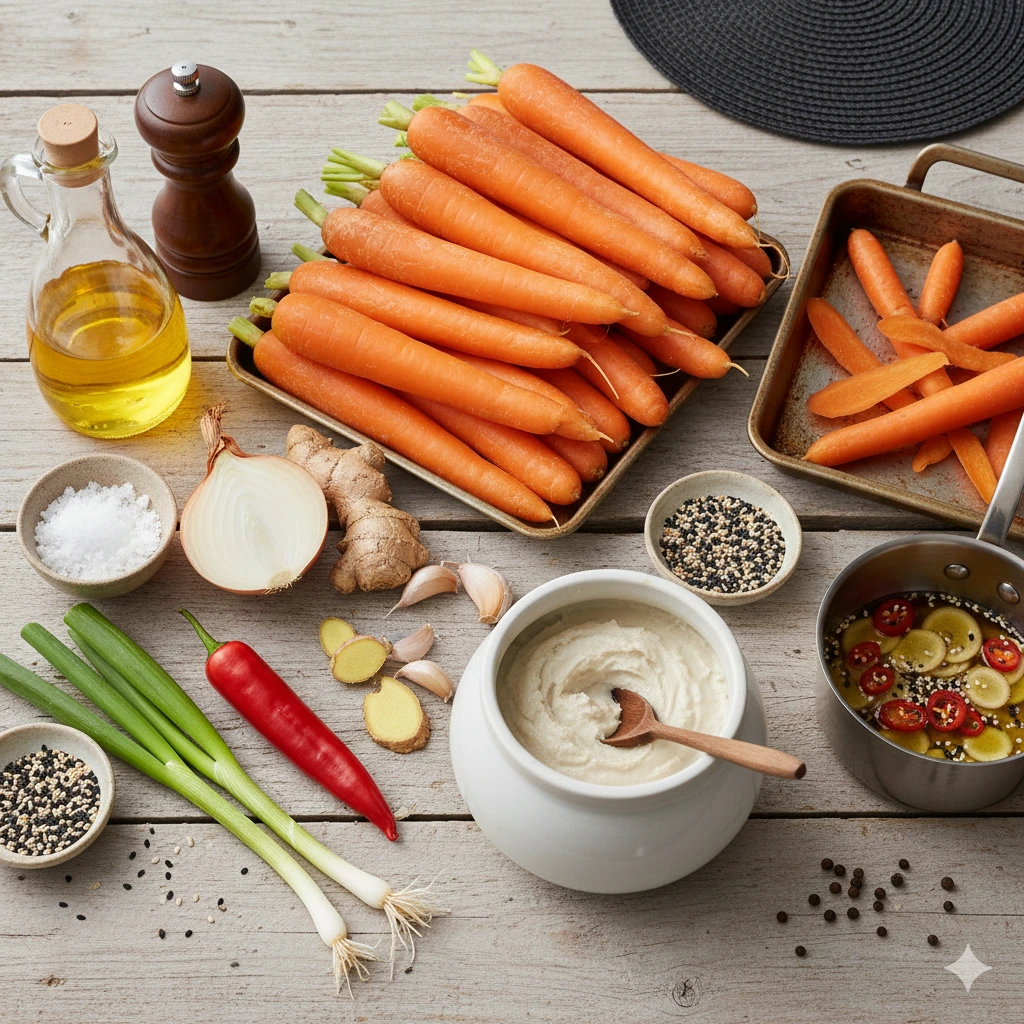
To create the foundation of this velvety soup, you will need a selection of fresh aromatics and hearty vegetables. Each component plays a specific role in building the complex flavor profile that defines this dish.
- 500 grams Carrots (You may substitute with roasted sweet potatoes for a different depth)
- 1 medium Onion
- 3 cloves Garlic
- 2 inches Fresh Ginger
- 1 whole Red Chilli (Remove seeds if you prefer a milder flavor)
- 3 tablespoons Miso Paste (White variety; ensure it is vegan-friendly)
- 750 milliliters Vegetable Stock
- 2 tablespoons Vegetable Oil
- Salt and Pepper to taste
For the Signature Chili Ginger Oil and Garnish
The magic of this recipe lies in the textures and the finishing oils that provide a professional touch.
- 2 tablespoons Mixed Seeds
- 2 stems Spring Onions
- 100 grams Reserved Carrot Peels (Saved for a zero-waste crispy topping)
Preparation and Cooking Instructions
- Begin by preheating your oven to 200 Celsius or 180 Celsius fan. This high heat is essential for the rapid caramelization of the natural sugars found in the carrots and onions.
- Prepare your carrot peels by washing them thoroughly before peeling. Season the peels lightly and place them in a small baking tin. Roast these for approximately 10 minutes until they are transformed into crispy, golden ribbons.
- In a separate large roasting tin, combine your sliced carrots, chopped onion, smashed garlic cloves, sliced ginger, and the whole red chili. Season the mixture generously with salt and pepper, toss with vegetable oil to coat every surface, and roast for 35 minutes. You are looking for tender vegetables with charred, caramelized edges.
- While the vegetables roast, prepare the chili ginger oil. Thinly slice additional ginger and red chili. Heat a small amount of vegetable oil in a saucepan, add the ginger and chili followed by the mixed seeds, and cook for 2 minutes until fragrant. Season to taste and set aside.
- Once the roasted vegetables are ready, transfer them into a high-speed blender. Add the white miso paste and the vegetable stock. Blend on high until the mixture is completely smooth and reaches a creamy, silk-like consistency.
- Pour the blended soup into a clean saucepan and simmer over medium heat for 5 minutes. This allows the flavors to meld and the miso to fully integrate. Taste and adjust the seasoning as needed.
- Ladle the hot soup into deep bowls. Garnish with the reserved crispy carrot peels, sliced spring onions, and a generous drizzle of the homemade chili ginger oil.

Achieving the Perfect Roasted Consistency
The secret to a world-class carrot soup isn’t just in the ingredients, but in the technique of roasting. When you boil carrots, you lose much of their structural integrity and flavor to the water. Roasting, however, initiates the Maillard reaction. This chemical process between amino acids and reducing sugars gives browned food its distinctive flavor. By roasting for the full 35 minutes, you ensure that the carrots develop a concentrated sweetness that acts as the perfect foil to the salty, savory notes of the miso.
During the roasting phase, keep an eye on the garlic and ginger. If they appear to be browning too quickly, you can tuck them under the carrot slices to protect them from the direct heat of the oven. The goal is a deep golden hue across the entire tray, which translates into a rich, amber-colored soup that looks as good as it tastes.
Masterclass in Flavor Balancing and Texture
When working with miso, it is important to understand its potency. White miso, or Shiro Miso, is fermented for a shorter period than red miso, giving it a milder, sweeter profile that pairs exquisitely with the natural sugars in carrots. However, because it is still quite salty, it is vital to taste your soup before adding additional salt during the final simmer.
The addition of fresh ginger and red chili provides a “bright” heat that sits on the front of the palate, while the miso provides a “deep” heat that lingers. If you find the soup is leaning too far into the spicy category, a small squeeze of lime juice or a teaspoon of maple syrup can help bring the flavors back into harmony. The citrus acidity cuts through the richness of the oil and the density of the root vegetables, making each spoonful feel light and refreshing.
Elevating Your Dish with Creative Accompaniments
While this soup is a powerhouse on its own, the right side dish can turn it into a full culinary event.
- Crusty Sourdough Bread: The natural acidity of a long-fermented sourdough provides a wonderful contrast to the creamy miso. It is the ideal vessel for scooping up the last drops of golden broth.
- Vegetable Gyoza: For a themed dinner, serving these Japanese dumplings on the side adds a chewy, savory element that mirrors the ginger and garlic notes in the soup.
- Soba Noodles: If you want to turn the soup into a more substantial meal, you can swirl cooked buckwheat soba noodles directly into the bowl. This adds an earthy, nutty flavor and plenty of satiety.
- Light Green Salad: A simple mix of baby greens tossed in a ginger-soy vinaigrette provides a crisp, cool counterpoint to the warm, spicy soup.
Modifications for Every Dietary Need
One of the best aspects of this recipe is its inherent flexibility. While the base is naturally vegan and dairy-free, there are several ways to tweak the formula to suit your pantry or preferences.
If you are looking for a more indulgent, tropical flair, try replacing 200 milliliters of the vegetable stock with full-fat coconut milk. This creates a “Miso-Thai” fusion that is incredibly luxurious on the tongue. For those who want more protein, stirring in a cup of cooked red lentils before blending will add body and nutritional density without altering the flavor profile significantly.
For a smoky variation, you can add a teaspoon of smoked paprika to the roasting tin. This mimics the depth of a smoked ham hock without using any animal products, providing a campfire-like warmth that is perfect for the peak of winter.
Deep Dive into Kitchen Science and Miso
Miso is a living food, often containing beneficial probiotics. While we simmer the soup for five minutes to ensure the flavors are well-integrated, avoid boiling the soup vigorously for long periods once the miso is added. Excessive heat can break down the delicate aromatic compounds of the ferment.
Furthermore, the “zero-waste” element of roasting the carrot peels isn’t just an eco-friendly gimmick. The peels contain a high concentration of terpenes, which are the compounds responsible for that “woody” and “citrusy” carrot aroma. By crisping them up, you are essentially concentrating the very essence of the carrot and using it as a textural highlight.
Expert Guidance and Common Queries
What type of carrots should I use for the soup?
Young, slender carrots are often preferred because their skins are thin and their cores are less fibrous. This results in a much smoother puree. However, if you only have large “horse” carrots, simply peel them thoroughly and ensure they are chopped into uniform sizes so they roast evenly. If carrots aren’t available, roasted sweet potatoes or butternut squash provide a similar sugar content and creamy texture.
How long can I store leftovers in the fridge?
This soup is a dream for meal prep. You can store it in an airtight glass container for up to 3 days. In fact, many people find that the ginger and chili flavors actually become more pronounced and “settled” after 24 hours. When reheating, do so gently on the stovetop and add a splash of water or stock if the soup has thickened too much in the cold.
Can I freeze Spicy Miso Carrot Soup?
Yes, this soup freezes beautifully because it does not contain dairy, which can sometimes split or become grainy upon thawing. Allow the soup to cool completely to room temperature before transferring it to freezer-safe bags or containers. It will stay fresh for up to 3 months. To serve, thaw it in the refrigerator overnight and whisk it well while reheating to restore the emulsion.
I do not have miso paste—what can I use as a substitute?
While nothing perfectly replicates the fermented funk of miso, you can achieve a similar umami profile by using a tablespoon of soy sauce or tamari combined with a teaspoon of tahini. The tahini provides the creaminess and fermented-seed flavor, while the soy sauce provides the necessary salt and depth.
What should I do if my soup is too thick?
The starch content in carrots can vary. If your soup resembles a puree more than a broth, simply thin it out with extra vegetable stock. Add the liquid 50 milliliters at a time until the soup coats the back of a spoon elegantly. Always re-season with a pinch of salt or a dash of pepper after thinning to ensure the flavors remain vibrant.
Can pets safely consume this soup?
It is vital to keep this dish away from your furry friends. While carrots are a healthy treat for dogs, this recipe contains onions and garlic, both of which are toxic to canines and felines even when cooked. Additionally, the high salt content from the miso and the heat from the chili can cause significant digestive distress for pets.
Storage, Freezing, and Reheating Procedures
To maintain the integrity of the chili ginger oil, store it separately at room temperature in a small jar. It will stay flavorful for about a week. For the soup itself, using glass storage containers is recommended to prevent the vibrant orange carotene in the carrots from staining your plasticware.
When reheating, avoid the microwave if possible. The stovetop allows you to monitor the consistency and ensures even heating. If the soup has been frozen, you might notice a slight separation; a quick thirty-second pulse in the blender or a vigorous whisking will bring it back to its original velvety glory.
A Final Note on This Comforting Creation
This Spicy Miso Carrot Soup is more than just a meal; it is a celebration of how heat, salt, and sweetness can work in perfect tandem. By taking the time to roast your vegetables and craft your own infused oil, you are practicing a form of culinary mindfulness that results in a truly superior dish. It is a testament to the fact that vegan cooking can be just as rich, satisfying, and complex as any traditional cream-based soup. I hope this recipe brings a sense of warmth and gourmandise to your kitchen table.
Nutrition Information
| Nutrient | Amount Per Serving |
| Calories | 220 calories |
| Total Fat | 10 grams |
| Saturated Fat | 1 gram |
| Polyunsaturated Fat | 1 gram |
| Monounsaturated Fat | 2 grams |
| Sodium | 600 milligrams |
| Potassium | 800 milligrams |
| Total Carbohydrates | 30 grams |
| Dietary Fiber | 6 grams |
| Sugars | 6 grams |
| Protein | 5 grams |
| Vitamin A | 9000 International Units |
| Vitamin C | 20 milligrams |
| Calcium | 60 milligrams |
| Iron | 2 milligrams |
Disclaimer
Medical and Nutritional Advice
The nutritional information provided is an estimate based on standard ingredient databases and may vary depending on the specific brands or varieties of produce used. This content is for informational purposes only and does not constitute professional medical or nutritional advice. Always consult with a healthcare provider regarding specific dietary requirements or allergies.
Spicy Miso Carrot Soup
Ingredients
- 500 g carrots, sliced (or roasted sweet potatoes)
- 1 medium onion, chopped
- 3 cloves garlic
- 2 inches fresh ginger
- 1 whole red chilli
- 3 tbsp white miso paste (ensure vegan-friendly)
- 750 ml vegetable stock
- 2 tbsp vegetable oil, for roasting
- salt and pepper to taste
- 2 tbsp mixed seeds, for texture
- 2 stems spring onions, sliced for garnish
- 100 g reserved carrot peels, for crispy garnish
Instructions
- Preheat your oven to 200 Celsius (180 Celsius fan). Prepare the carrot peels by seasoning them and placing them in a small tin.
- Roast the seasoned carrot peels for 10 minutes until they become crispy. Set aside for garnishing later.
- In a large roasting tin, combine the sliced carrots, onion, garlic, ginger, and red chilli. Season with salt and pepper, toss with vegetable oil, and roast for 35 minutes until tender and caramelized.
- While vegetables roast, make the chilli ginger oil by heating vegetable oil in a small saucepan with additional ginger, chilli, and mixed seeds for 2 minutes.
- Transfer the roasted vegetables to a blender. Add the miso paste and vegetable stock. Blend until completely smooth and creamy.
- Pour the mixture into a saucepan and simmer for 5 minutes. Taste and adjust the seasoning as necessary.
- Serve the hot soup in bowls, topped with the crispy carrot peels, fresh spring onions, and a drizzle of the homemade chilli ginger oil.
Notes
Equipment
- oven
- Large Roasting Tin
- High-speed blender
- small saucepan
- Large saucepan For final simmering