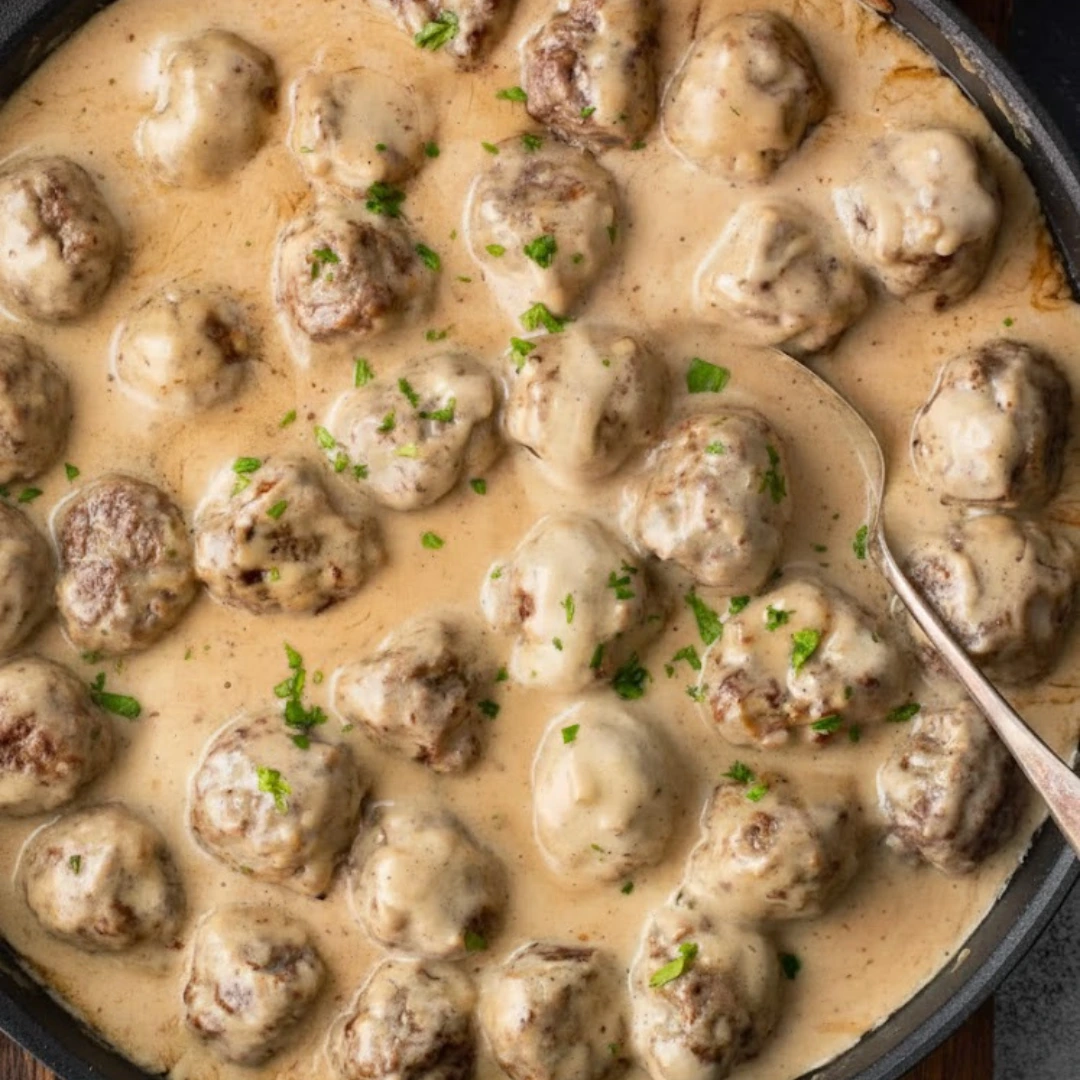
There is something undeniably nostalgic about a steaming plate of Swedish Meatballs. Whether your first introduction to this dish was in the crowded cafeteria of a blue-and-yellow furniture giant or at a cozy family gathering, the combination of tender meat and velvety gravy is a universal language for “comfort.” This particular recipe takes that classic experience and elevates it with fresh ingredients, a hint of warm spice, and a cream sauce so luxurious it feels like a hug in a bowl. It is a foolproof dinner that bridges the gap between a quick weeknight meal and a sophisticated weekend feast.
Table of Contents
The Essential Ingredient List
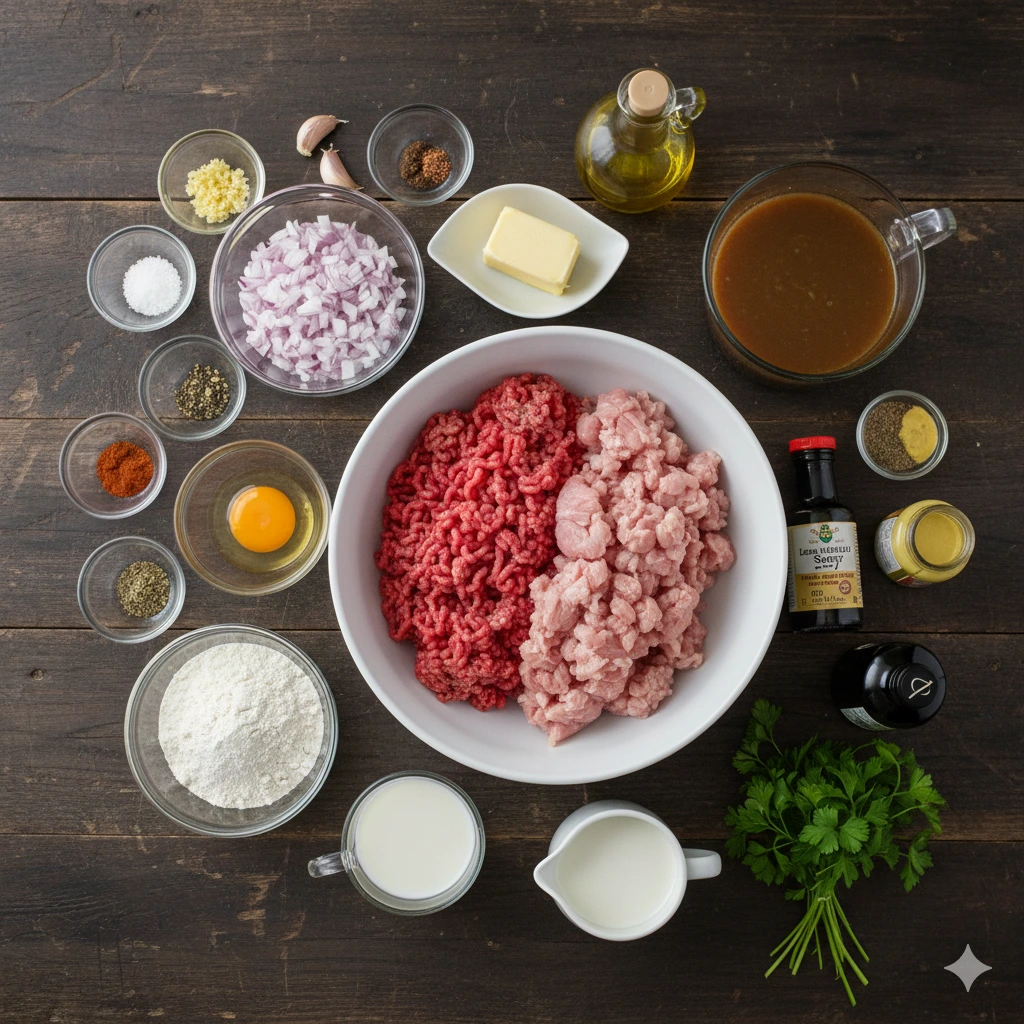
To create these restaurant-quality meatballs, you will need to gather the following items. Using high-quality fats and fresh proteins ensures the most succulent results.
For the Meatballs
- 1 pound lean ground beef
- 1/2 pound ground pork
- 1 small sweet onion, very finely diced
- 1 clove garlic, minced
- 1/2 cup panko breadcrumbs
- 1 large egg, lightly beaten
- 1/3 cup whole milk
- 1 teaspoon kosher salt
- 1/2 teaspoon pepper
- 1/8 teaspoon allspice
- 1/8 teaspoon nutmeg
- 2 tablespoons olive oil, for frying pan
For the Cream Sauce
- 5 tablespoons unsalted butter
- 1/4 cup all-purpose flour
- 1 1/4 cups beef broth
- 3/4 cup heavy cream
- 1 tablespoon low-sodium soy sauce
- 1 teaspoon Dijon mustard
- Salt and pepper, to taste
For Serving
- Sprinkle of finely chopped fresh parsley
- Cooked egg noodles
Core Cooking Instructions
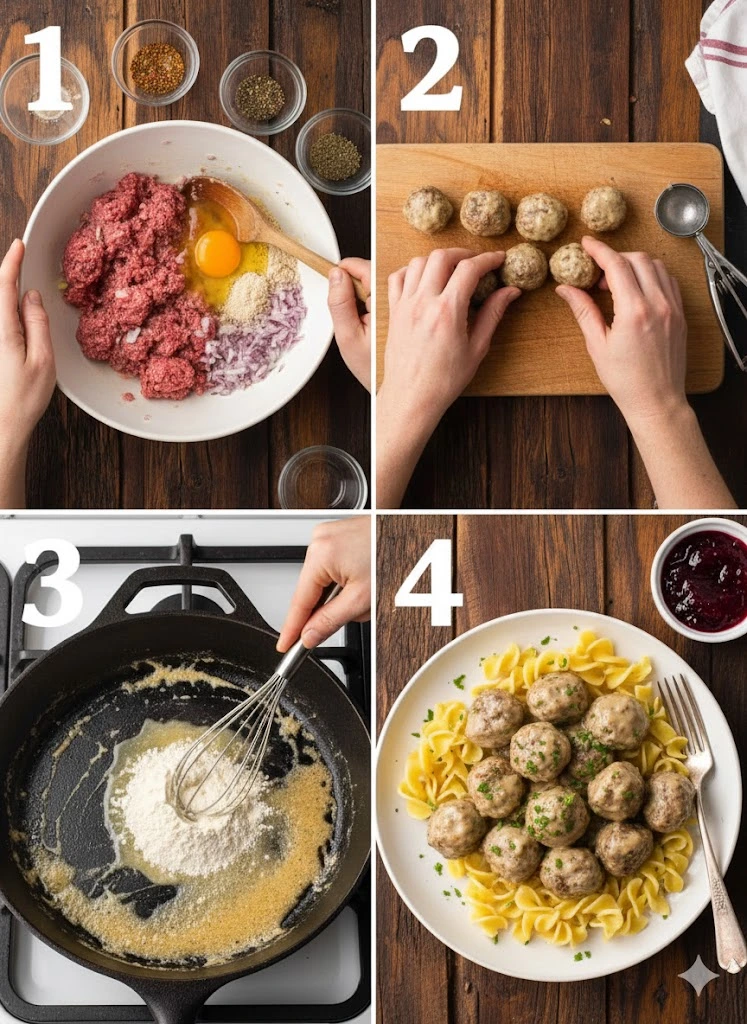
- In a large bowl, combine the ground beef and ground pork. Use your hands to mix them, ensuring any large lumps are broken up. Incorporate the diced onion, minced garlic, panko, egg, milk, salt, pepper, allspice, and nutmeg. Mix until just combined.
- Shape the mixture into 1 1/2-inch balls. Knead each one slightly to ensure they do not crumble. For the best results, refrigerate the formed meatballs for 30 minutes.
- Heat the olive oil in a large nonstick skillet over medium-high heat. Working in batches, brown the meatballs on all sides until cooked through, roughly 6 minutes per batch. Transfer to a plate and cover with foil.
- Melt the butter in the same skillet. Whisk in the flour and cook for 1 minute, stirring constantly until no white patches remain.
- Slowly whisk in the beef broth followed by the heavy cream. Stir continuously to keep the sauce smooth. Whisk in the soy sauce and Dijon mustard.
- Lower the heat to a simmer and let the sauce thicken for 1 to 2 minutes. Season with salt and pepper.
- Return the meatballs to the skillet and simmer for 3 minutes to coat them and warm them through.
- Serve over hot egg noodles and garnish with fresh parsley.
Achieving the Ultimate Creamy Consistency: Step-by-Step Details
The secret to a world-class Swedish meatball lies in the architecture of the meat itself and the chemistry of the roux-based sauce. When you begin mixing your beef and pork, you are essentially creating an emulsion. The pork provides the necessary fat for moisture, while the lean beef offers structure and a deep, savory profile. The addition of panko breadcrumbs and milk creates a “panade,” which is a culinary term for a starch-and-liquid paste. This panade acts as a buffer, preventing the meat proteins from tightening up and becoming rubbery during the cooking process.
When you move to the skillet, the searing process is vital. You aren’t just “browning” the meat; you are initiating the Maillard reaction. This chemical reaction between amino acids and reducing sugars creates that distinctive “browned” flavor and a complex aroma that defines a good meatball. Do not crowd the pan; if the meatballs are too close together, they will steam instead of sear, losing that precious crust.
The sauce is a masterclass in French-inspired technique. By melting the butter and whisking in the flour, you are creating a roux. Cooking this roux for at least one minute is essential to remove the raw flour taste. When you introduce the beef broth and heavy cream, do so slowly. This gradual incorporation allows the starch granules in the flour to swell and absorb the liquid evenly, resulting in a silk-like texture rather than a lumpy one. The addition of soy sauce provides an “umami” punch—a savory depth that mimics long-simmered stocks—while the Dijon mustard adds a microscopic amount of acidity to cut through the richness of the heavy cream.
Culinary Secrets for Success
Temperature control is your best friend when making this dish. If your skillet is too hot, the exterior of the meatball will burn before the interior reaches a safe temperature. Conversely, if it is too cool, the meat will grey and boil in its own juices. Aim for a shimmering oil that sizzles immediately upon contact with the meat.
Another professional tip involves the onion. If your diced onion pieces are too large, they can cause the meatballs to break apart. By dicing the sweet onion as finely as possible—or even grating it—you ensure that the moisture and flavor are distributed evenly without compromising the structural integrity of the ball.
Regarding the spices, do not be tempted to skip the allspice and nutmeg. While these are often associated with baking, in Swedish cuisine, they provide the “signature” aromatic profile. They shouldn’t make the dish taste like a dessert; rather, they should provide a subtle, warming undertone that makes the beef taste richer.
Modifications and Flavor Variations
While the beef and pork combination is traditional, you can easily adapt this recipe to suit your pantry or dietary needs.
- The Protein Swap: If you prefer a lighter profile, you can substitute the ground beef and pork for ground turkey or chicken. Note that poultry is leaner, so you may want to add an extra tablespoon of milk to the panade to ensure the meatballs remain juicy.
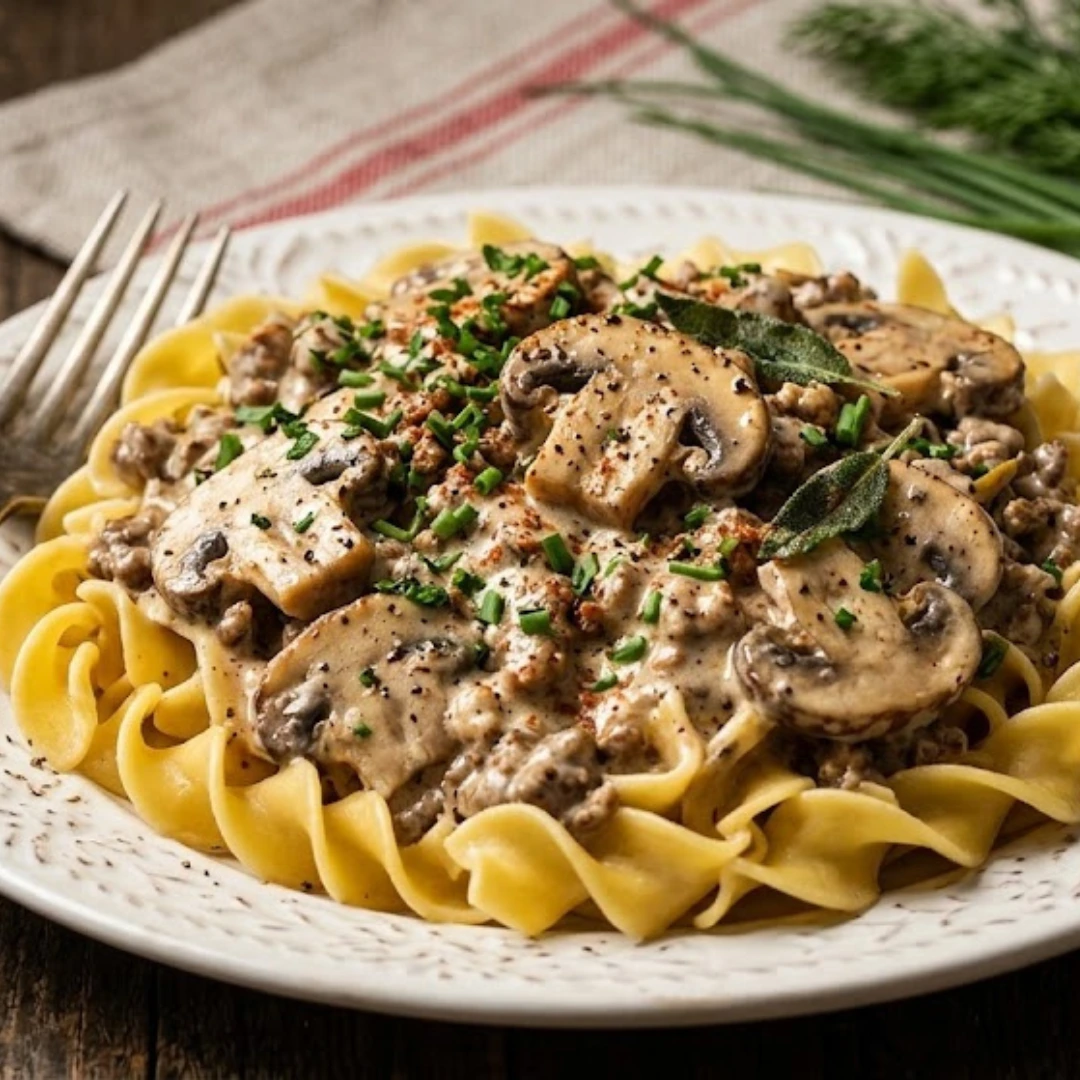
- The Cream Element: If you find heavy cream too rich, you can use sour cream. However, be cautious: sour cream should be whisked in at the very end over low heat. If it boils, it may curdle. Sour cream adds a lovely tang that mimics a Stroganoff style.
- Gluten-Free Adjustments: To make this gluten-free, use certified gluten-free panko or crushed pork rinds for the meatballs, and a gluten-free all-purpose flour blend or cornstarch slurry to thicken the gravy.
- Liquid Alternatives: While beef broth provides the most robust color and flavor, chicken broth or a mushroom-based vegetable broth works wonderfully if that is what you have on hand.
The Art of the Side Dish: Accompaniments and Serving
To truly honor the Swedish tradition, how you serve these meatballs is just as important as how you cook them.
The Classic Base
Egg noodles are the standard partner for this dish because their wide, flat surface area is designed to catch every drop of the cream sauce. However, a mountain of buttery mashed potatoes is a formidable rival. The starchiness of the potatoes soaks up the gravy, creating a decadent, mash-like experience.
Adding Brightness
Because the meatballs and gravy are so rich, you need a “bright” element to balance the plate. In Sweden, this is almost always lingonberry jam. The tart, slightly bitter sweetness of the berries cuts through the fat of the cream. If you cannot find lingonberry jam, a high-quality cranberry sauce is an excellent substitute.
Vegetable Pairings
For a well-rounded meal, serve a side of roasted broccoli or sautéed Brussels sprouts. The slight char on roasted vegetables provides a texture contrast to the soft meatballs. A crisp cucumber salad with dill and white vinegar is another traditional choice that cleanses the palate between bites.
In-Depth Kitchen FAQ
Can I make these meatballs ahead of time?
Yes, this is an excellent meal-prep dish. You can form the meatballs and keep them raw in the refrigerator for up to 24 hours before frying. Alternatively, you can cook the meatballs completely, let them cool, and store them in the fridge. When you are ready to serve, simply prepare the fresh sauce and simmer the pre-cooked meatballs in the gravy until they reach an internal temperature of 165 degrees Fahrenheit.
Why did my sauce turn out lumpy?
Lumpy sauce usually happens if the liquid (broth and cream) is added too quickly to the roux. To fix this, you can vigorously whisk the sauce, or as a last resort, pour the sauce through a fine-mesh strainer into a clean pan before adding the meatballs. This will remove any undissolved flour clumps and restore the silky texture.
Is it better to bake or pan-fry the meatballs?
While baking is certainly easier and involves less cleanup (20 minutes at 400 degrees Fahrenheit), pan-frying is superior for flavor. The “fond”—those little brown bits stuck to the bottom of the pan after frying—is the secret ingredient for the gravy. When you melt the butter and whisk in the flour, you are deglazing those bits, incorporating all that concentrated meat flavor directly into your sauce.
How do I prevent the meatballs from falling apart in the pan?
The two biggest factors in meatball structural integrity are the egg and the chilling time. The egg acts as the “glue” that binds the proteins together. Chilling the meatballs for 30 minutes before cooking allows the fats to firm up and the breadcrumbs to fully hydrate, which creates a much sturdier ball that won’t disintegrate when you turn it with tongs.
Storing and Reheating Your Masterpiece
If you are lucky enough to have leftovers, they store beautifully. Keep the meatballs and sauce together in an airtight container in the refrigerator for up to 3 days. When reheating, it is best to do so on the stovetop over low heat. You may find that the sauce has thickened significantly in the fridge; simply add a splash of beef broth or water to loosen it back up to its original consistency.
Freezing is also an option for the meatballs themselves. You can “flash freeze” the cooked meatballs on a baking sheet for an hour before transferring them to a freezer bag. This prevents them from sticking together. I do not recommend freezing the cream sauce, as the emulsion of dairy and fat often breaks during the thawing process, resulting in a grainy texture that lacks the luxurious mouthfeel of a fresh batch.
Detailed Nutritional Information
| Nutrient | Amount Per Serving |
| Calories | 512 |
| Total Fat | 38 grams |
| Saturated Fat | 19 grams |
| Trans Fat | 1 gram |
| Cholesterol | 165 milligrams |
| Sodium | 817 milligrams |
| Total Carbohydrates | 14 grams |
| Dietary Fiber | 1 gram |
| Sugars | 5 grams |
| Protein | 28 grams |
| Vitamin A | 801 IU |
| Vitamin C | 3 milligrams |
| Calcium | 83 milligrams |
| Iron | 3 milligrams |
Safety and Accuracy Disclaimer
The nutritional values provided are calculated based on standard ingredients and common brands. These figures should be used as a general guide. Variations in the fat content of your beef or the specific brand of heavy cream used can alter these numbers. If you have specific dietary requirements, it is recommended to use a nutritional calculator with your exact ingredient labels for the highest precision.
The Ultimate Homemade Swedish Meatballs
Ingredients
- 1 lb lean ground beef
- 0.5 lb ground pork
- 1 small sweet onion, very finely diced
- 1 clove garlic, minced
- 0.5 cup panko breadcrumbs
- 1 large egg, lightly beaten
- 0.33 cup whole milk
- 1 tsp kosher salt
- 0.5 tsp pepper
- 0.125 tsp allspice
- 0.125 tsp nutmeg
- 2 tbsp olive oil, for frying
- 5 tbsp unsalted butter
- 0.25 cup all-purpose flour
- 1.25 cups beef broth
- 0.75 cup heavy cream
- 1 tbsp low-sodium soy sauce
- 1 tsp Dijon mustard
- 1 pinch fresh parsley, finely chopped
- 12 oz egg noodles, cooked
Instructions
- In a large bowl, combine ground beef and pork. Mix in onion, garlic, panko, egg, milk, salt, pepper, allspice, and nutmeg until well combined.
- Shape mixture into 1.5-inch balls. Refrigerate on a platter for 30 minutes to help them retain their shape while cooking.
- Heat olive oil in a large skillet. Fry meatballs in batches for about 6 minutes until browned and cooked through. Remove and cover with foil.
- In the same skillet, melt butter and whisk in flour. Cook for 1 minute until no white patches remain.
- Slowly whisk in beef broth and heavy cream. Add soy sauce and Dijon mustard. Simmer until the sauce thickens.
- Add meatballs back to the skillet and simmer for 3 minutes. Serve over egg noodles garnished with parsley.
Notes
Equipment
- large mixing bowl
- Large Non-stick Skillet
- whisk
- cookie scoop For even 1.5-inch sizing
- aluminum foil