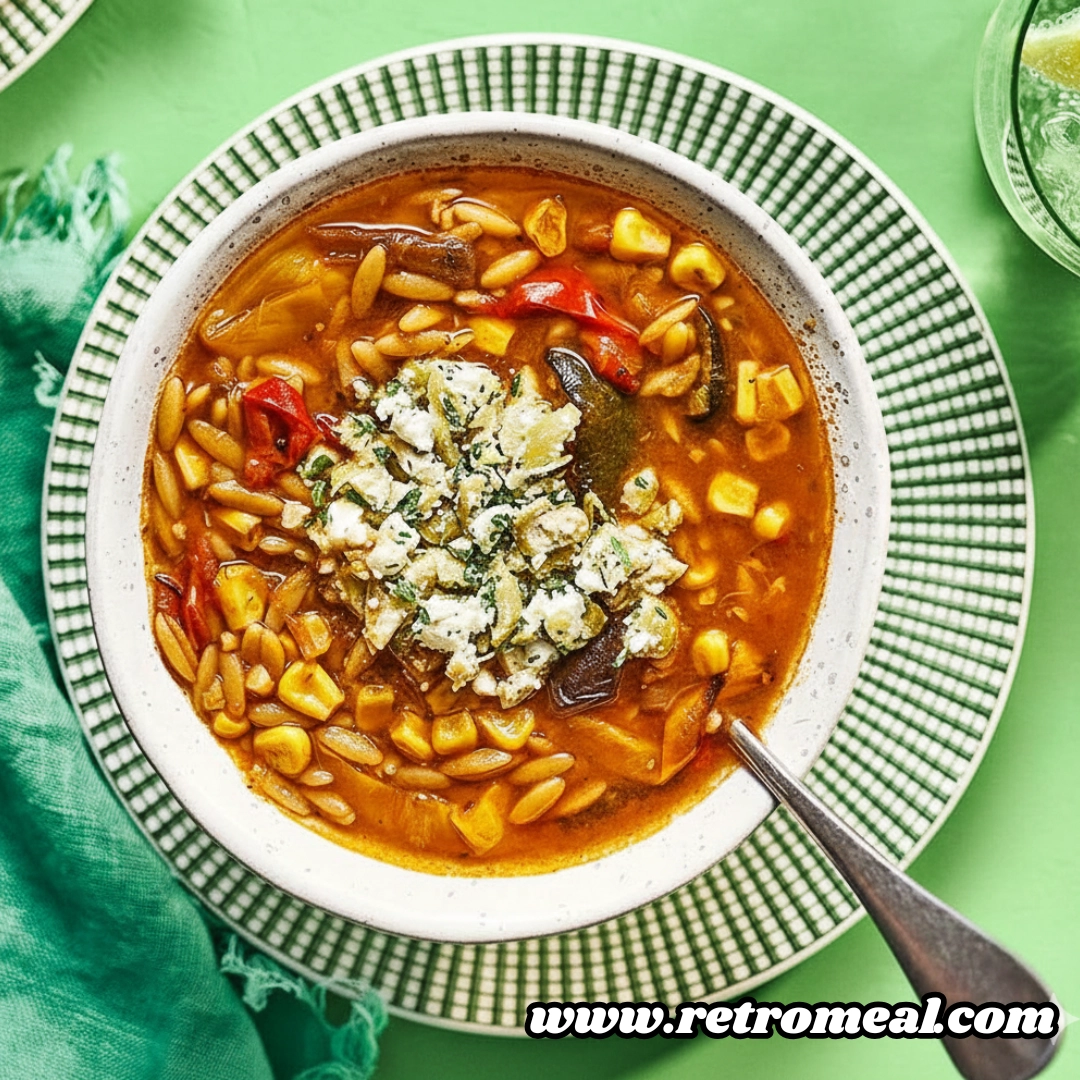
There is a common misconception that soup is a dish reserved exclusively for the biting chill of winter or the rainy days of autumn. However, when the sun is shining and the garden is in full bloom, a bowl of summery orzo soup can be the most refreshing and revitalizing meal on your table. This particular recipe captures the very essence of the Mediterranean, utilizing a base of deeply caramelized aromatics and roasted summer vegetables to create a light yet incredibly satisfying lunch or dinner. It is a celebration of seasonal bounty, bright citrus notes, and the salty punch of feta and olives.
Table of Contents
Essential Ingredients for Your Summer Pot
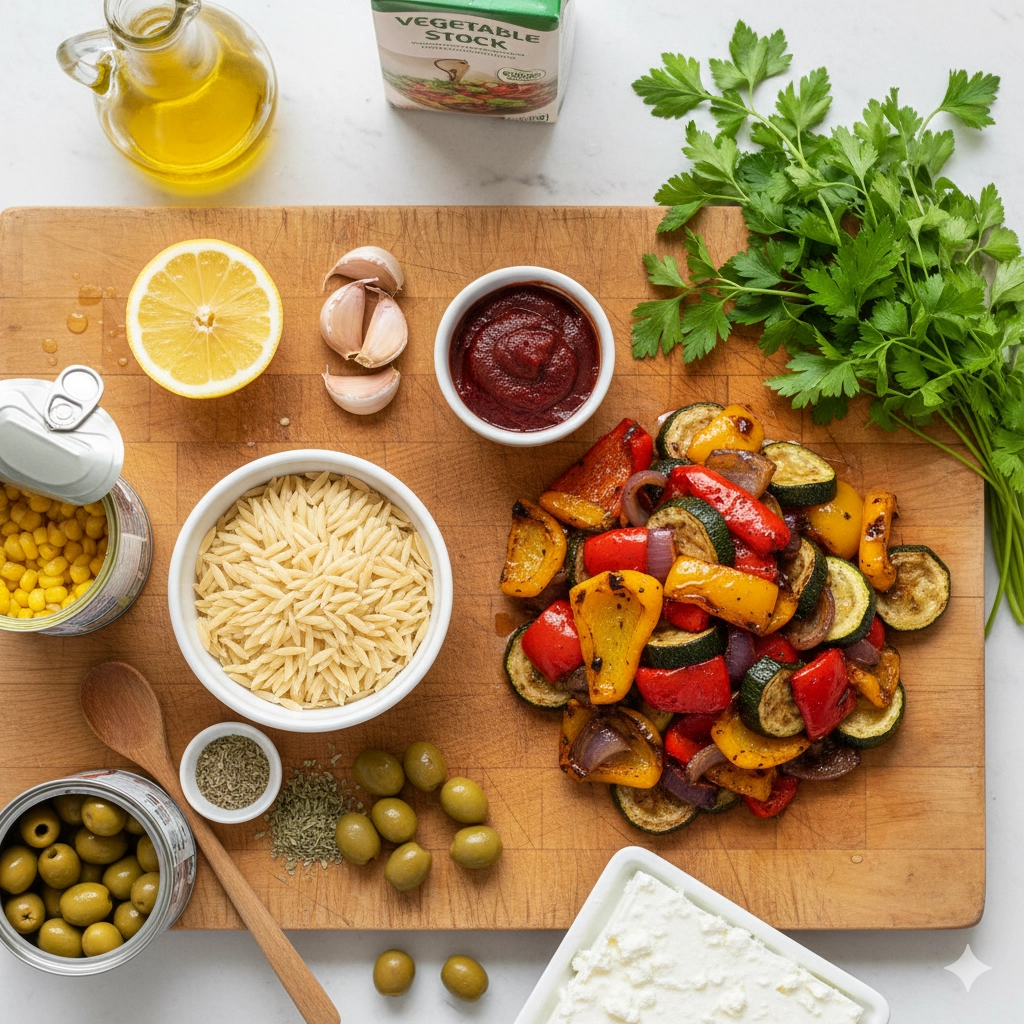
To create this masterpiece, you will need to gather several fresh and pantry-stable items. Ensure your vegetables are roasted to perfection beforehand to unlock their natural sugars and provide the backbone of the soup’s flavor profile.
- 2 tablespoons olive oil
- 4 garlic cloves, crushed
- 2 tablespoons tomato puree
- 2 teaspoons dried oregano
- 350 grams roasted vegetables
- 1.2 liters vegetable stock
- 200 grams orzo
- 200 gram can sweetcorn, drained
- 100 grams feta
- 75 grams pitted green olives, roughly chopped
- Small handful of parsley, finely chopped
- 1 lemon, zested
Primary Cooking Instructions
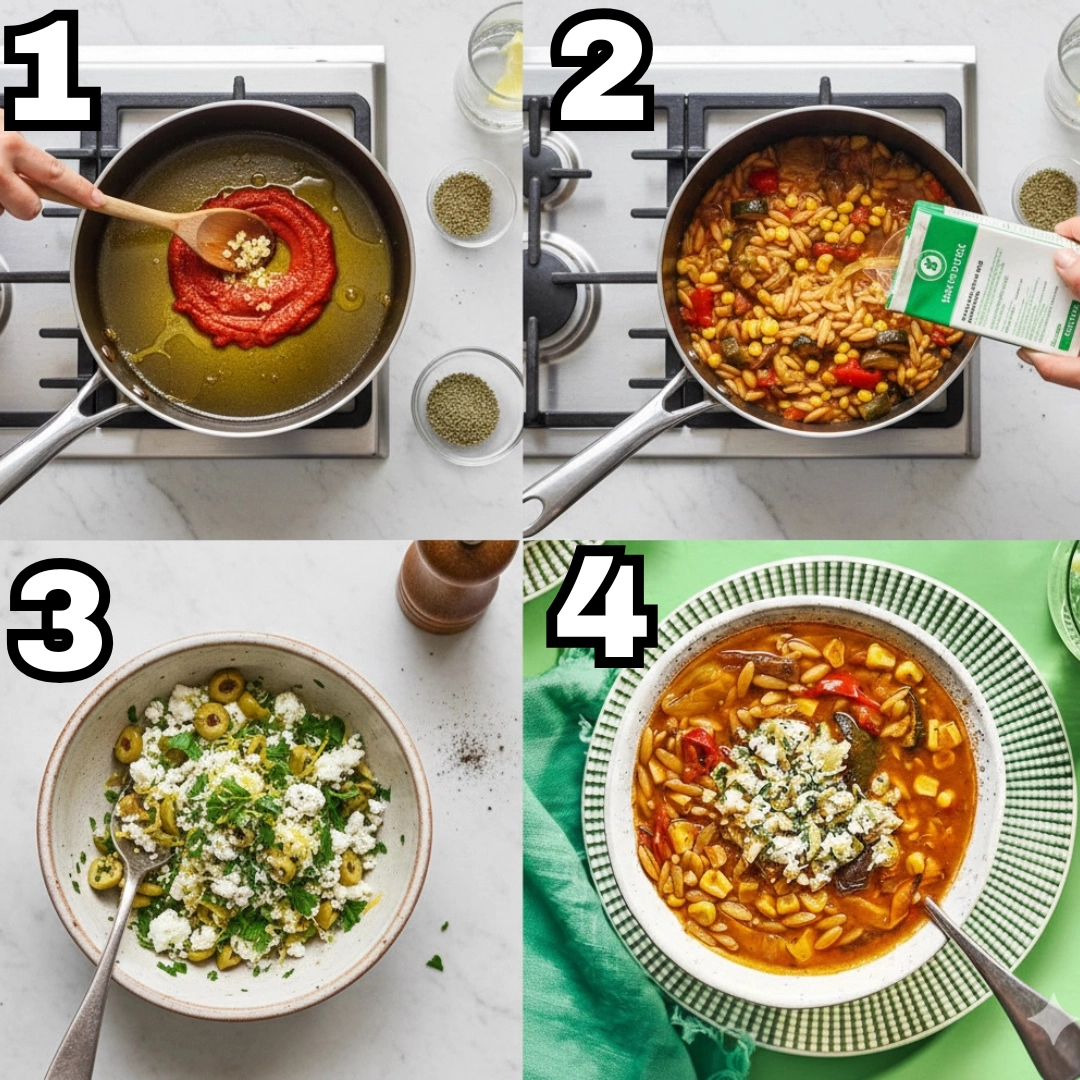
- Begin by heating the olive oil in a large, sturdy saucepan over a medium heat setting. Once the oil is shimmering, add the crushed garlic and cook for approximately 2 minutes. You are looking for the garlic to become highly fragrant without turning bitter or brown.
- Stir in the tomato puree, the dried oregano, and a small pinch of sugar. Lower the heat slightly and continue to cook for 4 to 5 minutes. This step is vital for flavor development; the puree should caramelize and transition into a much darker, richer red hue.
- Introduce the pre-prepared roasted vegetables, the vegetable stock, the dry orzo, and the drained sweetcorn into the pot.
- Increase the heat to bring the liquid to a steady simmer. Cook the mixture for 8 to 10 minutes. Test the orzo frequently toward the end of the cooking time to ensure it reaches an al dente texture—firm to the bite but fully cooked.
- While the soup is simmering, prepare your garnish by combining the crumbled feta, chopped green olives, finely chopped parsley, and fresh lemon zest in a small mixing bowl. Season this mixture with a generous amount of black pepper.
- Once the orzo is ready, taste the soup and adjust the seasoning with salt and pepper as needed. Ladle the hot soup into bowls and finish each serving with a heavy scattering of the feta and olive mixture.
Exploring Creative Variations and Substitutions
While the original recipe is a balanced triumph of flavors, the modern kitchen often requires a bit of flexibility based on what is available in your pantry or refrigerator. If you find yourself without orzo, you can substitute it with another small pasta shape like ditalini or even stelline, though keep in mind that cooking times may vary by a minute or two. For those following a gluten-free lifestyle, there are several high-quality chickpea or brown rice-based orzo alternatives on the market that hold up beautifully in a simmering broth.
If you want to lean even further into the garden theme, the roasted vegetable component is highly customizable. While a mix of peppers, zucchini, and red onion is traditional, you could easily incorporate roasted eggplant or even cherry tomatoes that have been blistered until they burst. If you prefer a bit of heat, consider adding a pinch of red chili flakes during the garlic sautéing phase. This provides a subtle back-end warmth that contrasts beautifully with the cooling lemon zest and feta garnish. For a vegan-friendly version, simply swap the feta for a plant-based Greek-style cheese or even some toasted pine nuts to maintain that essential salty crunch.
Deep-Dive Kitchen Wisdom and Culinary Insights
The secret to a truly exceptional summery orzo soup lies in the “soffritto-style” beginning of the recipe. Most home cooks rush the tomato puree stage, but allowing those 5 minutes for the puree to darken is what transforms a simple vegetable broth into something with depth and complexity. This process, known as pincer, removes the raw, metallic taste of the tomato and replaces it with a mellow, savory sweetness that anchors the lighter ingredients like sweetcorn and lemon.
Another insight involves the management of the orzo itself. Pasta acts like a sponge, and orzo is particularly notorious for soaking up liquid even after the heat has been turned off. If you are not serving the soup immediately, you might find that the pasta has absorbed a significant portion of your 1.2 liters of stock. To remedy this, always keep a little extra vegetable stock or even a kettle of hot water nearby to thin the soup back to your desired consistency before serving. Furthermore, the addition of the lemon zest in the garnish rather than the pot is a deliberate choice; the heat of the soup will release the aromatic oils of the zest the moment it hits the bowl, providing a fresh olfactory experience that would be lost if boiled.
Comprehensive Step-by-Step Culinary Expansion
Building the foundation of this soup starts with the fat. Using a high-quality extra virgin olive oil provides a fruity base for the garlic. When you crush your four cloves of garlic, try to do so just before they go into the pan to keep the allicin levels high and the flavor sharp. As they sizzle for those initial 2 minutes, stay close to the stove. Garlic can go from aromatic to burnt in a matter of seconds.
The transition to the tomato puree and oregano phase is where the “summer” flavor really begins to bake in. The pinch of sugar is not intended to make the soup sweet; rather, it acts as a chemical balance to the acidity of the tomatoes and the brine of the olives later on. Watch the color change closely—the transition from bright red to a brick-like mahogany is your visual cue that the sugars have caramelized.
When you pour in your 1.2 liters of vegetable stock, try to use a low-sodium version if possible. This gives you total control over the final seasoning, especially since the feta and green olives added at the end contribute a significant amount of natural saltiness. Adding the sweetcorn provides a delightful textural pop that contrasts with the soft roasted vegetables and the tender pasta.
The final stage of preparation—the assembly of the feta and olive topping—is perhaps the most important for the “wow” factor. By chopping the green olives and parsley finely, you ensure that every spoonful of soup contains a bit of that zesty, salty brightness. The lemon zest acts as a bridge between the earthy oregano and the creamy feta, cutting through the richness and making the entire dish feel light on the palate.
Ideal Accompaniments and Serving Suggestions
To turn this soup into a full Mediterranean feast, consider what you serve alongside it. A crusty loaf of sourdough or a warm focaccia topped with rosemary and sea salt is the perfect vessel for mopping up the remaining tomato-tinted broth. The acidity of the soup also pairs wonderfully with a crisp, chilled white wine, such as a Sauvignon Blanc or a Pinot Grigio, which complements the lemon zest and green olives.
If you are hosting a garden party or a summer luncheon, you can serve this soup in smaller cups as an appetizer or “amuse-bouche.” For a more substantial dinner, follow the soup with a light protein like grilled sea bass or a simple lemon-herb roasted chicken. The soup is versatile enough to be the star of the show or a supporting player in a multi-course seasonal menu.
Frequently Asked Questions
Can this soup be frozen for meal prep later in the week?
While you can certainly freeze the base of the soup, it is generally recommended to freeze it without the orzo pasta. Pasta tends to become quite mushy and lose its structural integrity when frozen and subsequently thawed in liquid. If you want to meal prep, cook the vegetable and stock base, freeze it, and then simply add the fresh orzo and sweetcorn when you reheat the soup on the stove.
How do I prevent the orzo from sticking to the bottom of the pot?
Orzo is a small, dense pasta that loves to settle at the bottom of the saucepan where the heat is most intense. To prevent sticking or scorching, give the soup a gentle stir every couple of minutes during the 8 to 10 minute simmering period. Ensuring that you have a full 1.2 liters of stock will also provide enough movement in the pot to keep the pasta suspended and cooking evenly.
What are the best roasted vegetables to use for the 350 gram requirement?
For a truly summery feel, a combination of red and yellow bell peppers, red onions, and zucchini works best. These vegetables hold their shape well in a broth and offer a rainbow of colors. You can roast them with a drizzle of oil and a sprinkle of salt at 400 degrees Fahrenheit for about 20 to 25 minutes before starting your soup. This pre-roasting step is essential for that smoky, concentrated vegetable flavor.
Is it possible to make this soup in a slow cooker or Crock-Pot?
While you can adapt this for a slow cooker, the quick cooking time of 20 minutes on the stovetop usually makes it unnecessary. If you do use a slow cooker, add the orzo only in the last 30 minutes of cooking to prevent it from turning into a thick paste. The sautéing of the garlic and tomato puree should still be done in a pan beforehand to ensure the flavors are properly developed.
A Perfect Seasonal Conclusion
This summery orzo soup is more than just a quick meal; it is a bright, herbaceous journey through the best flavors of the warmer months. By taking the time to caramelize your aromatics and finishing the dish with a punchy, fresh garnish of feta, olives, and lemon, you create a bowl of comfort that feels sophisticated yet effortless. Whether you are enjoying it on a sun-drenched patio or at your kitchen table, it is a recipe that proves soup truly has a place in every season of the year.
Nutritional Information
| Nutrient | Amount Per Serving |
| Calories | 457 kcal |
| Total Fat | 19 grams |
| Saturated Fat | 5 grams |
| Carbohydrates | 51 grams |
| Sugars | 0 grams |
| Dietary Fiber | 10 grams |
| Protein | 15 grams |
| Sodium | 2.8 grams |
Recipe Disclaimer
The nutritional values provided are estimates based on standard ingredients. Actual nutritional content may vary depending on the specific brands of vegetable stock, feta, and olives used in your preparation. Always consult with a health professional for specific dietary needs.
Summery Orzo Soup
Ingredients
- 2 tbsp olive oil
- 4 cloves garlic, crushed
- 2 tbsp tomato purée
- 2 tsp dried oregano
- 350 g roasted vegetables (peppers, zucchini, red onion)
- 1.2 litres vegetable stock
- 200 g orzo
- 200 g can sweetcorn, drained
- 100 g feta cheese
- 75 g pitted green olives, roughly chopped
- 1 handful fresh parsley, finely chopped
- 1 lemon, zested
Instructions
- Heat the olive oil in a large saucepan over medium heat. Add the crushed garlic and sauté for 2 minutes until it becomes highly fragrant.
- Stir in the tomato purée, dried oregano, and a pinch of sugar. Reduce heat slightly and cook for 4-5 minutes until the purée caramelizes and darkens in color.
- Add the roasted vegetables, vegetable stock, orzo, and drained sweetcorn to the pot. Bring the mixture to a simmer.
- Cook for 8-10 minutes, stirring occasionally to prevent sticking, until the orzo is just al dente.
- While the soup simmers, combine the crumbled feta, chopped olives, parsley, and lemon zest in a small bowl. Season with black pepper.
- Taste the soup and adjust seasoning with salt and pepper. Ladle into bowls and top generously with the feta and olive mixture.
Notes
Equipment
- Large saucepan or Dutch oven
- wooden spoon
- small mixing bowl For the garnish
- Citrus zester
- ladle