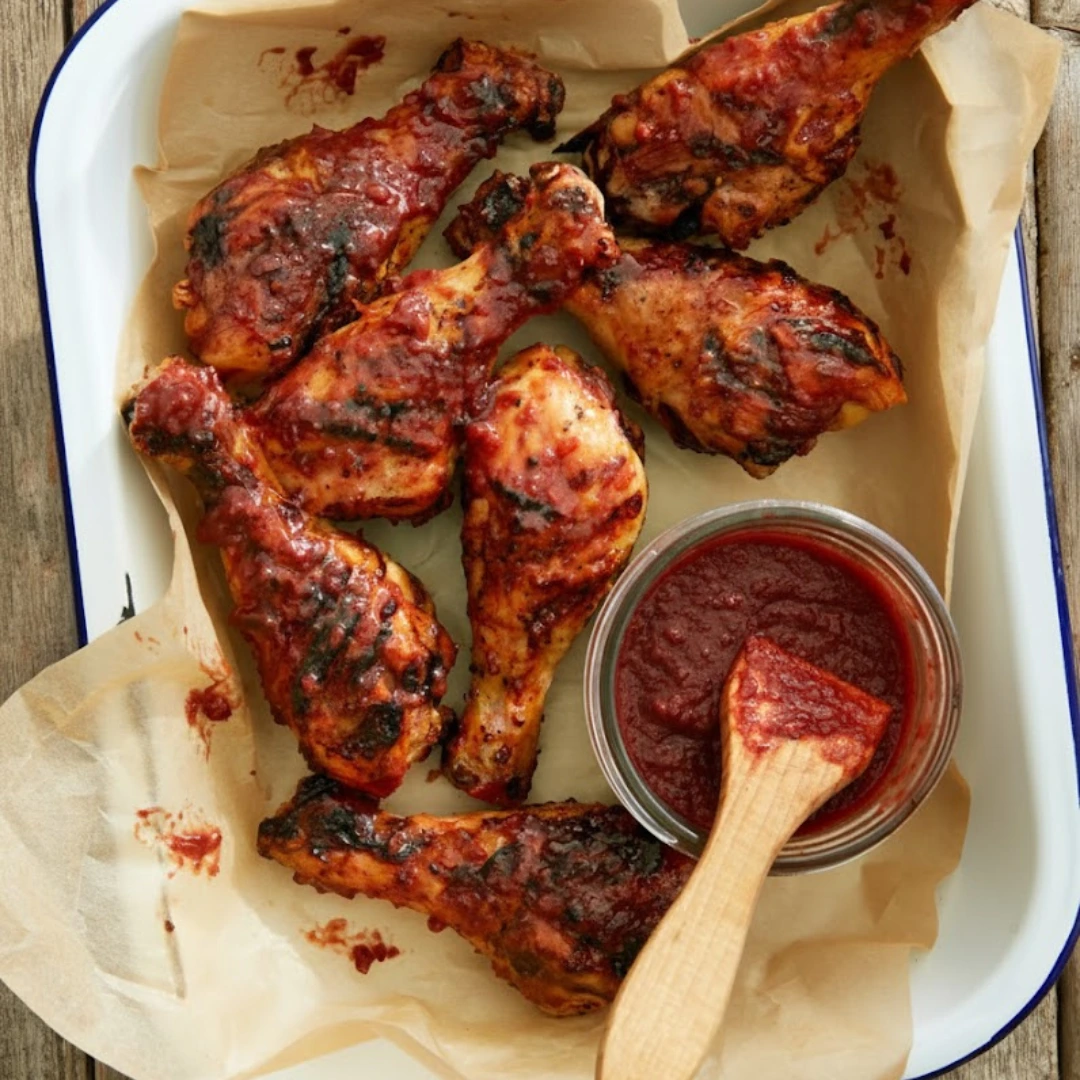
The aroma of a backyard grill is one of life’s most simple and profound pleasures, but the secret to a truly memorable barbecue lies in the complexity of the sauce. While store-bought bottles offer convenience, they often lack the depth and bright acidity that fresh, seasonal ingredients provide. This Strawberry Cabernet Barbecue Sauce is a revelation for the modern cook, blending the natural sweetness of sun-ripened berries with the sophisticated, tannic structure of a bold red wine. It is a gourmet departure from the standard smoky-sweet profiles, offering a vibrant, ruby-red glaze that transforms grilled poultry, pork, and even charred vegetables into a culinary centerpiece.
Table of Contents
The Essential Components for Your Sauce
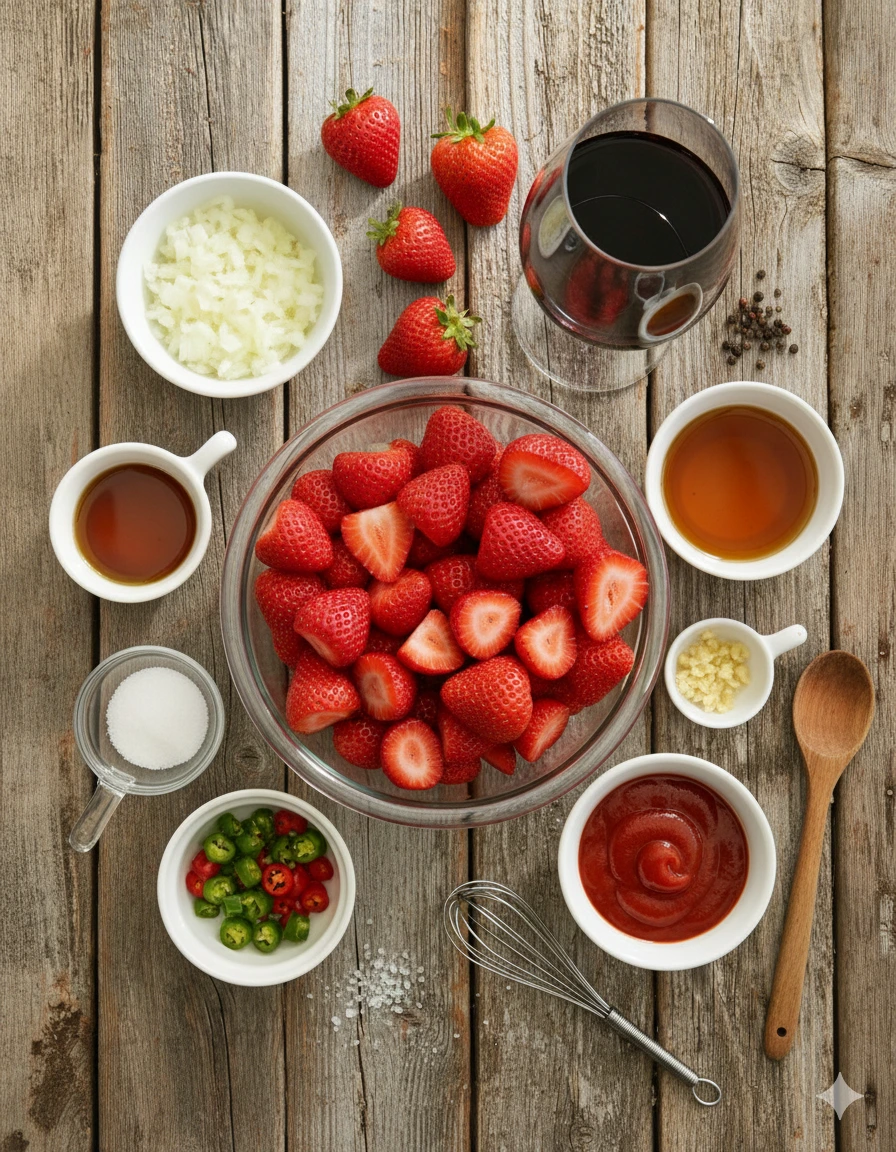
To create this sophisticated condiment, you will need to gather the following pantry staples and fresh produce. Each ingredient plays a specific role in balancing the sugars, acids, and heat.
- 1 tablespoon canola oil
- 1/2 medium onion, finely chopped
- Kosher salt, to taste
- Freshly ground black pepper, to taste
- 4 ounces fresh strawberries, trimmed and quartered (measuring approximately 3/4 cup)
- 1/2 cup Cabernet Sauvignon
- 1/3 cup apple cider vinegar
- 1/4 cup granulated sugar
- 1/4 cup ketchup
- 2 tablespoons Worcestershire sauce
- 1 tablespoon pure maple syrup
- 3 cloves garlic, finely chopped
- 1/2 to 1 whole jalapeño, seeded and finely diced
Step-by-Step Preparation Instructions
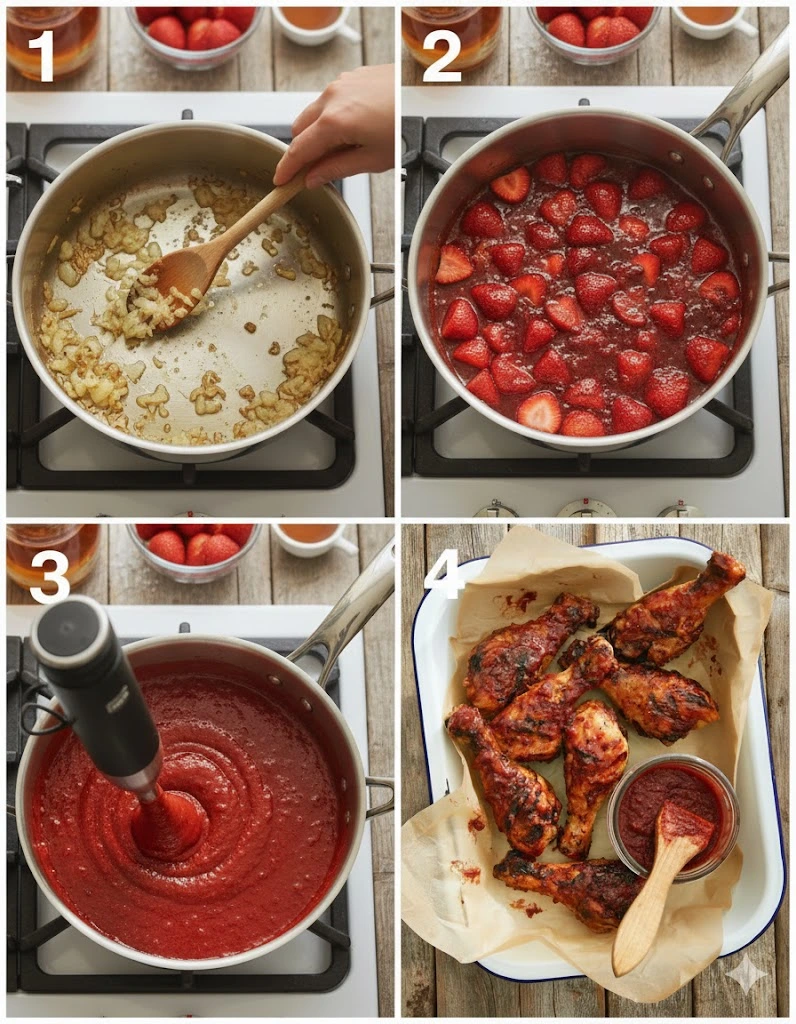
- Begin by placing a medium-sized saucepan over a steady medium flame. Add the canola oil, allowing it to shimmer slightly before introducing the chopped onions. Season the onions immediately with a generous pinch of kosher salt and black pepper. This helps draw out moisture and builds a flavor base. Sauté the onions, stirring every few minutes, until they transition from translucent to a rich, golden brown. This process should take between 7 and 9 minutes.
- Once the onions are caramelized, add the quartered strawberries and the Cabernet Sauvignon to the pan. Increase the heat to medium-high. You want to cook the berries in the wine until they begin to break down and soften, which typically occurs within 3 to 4 minutes. The wine will begin to reduce slightly, intensifying its flavor.
- Now, incorporate the remaining structural ingredients: the apple cider vinegar, sugar, ketchup, Worcestershire sauce, maple syrup, garlic, and diced jalapeño. Stir the mixture thoroughly to combine all elements and bring the liquid to a vigorous boil.
- As soon as the sauce reaches a boil, reduce the heat to a low simmer. Continue cooking the sauce uncovered, allowing the flavors to meld and the consistency to thicken slightly. This simmering stage should last between 8 and 12 minutes. Once the sauce has reached a syrupy consistency, remove the pan from the heat and let it cool for a few minutes.
- Carefully transfer the warm mixture into a high-speed blender. Secure the lid tightly and puree the sauce for approximately 30 seconds until it is completely smooth. If you prefer a more rustic approach, you can use an immersion blender directly in the saucepan.
- If the sauce appears a bit thin after blending, return it to the pan and simmer for an additional 1 or 2 minutes to achieve your desired thickness. Once cooled, the sauce is ready to be used as a baste for your favorite grilled proteins like chicken thighs, baby back ribs, or thick-cut pork chops.
Deconstructing the Culinary Process
Building a sauce from scratch is an exercise in patience and layering. The first stage—caramelizing the onions—is vital. By taking the full 9 minutes to let the onions turn golden, you are developing natural sugars that mimic the “smoke” or “char” found in traditional barbecue, but with a softer, more vegetal undertone. When the strawberries hit the pan with the Cabernet, you are witnessing a classic culinary pairing. The acidity of the wine helps to macerate the berries, releasing their juices and creating a vibrant fruit base that is far superior to any artificial flavoring.
The simmering phase is where the magic happens. As the apple cider vinegar and Worcestershire sauce cook down, the sharp edges of the vinegar mellow, leaving behind a bright tang that cuts through the richness of grilled meats. The jalapeño provides a back-of-the-throat warmth rather than an overwhelming spice, especially since the seeds are removed. Blending the sauce at the end is what gives it that professional, glossy sheen. A smooth sauce adheres better to the meat, creating a lacquered finish when it hits the heat of the grill.
Nuanced Pairing and Serving Suggestions
This Strawberry Cabernet Barbecue Sauce is incredibly versatile, but it truly shines when paired with fats that can carry its fruity profile. For a classic summer meal, try brushing this sauce over slow-roasted pork ribs during the last 15 minutes of cooking. The sugars in the strawberries and maple syrup will caramelize against the heat, creating a beautiful crust.
If you are looking for a lighter option, use this sauce as a glaze for grilled salmon or even thick slices of halloumi cheese. The acidity of the Cabernet Sauvignon makes it an excellent companion for fatty fish. For a side dish, consider serving the glazed proteins alongside a heap of creamy coleslaw or a sharp arugula salad with goat cheese. The tanginess of the greens and the creaminess of the cheese act as a perfect foil to the deep, berry-forward notes of the barbecue sauce.
Mastering the Texture and Flavor Profile
To achieve the ultimate consistency, pay close attention to the “nappe” of the sauce—this is a French term meaning the sauce should be thick enough to coat the back of a spoon without immediately running off. If your strawberries are particularly juicy, you might find that you need that extra two-minute simmer after blending to drive off excess moisture.
Regarding flavor, the choice of wine matters. A Cabernet Sauvignon is preferred because of its high tannin content and notes of black currant and cedar, which provide a sturdy backbone against the sweetness of the berries. If you prefer a sweeter sauce, you could opt for a Merlot, but the Cabernet provides a sophisticated “grown-up” flavor that sets this recipe apart. Always ensure your garlic is fresh; jarred minced garlic can sometimes introduce a bitter aftertaste that disrupts the delicate balance of the fruit and wine.
Creative Modifications and Alternative Ingredients
While the original recipe is perfectly balanced, there is always room for a bit of kitchen experimentation based on what you have on hand. If you find yourself without strawberries, fresh raspberries make an excellent substitute, though they may require a quick strain through a fine-mesh sieve after blending to remove the seeds.
For those who enjoy a bit more heat, feel free to leave the seeds in the jalapeño or add a pinch of smoked paprika to introduce a hint of campfire aroma without using liquid smoke. If you are looking for a vegan-friendly version, simply ensure your Worcestershire sauce is a brand that does not use anchovies. To adjust the sweetness, you can swap the granulated sugar for brown sugar, which will add a hint of molasses and a darker, moodier color to the final product.
Frequently Asked Questions
Can I use frozen strawberries instead of fresh ones for this sauce?
Yes, you certainly can. Frozen strawberries are often picked and frozen at the peak of ripeness, making them a great year-round alternative. However, be aware that frozen berries release more water as they thaw and cook. You may need to extend the simmering time by 3 to 5 minutes to ensure the sauce reduces to the proper thickness. There is no need to thaw them beforehand; just toss them straight into the pan with the wine.
How long will this homemade barbecue sauce stay fresh in the refrigerator?
Because this sauce contains fresh fruit and no commercial preservatives, its shelf life is shorter than store-bought varieties. When stored in an airtight glass jar or container, it will remain fresh and flavorful for up to two weeks. If you find you have made too much, this sauce actually freezes remarkably well. Simply place it in a freezer-safe bag or container for up to three months. Thaw it in the fridge overnight before reheating.
Is there a non-alcoholic substitute for the Cabernet Sauvignon?
If you prefer not to use wine, you can substitute the Cabernet with a mix of unsweetened pomegranate juice and a splash of balsamic vinegar. This combination mimics the acidity and the deep red fruit notes found in the wine. While the alcohol in the Cabernet does cook off during the boiling process, the pomegranate juice alternative provides a similar depth of color and a tartness that keeps the sauce from becoming cloyingly sweet.
Nutritional Overview
| Nutrient | Amount Per Serving (2 Tablespoons) |
| Calories | 65 |
| Total Fat | 1.5 grams |
| Sodium | 180 milligrams |
| Total Carbohydrates | 11 grams |
| Sugars | 9 grams |
| Protein | 0.5 grams |
A Note on Dietary Information
The nutritional values provided are estimates based on standard ingredient measurements and typical yields. Actual nutritional content may vary depending on the specific brands of ketchup, Worcestershire sauce, and maple syrup used. For those monitoring sugar intake, keep in mind that the strawberries and wine contribute natural sugars in addition to the added granulated sugar and maple syrup.
Final Thoughts on This Fruity Glaze
Creating your own Strawberry Cabernet Barbecue Sauce is an effortless way to bring a touch of elegance to your outdoor cooking. It challenges the notion that barbecue must always be heavy and smoky, proving instead that it can be bright, sophisticated, and deeply seasonal. Whether you are hosting a summer soirée or simply looking to liven up a weeknight dinner, this sauce offers a complexity that will have your guests asking for the recipe. By balancing the bold structure of red wine with the playful sweetness of berries, you create a condiment that is as beautiful to look at as it is delicious to eat.
Strawberry Cabernet Barbecue Sauce
Ingredients
- 1 Tbsp canola oil
- 0.5 medium onion, chopped
- Kosher salt and freshly ground black pepper
- 4 oz strawberries, trimmed and quartered (about 0.75 cup)
- 0.5 cup Cabernet Sauvignon
- 0.33 cup apple cider vinegar
- 0.25 cup sugar
- 0.25 cup ketchup
- 2 Tbsp Worcestershire sauce
- 1 Tbsp pure maple syrup
- 3 cloves garlic, chopped
- 0.5 to 1 jalapeño, seeded and diced
Instructions
- Heat oil in a medium saucepan over medium heat. Add onion and season with salt and pepper. Cook, stirring occasionally, until golden brown, 7 to 9 minutes.
- Stir in strawberries and Cabernet Sauvignon. Increase heat to medium-high, and cook until berries soften, 3 to 4 minutes.
- Add vinegar, sugar, ketchup, Worcestershire, maple syrup, garlic, and jalapeño. Bring to a boil.
- Reduce heat and simmer until slightly thickened, 8 to 12 minutes. Let cool slightly.
- Transfer mixture to a blender and puree until smooth, about 30 seconds. (Alternatively, use an immersion blender in the pan).
- Return to pan and simmer, if necessary, until sauce reaches desired thickness, 1 to 2 minutes. Let cool before using as a baste.
Notes
Equipment
- medium saucepan
- blender or immersion blender
- wooden spoon
- measuring cups and spoons