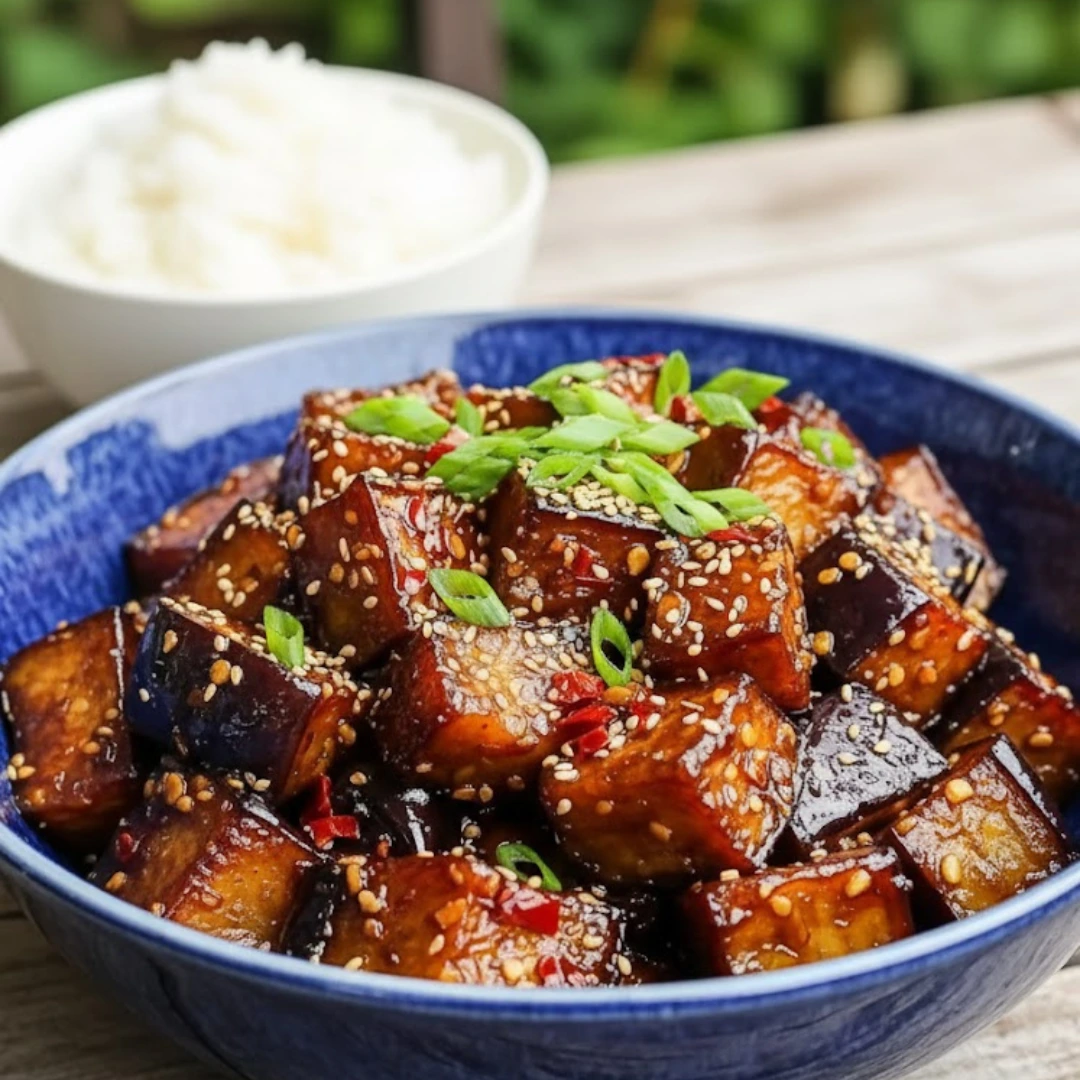
This sticky garlic eggplant transforms humble nightshades into a restaurant-quality masterpiece that rivals any takeout option. Tender eggplant pieces bathe in a glossy sauce that strikes the perfect balance between sweet, savory, and garlicky goodness, creating an addictively flavorful dish with minimal effort. The eggplant soaks up all those rich, umami-packed flavors while maintaining a satisfying texture that pairs beautifully with fluffy rice or noodles. Sprinkle with toasted sesame seeds for that final touch of nutty crunch. Whether you are a lifelong fan of plant-based cooking or a skeptic of this particular vegetable, this preparation will change your mind. It is fast, efficient, and relies on pantry staples to deliver a punch of flavor that feels far more complex than the thirty minute cook time suggests.
Table of Contents
The Essential Components
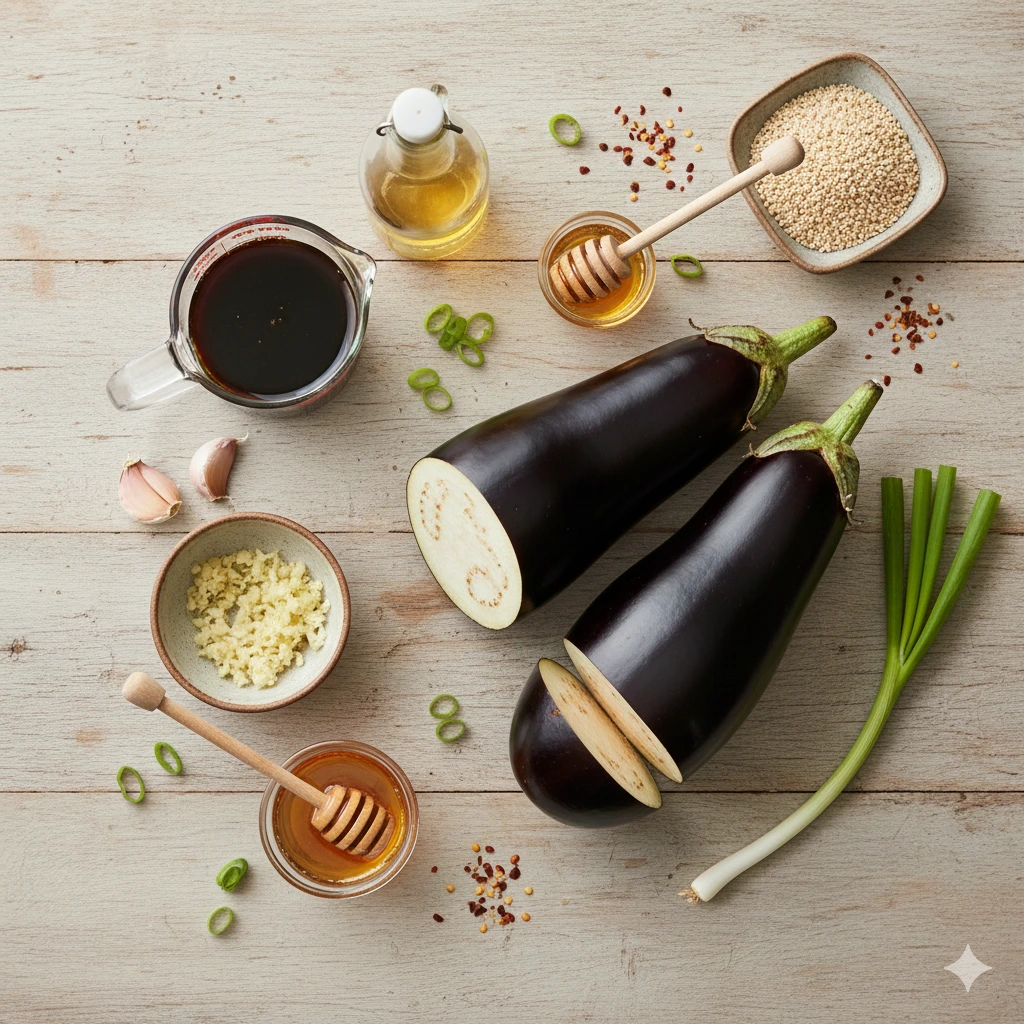
To create the perfect Sticky Garlic Eggplant, you need ingredients that offer a balance of texture and high-impact flavor. Here is exactly what you will need to gather from your pantry and the produce aisle:
- 2 medium eggplants (ensure they are firm and glossy), cut into 1-inch cubes
- 3 cloves garlic, minced finely
- 1 cup low-sodium soy sauce
- 2 tablespoons honey or maple syrup
- 2 tablespoons rice vinegar
- 2 tablespoons oil for sautéing
- 3 tablespoons toasted sesame seeds for garnish
Step-By-Step Culinary Instructions
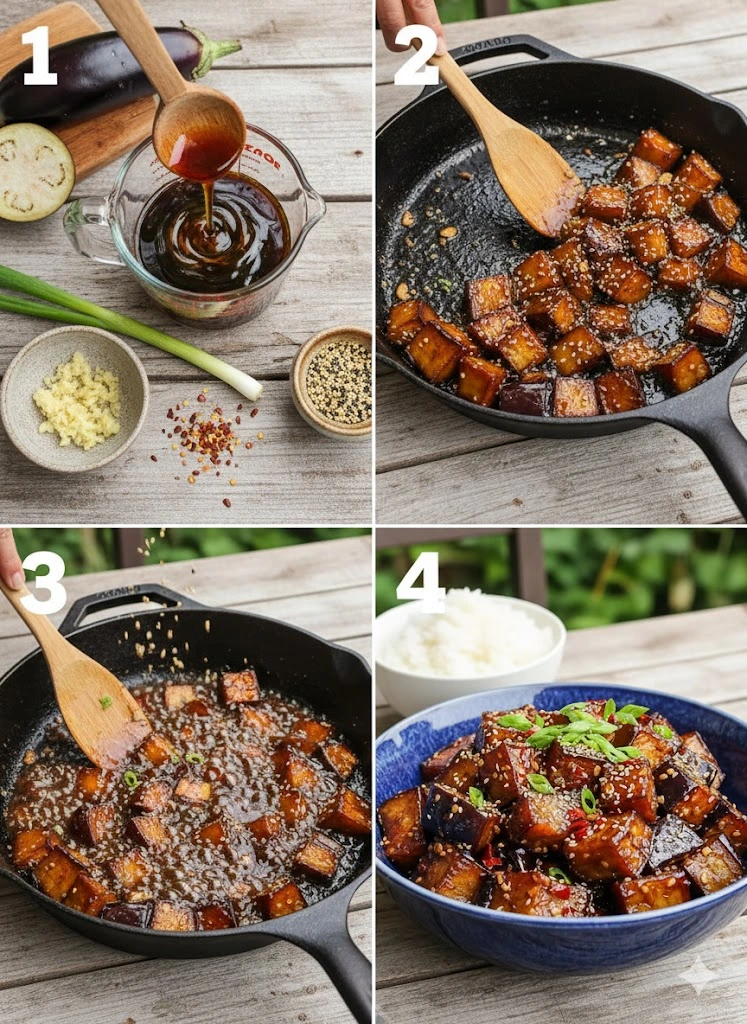
- Begin by prepping the eggplant. Cut the firm vegetables into 1-inch cubes. There is no need to peel the skin, as it provides structure and nutrients. Lightly salt the cubes and let them sit for 10 minutes to draw out excess moisture. Pat them thoroughly dry with a towel before cooking to ensure better browning.
- Heat the oil in a large skillet over medium heat. Add the finely minced garlic and stir for 30 seconds. You want it to become fragrant but remain pale; do not let it brown or turn bitter.
- Add the prepared eggplant cubes to the skillet in a single layer. Sauté for 5 to 6 minutes, stirring occasionally, until the edges turn a beautiful golden brown and the flesh begins to soften.
- Pour in the low-sodium soy sauce, the honey or maple syrup, and the rice vinegar. Stir gently to ensure every piece of eggplant is coated. Allow the mixture to bubble for 2 to 3 minutes until the liquid reduces and thickens into a glossy glaze.
- If you prefer a much thicker coating, you can mix 1 teaspoon of cornstarch with 1 tablespoon of water and stir this slurry into the pan during the final minute of cooking.
- Remove the skillet from the heat and sprinkle the toasted sesame seeds over the top. Let the dish rest for 5 minutes before serving to allow the eggplant to absorb more flavor.
- Serve the finished product over steamed rice or noodles, ideally garnished with fresh sliced scallions.
Mastering the Texture and Caramelization Process
The secret to a world-class Sticky Garlic Eggplant lies in the physics of the eggplant itself. Often criticized for being “spongy” or “mushy,” eggplant is actually a culinary marvel when handled with intention. When you cut your medium eggplants into those uniform 1-inch cubes, you are creating a vast amount of surface area. By salting these cubes and letting them rest for ten minutes, you are initiating osmosis. This draws out the water trapped in the cellular structure of the fruit. If you skip the pat-drying step, that moisture will turn to steam the moment it hits the hot oil, resulting in a boiled, soft texture. By drying them, you allow the oil to make direct contact with the plant sugars, leading to the Maillard reaction—that golden-brown char that provides a smoky depth of flavor.
Once the garlic is fragrant, the sautéing phase is about patience. You want to see those edges transform from a dull white to a translucent, shimmering gold. This is the foundation of the dish. When the sauce hits the pan, the eggplant switches roles from a frying vegetable to an absorbent sponge. The low-sodium soy sauce provides the salt and umami, while the honey or maple syrup begins to caramelize under the heat. The rice vinegar acts as a bright top note, cutting through the richness of the oil and the deep notes of the soy. As the sauce bubbles and reduces, the sugars and proteins bind together, creating that “sticky” quality that gives the dish its name. This isn’t just a sauce sitting on top; it is a glaze that has become one with the vegetable.
Achieving the Ultimate Savory Balance
When working with bold ingredients like garlic and soy, balance is your best friend. The choice between honey and maple syrup is more than just a preference; it changes the profile of the “sticky” finish. Honey provides a floral, clean sweetness that brightens the garlic. Maple syrup, on the other hand, adds a woody, autumnal depth that pairs exceptionally well with the charred edges of the eggplant.
To take the flavor even further, consider the intensity of your garlic. Finely mincing the cloves by hand, rather than using a press, ensures that the garlic pieces sauté evenly without burning. If you are a true garlic lover, you might even double the amount, but remember that the longer the garlic sits in the reducing sauce, the more its pungency mellows into a sweet, nutty undertone. The final addition of toasted sesame seeds isn’t just for aesthetics; it provides a necessary structural contrast. The “crunch” of the seeds breaks up the “melt-in-your-mouth” texture of the glazed eggplant, making every bite a multi-sensory experience.
Innovative Modifications and Ingredient Swaps
One of the greatest strengths of this recipe is its inherent flexibility. While the base recipe is vegetarian, it can easily be adapted to suit various dietary needs or flavor cravings:
- The Spice Factor: For those who crave heat, adding a teaspoon of chili garlic sauce or a pinch of red pepper flakes during the garlic sautéing phase will transform the dish into a spicy-sticky delight.
- Protein Integration: If you want to turn this into a high-protein feast, you can toss in cubes of crispy fried tofu, seared shrimp, or even browned ground pork during the final two minutes of simmering.
- Gluten-Free Adjustments: This recipe is easily made gluten-free by swapping the soy sauce for tamari or coconut aminos. If using aminos, remember they are naturally sweeter, so you may want to reduce the honey or maple syrup slightly.
- Vegetable Medleys: While eggplant is the star, the sauce is universal. You can add sliced bell peppers, zucchini, or snap peas to the pan for extra color and a variety of textures.
- The Citrus Twist: A squeeze of fresh lime juice or a zest of orange right before serving can provide a hit of acidity that makes the umami flavors “pop” even more intensely.
Ideal Pairings and Presentation
To serve this Sticky Garlic Eggplant in a way that feels like a complete meal, consider the foundation. Steamed jasmine rice is the gold standard, as its floral aroma complements the garlic. However, for a nuttier profile, brown rice or quinoa works beautifully. If you are a fan of noodles, udon or soba are excellent choices; their chewy texture provides a wonderful contrast to the soft eggplant, and they are masters at soaking up any stray glaze left in the pan.
For a formal presentation, serve the eggplant in a shallow ceramic bowl. Garnish heavily with sliced scallions cut on a sharp bias and an extra dusting of toasted sesame seeds. If you are hosting a dinner party, a side of quick-pickled cucumbers (marinated in rice vinegar and a touch of sugar) provides a cold, crisp acidity that cleanses the palate between bites of the rich, warm eggplant.
Expert Strategies for Meal Prep and Longevity
This recipe is a secret weapon for those who meal prep on Sundays. Unlike many vegetable dishes that wilt and become unappealing after a day in the fridge, Sticky Garlic Eggplant actually improves. As it sits, the eggplant continues to marinate in the soy-garlic glaze, leading to a deeper flavor profile on day two or three.
When storing, use an airtight glass container to keep the moisture locked in. If you are planning to eat this over several days, store the eggplant separately from your grains or noodles. This prevents the rice from absorbing all the sauce and becoming mushy. When it comes time to reheat, the stovetop is your best friend. A quick toss in a warm pan with a tablespoon of water will loosen the glaze and bring back that glossy, “just-cooked” look. If you must use a microwave, do so in short thirty second bursts to avoid overcooking the eggplant into a pulp.
Deep-Dive Kitchen Insights
Why does my eggplant sometimes turn out bitter?
Eggplant contains compounds called alkaloids which can occasionally carry a bitter edge, especially in older or larger fruits. The salting process, known as “sweating,” is the most effective way to mitigate this. By drawing out the moisture, you are also removing those bitter notes, leaving behind the creamy, mild flavor that eggplant is famous for.
Can I make this recipe without using so much oil?
Yes, if you are looking for a lighter version, you can roast the eggplant cubes in an oven at four hundred twenty-five degrees Fahrenheit for twenty minutes. Once they are tender and browned, you can then toss them into a pan with the sautéed garlic and sauce to glaze them. This reduces the amount of oil the eggplant absorbs during the frying process.
What is the best type of eggplant to use for this specific recipe?
While standard Globe eggplants (the large, teardrop-shaped ones) work perfectly well, Italian or Japanese eggplants are also excellent choices. Japanese eggplants have thinner skins and fewer seeds, which results in an even creamier texture once the “sticky” sauce is applied.
Is it possible to overcook the sauce?
The sauce transitions from a liquid to a glaze quite quickly due to the sugar content in the honey or maple syrup. If you leave it on the heat for too long, the sugars can burn, leading to a bitter, acrid taste. Watch for the bubbles—once they become large, slow, and “syrupy,” it is time to remove the pan from the heat.
Nutrition Information and Facts
Nutritional Overview (Per Serving)
| Nutrient | Amount |
| Calories | 200 |
| Total Fat | 8 grams |
| Saturated Fat | 1 gram |
| Sodium | 980 milligrams |
| Total Carbohydrates | 28 grams |
| Dietary Fiber | 6 grams |
| Sugars | 18 grams |
| Protein | 5 grams |
Nutritional Disclaimer
The nutritional information provided is an estimate based on standard ingredient measurements and typical preparation methods. Actual nutritional values may vary depending on specific brands used, the size of the produce, and individual cooking techniques. If you have specific dietary requirements or health concerns, please consult with a certified nutritionist or medical professional.
The Final Flourish
Bringing this dish to your table is more than just providing a meal; it is about exploring the incredible versatility of simple ingredients. This Sticky Garlic Eggplant proves that you do not need a long list of exotic items to create a high-impact, satisfying dinner. By focusing on the preparation of the eggplant and the reduction of the sauce, you unlock a level of flavor that rivals the best Asian bistros. It is a dish that celebrates texture, honors the balance of sweet and salty, and most importantly, makes the act of cooking at home feel like a rewarding adventure. Whether it is a Tuesday night or a special weekend gathering, this recipe is sure to become a staple in your culinary repertoire.
Sticky Garlic Eggplant
Ingredients
- 2 medium eggplants, firm and glossy, cut into 1-inch cubes
- 3 cloves garlic, minced finely
- 1 cup low-sodium soy sauce
- 2 tbsp honey or maple syrup
- 2 tbsp rice vinegar
- 2 tbsp oil for sautéing
- 3 tbsp toasted sesame seeds for garnish
Instructions
- Cut firm eggplants into 1-inch cubes (no need to peel). Lightly salt and let sit for 10 minutes to draw out excess moisture—pat dry with a towel before cooking for better browning.
- Heat oil in a large skillet over medium. Add minced garlic and stir for 30 seconds—just until fragrant but not browned.
- Add eggplant cubes in a single layer. Sauté for 5–6 minutes, stirring occasionally, until edges turn golden and flesh softens.
- Pour in soy sauce, honey (or maple syrup), and rice vinegar. Stir gently to coat the eggplant. Let it bubble for 2–3 minutes—the sauce will thicken into a glossy glaze.
- Optional: If the sauce seems thin, mix 1 tsp cornstarch with 1 tbsp water and stir in during the last minute of cooking to thicken.
- Remove from heat and sprinkle with toasted sesame seeds. Let it rest for 5 minutes before serving to allow the eggplant to absorb more flavor.
Notes
Equipment
- large skillet or wok
- paper towels For drying salted eggplant
- mixing spoon