
The Starbucks copycat egg bites have captured the attention of busy folks everywhere, offering a savory, protein-packed start to the day that feels both indulgent and convenient. While the café version uses a sous vide method for that signature airy texture, recreating the essence of these bites at home is surprisingly straightforward, delivering all the flavor with a fraction of the cost. Our approach utilizes a simple water bath in the oven, mimicking the gentle, even heat that coaxes the eggs into a silky, custardy consistency. This recipe yields a dozen perfect, portable servings, ideal for meal prepping or a leisurely weekend brunch when you crave that familiar, comforting bite.
Table of Contents
The Foundation: Ingredients for Your Savory Bites
Getting the texture and flavor just right starts with quality components, especially the dairy and cheese, which contribute significantly to the smooth, almost cloud-like interior that defines these egg bites.
The Base
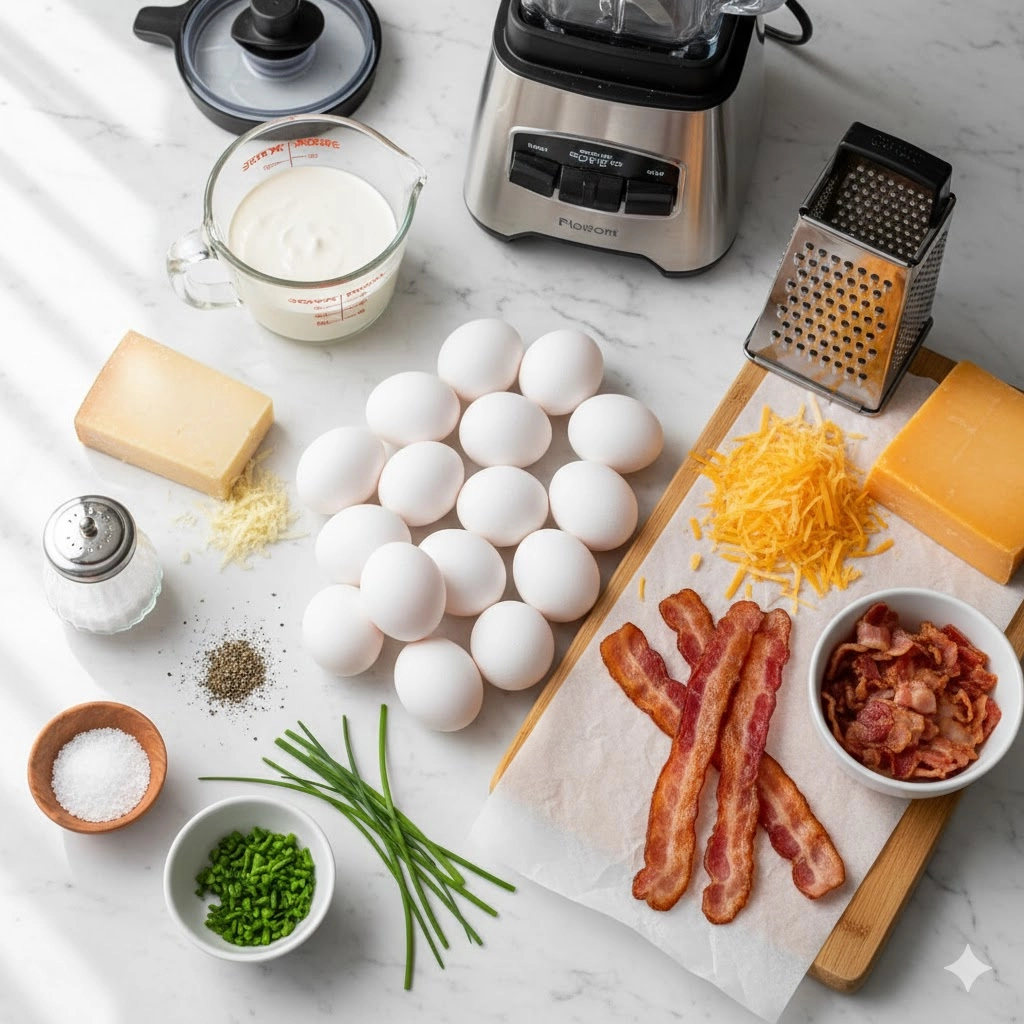
- 12 large eggs
- One half cup heavy cream (or half-and-half for a slightly lighter result)
- One teaspoon fine sea salt
- One quarter teaspoon black pepper
The Fillings
- One cup gruyère cheese, shredded (about four ounces)
- One half cup sharp cheddar cheese, shredded
- Four slices good quality bacon, cooked until crisp and crumbled
- One quarter cup chives, finely snipped
Equipment Notes
- A standard twelve-cup muffin tin
- A baking dish or roasting pan large enough to hold the muffin tin
- A blender or food processor for emulsifying the egg mixture
Culinary Procedure: Bringing the Bites Together
This process is broken down into essential phases: preparing the custard, loading the fillings, and the gentle baking process that ensures a perfect texture.
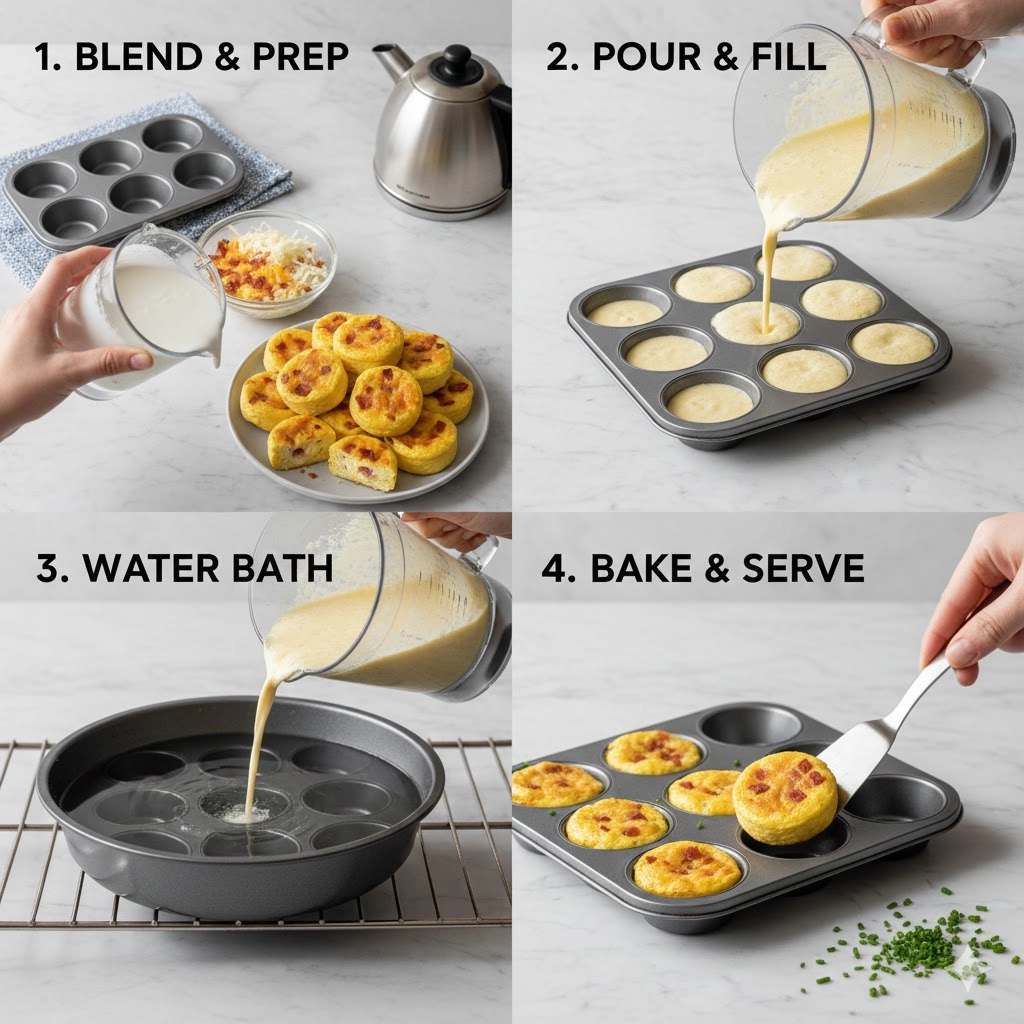
- Prep the Baking Setup: Preheat your oven to three hundred twenty-five Fahrenheit. Place your twelve-cup muffin tin inside a larger baking dish or roasting pan. Prepare a kettle of hot, not boiling, water for the water bath.
- Blend the Custard Base: In a blender or food processor, combine the eggs, heavy cream, salt, and pepper. Blend on high speed for about thirty seconds until the mixture is completely smooth and frothy. This aeration is key to the light texture.
- Divide the Fillings: Distribute the shredded gruyère, cheddar, and crumbled bacon evenly across the twelve wells of the muffin tin.
- Pour the Egg Mixture: Carefully pour the blended egg mixture over the fillings in each well, filling them nearly to the top—about three quarters full.
- Create the Water Bath: Place the roasting pan holding the muffin tin onto the middle oven rack. Carefully pour the hot water into the roasting pan, ensuring the water level comes about halfway up the sides of the muffin tin.
- Bake and Check for Doneness: Bake for thirty to forty minutes. The center of the bites should look set and slightly puffed, and the internal temperature should register at least one hundred sixty-five Fahrenheit.
- Cool and Serve: Remove the muffin tin from the water bath and allow the egg bites to cool in the pan for about five minutes before gently running a small offset spatula around the edges to release them. Garnish with snipped chives.
Mastering the Texture: Detailed Cooking Insights
The success of these egg bites hinges entirely on achieving that tender, uniform, melt-in-your-mouth interior, which is often lost when baking eggs in a standard oven without protection.
The Power of the Blender and Strainer
The instruction to blend the egg mixture is non-negotiable. Standard whisking simply can’t incorporate enough air and thoroughly break down the egg proteins to achieve the signature creamy structure. When blending, the mixture should transform from a simple yellow liquid into something pale yellow and visibly foamy. For an even smoother consistency, you can optionally strain the blended mixture through a fine-mesh sieve before pouring, which removes any remaining thick strands of albumen.
Why the Water Bath Matters
Baking the muffin tin in a pan of hot water, known as a bain-marie, insulates the eggs from the harsh, direct heat of the oven’s metal walls and floor. This allows the egg proteins to set slowly and evenly at a lower temperature. Without the water bath, the edges and bottoms of the egg bites would overcook and turn rubbery long before the center sets, resulting in a firm, chewy texture. The gentle, moist heat from the steam ensures the entire bite cooks uniformly, achieving that silky, custardy feel, similar to a high-end custard or flan.
Visual and Sensory Cues for Doneness
After thirty minutes of baking, open the oven door and give the roasting pan a gentle nudge. If the egg bites are jiggly like unset gelatin in the center, they need more time. If they appear mostly set with just a slight, subtle movement in the very middle, they are close. The perfect sign is a pale, uniform color across the top, often with slight golden-brown spots from the melting cheese, and a texture that springs back lightly when touched. If they puff up too dramatically or appear browned on the surface, your oven temperature might be running too hot, or you may not have enough water in the bath. Pull them out when the centers are just set; they will continue to firm up slightly while cooling.
Expert Strategies for Flawless Results
Elevate your batch of Starbucks copycat egg bites from good to exceptional with these tried-and-true techniques developed in a professional kitchen environment.
- Always Use Room Temperature Eggs: Cold eggs resist blending and create a denser mixture. Let your eggs sit on the counter for thirty minutes prior to blending. This small step ensures better emulsification and a lighter texture.
- The Cheese Grind: Pre-shredded cheeses are coated in anti-caking agents that can hinder smooth melting. For the absolute best texture and flavor, purchase a block of gruyère and cheddar and shred it yourself just before mixing.
- Keep the Water Bath Hot: If the water you pour into the roasting pan is lukewarm, it takes longer to heat up in the oven, increasing the cooking time and potentially affecting the final texture. Use water that is steaming hot, just shy of boiling, straight from a kettle.
- Liberally Grease the Tin: Even if your muffin tin is non-stick, a generous coating of cooking spray or butter is vital. Eggs are notorious for sticking, and you want these bites to slide out cleanly without tearing. Pay close attention to the rim of each well.
- Avoid Overfilling: Filling the wells more than three-quarters full can cause the eggs to puff up and spill over the edges as they cook, leading to messy, less-attractive results. Leave a bit of headspace for the expansion.
- Let Them Rest: Do not rush to remove the bites from the pan. Allowing them to cool in the tin for five minutes helps them contract slightly, making the gentle removal process easier and preventing them from falling apart upon extraction.
Ingredient Swaps and Flavor Explorations
The great thing about a simple egg base is its versatility. You can easily adapt the cheese and meat components in your Starbucks copycat egg bites to suit different palates or what you have on hand.
- Cheese Substitutions: If gruyère is hard to find, a good quality Monterey Jack or Swiss cheese will provide a similar mild, nutty melt. For a bolder flavor, try swapping the cheddar for smoked Gouda.
- Meat Alternatives: Instead of bacon, try finely diced, sautéed ham or crumbled breakfast sausage. For a meatless option, substitute the bacon with a half cup of sautéed, finely chopped mushrooms or sun-dried tomatoes, squeezed dry.
- Vegetable Additions: Incorporate up to a quarter cup of cooked vegetables. Spinach, kale, or roasted red peppers need to be thoroughly drained of excess moisture before adding to prevent a watery final product.
- Herb Twist: Change the herb profile from chives to fresh dill, tarragon, or a classic Italian blend like oregano and basil for a completely different aromatic profile.
Serving and Reheating for Convenience
These versatile egg bites are just as wonderful fresh from the oven as they are reheated on a busy morning.
- Brunch Spread: Serve them alongside toasted English muffins, a simple green salad with a light vinaigrette, or a side of fresh fruit for a complete weekend meal.
- Grab-and-Go: For meal prepping, allow the finished bites to cool completely before storing them in an airtight container in the refrigerator. They are delicious cold, but can also be reheated in a microwave for twenty to thirty seconds, or in a toaster oven until warmed through.
- Sauce Accompaniment: A dash of your favorite hot sauce is a classic pairing. For something richer, consider a dollop of fresh salsa, or a light drizzle of hollandaise sauce for an elegant touch.

Frequently Asked Questions
Can I make these egg bites ahead of time?
Yes, they are excellent for meal prep. Once they are baked and fully cooled, store them in an airtight container in the refrigerator for up to four days. They reheat beautifully in the microwave or a toaster oven.
Why did my egg bites get rubbery?
Rubbery texture is almost always due to overcooking or baking at too high a temperature. Ensure you are using the three hundred twenty-five Fahrenheit setting and, most importantly, the water bath. Cooking the eggs gently ensures they stay soft and tender.
Can I use liquid egg whites for this recipe?
While you can use liquid egg whites, you will lose the richness and the velvety texture provided by the whole egg yolks and heavy cream. If using egg whites, you may need to increase the amount of cheese or cream slightly to compensate for the missing fat.
Can I freeze the leftovers?
Absolutely. Once cooled, wrap individual egg bites tightly in plastic wrap, then place them in a freezer-safe bag or container. They can be frozen for up to two months. Thaw overnight in the refrigerator before reheating.
Nutrient Information
| Nutrient | Amount per Serving |
| Calories | 175 kcal |
| Protein | 11 g |
| Carbs | 1 g |
| Fat | 14 g |
| Fiber | 0 g |
| Sugar | 0 g |
| Sodium | 285 mg |
Disclaimer
Nutrition information is an estimate and may vary based on preparation and ingredients used.

Starbucks Copycat Egg Bites
Ingredients
- 12 large eggs
- 1/2 cup heavy cream (or half-and-half)
- 1 tsp fine sea salt
- 1/4 tsp black pepper
- 1 cup gruyère cheese, shredded
- 1/2 cup sharp cheddar cheese, shredded
- 4 slices bacon, cooked and crumbled
- 1/4 cup chives, finely snipped
Instructions
- Preheat your oven to 325°F. Place a 12-cup muffin tin inside a large baking dish or roasting pan. Prepare a kettle of hot (not boiling) water.
- In a blender or food processor, combine eggs, heavy cream, salt, and pepper. Blend on high for 30 seconds until smooth and frothy.
- Evenly divide the gruyère, cheddar, and bacon between the 12 muffin wells.
- Pour the egg mixture over the fillings in each muffin cup, filling each about 3/4 full.
- Place the baking dish on the middle oven rack. Carefully pour hot water into the roasting pan until it reaches halfway up the muffin tin.
- Bake for 30–40 minutes, until centers are just set and internal temperature reaches 165°F.
- Let cool in the pan for 5 minutes. Gently loosen with a spatula and garnish with chives before serving.
Notes
Equipment
- 12-cup muffin tin
- roasting pan or large baking dish
- blender or food processor
- kettle
- offset spatula