
When the middle of March arrives, kitchens across the country begin to transform into hubs of emerald green creativity. There is a certain magic that comes with baking St Patrick’s Day cookies, a tradition that goes far beyond just a simple sweet treat. Whether you are hosting a large neighborhood gathering or just looking to bring a bit of the luck of the Irish to your family dinner table, a perfectly baked sugar cookie is the ultimate canvas. These cookies are designed to be sturdy enough for intricate shamrock shapes yet soft enough to melt away the moment they hit your tongue.
In the spirit of a true Irish hooley, which is essentially a boisterous party filled with music and fun, these cookies provide the necessary fuel for the festivities. This specific recipe focuses on a classic rolled dough that maintains its shape beautifully in the oven, ensuring your four-leaf clovers don’t turn into blobs. We are leaning into a high-quality, vanilla-forward profile that pairs exceptionally well with a bright, festive icing. Get ready to fill your home with the scent of butter and sugar as we dive into the most reliable way to celebrate the holiday.
Table of Contents
Ingredients for Your Festive Batch
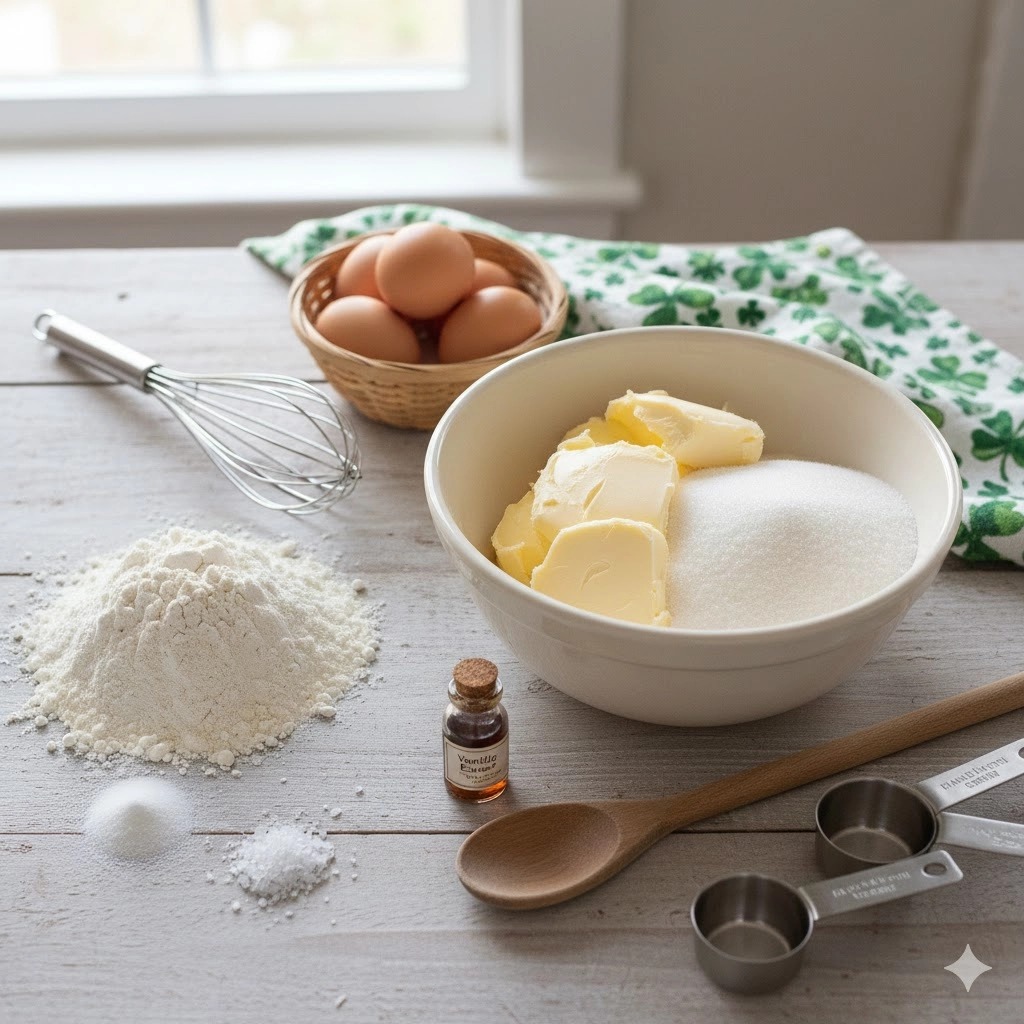
To ensure your cookies turn out exactly as intended, gather these specific ingredients. Accuracy in your measurements is the foundation of a successful bake, especially when dealing with a dough that requires rolling and cutting.
- one and one half cups butter, softened
- two cups white sugar
- four eggs
- one teaspoon vanilla extract
- five cups all-purpose flour
- two teaspoons baking powder
- one teaspoon salt
Master the Baking Process
Follow these steps with precision to ensure your St Patrick’s Day cookies have the perfect texture and rise.
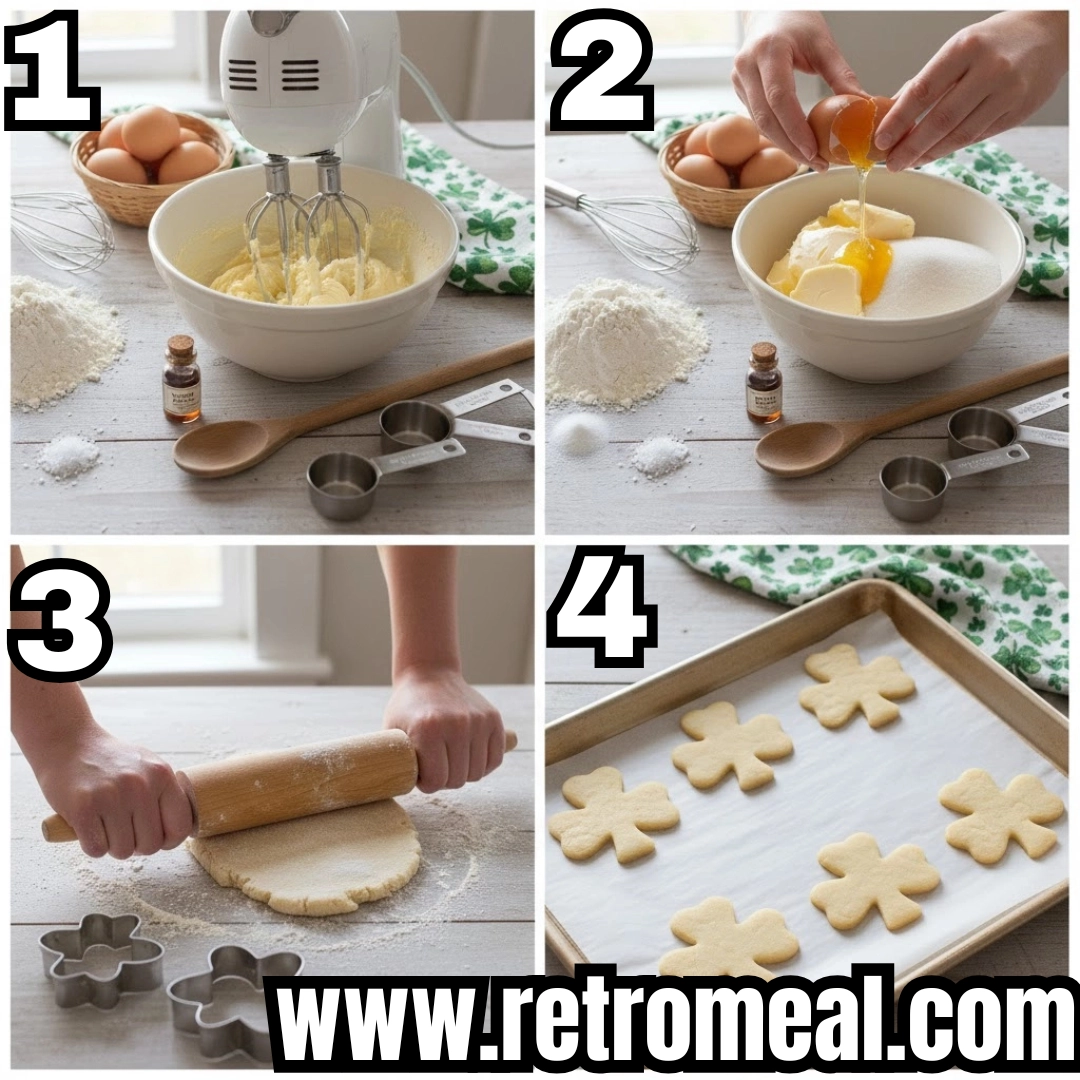
- In a large bowl, cream together the softened butter and white sugar until the mixture is light, fluffy, and smooth.
- Beat in the eggs one at a time, ensuring each is fully incorporated before adding the next. Stir in the vanilla extract.
- In a separate medium bowl, whisk together the all-purpose flour, baking powder, and salt.
- Gradually stir the dry ingredients into the wet butter mixture. Continue mixing until a cohesive dough forms.
- Cover the dough and chill in the refrigerator for at least one hour. For the best results, three to four hours or even overnight is ideal.
- Preheat your oven to four hundred degrees Fahrenheit.
- On a surface lightly dusted with sugar or flour, roll out the chilled dough to a thickness of one quarter to one half inch.
- Cut the dough into desired holiday shapes using cookie cutters.
- Place the cookies at least one inch apart on ungreased cookie sheets.
- Bake for six to eight minutes in the preheated oven.
- Remove from the oven and allow the cookies to cool completely on a wire rack before icing.
Crafting the Perfect Decorative Finish
While the cookie itself is a buttery delight, the decoration is what truly turns these into St Patrick’s Day cookies. You want an icing that hardens enough to stack but remains soft when bitten. A traditional sugar cookie icing made from confectioners’ sugar, a splash of milk, and a bit of light corn syrup for shine works wonders.
When coloring your icing, consider using various shades of green. A deep forest green provides a sophisticated look for shamrocks, while a bright neon green is always a hit with children. You can even use a small toothpick to swirl white and green icing together for a marbled effect that mimics the rolling hills of the Irish countryside. If you want to go the extra mile, gold sanding sugar can be used to create “pots of gold” or to add a shimmering border to your clover leaves.
Essential Accompaniments and Serving Ideas
Serving St Patrick’s Day cookies is an art form in itself. While they are spectacular on their own, pairing them with the right beverages can elevate the entire experience. For a truly authentic Irish feel, serve these alongside a hot cup of strong Irish breakfast tea. The tannins in the tea cut through the richness of the butter and the sweetness of the icing perfectly.
For an adult gathering, these cookies are a surprising but delightful match for a creamy Irish stout or a glass of Irish cream liqueur over ice. If you are serving a crowd, consider a dessert platter that includes these cookies along with some Irish potato candy (made of coconut and cinnamon) and pieces of rich, dark chocolate. The contrast of textures and flavors will keep your guests coming back to the dessert table throughout the night.
Deep Dive into Step-by-Step Details
The secret to a world-class cookie lies in the “creaming” stage. When you combine the butter and sugar, you aren’t just mixing them; you are aerating the butter. The sugar crystals cut through the fat, creating tiny pockets of air. These pockets expand in the heat of the oven, contributing to a light, tender crumb. Aim for at least three to five minutes of mixing at this stage until the color turns a pale ivory.
When adding the eggs, make sure they are at room temperature. Cold eggs can cause the creamed butter to seize or “curdle,” leading to an uneven texture in the final bake. If you forget to take them out of the fridge, simply place the whole eggs in a bowl of warm water for five minutes.
Chilling the dough is the most non-negotiable part of this recipe. During this resting period, the flour fully hydrates, and the fats solidify. If you skip this, the dough will be too sticky to handle, and your cookies will spread thin and flat on the baking sheet. A chilled dough ensures that the beautiful shamrock shapes you spent time cutting out stay sharp and defined after they come out of the oven.
When rolling the dough, many professional bakers prefer using granulated sugar instead of flour on the work surface. Flour can toughen the dough if too much is worked back in, whereas sugar simply adds a bit of extra crunch and sweetness to the exterior of the cookie. Ensure your rolling pin is moving from the center outward to maintain an even thickness, which is crucial for uniform baking times.
Diverse Modifications and Substitutions
If you find yourself missing an ingredient or catering to a specific preference, there are several ways to adapt these St Patrick’s Day cookies. If you do not have vanilla extract, almond extract is a popular alternative that provides a professional, “bakery-style” flavor profile. Use only half the amount of almond extract as it is much stronger than vanilla.
For those who enjoy a bit of texture, you can fold in half a cup of finely chopped pistachios into the dough. Not only does this add a delightful crunch, but it also provides a natural green hue that fits the holiday theme perfectly. If you want to reduce the sweetness slightly, you can swap the white sugar for a combination of white and light brown sugar, which will also add a hint of molasses-like depth to the flavor.
Unique Culinary Insights for Success
One of the best kitchen secrets for these cookies is the “under-bake” method. Because the oven is set to four hundred degrees Fahrenheit, these cookies bake very quickly. You want to pull them out just as the edges are set but before they start to turn brown. They will continue to firm up on the hot baking sheet for a minute or two after being removed from the oven. This ensures a soft, chewy center rather than a dry, crunchy cookie.
Another tip involves the thickness of the dough. While many recipes call for rolling dough very thin, keeping these at a solid one quarter inch or slightly thicker gives them a more substantial, “shortbread-like” feel that holds up better under heavy icing. If you find your dough is getting warm while you work, don’t hesitate to pop it back in the freezer for ten minutes. Working with cold dough is the easiest way to ensure professional-looking results.
Frequently Asked Questions
How long can I store these cookies before they go stale?
If kept in a strictly airtight container, these cookies will remain fresh and delicious for up to seven days at room temperature. If you have already iced them, it is best to place pieces of parchment paper between the layers to prevent the decorations from smudging or sticking together. For longer storage, you can freeze the un-iced cookies for up to three months, thawing them at room temperature before you begin the decorating process.
Why did my cookies spread so much and lose their shape?
The most common reason for spreading is that the dough or the baking sheets were too warm. Always ensure your dough is thoroughly chilled and never place raw dough onto a hot baking sheet that just came out of the oven. Additionally, ensure your baking powder is fresh, as expired leavening agents can sometimes cause unpredictable results in the oven’s high heat.
Can I make the dough in advance to save time on the holiday?
Yes, this dough is incredibly fridge-stable. You can prepare the dough up to three days in advance and keep it wrapped tightly in plastic wrap in the refrigerator. This actually allows the flavors to develop even further. When you are ready to bake, you may need to let it sit on the counter for ten to fifteen minutes just so it is pliable enough to roll out without cracking.
What is the best way to get a vibrant green color without a bitter aftertaste?
When coloring your icing or dough, it is highly recommended to use gel food coloring rather than the liquid drops found in most grocery stores. Gel is much more concentrated, meaning you need far less of it to achieve a deep, vibrant emerald green. Using too much liquid coloring can thin out your icing and sometimes introduce a chemical bitterness that can ruin the flavor of the butter.
A Heartfelt Wrap Up to Your Holiday Baking
Baking these St Patrick’s Day cookies is a wonderful way to slow down and enjoy the spirit of the season. Whether you are an experienced baker or a novice in the kitchen, the simplicity of this recipe ensures success every time. The joy of sharing a plate of hand-decorated clovers with friends and neighbors is what the holiday is truly about. May your kitchen be warm, your icing be green, and your holiday be filled with plenty of laughter and luck.
Nutritional Information
| Nutrient | Amount Per Serving |
| Calories | one hundred eighty |
| Total Fat | eight grams |
| Saturated Fat | five grams |
| Cholesterol | thirty-five milligrams |
| Sodium | one hundred twenty milligrams |
| Total Carbohydrates | twenty-four grams |
| Dietary Fiber | zero grams |
| Sugars | twelve grams |
| Protein | two grams |
Disclaimer
The nutritional information provided is an estimate based on standard ingredient data. Actual values may vary depending on the specific brands used and the size of your cookie cutters. Please consult a professional for strict dietary requirements.

St Patrick’s Day Cookies
Ingredients
- 1.5 cups butter, softened
- 2 cups white sugar
- 4 large eggs
- 1 tsp vanilla extract
- 5 cups all-purpose flour
- 2 tsp baking powder
- 1 tsp salt
Instructions
- In a large bowl, cream together the softened butter and white sugar until the mixture is light and fluffy.
- Beat in the eggs one at a time, then stir in the vanilla extract until fully incorporated.
- In a separate bowl, whisk together the flour, baking powder, and salt. Gradually stir into the creamed mixture.
- Cover the dough and chill in the refrigerator for at least one hour (or overnight for better handling).
- Preheat your oven to 400 degrees Fahrenheit (200 degrees Celsius).
- Roll out dough on a floured or sugared surface to 1/4 to 1/2 inch thickness. Cut into festive shapes.
- Place cookies 1 inch apart on ungreased cookie sheets. Bake for 6 to 8 minutes until edges are set.
- Cool completely on a wire rack before decorating with green icing and festive sprinkles.
Notes
Equipment
- stand mixer or hand mixer
- large mixing bowl
- Rolling Pin
- Shamrock cookie cutters
- Cookie sheets
- wire cooling rack