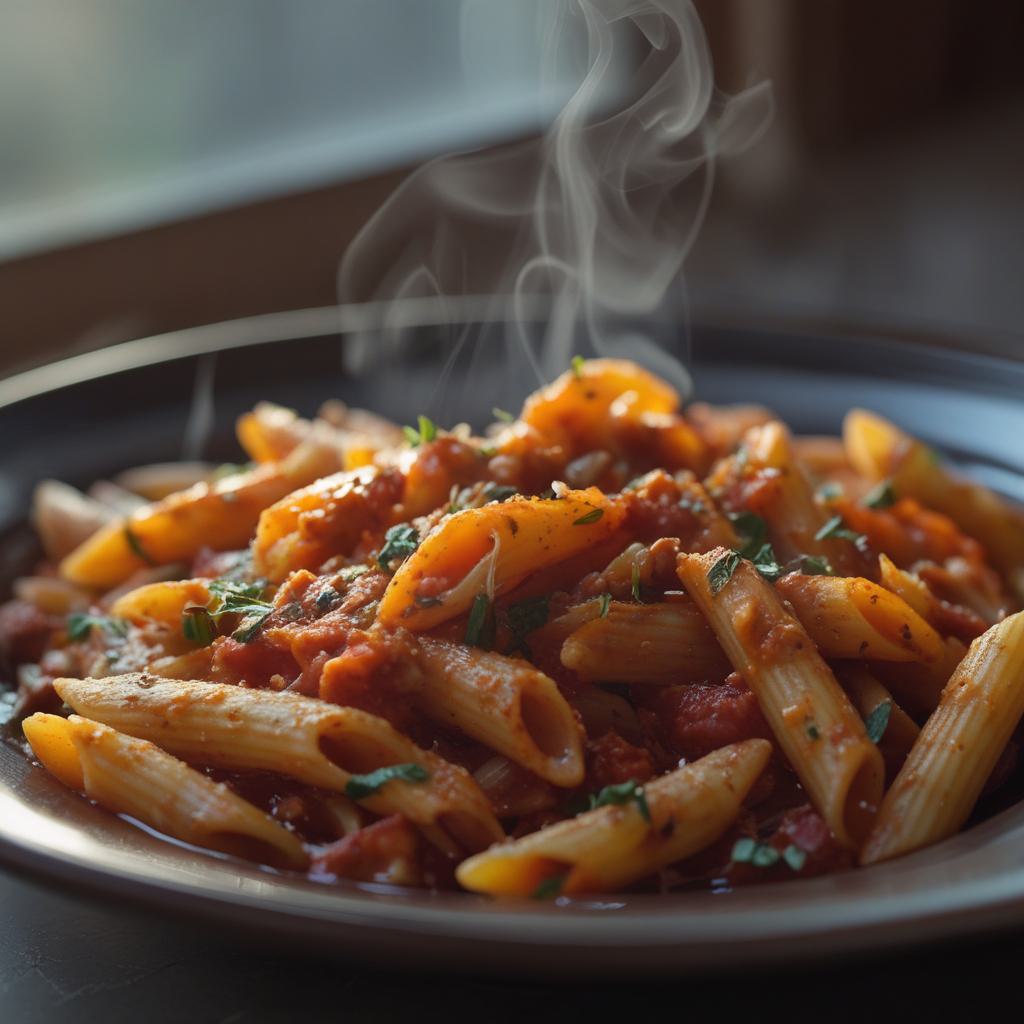
In the pantheon of pasta perfection, few dishes strike the nerve of primal culinary passion like Penne Arrabbiata. The name itself whispers rebellion—”arrabbiata” translating to “angry” in Italian, a fiery tribute to its blistering red chili heat. Imagine plump penne tubes glistening under a cloak of crushed tomatoes simmered to velvet intensity, punctuated by shards of garlic caramelized to a golden whisper. The scent alone—an olfactory overture of toasted chili oils meeting sweet basil—awakens the appetite like a Roman street musician’s serenade. This is peasant food elevated to cathedral heights, where rough-hewn ingredients transmute into something transcendent through the alchemy of technique. The genius lies in its theatrical simplicity: just five core components, each playing symphonic notes that crescendo in your mouth—sharp heat retreating to rich umami, acidity met by the comforting starch of pasta. When prepared with intent, it’s not merely supper; it’s volcanic romance on a plate.
Table of Contents
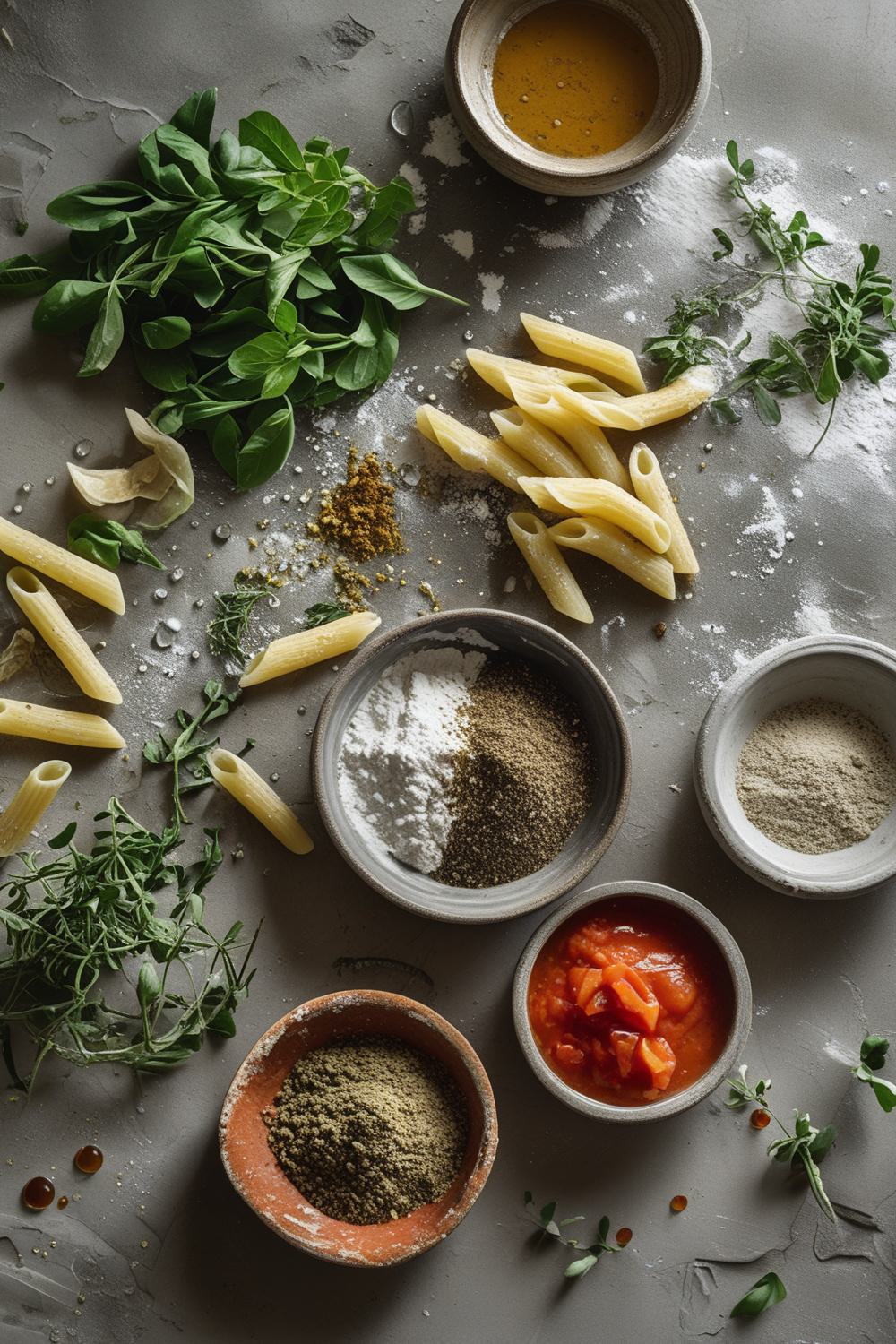
Ingredient Deep Dive
| Ingredient | Quantity | Purpose |
|---|---|---|
| San Marzano tomatoes (canned) | 800g | Low-acidity, dense flesh for silky sauce |
| Guajillo chilies (dried) | 3 pieces | Complex smoke with moderate Scoville (2,500-5,000) |
| Garlic (smashed) | 6 cloves | Slightly crushed to release alliinase enzymes |
| Penne rigate | 400g | Ridges trap sauce; tube shape cools spice |
| Extra virgin olive oil | 60ml | High polyphenol for chili infusion |
| Fresh basil stems | 8 stems | Stems simmered for earthy undertones |
The choice of San Marzano tomatoes isn’t mere tradition—it’s food science. Grown in volcanic soil near Naples, their elongated shape and thick flesh contain less water and seeds than standard tomatoes, reducing cooking time while concentrating flavor. The low pH (4.2-4.5) creates an optimal environment for emulsifying olive oil into the sauce without splitting.
Guajillo chilies serve as the flavor backbone rather than just heat vectors. Their fruity, berry-like notes (from beta-carotene and capsanthin pigments) balance the dish’s acidity. Soaking them in warm water before blending activates pectin enzymes—creating a luscious mouthfeel without cream. The penne rigate’s ridges aren’t aesthetic; they increase surface area by 37% compared to smooth pasta, ensuring sauce adhesion with every bite.
Substitutions & Swaps
For gluten-sensitive diners, brown rice penne maintains structural integrity—boil 90 seconds less to prevent mush. Vegans can intensify umami by adding 1 tbsp nutritional yeast during the simmer phase; it mimics Parmesan’s glutamate punch without dairy. If guajillo chilies are unavailable, blend 2 parts paprika with 1 part cayenne—the combo replicates both heat and fruity depth. Tomato haters? Roasted red peppers puréed with roasted garlic create a striking gold-hued “arrabbiata” with similar texture. Olive oil substitutions are discouraged—its high smoke point (410°F) prevents acrid burnt notes when chili-toasting, but refined avocado oil works in crisis.
Equipment Guide
Your skillet decides this dish’s fate. A 12-inch cast-iron pan ensures even heat distribution for chili blooming—thin metals create hotspots that scorch garlic. Use a flat wooden spatula to scrape fond (those caramelized bits) efficiently without scratching surfaces. For silky sauce, a BPA-free colander lets you reserve precious tomato liquid (add back during reduction). Never boil penne in shallow pots—the ideal 5:4 water-to-pasta ratio demands at least an 8-quart stockpot. Finishing with bronze-cut tweezers for basil placement lends Michelin flair.
Step-by-Step Walkthrough
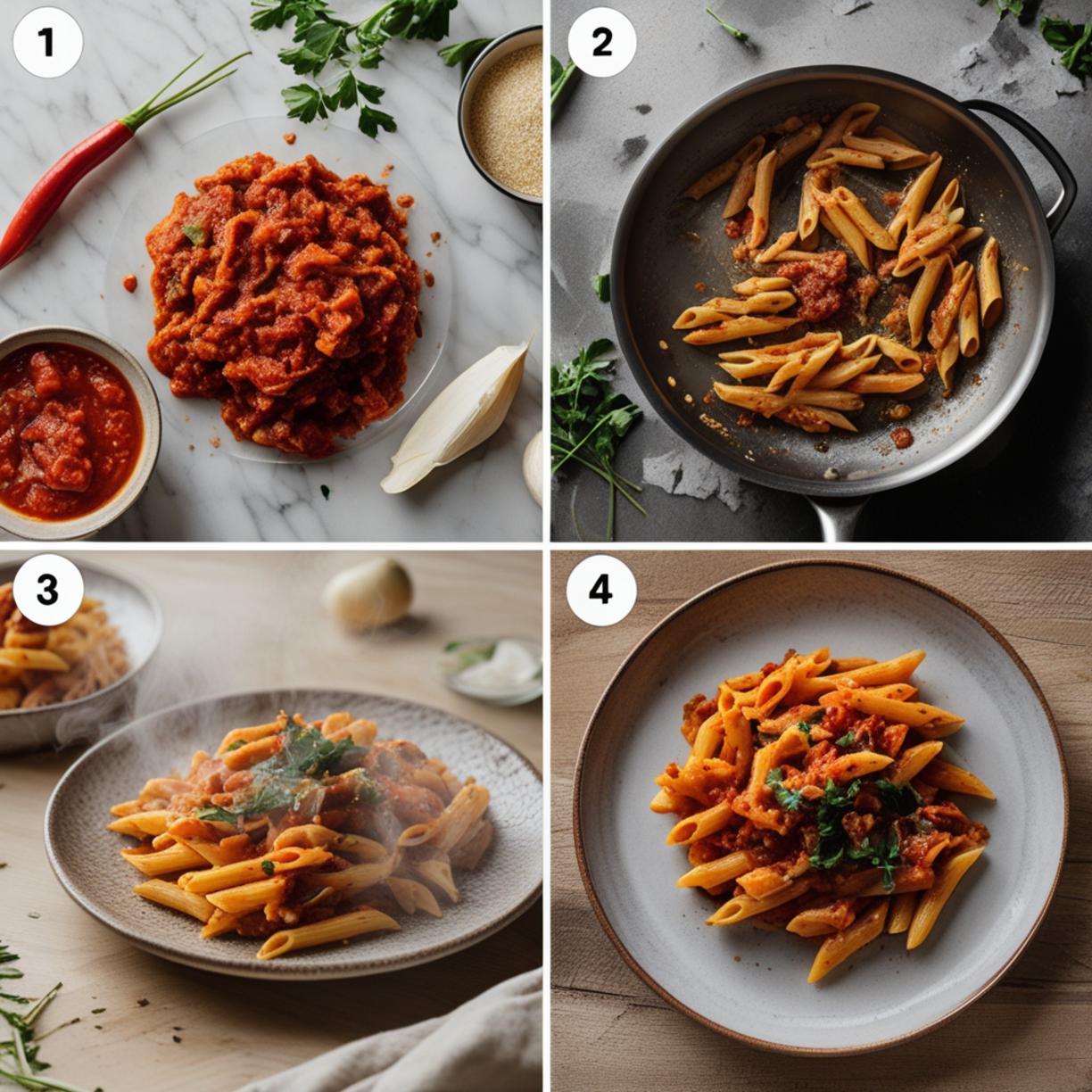
- Boil 5L salted water (resembles seawater concentration — 30g salt per liter).
- De-stem and deseed chilies; steep in warm water 15 minutes. Drain, chop fine.
- In cold skillet, combine olive oil, garlic, chili. Heat gradually to 250°F over 8 minutes—watch for garlic’s first golden hue.
- Stir in tomatoes WITH juices. Simmer 22 minutes (bubbles should barely break surface).
- Cook penne 7 minutes—three under al dente. Reserve 200ml pasta water.
- Toss pasta in sauce, adding reserved pasta water 1 tbsp at a time until emulsified. Finish with torn basil.
The cardinal sin? Adding garlic to searing oil—it scorches within seconds. Start cold, letting flavors infuse as the oil heats. For tomato brilliance, crush by hand rather than blending; irregular chunks create dynamic texture. When finishing pasta, toss vigorously—starch from the penne merges with olive oil, creating an emulsion NASA engineers would envy.
Salt timing is critical. Season pasta water like the Mediterranean Sea—it flavors from core outward. But sauce salt is added only in final minutes; reduction concentrates minerals, and oversalting ruins the equilibrium. The reserved pasta water isn’t waste—it’s liquid gold containing dissolved starches that thicken the sauce organically.
Expert Tips & Troubleshooting
Flame Tamers: If chilies overwhelm, stir 1 tsp honey—its fructose neutralizes capsaicin without sweetness detection. Frothy sauce? Whisk in iced water (1 tbsp at a time) to halt overcooking. Pasta stiff? Revive with 30-second microwave steam—sprinkle drops of water before covering with a damp cloth.
Texture Mastery: To prevent sauce separation, always finish cooking pasta IN the sauce. The penne’s surface starch acts as a natural binder. Storing leftovers? Pour a thin olive oil layer atop sauce—it prevents oxidation and fridge odors. Reheat in a non-stick pan with 2 tsp water under the lid—resuscitates texture perfectly.
Flavor Variations
For “arrabbiata bianco,” substitute tomatoes with roasted cauliflower purée, adding jalapeños for clean heat. Kid-friendly versions swap chilies for smoked paprika—at 100 Scoville units, it’s accessible. Seafood lovers fold in salt-cured anchovies during the garlic bloom—their glutamates heighten savoriness. Daring palates? Add espresso powder (1/2 tsp)—bitter notes accentuate chili complexity.
Storage & Reheating
Store sauce separately from pasta—mix when reheating. Sauce freezes 3 months in silicone cubes. Revive refrigerated pasta: place in sieve over boiling water 4 minutes. Never microwave sauced pasta—its waves crystallize starch molecules into gummy textures.
FAQ Section
Can I use fresh tomatoes? Only if pre-roasted—their moisture content (94%) dilutes flavor. Roast halved tomatoes at 425°F for 40 minutes before incorporating.
Why penne over spaghetti? Tubular pasta captures sauce inside and out, balancing spice distribution. Thin pastas drown in heavy sauces.
Can I make it ahead? Sauce thrives—flavors marry overnight. Cook pasta fresh always.
Is it authentically Roman? Conceptually, yes—invented in 1960s Rome as “spaghetti all’arrabbiata.” Penne became common later for structural reasons.
The Recipe Card
Serves 4 hungry souls in 35 minutes. Fiery yet balanced, vegan-adaptable classic. Pair with Nero d’Avola wine. Garnish: flaky sea salt, basil chiffonade, and cracked black pepper.
Nutrition Information
| Nutrient | Per Serving |
|---|---|
| Calories | 480 kcal |
| Carbs | 72g |
| Protein | 12g |
| Fats | 16g |
| Fiber | 6g |
* Disclaimer: Values estimated via USDA database. Actual nutrition may vary based on ingredient brands and preparation precision. Chili heat not quantified in Scoville units—adjust to personal tolerance.