My relationship with Spanish Flan isn’t just about a dessert; it’s about a Sunday tradition. I first learned this recipe from my Tía Elena, who made it every Sunday afternoon after the family lunch. The smell of the burnt sugar caramelizing on the stovetop—that smoky, sweet aroma—is one of my most cherished childhood memories. It was a dish that required patience and precision, traits my Tía embodied. After entering a local cooking contest and spending years perfecting the subtle balance between the silky custard and the bitter-sweet caramel, I now pass on her tested method.
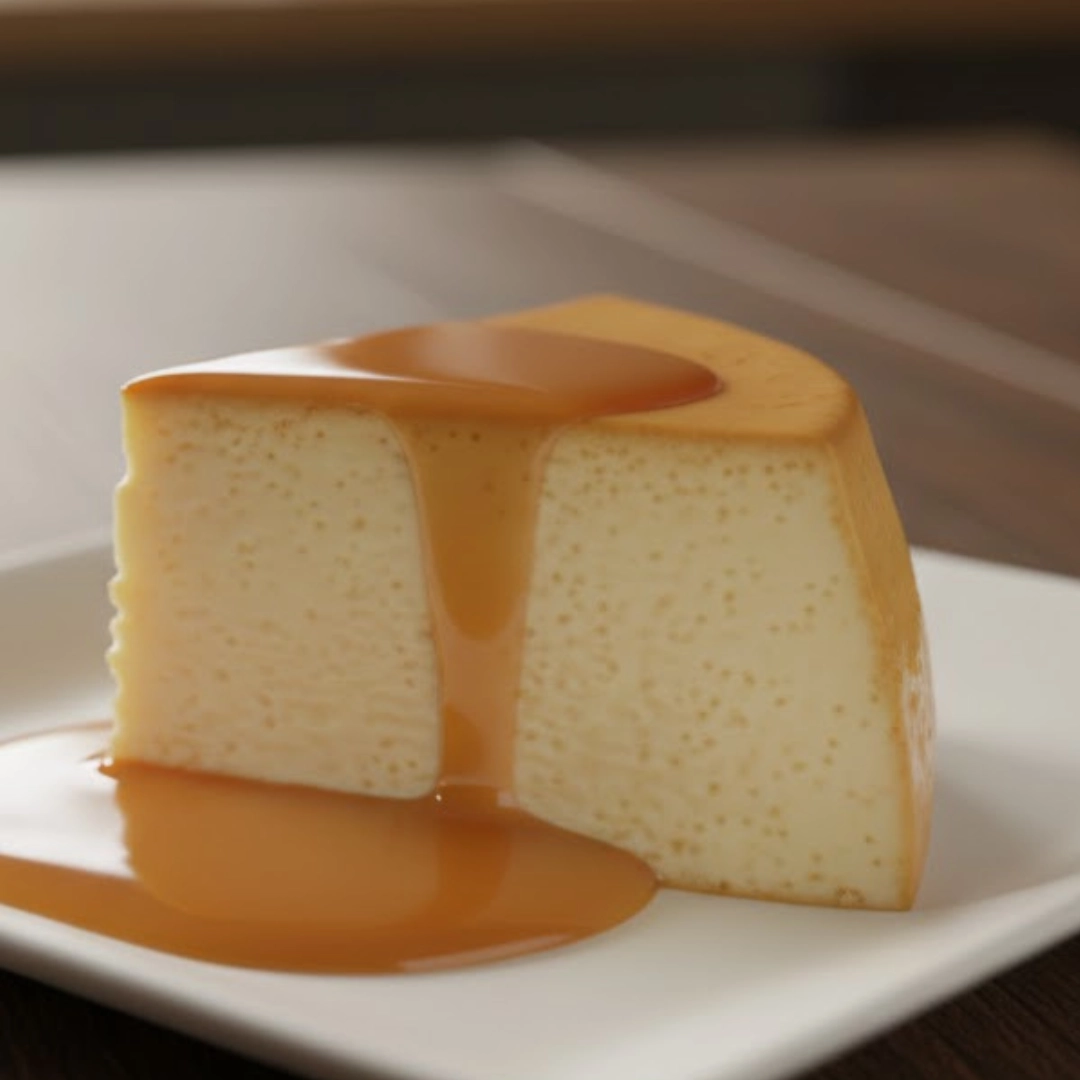
This ultimate Spanish Flan recipe guarantees that unmistakable texture: perfectly smooth, impossibly creamy, and draped in a glistening, liquid caramel. Unlike dense or overly rubbery versions, this classic custard is light, thanks to the gentle water bath baking method we’ll cover. Whether you’re new to making custard or looking to recreate an authentic taste of Spain, you’ll find this is the easiest and most reliable recipe to master.
Table of Contents
Why This Spanish Flan Recipe Works: The Science of Texture
After testing this recipe multiple times, I’ve found that consistency and temperature control are the secrets to achieving the perfect flan texture—the smooth, delicate custard that doesn’t become rubbery or dense. This isn’t just baking; it’s a gentle cooking process that relies on precise science.
The Role of Egg Proteins
The foundation of any custard, including Spanish Flan, is the careful coagulation of egg proteins. The eggs are the structural component. When heated, the proteins unwind and form a tight network that traps the liquids (the milk and sugar).
- Gentle Heat is Key: If the temperature rises too quickly (above about 180F), the egg proteins bond too tightly and squeeze out the liquid, resulting in a tough, porous, or curdled texture.
- The Water Bath (Bain-Marie): This is the non-negotiable step. Baking the flan mold in a hot water bath ensures that the custard cooks evenly and slowly from the sides inward. The water bath acts as a buffer, keeping the custard’s temperature stable and below the point of over-coagulation.
Caramelization Chemistry
The beautiful, amber caramel that tops the flan is a result of non-enzymatic browning called caramelization. This process happens when sugar is heated to a high temperature (around 320F), causing its molecules to break down and reform into hundreds of new compounds that create complex flavors and deep color.
Expert Tip: Don’t stir the sugar mixture; instead, swirl the pan. Stirring encourages crystallization, leading to gritty caramel. Based on my experience adjusting flavors for different palates, I recommend stopping the caramelization process when the color is a deep amber, just before it turns brown, to achieve that ideal balance of sweetness and slight bitterness.
The Essential Ingredients for Perfect Spanish Flan
A simple dish demands high-quality components. Because this recipe uses only a few ingredients, the flavor and richness of each element directly impact the final texture and taste of the Spanish Flan.
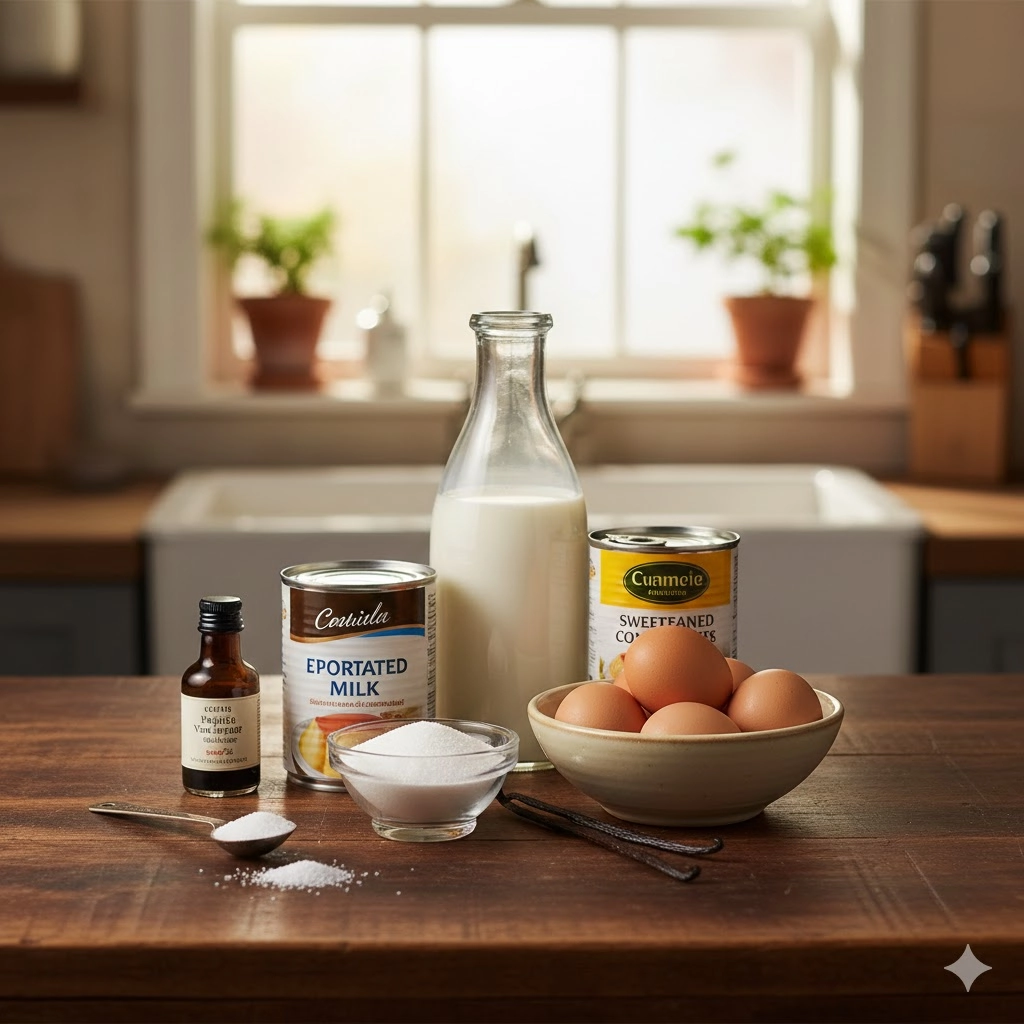
| Ingredient | Purpose in the Recipe | Key Quality to Look For |
| Granulated Sugar | For the caramel and sweetness in the custard. | Standard fine grain sugar works best for smooth caramel. |
| Eggs | Provides the structure and thickening for the custard. | Use fresh, large eggs for the best consistency. |
| Milk (Whole/Evaporated) | Forms the liquid base of the custard. | Higher fat content provides a richer, creamier mouthfeel. |
| Sweetened Condensed Milk | Adds exceptional richness, sweetness, and stability. | Essential for that characteristic dense creaminess. |
| Vanilla | Primary flavoring agent. | Use pure vanilla extract, or ideally, a vanilla bean. |
The Role of Sweetened Condensed Milk
While some traditional recipes use only milk and heavy cream, the inclusion of sweetened condensed milk in this tested method is what guarantees the flan’s signature dense yet incredibly smooth consistency. This ingredient is essentially milk that has been heated to remove most of the water, and sugar has been added.
The resulting liquid is thicker and contains more concentrated milk solids, which means:
- Enhanced Creaminess: It delivers a richness that heavy cream alone can’t match.
- Stable Emulsion: It helps create a more stable custard base, reducing the chance of separating or weeping.
Choosing the Right Custard Base
You have flexibility here, but as someone who has cooked this dish for years, I recommend the following combinations for the best flavor:
- Richest Option: Use a combination of sweetened condensed milk, evaporated milk, and whole milk.
- Classic Option: Use sweetened condensed milk combined with a mix of whole milk and heavy cream.
- Dairy-Free Option: For a variation, you can successfully replace the liquid dairy with full-fat canned coconut milk, though this will slightly alter the flavor profile.
How to Make Spanish Flan: Step-by-Step Instructions
This recipe makes a beautiful, show-stopping Spanish Flan in a standard 9-inch round cake or pie pan, or a dedicated flan mold. Pay special attention to the caramel process and the temperature of the water bath for best results.
Step 1: Mastering the Golden Caramel
The most critical step is the caramel. It must be melted slowly, poured quickly, and cooled completely before the custard base is added.
- Prep the Pan: Find a heat-safe mold (metal or glass) and set it aside. Preheat your oven to 350F. Begin heating a pot of water for the water bath—it should be hot, but not boiling, when you add it to the oven.
- Melt the Sugar: In a heavy-bottomed saucepan, pour 1 cup of granulated sugar over medium heat. Do not stir initially. Wait until the sugar begins to melt around the edges (about 3–5 minutes).
- Caramelize: Once the edges melt, gently swirl the pan to incorporate the liquid sugar with the unmelted granules. Continue heating and swirling until the mixture is completely melted and has turned a deep, rich amber color. Remove immediately from the heat.
- Pour and Cool: Carefully and quickly pour the hot caramel into your prepared mold, tilting the pan rapidly so the caramel coats the entire bottom and part way up the sides. Set the pan aside to cool completely; the caramel will harden quickly.
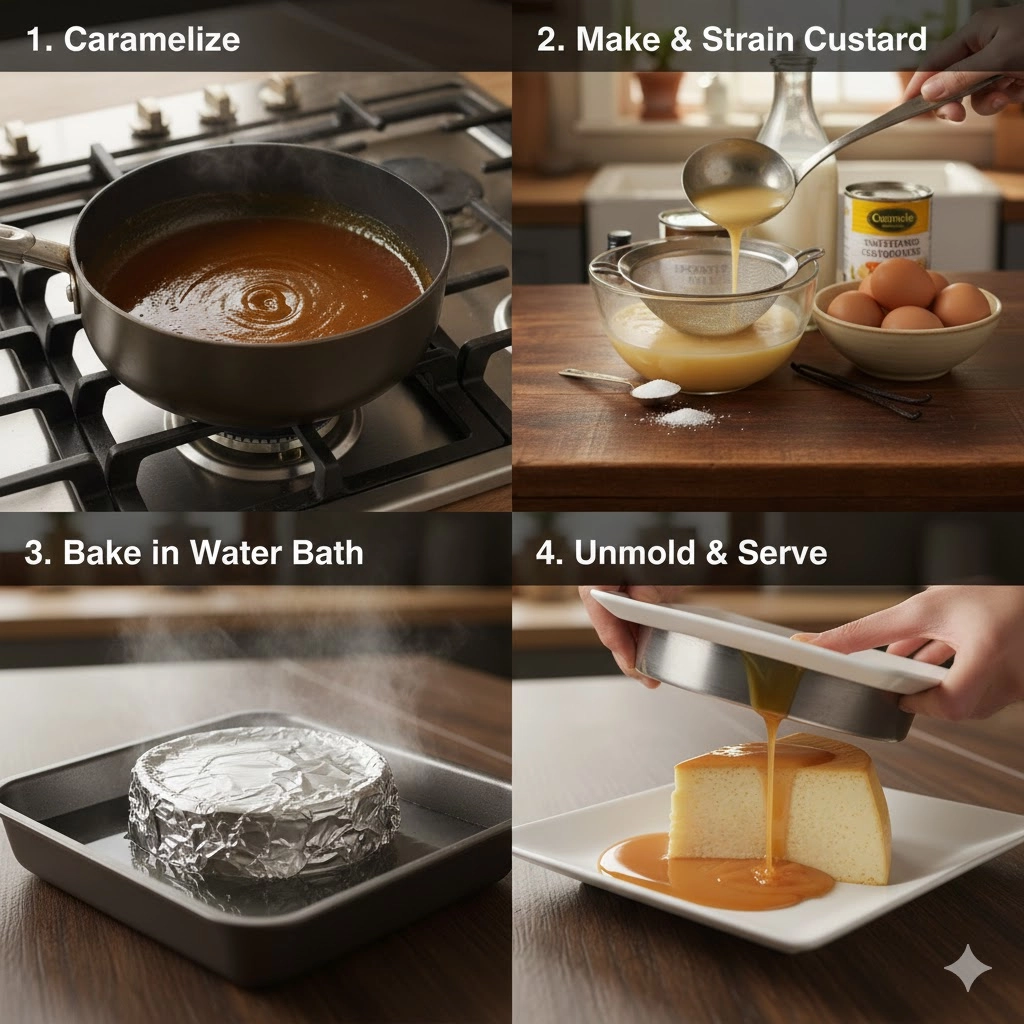
Step 2: Preparing the Silky Custard Base
Achieving a silky texture requires whisking, but not creating too much foam.
- Combine Milks: In a large bowl, whisk together the sweetened condensed milk, evaporated milk, and whole milk.
- Add Eggs and Flavor: In a separate bowl, lightly beat the eggs and egg yolks. Add the vanilla extract and a pinch of salt. Gradually whisk the egg mixture into the milk mixture until just combined.
- Strain for Smoothness: To ensure the flan is impeccably smooth, strain the custard mixture through a fine-mesh sieve into another bowl. This removes any stray chalazae (the stringy part of the egg) or unmixed milk solids that could lead to air pockets or a lumpy texture. This crucial step is often overlooked!
Step 3: The Gentle Baking Method (Bain-Marie)
The water bath provides the stable, moist heat environment that the delicate custard requires.
- Fill and Cover: Carefully pour the strained custard mixture over the cooled, hardened caramel in the mold. Tightly cover the top of the mold with aluminum foil.
- Set the Water Bath: Place the flan mold inside a larger roasting pan. Slide the roasting pan into the preheated 350F oven.
- Add Water: Now, pour the hot water you prepared earlier into the roasting pan, ensuring the water level comes at least halfway up the sides of the flan mold.
- Bake: Bake for 50–60 minutes. The flan is done when the edges are set, but the center still has a slight, jiggle.
- Cool: Remove the flan mold from the water bath immediately. Remove the foil and allow it to cool completely on a wire rack at room temperature.
- Chill: Once cool, cover the flan (or the entire mold) with plastic wrap and chill in the refrigerator for at least 6 hours, but ideally overnight. This allows the custard to fully set and the caramel to liquefy slightly.
Step 4: Unmolding the Spanish Flan
- Loosen Edges: Run a thin, flexible spatula or knife around the edge of the flan to loosen it from the mold.
- Heat the Bottom: Place the bottom of the mold briefly in a pan of hot water for about 30–60 seconds. This gently warms the caramel, making it liquid enough to pour over the flan.
- Invert: Place a serving plate (one with a slight rim is best to catch the sauce) upside down over the flan mold. Holding the mold and plate tightly together, swiftly and confidently flip them over.
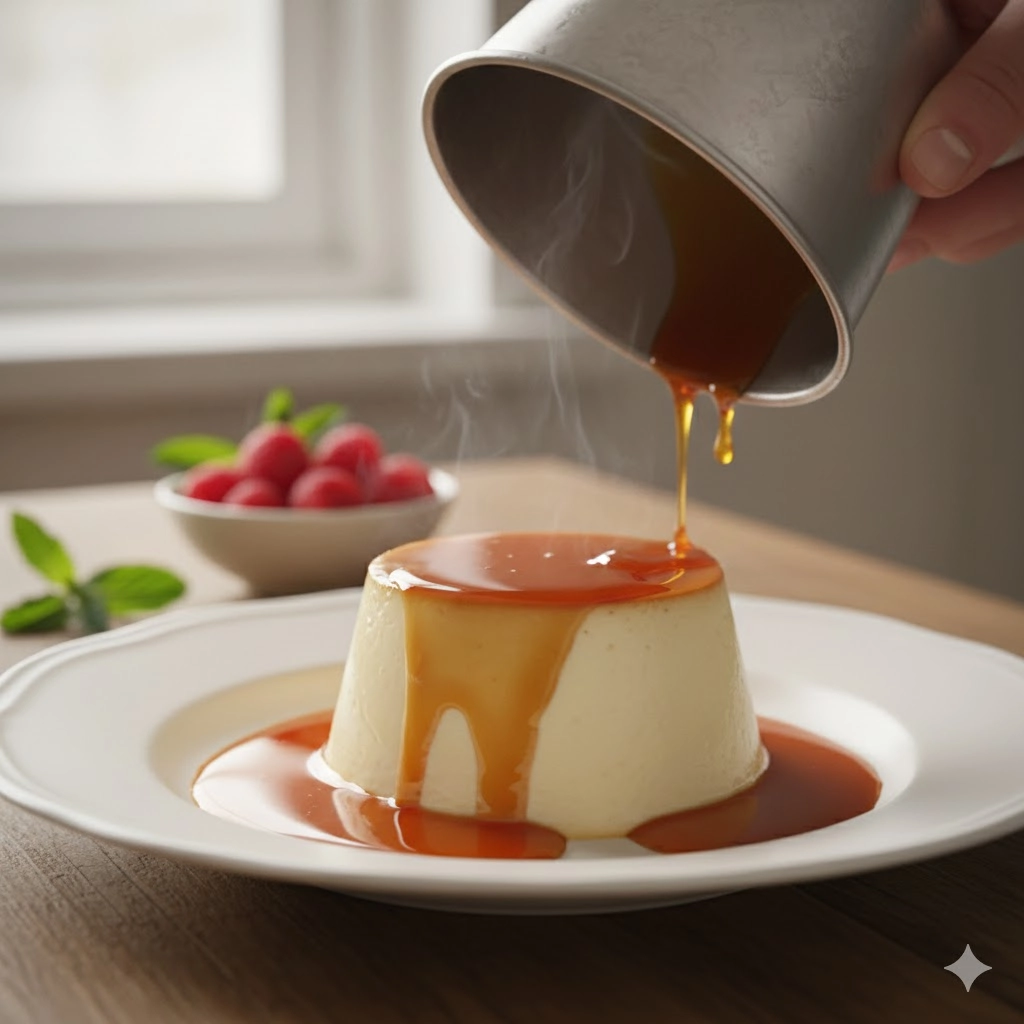
- Serve: Lift the mold away gently. The golden caramel should pour down the sides, coating your perfect Spanish Flan.
Pro Tips: Troubleshooting Your Spanish Flan
After testing this recipe multiple times, I know that even experienced cooks can run into snags. Here are the most common issues when making Spanish Flan and how to fix them, ensuring your creamy dessert is always perfect.
My Caramel Seized and is Gritty!
This happens because the sugar crystallized. The main culprits are stirring the sugar too early or having stray sugar crystals cling to the side of the pot before melting.
- The Fix: Start over with a clean, dry saucepan. Avoid stirring the sugar; only swirl the pan. If crystals appear on the side, use a pastry brush dipped in water to carefully wash them down. If the caramel seizes, you can try adding 1–2 tablespoons of water and melting it down again over very low heat, but often, starting fresh is easier.
My Flan is Rubbery, Dense, or Has Air Pockets
This is a clear sign of overcooked custard due to heat that was too high or inconsistent.
- The Fix: Always, always use the water bath (bain-marie). Ensure the water in the bath is hot when it goes into the oven. Check the flan at the 50-minute mark; the center should jiggle like firm gelatin, not be completely liquid. Promptly remove the flan from the water bath immediately after baking to halt the cooking process.
The Flan Won’t Come Out of the Mold
This usually means the caramel is still too hard, or the edges are sticking.
- The Fix: Re-run a thin knife or spatula completely around the inner edge of the flan to loosen the sides. Then, dip the bottom of the mold in a pan of very hot, shallow water for a solid 60 seconds to re-liquefy the caramel coating the bottom. It should slide out easily once inverted.
Serving and Storing Your Homemade Spanish Flan
Proper chilling and presentation are just as important as the baking process for Spanish Flan. A chilled flan not only tastes better but also has the stability required for unmolding.
Presentation and Serving Suggestions
The natural caramel sauce poured over the flan is the star, but you can elevate the presentation with simple garnishes.
- Classic Finish: Serve slices of flan with a dollop of fresh whipped cream and a few fresh berries (strawberries or raspberries).
- Aromatic Twist: Dust the plate with a light sprinkle of ground cinnamon or nutmeg just before serving.
- Paired Beverages: This rich dessert pairs beautifully with a glass of strong Spanish coffee or a sweet fortified wine, like a Oloroso sherry.
- The Perfect Pairing: For a full, indulgent meal, consider serving the flan after a lighter main course. If your guests also enjoy rich chocolate cake, you might want to direct them to this recipe for a rich chocolate cake, for another treat.
Storage and Longevity
Spanish Flan is an excellent make-ahead dessert, as it requires several hours of chilling.
- Refrigeration: The flan must be stored in the refrigerator, preferably still in its mold and tightly covered with plastic wrap, until ready to serve. Do not try to store it at room temperature.
- Shelf Life: Properly stored in an airtight container, leftover flan will maintain its quality for up to 5 days in the refrigerator.
- Freezing: I do not recommend freezing flan. The high moisture content and delicate texture of the custard mean it will become grainy and separate when thawed. For another fantastic make-ahead option that is great for entertaining, consider this creamy dessert.
Nutritional Overview and Dietary Swaps
Understanding the composition of your Spanish Flan can help you enjoy it responsibly or make appropriate substitutions for dietary needs. This dessert is primarily characterized by its fat and sugar content, deriving richness from the dairy and structure from the eggs.
This content is for educational purposes only and does not replace professional dietary or medical advice.
Key Nutritional Considerations
- Saturated Fats: The use of whole milk and condensed milk contributes significantly to the fat content. These fats are essential for the creamy mouthfeel and richness of the custard.
- Protein: Eggs are a natural source of high-quality protein, which provides the necessary structure for the flan and makes it a surprisingly satisfying dessert.
- Carbohydrates/Sugar: The caramelized sugar and the sweetened condensed milk are the main sources of carbohydrates and sugar. This is unavoidable in a classic custard dessert, but portion control is key.
Common Ingredient Substitutions
If you are looking to adjust this recipe, here are some credible substitutions I have used:
| Swap Goal | Recommended Substitution | Notes from My Experience |
| Lower Fat | Replace whole milk with 2% milk; avoid heavy cream. | The texture will be slightly less rich, but still set correctly. |
| Lactose-Free | Use lactose-free whole milk and condensed coconut milk. | Ensure the condensed coconut milk is full-fat for texture stability. |
| Alternative Sweetener | Use a liquid zero-calorie sweetener (e.g., allulose or erythritol blend) in the custard base. | Caution: Do not use substitute sweeteners for the caramel; only real sugar caramelizes properly. |
Frequently Asked Questions About Spanish Flan
As a professional culinary writer, I often receive questions about perfecting this classic dish. Here are answers to some of the most common queries regarding Spanish Flan.
Q: Can I make Spanish Flan without a water bath?
A: While technically possible, I strongly advise against it. The water bath (bain-marie) is essential for cooking the custard gently and evenly. Without it, the edges will overcook and become rubbery before the center is set, resulting in a poor texture and an often porous interior.
Q: Why do I need to strain the custard mixture?
A: Straining removes any unmixed egg bits, chalazae, or milk solids. This simple step is critical for guaranteeing that the final Spanish Flan is perfectly smooth and silky, with no small lumps or textural inconsistencies.
Q: What is the best pan size for this recipe?
A: This recipe is optimized for a 9-inch round pan (about 2 inches deep) or a standard 8-cup dedicated flan mold. If you use individual ramekins, reduce the baking time to about 30–40 minutes.
Q: How do I know when the caramel is ready?
A: The caramel is ready when it turns a deep amber or copper color. It should look like an old penny. If you stop too early (pale yellow), it won’t have the depth of flavor. If you let it go too dark (brown/smoking), it will taste burned.
Don’t miss to follow us in Pinterest.
Ultimate Creamy Spanish Flan
Ingredients
- 1 cup granulated sugar
- 1 can sweetened condensed milk (14 oz)
- 1 can evaporated milk (12 oz)
- 1 cup whole milk
- 3 large eggs
- 2 egg yolks
- 2 tsp pure vanilla extract
- 1 pinch salt
Instructions
- Preheat oven to 350°F and prepare a pot of hot (not boiling) water. Set aside a 9-inch round baking pan or flan mold.
- Melt 1 cup sugar in a heavy-bottomed pan over medium heat. Do not stir—swirl the pan until the sugar caramelizes to a deep amber color.
- Quickly pour caramel into the mold, tilting to coat the bottom and sides. Let it cool and harden completely.
- In a large bowl, whisk together condensed milk, evaporated milk, and whole milk.
- In a separate bowl, lightly beat eggs and yolks. Add vanilla and salt. Whisk into milk mixture until just combined.
- Strain the custard mixture through a fine-mesh sieve to remove solids. This ensures smooth texture.
- Pour custard over the cooled caramel in the mold. Cover tightly with foil.
- Place mold in a large roasting pan. Add hot water to the pan until it reaches halfway up the sides of the mold.
- Bake for 50–60 minutes, until edges are set but center still jiggles. Remove from oven and water bath.
- Let cool on a rack, then refrigerate at least 6 hours or overnight for best results.
- To unmold, run a knife around the edges and briefly place mold in hot water to loosen caramel. Invert onto a plate and serve.
Notes
Equipment
- heavy-bottomed saucepan
- 9-inch cake or flan mold
- fine mesh sieve
- mixing bowls
- whisk
- roasting pan
- aluminum foil
- spatula or knife