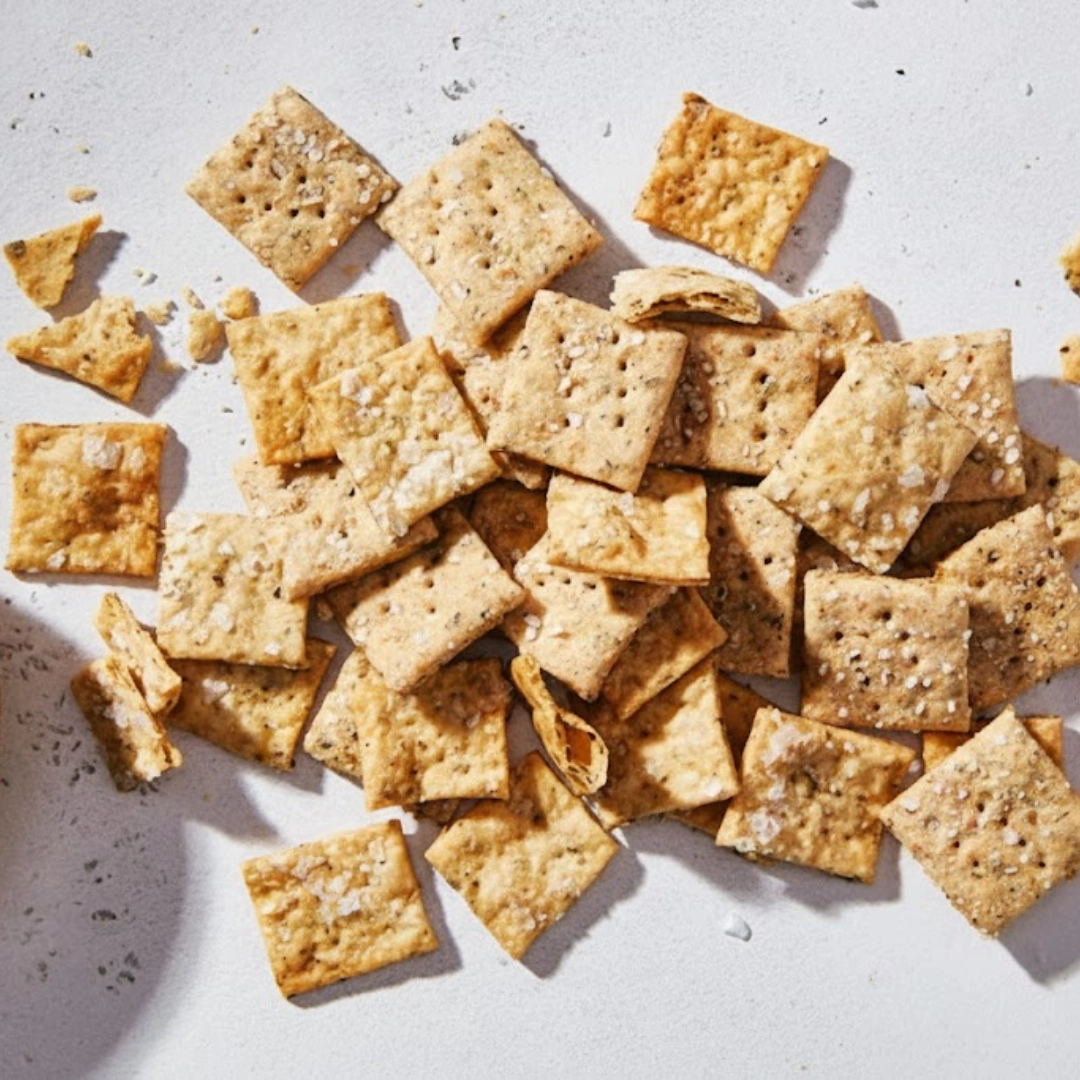
If you have ever felt the pang of guilt while pouring perfectly good sourdough starter down the drain during a feeding, this recipe is your redemption. These Sourdough Crackers are more than just a way to reduce kitchen waste; they are a buttery, tangy, and deeply satisfying snack that rivals any artisanal box you could find at a high-end grocer.
The beauty of this particular formula lies in its simplicity and the way it highlights the complex profile of fermented wheat. By combining the natural acidity of your sourdough discard with the richness of room-temperature butter and the earthy notes of golden wheat, you create a dough that bakes into a shatteringly crisp masterpiece. Whether you are a seasoned fermenter or a novice baker just starting your sourdough journey, these crackers will quickly become a permanent fixture in your snacking rotation.
Table of Contents
Ingredients
To achieve the perfect balance of snap and flavor, ensure your ingredients are measured accurately. The use of weighted measurements in grams is highly recommended for the most consistent results.
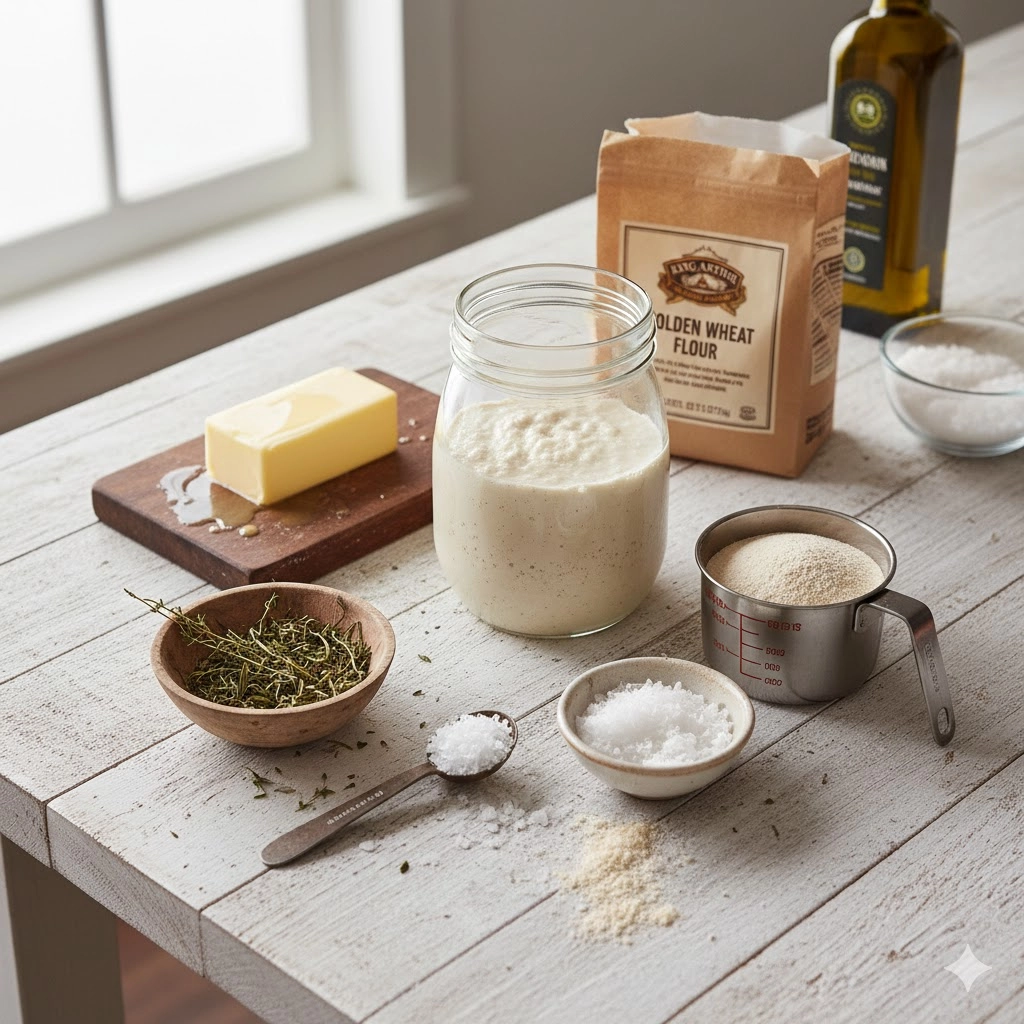
- 1 cup (227 grams) sourdough starter, unfed or discard
- 1 cup (113 grams) King Arthur Golden Wheat Flour
- 1/2 teaspoon flaky sea salt
- 4 tablespoons (57 grams) unsalted butter, brought to room temperature
- 2 tablespoons dried herbs of your choice (optional, such as rosemary or thyme)
- Oil, for brushing the surface (olive oil or a neutral vegetable oil)
- Coarse salt, such as kosher or sea salt, for sprinkling on top
Instructions
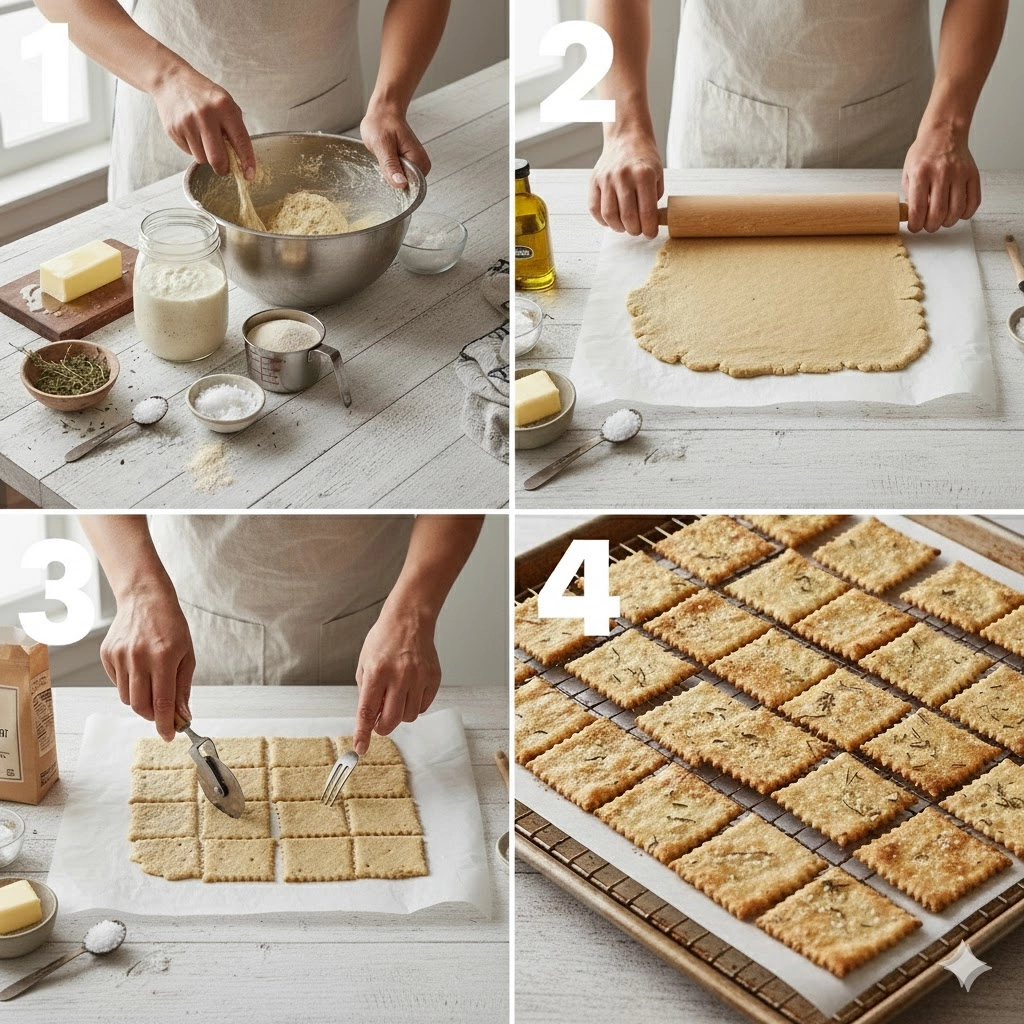
- Prepare the Dough: In a medium mixing bowl, combine the sourdough starter, golden wheat flour, flaky sea salt, room-temperature butter, and your chosen dried herbs. Mix the ingredients until they form a smooth, cohesive dough. The goal is a consistency that is not sticky to the touch but holds together firmly.
- Shape and Chill: Divide the dough into two equal portions. Shape each half into a small, flat rectangular slab. Wrap each piece tightly in plastic wrap and place them in the refrigerator. Let the dough chill for at least 30 minutes, though you can leave it for up to a few hours until it is quite firm.
- Set the Stage: Preheat your oven to 350 Fahrenheit. Prepare two large baking sheets.
- Roll the Dough: Working with one piece of dough at a time, lightly flour a piece of parchment paper, your rolling pin, and the surface of the dough. Place the dough on the parchment and roll it out until it is approximately 1/16 inch thick. Do not worry about ragged or uneven edges; these add to the rustic charm.
- Season and Transfer: Move the parchment paper with the rolled dough onto your baking sheet. Lightly brush the entire surface with oil and sprinkle your coarse salt evenly over the top.
- Cut and Dock: Use a pizza wheel or a sharp knife to cut the dough into 1 1/4 inch squares. To prevent the crackers from puffing up like pita bread during the bake, use a fork to prick (dock) each square a couple of times.
- Repeat: Follow the same rolling, seasoning, and cutting process for the second piece of dough.
- Bake to Golden Perfection: Place the baking sheets in the oven and bake for 20 to 25 minutes. To ensure an even color, rotate the pans both top to bottom and front to back halfway through the baking time. Look for the edges to be nicely browned.
- Cool Down: Once fully browned and crisp, remove the pans from the oven. Transfer the crackers to a cooling rack to cool completely.
- Storage: Store your finished crackers in a well-wrapped, airtight container at room temperature for up to one week. For longer storage, these crackers can be frozen.
Achieving the Ultimate Creamy and Crispy Consistency
The secret to a world-class sourdough cracker lies in the interaction between the fats and the fermented grains. When you mix the room-temperature butter into the sourdough starter, you are essentially creating a “short” dough. The fats coat the flour particles, inhibiting long-strand gluten development. This is what gives the cracker its characteristic snap rather than a bread-like chew.
Furthermore, the thickness of your rolling is the most critical variable in the entire process. While 1/16 inch is the standard recommendation, aim for even thinner if you want a cracker that shatters upon impact. If the dough is too thick, the moisture from the sourdough starter may remain trapped in the center, resulting in a cracker that feels more like a hard biscuit. The “docking” process—those little fork pricks—is equally vital. It provides an escape route for steam, ensuring the crackers stay flat and crisp rather than inflating into hollow pockets.
Deep-Dive FAQ
Can I use an active, bubbly sourdough starter instead of discard?
Yes, you certainly can. While this recipe is a favorite for utilizing discard—the unfed portion of the starter—an active starter will work just as well. The primary difference will be in the flavor profile; an active starter is generally less acidic and “sour” than discard that has been sitting in the refrigerator for a week. The texture will remain largely the same, as we are not relying on the yeast for a significant rise in this unleavened application.
Why does my dough feel too sticky to roll out properly?
The hydration level of sourdough starters varies significantly from kitchen to kitchen. If your starter is particularly liquid, you may find the dough needs a touch more flour to reach that “smooth, not sticky” state. When rolling, do not be afraid to use a generous dusting of flour on your parchment and rolling pin. Chilling the dough is also a mandatory step; cold butter makes the dough significantly easier to handle and prevents it from tearing as you reach that 1/16 inch thickness.
How do I know for sure when the crackers are finished baking?
Visual cues are your best friend here. You are looking for a deep golden hue that starts at the edges and works its way toward the center. If the center squares still look pale while the edges are dark, they likely need another minute or two. A well-baked cracker should feel firm to the touch even while hot; if it feels soft or “bendy,” it needs more time in the heat to evaporate the remaining moisture.
What are the best types of dried herbs to use for this recipe?
Rosemary is the traditional choice because its woody, pine-like notes pair beautifully with the tang of the sourdough. However, you can get creative with what you have in your pantry. A “herbes de Provence” blend adds a floral, sophisticated touch, while a simple combination of dried thyme and cracked black pepper offers a more savory, earthy profile. If you prefer a clean, wheat-forward taste, you can omit the herbs entirely and let the Golden Wheat Flour shine.
Masterful Step-by-Step Details
Phase One: The Mixing Science
When you first combine the sourdough discard with the flour and butter, you are performing a delicate balancing act of hydration. Sourdough discard is roughly 50 percent water and 50 percent flour by weight. By adding a full cup of King Arthur Golden Wheat Flour, you are significantly lowering the hydration of the final dough, turning it from a pourable batter into a pliable solid. The addition of room-temperature butter is what provides the “shortness.” As you mix, the butter should be thoroughly incorporated until no large streaks remain. This ensures that every single square inch of the cracker has that melt-in-your-mouth quality.
Phase Two: The Power of the Chill
It is tempting to skip the 30-minute refrigeration period, but this rest serves two vital purposes. First, it allows the flour to fully hydrate, which makes the dough less prone to snapping back when you roll it. Second, it firms up the butter. If you try to roll out warm dough, the butter will smear and stick to your rolling pin, making it impossible to achieve the necessary thinness. A cold dough provides a structural integrity that allows you to push the boundaries of how thin a cracker can be.
Phase Three: Rolling and Docking Precision
Rolling the dough directly on parchment paper is a pro-level move. It eliminates the need to move flimsy, unbaked crackers from a countertop to a pan, which usually results in distorted shapes. When you roll, start from the center and push outward in all directions. Once you reach the desired thickness, the oil wash serves as the “glue” for your toppings. The docking process is not just aesthetic; without those holes, the steam generated by the water in the starter would cause the dough to puff up. By pricking the surface, you ensure a flat, dense, and crunchy result.
Modifications and Substitutions
This recipe is incredibly forgiving, allowing for several variations based on what you have in your pantry:
- Flour Swaps: While Golden Wheat Flour provides a beautiful balance of nutrition and flavor, you can substitute it with All-Purpose flour for a lighter, more traditional white cracker. For a deeper, nuttier flavor, try replacing half of the flour with Rye or Spelt flour.
- Fat Alternatives: If you are looking for a different flavor profile, you can replace the unsalted butter with an equal amount of solid coconut oil or even high-quality lard. If using olive oil in the dough itself, start with 3 tablespoons and add more only if the dough is too crumbly to hold together.
- Flavor Add-ins: Beyond herbs, consider adding two tablespoons of nutritional yeast for a “cheesy” vegan flavor, or a teaspoon of smoked paprika for a hint of heat and color. Everything Bagel seasoning is another popular topping that replaces the coarse salt for a more complex finish.
Accompaniments and Serving Suggestions
These Sourdough Crackers are sturdy enough to stand up to the thickest dips and elegant enough to feature on a high-end charcuterie board.
- The Classic Pairing: Serve these alongside a bowl of creamy, garlic-heavy hummus. The acidity of the sourdough cuts through the richness of the tahini perfectly.
- Cheese Board Star: Pair these with a sharp white cheddar or a creamy goat cheese. The crackers’ structural integrity makes them ideal for spreading soft cheeses without breaking.
- Soup Sidekick: Instead of croutons, serve a handful of these crackers with a bowl of roasted tomato basil soup or a hearty lentil stew.
- Sweet and Salty: For a surprising snack, try dipping these into a touch of honey or serving them with a slice of crisp apple and a wedge of brie.
Nutritional Profile
| Nutrients | Amount Per Serving (Approx. 5 Crackers) |
| Calories | 110 |
| Total Fat | 6g |
| Saturated Fat | 3.5g |
| Cholesterol | 15mg |
| Sodium | 180mg |
| Total Carbohydrates | 12g |
| Dietary Fiber | 1g |
| Sugars | 0g |
| Protein | 2g |
Disclaimer
The nutritional information provided is an estimate based on standard ingredient data. Individual results may vary depending on the specific brands of flour and the hydration level of your unique sourdough starter.
The Joy of Sustainable Snacking
There is a profound sense of satisfaction that comes from transforming a “waste product” into the highlight of your pantry. These Sourdough Crackers represent the best of home baking: they are economical, incredibly delicious, and allow you to connect with the ancient tradition of fermentation in a modern, accessible way. Once you experience the snap of a cracker made in your own oven, the store-bought versions will simply never taste the same. Keep your starter healthy, keep your rolling pin ready, and enjoy the crunchy fruits of your labor.
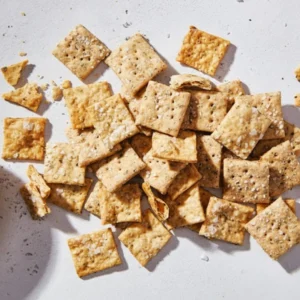
Sourdough Crackers
Ingredients
- 1 cup sourdough starter, unfed/discard (227g)
- 1 cup King Arthur Golden Wheat Flour (113g)
- 0.5 tsp flaky sea salt
- 4 tbsp unsalted butter, room temperature (57g)
- 2 tbsp dried herbs of choice (optional)
- 1 tbsp oil, for brushing
- 1 tsp coarse salt, for sprinkling
Instructions
- In a medium bowl, mix together the sourdough starter, flour, salt, butter, and herbs until a smooth, non-sticky, cohesive dough forms.
- Divide the dough in half and shape into rectangular slabs. Wrap in plastic and refrigerate for 30 minutes to 2 hours until firm.
- Preheat your oven to 350 Fahrenheit. Lightly flour a piece of parchment paper and your rolling pin.
- Roll one piece of dough on the parchment until it is 1/16 inch thick, keeping it as even as possible.
- Transfer parchment to a baking sheet. Brush the surface lightly with oil and sprinkle with coarse salt.
- Cut the dough into 1 1/4 inch squares using a pizza wheel and prick each cracker with a fork (docking) to prevent puffing.
- Bake for 20 to 25 minutes until browned around the edges, rotating the pans halfway through for an even bake.
- Remove from the oven and let cool completely on a wire rack. Store in an airtight container for up to one week.
Notes
Equipment
- mixing bowl
- Rolling Pin
- parchment paper
- Baking sheets Two large sheets recommended
- Pizza wheel For easy cutting
- Fork For docking