
There is a specific kind of culinary magic that happens when you allow lean protein and aromatic spices to mingle in a ceramic pot for several hours. This slow cooker turkey curry is the definitive answer to the perennial question of what to do with holiday leftovers, though it is so delicious you will likely find yourself buying turkey year-round just to recreate it. By utilizing the gentle, consistent heat of a slow cooker, we transform turkey breast or leg meat into succulent morsels that absorb the rich, coconut-infused gravy. This dish is a masterclass in flavor layering, combining the earthiness of chickpeas with the natural sweetness of root vegetables and a punchy balti base.
Table of Contents
The Essential Components for Your Curry
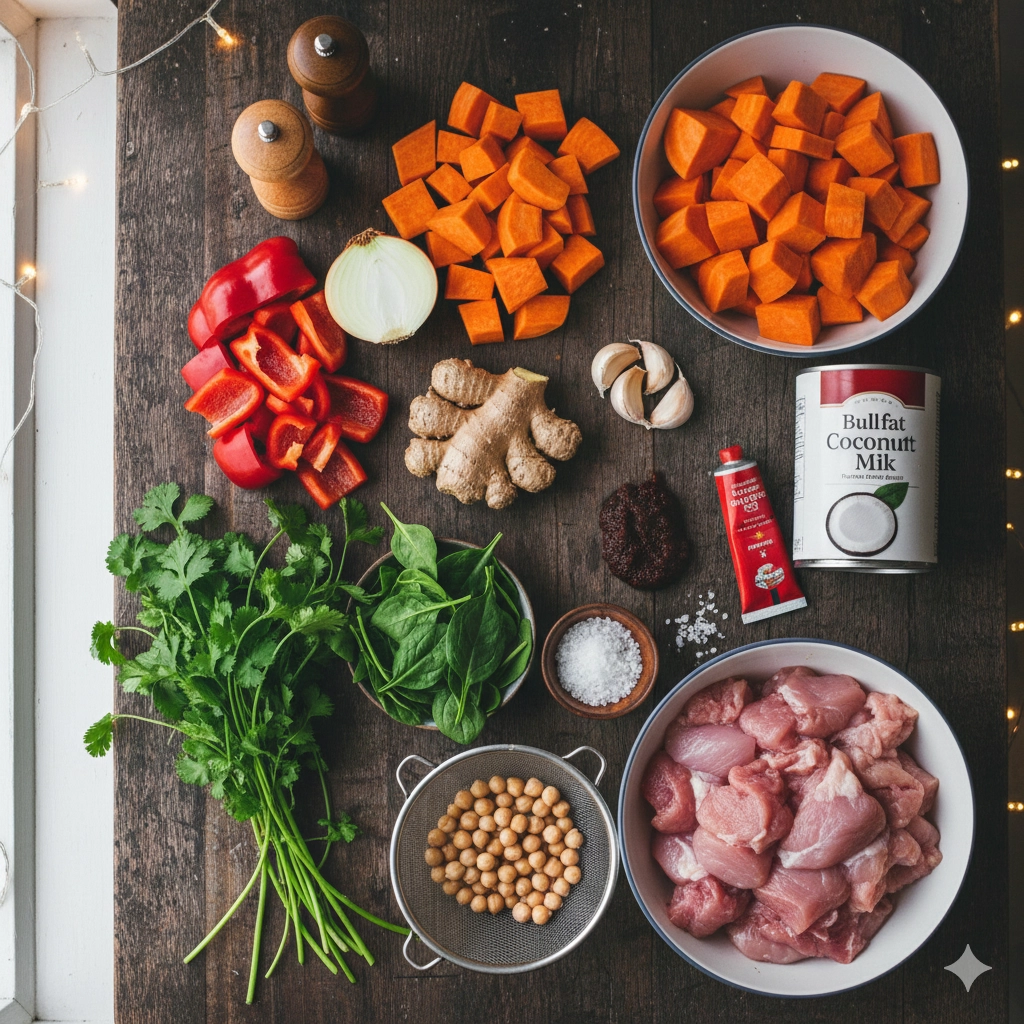
To ensure the best possible results, gather these specific items. We have focused on a balance of fresh aromatics and pantry staples to create a deep, complex sauce profile.
- 1 large yellow onion, finely chopped
- 4 garlic cloves, crushed or finely grated for maximum flavor release
- 1 thumb-sized piece of fresh ginger, peeled and finely grated
- 1 vibrant red bell pepper, chopped into uniform pieces
- 350 grams sweet potatoes, peeled and roughly chopped (alternatively, use carrots, parsnips, or other seasonal root vegetables)
- 700 grams turkey meat, cut into large, bite-sized pieces (fresh or leftover roasted turkey both work perfectly)
- 400 gram can of chickpeas, thoroughly drained and rinsed
- 2 tablespoons high-quality curry paste (a balti style provides excellent depth)
- 1 tablespoon concentrated tomato puree
- 400 gram can of premium chopped tomatoes
- 400 gram can of full-fat coconut milk
- 1 small bunch of fresh coriander, with leaves picked for garnish and stalks finely chopped for the base
- 120 grams fresh baby spinach (this is optional but highly recommended for color and nutrients)
- 1 teaspoon sea salt
- Ground black pepper to taste
- Freshly cooked rice for serving
Master the Slow Cooking Method
The beauty of this recipe lies in its simplicity. Follow these steps to ensure your curry reaches its full potential without any unnecessary stress.
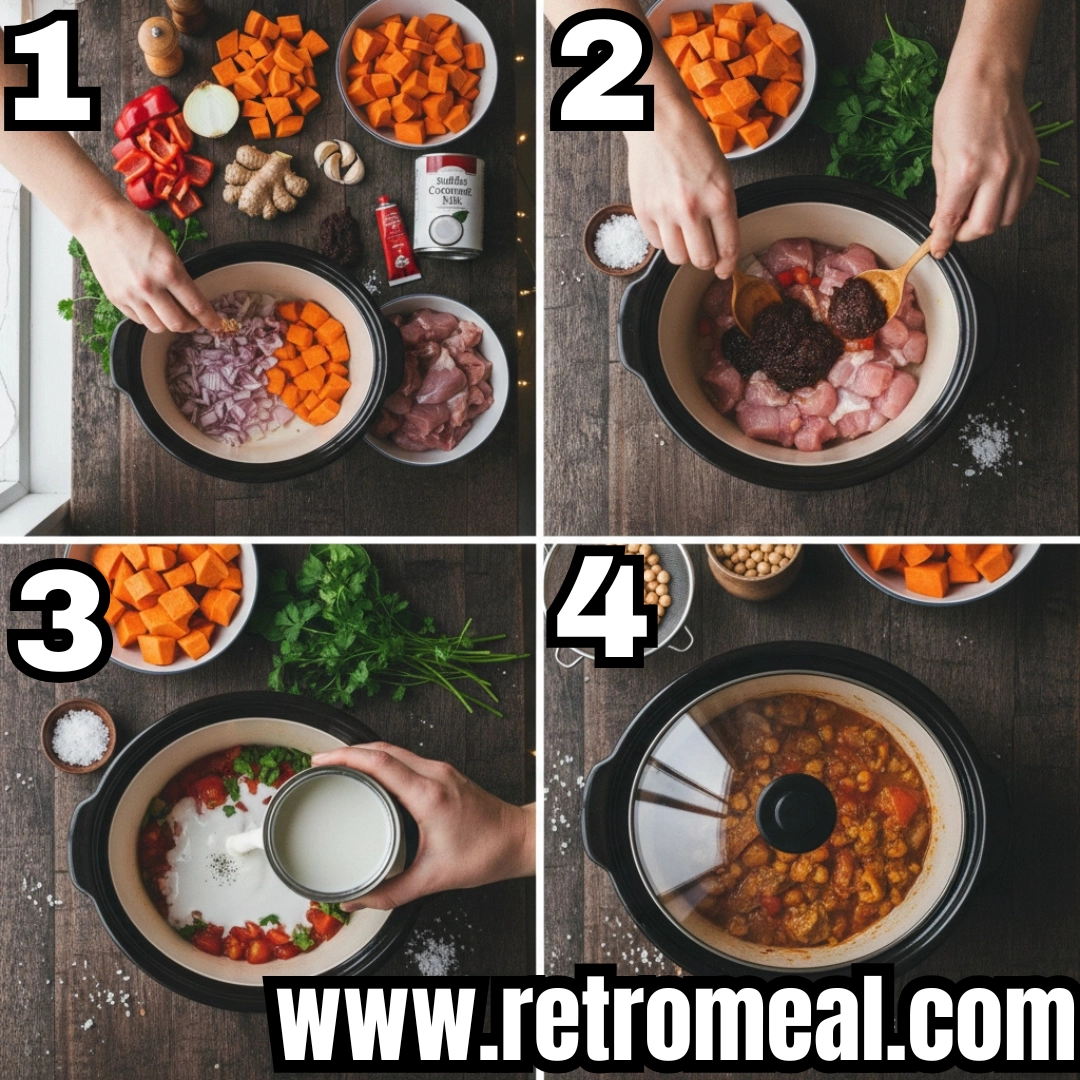
- Begin by preparing your slow cooker basin. Into the pot, tip your chopped onion, the crushed garlic, the grated ginger, and the red pepper pieces. Add in your chopped sweet potatoes (or your choice of root vegetables), the turkey chunks, and the rinsed chickpeas.
- Next, introduce the concentrated flavors. Spoon in the balti curry paste and the tomato puree. Use a large spoon to stir these through the dry ingredients, ensuring every piece of turkey and vegetable is well-coated in the aromatic paste. This step is vital for building a foundation of flavor.
- Pour in the chopped tomatoes and the creamy coconut milk. Add the finely chopped coriander stalks—these contain an incredible amount of flavor often discarded—along with the salt and a generous cracking of black pepper.
- Give the entire mixture a thorough stir to combine the liquids with the solids. Place the lid firmly on the slow cooker.
- Set your device to the desired heat level. For a faster meal, cook on high for 3 hours and 30 minutes. For the most tender results, set it to low for 8 hours.
- If you have chosen to include the spinach, open the lid 15 minutes before the end of the total cooking time and tip the leaves on top. Close the lid for 5 minutes to let them wilt, then stir them into the sauce for the final 10 minutes of cooking.
- Serve the steaming curry over a bed of fluffy rice, scattering the fresh coriander leaves over the top before bringing it to the table.
Deep Dive Into the Slow Cooking Process
While the instructions are straightforward, the science behind this slow cooker turkey curry is what makes it a standout meal. When you cook turkey in a conventional oven, it can often become dry, especially if it is being reheated as a leftover. The slow cooker environment is a closed system, meaning the moisture from the coconut milk and tomatoes stays trapped, creating a humid atmosphere that breaks down the muscle fibers of the turkey without dehydrating them.
The addition of chickpeas and sweet potatoes provides a structural contrast. The sweet potatoes release a small amount of starch as they soften, which naturally thickens the sauce without the need for a flour-based roux. Meanwhile, the chickpeas remain slightly firm, providing a pleasant “bite” against the tenderness of the meat. By the time the eight-hour low-heat cycle is complete, the raw bite of the ginger and garlic has mellowed into a sweet, savory hum that permeates every ingredient in the pot.
Achieving Perfection with Unique Culinary Insights
To elevate this dish from a standard weekday dinner to a gourmet experience, consider the texture of your aromatics. Grating the ginger and garlic rather than just chopping them creates a paste-like consistency that dissolves into the coconut milk, ensuring you don’t bite into a sharp piece of raw ginger later.
Another insight involves the timing of the spinach. While the recipe notes it as optional, it adds a much-needed vibrance to the deep reds and browns of the curry. Adding it too early will result in a slimy texture and a grey-green color. By waiting until those final fifteen minutes, you preserve the structural integrity of the leaves and their bright green chlorophyll, which makes the dish pop visually.
If you are using leftover turkey from a holiday feast, remember that it has already been seasoned. You may want to slightly reduce the initial salt addition and then taste the sauce at the very end of the cooking process, adjusting as necessary to account for the seasoning already present in the roasted meat.
Understanding Nutritional Values and Dietary Information
This turkey curry is a powerhouse of lean protein and complex carbohydrates, making it an excellent choice for those seeking a balanced meal that doesn’t compromise on satisfaction.
Nutritional Breakdown (Per Serving)
| Component | Amount |
| Calories | 289 kilocalories |
| Total Fat | 12 grams |
| Saturated Fat | 8 grams |
| Total Carbohydrates | 19 grams |
| Dietary Fiber | 5 grams |
| Sugars | 0 grams |
| Protein | 25 grams |
| Sodium | 1 gram |
Health and Safety Disclaimer
This nutritional information is provided as an estimate based on standard ingredient measurements. Actual values may vary depending on the specific brands of coconut milk or curry paste used. Always ensure that leftover turkey is stored at a safe temperature before being added to the slow cooker to prevent foodborne illness.
Smart Modifications and Substitution Ideas
One of the greatest strengths of this recipe is its adaptability. If you find yourself without sweet potatoes, do not hesitate to reach for other root vegetables hiding in your pantry. Carrots and parsnips are classic choices that offer a similar sweetness. If you want a more earthy, traditional feel, regular Yukon Gold or red potatoes work beautifully, though they won’t provide the same orange hue to the sauce.
For those who prefer a different protein, this balti base is incredibly forgiving. While turkey is the star here, you could easily substitute chicken thighs for a similar cooking time. If you want to make the dish entirely vegetarian, simply double the amount of chickpeas and add extra cauliflower florets or chunks of butternut squash.
The heat level is also entirely within your control. We recommend a balti paste for its medium heat and aromatic complexity, but if you prefer a fiery experience, a vindaloo or madras paste can be substituted. Conversely, if cooking for children or those sensitive to spice, a mild korma or tikka masala paste provides a creamy, kid-friendly alternative.
Accompaniments and the Art of Serving
While a simple bowl of basmati rice is the traditional partner for this slow cooker turkey curry, there are many ways to enhance the serving experience. To add a layer of texture, consider serving with warm garlic naan or crispy poppadoms. The crunch of a poppadom provides a fantastic foil to the creamy, soft texture of the curry.
If you want to brighten the flavors just before eating, a dollop of cool Greek yogurt or a spoonful of mango chutney can provide a hit of acidity and sweetness. For those who enjoy a bit of extra “zing,” a squeeze of fresh lime juice over the top just before serving can cut through the richness of the coconut milk and bring the spices into sharper focus.
Culinary Curiosity: Deep-Dive Common Questions
Can I use turkey breast instead of dark meat?
Absolutely. While dark meat (legs and thighs) is often preferred for slow cooking because it remains moist over long periods, the coconut milk and tomato base in this recipe provide enough fat and moisture to keep turkey breast succulent. Just ensure you cut the breast into larger chunks to prevent them from breaking down too much during the eight-hour simmer.
Is it necessary to brown the turkey before putting it in the slow cooker?
While some chefs swear by searing meat to develop a Maillard reaction, this specific recipe is designed as a “dump and go” meal for maximum convenience. Because we are using a flavorful curry paste and aromatics like ginger and garlic, you will still achieve a deep, rich flavor profile without the extra step of browning. If you are using leftovers that were already roasted, browning is entirely unnecessary.
How long can I store the leftovers of this curry?
This curry actually tastes even better the next day as the spices continue to meld. You can store it in an airtight container in the refrigerator for up to three days. It also freezes exceptionally well. If freezing, allow it to cool completely before transferring to a freezer-safe bag. It can be kept frozen for up to three months; simply thaw in the fridge overnight before reheating thoroughly on the stovetop.
Embracing a New Tradition with Turkey
Gone are the days when leftover turkey meant nothing more than cold sandwiches for a week. By embracing the slow cooker, you turn what could be a mundane ingredient into a vibrant, exotic, and comforting meal. This turkey curry represents the best of modern home cooking: it is resourceful, deeply flavorful, and requires minimal active effort. Whether you are feeding a large family after a holiday or simply looking for a nutritious meal prep option, this recipe stands as a testament to the versatility of the humble turkey.

Slow Cooker Turkey Curry
Ingredients
- 1 onion, chopped
- 4 cloves garlic, crushed or finely grated
- 1 thumb-sized piece fresh ginger, peeled and finely grated
- 1 red pepper, chopped
- 350 grams sweet potatoes, peeled and roughly chopped
- 700 grams turkey meat, cut into large pieces
- 400 gram can chickpeas, drained and rinsed
- 2 tbsp curry paste (Balti style)
- 1 tbsp tomato purée
- 400 gram can chopped tomatoes
- 400 gram can coconut milk
- 1 small bunch fresh coriander (stalks chopped, leaves reserved)
- 120 grams fresh spinach (optional)
- 1 tsp salt
- 0.5 tsp ground black pepper
- 1 portion cooked rice, for serving
Instructions
- Place the chopped onion, crushed garlic, grated ginger, red pepper, sweet potatoes, turkey, and chickpeas into the slow cooker basin.
- Add the curry paste and tomato purée. Stir thoroughly until all the meat and vegetables are evenly coated in the paste.
- Pour in the chopped tomatoes and coconut milk. Add the finely chopped coriander stalks, salt, and pepper. Mix well to combine.
- Cover with the lid and cook on High for 3 hours 30 minutes, or on Low for 8 hours.
- If using spinach, stir it in 15 minutes before the end of the cooking time. Let it wilt, then stir again after 5 minutes.
- Serve hot over rice and garnish with the reserved fresh coriander leaves.
Notes
Equipment
- Slow Cooker (Crockpot) Minimum 3.5-liter capacity
- mixing spoon
- Vegetable Peeler
- knife and cutting board