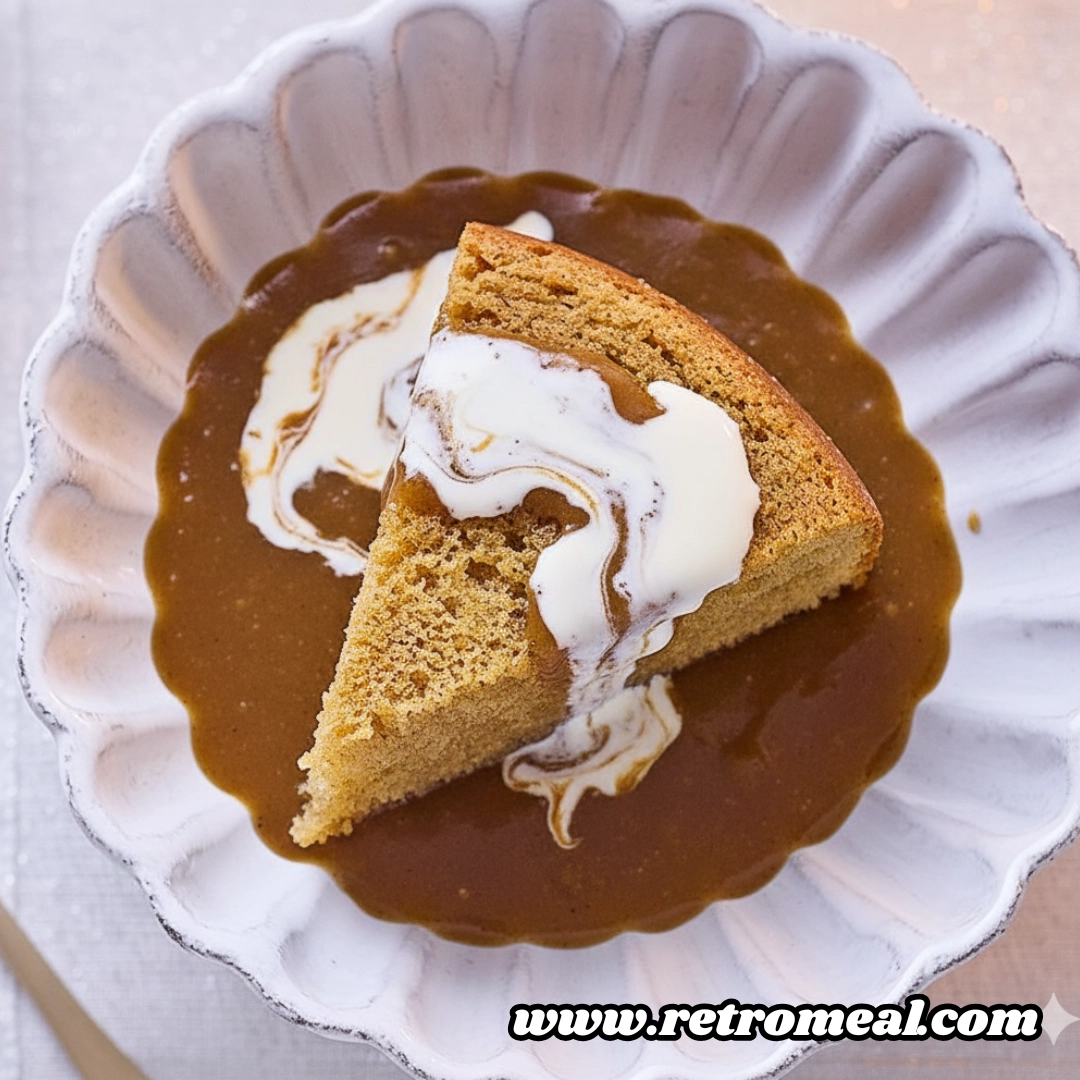
The concept of a self-saucing pudding is one of those culinary miracles that never ceases to amaze, and when you transition this classic British comfort food to the slow cooker, the results are nothing short of transformative. A slow cooker self saucing pud is the ultimate low-effort, high-reward dessert, characterized by a light, airy sponge that floats atop a lake of molten, spiced ginger sauce. Because the slow cooker uses gentle, moist heat, the sponge never dries out, and the sauce achieves a velvety consistency that is difficult to replicate in a traditional oven. This particular version leans into the warming, aromatic profiles of ginger and cinnamon, making it an ideal centerpiece for family gatherings or a cozy night in during the colder months. By allowing the appliance to do the heavy lifting, you free yourself from hovering over the oven, ensuring a stress-free path to a decadent, restaurant-quality treat.
Table of Contents
The Essential Components for Your Pudding
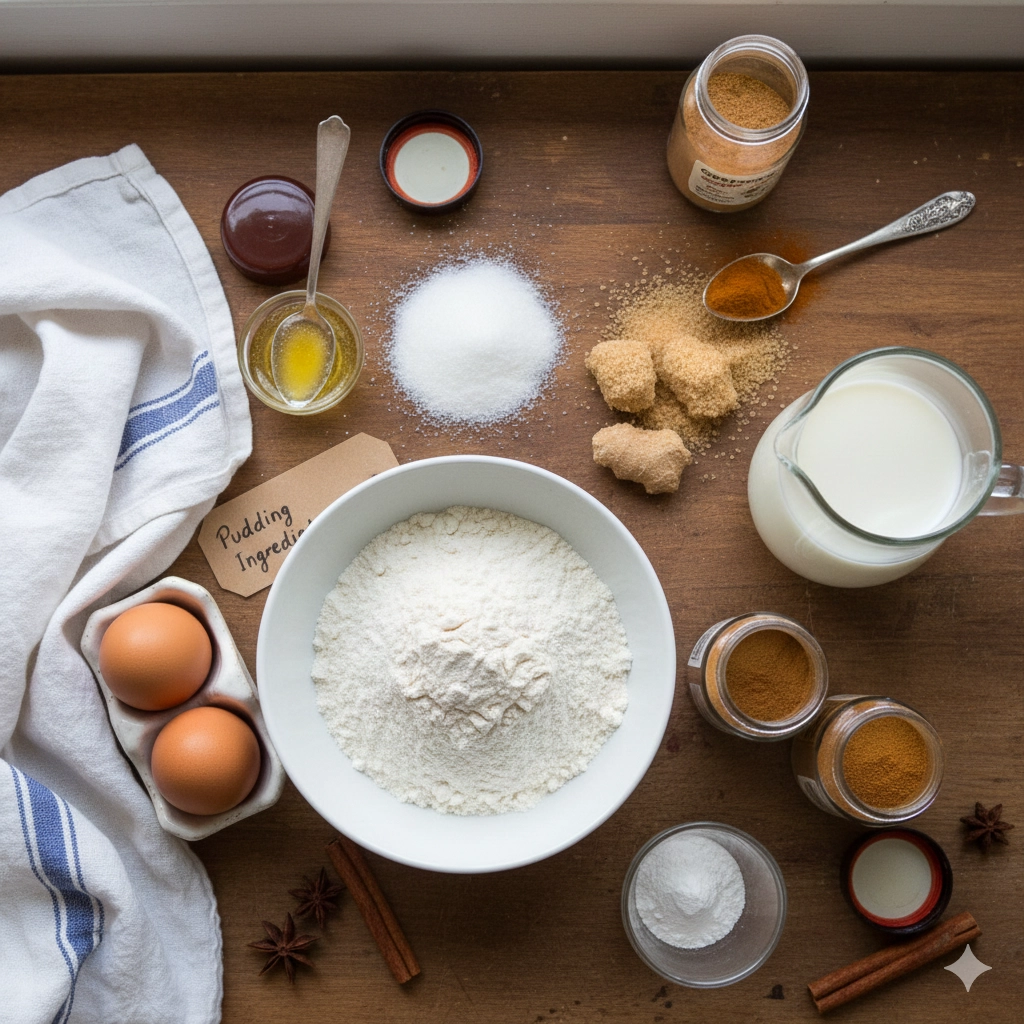
To achieve the perfect balance of texture and flavor, you will need to gather the following ingredients. Ensure your measurements are precise to maintain the integrity of the chemical reactions that create that signature “self-saucing” magic.
- 100 grams butter, melted, plus extra for greasing the slow cooker basin
- 125 grams caster sugar
- 100 grams light brown soft sugar
- 2 large eggs
- 200 milliliters whole milk
- 275 grams self-raising flour
- One half teaspoon baking powder
- 1 and one half tablespoons ground ginger
- 1 teaspoon ground cinnamon
- 1 tablespoon cornflour
- 175 grams light brown soft sugar (for the sauce)
- 1 tablespoon ground ginger (for the sauce)
- 350 milliliters boiling water
- Double cream, to serve (optional but highly recommended)
Primary Preparation and Cooking Steps
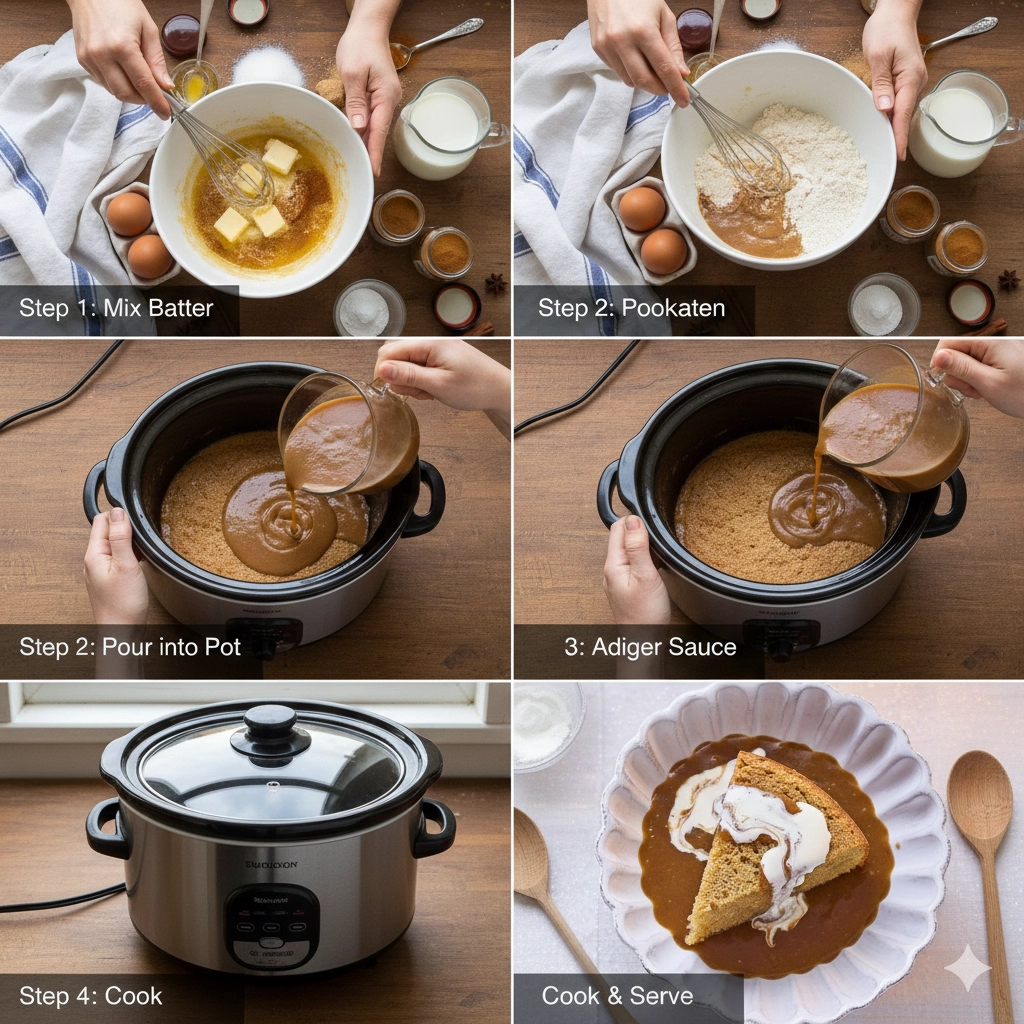
- Begin by preheating your slow cooker on the high setting for approximately 20 minutes to ensure a stable starting temperature. Generously rub the interior basin of the slow cooker with extra butter to prevent sticking.
- In a large mixing bowl, prepare the sponge batter by whisking together the 100 grams of melted butter with the 125 grams of caster sugar and 100 grams of light brown soft sugar. Incorporate the 2 eggs and the 200 milliliters of milk, stirring until the mixture is cohesive.
- Gently fold in the 275 grams of self-raising flour, the baking powder, 1 and one half tablespoons of ground ginger, and the cinnamon. If you notice any stubborn pockets of dry flour, use a whisk to remove any lumps until the batter is smooth. Pour this mixture into the buttered slow cooker basin.
- To create the sauce, first mix the 1 tablespoon of cornflour with 1 teaspoon of cold water in a small ramekin to form a smooth paste; set this aside.
- In a separate heatproof jug, combine the 175 grams of light brown soft sugar and the remaining 1 tablespoon of ground ginger. Pour 350 milliliters of boiling water over them, stirring until the sugar has completely dissolved. Stir in the cornflour paste.
- Carefully pour the liquid sauce mixture over the back of a large spoon onto the batter in the slow cooker. This ensures the liquid doesn’t “poke holes” in the batter.
- Cover and cook on the high setting for 1 hour 30 minutes to 2 hours 30 minutes. The pud is finished when the sponge has set and feels firm to the touch. Serve immediately with a generous pour of double cream.
Mastering the Science of the Self-Saucing Sponge
The beauty of a slow cooker self saucing pud lies in the physics of the bake. When you pour a thin, watery liquid over a thick cake batter, it seems counterintuitive. However, as the heat penetrates the slow cooker basin, the sponge begins to rise and expand. Because the sponge is less dense than the sugary water, it floats to the top, while the liquid sinks to the bottom. As the water boils gently, the cornflour and sugars thicken into a glossy, translucent sauce. The slow cooker provides a sealed environment, which means the moisture is trapped, resulting in a crumb that is significantly more tender than an oven-baked version.
To ensure success, never skip the step of mixing the cornflour with cold water first. If you add dry cornflour directly to boiling water, it will clump and create unsightly white nodules in your sauce. The inclusion of both caster sugar and light brown sugar in the sponge is also intentional; the caster sugar provides structure and sweetness, while the light brown sugar adds a hint of molasses and moisture that complements the ginger perfectly.
Navigating Substitutions and Recipe Variations
While the ginger and cinnamon profile is a classic, there are ways to tweak this recipe to suit different palates while keeping the core mechanics the same. If you find yourself without light brown soft sugar, dark brown sugar can be used for a deeper, more intense caramel flavor. If you prefer a less spicy version, you can reduce the ground ginger by half a tablespoon, though the warmth of the ginger is what truly defines this specific dish.
For those requiring a dairy-free alternative, the butter can be replaced with a high-quality plant-based margarine, and the milk can be swapped for oat milk or almond milk. However, be aware that the richness of the double cream serving is a hallmark of this dessert, so look for a thick plant-based cream to maintain that indulgent mouthfeel. Avoid using gluten-free flour as a direct 1-to-1 swap unless it is a specific “cup-for-cup” blend that includes xanthan gum, as the structural integrity of the floating sponge is vital.
Selecting the Perfect Accompaniments
While the recipe produces its own sauce, the addition of a cold, fatty element creates a beautiful temperature and texture contrast. Double cream is the traditional choice, as its high fat content cuts through the spicy heat of the ginger. However, a high-quality vanilla bean ice cream is also an exceptional partner; as the ice cream melts into the hot ginger sauce, it creates a creamy, spiced latte-like flavor profile.
If you want to lean into the autumnal vibes of the dish, a dollop of crème fraîche offers a sophisticated tanginess that balances the heavy sugar content. For an extra textural element, consider sprinkling some finely chopped crystallized ginger over the top before serving to add a chewy, sugary “pop” that reinforces the ginger theme.
Deep-Dive Kitchen Wisdom for Best Results
Achieving the perfect slow cooker self saucing pud requires a bit of “know-how” regarding your specific appliance. Slow cookers vary significantly in their heat intensity. Older models may take the full 2 hours 30 minutes, while newer, hotter models might finish the sponge in just over an hour. It is wise to start checking the pudding at the 90-minute mark. Use a skewer or a finger to gently press the center of the sponge; it should spring back and feel solid, not liquid or “soupy.”
Another secret to a great pudding is the “towel trick.” If your slow cooker lid tends to collect a lot of condensation that drips onto the food, place a clean kitchen towel across the top of the slow cooker basin before putting the lid on. The towel will absorb the excess steam, preventing the top of your sponge from becoming soggy or waterlogged. This ensures the top has a slightly “baked” appearance rather than a steamed one.
Frequently Asked Questions
Can I prepare the batter in advance and cook it later?
It is generally not recommended to leave the batter sitting for more than 20 to 30 minutes. Because the recipe uses self-raising flour and baking powder, the leavening agents begin to react as soon as they touch the liquid ingredients. If the batter sits too long, the bubbles will dissipate, and your pudding will turn out dense and heavy rather than light and airy. If you must prep ahead, mix the dry ingredients and wet ingredients separately, then combine them just before you are ready to start the slow cooker.
Why did my sauce turn out too thin or watery?
A thin sauce is usually the result of the cornflour not reaching its thickening temperature or an incorrect ratio of water to sugar. Ensure that your water is at a rolling boil when you mix it with the sugar and ginger. Additionally, if you open the lid too frequently during the cooking process, the internal temperature drops, which can prevent the cornflour from “setting” the sauce. Keep the lid closed for at least the first 90 minutes of the cooking cycle.
How do I store and reheat leftovers?
This pudding is best served fresh, but if you have leftovers, they can be stored in an airtight container in the refrigerator for up to three days. Note that the sponge will continue to soak up the sauce as it sits, so it may become more moist over time. To reheat, place a portion in a microwave-safe bowl and heat in 30-second intervals until warmed through. You may want to add a splash of milk or water before reheating to loosen the sauce back up.
A Final Note on This Comforting Classic
There is something inherently nostalgic about a self-saucing pudding. It represents a time when desserts were meant to be hearty, warm, and unapologetically sweet. By utilizing the slow cooker, you bring this traditional technique into the modern kitchen, making it accessible even on busy weeknights. The combination of the spicy ginger, the woody cinnamon, and the molten sugar sauce creates a sensory experience that is far greater than the sum of its humble ingredients. Whether you are serving it for a Sunday roast finale or as a mid-week pick-me-up, this pud is guaranteed to become a recurring favorite in your household.
Nutritional Information
| Nutrient | Amount Per Serving |
| Calories | 463 kcal |
| Total Fat | 13 grams |
| Saturated Fat | 8 grams |
| Carbohydrates | 79 grams |
| Sugars | 0 grams |
| Fiber | 2 grams |
| Protein | 6 grams |
| Salt | 0.71 grams |
Disclaimer
The nutritional values provided are estimates based on standard ingredient calculations. Actual nutritional content may vary depending on specific brands used and portion sizes. Consult a professional nutritionist for precise dietary requirements.
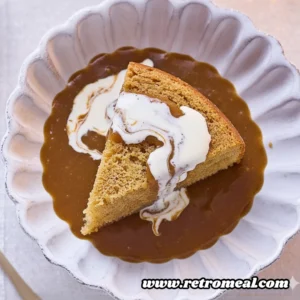
Slow Cooker Self Saucing Pud
Ingredients
- 100 g butter, melted, plus extra for the basin
- 125 g caster sugar
- 100 g light brown soft sugar
- 2 large eggs
- 200 ml milk
- 275 g self-raising flour
- 0.5 tsp baking powder
- 1.5 tbsp ground ginger
- 1 tsp ground cinnamon
- 1 tbsp cornflour
- 175 g light brown soft sugar (for the sauce)
- 1 tbsp ground ginger (for the sauce)
- 350 ml boiling water
- double cream, to serve (optional)
Instructions
- Heat the slow cooker on high for 20 minutes. Carefully rub the basin of your slow cooker with extra butter to ensure the pudding doesn’t stick.
- In a large bowl, make the sponge batter by combining the melted butter with the caster sugar, 100g light brown sugar, eggs, and milk. Whisk until smooth.
- Fold in the self-raising flour, baking powder, 1.5 tbsp ginger, and cinnamon. Whisk to remove any lumps, then pour the batter into the prepared slow cooker.
- Prepare the sauce: Mix the cornflour with 1 tsp cold water to make a paste. In a jug, combine 175g light brown sugar and 1 tbsp ginger with 350ml boiling water. Stir in the cornflour paste.
- Carefully pour the sauce mixture over the batter in the slow cooker (pouring over the back of a spoon helps prevent disturbing the batter).
- Cook on high for 1 hour 30 minutes to 2 hours 30 minutes (timing varies by model) until the sponge is set and firm to the touch. Serve hot with double cream.
Notes
Equipment
- Slow Cooker (Crockpot)
- large mixing bowl
- whisk
- Heatproof jug
- Small ramekin (for cornflour paste)