There is something profoundly soul-warming about the aroma of a simmering pot filling the home on a cold afternoon. When it comes to classic comfort food, few dishes rival the timeless appeal of a thick, vibrant green soup spiked with salty, savory ribbons of meat. This slow cooker pea and ham soup is the epitome of effortless gourmet cooking. By utilizing the gentle, consistent heat of a slow cooker, you allow the fibrous vegetables and smoky ham to meld into a velvet-textured masterpiece that tastes like it took days to prepare, even though it requires minimal hands-on effort. Whether you are looking to repurpose holiday leftovers or simply craving a nutritious, protein-packed lunch, this recipe delivers deep, complex flavors with just a handful of humble ingredients.
Table of Contents
The Essential Components for Your Slow Cooker Pea and Ham Soup
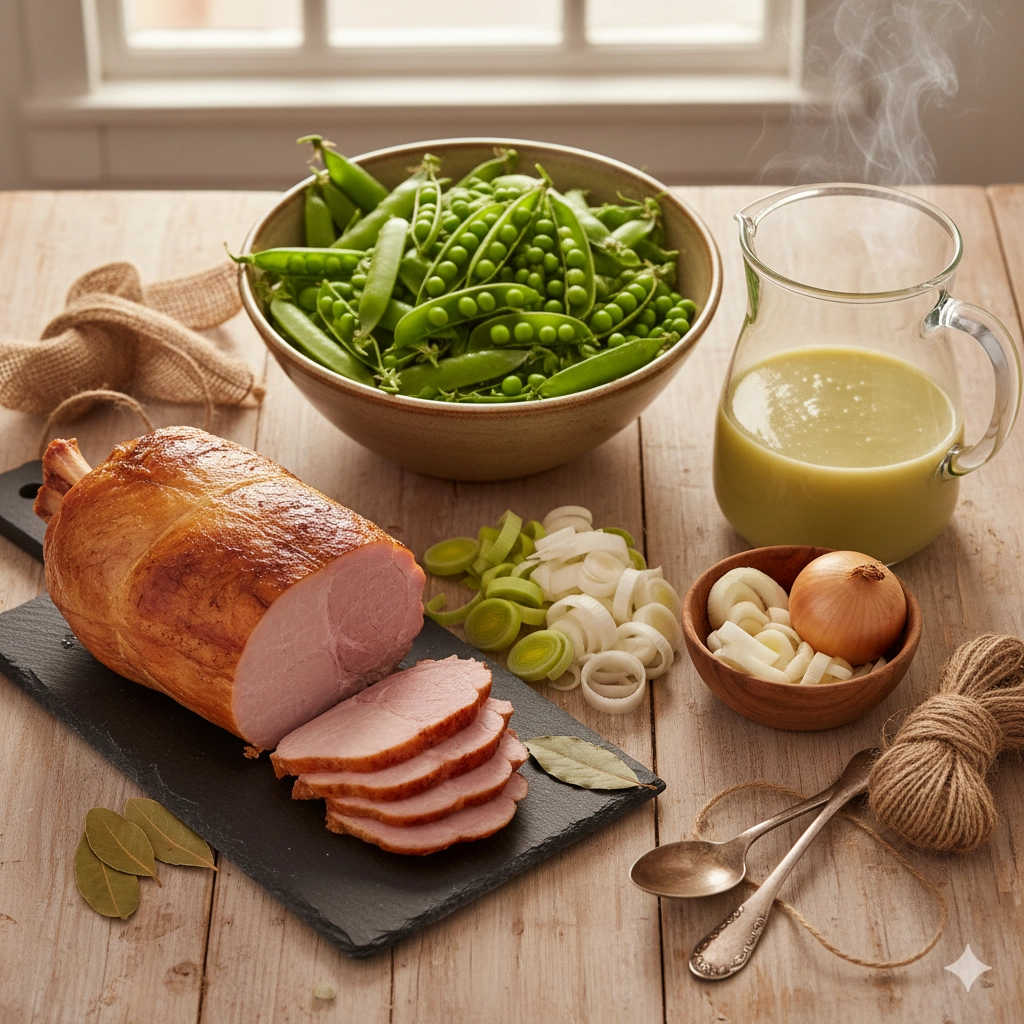
To achieve the perfect balance of sweetness from the peas and saltiness from the pork, you will need the following high-quality ingredients. Please ensure your measurements are precise to maintain the desired consistency of the final broth.
- 1 large yellow onion, finely chopped
- 250 grams of leeks, cleaned and sliced into rounds
- 2 dried bay leaves
- 450 grams of cooked ham (keeping this as a whole joint is recommended for the best flavor infusion)
- 1 and one-half liters of hot low-salt vegetable stock (alternatively, filtered water may be used)
- 750 grams of fresh or frozen peas (if using frozen, ensure they are fully defrosted before the final cooking stage)
Primary Cooking Instructions
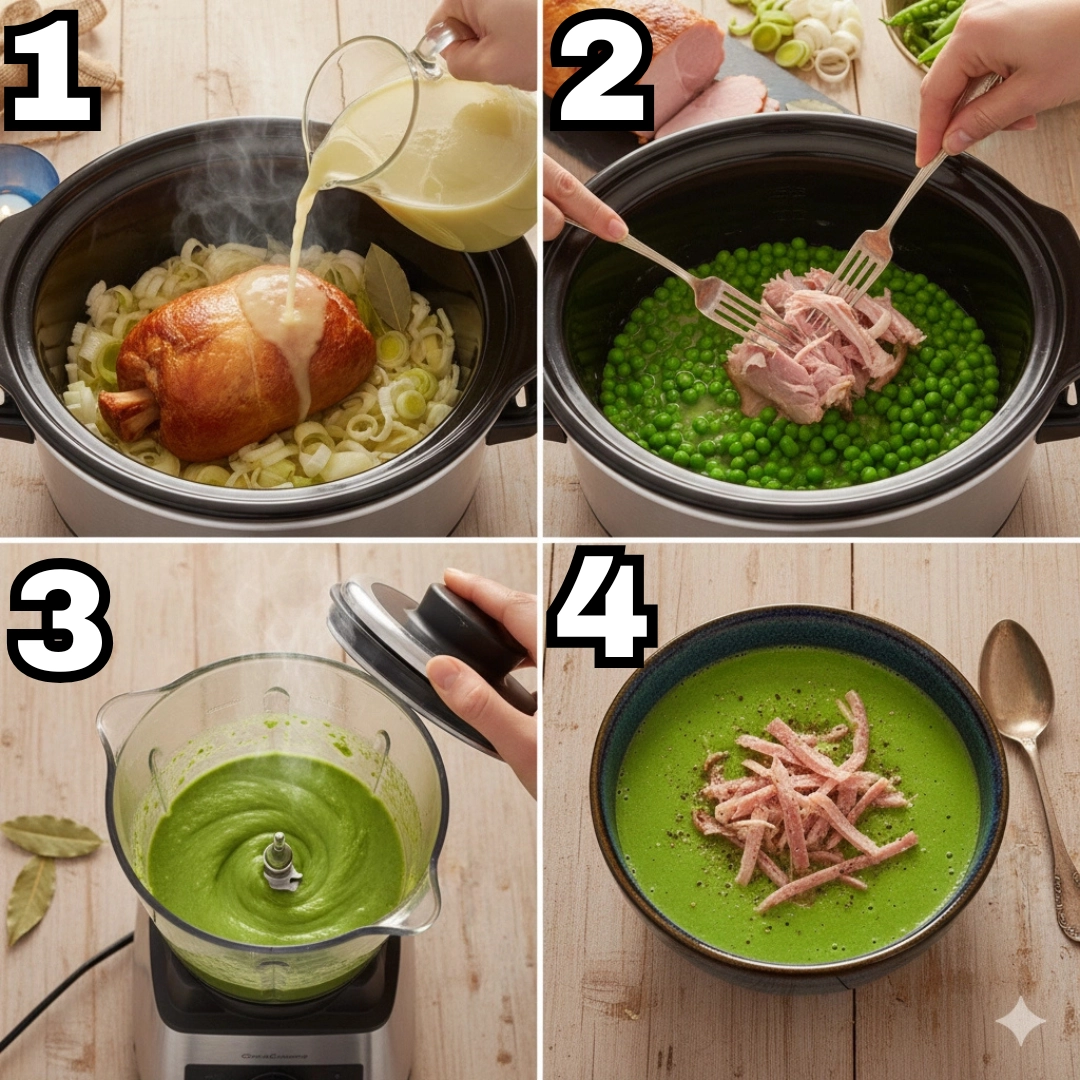
- Begin by preparing your slow cooker base. Place the chopped onion, sliced leeks, and the two bay leaves into the ceramic basin of your slow cooker. Nestle the 450-gram ham joint directly on top of the vegetables.
- Carefully pour the one and one-half liters of hot vegetable stock over the ingredients. Secure the lid firmly.
- Set the slow cooker to the high setting for two hours, or if you prefer a slower steep, set it to low for six hours. If you happen to be using an uncooked gammon joint instead of pre-cooked ham, extend the cooking time by an additional 45 minutes on high or two hours on low to ensure the meat is fully tender.
- Once the initial cooking time has elapsed, carefully lift the ham joint out of the slow cooker and set it aside on a cutting board to rest.
- Add the 750 grams of peas into the hot liquid remaining in the slow cooker. Replace the lid and continue cooking on the high setting for approximately 30 minutes until the peas are tender and bright.
- While the peas finish cooking, use two forks or your hands (if the meat is cool enough to touch) to shred the ham into bite-sized shards.
- Before blending, locate and remove the two bay leaves and discard them.
- Transfer the liquid and vegetable mixture into a high-speed blender. Blitz the mixture until it reaches a completely smooth, creamy consistency.
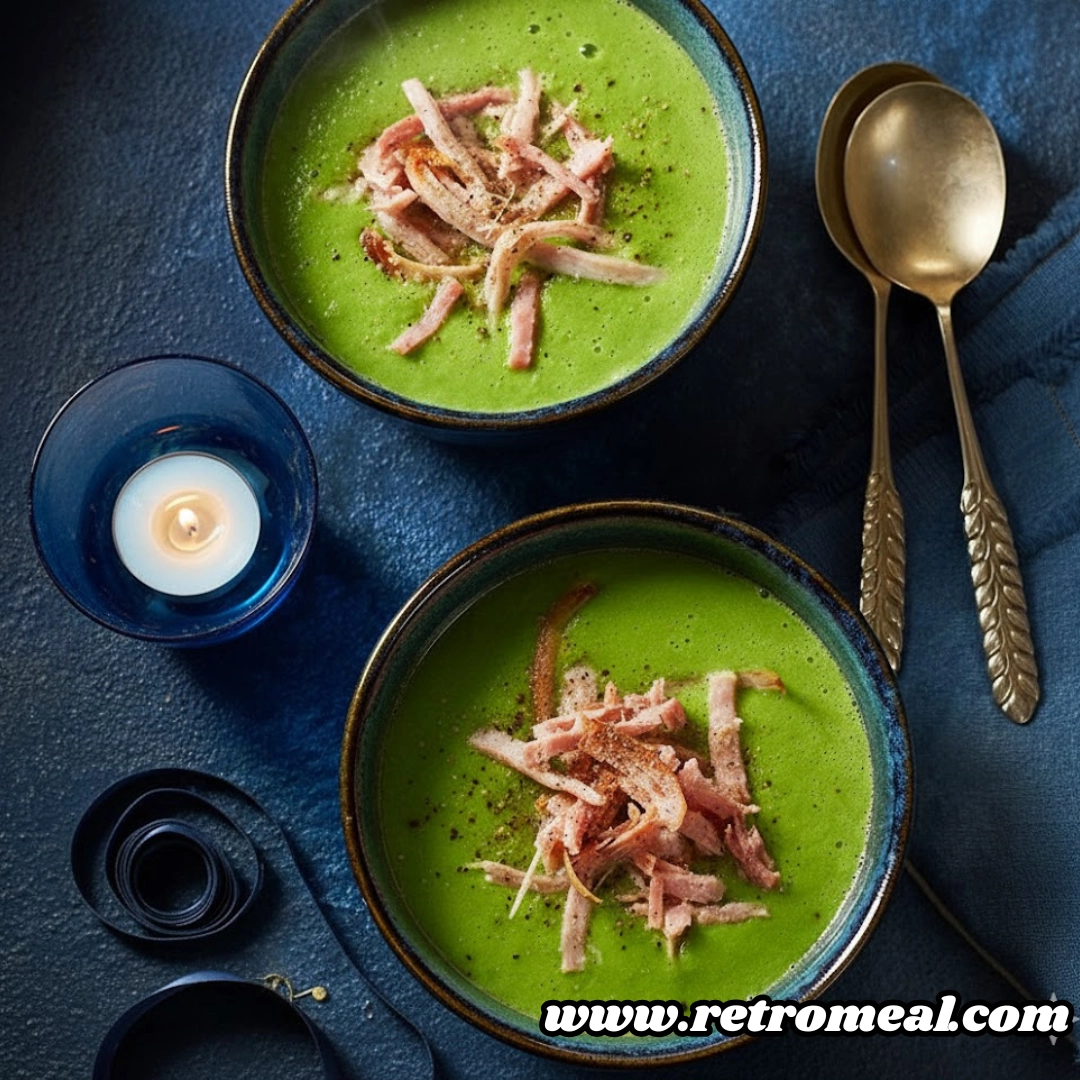
- To serve, ladle the vibrant green soup into deep bowls. Season with black pepper or salt to your personal preference, and generously scatter the shredded ham over the top of each serving.
Expansive Step-by-Step Culinary Details
The beauty of a slow cooker pea and ham soup lies in the transformation of simple, raw ingredients into a cohesive, luxurious texture. The process begins with the “aromatic foundation.” By placing the onions and leeks at the bottom, they sit in the hottest part of the slow cooker, allowing their natural sugars to release slowly into the stock. Leeks, in particular, provide a buttery, sophisticated onion flavor that is far less aggressive than standard white onions, creating a silkier mouthfeel once blended.
The choice of ham is equally vital. While you can use diced ham, keeping the ham as a “joint” or a solid piece during the first phase of cooking prevents the meat from becoming tough or stringy. It allows the fat and collagen within the ham to melt into the vegetable stock, creating a rich “body” for the soup that water alone cannot provide. Using low-salt vegetable stock is a strategic choice; ham is naturally high in sodium, and as the liquid reduces and the ham steeps, the salt levels will intensify. Starting with a low-salt base gives you total control over the final seasoning.
The “two-stage” cooking method is what sets this recipe apart from standard “dump-and-go” meals. Peas, especially fresh or frozen ones, can lose their vibrant green color and delicate sweetness if cooked for six hours straight. By adding them in the final thirty minutes, you preserve that “pop” of garden-fresh flavor and that stunning emerald hue.
Finally, the blending process is where the magic happens. A high-speed blender will aerate the soup slightly, making it feel lighter on the tongue while maintaining a thick, hearty density. If you prefer a more rustic, chunky soup, you can choose to blend only half of the mixture and stir it back into the rest, but for the classic English-style pea and ham soup, a total puree is the gold standard.
Strategies for Achieving the Perfect Soup Consistency
Creating a world-class soup requires attention to the physics of the slow cooker. Because these machines trap steam, very little liquid evaporates. If you find your soup is too thin after blending, you can return it to the slow cooker and leave the lid off for 20 to 30 minutes on the high setting to allow some moisture to escape. Conversely, if the soup is too thick—which can happen if the peas are particularly starchy—simply whisk in an extra half-cup of hot stock until you reach your desired velvetiness.
Another professional tip involves the “cold start” versus “hot start.” This recipe calls for hot stock. Using hot liquid jumps-starts the cooking process, ensuring the internal temperature of the ham reaches a safe zone quickly. If you use cold water or stock, add an extra thirty minutes to your total cooking time to account for the “warm-up” period of the ceramic insert.
Accompaniments and Elevated Serving Suggestions
While this slow cooker pea and ham soup is a complete meal on its own, the right pairings can turn it into a festive feast. The classic partner is, of course, a thick slice of crusty sourdough bread or a warm baguette slathered in salted Irish butter. The acidity of sourdough cuts through the richness of the ham beautifully.
For a textural contrast, consider adding homemade croutons. Tossing cubes of stale bread in olive oil and garlic salt and baking them until golden provides a much-needed crunch. If you want to brighten the dish, a swirl of crème fraîche or a squeeze of fresh lemon juice just before serving can lift the earthy notes of the peas. For those who enjoy a bit of heat, a dash of white pepper or even a drizzle of chili oil can provide a modern twist to this traditional favorite.
Customizations and Dietary Substitutions
This recipe is remarkably versatile. If you are looking for a different flavor profile, you can substitute the leeks with shallots for a sweeter, more concentrated taste. For those who do not have access to a ham joint, smoked bacon hocks are an excellent alternative; they provide an even deeper smoky flavor, though they require more careful cleaning to remove small bones after cooking.
For a dairy-free yet even creamier version, you can peel and dice one medium potato and add it at the beginning with the onions. The starch from the potato breaks down during the long simmer and acts as a natural thickening agent during the blending phase. If you wish to make this vegetarian, omit the ham and use a teaspoon of smoked paprika and a drop of liquid smoke to mimic that classic campfire flavor profile.
Deep-Dive Frequently Asked Questions
Can I use split peas instead of fresh or frozen peas for this recipe?
While this specific recipe is designed for the bright, sweet flavor of fresh or frozen green peas, you can use dried split peas. However, keep in mind that split peas require a much longer cooking time and significantly more liquid. If you switch to split peas, you should add them at the beginning of the cooking process with the ham and increase the stock by at least 500 milliliters, as they will absorb a large amount of moisture.
How should I store and reheat leftovers for the best quality?
This soup stores exceptionally well. Once the soup has cooled completely, you can keep it in an airtight container in the refrigerator for up to three days. When reheating, do so on the stove over medium heat. You may notice the soup thickens significantly in the fridge; simply add a splash of water or stock to loosen it up. It is best to store the shredded ham in a separate container and add it only after the soup is hot to prevent the meat from overcooking.
Is it possible to freeze this soup for long-term meal planning?
Yes, the blended pea base freezes beautifully for up to three months. It is highly recommended to freeze the soup without the shredded ham mixed in, as the texture of the meat can change slightly when frozen in liquid. To serve, defrost the soup in the refrigerator overnight and reheat it in a saucepan until it is piping hot throughout before garnishing with freshly prepared or thawed ham.
What is the best way to clean leeks to ensure no grit ends up in the soup?
Leeks are notorious for trapping sand and dirt between their layers. The best method is to slice them first, then place the rounds in a large bowl of cold water. Agitate them with your hands to loosen the dirt, which will sink to the bottom of the bowl. Lift the leeks out with a slotted spoon, leaving the grit behind, rather than pouring the whole bowl into a colander.
Nutritious Value and Health Benefits
This soup is a powerhouse of nutrition. Peas are an excellent source of plant-based protein and are loaded with vitamin K, manganese, and dietary fiber, which aids in digestion. The ham provides a significant protein boost, making this a highly satiating meal that can help maintain muscle mass and keep you feeling full for longer. By using a low-salt stock and lean ham, you can manage the sodium and fat content effectively.
Final Reflections on This Timeless Dish
Mastering a slow cooker pea and ham soup is a rite of passage for any home cook who values both flavor and efficiency. It is a dish that honors tradition while fitting perfectly into a modern, busy lifestyle. The contrast between the smooth, sweet vegetable puree and the salty, textured ham creates a sensory experience that is both sophisticated and deeply nostalgic. By following these steps and allowing the slow cooker to do the heavy lifting, you ensure a consistent, high-quality result every single time you step into the kitchen.
Nutrition Information
| Nutrient | Amount Per Serving |
| Calories | 165 kcal |
| Total Fat | 3 grams |
| Saturated Fat | 1 gram |
| Carbohydrates | 14 grams |
| Sugars | 0 grams |
| Fiber | 7 grams |
| Protein | 17 grams |
| Salt | 1.6 grams |
Safety Disclaimer
The nutritional information provided is an estimate based on the ingredients listed. Actual values may vary depending on specific brands used. Always ensure pork products are cooked to a safe internal temperature as recommended by local food safety guidelines. If using a high-speed blender for hot liquids, always vent the lid to allow steam to escape and prevent pressure build-up.
Slow Cooker Pea and Ham Soup
Ingredients
- 1 onion, chopped
- 250 grams leeks, sliced
- 2 bay leaves
- 450 grams cooked ham joint
- 1.5 liters hot low-salt vegetable stock or water
- 750 grams fresh or frozen peas (defrosted if frozen)
Instructions
- Place the chopped onion, sliced leeks, bay leaves, and the ham joint into the slow cooker. Pour over the hot vegetable stock.
- Cover and cook on high for 2 hours or low for 6 hours. (Note: If using uncooked gammon, add 45 minutes on high or 2 hours on low).
- Carefully remove the ham joint and set it aside. Add the peas to the slow cooker and cook on high for an additional 30 minutes.
- While the peas cook, shred the ham using two forks or your hands if cooled sufficiently.
- Remove and discard the bay leaves. Transfer the soup to a blender and blitz until completely smooth.
- Season to taste. Divide into bowls and top with the shredded ham to serve.
Notes
Equipment
- slow cooker
- High-speed blender
- chef’s knife
- Two Forks For shredding the ham