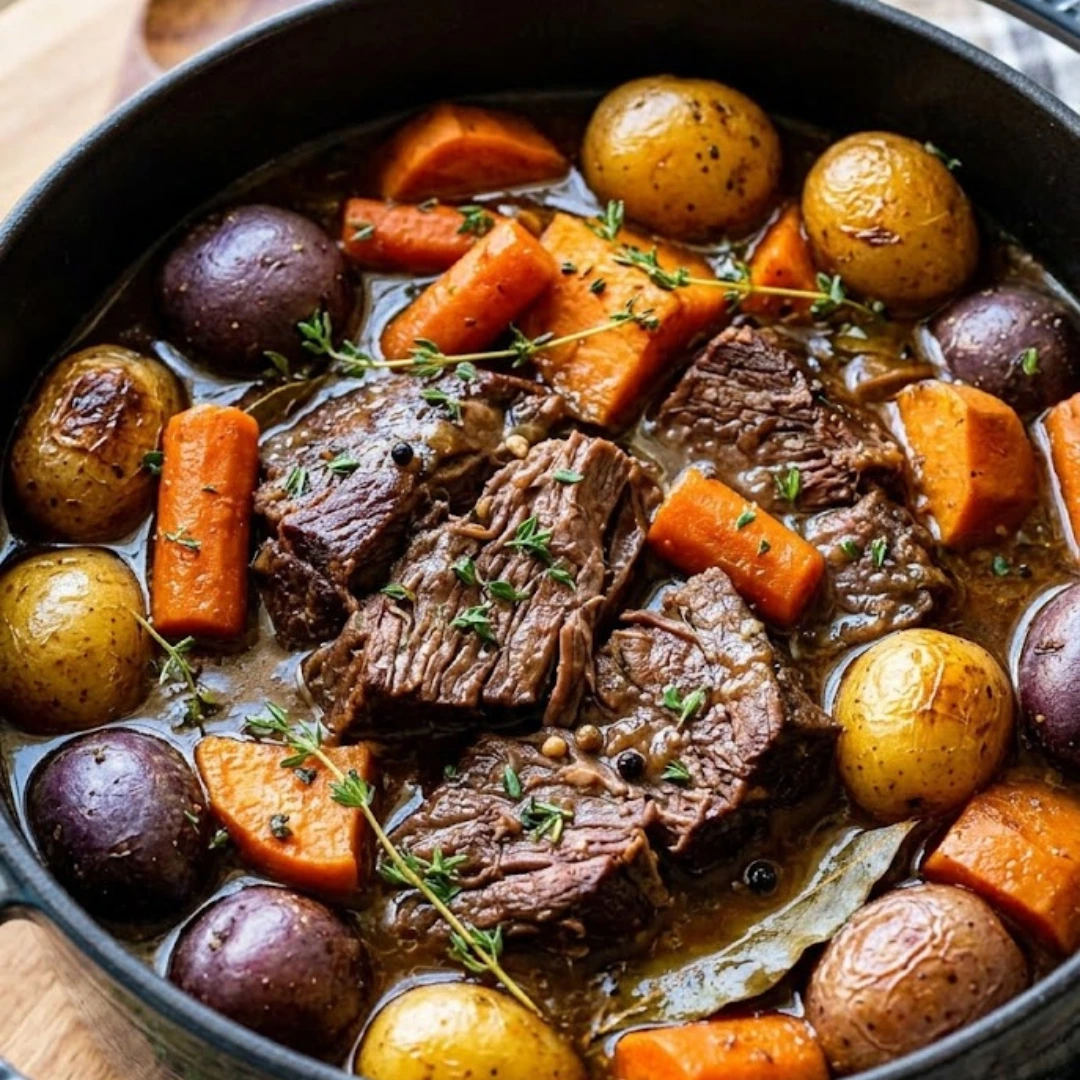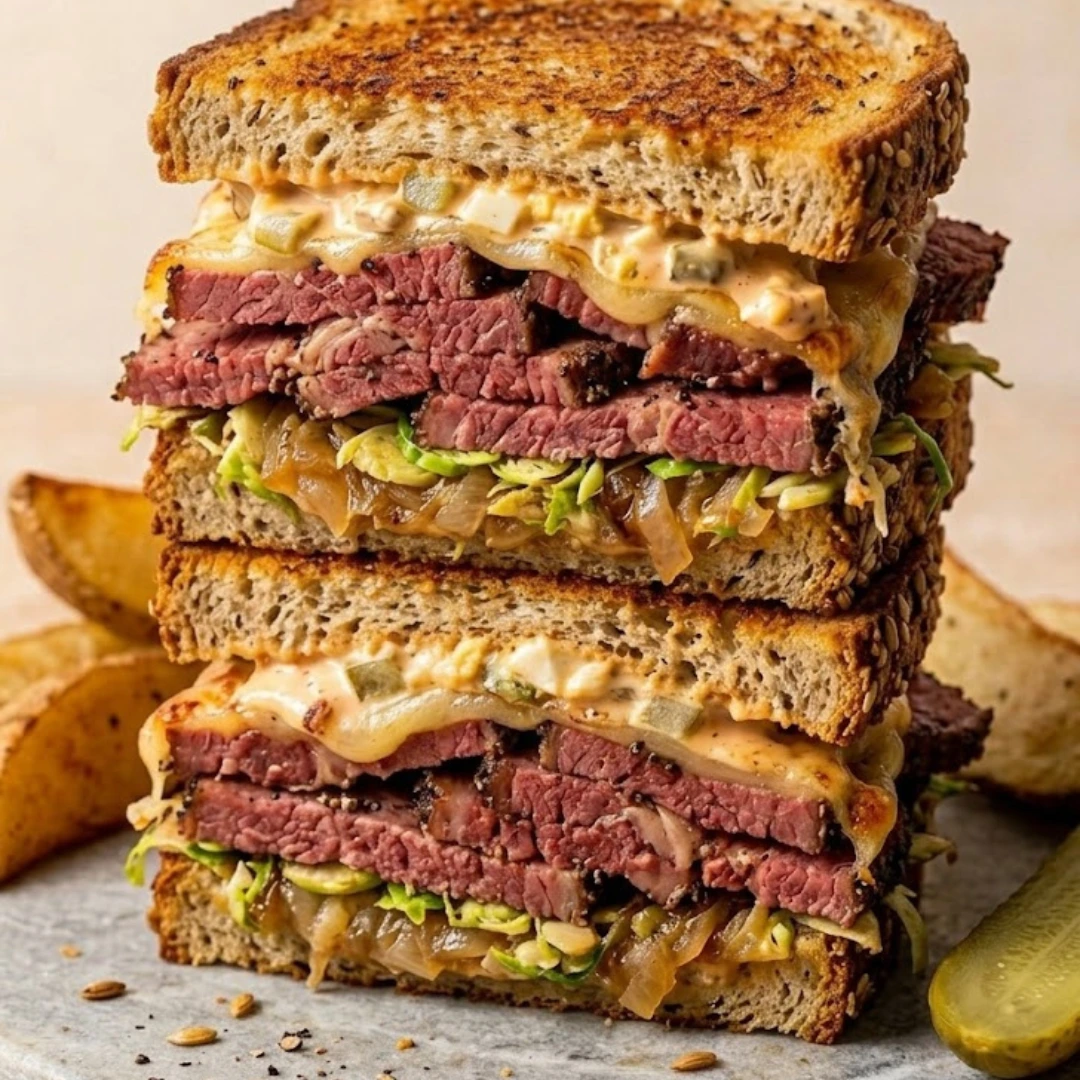
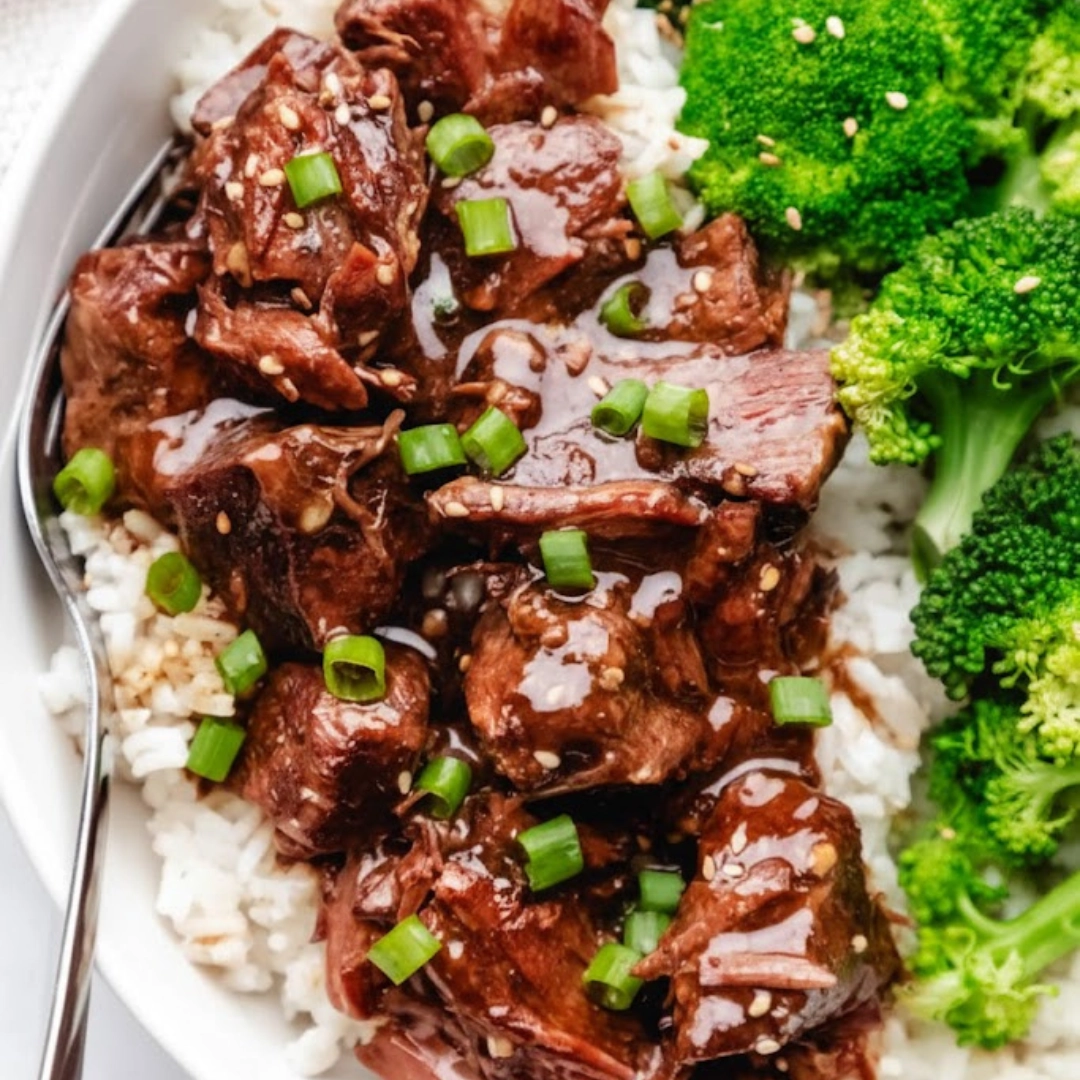
The brilliance of an Asian-inspired braise is the intricate interplay between sweet, savory, and umami depth, and this dish is a quintessential example. When the right cut of beef is gently submerged in a highly seasoned liquid and cooked low and slow, the result is a tender, deeply flavored foundation for an incredible meal. Our Slow Cooker Korean Beef transforms a tough, affordable cut into silken strands of protein, perfect for easy weeknight assembly while still tasting complex enough for company. It’s an approach to cooking that respects the ingredient and rewards the patient cook with truly minimal effort.
Table of Contents
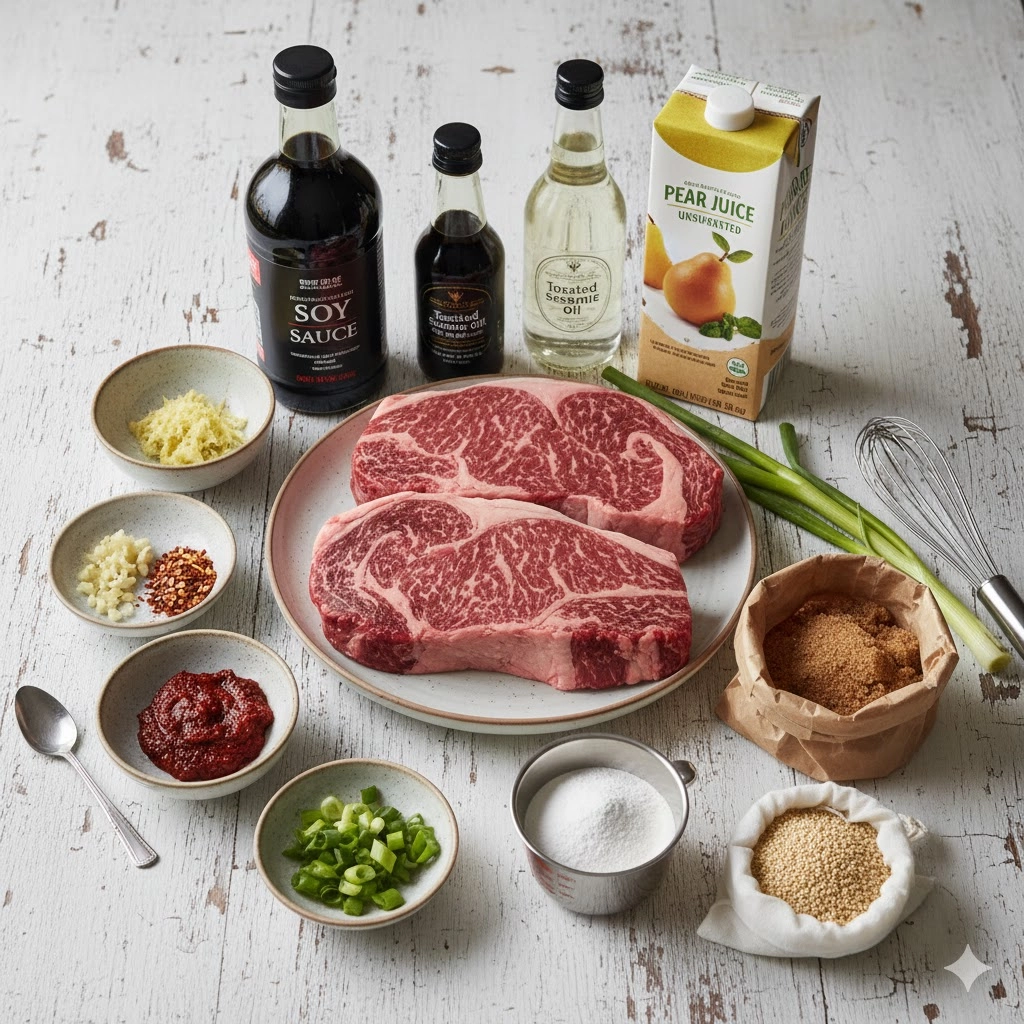
The Essential Pantry and Produce for Success
This list serves four to six people when served with rice and side vegetables.
For the Beef:
- Three pounds (1.35 kg) boneless beef chuck roast, trimmed of large sections of hard fat and cut into two or three large pieces.
- One half teaspoon kosher salt.
- One quarter teaspoon freshly ground black pepper.
- Two tablespoons vegetable or canola oil, for searing.
For the Braising Liquid (Sauce):
- One half cup reduced-sodium soy sauce (or tamari for gluten-free).
- One half cup packed light brown sugar.
- One third cup pear juice (or apple juice), unsweetened.
- Two tablespoons toasted sesame oil.
- Two tablespoons rice vinegar (unseasoned).
- One tablespoon fresh ginger, grated.
- Four large cloves garlic, minced.
- One tablespoon Gochujang (Korean chili paste), adjust to spice preference.
- One half teaspoon red pepper flakes, optional.
- One half cup water.
For Thickening and Serving:
- Three tablespoons cornstarch.
- Three tablespoons cold water.
- Two scallions, thinly sliced, for garnish.
- One tablespoon toasted sesame seeds, for garnish.
The Basic Process: A Quick Overview
The overall procedure for this recipe is minimal, relying on the slow cooker to handle the heavy lifting. The key is in the initial preparation steps, which build a deeper foundation of flavor before the slow, steady braise begins.
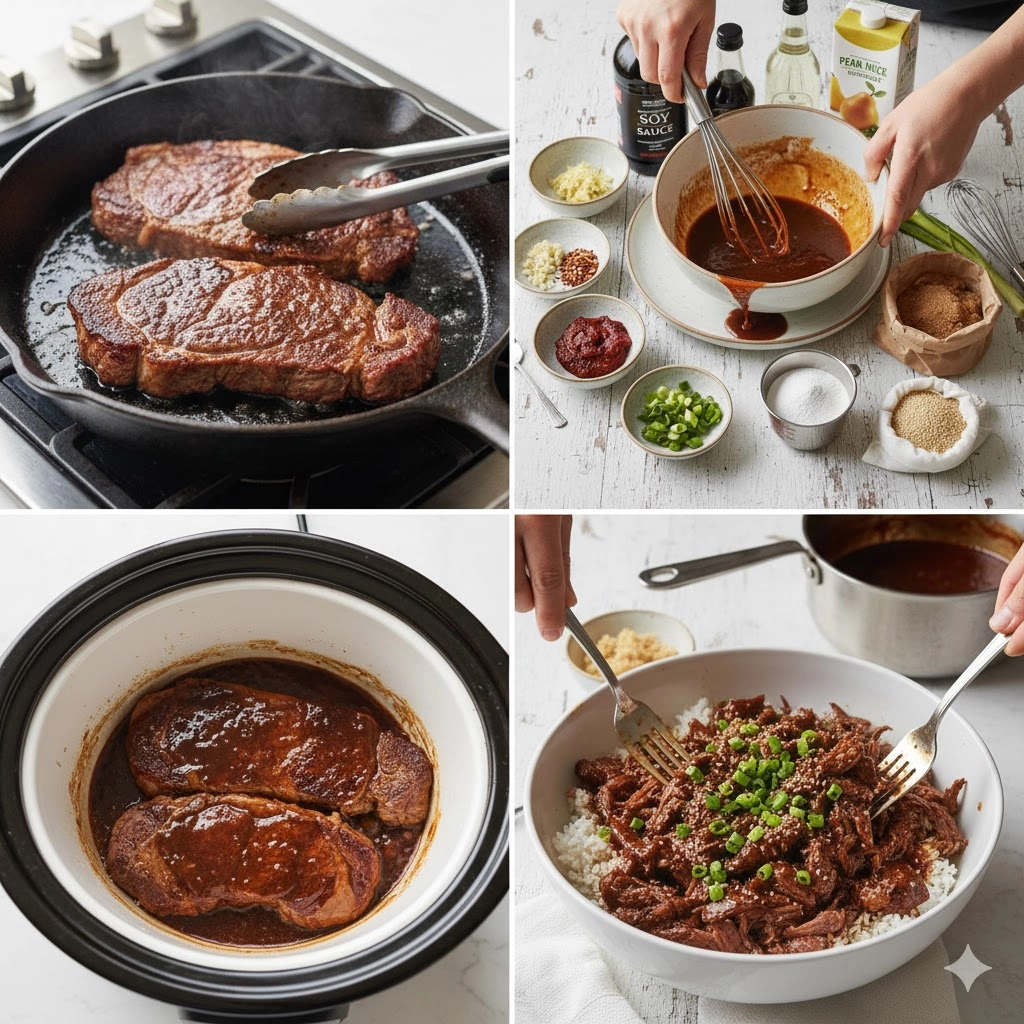
- Prepare the Meat: Season the chuck roast pieces aggressively with salt and pepper.
- Execute the Sear: Heat the oil in a heavy-bottomed skillet and sear the beef pieces until a dark, mahogany crust forms on all sides. This step is non-negotiable for flavor.
- Mix the Sauce: Whisk together all ingredients for the braising liquid in a separate bowl.
- Assemble the Slow Cooker: Place the seared beef into the slow cooker vessel and pour the sauce mixture over the top, ensuring the meat is submerged as much as possible.
- Initiate the Cook Cycle: Cover the slow cooker and cook on the low setting for eight to ten hours, or on the high setting for four to six hours, depending on your appliance.
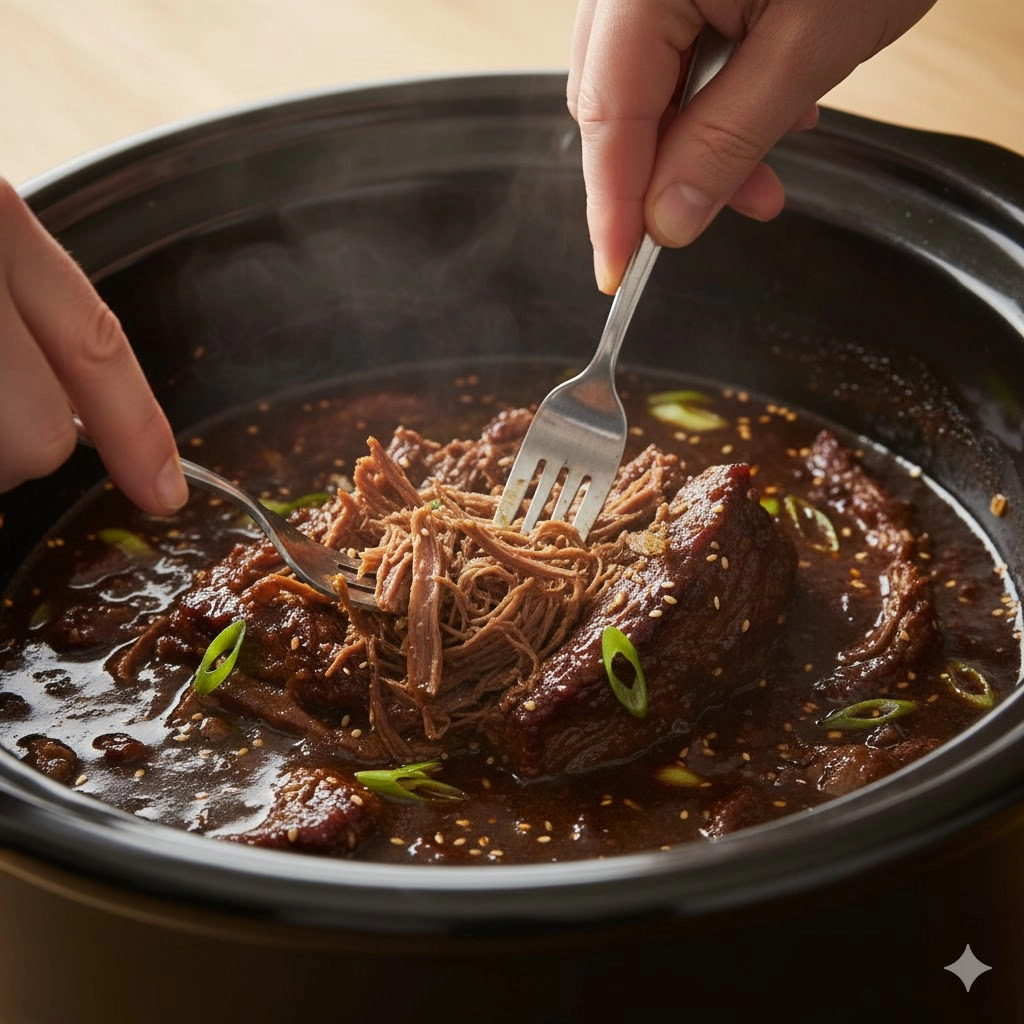
- Check for Doneness: The meat is ready when it is falling-apart tender and easily shreds with a fork.
- Thicken the Sauce: Remove the beef, skim the fat from the liquid, and use the cornstarch slurry to rapidly thicken the remaining sauce on a stovetop.
- Shred and Combine: Return the shredded beef to the thickened sauce, toss to coat, and garnish before serving.
Deep Dive into Technique: Achieving the Perfect Texture and Flavor
Success in slow cooking often comes down to mastering the subtle details of preparation. This section outlines the critical checks, sensory cues, and textural indicators that transform a simple set-and-forget dish into truly memorable Slow Cooker Korean Beef.
The Importance of the Initial Sear
A common oversight when using a slow cooker is skipping the searing step, believing the long cook time will compensate for the missing flavor. This is a crucial error. Searing the beef pieces at a high temperature initiates the Maillard reaction, which is responsible for hundreds of complex, savory flavor compounds that cannot be developed in the moist, low-temperature environment of the slow cooker.
- Sensory Cue: The moment the beef hits the hot oil, you should hear a strong, immediate sizzle. If it just whispers, the pan is not hot enough.
- Doneness Check: Sear each piece for approximately three to four minutes per side. You are looking for a deep, browned crust, almost like dark caramel, not just a light graying of the surface. A proper crust should be challenging to scrape off, contributing texture later.
- Mistake to Avoid: Do not overcrowd the pan. Searing too much meat at once will steam the pieces rather than brown them, reducing the temperature and preventing the crucial reaction from occurring. Work in batches to maintain high heat.
Understanding the Braising Liquid Blend
The sauce must achieve a delicate balance of flavor that can withstand hours of heat and concentration. The use of pear or apple juice might seem unusual, but it introduces an essential natural fruit sweetness that is classic in authentic Korean marinades. This component balances the salty soy sauce and the strong savory notes of the garlic and ginger.
- Aroma Indicator: After mixing the sauce, take a small taste. It should taste strongly of all components—very savory, quite sweet, and punchy from the vinegar and fresh aromatics. Since it will dilute slightly in the slow cooker and its flavors will mellow during the long cook, it needs to taste aggressive now.
- Blending for Texture: Ensure the garlic and ginger are finely grated or minced. Larger chunks will not disperse effectively, leading to localized pockets of harsh flavor instead of an evenly seasoned sauce.
The Low and Slow Temperature Management
The structural integrity of beef chuck roast—packed with collagen and connective tissue—requires specific conditions to break down into gelatin. This transformation is what delivers that succulent, fall-apart texture.
- The Science: Collagen dissolves into gelatin most effectively between one hundred sixty and one eighty Fahrenheit. Cooking on the “Low” setting holds the liquid closer to this range for a longer period, resulting in a more uniform, tender texture. Cooking on “High” forces the temperature up faster, potentially causing the muscle fibers to tighten before the collagen has time to fully break down, leading to drier, stringier results.
- Ideal Indicator: When you check the meat after the prescribed time (eight to ten hours on Low), you should not need a knife to cut it. You should be able to press on it lightly with a wooden spoon and have it easily fracture and shred. If you encounter any resistance, let it cook for another hour.
The Art of Skimming and Thickening the Sauce
The slow cooking process inevitably renders a significant amount of fat from the chuck roast into the sauce. While fat carries flavor, too much will make the final sauce greasy and heavy.
- Skimming: Once the beef is removed, let the sauce sit for about ten minutes. The rendered fat will rise to the top and form a visible layer. Use a large spoon or ladle to carefully skim this layer off. Alternatively, if time allows, refrigerate the sauce; the fat will solidify and can be easily lifted off in a solid sheet.
- The Slurry: Always mix the cornstarch with cold water—this is crucial. Mixing with hot liquid will cause the starch granules to clump instantly, creating lumps that are impossible to dissolve. The resulting “slurry” should be smooth and milky.
- Achieving Consistency: Pour the slurry into the sauce while it is simmering rapidly on the stovetop. Whisk constantly for about sixty seconds. The sauce should transition from a thin liquid to a thick, glossy glaze that coats the back of a spoon almost instantly. If it is not thick enough after sixty seconds, prepare another small slurry (one tablespoon cornstarch to one tablespoon cold water) and repeat until the desired consistency is reached.
Elevating the Dish: Masterful Techniques and Shortcuts
Moving beyond the basic steps allows the home cook to truly master this preparation. These tips focus on maximizing the flavor and streamlining the workflow.
The Power of an Overnight Marinade:
Although this recipe starts with a sear, you can enhance the flavor saturation by marinating the beef pieces overnight before searing them. Submerge the beef in half of the braising liquid for at least twelve hours in the refrigerator. The salt and acids will begin to tenderize the exterior while infusing deep flavor. Sear the meat the next day, add it to the slow cooker with the remaining sauce, and proceed as instructed.
Finishing with Fresh Citrus:
A hallmark of a truly balanced braise is a bright finish that cuts through the richness. Before serving, whisk in the juice of half a fresh lime or a full lemon into the finished, thickened sauce. This adds a necessary zing and lift that brightens the entire flavor profile, preventing the dish from tasting overly heavy or one-dimensional. The acidity is a secret weapon that professional chefs use to finalize deep, savory preparations.
Building a Deeper Umami Base:
To push the savory characteristics, consider adding two teaspoons of either mushroom powder or concentrated beef bouillon paste to the braising liquid. These ingredients contain high concentrations of natural glutamates, intensifying the fundamental umami flavor without altering the core Korean profile. This is especially helpful if you find your chuck roast to be less marbled than desired.
The Cold-Weather Slow Cooker Preheat:
In colder climates or kitchens, a slow cooker can take a surprisingly long time to reach its operating temperature, slowing down the cook and potentially leaving the meat in the “danger zone” for too long. If your kitchen is particularly chilly, preheat the slow cooker on the “High” setting for about fifteen to twenty minutes while you are prepping the meat and sauce. This small step ensures the process starts immediately when you add the ingredients.
Using Aromatics as a Trivet:
Instead of placing the meat directly on the bottom of the slow cooker, create a simple bed of coarsely chopped onions and carrots. This raises the meat slightly, allowing the liquid to circulate more evenly around it, ensuring no part of the beef sits against the hottest spot on the bottom, which can lead to scorching or uneven cooking. The vegetables will also impart a subtle, sweet background note and can be strained out before thickening the sauce.
Don’t Toss the Solids:
After skimming the fat and before thickening the sauce, run the braising liquid through a fine-mesh sieve. However, don’t press on the solids (the cooked garlic and ginger). Instead, scrape them gently into the bowl with the shredded beef. These soft, fully cooked aromatics melt into the shredded meat, boosting the flavor in every bite.
Swapping Components: Making the Recipe Your Own
The beauty of a slow cooker braise lies in its flexibility. Once you understand the core chemistry of the dish, you can easily implement variations to suit different dietary needs or personal preferences.
Alternative Cuts of Meat:
While beef chuck is the classic choice due to its high collagen content, you can substitute other cuts. Short ribs or a brisket flat will work exceptionally well, maintaining the rich, fall-apart texture. If using a leaner cut like sirloin, reduce the total cook time by about thirty percent, or watch closely until the desired tenderness is achieved, as leaner cuts are more prone to drying out.
Spice Level Adjustment:
The base recipe calls for one tablespoon of Gochujang. For a milder flavor, replace the Gochujang with a milder fermented soybean paste (Doenjang) mixed with a small dash of cayenne pepper. For an extreme spice level, incorporate two additional tablespoons of Gochugaru (Korean chili flakes) into the braising liquid for a deeper, earthier heat.
Sugar Substitutions:
If avoiding refined sugar, the brown sugar can be replaced with an equal amount of pure maple syrup, or a slightly reduced quantity of honey. The sticky quality of these alternatives will aid in developing a glossy finish when the sauce is thickened. Alternatively, use a powdered brown sugar substitute, ensuring you account for its potentially different sweetness level.
Vegetable Inclusion:
For a heartier, one-pot meal, add one-inch chunks of root vegetables, such as carrots, potatoes, or daikon radish, during the last two hours of the cook cycle. Adding them too early will cause them to completely disintegrate into the sauce. You want them to be tender but still hold their shape alongside the shredded beef.
Soy-Free Version:
For individuals avoiding soy, substitute the soy sauce with an equal quantity of coconut aminos. While coconut aminos are slightly sweeter, this can be balanced by reducing the amount of brown sugar in the recipe by approximately one quarter cup. The rest of the braising liquid profile—ginger, garlic, sesame oil—will retain the signature Korean flavor.
Completing the Meal: Presentation and Pairings
This rich, savory dish acts as a perfect centerpiece, but requires sensible accompaniments to create a balanced meal. The richness of the beef benefits greatly from textural contrast and bright, clean flavors.
Over Crispy Rice:
Instead of simple steamed rice, consider serving the shredded beef over nurungji—the crusty, slightly scorched rice that forms at the bottom of a pot. The satisfying crunch of the crispy rice offers a wonderful counterpoint to the silky tenderness of the meat and sauce. You can achieve this by spreading leftover rice in a thin layer in a hot oiled skillet until golden brown.
Wrapped in Lettuce:
For a lighter, classic Korean-style approach, serve the beef family-style with a platter of fresh, crisp lettuce leaves (such as butter lettuce, romaine, or perilla leaves). Provide small bowls of white rice and thinly sliced raw garlic or jalapeños. Guests can make their own ssam (wraps), adding a dollop of rice, a generous portion of the beef, and any desired toppings into a lettuce cup.
The Kimchi and Pickle Element:
The best pairing for any deeply savory, slow-cooked meat is something sharp, acidic, and fermented. A generous side of traditional Napa cabbage kimchi provides spice and crunch. Alternatively, serving quick-pickled cucumbers or radishes, brined in a mixture of rice vinegar, sugar, and salt, delivers a refreshing palate cleanser between bites of the rich beef.
A Cold Noodle Base:
During warmer months, or simply for a change of pace, serve the shredded meat over a tangle of cold buckwheat noodles (Naengmyeon). Toss the cold noodles with a drizzle of sesame oil and a touch of rice vinegar before topping with the hot beef and sauce. The contrast between the cold noodles and the warm, rich topping is invigorating.
Your Questions Answered: Troubleshooting and Storage
We address some of the most common inquiries regarding the preparation, execution, and preservation of this slow-cooked staple.
Why is my beef still tough after eight hours?
This almost always indicates one of two things: either your slow cooker is running cooler than it should, or the cut of beef was too lean. The connective tissue (collagen) in chuck roast needs consistent low-level heat to break down. If it is still tough, simply keep cooking it on the low setting. Check it every hour; it can often take up to ten or twelve hours to reach that complete, fall-apart tenderness, especially if the chuck roast pieces were very thick.
Can I freeze the leftovers?
Yes, this dish freezes exceptionally well. Allow the cooked and shredded beef and sauce to cool completely before transferring it to freezer-safe, airtight containers. The sauce should keep well for up to three months. To reheat, thaw overnight in the refrigerator and then gently warm on the stovetop over low heat, adding a splash of water or beef broth if the sauce has become too thick.
How do I adjust the liquid if I use a smaller cut of meat?
If you use less meat, say a two-pound cut, you should reduce the braising liquid proportionally. Aim to cut the sauce ingredients by approximately one third. The goal is simply to have the beef submerged about halfway to two thirds; the slow cooker lid traps the moisture, meaning you don’t need a massive amount of liquid for a successful braise.
Is it safe to leave the slow cooker on High all day?
While you can use the high setting, it is generally recommended to use the low setting for long periods unattended. The low setting ensures the internal temperature of the food rises slowly and maintains a more consistent temperature profile. Cooking for four to six hours on high is appropriate if you are home and can monitor it; cooking for eight to ten hours on low is the safer and more reliable method for all-day cooking.
What is the best way to handle the thick layer of fat?
The simplest method to remove excess fat is to refrigerate the entire batch overnight after cooking. The cold temperature will cause the fat to solidify into a hard, white layer on top of the sauce. The next day, you can easily lift and discard this solid layer before reheating the dish and proceeding with the cornstarch thickening step. This is much more effective than skimming with a ladle.
Fueling Up: Estimated Nutritional Breakdown
This table provides an estimate and will vary significantly based on the cut of beef, trimming of fat, and whether sugar substitutes are used.
| Nutrient | Amount per Serving |
| Calories | 420 kcal |
| Protein | 35 g |
| Carbs | 28 g |
| Fat | 18 g |
| Fiber | 1 g |
| Sugar | 20 g |
| Sodium | 590 mg |
Nutritional Disclaimer
Nutrition information is an estimate and may vary based on preparation and ingredients used.
Slow Cooker Korean Beef
Ingredients
- 3 lb boneless beef chuck roast, trimmed and cut into large pieces
- 0.5 tsp kosher salt
- 0.25 tsp freshly ground black pepper
- 2 tbsp vegetable or canola oil
- 0.5 cup reduced-sodium soy sauce or tamari
- 0.5 cup light brown sugar, packed
- 0.33 cup pear juice or apple juice, unsweetened
- 2 tbsp toasted sesame oil
- 2 tbsp rice vinegar, unseasoned
- 1 tbsp fresh ginger, grated
- 4 large garlic cloves, minced
- 1 tbsp Gochujang (Korean chili paste)
- 0.5 tsp red pepper flakes (optional)
- 0.5 cup water
- 3 tbsp cornstarch
- 3 tbsp cold water (for slurry)
- 2 scallions, thinly sliced (garnish)
- 1 tbsp toasted sesame seeds (garnish)
Instructions
- Season beef pieces with salt and pepper.
- Sear beef in hot oil on all sides until a deep crust forms. Work in batches if necessary.
- In a bowl, whisk together soy sauce, brown sugar, pear juice, sesame oil, rice vinegar, ginger, garlic, Gochujang, red pepper flakes, and water.
- Place seared beef in slow cooker. Pour sauce mixture over, ensuring beef is submerged.
- Cover and cook on low for 8–10 hours or high for 4–6 hours until beef is tender.
- Remove beef and skim fat from liquid. Mix cornstarch with cold water and whisk into sauce while simmering on stovetop until thickened.
- Shred beef with forks, return to thickened sauce, toss to coat. Garnish with scallions and sesame seeds before serving.
Notes
Equipment
- slow cooker
- large skillet
- mixing bowl
- whisk
- tongs
- forks for shredding
- spoon or ladle (for skimming)