Imagine coming home after a long, taxing day to a house filled with the warm, aromatic embrace of ginger, garlic, and toasted spices. There is something profoundly comforting about a meal that cooks itself while you attend to the demands of life. This slow cooker coconut chicken curry is the personification of effortless gourmet dining. By utilizing the gentle, consistent heat of a crockpot, we transform humble chicken thighs and hearty sweet potatoes into a velvety, rich masterpiece. Whether you are looking to feed a hungry family or meal prep for a busy week ahead, this recipe offers a nutritional, flavor-packed solution that rivals any high-end Indian takeout.
Table of Contents
The Essential Components for Your Curry
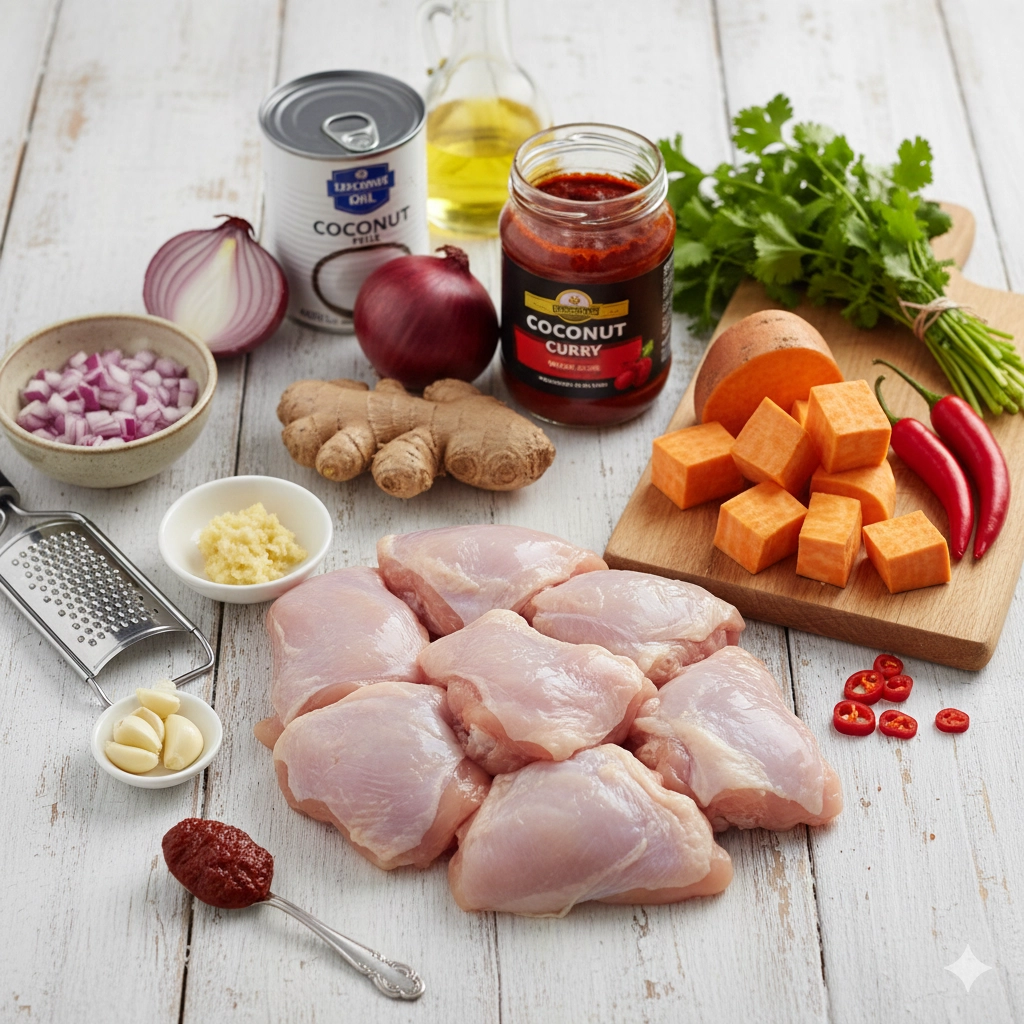
To achieve the perfect balance of creaminess and spice, you will need the following ingredients. Please note that measurements are precise to ensure the sauce consistency is exactly right for a long slow-cook cycle.
- 1 tablespoon vegetable or sunflower oil (this is optional for those who choose to sear)
- 1 red onion, finely chopped or sliced into thin half-moons
- 8 skinless and boneless chicken thighs, chopped into bite-sized chunks
- 4 garlic cloves, crushed or finely grated into a paste
- 1 thumb-sized piece of fresh ginger, finely grated
- 6 tablespoons of your favorite curry paste
- 400 milliliter can of full-fat coconut milk
- 400 gram can of chopped tomatoes
- 500 grams of sweet potato or butternut squash, roughly chopped into uniform cubes
- 1 handful of fresh coriander, roughly chopped for garnish
- 1 red chili, sliced thin for an optional heat kick
Primary Cooking Instructions
The beauty of this recipe lies in its flexibility. You can choose a “dump and go” method for maximum efficiency or a “sear and sauté” method for deeper flavor profiles.
- The Searing Phase (Optional): If time permits, heat your oil in a large frying pan over medium heat. Toss in the red onion and sauté for approximately 6 to 8 minutes until the edges are softened and translucent. Add the chicken chunks and fry for a few minutes until the exterior is seared and golden, though not cooked through. Incorporate the garlic and ginger, cooking for another 2 minutes until the aroma fills the kitchen. Finally, stir in the curry paste for 1 minute to “wake up” the dried spices.
- The Slow Cooking Phase: Transfer the sautéed mixture into your slow cooker. If you are skipping the sear, simply place the raw onion, chicken, garlic, ginger, and curry paste directly into the ceramic pot.
- Liquids and Vegetables: Add the canned coconut milk, the chopped tomatoes, and your prepared sweet potato or butternut squash. Stir the contents thoroughly to ensure the curry paste is fully integrated into the liquids.
- The Timing: Cover with the lid. Set your slow cooker to High for 5 hours or Low for 8 hours. The low and slow method is preferred for the most tender chicken results.
- The Thickening Secret: During the final 1 hour of cooking, remove the lid. This allows excess moisture to evaporate, resulting in a thick, luxurious sauce that clings to the meat.
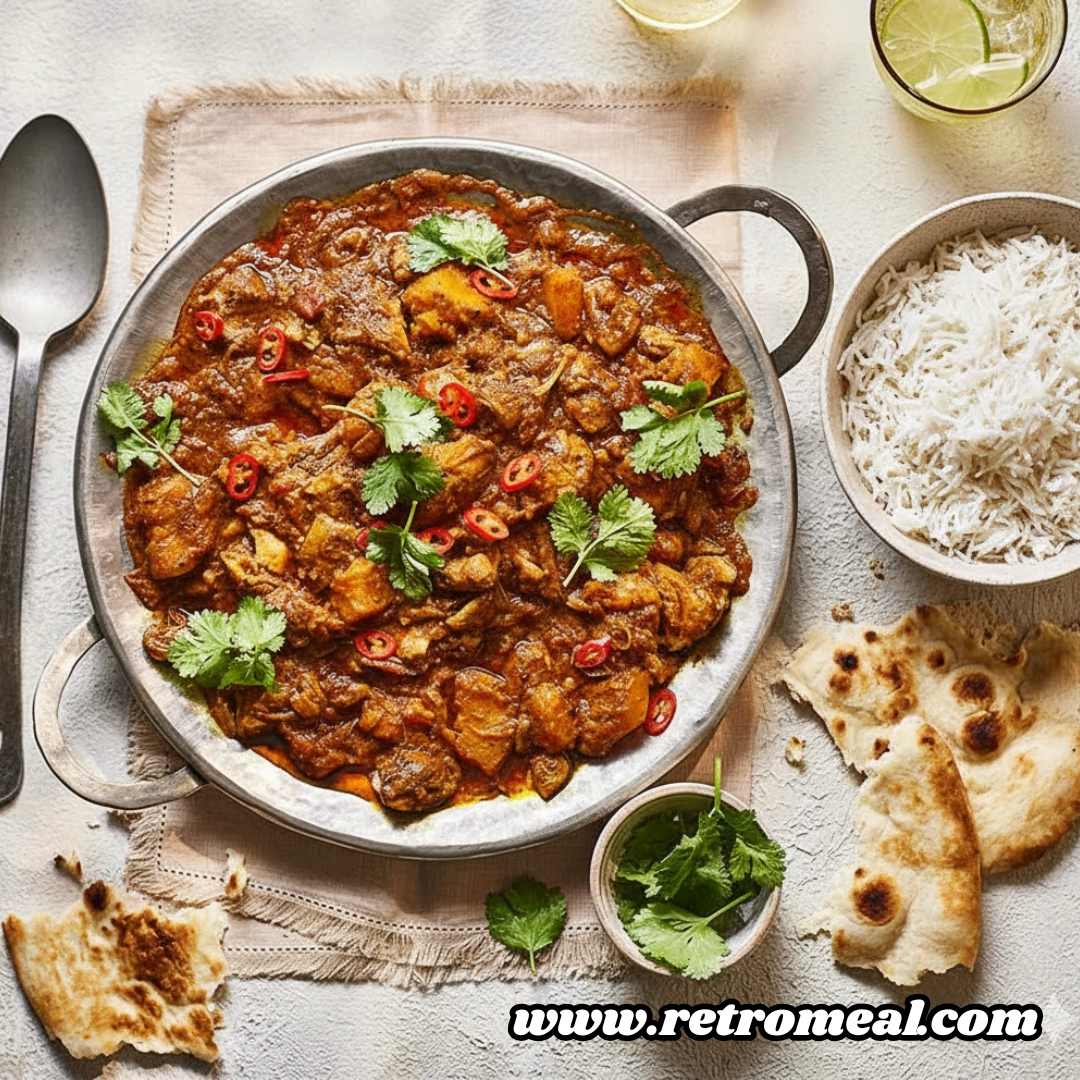
- Finishing Touches: Just before serving, stir in the fresh coriander. Serve the steaming curry over a bed of fluffy rice or alongside warm naan bread, topped with sliced red chilies if you enjoy a bit of fire.
Deep-Dive into the Step-by-Step Process
While the instructions above give you the roadmap, understanding the science of the slow cooker helps elevate this dish from a standard stew to a culinary event.
When you choose to sear the chicken thighs first, you are initiating the Maillard reaction. This chemical process creates complex flavor compounds and a beautiful brown crust that adds a savory depth the slow cooker cannot produce on its own. Chicken thighs are specifically chosen here over chicken breasts because they contain more connective tissue. Over 8 hours of low heat, this tissue breaks down into gelatin, providing a mouthfeel that is incredibly silky.
The addition of sweet potato or butternut squash serves a dual purpose. Not only do these root vegetables provide a natural sweetness that balances the acidity of the tomatoes, but they also release natural starches into the sauce. As the vegetables soften, they act as a natural thickener. By the time the 8-hour mark hits, the vegetables should be tender enough to melt in your mouth but still hold their shape until poked with a fork.
Removing the lid for the final hour is perhaps the most critical step for texture. Slow cookers are designed to trap steam, which often leads to watery sauces. By allowing that steam to escape in the final sixty minutes, the coconut milk reduces, intensifying the fats and spices, creating a restaurant-quality “gravy” that is robust and concentrated.

Unique Culinary Insights for Success
One of the most important tips for this specific curry is the choice of curry paste. Since the paste provides the bulk of the seasoning, choose a high-quality brand. If you prefer a milder, more aromatic experience, a Korma or Tikka paste works beautifully. For those who crave heat and complex spices, a Madras or Rogan Josh paste is excellent.
Another insight involves the ginger and garlic. Always use fresh ingredients rather than the jarred versions if possible. Freshly grated ginger has a sharp, peppery bite that cuts through the richness of the coconut milk. When grating the ginger, you don’t even need to peel it if the skin is thin; just use a microplane to create a fine pulp that distributes evenly throughout the sauce.
If you find your curry is still a bit thin after the lid-off period, you can take a few chunks of the cooked sweet potato and mash them against the side of the slow cooker bowl. Stirring these mashed bits back into the sauce provides an instant body and creaminess without needing to add flour or cornstarch.
Enhancing the Meal: Accompaniments and Serving
A curry this rich demands a contrast in texture and temperature. The traditional choice is basmati rice. To make the rice as special as the curry, try rinsing it until the water runs clear to remove excess surface starch, then steam it with a couple of green cardamom pods or a cinnamon stick.
Naan bread is the perfect vessel for scooping up the thick coconut sauce. For a premium experience, brush your naan with melted butter and a sprinkle of garlic salt before warming it in the oven. For a lighter side, a simple cucumber raita—made with Greek yogurt, grated cucumber, and dried mint—provides a cooling sensation that cleanses the palate between bites of spicy chicken.
When plating, do not underestimate the power of fresh herbs. The coriander adds a citrusy brightness that “lifts” the heavy fats of the coconut milk. If you aren’t a fan of coriander, fresh mint or even a squeeze of fresh lime juice can provide that necessary hit of acidity.
Modifications and Substitutions
This recipe is remarkably forgiving and can be adapted to various dietary needs or pantry inventories.
- Vegetable Variations: If sweet potatoes aren’t available, pumpkin or even large chunks of carrot can be used. If you want to add greens, stir in a few handfuls of fresh baby spinach 10 minutes before serving; the residual heat will wilt the leaves perfectly.
- The Protein: While chicken thighs are the gold standard for slow cooking, you can substitute them with cubed lamb shoulder. If using lamb, definitely opt for the 8-hour low setting to ensure the meat becomes fork-tender.
- Dairy-Free and Vegan: This recipe is naturally dairy-free thanks to the coconut milk. To make it completely vegan, replace the chicken with extra-firm tofu (added in the last hour) or two cans of chickpeas (rinsed and drained).
- Creaminess Levels: For an even richer experience, use coconut cream instead of coconut milk. Conversely, if you want a lighter version, use light coconut milk, though be aware the sauce will be thinner.
Deep-Dive FAQ
Can I use chicken breasts instead of chicken thighs?
While you can use chicken breasts, they are much leaner and tend to dry out or become “stringy” during long cooking cycles. If you must use breasts, it is highly recommended to cook them on the Low setting for no more than 4 to 5 hours to preserve as much moisture as possible.
How do I store and reheat leftovers?
This curry actually tastes better the next day as the spices continue to develop. Store it in an airtight container in the refrigerator for up to 3 days. When reheating, do so on the stovetop over low heat, adding a splash of water or chicken stock if the sauce has thickened too much in the fridge.
Is this recipe freezer-friendly?
Yes, this curry freezes exceptionally well. The coconut milk and hearty vegetables maintain their integrity during the freezing and thawing process. Allow the curry to cool completely before transferring it to freezer-safe bags or containers. It can be frozen for up to 3 months. Thaw overnight in the refrigerator before reheating.
My curry looks separated, what happened?
Sometimes coconut milk can “split” if it reaches a very high boil or if it is a lower-quality brand. If you see beads of oil on the surface, don’t worry. Simply give the curry a vigorous stir before serving. The starch from the sweet potatoes usually helps emulsify the sauce back together.
Why This Recipe Works
In the world of home cooking, the intersection of convenience and quality is a rare find. This slow cooker coconut chicken curry occupies that space perfectly. It respects the traditional flavor profiles of Indian cuisine while embracing the modern necessity of time-saving appliances. The long, slow simmer allows the ginger and garlic to permeate the chicken to its core, while the sweet potatoes provide a velvety finish that makes every spoonful feel like a luxury. It is a reliable, nutritious, and deeply satisfying dish that proves you don’t need to stand over a stove for hours to produce a world-class meal.
Nutritional Information
| Nutrient | Amount Per Serving |
| Calories | 384 kcal |
| Total Fat | 22 grams |
| Saturated Fat | 11 grams |
| Carbohydrates | 25 grams |
| Sugars | 0 grams |
| Fiber | 5 grams |
| Protein | 19 grams |
| Salt | 0.72 grams |
Disclaimer
The nutritional values provided are estimates based on standard ingredients. Actual nutritional content may vary depending on the specific brands of curry paste and coconut milk used, as well as the exact size of the produce.
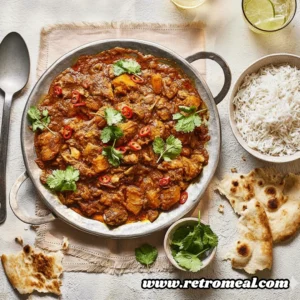
Slow Cooker Coconut Chicken Curry
Ingredients
- 1 tbsp vegetable or sunflower oil (optional)
- 1 red onion, finely chopped or sliced
- 8 skinless and boneless chicken thighs, chopped into chunks
- 4 cloves garlic, crushed or finely grated
- 1 thumb-sized piece fresh ginger, finely grated
- 6 tbsp curry paste
- 400 ml can coconut milk
- 400 g can chopped tomatoes
- 500 g sweet potato or butternut squash, roughly chopped
- 1 handful fresh coriander, roughly chopped, to serve
- 1 red chili, sliced, to serve (optional)
Instructions
- Optional: Heat oil in a frying pan over medium heat. Sauté the onion for 6 to 8 minutes until softened. Add chicken chunks and sear for a few minutes until golden on the outside.
- Add the garlic and ginger to the pan and cook for 2 minutes until fragrant. Stir in the curry paste and cook for 1 additional minute to release the oils.
- Transfer the pan mixture into the slow cooker. Add the coconut milk, chopped tomatoes, and chopped sweet potato. (Alternatively, if skipping the sear, simply place all raw ingredients into the cooker and stir).
- Cover and cook on High for 5 hours or Low for 8 hours until the chicken is tender and fully cooked through.
- Remove the lid for the final 1 hour of cooking. This allows the steam to escape and the sauce to reduce into a thick, creamy consistency.
- Serve the curry hot over steamed rice or with naan bread. Garnish with a scattering of fresh coriander and sliced red chili if desired.
Notes
Equipment
- Slow Cooker (Crockpot)
- Large frying pan Optional for searing
- Microplane or grater For ginger and garlic
- wooden spoon