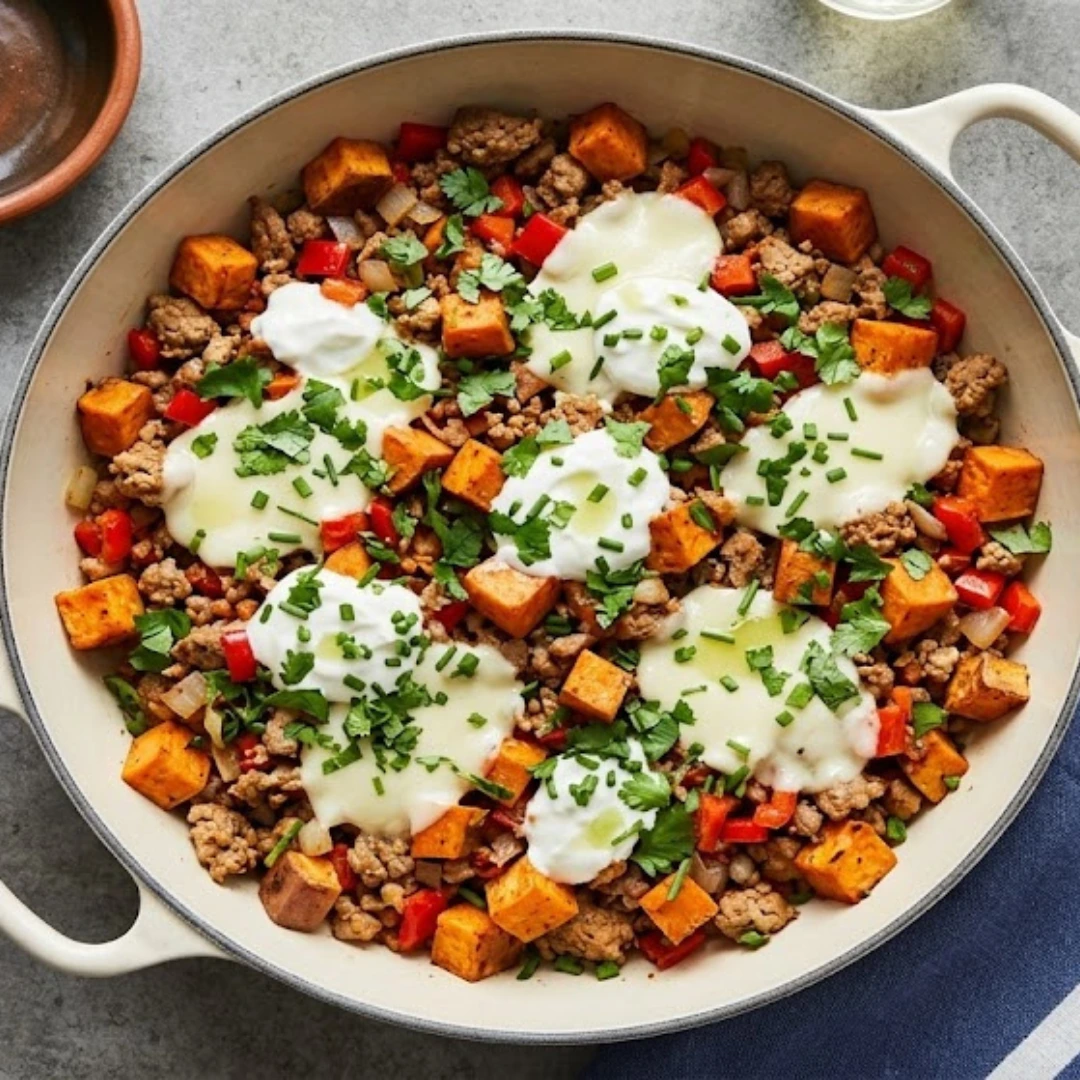
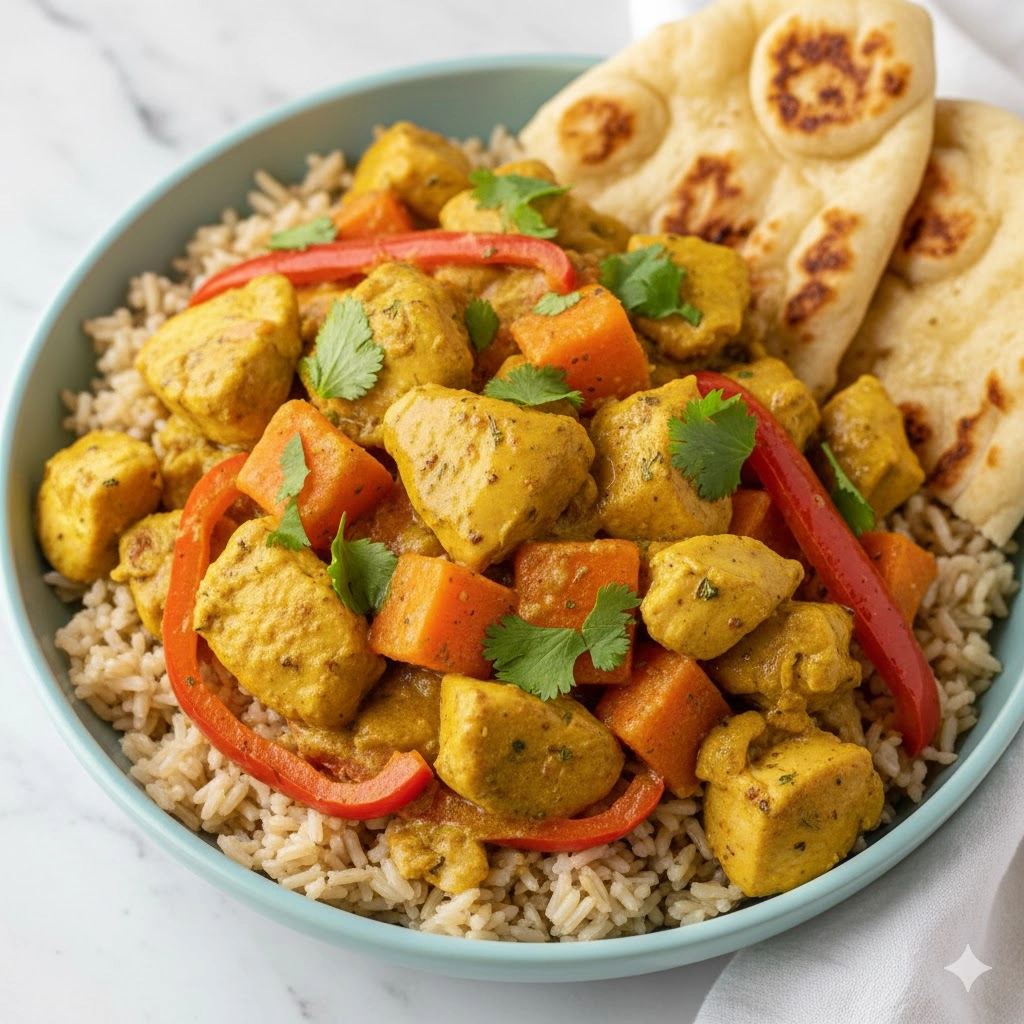
Whenever the midweek slump hits and the thought of another repetitive meal feels uninspiring, there is one genre of cuisine that never fails to revitalize the dinner table: a vibrant, aromatic curry. This Slow Cooker Chicken Curry is the ultimate solution for those who crave deep, complex flavors without the exhaustive labor of traditional stovetop methods. By utilizing the gentle, steady heat of a crockpot, we transform humble chicken thighs, creamy coconut milk, and a medley of warm Indian-inspired spices into a lusciously thick sauce that feels like a warm hug in a bowl. It is a wholesome, high-protein meal that balances the sweetness of bell peppers and potatoes with a zippy citrus finish.
Table of Contents
Essential Ingredients for Your Curry
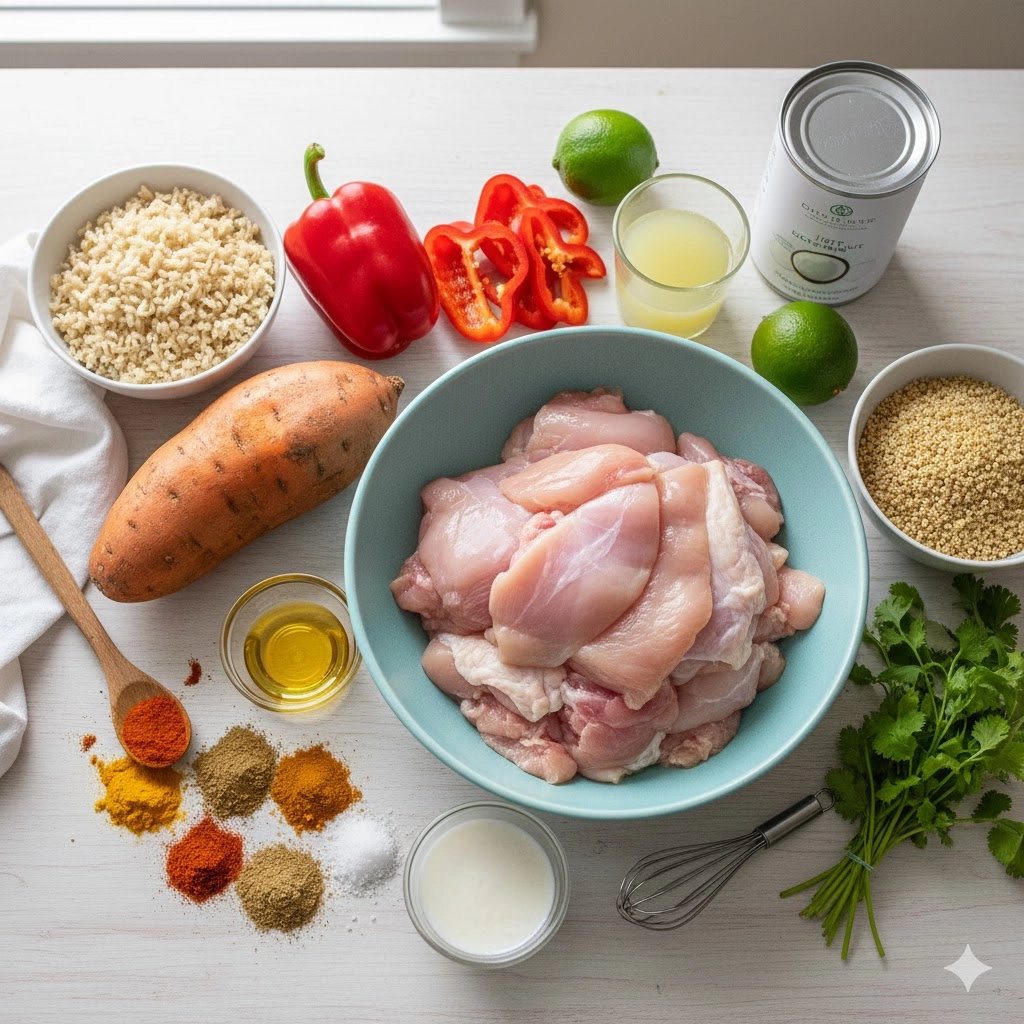
To achieve the perfect balance of richness and spice, you will need to gather the following components. These ingredients work in harmony to build layers of flavor that develop beautifully over several hours of slow cooking.
- 1 large sweet potato, scrubbed and diced into 1/2 inch pieces
- 2 red bell peppers, cored and thinly sliced
- 1/4 cup water
- 1/4 cup freshly squeezed lime juice (derived from approximately 2 limes)
- 2 tablespoons curry powder
- 2 teaspoons smoked paprika
- 1 teaspoon ground cumin
- 1 teaspoon ground chili powder
- 1 teaspoon kosher salt
- 1 1/2 pounds boneless skinless chicken thighs
- 1 tablespoon extra virgin olive oil
- 1 can light coconut milk (14 ounces)
- 2 tablespoons cornstarch mixed with 3 tablespoons water to create a slurry
- Prepared brown rice or quinoa for serving
- Freshly chopped cilantro for garnish
Step-by-Step Cooking Instructions
Follow these precise steps to ensure your chicken remains juicy and your sauce achieves the ideal velvety texture.
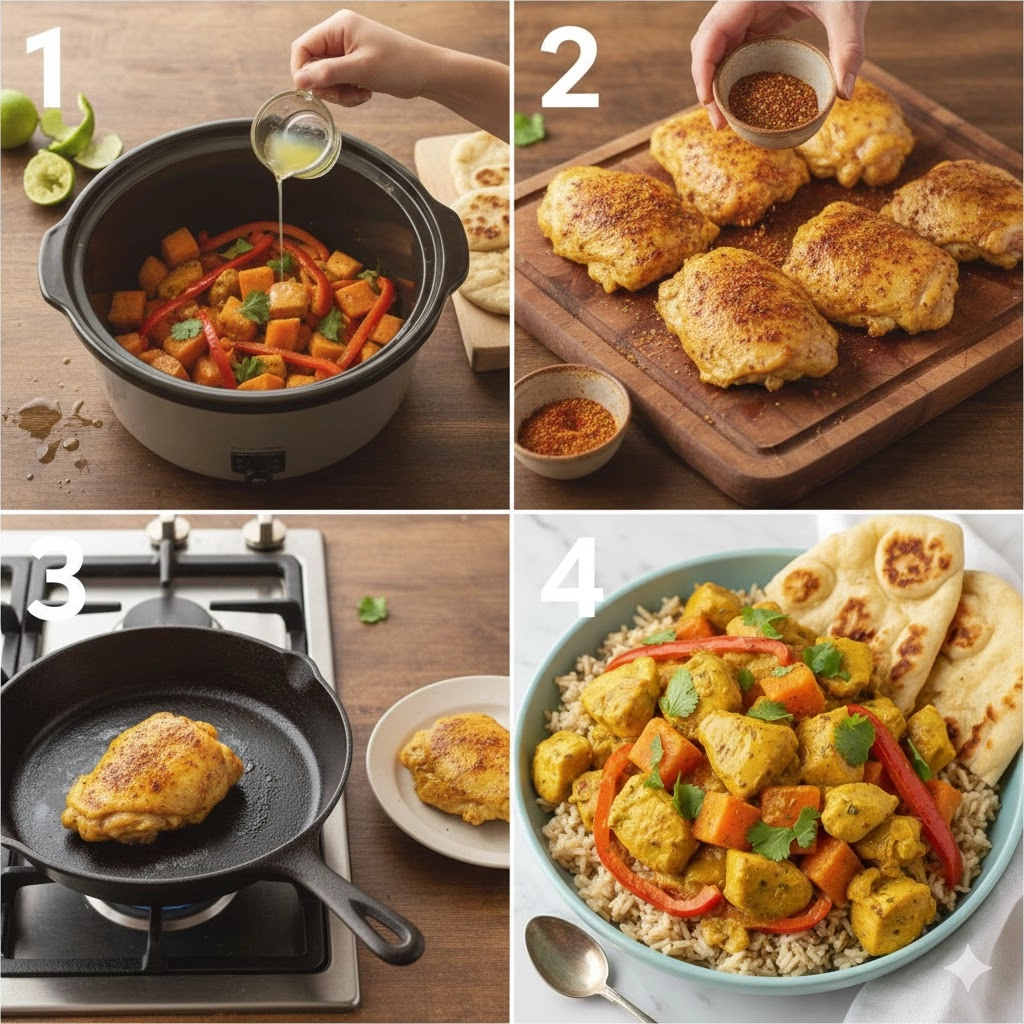
- Begin by prepping your base. Place the diced sweet potatoes and the sliced red bell peppers into the bottom of a 5-quart or larger slow cooker. Pour the water and the fresh lime juice directly over the vegetables.
- Prepare your seasoning blend. In a small mixing bowl, whisk together the curry powder, smoked paprika, ground cumin, chili powder, and kosher salt.
- Lay the chicken thighs on a large cutting board. Use roughly 2/3 of your spice mixture to coat the chicken liberally on both sides, rubbing the spices into the meat. Set the remaining spice mixture aside for later.
- In a large skillet, heat the extra virgin olive oil over medium high heat. Once the oil is shimmering and hot, add the chicken thighs. Pan sear them briefly—about 2 minutes for the first side and 1 minute for the second—just until a golden-brown crust forms.
- Transfer the seared chicken into the slow cooker, resting them on top of the vegetables. Sprinkle the remaining 1/3 of the spice mixture over the top.
- Secure the lid and cook on the low setting for 4 to 5 hours (or on the high setting for 2 to 3 hours). The chicken is done when it reaches an internal temperature of 165 degrees Fahrenheit.
- Once cooked, remove the chicken thighs and place them on a clean cutting board. Cut the meat into bite-sized chunks or shred it using two forks.
- While the chicken is resting, pour the light coconut milk and the cornstarch slurry into the slow cooker. Stir well to incorporate with the vegetable juices. Turn the heat to high and cook, covered, for 15 minutes to allow the sauce to thicken.
- Return the chicken to the pot, stirring to coat every piece in the creamy sauce. Cook for a final 15 minutes on high until everything is hot and the vegetables are perfectly tender.
- Serve the curry over a bed of rice or quinoa, garnished with plenty of fresh cilantro.
Deep-Dive Recipe Details and Technical Breakdown
The beauty of this recipe lies in the “low and slow” philosophy, but it is the preparation of the aromatics and the protein that truly defines the end result. When you dice the sweet potato into 1/2 inch cubes, you are creating the perfect surface area for the lime juice and spices to penetrate. As the sweet potato breaks down slightly during the four-hour mark, it releases natural starches that help body the sauce even before the cornstarch slurry is introduced.
Searing the chicken is perhaps the most critical “hidden” step. While the slow cooker is capable of cooking raw meat, the Maillard reaction—the chemical reaction between amino acids and reducing sugars that gives browned food its distinctive flavor—cannot occur in the moist environment of a crockpot. By pan-searing the spice-rubbed thighs first, you “bloom” the spices in the hot oil. This process unlocks fat-soluble flavor compounds in the cumin and curry powder that would otherwise remain dormant. The result is a deeper, earthier profile that permeates the entire dish.
Furthermore, using chicken thighs rather than breasts is a deliberate choice for slow cooking. Thighs contain more connective tissue and a slightly higher fat content, which allows them to remain succulent after hours of heat. Chicken breasts, conversely, can become stringy or dry if left in the slow cooker for the same duration. By the time you reach the final thickening stage, the red bell peppers will have softened into sweet ribbons that contrast beautifully with the savory, spice-heavy coconut broth.
Achieving the Ultimate Creamy Consistency
Texture is everything in a great curry. To ensure your sauce is professional-grade, the timing of the coconut milk is paramount. If you were to add the coconut milk at the very beginning of the five-hour cycle, the high heat and acidity from the lime juice would likely cause the milk to curdle or separate, leaving you with a grainy texture. Adding it at the end preserves the silkiness and the delicate floral notes of the coconut.
The cornstarch slurry is your insurance policy against a watery curry. Slow cookers are notorious for retaining moisture because the lid prevents evaporation. By whisking the cornstarch with cool water first—never add dry cornstarch directly to hot liquid, or it will clump—you create a stabilizing agent. When this mixture hits the hot liquid and is allowed to simmer on the high setting for 15 to 30 minutes, the starch molecules swell and “gelatinize,” turning a thin broth into a rich, spoon-coating gravy.
Unique Culinary Insights for Better Results
One of the best ways to elevate this dish is to pay attention to the “brightness” of the flavors. The inclusion of 1/4 cup of fresh lime juice serves a dual purpose. First, the acid acts as a tenderizer for the chicken fibers during the initial hours of cooking. Second, it cuts through the richness of the coconut milk. If you find the curry tastes “flat” after cooking, it usually isn’t a lack of salt, but a lack of acid. A final squeeze of lime right before serving can wake up all the other spices.
Another insight involves the spice blend itself. Curry powder is a convenient mix, but not all blends are created equal. Most contain turmeric, coriander, and fenugreek. By adding extra smoked paprika and cumin, we are bridging the gap between a standard yellow curry and something with a bit more “fire-roasted” depth. If you prefer a more pungent aroma, you can even toast your dry spices in the skillet for 30 seconds before adding the oil to sear the chicken.
Possible Modifications and Ingredient Substitutions
This recipe is highly adaptable to what you have in your pantry or your specific dietary needs.
- Vegetable Swaps: If sweet potatoes aren’t your favorite, you can easily substitute russet potatoes or even butternut squash. For a lower-carb version, try using cauliflower florets, though you should add them in the last 90 minutes of cooking so they don’t turn to mush.
- The Dairy Alternative: While coconut milk is traditional and keeps this recipe dairy-free, if you have a coconut allergy, a heavy cream or a mixture of half and half added at the very end can provide a similar richness.
- Protein Variations: While chicken thighs are the gold standard here, you could use cubed pork shoulder for a heartier meal. For a vegetarian version, replace the chicken with two cans of drained chickpeas or large cubes of firm tofu.
- Heat Level: As written, this is a mild-to-medium curry. If you want to kick it up a notch, add a teaspoon of cayenne pepper or a finely minced serrano chili to the slow cooker at the beginning.
Optimal Accompaniments and Serving Suggestions
To make this a complete meal, serving it over a grain is essential for soaking up the sauce. While jasmine rice is the classic choice for its floral aroma, brown rice offers a nutty chew and extra fiber that holds up well against the heavy sauce. For a more modern twist, quinoa provides a high-protein base that absorbs the coconut flavors beautifully.
If you want to go the extra mile, serve this with warm, toasted naan bread. The charred, pillowy bread is the perfect vessel for “cleaning” your plate. For a refreshing side, a simple cucumber and red onion salad tossed in a bit of vinegar and sugar can provide a crisp, cool contrast to the warm, spicy curry. Don’t forget the cilantro—it’s not just for looks; its citrusy notes are the final piece of the flavor puzzle.
Deep-Dive FAQ
Why did my curry turn out too thin?
This usually happens if the vegetables released more water than expected or if the lid was opened too frequently, preventing the heat from reaching the level needed for the cornstarch to activate. Ensure you turn the slow cooker to high for the final 15 to 30 minutes. If it is still too thin, you can add an additional teaspoon of cornstarch mixed with water and simmer for a few more minutes.
Can I use chicken breasts instead of thighs?
While you can, it is not recommended for a 5-hour cook time. If you must use breasts, reduce the cooking time to about 3 hours on low and check the internal temperature frequently. Breasts reach 165 degrees Fahrenheit much faster than thighs and can become dry and “chalky” if overcooked in the acidic lime and spice mixture.
Is this recipe spicy enough for kids?
Most children find this recipe very approachable because the coconut milk mellows out the spices significantly. The “heat” comes primarily from the chili powder and curry powder, both of which are used in moderate amounts. It provides a warm glow rather than a sharp burn, making it a great “introductory” curry for picky eaters.
Can I skip the searing step if I’m in a hurry?
You can technically put the raw, seasoned chicken directly into the pot, and it will be safe to eat. However, you will lose the depth of flavor provided by the browned crust and the bloomed spices. If you skip this, the sauce may taste a bit more “boiled” than “simmered.” If you are short on time, even a 60-second sear on one side is better than nothing!
Preservation and Storage Guidelines
Once your meal is complete, it is important to handle leftovers correctly to maintain the quality of the chicken and the sauce. Allow the curry to cool completely to room temperature before transferring it to an airtight glass or plastic container. You can store the curry and rice together, which allows the grains to soak up even more flavor overnight, or keep them separate to maintain the rice’s texture. This dish will stay fresh in the refrigerator for up to 5 days.
When it comes to reheating, the microwave is perfectly fine for a quick lunch, but heating it gently on the stovetop over medium-low heat is the best way to preserve the sauce’s consistency. You may need to add a splash of water or a tablespoon of coconut milk to loosen the sauce as it warms. Please note that freezing is not recommended for this specific recipe; coconut milk has a tendency to separate and become grainy or “broken” once thawed and reheated, which ruins the velvety mouthfeel of the dish.
Nutritional Information
| Nutrient | Amount Per Serving |
| Calories | 425 |
| Total Fat | 18 grams |
| Saturated Fat | 9 grams |
| Cholesterol | 162 milligrams |
| Sodium | 1000 milligrams |
| Total Carbohydrates | 29 grams |
| Dietary Fiber | 5 grams |
| Sugars | 6 grams |
| Protein | 35 grams |
| Vitamin A | 12744 IU |
| Vitamin C | 83 milligrams |
| Calcium | 69 milligrams |
| Iron | 4 milligrams |
Disclaimer
The nutritional values provided are estimates based on standard ingredient measurements and do not include the optional rice or quinoa. Actual nutritional content may vary depending on the specific brands of coconut milk and spices used. Always consult with a healthcare professional for specific dietary concerns or requirements.
Slow Cooker Chicken Curry
Ingredients
- 1 large sweet potato, scrubbed and diced into 1/2-inch pieces
- 2 large red bell peppers, cored and thinly sliced
- 0.25 cup water
- 0.25 cup freshly squeezed lime juice
- 2 tbsp curry powder
- 2 tsp smoked paprika
- 1 tsp ground cumin
- 1 tsp ground chili powder
- 1 tsp kosher salt
- 1.5 pounds boneless, skinless chicken thighs
- 1 tbsp extra virgin olive oil
- 14 ounces light coconut milk (1 can)
- 2 tbsp cornstarch mixed with 3 tbsp water (slurry)
- Prepared brown rice or quinoa, for serving
- Fresh cilantro, chopped for garnish
Instructions
- Place the diced sweet potatoes and sliced bell peppers in the bottom of a 5-quart or larger slow cooker. Pour the water and lime juice over the vegetables.
- In a small bowl, combine curry powder, smoked paprika, cumin, chili powder, and salt. Rub 2/3 of this mixture onto the chicken thighs.
- Heat olive oil in a skillet over medium-high. Sear chicken for 2 minutes on one side and 1 minute on the other until browned. Place chicken on top of vegetables.
- Sprinkle the remaining spice mix over the chicken. Cover and cook on LOW for 4 to 5 hours or HIGH for 2 to 3 hours.
- Remove chicken to a cutting board. Shred or cut into bite-sized pieces and set aside.
- Whisk coconut milk and cornstarch slurry into the slow cooker liquid. Turn heat to HIGH and cook covered for 15 minutes to thicken.
- Return the chicken to the pot. Stir to coat and cook for 15 more minutes on HIGH until everything is hot.
- Serve warm over rice or quinoa and garnish generously with fresh cilantro.
Notes
Equipment
- 5-quart or larger slow cooker Programmable preferred
- large skillet For searing chicken
- Instant-read thermometer To check for 165°F
- cutting board