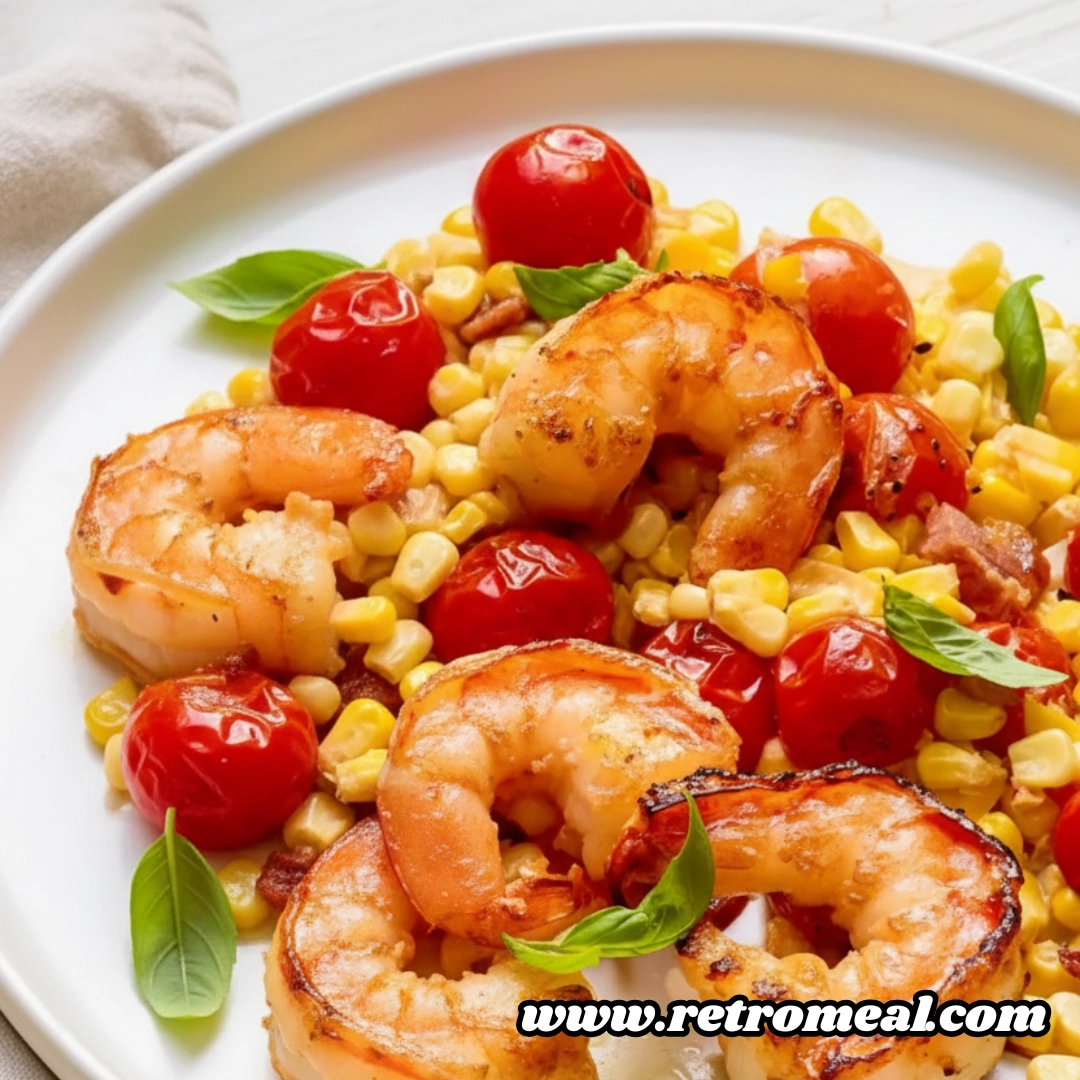
Few things capture the essence of a breezy summer evening quite like a plate of succulent seafood paired with the brightest produce of the season. This Creamy Skillet Shrimp with Corn and Pancetta is the ultimate solution for those nights when you crave a gourmet, restaurant-quality meal but only have twenty minutes to spare. It is a dish that celebrates simplicity, relying on the high-quality flavors of salty pancetta, sweet bursting tomatoes, and tender shrimp. Whether you are coming home from a long day at work or hosting a casual backyard gathering, this recipe provides a sophisticated profile with minimal cleanup.
The beauty of this preparation lies in its efficiency. By utilizing a single nonstick skillet, you layer flavors starting from the rendered fat of the pancetta and ending with a silky cream sauce that ties the land and sea together. Every bite offers a contrast in texture, from the crunch of the cured pork to the pop of the corn kernels. It is a vibrant, colorful, and deeply satisfying meal that proves you do not need a long list of ingredients to create something truly memorable.
Table of Contents
Ingredients
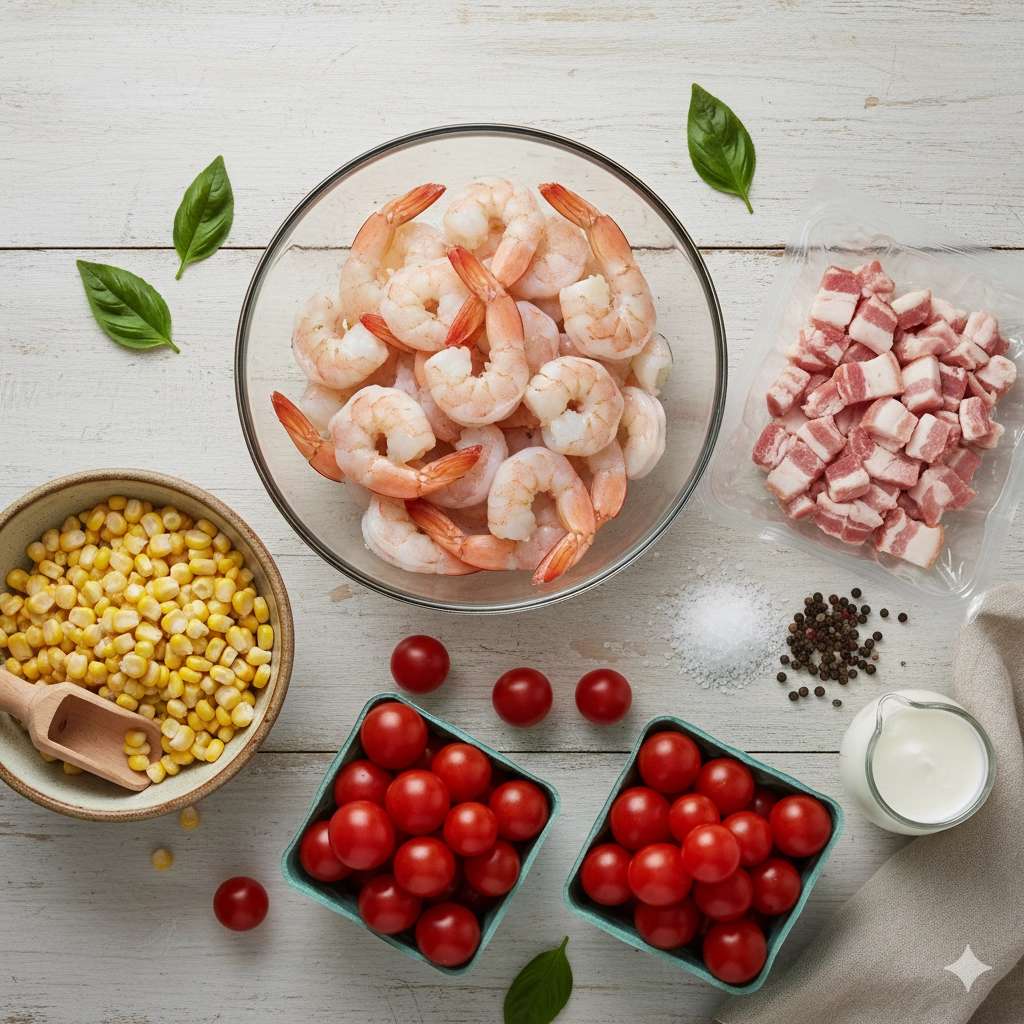
- 1 (4-ounce) package diced pancetta
- 1 1/4 pounds large raw shrimp, peeled and deveined
- 2 pints cherry tomatoes
- 3 cups fresh or frozen corn kernels (approximately 4 ears)
- 1/2 cup heavy cream
- 3/4 teaspoon kosher salt
- 1/4 teaspoon black pepper
- Fresh basil leaves, for serving (optional)
Instructions
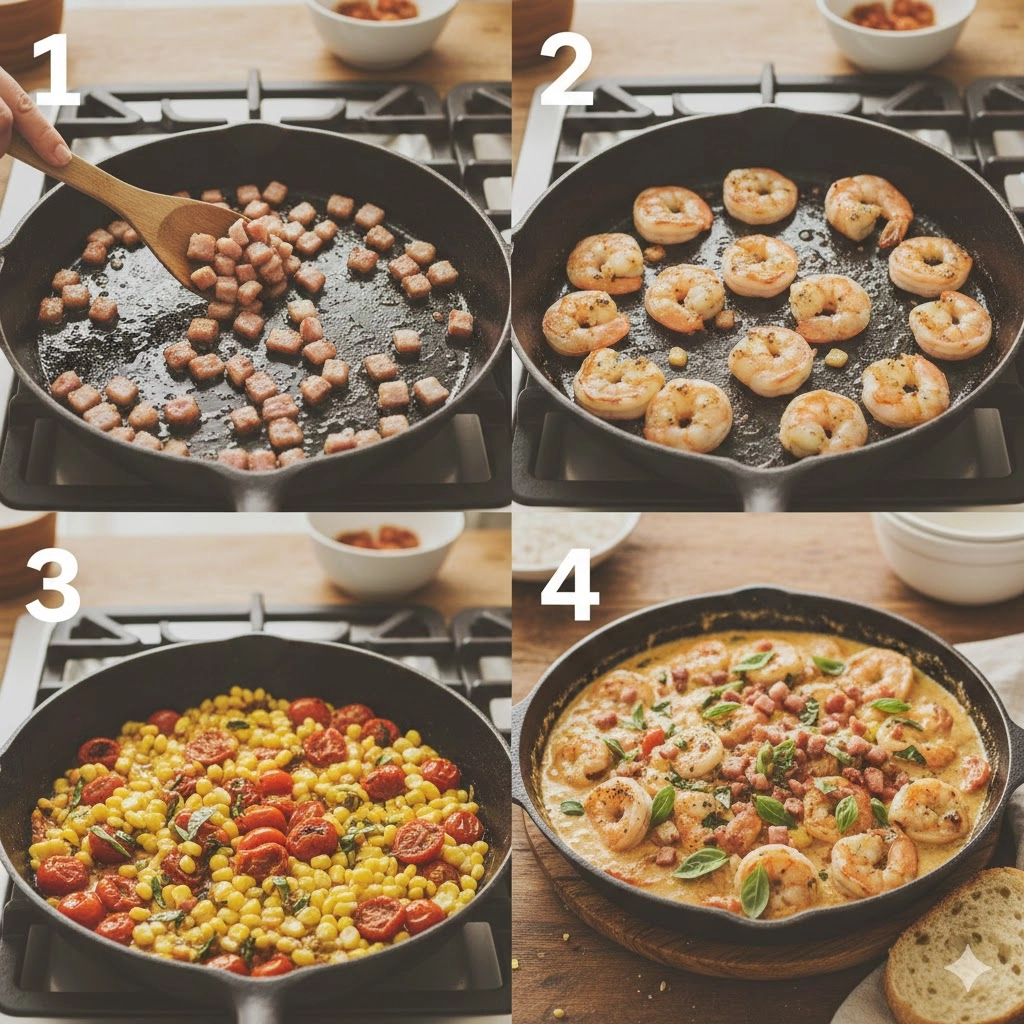
- Render the Pancetta: Begin by placing a large nonstick skillet over medium heat. Add the four ounces of diced pancetta to the pan. Cook the pancetta, stirring frequently to ensure even browning, for approximately 7 minutes or until it reaches a crisp, golden-brown state. Using a slotted spoon, carefully remove the crispy pancetta and transfer it to a plate lined with paper towels to drain. Ensure you keep the rendered drippings in the skillet for the next steps.
- Sear the Shrimp: Turn the heat up to medium-high. Add the large, peeled, and deveined shrimp into the hot pancetta fat. Cook the shrimp for about 2 to 3 minutes, flipping them once halfway through. They should become opaque and pink. Once cooked, use the slotted spoon to move the shrimp to a medium bowl. Cover the bowl with aluminum foil to trap the heat and keep the shrimp warm.
- Sauté the Summer Vegetables: Keeping the skillet over medium-high heat without cleaning it, add the two pints of cherry tomatoes. Cook them for about 3 minutes, shaking the pan or stirring occasionally, until the skins begin to blister and burst. Once the tomatoes have softened, add the 3 cups of corn kernels. Continue cooking for another 2 minutes until the corn is tender and heated through.
- Create the Creamy Sauce: Lower the heat to medium-low. Pour in the 1/2 cup of heavy cream and season with 3/4 teaspoon of kosher salt and 1/4 teaspoon of black pepper. Stir the mixture constantly for about 2 minutes, allowing the cream to reduce slightly and thicken into a velvety sauce that coats the vegetables.
- Assemble and Serve: Gently fold the warm shrimp back into the sauce or serve the vegetable mixture topped with the shrimp. Sprinkle the reserved crispy pancetta over the top and garnish with torn fresh basil leaves if desired.
The Science of Searing and Flavor Layering
To achieve a 2000 word level of culinary excellence, one must understand the “why” behind the “how.” The foundation of this Creamy Skillet Shrimp with Corn and Pancetta is the rendering of the pancetta. Pancetta is Italian cured pork belly, and unlike bacon, it is typically not smoked. This means it provides a pure, salty, porcine fat that acts as the primary seasoning for the entire dish. As the fat renders out over 7 minutes, it undergoes the Maillard reaction, developing complex savory notes. When you remove the meat but keep the fat, you are essentially creating a seasoned cooking medium that carries the essence of the pork into the seafood and vegetables.
When the shrimp hit that hot fat, they sear quickly. Shrimp are composed of mostly water and protein; if they stay in the pan too long, the protein fibers contract too tightly, squeezing out the moisture and resulting in a rubbery texture. By cooking them for exactly 2 to 3 minutes and then removing them to a tented bowl, you allow the carry-over heat to finish the cooking process gently. This preserves their natural sweetness and snappy bite.
The vegetable stage is where the “one-pan” magic really happens. Cherry tomatoes are high in pectin and natural sugars. As they hit the medium-high heat, the water inside turns to steam, causing the skins to burst. This releases their juices into the pancetta fat, creating a rustic emulsion. Adding the corn at this stage adds a mechanical crunch and a burst of glucose that balances the acidity of the tomatoes. If you are using frozen corn, the slight amount of ice crystals that may be present will actually help deglaze the bottom of the pan, lifting up any browned bits (fond) left behind by the pancetta and shrimp.
Achieving the Ultimate Creamy Consistency
The final transition from a vegetable sauté to a luxury entrée happens with the addition of the heavy cream. Because you have already built a base of tomato juice and rendered fat, the heavy cream acts as a bridge. As you stir over medium-low heat, the fats in the cream bind with the acids in the tomato juice. This is why it is crucial to keep the heat low during this stage; boiling heavy cream too vigorously with acidic ingredients can sometimes cause slight curdling, though the high fat content of heavy cream usually makes it quite stable.
The goal is to stir until the sauce reaches a “nappe” consistency—a French culinary term meaning the sauce is thick enough to coat the back of a spoon. This process usually takes about 2 minutes. During this time, the salt and pepper dissolve and distribute evenly. The black pepper is particularly important here, as its mild heat cuts through the richness of the cream and the fattiness of the pancetta.
Enhancing Your Seafood Selection
While the recipe calls for large raw shrimp that have been peeled and deveined, the quality of your seafood will dictate the final result. In the United States, most shrimp found at the fish counter have been previously frozen. This is actually a good thing, as shrimp are highly perishable and are often frozen right on the boat to lock in freshness. When shopping, look for shrimp that smell like the ocean—salty and clean—rather than anything with a hint of ammonia.
If you want to elevate the dish even further, consider “dry-brining” your shrimp with a pinch of the salt from the recipe for 15 minutes before cooking. This helps the shrimp retain moisture even when subjected to the high heat of the skillet. Additionally, ensure the shrimp are patted very dry with paper towels before they enter the pan. Any surface moisture will create steam, which prevents that beautiful golden sear you want from the pancetta drippings.
Seasonal Adaptations and Ingredient Deep Dives
This dish is a tribute to the peak of summer, but it is versatile enough to be enjoyed year-round. Let’s look closer at the star components:
The Corn Factor
Fresh corn on the cob is a seasonal luxury. When shucking fresh corn, you might notice the “silk” sticking to the kernels. A quick trick is to use a damp paper towel to rub the cob downward, which catches the stubborn strands. If you are using fresh ears, do not throw away the cobs immediately. You can use the back of a knife to scrape the “milk” out of the cob and into the pan during the cream stage. This corn milk is full of natural starches that will make your sauce even creamier without adding extra fat.
The Pancetta vs. Bacon Debate
While the recipe specifies pancetta for its clean, salty profile, bacon is a common substitution. However, bacon will introduce a smoky element that can sometimes overshadow the delicate sweetness of the shrimp and corn. If you use bacon, consider a thick-cut variety so you still get those substantial, crunchy bits that provide a textural contrast to the soft cream sauce.
Tomato Varieties
Cherry tomatoes are preferred because they have a higher skin-to-flesh ratio, which helps them hold their shape even after they burst. Grape tomatoes are a fine substitute, though they are slightly meatier and less juicy. If you find yourself in late August with an abundance of heirloom tomatoes, you can dice those up, but be prepared for a much saucier, more liquid-heavy result.
Optimal Serving and Side Dish Pairings
Because this Creamy Skillet Shrimp with Corn and Pancetta is quite rich, it benefits from being served alongside something that can soak up the sauce or provide a sharp contrast.
- Crusty Bread: A warm baguette or a loaf of sourdough is the classic choice. It acts as a vessel for the cream and tomato juices left at the bottom of the bowl.
- Polenta or Grits: For a Southern-inspired twist, serve the mixture over a bed of creamy, buttery grits. The corn-on-corn flavor profile is incredibly comforting.
- Pasta: Toss the entire skillet contents with some al dente linguine or fettuccine. The cream sauce is the perfect base for a quick pasta dish.
- Light Green Salad: To balance the heavy cream and pancetta, a simple arugula salad with a lemon vinaigrette provides a necessary acidic punch that cleanses the palate between bites.
Critical Kitchen Success Strategies
To ensure this recipe turns out perfectly every time, keep these professional kitchen strategies in mind:
Temperature Management
Do not be afraid to adjust your stove dial. The jump from medium for the pancetta to medium-high for the shrimp is vital for getting a sear without overcooking the center. Similarly, dropping back down to medium-low for the cream prevents the sauce from breaking or evaporating too quickly.
The “Tent” Technique
When you remove the shrimp, covering them with aluminum foil is not just about keeping them warm. It also allows the proteins to “rest.” Just like a steak, resting shrimp allows the juices to redistribute, ensuring they are plump when they are finally added back to the vegetables.
Consistency Control
If you find your sauce has thickened too much before you are ready to serve, you can loosen it with a tablespoon of water, chicken stock, or even a splash of dry white wine. Conversely, if it looks too thin, let it simmer for an extra sixty seconds, but watch it closely, as cream reduces very fast.
Modifications for Diverse Palates
This recipe is a fantastic canvas for experimentation. If you want to change things up while keeping the core method intact, consider these variations:
- The Scallop Swap: Large sea scallops make an excellent replacement for shrimp. Just ensure they are “dry” scallops (not treated with preservatives) so they sear properly in the pancetta fat.
- Herbal Infusions: While basil is the suggested garnish, fresh chives, tarragon, or even a bit of fresh thyme added during the vegetable sauté can shift the flavor profile toward a more French-inspired “estouffée” style.
- A Touch of Heat: If you like a bit of a kick, add a pinch of red pepper flakes into the pancetta fat just before you add the shrimp. The fat will become infused with the chili oil, spreading the heat evenly throughout the dish.
Deep-Dive FAQ
Can I use pre-cooked shrimp for this recipe?
It is highly recommended that you use raw shrimp for this specific dish. Pre-cooked shrimp have already been subjected to heat and will almost certainly become tough and rubbery when you try to sear them in the pancetta fat. Using raw shrimp allows them to absorb the flavors of the pork fat as they cook, which is a major component of the dish’s depth.
What is the best way to peel and devein shrimp quickly?
To speed up the process, use a pair of kitchen shears to snip through the shell along the back of the shrimp. This allows you to easily peel away the shell and exposes the vein for quick removal. If you are in a rush, many grocery stores sell shrimp that are already “EZ-peel,” meaning they are split down the back but still in the shell, or fully cleaned.
Is there a dairy-free alternative for the heavy cream?
While the heavy cream provides a specific richness and thickness, you can substitute it with full-fat canned coconut milk for a dairy-free version. Keep in mind that this will introduce a slight coconut flavor which may change the character of the dish. Alternatively, a cashew-based cream can provide a neutral, thick consistency that mimics dairy quite well.
How do I store and reheat leftovers?
As seafood can become tough when reheated, it is best to enjoy this dish immediately. However, if you have leftovers, store them in an airtight container in the refrigerator for up to three days. To reheat, do so very gently in a skillet over low heat just until warmed through. Avoid the microwave, as it tends to overcook the shrimp in seconds.
A Perfect Weeknight Finale
This skillet meal represents the best of home cooking: it is fast, flavorful, and uses minimal equipment. By following the sequence of rendering, searing, and simmering, you create a complex layer of tastes that normally requires hours of reduction. The combination of the salty pancetta, the burst of the tomatoes, and the silkiness of the cream creates a sauce that you will want to make again and again. It is a testament to the fact that with the right techniques and fresh ingredients, a spectacular dinner is never more than twenty minutes away.
Nutrition Information
| Item | Amount Per Serving |
| Calories | 326 |
| Total Fat | 19 grams |
| Saturated Fat | 9 grams |
| Cholesterol | 215 milligrams |
| Sodium | 980 milligrams |
| Total Carbohydrates | 14 grams |
| Dietary Fiber | 2 grams |
| Sugars | 5 grams |
| Protein | 30 grams |
Disclaimer
Nutrition information is calculated using an ingredient database and should be considered an estimate. Actual values may vary based on specific brands of pancetta or the size of the shrimp used.
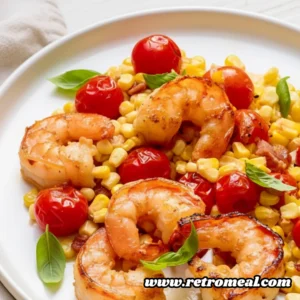
Creamy Skillet Shrimp with Corn and Pancetta
Ingredients
- 1 4-ounce package diced pancetta
- 1.25 pounds large raw shrimp, peeled and deveined
- 2 pints cherry tomatoes
- 3 cups fresh or frozen corn kernels
- 0.5 cup heavy cream
- 0.75 tsp kosher salt
- 0.25 tsp black pepper
- fresh basil leaves, for serving (optional)
Instructions
- Heat a large nonstick skillet over medium heat. Add the diced pancetta and cook, stirring often, until browned and crisp, about 7 minutes.
- Using a slotted spoon, transfer the pancetta to a paper towel-lined plate. Keep the rendered drippings in the skillet.
- Increase heat to medium-high. Add shrimp to the drippings and cook, flipping once, until opaque (2 to 3 minutes). Transfer to a bowl and tent with foil.
- Add cherry tomatoes to the same skillet. Cook over medium-high heat, shaking the pan occasionally, until they begin to burst (about 3 minutes).
- Add the corn kernels to the skillet. Cook, stirring occasionally, until the corn is tender, about 2 minutes.
- Reduce heat to medium-low. Stir in the heavy cream, salt, and black pepper. Stir constantly until slightly thickened, about 2 minutes.
- Serve the vegetable and cream mixture topped with the warm shrimp. Sprinkle with the crispy pancetta and fresh basil.
Notes
Equipment
- Large nonstick skillet
- slotted spoon
- Medium bowl
- aluminum foil