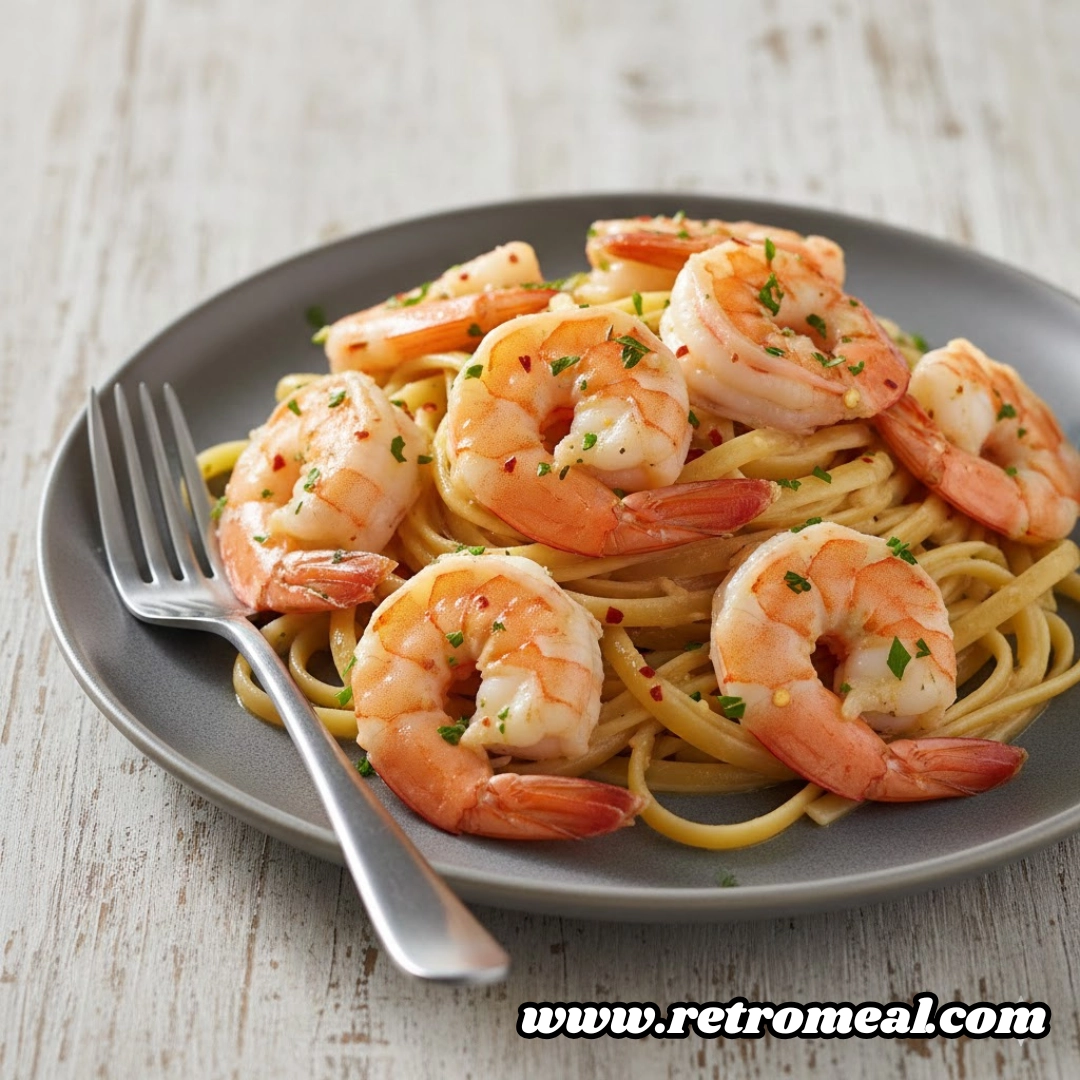
When it comes to restaurant-quality meals that you can pull together in the comfort of your own kitchen, few dishes carry the prestige and universal appeal of Shrimp Scampi with Pasta. This iconic Italian-American staple manages to be simultaneously decadent and refreshing, featuring plump, succulent shrimp swimming in a luxurious bath of golden butter, aromatic garlic, and crisp white wine. Whether you are planning a romantic date night or a sophisticated family dinner, this recipe delivers a profile of flavors that feels expensive but remains incredibly accessible for the home cook. The beauty of this specific preparation lies in its balance; the acidity of the fresh lemon juice cuts through the richness of the butter, while the shallots provide a delicate sweetness that elevates the entire plate.
Table of Contents
Necessary Ingredients for Your Scampi
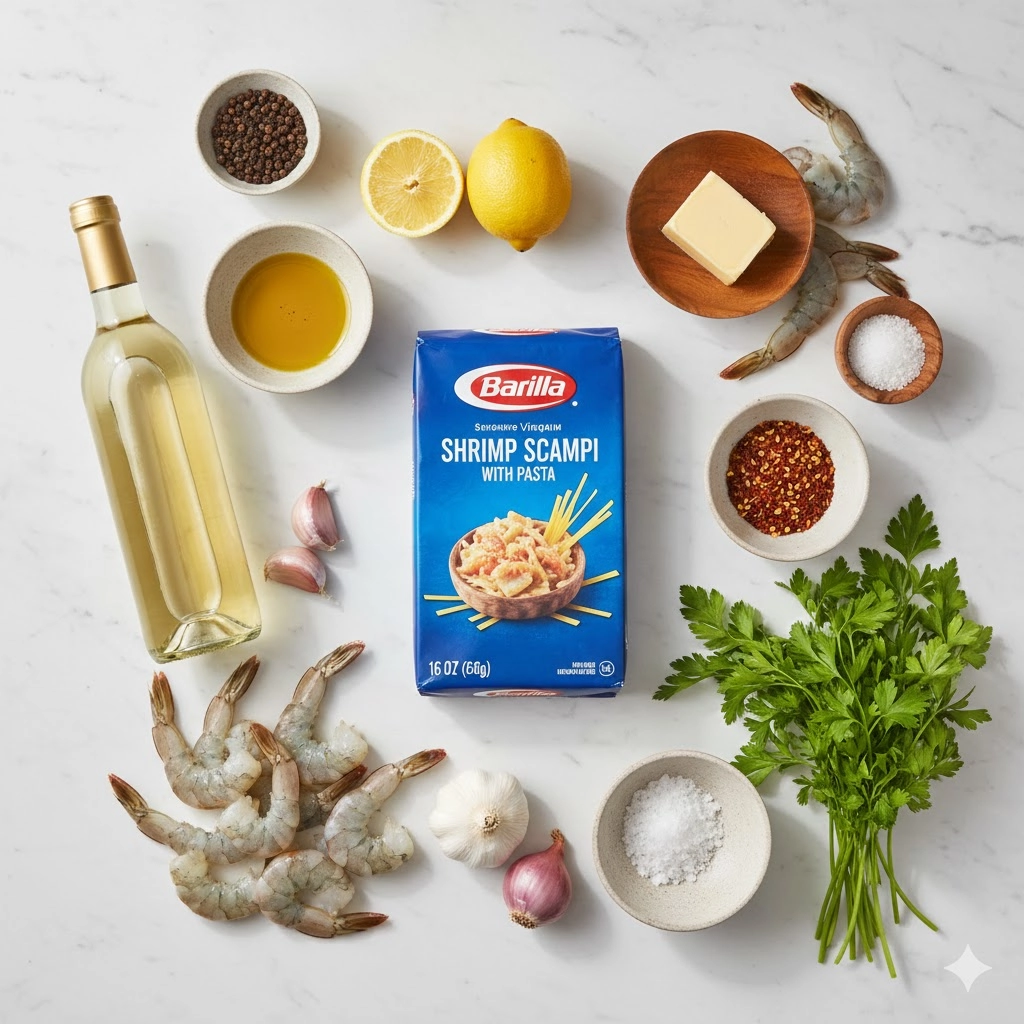
To ensure your dish reaches its full potential, gather these exact components. Quality matters here, especially with the seafood and the fats.
- 1 (16 ounce) package linguine pasta
- 2 tablespoons butter
- 2 tablespoons extra-virgin olive oil
- 2 shallots, finely diced
- 2 cloves garlic, minced
- 1 pinch red pepper flakes (Optional)
- 1 pound shrimp, peeled and deveined
- 1 pinch kosher salt and freshly ground pepper
- 1/2 cup dry white juice
- 1 lemon, juiced
- 2 tablespoons butter
- 2 tablespoons extra-virgin olive oil
- 1/4 cup finely chopped fresh parsley leaves
- 1 teaspoon extra-virgin olive oil, or to taste
Elevating the Culinary Process: Step-by-Step Details
Creating the perfect shrimp scampi is less about complex techniques and more about the precision of timing and heat management. Because shrimp cook so rapidly, the orchestration of your kitchen workflow is paramount.
The Pasta Foundation
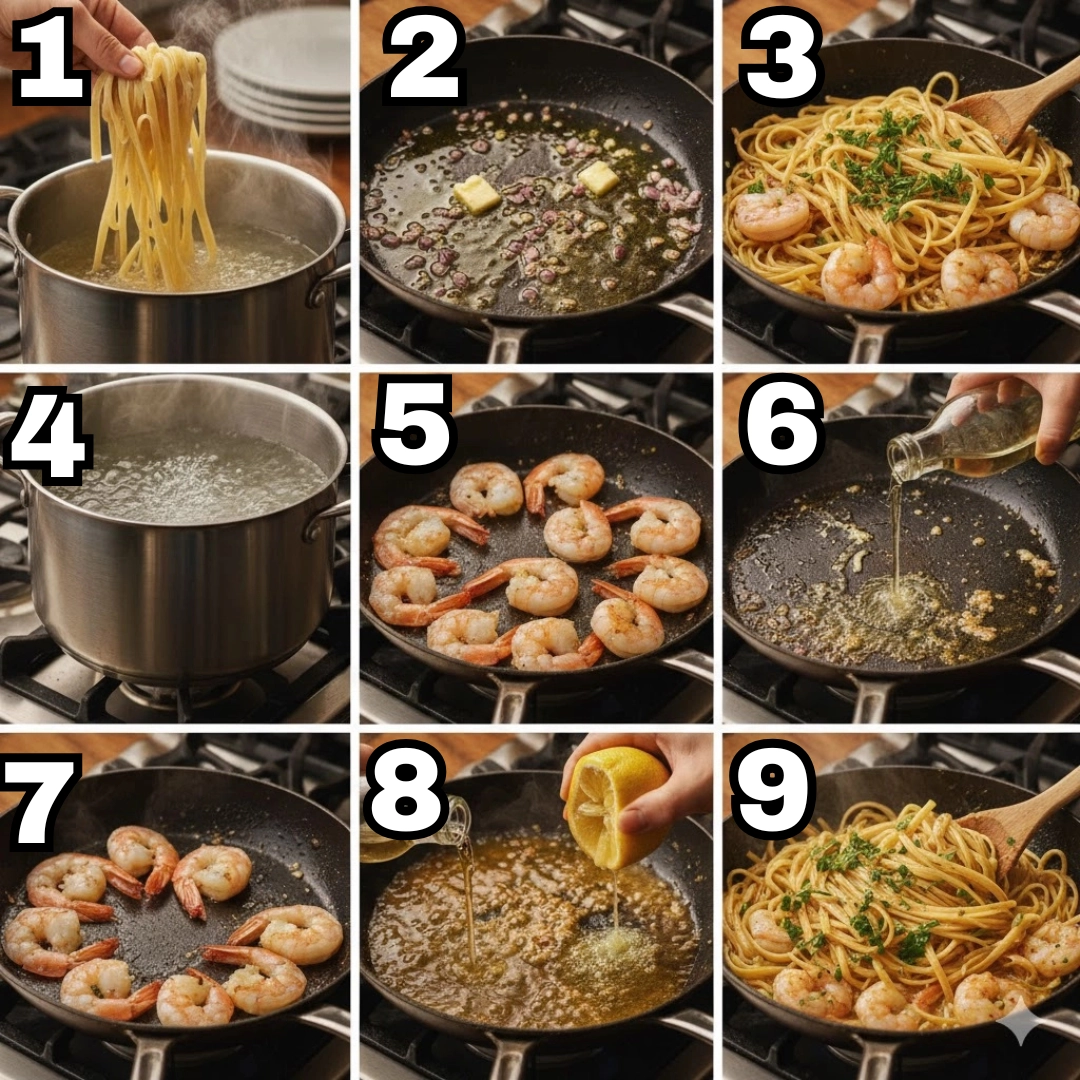
Everything begins with a large pot of water. Do not be shy with the salt; your pasta water should be seasoned well to infuse the linguine with flavor from the inside out. Once you reach a rolling boil, drop the linguine. You want to aim for “nearly tender” or just shy of al dente, usually around 6 to 8 minutes. The reason for this is critical: the pasta will finish its cooking process later in the sauce, absorbing the garlic-butter liquid rather than just being coated by it. Drain the pasta but keep it nearby.
Building the Aromatic Base
In a large, heavy-bottomed skillet, combine the first measure of butter and extra-virgin olive oil over medium heat. This combination is intentional. The oil raises the smoke point of the butter, allowing you to sauté without the milk solids browning too quickly, while the butter provides that essential velvety mouthfeel. Add your finely diced shallots and minced garlic. The goal here is sweat, not sear. You want the shallots to turn translucent and the garlic to become fragrant—a process taking about 3 to 4 minutes. If you enjoy a hint of warmth, toss in the red pepper flakes now so their oils can infuse the fat.
Perfecting the Shrimp Sauté
Before the shrimp hit the pan, season them lightly with kosher salt and freshly ground black pepper. Increase the heat slightly and add the shrimp to the skillet. Watch them closely. You are looking for that magical transition from translucent gray to an opaque, vibrant pink. This usually takes a mere 2 to 3 minutes. As soon as they form a gentle “C” shape, remove them from the pan immediately. Overcooked shrimp become rubbery and lose their sweetness. By setting them aside, you ensure they stay tender while you finish the sauce.
Deglazing and Emulsifying the Sauce
With the shrimp removed, you will see golden bits stuck to the bottom of the pan—this is culinary gold known as fond. Pour in your dry white wine and fresh lemon juice. Use a wooden spoon to scrape the bottom of the skillet, incorporating those flavorful bits into the liquid. Bring the mixture to a boil and let it reduce slightly. This concentrates the flavors.
Now comes the “mounting” of the sauce. Lower the heat and stir in the remaining 2 tablespoons of butter and 2 tablespoons of olive oil. Stirring constantly helps create an emulsion, resulting in a sauce that is glossy and thick enough to cling to the pasta strands.
The Grand Assembly
Return the cooked linguine and the sautéed shrimp to the skillet. Toss in the fresh, chopped parsley. Use tongs to rotate the pasta through the sauce, ensuring every strand is hydrated. If the mixture looks too tight or dry, a small splash of the reserved pasta cooking water can work wonders to loosen it up. Finish with a final drizzle of high-quality olive oil just before serving to add a fresh, raw olive notes to the cooked flavors.
Expert Insights for the Perfect Scampi
Success in the kitchen often comes down to the small details that recipes don’t always explicitly state. For shrimp scampi, the most important factor is the size of the shrimp. Aim for “Large” shrimp, typically labeled as 31 to 35 count per pound. This size provides a substantial bite that holds up well against the hearty linguine.
Another insight involves the temperature of your ingredients. Try to take your shrimp out of the refrigerator about 10 or 15 minutes before cooking. If they are ice-cold when they hit the pan, they will drop the temperature of the oil and butter too quickly, leading to steaming rather than sautéing. Similarly, ensure your wine is at room temperature so it doesn’t shock the pan and halt the reduction process.
Regarding the garlic: always mince it fresh. Jarred garlic often has a bitter or metallic aftertaste that can ruin the delicate balance of a scampi sauce. If you want a more intense garlic flavor without the risk of burning, you can smash the cloves and sauté them whole to infuse the oil, then remove them before adding the shrimp.
Pairing and Presentation Ideas
While linguine is the traditional partner for scampi due to its ability to carry the weight of the shrimp, the presentation can be varied. If you prefer a lighter plate, angel hair pasta is a fantastic alternative that feels elegant and delicate. For those avoiding pasta altogether, this exact butter-garlic-wine sauce works beautifully over a bed of creamy polenta or even nestled against a mound of fluffy jasmine rice.
To serve, use a large pasta fork to twirl the linguine into nests in the center of shallow bowls. Arrange the shrimp on top and spoon a generous amount of the pan sauce over the dish. A final sprinkle of fresh parsley adds a pop of green that makes the pink of the shrimp stand out. To complete the meal, serve with a loaf of crusty Italian bread or a warm baguette. The bread is non-negotiable for many, as it serves as the perfect vessel for soaking up any leftover sauce at the bottom of the bowl.
Smart Modifications and Variations
Cooking is an art, and while the reference recipe is a masterpiece, there are ways to adapt it to your pantry. If you do not have white wine on hand, do not reach for a sweet wine like Riesling. Instead, substitute with a high-quality chicken stock or a very small amount of white wine vinegar diluted with water. This maintains the necessary acidity without the alcohol.
For those who want to add more greens to their diet, you can easily incorporate vegetables into the sautéing phase. Sliced asparagus tips, frozen peas, or even baby spinach can be tossed in during the final two minutes of cooking. If you are looking for a dairy-free version, you can replace the butter with a high-quality vegan butter substitute, though the flavor profile will shift slightly toward the olive oil.
Authentic Instructions (Strict Reference Follow)
- Gather all your ingredients and ensure the shrimp are prepped.
- Bring a large pot of salted water to a boil; cook linguine in boiling water until nearly tender, 6 to 8 minutes. Drain.
- Melt 2 tablespoons butter with 2 tablespoons olive oil in a large skillet over medium heat.
- Cook and stir shallots, garlic, and red pepper flakes in the hot butter and oil until shallots are translucent, 3 to 4 minutes.
- Season shrimp with kosher salt and black pepper; add to the skillet and cook until pink, stirring occasionally, 2 to 3 minutes. Remove shrimp from skillet and keep warm.
- Pour white wine and lemon juice into skillet and bring to a boil while scraping the browned bits of food off of the bottom of the skillet with a wooden spoon.
- Melt 2 tablespoons butter in skillet, stir 2 tablespoons olive oil into butter mixture, and bring to a simmer.
- Toss linguine, shrimp, and parsley in the butter mixture until coated; season with salt and black pepper. Drizzle with 1 teaspoon olive oil to serve.
- Serve hot and enjoy!
Deep-Dive Kitchen Questions
What is the best type of wine to use for the sauce?
The best wine for shrimp scampi is a dry, crisp white wine that you would actually enjoy drinking. Varieties like Pinot Grigio, Sauvignon Blanc, or an un-oaked Chardonnay are ideal because they provide acidity without adding unwanted sweetness or heavy oak flavors. Avoid “cooking wines” found in grocery aisles, as they often contain high levels of salt and additives that can throw off the balance of your seasoning.
Can I use pre-cooked shrimp for this recipe?
While raw shrimp are highly recommended for the best texture and flavor infusion, you can use pre-cooked shrimp if necessary. To do this, skip the initial sautéing of the shrimp. Instead, follow all the steps to create the sauce, and only add the pre-cooked shrimp at the very end when you are tossing the pasta. This ensures you only heat the shrimp through rather than cooking them further, which would make them tough.
How do I prevent the garlic from burning?
Garlic has a high sugar content and can burn in seconds, turning bitter and acrid. To prevent this, ensure your pan is at a true medium heat and that you have enough fat (butter and oil) to cushion the garlic. Always add the shallots first or at the same time, as the moisture from the shallots helps regulate the temperature. If you see the garlic turning dark brown, remove the pan from the heat immediately.
Is it possible to make this dish ahead of time?
Shrimp scampi is best enjoyed fresh from the pan because the sauce is an emulsion that can break or become greasy when reheated. However, you can prep all your ingredients (mise en place) hours in advance. If you have leftovers, the best way to reheat them is in a skillet over low heat with an extra splash of water or broth to loosen the sauce back up.
The Final Culinary Flourish
Mastering the art of shrimp scampi is a milestone for any home chef. It teaches the importance of deglazing, the delicacy of seafood cookery, and the power of simple, high-quality ingredients. By following this method, you transform a few humble staples into a dish that rivals the best Italian bistros. The aroma of garlic and lemon wafting through your kitchen is a precursor to a meal that is as satisfying to cook as it is to eat. Gather your ingredients, pour a glass of that crisp white wine, and enjoy the process of creating this timeless classic.
Detailed Nutritional Overview
| Nutrient | Amount Per Serving |
| Calories | 511 |
| Total Fat | 19 grams |
| Carbohydrates | 58 grams |
| Protein | 22 grams |
| Cholesterol | 155 milligrams |
| Sodium | 340 milligrams |
Kitchen Safety Disclaimer
Always ensure that seafood is stored at the correct temperature before cooking. Shrimp should be firm and have a mild sea scent; avoid any that smell strongly of ammonia. When working with hot oil and butter, be cautious of splattering, especially when adding liquids like wine or lemon juice to the pan.
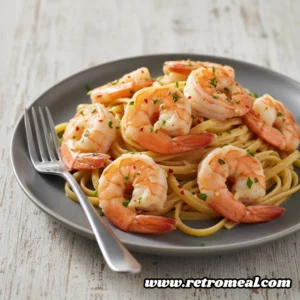
Shrimp Scampi with Pasta
Ingredients
- 1 16 ounce package linguine pasta
- 2 tablespoons butter
- 2 tablespoons extra-virgin olive oil
- 2 shallots, finely diced
- 2 cloves garlic, minced
- 1 pinch red pepper flakes (Optional)
- 1 pound shrimp, peeled and deveined
- 1 pinch kosher salt and freshly ground pepper
- 0.5 cup dry white juice
- 1 lemon, juiced
- 2 tablespoons butter
- 2 tablespoons extra-virgin olive oil
- 0.25 cup finely chopped fresh parsley leaves
- 1 teaspoon extra-virgin olive oil, or to taste
Instructions
- Bring a large pot of salted water to a boil; cook linguine in boiling water until nearly tender, 6 to 8 minutes. Drain.
- Melt 2 tablespoons butter with 2 tablespoons olive oil in a large skillet over medium heat.
- Cook and stir shallots, garlic, and red pepper flakes in the hot butter and oil until shallots are translucent, 3 to 4 minutes.
- Season shrimp with kosher salt and black pepper; add to the skillet and cook until pink, stirring occasionally, 2 to 3 minutes. Remove shrimp from skillet and keep warm.
- Pour white wine and lemon juice into skillet and bring to a boil while scraping the browned bits of food off of the bottom of the skillet with a wooden spoon.
- Melt 2 tablespoons butter in skillet, stir 2 tablespoons olive oil into butter mixture, and bring to a simmer.
- Toss linguine, shrimp, and parsley in the butter mixture until coated; season with salt and black pepper.
- Drizzle with 1 teaspoon olive oil to serve. Enjoy hot!
Notes
Equipment
- large pot For boiling pasta
- large skillet
- wooden spoon For deglazing
- tongs For tossing pasta