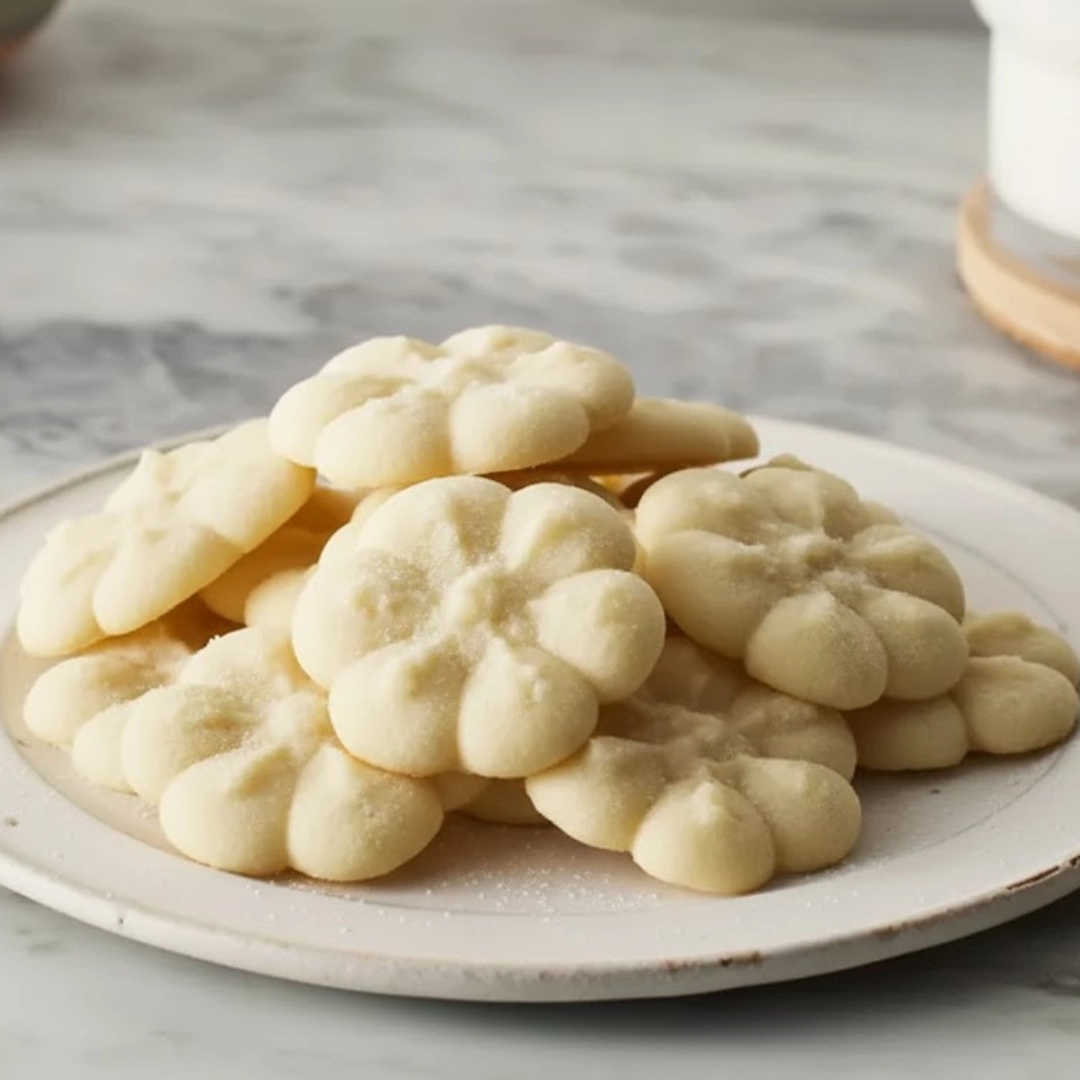
There is a beautiful, simple classic that everyone loves: the perfect shortbread cookie. Originating in Scotland, this treat relies on the purest form of the baker’s trinity—butter, flour, and sugar—to create a delicate, melt-in-your-mouth texture that no other cookie can quite replicate. It’s a foundational recipe that showcases the power of high-quality ingredients and precise technique. These unassuming biscuits are ideal for pairing with afternoon tea, serving as a crisp base for fresh fruit, or simply enjoying plain, savoring their rich, sweet flavor and sandy crumb.
Table of Contents
The Essential Components
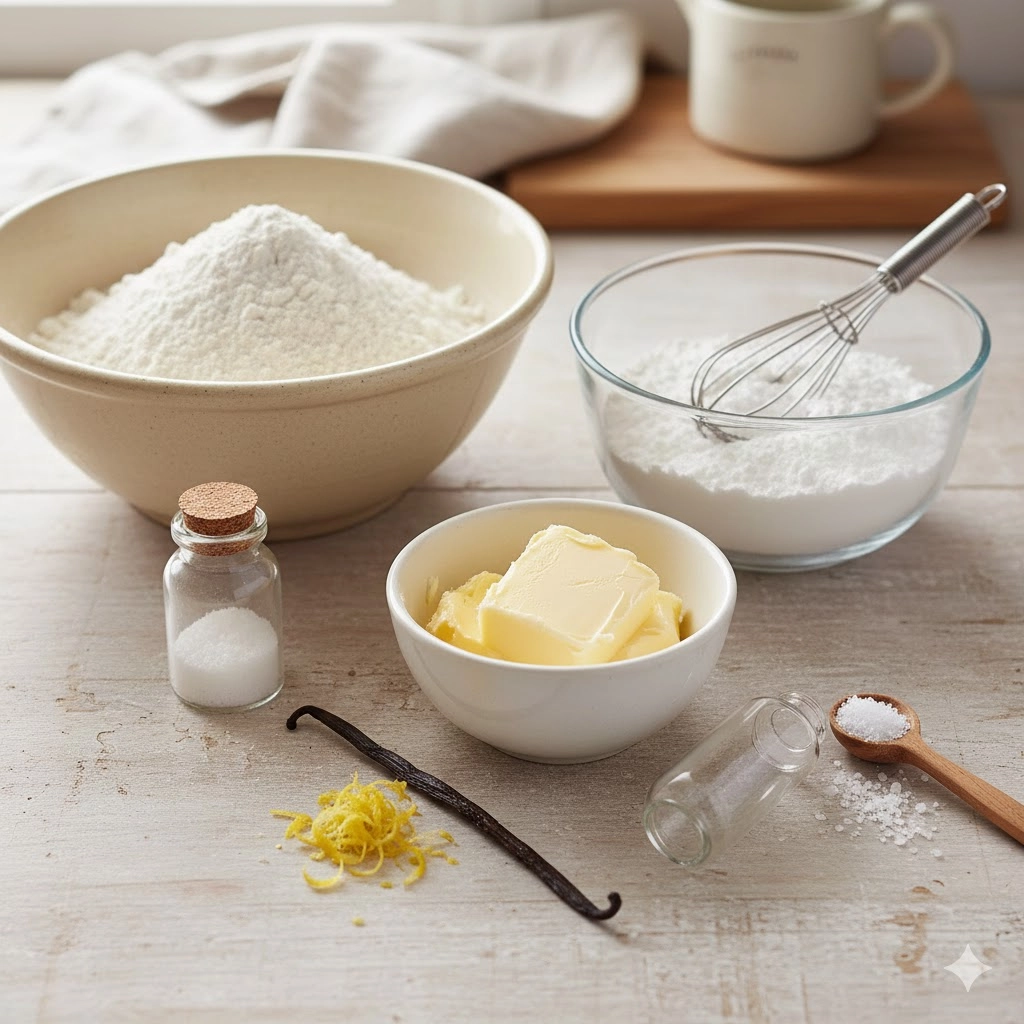
Shortbread is a study in simplicity, meaning the quality of each element matters immensely. Do not be tempted to substitute margarine or use standard granulated sugar; the results will be noticeably inferior.
Dry and Dairy Elements
- Two cups (240 grams) all-purpose flour
- One-half cup (60 grams) confectioners’ sugar (powdered sugar)
- One-fourth teaspoon (1 gram) fine sea salt
The Heart of the Cookie
- One cup (227 grams) unsalted butter, softened to cool room temperature
Preparing the Dough: Method and Technique
The creation of a truly exceptional shortbread cookie is less about complex steps and more about managing temperature and incorporating air correctly. Follow these general steps for a flawless start.
- Prep the Pan and Preheat: Place a rack in the center of the oven and preheat the appliance to three hundred fifty Fahrenheit. Line a large, light-colored baking sheet with parchment paper.
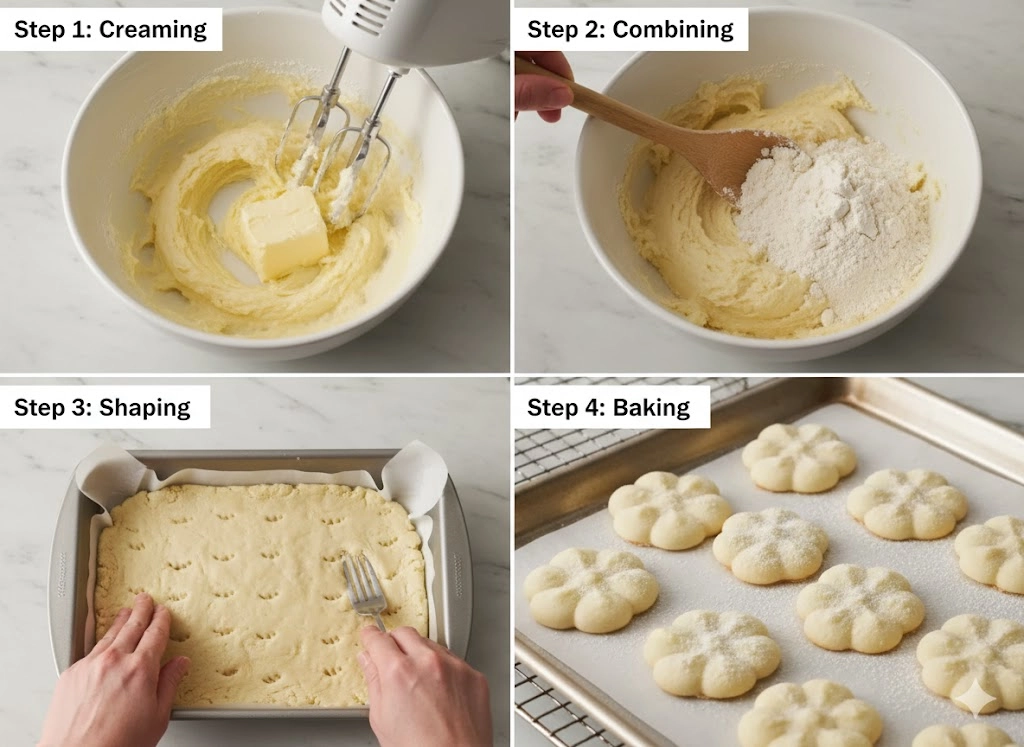
- Cream the Butter and Sugar: In a large mixing bowl, beat the softened butter and confectioners’ sugar together until the mixture is pale, light, and noticeably fluffy.
- Add the Dry Ingredients: Whisk the flour and salt together in a separate bowl. Gradually incorporate the flour mixture into the creamed butter, mixing on low speed until just combined. The dough will be stiff.
- Shape and Chill: Press the dough evenly into a nine-inch by thirteen-inch baking dish or roll it out to a thickness of about one-half inch. Prick the surface all over with a fork. Chill the dough for at least thirty minutes.
- Cut and Transfer: If using a slab method, slice the chilled dough into finger-length rectangles or squares. Transfer the pieces to the prepared baking sheet, spacing them one inch apart.
- The Bake: Place the cookies in the preheated oven and bake until the edges are just beginning to turn a pale golden color.
Baking for the Perfect Texture
The beauty of shortbread lies in its texture, a buttery crumbliness that seems to dissolve the moment it hits the palate. Achieving this texture relies on low-and-slow baking and a keen eye for subtle color change.
The Creaming Stage: Building Air
The first step, creaming the butter and sugar, is the only chance to incorporate leavening air into this dough, as it contains no chemical leaveners like baking powder. Start with butter that is cool to the touch but pliable—about sixty-seven Fahrenheit is ideal. If the butter is too warm, it will melt instead of forming air pockets. Beat for a full two to three minutes until the mixture lightens considerably in color and texture. When you stop beating, the mixture should mound softly and not immediately slump. This aeration is key to the cookie’s signature delicate crumb.
Incorporating the Flour
When adding the flour, the goal is to mix only until the last streaks of white disappear. Overmixing shortbread dough causes the gluten in the flour to develop, leading to a tough, chewy cookie instead of a sandy, tender one. The moment the dough looks uniform, stop the mixer. It will be very stiff and almost look like a collection of large, shaggy crumbs. At this point, you must use your hands or a spatula to press the crumbs together firmly to form a cohesive mass.
The Crucial Chill
Chilling is not optional; it is essential for two reasons. First, the chill firms up the butter, ensuring that the cookies hold their shape perfectly in the oven instead of spreading into thin, greasy disks. Second, the rest allows the flour to fully hydrate, resulting in a more uniform and tender texture. Thirty minutes is the minimum rest time, but an hour is better. Pricking the dough with a fork, known as docking, helps steam escape during baking, preventing large air bubbles and ensuring a flat, even surface.
Monitoring the Oven
Bake the shortbread at three hundred fifty Fahrenheit. The low heat encourages the butter to melt slowly and infuse the flour evenly before the proteins set. Do not expect much color. A perfectly baked shortbread will remain pale white or ivory, with only the faintest rim of light gold around the very edges. This minimal color indicates that the cookie is fully set and cooked through, while still retaining the desired “short” (meaning high fat) quality. Over-baking will lead to a dry, hard texture. Start checking for doneness around twelve minutes for smaller cookies or twenty minutes for larger ones. They should feel firm to the touch in the center.
Expert Advice for a Flawless Batch
Every classic recipe has small, insider tricks that elevate it from good to truly great. These tips focus on maximizing the buttery flavor and achieving the most delicate crumb possible.
- Elevate the Butter: If you have access to it, use European-style butter, which typically has a higher fat content (around eighty-three percent fat) than American butter (around eighty percent). The extra butterfat makes a substantial difference in the tenderness and richness of the final product.
- Sift, Sift, Sift: Although it is often skipped, sifting the confectioners’ sugar and flour before measuring and adding ensures there are no clumps. This guarantees the dry ingredients are fully and evenly incorporated without the need for excessive mixing.
- The Power of Vanilla: While the classic recipe is pure, a tiny whisper of flavor adds complexity. Mix one teaspoon of pure vanilla extract into the creamed butter and sugar. The extract enhances the perceived sweetness and deepens the buttery notes without overpowering the main flavor.
- Use the Right Sugar: Confectioners’ sugar is specified because the cornstarch mixed into it helps prevent gluten formation, and its superfine nature blends seamlessly with the butter. Substituting granulated sugar will yield a crunchier, less tender cookie.
- Bake by Feel: Doneness is less about time and more about appearance and feel. If the cookies look wet or slightly shiny in the center, they need more time. When they are ready, they will have a matte, firm appearance, even if they lack significant color.
- Cool on the Pan: After removing the cookies from the oven, let them cool entirely on the baking sheet for at least ten minutes. They are extremely fragile when hot, and attempting to move them too soon will cause them to break apart. The residual heat on the pan helps them crisp up slightly as they cool.
- Flavor Infusion: For a subtle depth, let your butter sit at room temperature with the zest of one lemon or a finely diced sprig of rosemary for an hour before starting the recipe. Strain out the solids, or leave the zest in for a visible flavor cue.
Enhancements and Flavor Twists
Shortbread is an excellent canvas for flavor experimentation. Given its strong, pure foundation, a small addition can completely transform the cookie.
- Spice-Dusted Shortbread: Whisk one half-teaspoon of ground cinnamon or cardamom into the dry ingredients. Once the cookies are baked and cooled, lightly dust them with an extra layer of confectioners’ sugar for presentation.
- Almond Essence: Replace two tablespoons of the all-purpose flour with two tablespoons of finely ground almond meal. This adds a beautiful, subtle nutty flavor and further enhances the tender crumb. You can also add one-half teaspoon of almond extract in the creaming stage.
- Chocolate Dipped: After the cookies have fully cooled, melt six ounces of high-quality semi-sweet chocolate. Dip one end of each finger into the melted chocolate and set them on parchment paper to harden. A sprinkle of flaky sea salt on the wet chocolate is an elegant finishing touch.
- Citrus Zest and Glaze: Incorporate the zest of one orange or two lemons into the butter. For a bright finish, whisk together one cup of confectioners’ sugar with two tablespoons of the corresponding citrus juice to create a thin glaze. Drizzle or spread this over the cooled cookies.
Pairing and Presentation Ideas
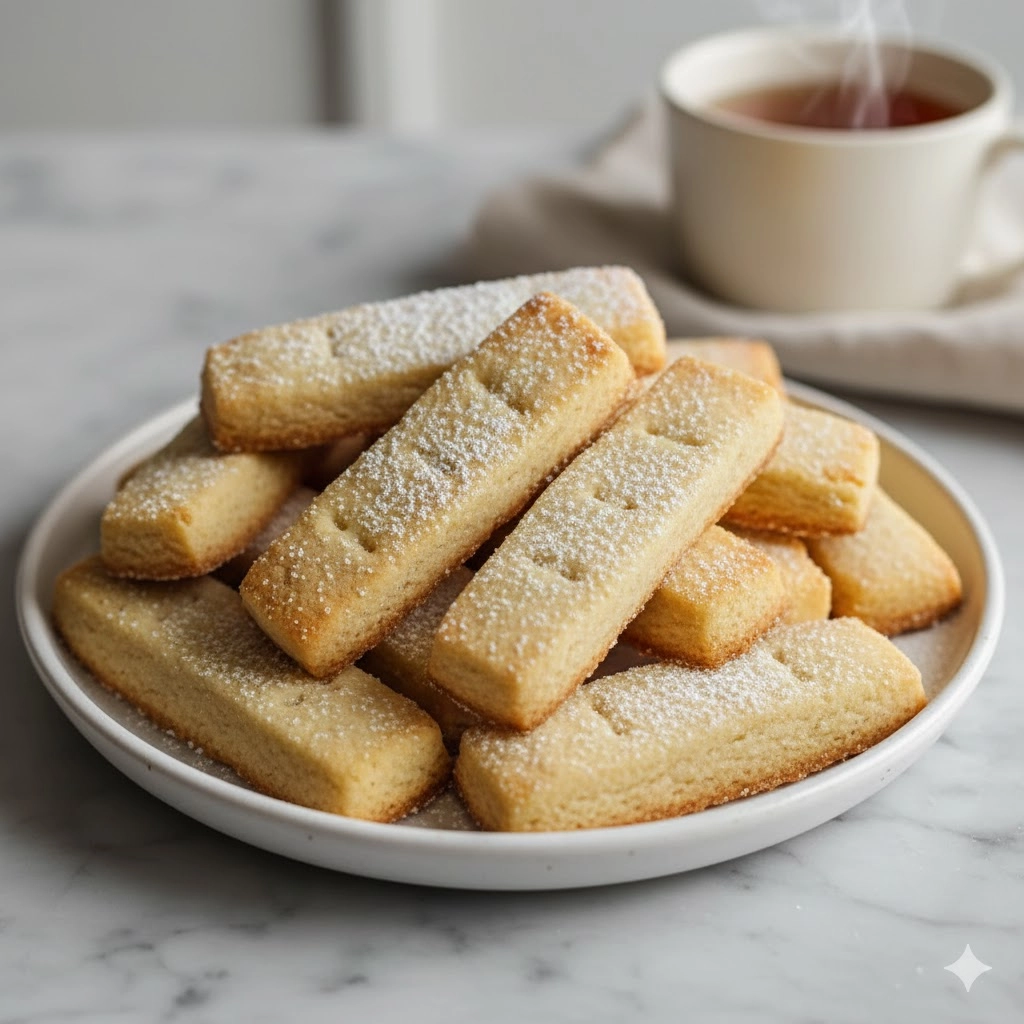
Shortbread cookies are at their best when served simply, allowing their clean, buttery flavor to shine. They are perfect companions for a variety of beverages and desserts.
- Afternoon Tea Classic: Serve them alongside a warm cup of Earl Grey or an English Breakfast tea. The heat of the tea slightly melts the butterfat in the cookies, enhancing the melt-in-your-mouth experience. This is the traditional, and perhaps the best, way to enjoy them.
- Fresh Fruit Accent: Use them as a base for a light, impromptu dessert. Top a shortbread square with a dollop of fresh whipped cream and sliced seasonal fruit, such as strawberries or peaches. The cookie provides a sturdy, buttery contrast to the fruit’s acidity.
- A Coffee Companion: A plate of these cookies pairs wonderfully with a strong espresso, macchiato, or a rich dark roast coffee. The sugar and butter in the cookie balance the bitterness of the coffee beautifully.
- Ice Cream Crumble: Instead of a traditional cookie on the side, crumble a few chilled shortbread pieces over a bowl of vanilla bean or salted caramel ice cream. The buttery, crisp crumbs add texture and depth to the cold dessert.
Clarifying Common Baking Questions
This simple recipe sometimes raises a few fundamental questions, especially for those new to baking with high-fat, low-sugar doughs.
Why did my shortbread spread so much?
Spreading is almost always caused by using butter that was too warm initially or by not chilling the dough sufficiently before baking. If the butter is soft when you put the dough in the oven, it will melt out immediately, causing the cookie to lose its shape. Ensure your butter is firm and cool when it goes into the oven, and always incorporate the dough chilling step.
Can I use a different type of sugar?
For the best result, stick to confectioners’ sugar, as its fine particle size and small addition of cornstarch create the signature tender crumb. You can use superfine caster sugar as an alternative, but the cookies will be slightly less delicate and more crisp. Do not use coarse granulated sugar, as it will make the shortbread grainy.
How do I store leftover shortbread?
Shortbread cookies keep exceptionally well. Store them in an airtight container at room temperature for up to ten days. For longer storage, you can freeze the cooled, unglazed cookies in a sealed container for up to three months. Thaw them at room temperature for a couple of hours before serving to restore their crispness.
My cookies are tough. What went wrong?
A tough, chewy texture indicates that the dough was overworked after the flour was added. Excessive mixing develops the gluten strands in the flour, making the cookies dense instead of crumbly. Mix the flour in only until the very last bit disappears, then stop and press the dough together by hand.
Serving Facts and Nutritional Breakdown
| Nutrient | Amount per Serving |
| Calories | 185 kcal |
| Protein | 2 g |
| Carbs | 18 g |
| Fat | 12 g |
| Fiber | 0 g |
| Sugar | 6 g |
| Sodium | 55 mg |
Nutrition Disclaimer
Nutrition information is an estimate and may vary based on preparation and ingredients used.
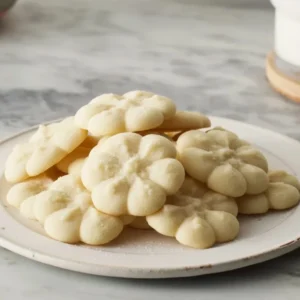
A Taste of Tradition: Classic Shortbread Cookies
Ingredients
- 2 cups all-purpose flour (240 grams)
- 0.5 cup confectioners’ sugar (60 grams)
- 0.25 tsp fine sea salt (1 gram)
- 1 cup unsalted butter, softened (227 grams)
Instructions
- Place a rack in the center of the oven and preheat the appliance to three hundred fifty Fahrenheit. Line a large, light-colored baking sheet with parchment paper.
- In a large mixing bowl, beat the softened butter and confectioners’ sugar together until the mixture is pale, light, and noticeably fluffy (about 2-3 minutes). This incorporates the necessary air.
- Whisk the flour and salt together in a separate bowl. Gradually incorporate the flour mixture into the creamed butter, mixing on low speed until just combined. The dough will be stiff; stop mixing immediately when the last streaks of flour disappear.
- Press the dough evenly into a nine-inch by thirteen-inch baking dish or roll it out to a thickness of about one-half inch. Prick the surface all over with a fork (docking). Chill the dough for at least thirty minutes to prevent spreading.
- Slice the chilled dough into finger-length rectangles or squares. Transfer the pieces to the prepared baking sheet, spacing them one inch apart. Place the cookies in the preheated oven and bake for 20 to 25 minutes.
- The cookies are done when the edges show only the faintest rim of light gold. Let the cookies cool entirely on the baking sheet for at least ten minutes before moving them, as they are very fragile when hot.
Notes
Equipment
- Large mixing bowl or stand mixer
- Whisk and rubber spatula
- parchment paper
- Large baking sheet
- 9×13 inch baking dish (optional for shaping)