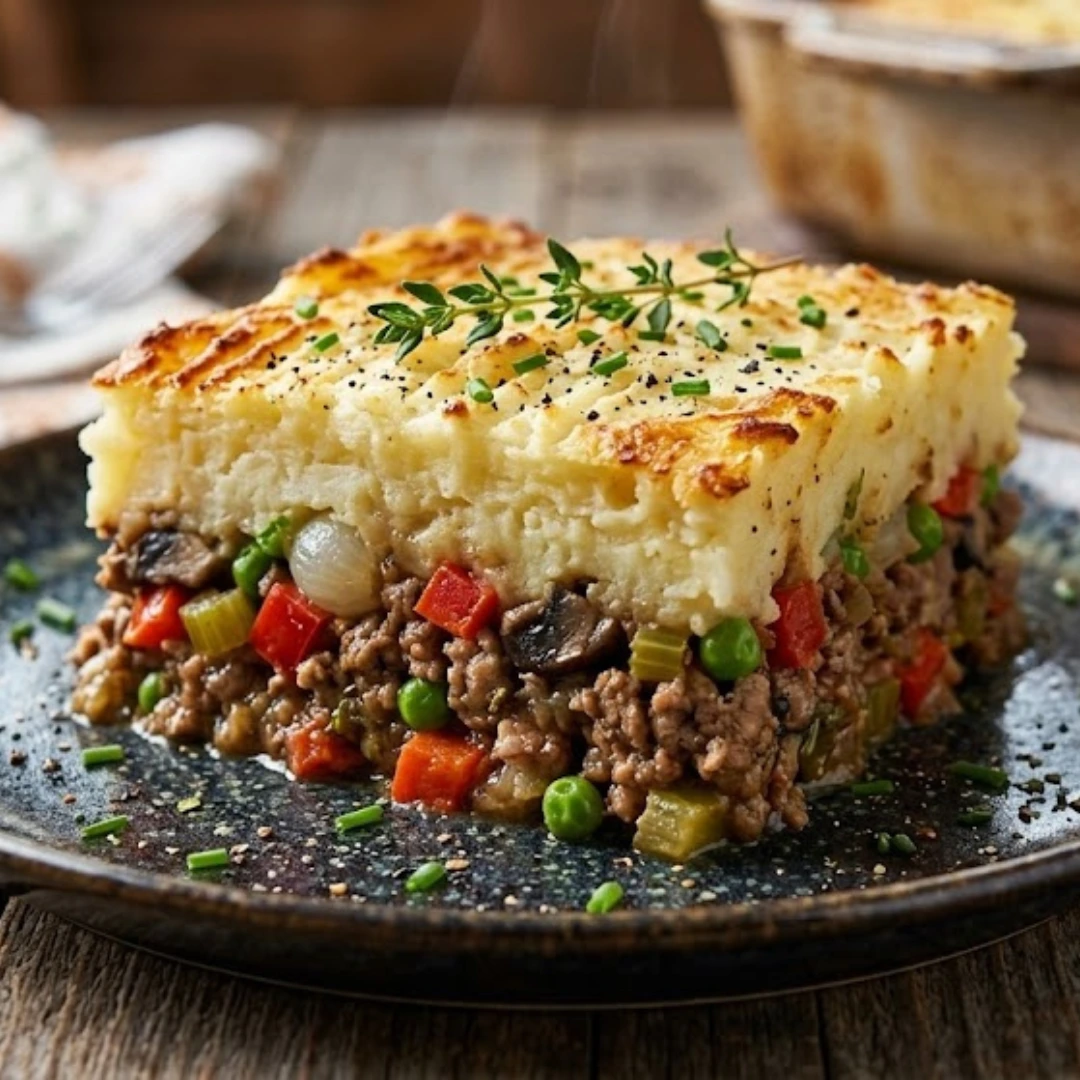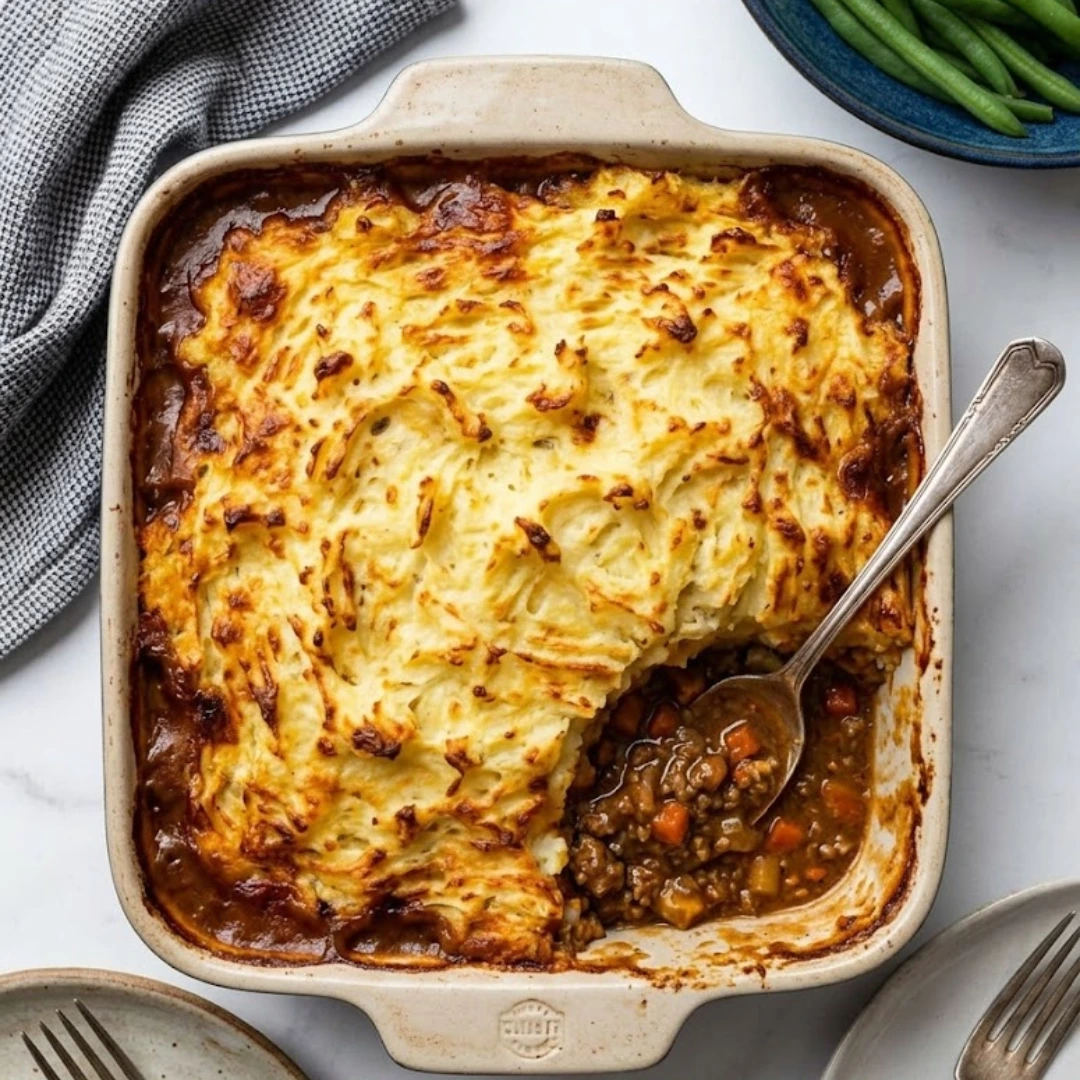
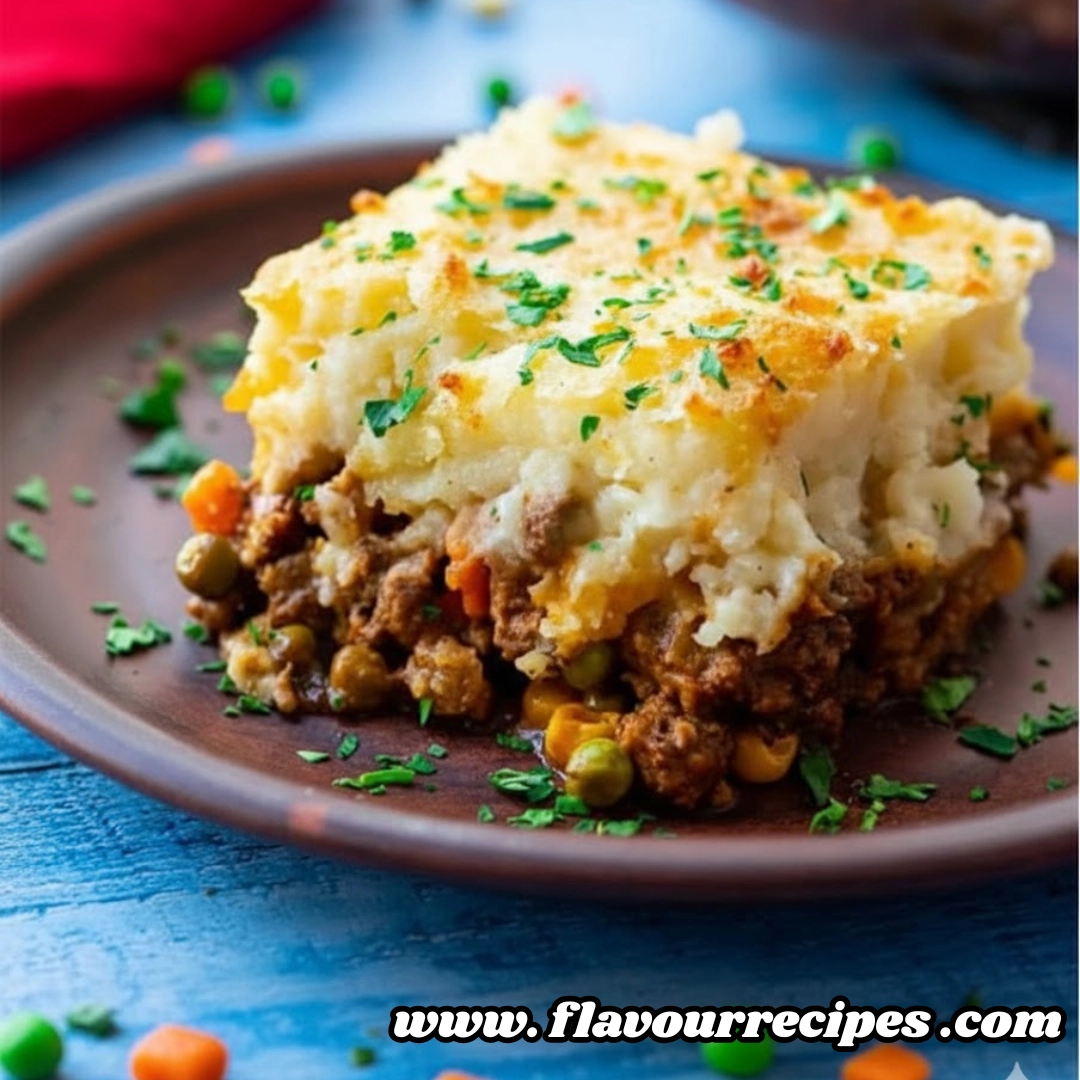
There is something profoundly soul-warming about a bubbling casserole dish emerging from the oven, its surface a landscape of golden-brown peaks and its depths filled with a savory, steaming stew. This classic shepherd’s pie recipe represents the pinnacle of home-cooked comfort. Often associated with cozy pubs and family Sunday dinners, this dish bridges the gap between a simple weeknight meal and a celebratory feast. Whether you are seeking a way to honor heritage or simply want a meal that sticks to your ribs, this balanced combination of rich meat, garden vegetables, and velvet-smooth cheesy potatoes is the definitive answer to your cravings.
Table of Contents
Ingredients for a Perfect Shepherd’s Pie
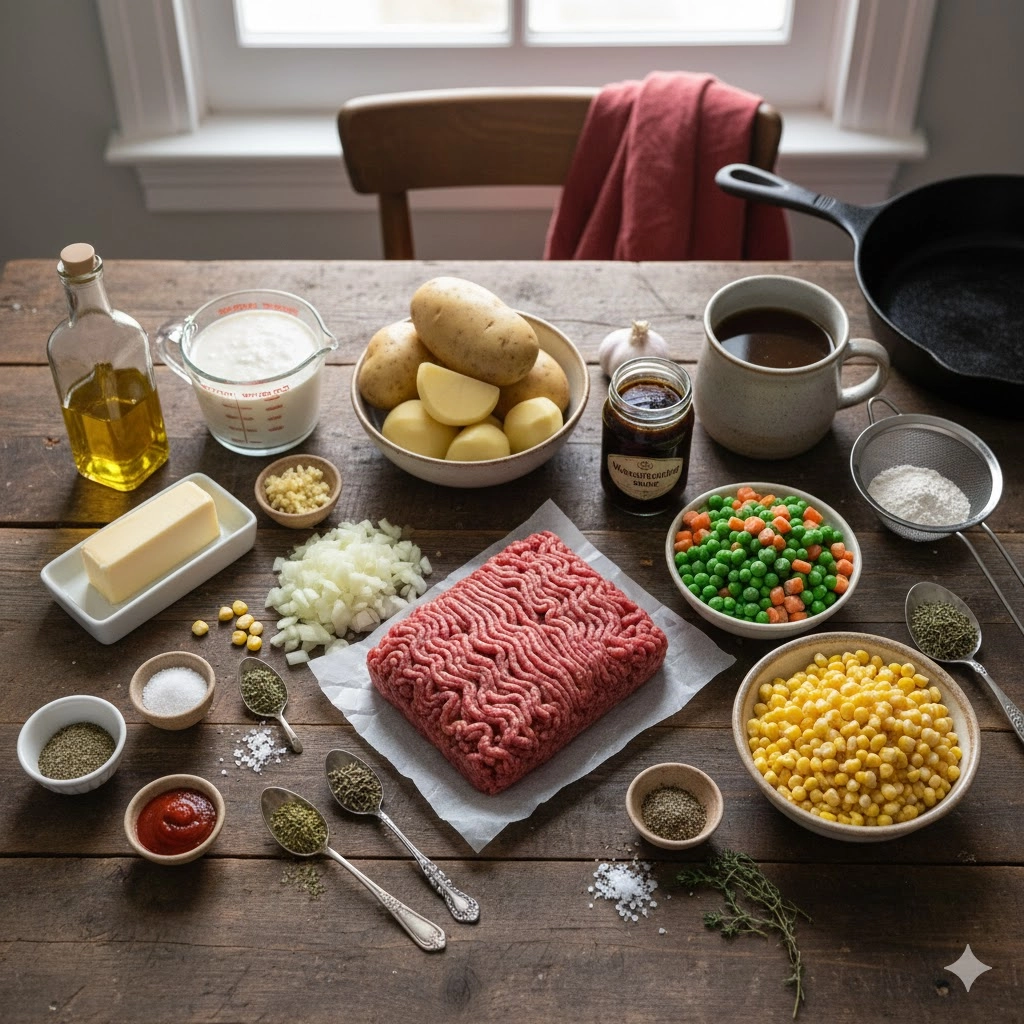
To achieve the deep flavors and satisfying textures required for this dish, you will need a variety of pantry staples and fresh components. The beauty of this recipe lies in how humble ingredients transform into something extraordinary.
For the Savory Meat Filling:
- 2 tablespoons olive oil
- 1 cup chopped yellow onion
- 1 lb 90 percent lean ground beef or ground lamb
- 2 teaspoons dried parsley leaves
- 1 teaspoon dried rosemary leaves
- 1 teaspoon dried thyme leaves
- 1/2 teaspoon salt
- 1/2 teaspoon ground black pepper
- 1 tablespoon Worcestershire sauce
- 2 garlic cloves minced
- 2 tablespoons all purpose flour
- 2 tablespoons tomato paste
- 1 cup beef broth
- 1 cup frozen mixed peas and carrots
- 1/2 cup frozen corn kernels
For the Rich Potato Topping:
- 1 1/2 to 2 lb russet potatoes (approximately 2 large potatoes, peeled and cut into 1 inch cubes)
- 8 tablespoons unsalted butter (1 full stick)
- 1/3 cup half and half
- 1/2 teaspoon garlic powder
- 1/2 teaspoon salt
- 1/4 teaspoon ground black pepper
- 1/4 cup parmesan cheese
Instructions for Assembly and Baking
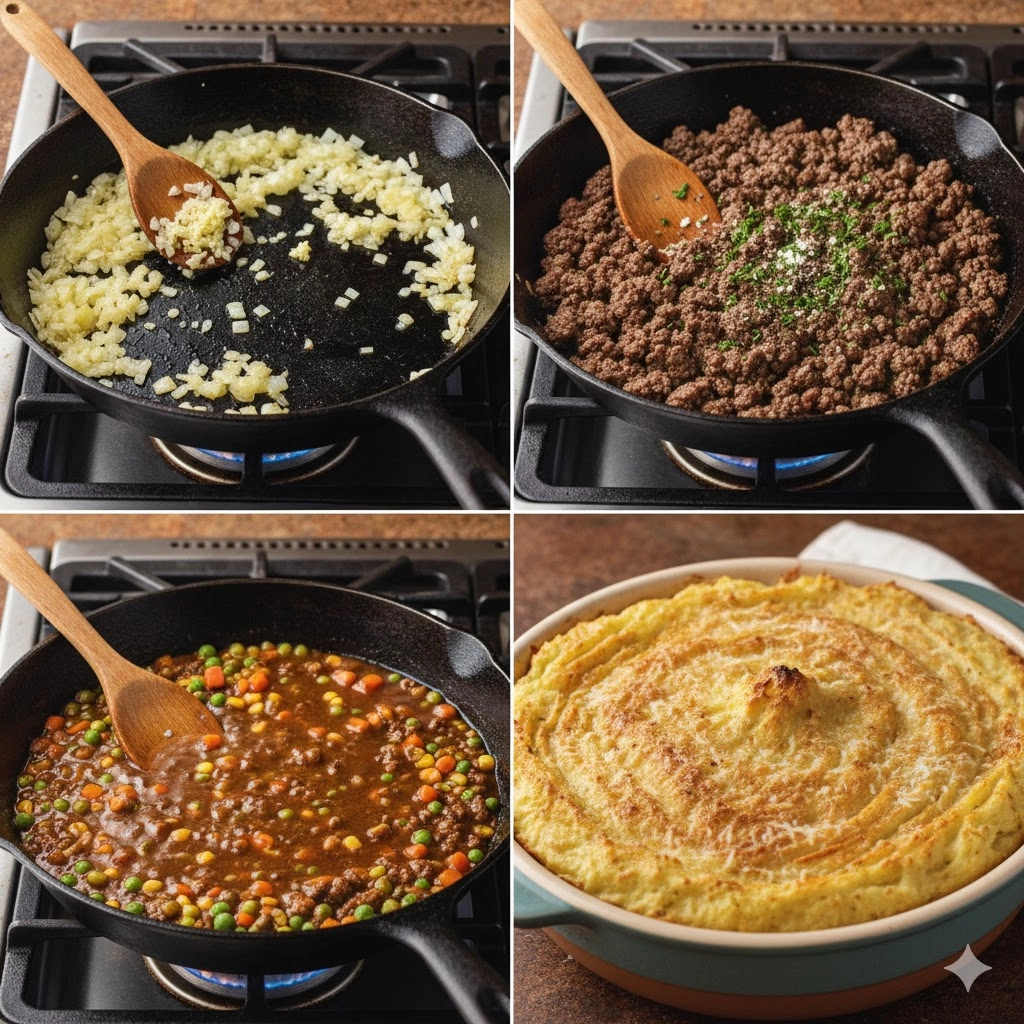
- Sauté the Aromatics: Begin by adding the olive oil to a large skillet over medium high heat. Allow it to shimmer for 2 minutes before tossing in the chopped yellow onions. Sauté for 5 minutes, stirring occasionally until they become translucent and fragrant.
- Brown the Meat: Incorporate the ground beef or lamb into the skillet. Use a wooden spoon to break the meat into small crumbles. Season immediately with parsley, rosemary, thyme, salt, and pepper. Continue cooking for 6 to 8 minutes until the meat is thoroughly browned.
- Build the Flavor Profile: Stir in the Worcestershire sauce and minced garlic. Let the garlic cook for just 1 minute to release its aroma without burning.
- Create the Gravy Base: Sprinkle the flour over the meat and add the tomato paste. Stir vigorously until the paste is distributed and the flour has coated the meat, ensuring no clumps remain.
- Simmer the Filling: Pour in the beef broth and add the frozen peas, carrots, and corn. Bring the mixture to a boil, then immediately lower the heat. Let it simmer for 5 minutes until the sauce thickens into a glossy gravy. Set this aside and preheat your oven to 400 Fahrenheit.
- Prepare the Potatoes: Place the cubed russet potatoes in a large pot and cover with water. Bring to a boil, then simmer for 10 to 15 minutes until fork-tender.
- Mash to Perfection: Drain the potatoes and return them to the hot pot for 1 minute to cook off excess moisture. Add the butter, half and half, garlic powder, salt, and pepper. Mash until smooth, then fold in the parmesan cheese.
- Layer and Bake: Transfer the meat mixture to a 9×9 or 7×11 inch baking dish. Spread the cheesy mashed potatoes over the top, smoothing them to the edges.
- The Final Crisp: Place the dish on a rimmed baking sheet (to catch drips) and bake for 25 to 30 minutes at 400 Fahrenheit. The filling should be bubbling and the potatoes golden. Allow the dish to cool for 15 minutes before serving.
Expansive Step-by-Step Culinary Details
Creating a masterpiece requires attention to the subtle transitions during the cooking process. When you begin with the onions, you are looking for a specific stage of softening. They should not be deeply caramelized, but rather “sweated” until they provide a sweet, aromatic foundation. As you add the meat—whether you choose the traditional lamb or the more accessible ground beef—the browning process is vital. This is where the Maillard reaction occurs, creating those deep, savory notes that define a great gravy. Do not rush this; let the meat develop a bit of a crust before breaking it down entirely.
The addition of dried herbs like rosemary and thyme at this stage allows the heat and fat from the meat to “bloom” the dried botanicals, reawakening their oils. When you move to the garlic and Worcestershire sauce, you are adding layers of umami and pungency. The Worcestershire sauce acts as a secret weapon, providing acidity and fermented depth that cuts through the richness of the fat.
One of the most critical technical steps is the “roux-less” thickening method using flour and tomato paste. By stirring the flour directly into the meat and fat, you ensure that every granule is hydrated by oil rather than water, preventing lumps when the beef broth is added. The tomato paste adds a necessary “umami” punch and a hint of sweetness that balances the salt. When the broth hits the pan, you will see the mixture transform from a dry scramble into a cohesive, velvety stew. The inclusion of frozen vegetables is not just for convenience; they provide pops of color and a structural contrast to the soft meat.
On the potato side of the equation, the “drying” step after boiling is the difference between watery mash and professional-grade topping. By letting the drained potatoes sit in the hot pot for sixty seconds, you allow steam to escape. This means the starch cells are thirsty and ready to absorb the butter and half and half. Using a full stick of butter and a generous portion of parmesan cheese creates a topping that is almost like a savory cake—crisp on the outside and incredibly creamy underneath.
Enhancing Your Dish with Unique Culinary Insights
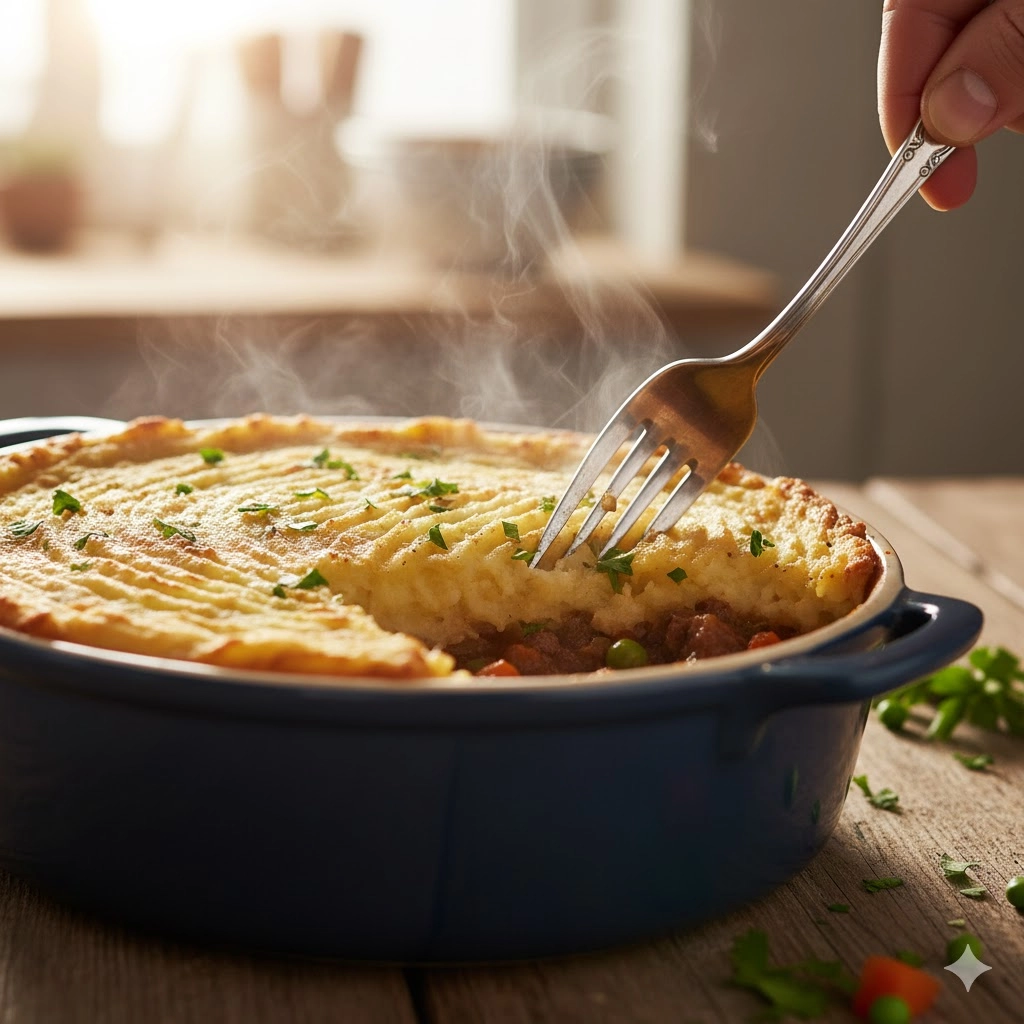
The hallmark of an expert-level shepherd’s pie is the texture of the potato crust. While many home cooks simply smooth the top with a spatula, you can create more surface area for browning by using a fork to “rake” the surface. These small ridges and valleys catch the heat of the 400 Fahrenheit oven, turning into crunchy, golden bits that contrast beautifully with the soft filling.
The choice of potato also matters immensely. This recipe specifies russets because of their high starch content. Unlike waxy red potatoes, russets break down into a fluffy, light consistency that acts like a blanket over the meat. If you find your mash is too stiff, do not be afraid to add an extra splash of half and half. The goal is a spreadable consistency that won’t sink into the meat but will still form a seal around the edges of the casserole dish.
Temperature management is another key insight. Because the meat filling and the potatoes are both warm when assembled, the 25 to 30 minutes in the oven is primarily for “marrying” the flavors and browning the top. However, if you have prepared the components ahead of time and they are cold, you will need to increase your bake time to approximately 40 to 45 minutes and perhaps tent the top with foil for the first half to ensure the center reaches a safe, piping hot temperature without burning the cheese in the potatoes.
Strategic Modifications and Substitutions
While the classic version is iconic, there are several ways to adapt this recipe based on what you have in your pantry or your specific dietary preferences.
The Meat Debate: As noted in the reference, the technical difference between a Shepherd’s Pie and a Cottage Pie is the meat. Using ground lamb provides a gamier, more traditional Irish flavor profile. Ground beef is the “Cottage” variation and is often preferred for its milder taste and wide availability. You can even do a 50-50 split for a complex flavor that isn’t too overpowering.
Vegetable Variations: The recipe calls for a standard mix of peas, carrots, and corn. If you want to increase the earthy notes, you can add finely chopped mushrooms during the onion sautéing phase. The mushrooms mimic the texture of the meat and deepen the color of the gravy. If you are out of frozen corn, extra peas or even chopped green beans work as a functional substitute.
Dairy Adjustments: For those who find half and half too heavy, whole milk can be used for the potato topping, though the result will be slightly less decadent. If you want to lean into the Irish roots of the dish, substituting the parmesan cheese for a sharp Irish cheddar adds a wonderful tang and a more vibrant orange hue to the crust.
Optimal Accompaniments and Serving Suggestions
Shepherd’s pie is a comprehensive “one-pot” meal, containing protein, starch, and vegetables. However, its richness often benefits from a bright or crunchy side dish to balance the palate.
A crisp green salad with a sharp lemon vinaigrette is perhaps the best companion. The acidity of the dressing cuts through the buttery mashed potatoes and the savory beef gravy. If you prefer cooked sides, roasted broccoli or sautéed garlicky green beans provide a nice textural snap.
For a truly traditional experience, serve this alongside a slice of crusty soda bread. This allows you to mop up every last drop of the beef broth gravy. Since this is comfort food at its finest, many families enjoy it as a standalone dish, perhaps followed by a simple dessert like chocolate chip cookies or a fruit crumble to round out the evening.
Deep-Dive Frequently Asked Questions
Can I make this recipe gluten-free?
Yes, you can easily adapt this dish for gluten sensitivities. Replace the two tablespoons of all-purpose flour with a 1-to-1 gluten-free flour blend or use a tablespoon of cornstarch mixed with a little cold water (a slurry) added at the end of the simmering process. Ensure your Worcestershire sauce and beef broth are also certified gluten-free, as some brands contain malt or trace amounts of wheat.
How do I prevent the mashed potatoes from sinking into the meat?
The secret is in the consistency of both layers. Your meat filling must be simmered until the gravy is thick and sturdy, not watery. When applying the potatoes, start by placing dollops around the edges of the dish to “anchor” the topping to the sides, then fill in the middle. Spreading gently with the back of a large spoon rather than pressing down will keep the layers distinct.
Can this dish be frozen for later use?
Shepherd’s pie is an excellent candidate for meal prepping and freezing. You should assemble the pie fully but skip the final baking step. Wrap the dish tightly in a double layer of plastic wrap and a final layer of aluminum foil. It can be frozen for up to two months. To cook, thaw it in the refrigerator overnight and then bake at 400 Fahrenheit, adding about 10 to 15 minutes to the original bake time.
Why is my gravy too thin or too thick?
The thickness of the gravy depends on how much you reduce the beef broth and the exact fat content of your meat. If it looks too thin after 5 minutes of simmering, continue to cook it for another 2 to 3 minutes; the flour will continue to hydrate and thicken the sauce. If it becomes too thick or “pasty,” simply whisk in an extra tablespoon or two of beef broth until it reaches a glossy, pourable consistency.
A Perfect Conclusion to Your Culinary Journey
Mastering the best classic shepherd’s pie is a rite of passage for any home cook. It is a dish that rewards patience and attention to detail, from the browning of the meat to the final fluffing of the parmesan-crusted potatoes. Once you pull this masterpiece out of the oven and let it rest, you’ll find that it’s more than just a recipe; it’s a vessel for memories and a guaranteed way to bring people to the table. Enjoy the process of creating this timeless comfort food, and savor every savory, cheesy bite.
Nutrition Information and Disclaimer
The following nutritional values are estimates based on standard ingredients and a serving size of approximately one-sixth of the total recipe.
| Nutrient | Amount Per Serving |
| Calories | 400 calories |
| Total Fat | 30 grams |
| Saturated Fat | 15 grams |
| Cholesterol | 97 milligrams |
| Sodium | 751 milligrams |
| Total Carbohydrates | 13 grams |
| Dietary Fiber | 2 grams |
| Sugars | 2 grams |
| Protein | 19 grams |
| Vitamin A | 2860 IU |
| Vitamin C | 7.9 milligrams |
| Calcium | 99 milligrams |
| Iron | 2.7 milligrams |
Nutritional Disclaimer
The nutritional information provided is an estimate only and can vary based on the specific brands of ingredients used and the accuracy of measurements. For precise nutritional intake, it is recommended to use a nutrition calculator with the specific labels from your ingredients. Always consult with a healthcare professional regarding specific dietary needs.
The Best Classic Shepherd’s Pie
Ingredients
- 2 tablespoons olive oil
- 1 cup yellow onion, chopped
- 1 lb 90 percent lean ground beef or ground lamb
- 2 teaspoons dried parsley leaves
- 1 teaspoon dried rosemary leaves
- 1 teaspoon dried thyme leaves
- 0.5 teaspoon salt
- 0.5 teaspoon ground black pepper
- 1 tablespoon Worcestershire sauce
- 2 cloves garlic, minced
- 2 tablespoons all purpose flour
- 2 tablespoons tomato paste
- 1 cup beef broth
- 1 cup frozen mixed peas and carrots
- 0.5 cup frozen corn kernels
- 2 lb russet potatoes, peeled and cut into 1 inch cubes
- 8 tablespoons unsalted butter
- 0.33 cup half and half
- 0.5 teaspoon garlic powder
- 0.5 teaspoon salt (for potatoes)
- 0.25 teaspoon ground black pepper (for potatoes)
- 0.25 cup parmesan cheese
Instructions
- Heat olive oil in a large skillet over medium-high heat. Add onions and cook for 5 minutes, stirring occasionally.
- Add the ground meat to the skillet. Season with parsley, rosemary, thyme, salt, and pepper. Cook 6-8 minutes until browned.
- Stir in minced garlic and Worcestershire sauce. Cook for 1 minute until fragrant.
- Add flour and tomato paste. Stir well until incorporated with no visible clumps of paste.
- Pour in beef broth and add frozen vegetables. Bring to a boil, then simmer for 5 minutes until thickened. Preheat oven to 400 Fahrenheit.
- Boil potatoes in a large pot for 10-15 minutes until tender. Drain and return to the hot pot for 1 minute to dry.
- Mash potatoes with butter, half and half, garlic powder, salt, pepper, and parmesan cheese until smooth.
- Spread meat filling into a baking dish. Top with mashed potatoes. Bake for 25-30 minutes until bubbling and golden.
Notes
Equipment
- large skillet
- large pot For boiling potatoes
- Potato Masher
- 9×9 or 7×11 inch baking dish
- wooden spoon