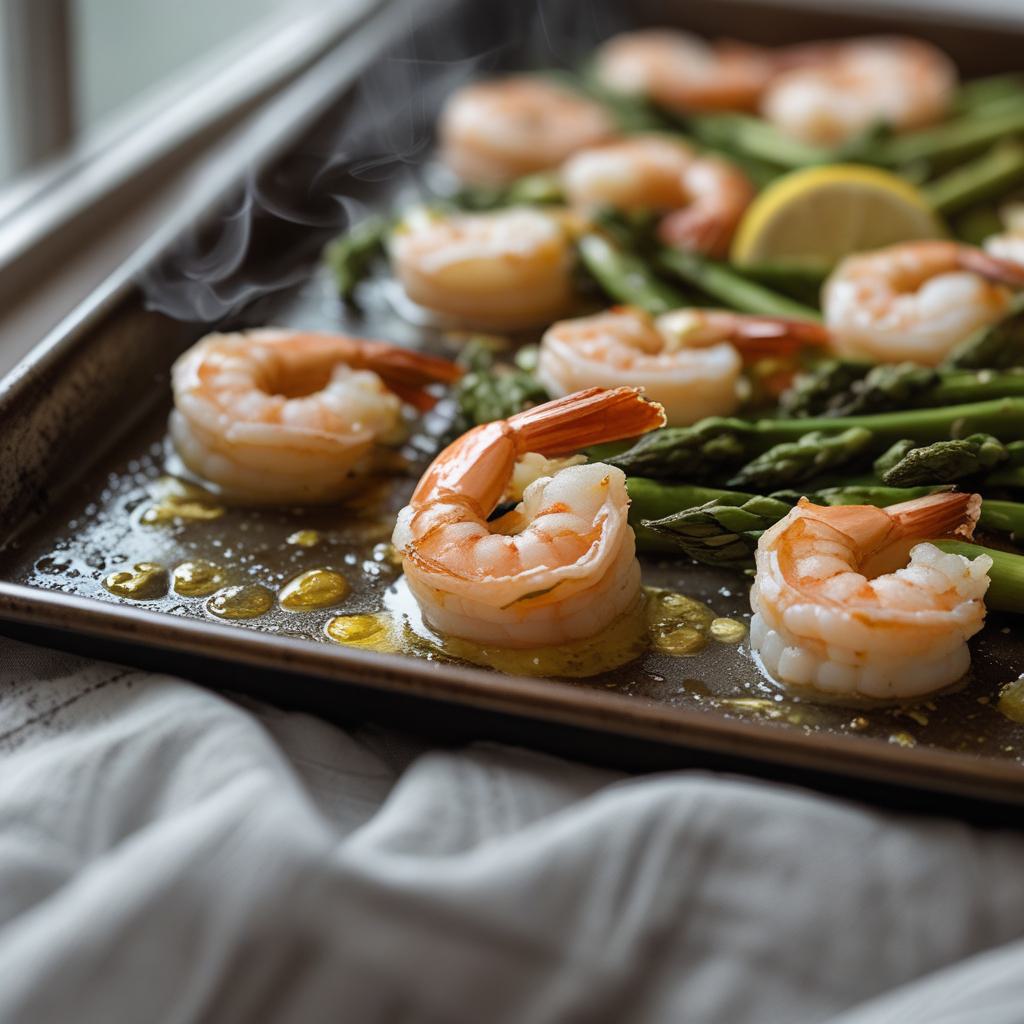
Imagine your kitchen filling with the seductive perfume of sizzling garlic meeting golden butter, bright citrus notes pirouetting above earthy asparagus stalks. This is Sheet Pan Lemon Butter Garlic Shrimp – a symphony of textures where plump crustaceans caramelize at the edges while crisp-tender green spears drink in the luxurious sauce. As a chef who’s plated thousands of shrimp dishes, I can confirm this deceptively simple preparation captures coastal elegance without the fuss. The magic lies in orchestrated chaos: lemon zest sharpens the richness of European-style butter, white wine deglazes the pan’s caramelized bits into an instant sauce, and flash-roasting preserves the shrimp’s oceanic sweetness. It’s the culinary equivalent of a little black dress – effortlessly sophisticated yet ready in 20 minutes flat. What emerges from your oven is sunshine on a sheet pan, the shrimp glistening like amber jewels amidst emerald stalks.
Ingredient Deep Dive
| Ingredient | Quantity | Purpose |
|---|---|---|
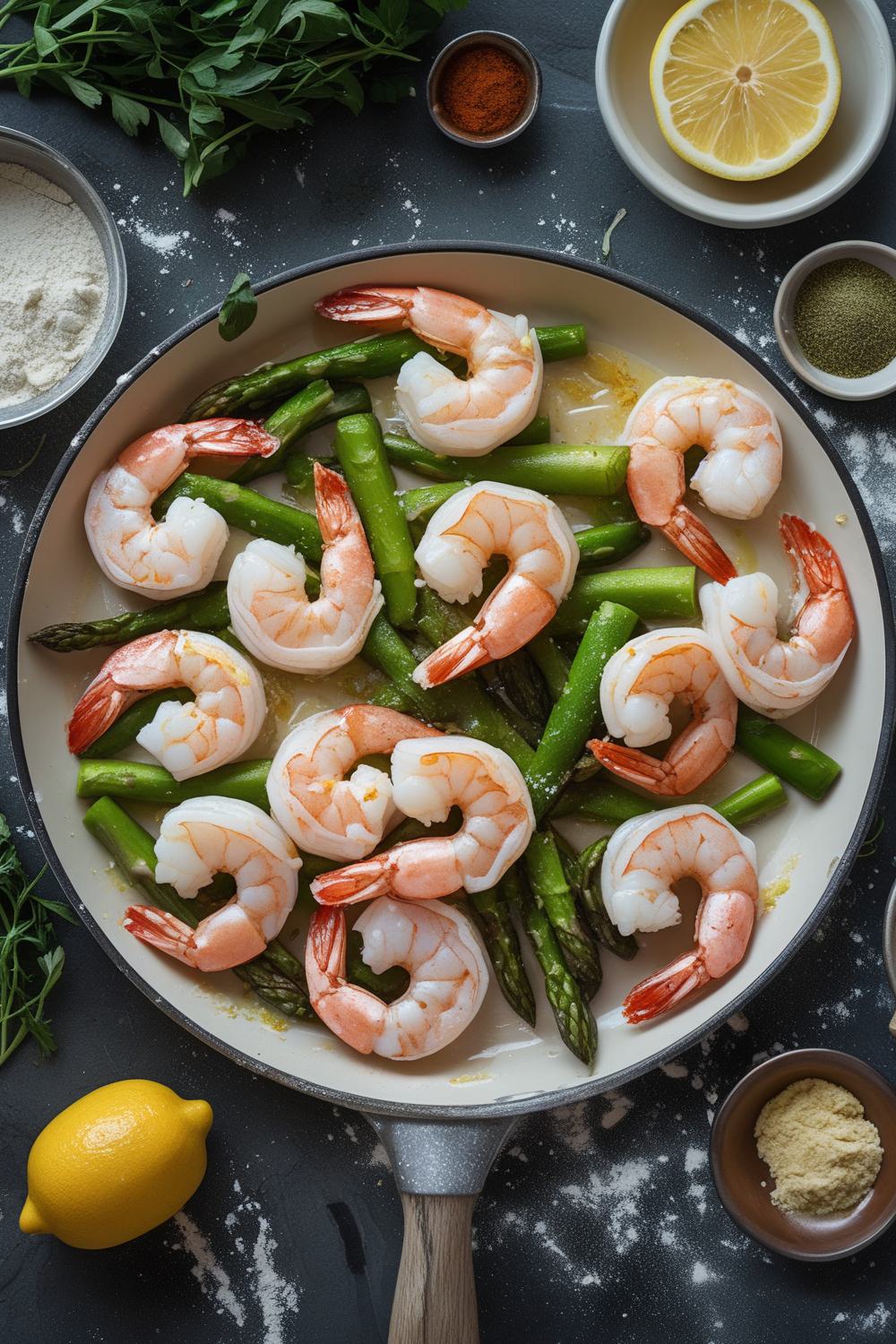
| Jumbo wild shrimp (16/20 count) | 1.5 lbs | High heat resistance, meaty texture |
| Thick asparagus spears | 1 lb | Maintains crunch during roasting |
| European cultured butter | 5 tbsp | Higher fat content prevents burning |
| Lemon zest + juice | 2 lemons | Zest for aroma, juice for balanced acidity |
| Garlic cloves | 6 | Sliced thin to caramelize not burn |
| Dry white wine | 1/3 cup | Deglazing agent with floral notes |
| Red pepper flakes | 1/4 tsp | Background warmth without heat |
The crystalline structure of cultured butter (minimum 82% fat) withstands 425°F roasting temperatures where ordinary butter would separate. Its lactic acid bacteria create subtle tanginess that amplifies the shrimp’s natural sweetness. Always use zest-first lemons – their volatile oils diminish after juicing.
Note the specific 16/20 shrimp size: each pound contains 16-20 crustaceans, meaning they’re substantial enough to roast without overcooking. Larger shrimp (>15/lb) become rubbery before browning. Thick asparagus (pencil-width) contains more pectin, allowing exterior char while retaining an al dente core.
Substitutions & Swaps
For shellfish allergies, king oyster mushroom “scallops” make a stunning vegan alternative: slice caps thickly, score crosshatch patterns, and roast with smoked paprika. Gluten-sensitive diners can safely enjoy this dish as-is – just ensure your wine isn’t processed with wheat products (most Californian sauvignon blancs are safe). If asparagus isn’t seasonal, swap in broccolini or sugar snap peas; though cooking times may vary. Pantry hack: frozen uncooked shrimp work beautifully here. Thaw overnight in a colander set over a bowl in the fridge – never under running water, which damages texture. Dairy-free? Coconut oil mimics butter’s sauté properties but lacks browning capacity; add 1 tsp miso paste for depth.”
Equipment Guide
A quarter-sheet pan (9×13”) is non-negotiable – larger sheets cause sauce evaporation. Rim height matters too: 1” sides contain butter without spilling. Dark aluminum pans promote superior browning versus shiny steel. I advise against non-stick coatings; proper fond development requires interaction with bare metal. Invest in a microplane zester for fluffy lemon zest without bitter pith. Lastly, thermo-sensitive “doneness tongs”: spring-loaded stainless steel tongs allow shrimp-flipping without piercing flesh. Bonus tool: garlic mandoline for paper-thin slices that melt into butter – never mince, which invites scorching.
Step-by-Step Walkthrough
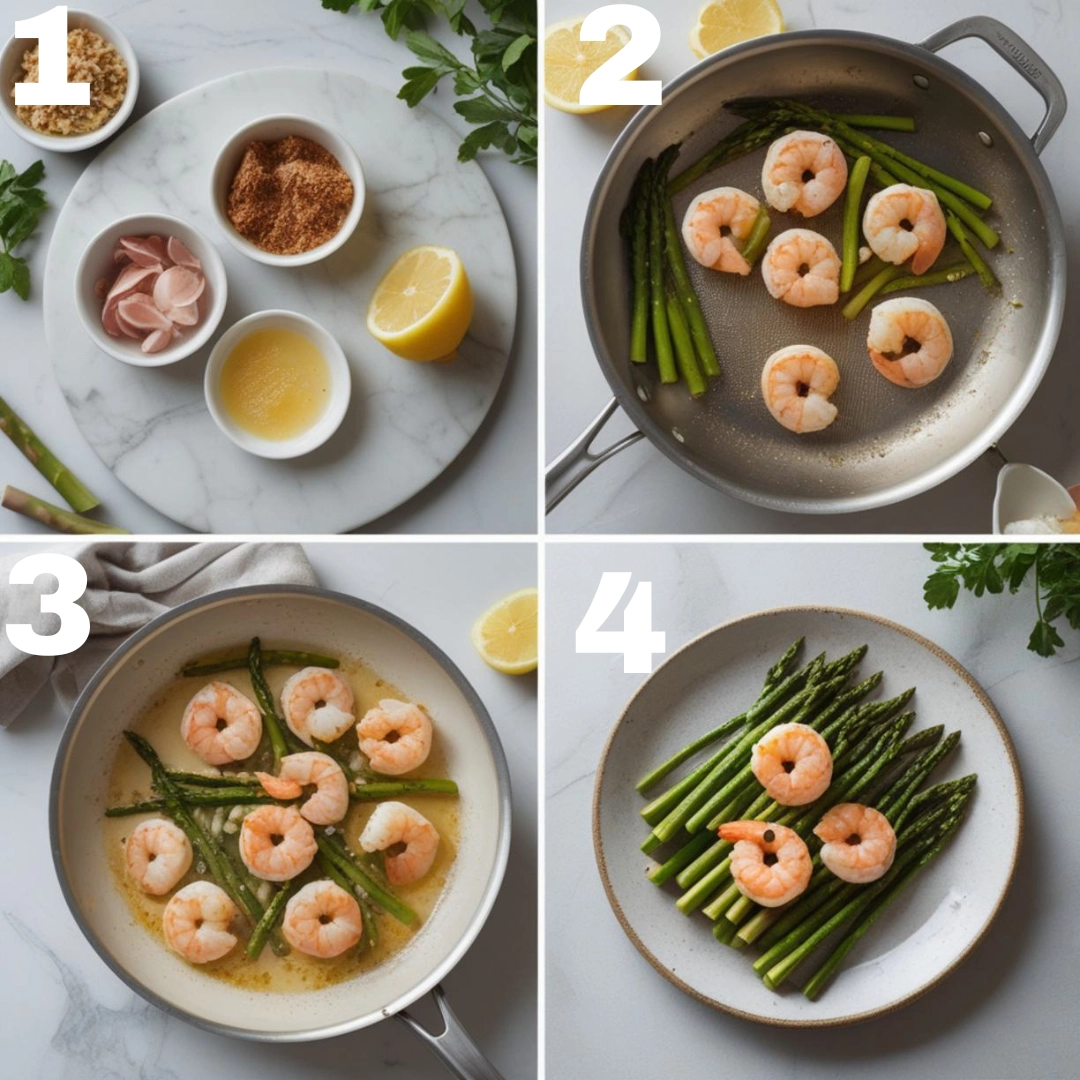
- Position oven rack in upper third zone (not center!) to harness radiant heat. Preheat to 450°F – most ovens lie about temps; use a standalone thermometer.
- Butter accordion: Melt 3 tbsp butter in 12-inch skillet. Swirl in garlic and pepper flakes until aromatic but pale (1 minute). Off heat, stir in wine.
- Prep asparagus – snap off woody ends where they break naturally. Toss spears with 1 tbsp garlic butter.
- Spread asparagus on sheet pan in single direction (tips pointing same way for even cooking). Roast 6 minutes.
- Meanwhile, combine shrimp with remaining butter mixture, ensuring each is coated. Let marinate at room temp.
- Remove pan, quickly arrange shrimp between asparagus. Roast 5 minutes.
- Sizzle zone: Remove pan. Scatter lemon zest over shrimp while still sizzling – residual heat activates essential oils.
- Squeeze one lemon directly onto hot pan surface (not food), scraping browned bits into sauce with wooden spatula.
Critical timeline: Everything happens in seven minutes upon shrimp entering the oven. Set phone timer – protein carries over cooking 5°F upon removal. Ignore recipes advising “until opaque”; instead, watch for the 50% curl. When shrimp bodies form tight C-shapes (not O-shapes), they’re done. Swirl sauce continuously off heat; butter emulsifies differently when pan temperatures drop below 160°F.
Expert Tips & Troubleshooting
Shrimp don’t release water when roasted correctly. If your pan pools liquid: 1) You overcrowded the pan – leave 1/4” between shrimp; 2) Shrimp weren’t patted bone-dry; 3) They were previously frozen in sodium solution (buy “dry” or IQF). For sauce splitting, teaspoon by teaspoon whisk in 85°F water – it rebinds fats. If asparagus shrivels, you roasted without toss-coating fat first (their waxy cuticle resists oil absorption unless actively massaged). Partial solution: stand spears in ice water for 30 minutes. Pro trick: Garlic slices won’t burn if added to cold butter then gradually heated over medium-low. Most crucially: Rest shrimp 3 minutes before serving. Rushing this step causes juice loss equivalent to 30% overcooking.
Flavor Variations
Mediterranean twist: Replace lemon with preserved yuzu peel + capers. Kid-friendly: Omit pepper flakes; swap wine for apple cider. Use cookie cutter to create star-shaped lemon slices. Southeast Asian riff: Brown shrimp together with minced lemongrass, sub butter for coconut oil, and add kaffir lime leaves. Final toss with chopped Thai basil. Spicy boulevard: Stir 1 tbsp chili crisp into butter base. Garnish with Szechuan peppercorn salt. For summer: Grill-roast method. Place asparagus directly on grates, shrimp in perforated pan above them. Charcoal smoke adds dimension.
Storage & Reheating
Store components separately. Shrimp keep 2 days in airtight glass – plastic imparts fishiness. Freezing is not advised; asparagus turns mushy. Reheat gently: Microwave shrimp with damp paper towel at 50% power. Skillet-toss asparagus in 1 tsp water over medium until re-crisped. Never oven-reheat shrimp – proteins tighten aggressively. Prolong asparagus vitality: Store upright in jar with 1” water, covered loosely.
FAQ Section
Can I use zucchini instead of asparagus?
Yes, but salt slices 10 minutes before to purge excess moisture; pat dry thoroughly.
Is fresh lemon mandatory?
Essential for zest. Bottled juice works in sauce but lacks vibrancy; add 1/4 tsp citric acid.
Can I prep ahead?
Marinate shrimp (dry rub only) overnight. Prep asparagus but don’t sauce. Compound butter freezes 1 month.
Shell on or off?
Peeled but tails-on maximizes sauce adhesion while allowing elegant finger-eating.
The Recipe Card
Succulent jumbo shrimp roasted over garlic-buttered asparagus in a glossy lemon butter sauce. 450°F transforms simple components into luxurious dinner in 20 minutes. Serves 4. Active prep: 12 minutes. Serve with crusty bread to swipe through pan sauce.
Nutrition Information
| Nutrient | Per Serving |
|---|---|
| Calories | 312 |
| Protein | 35g |
| Fat | 16g |
| Saturated Fat | 8g |
| Carbohydrates | 8g |
| Fiber | 3g |
Nutritional data provided for reference. Actual values may vary based on ingredient brands and preparation methods. Consult a nutritionist for dietary needs. Always verify allergen information with ingredient manufacturers.