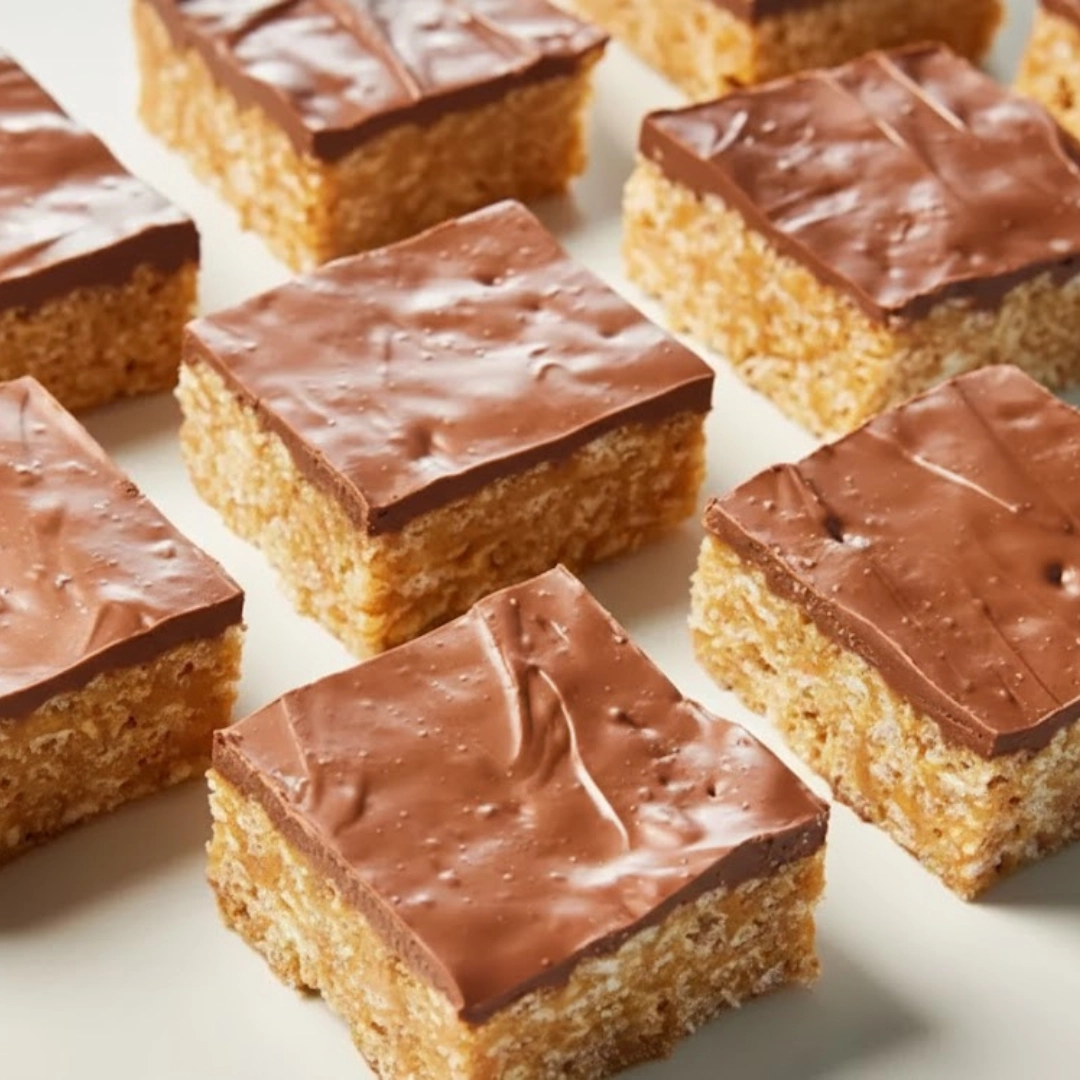
Few confections hold the same nostalgic power as the classic scotcharoos recipe. These no-bake bars, built on a foundation of crispy rice cereal bound with a sticky, sweet peanut butter mixture and topped with a luxurious layer of melted butterscotch and chocolate, are a staple of potlucks, bake sales, and holiday gatherings across the country. They are simple to assemble yet deliver a truly satisfying blend of textures—crunchy, chewy, and impossibly smooth—along with that unmistakable salty-sweet flavor profile that makes them impossible to resist. This guide will walk you through achieving the ideal density and chew, ensuring a topping that doesn’t crack, and mastering this beloved treat with confidence.
These bars require minimal equipment and active cooking time, making them a fantastic project for when you need a high-impact dessert without the commitment of turning on the oven. The balance of creamy peanut butter and rich, contrasting flavors from the dual-chocolate topping is key to their enduring appeal, providing a dense, flavorful bite every single time.
Table of Contents
The Components: What You’ll Need
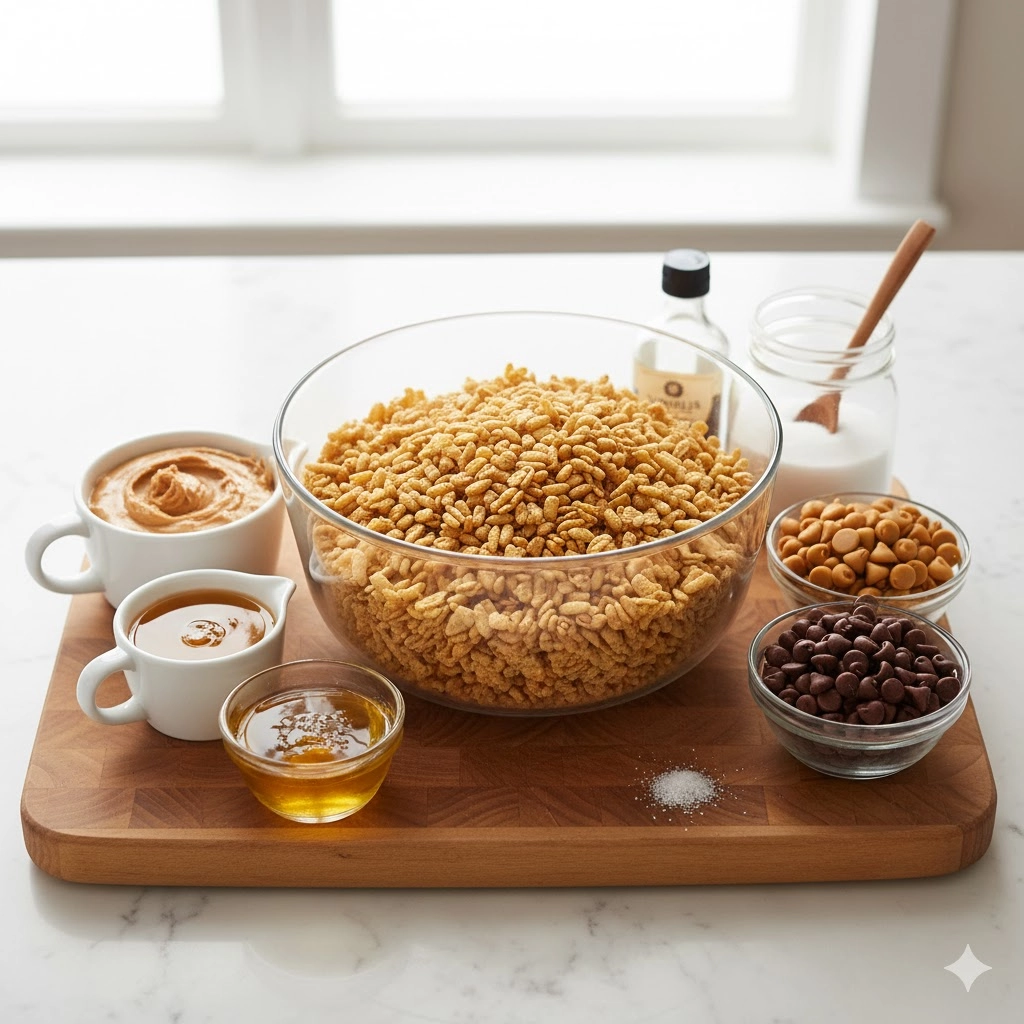
Achieving the perfect scotcharoo relies on having the right ratio of ingredients for the base and maintaining the integrity of the melted coating. Use good quality ingredients for the best flavor payoff.
- For the Crispy Base
- 6 cups (about 160 grams) crispy rice cereal
- 1 cup (225 grams) granulated white sugar
- 1 cup (235 milliliters) light corn syrup
- 1 cup (250 grams) creamy peanut butter (processed brands work best for texture)
- 1 teaspoon vanilla extract
- For the Dual Topping
- 1 cup (170 grams) butterscotch chips
- 1 cup (170 grams) semi-sweet chocolate chips
Crafting the Confection: Basic Steps
This simple sequence ensures the perfect marriage of the sticky base and the creamy topping. Always work efficiently, as the base sets quickly once the peanut butter mixture is incorporated.
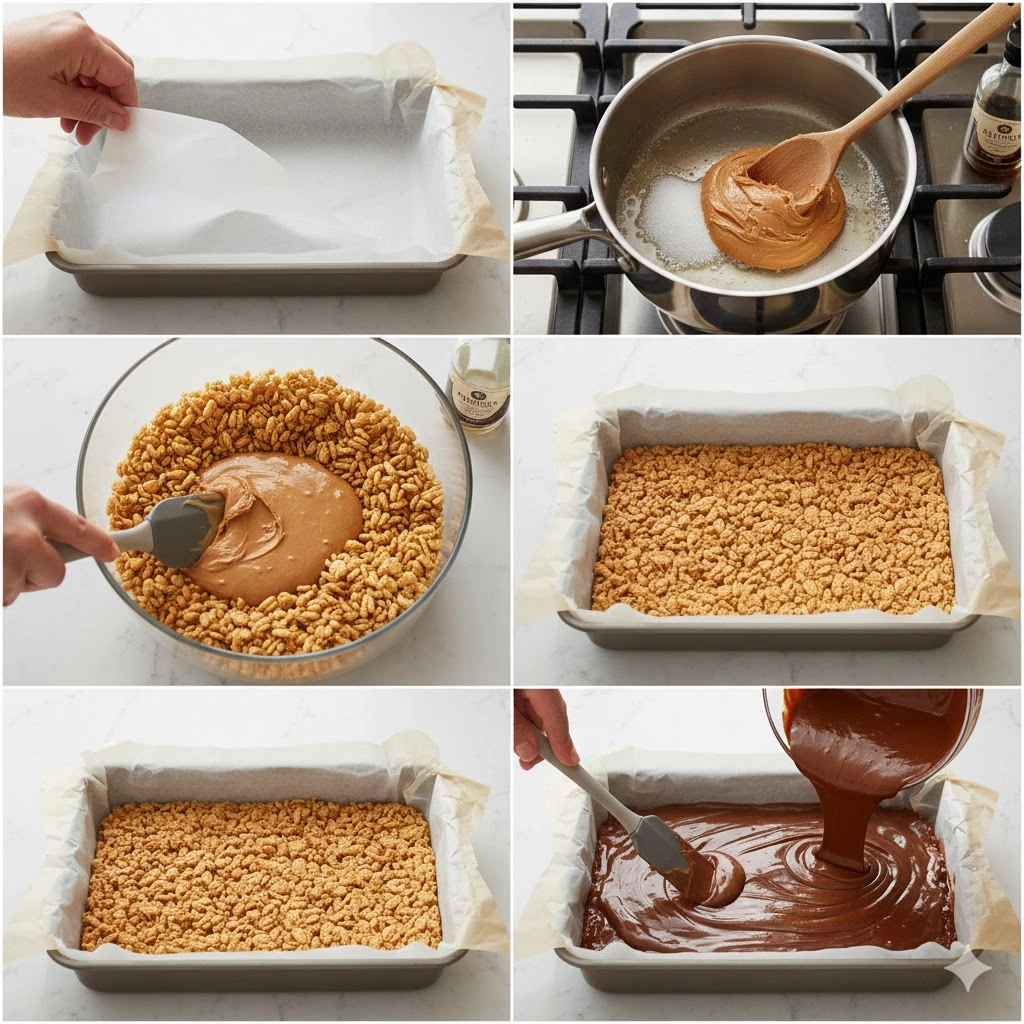
- Prepare the Pan: Line a 9×13 inch baking pan with parchment paper or foil, leaving an overhang on the two longer sides for easy lifting. Set aside.
- Cook the Syrup: In a large saucepan, combine the sugar and corn syrup. Heat over medium-low, stirring occasionally until the sugar is completely dissolved and the mixture just reaches a low simmer.
- Incorporate Peanut Butter: Remove the syrup from the heat. Stir in the peanut butter and vanilla extract until completely smooth and emulsified.
- Fold in Cereal: Gently pour the creamy mixture over the crispy rice cereal in a large bowl. Use a spatula to fold until every piece of cereal is coated evenly.
- Press and Chill: Immediately transfer the mixture to the prepared pan. Using the parchment overhang or a piece of waxed paper, press the mixture firmly and evenly into the pan. Chill in the refrigerator for twenty minutes.
- Melt the Topping: Combine the butterscotch and chocolate chips in a heatproof bowl. Melt slowly using a double boiler setup or microwave in thirty-second intervals, stirring until smooth.
- Coat and Set: Pour the melted topping over the chilled base and spread quickly to cover the entire surface. Allow the bars to set at room temperature or in the refrigerator before slicing.
Refining the Technique: Key Stages for Success
While the steps are straightforward, a few key refinements will elevate your scotcharoos from good to truly exceptional. Paying attention to temperature and texture at crucial moments prevents common pitfalls.
Monitoring the Sugar-Syrup Phase
The initial cooking of the sugar and corn syrup is the secret to the base’s chewiness. You are aiming to fully dissolve the sugar and reach a gentle simmer, but not a rolling boil. Heating the mixture too aggressively or for too long will lead to a hardened, rock-like bar when cooled. As soon as you see the first bubbles of a light simmer around the edges of the pan, remove it from the heat immediately. This ensures the sugar dissolves but doesn’t cook past the point of generating a soft, sticky chew.
Achieving a Uniform Base
Once the peanut butter and vanilla are stirred into the hot syrup, you must work quickly to mix in the cereal. The mixture will cool and thicken rapidly, making it difficult to spread if you dawdle. Pouring the mixture over the cereal (rather than the other way around) and folding it in gently prevents crushing the delicate rice crisps. The goal is complete saturation—no dry pockets of cereal should remain. When pressing the mixture into the pan, use firm, even pressure. This compacting is essential for bars that hold together without crumbling when cut. A light layer of butter on your hands or using the bottom of a measuring cup can help with the pressing.
The Double-Melt Topping
Melt the chocolate and butterscotch chips together very slowly. The double boiler method (a heatproof bowl set over a pot of simmering water) offers the most gentle heat control, minimizing the risk of scorching the chips. If using a microwave, stick strictly to thirty-second intervals, stirring thoroughly between each one. Overheated chocolate seizes and becomes grainy and unusable. The finished topping should be glossy, smooth, and easily pourable. Once poured over the chilled base, spread it quickly and resist the urge to fuss with it—overworking the surface can cause it to streak or pull up the cereal base.
Expert Recommendations for Flavor and Texture
These five pointers are what separate a decent batch from a legendary one. Apply these to your process for a professional-grade final product.
- Mind the Peanut Butter Type: While natural, oil-separated peanut butter is wonderful for sandwiches, for this recipe, the processed, shelf-stable variety (like Jif or Skippy) yields a much more consistent texture. The added stabilizers prevent oil separation and ensure a denser, more cohesive cereal base.
- Optimal Cooling for Cutting: After the topping has been applied, let the bars set at room temperature for at least two hours or in the refrigerator for one hour. The topping should be completely firm and cool to the touch. Crucially, let the chilled bars sit at room temperature for fifteen minutes before cutting. This slight warming prevents the brittle topping from cracking violently as you slice.
- The Pinch of Salt: Adding a tiny pinch—a quarter teaspoon, maximum—of fine sea salt directly into the melted peanut butter mixture is transformative. It deepens the overall flavor and provides a critical counterpoint to the sweetness of the corn syrup and chips, intensifying that addictive salty-sweet contrast.
- Lifting is Easier Than Digging: The parchment or foil overhang is not optional. Before adding the bars to the pan, make sure the lining covers the bottom and extends well over the edges. Once fully set, you can use these “handles” to lift the entire block of bars out of the pan, allowing you to slice them cleanly on a flat surface without struggling to pry them out of the corners.
- Humidity Check: On a very humid or rainy day, the sugar and syrup base can sometimes remain slightly sticky. If this is the case, consider chilling the bars for slightly longer, and store them in an airtight container at room temperature once cut, layering them between pieces of waxed paper.
Flavor Adjustments and Ingredient Swaps
Though the traditional version is perfect as is, this recipe is incredibly adaptable. Try these variations to change up the flavor profile and texture.
- Nut-Free Swap: If you need to make the bars without peanuts, replace the peanut butter with an equal amount of sunflower seed butter (Sunbutter). Be aware that sunflower seed butter can sometimes turn a greenish hue when mixed with baking soda, but since there is no baking soda here, it should retain its color.
- Darker Chocolate: For a more sophisticated flavor that cuts the sweetness, substitute the semi-sweet chocolate chips with an equal volume of dark chocolate chips or a chopped dark chocolate bar (sixty percent cacao or higher).
- Brown Butter Base: Instead of simply heating the sugar and corn syrup, melt the butter (if you choose to add a quarter cup to the syrup mix) and let it brown slightly before adding the sugar and syrup. The nutty, deep flavor of the browned butter adds incredible depth to the base.
- Adding Mix-ins: Once the rice cereal is coated but before pressing it into the pan, fold in half a cup of mini chocolate chips, chopped salted peanuts, or toffee bits for an added layer of texture and flavor within the base.
The Best Ways to Present and Serve
Scotcharoos are inherently casual, but a smart presentation can make them suitable for any occasion. They pair well with simple sides that balance their sweetness.
- Coffee Break Perfection: The rich, concentrated sweetness is perfectly matched by a strong, unsweetened cup of dark roast coffee or a small glass of cold whole milk. The acidity of the coffee cuts the richness beautifully.
- Dessert Platter Centerpiece: Cut the bars into small one-inch by one-inch squares for a varied dessert platter. Surround them with fresh, tart berries (like raspberries or blueberries) and a small bowl of lightly sweetened whipped cream for dipping.
- Ice Cream Topping: Chop a few of the bars roughly and use them as a crunchy, chewy mix-in or topping for vanilla bean ice cream. The chilling effect makes the bars even denser and chewier.
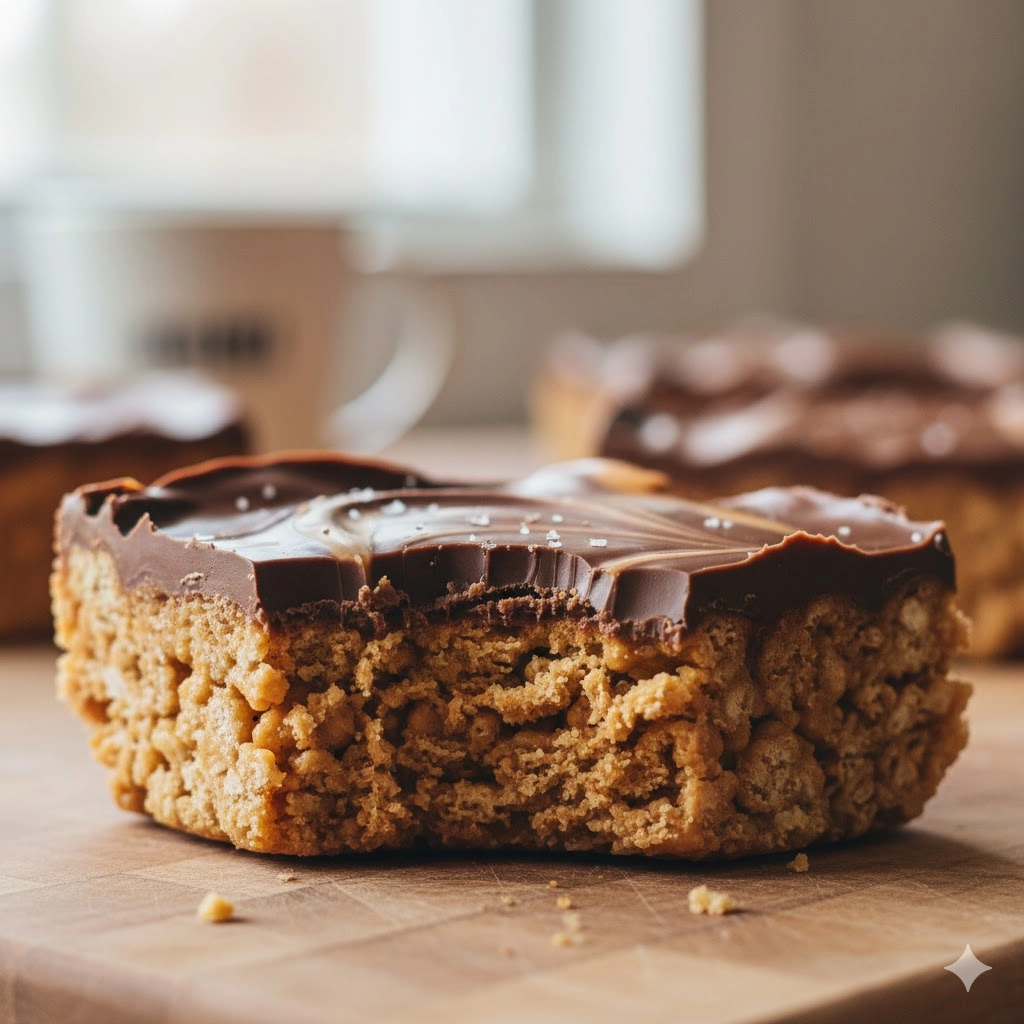
- A Touch of Flake: To elevate the presentation, sprinkle a very fine dusting of sea salt flakes (like Maldon) over the wet melted topping immediately after pouring and spreading. The salt crystals provide a visually appealing shimmer and a powerful, localized burst of salty flavor.
Common Queries About Scotcharoos
Here are some answers to the most frequent questions about making and storing this classic dessert.
Why are my bars too hard?
The most common reason for overly hard bars is overheating the corn syrup and sugar mixture. If the mixture is boiled vigorously or heated past a gentle simmer, the sugar will caramelize too much, resulting in a base that sets brittle and hard instead of chewy. Remove the saucepan from the heat the moment you see a simmer start to form.
Can I make these ahead of time?
Absolutely. Scotcharoos keep very well. Once they are fully set and sliced, store them in an airtight container at room temperature. Layer the bars between sheets of waxed or parchment paper to prevent them from sticking together. They will maintain their freshness and texture for four to five days.
How do I prevent the topping from cracking when I cut them?
Cracking occurs because the chocolate-butterscotch topping is firm and brittle when cold, while the base is slightly softer. To prevent this, let the bars cool completely, preferably in the refrigerator, but then take them out and let them rest at room temperature for fifteen minutes before you slice. This slight warming softens the topping enough for a clean cut without breakage. Use a large, sharp chef’s knife and press straight down rather than sawing.
What if my peanut butter mixture won’t spread?
If the mixture seized up and became difficult to spread after mixing in the cereal, your work area or the cereal bowl may have been too cold, or you may have taken too long to transfer it. To fix this, place the pan in a warm spot for a minute or two to soften the mixture slightly, and then proceed with pressing it down quickly.
Nutritional Breakdown
Scotcharoos are a decadent treat that should be enjoyed as part of a balanced diet. The following is an approximation based on the ingredients and a serving size of one average-sized bar.
| Nutrient | Amount per Serving |
| Calories | 350 kcal |
| Protein | 5 g |
| Carbs | 45 g |
| Fat | 17 g |
| Fiber | 1 g |
| Sugar | 30 g |
| Sodium | 140 mg |
Nutrition Disclaimer
Nutrition information is an estimate and may vary based on preparation and ingredients used.
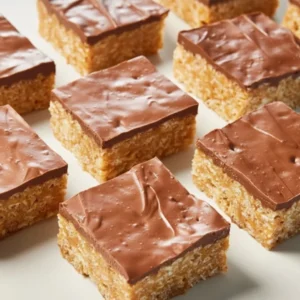
The Definitive Guide to Making Perfect Scotcharoos
Ingredients
- 6 cups crispy rice cereal
- 1 cup granulated white sugar
- 1 cup light corn syrup
- 1 cup creamy peanut butter
- 1 tsp vanilla extract
- 1 cup butterscotch chips
- 1 cup semi-sweet chocolate chips
Instructions
- Line a 9×13 inch baking pan with parchment paper or foil, leaving an overhang on the two longer sides for easy lifting. Set aside.
- In a large saucepan, combine the sugar and corn syrup. Heat over medium-low, stirring occasionally until the sugar is completely dissolved and the mixture just reaches a low simmer. Remove the syrup from the heat immediately.
- Stir in the peanut butter and vanilla extract until completely smooth and emulsified.
- Gently pour the creamy mixture over the crispy rice cereal in a large bowl. Use a spatula to fold until every piece of cereal is coated evenly.
- Immediately transfer the mixture to the prepared pan. Using the parchment overhang or a piece of waxed paper, press the mixture firmly and evenly into the pan. Chill in the refrigerator for twenty minutes.
- Combine the butterscotch and chocolate chips in a heatproof bowl. Melt slowly using a double boiler setup or microwave in thirty-second intervals, stirring until smooth.
- Pour the melted topping over the chilled base and spread quickly to cover the entire surface. Allow the bars to set at room temperature or in the refrigerator before slicing. Let bars rest fifteen minutes at room temperature before cutting.
Notes
Equipment
- 9×13-inch baking pan
- parchment paper or foil
- Large saucepan
- Heatproof bowl (for melting)
- large mixing bowl