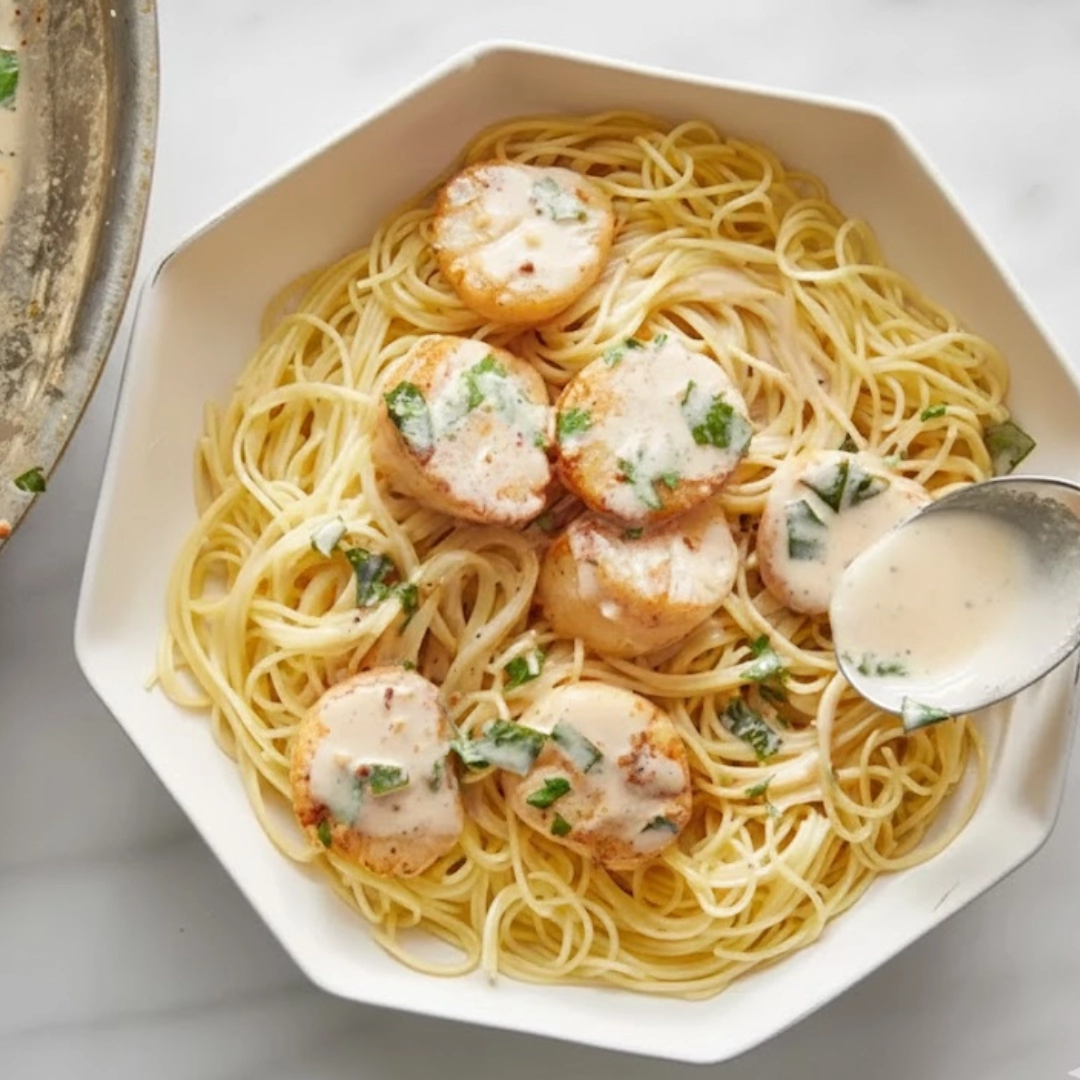
The marriage of tender, succulent seafood and delicate pasta creates an dining experience that feels like a luxury retreat right in your own kitchen. This recipe for savory sea scallops and angel hair pasta is a masterclass in simplicity, proving that you do not need a massive list of ingredients to achieve professional results. By focusing on high-quality sea scallops and the aromatic infusion of garlic and fresh herbs, you can prepare a meal that rivals the finest coastal bistros in under thirty minutes. Whether you are hosting a romantic dinner or looking for a sophisticated weeknight upgrade, this dish delivers an incredible balance of buttery richness and bright citrus notes.
Table of Contents
The Essential Components
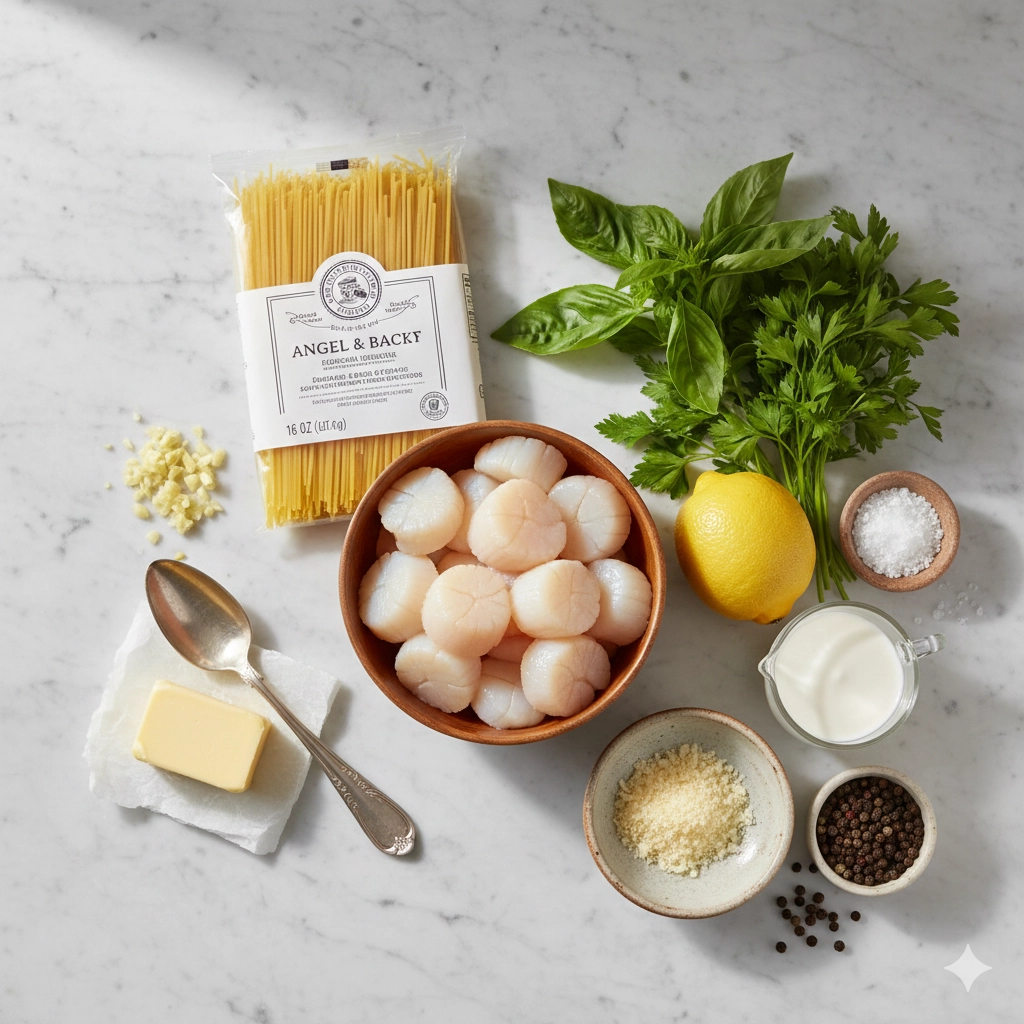
To create this gourmet meal, gather the following ingredients. Ensure your seafood is as fresh as possible for the best flavor profile.
- 1 package (16 ounces) angel hair pasta
- 1/4 cup butter
- 2 cloves garlic, minced
- 2 pounds sea scallops, rinsed and patted dry
- 3 tablespoons chopped fresh basil
- 2 tablespoons chopped fresh flat-leaf parsley
- 2 tablespoons fresh lemon juice
- Salt and freshly ground black pepper to taste
- 1/2 cup heavy cream (Optional for a richer sauce)
- 1 tablespoon grated Parmesan cheese to taste (Optional garnish)
Masterful Cooking Instructions
Follow these precise steps to ensure your pasta is perfectly textured and your scallops remain tender and juicy.
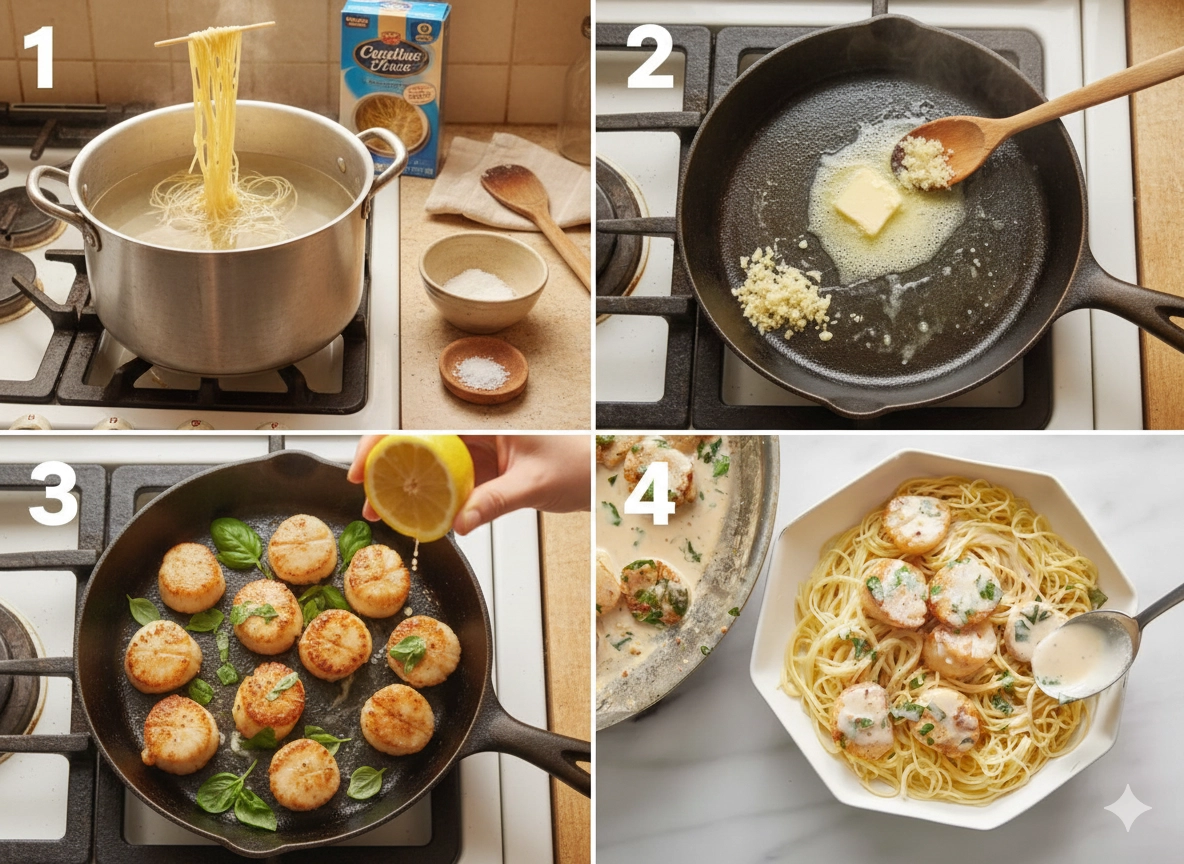
- Begin by bringing a large pot of water to a rolling boil. Add a generous pinch of salt to the water to season the pasta from the inside out. Once boiling, add the angel hair pasta and cook uncovered. Because angel hair is so thin, it only requires 4 to 5 minutes to reach an al dente texture. Drain the pasta immediately and set aside.
- While your pasta water is working, place a large skillet over medium heat and add the butter. Once the butter has melted and begun to foam slightly, stir in the minced garlic. Sauté the garlic for approximately 1 minute, just until it becomes fragrant and softened. Be careful not to let the garlic brown, as this can introduce a bitter note to the delicate sauce.
- Prepare your seafood by checking the thickness of the scallops. If any are over 3/4 inch thick, slice them in half horizontally so they cook at the same rate as the smaller pieces.
- Introduce the scallops, fresh basil, and fresh parsley into the skillet with the garlic butter. Cook the mixture while stirring gently. Watch the scallops closely; they only need about 2 to 3 minutes. They are finished when they feel slightly firm to a gentle finger press. Avoid overcooking, as this turns the scallops tough and chewy.
- Turn the heat down to low. Stir in the fresh lemon juice and season with salt and pepper. If you prefer a thicker, more luxurious sauce, pour in the heavy cream at this stage. Stir gently and cook just until the liquid begins to simmer.
- To serve, ladle the scallops and the aromatic sauce over the warm bed of angel hair pasta. Finish the dish with a dusting of grated Parmesan cheese if desired.
Expanding the Culinary Process
Understanding the “why” behind the “how” is what transforms a home cook into a chef. The process of making this dish relies heavily on temperature control and timing. Angel hair pasta, also known as capellini, is the most delicate of all long-strand pastas. It has a high surface-area-to-volume ratio, meaning it absorbs sauces beautifully but can overcook in seconds. When you drain the pasta, consider reserving a small cup of the starchy pasta water. If your final dish feels a bit dry, a splash of this liquid can help emulsify the butter and cream into a silkier coating.
The preparation of the scallops is the most critical phase. Sea scallops are prized for their sweetness and “melt-in-your-mouth” texture. When you rinse them, you must pat them completely dry with paper towels. Any residual moisture will cause the scallops to steam in the pan rather than sear or sauté properly in the butter. By slicing the thicker scallops in half, you ensure that every bite reaches the safe internal temperature at the exact same moment. This uniformity prevents the smaller scallops from turning into rubbery morsels while you wait for the larger ones to finish.
When the cream is added at the end, it acts as a binder. On low heat, the cream reduces slightly, picking up the herbal notes from the basil and parsley and the acidity from the lemon juice. This creates a cohesive sauce that clings to the fine strands of pasta rather than pooling at the bottom of the bowl.
Achieving Perfect Seafood Consistency
Working with scallops can be intimidating for beginners, but the secret lies in the tactile feedback. When raw, sea scallops feel soft and somewhat squishy. As the proteins denature during the 2 to 3 minutes of cooking, they tighten. When you press them with your finger, you are looking for a “spring-back” sensation similar to the firmness of your thumb pad when touching your index finger.
Another key insight involves the choice of fat. Using butter instead of oil provides a nutty depth that complements the natural sugars in the scallops. However, butter has a lower smoke point. This is why we cook over medium heat. We want to gently poach the scallops in garlic-infused butter rather than high-heat searing them. This method preserves the pearlescent white color of the seafood and ensures the herbs remain vibrant green rather than charred.
Strategic Substitutions and Recipe Variations
While the base recipe is spectacular, there are ways to adapt it based on what you have in your pantry or your specific dietary preferences.
- The Seafood Swap: If sea scallops are unavailable, you can use bay scallops. Since bay scallops are much smaller, you will not need to slice them, and they will cook even faster—often in 90 seconds or less. Alternatively, large shrimp can be substituted using the exact same garlic and herb butter method.
- The Pasta Choice: If you do not have angel hair, linguine or thin spaghetti are excellent alternatives. Keep in mind that these thicker noodles will require 8 to 11 minutes of boiling time, so plan your scallop sautéing accordingly.
- Dairy-Free Adjustments: For those avoiding dairy, substitute the butter with a high-quality extra virgin olive oil and omit the optional heavy cream and Parmesan. The lemon and garlic will still provide a punchy, Mediterranean-style flavor profile.
- Herb Variations: While basil and parsley are classic, a touch of fresh tarragon or chives can add a unique French flair to the dish.
Ideal Pairings and Presentation
To turn this recipe into a full multi-course experience, consider the textures and flavors that contrast with the creamy, soft pasta. A crisp, cold Caesar salad provides a necessary crunch and a salty punch that cuts through the buttery sauce. For a vegetable side, roasted broccoli with a hint of lemon and garlic mirrors the flavors found in the main dish while adding a beautiful char.
Bread is almost mandatory here. A warm loaf of crusty French bread or garlic crostini is perfect for mopping up any leftover lemon-butter sauce. For wine pairings, look for something with high acidity and citrus notes. A chilled Pinot Grigio or a Sauvignon Blanc will harmonize with the lemon juice, while a lightly oaked Chardonnay can stand up to the richness of the heavy cream.
When plating, use a carving fork to twirl the angel hair into a high nest in the center of the shallow bowl. Place the scallops around the perimeter and over the top, then drizzle the remaining sauce from the pan. A final sprinkle of fresh parsley adds a pop of color that makes the dish look as if it came from a five-star kitchen.
Frequently Asked Questions
Can I use frozen scallops for this pasta dish?
Yes, you can absolutely use frozen sea scallops. However, it is vital to thaw them correctly to preserve their texture. Place the frozen scallops in the refrigerator overnight. Avoid thawing them at room temperature or in warm water, as this can make them mushy. Once thawed, ensure you pat them extremely dry before they hit the butter in the skillet.
What is the difference between sea scallops and bay scallops?
Sea scallops are much larger, often up to two inches in diameter, and have a more substantial, meaty texture. Bay scallops are small, about the size of a marble, and are notably sweeter and more delicate. This recipe specifically calls for sea scallops because they hold up well to being sliced and sautéed with pasta, but bay scallops can be used if you adjust the cooking time downward.
Why did my scallop sauce turn out thin instead of creamy?
The creaminess of the sauce depends on the optional heavy cream and the reduction process. If you used the cream and it still feels thin, allow it to simmer on low for an extra minute or two to reduce the water content. Additionally, adding a tablespoon of the starchy pasta water can help the sauce emulsify and stick to the noodles more effectively.
How do I prevent the garlic from burning?
Garlic burns very quickly, especially when minced finely. To prevent this, ensure your butter is melted but not smoking. Only sauté the garlic for about 60 seconds—just until you can smell it clearly. As soon as you add the scallops and herbs, the temperature in the pan will drop slightly, and the moisture from the scallops will protect the garlic from further browning.
Summary of a Gourmet Home Dinner
This savory sea scallop and angel hair pasta recipe proves that elegant dining does not have to be complicated. By mastering the short cooking window of the scallops and balancing the brightness of lemon with the richness of butter and cream, you create a dish that is deeply satisfying. It is a versatile recipe that rewards the cook who pays attention to detail, specifically the dryness of the seafood and the timing of the pasta.
Nutrition Information
| Nutrient | Amount Per Serving |
| Calories | 515 |
| Total Fat | 22 grams |
| Carbohydrates | 46 grams |
| Protein | 33 grams |
Medical Disclaimer
The nutritional information provided is an estimate based on the ingredients listed. Actual nutritional values may vary depending on the specific brands used and any modifications made to the recipe. Please consult with a healthcare professional or registered dietitian for personalized dietary advice.
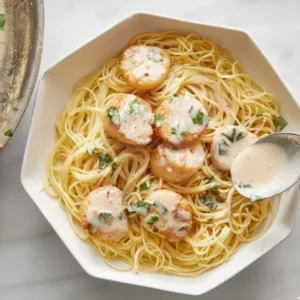
Savory Sea Scallops and Angel Hair Pasta
Ingredients
- 1 package (16 ounce) angel hair pasta
- 0.25 cup butter
- 2 cloves garlic, minced
- 2 pounds sea scallops, rinsed and patted dry
- 3 tbsp chopped fresh basil
- 2 tbsp chopped fresh flat-leaf parsley
- 2 tbsp fresh lemon juice
- salt and freshly ground black pepper to taste
- 0.5 cup heavy cream (Optional)
- 1 tbsp grated Parmesan cheese to taste (Optional)
Instructions
- Bring a large pot of lightly salted water to a boil. Add angel hair pasta and cook, uncovered, for 4 to 5 minutes or until al dente; drain.
- While pasta is cooking, melt butter in a large skillet over medium heat. Stir in garlic and cook just until fragrant and softened, about 1 minute.
- Check scallops for size; slice any scallops over 3/4-inch thick in half horizontally so they will cook evenly.
- Stir scallops, basil, and parsley into the skillet. Cook and gently stir just until scallops feel slightly firm when pressed with a finger, about 2 to 3 minutes.
- Reduce heat to low; stir in lemon juice and season with salt and pepper. If using cream, pour it in now and cook just until the sauce begins to simmer.
- Ladle the scallops and herb sauce over the hot pasta and sprinkle with Parmesan cheese before serving.
Notes
Equipment
- Large stock pot For boiling pasta
- large skillet For sautéing scallops
- colander To drain pasta
- chef’s knife To slice thick scallops