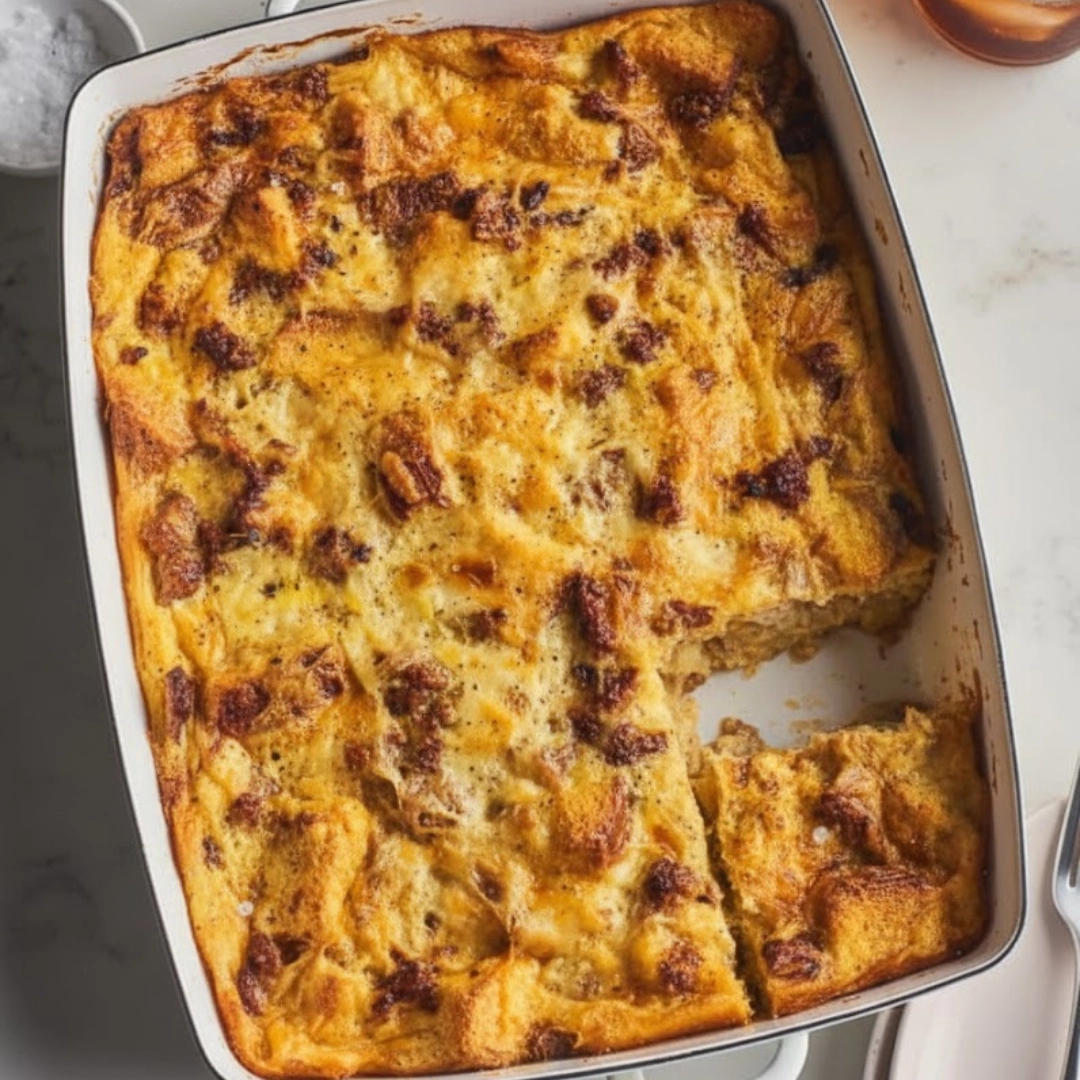
The ideal brunch dish has to tick a few boxes: it must be substantial enough to stave off hunger, simple enough to assemble without stress, and absolutely delicious. This Sausage Breakfast Casserole achieves all three with a satisfying savory base of cubed bread, layers of browned sausage and sharp cheddar, and a creamy, deeply seasoned egg custard that bakes up light and airy. It’s the kind of hearty, make-ahead meal that can anchor a holiday brunch or effortlessly feed overnight guests. A comforting bake is a guaranteed crowd-pleaser, providing warmth and texture that’s perfect for cool mornings, and its beauty lies in how much of the work can be done the night before, leaving only the pleasant aroma of baking on the morning of.
Table of Contents
The Essential Components of the Morning Bake
The structure of this casserole relies on a balance between the dry, chewy bread base, the moisture of the dairy and egg mixture, and the salty, savory additions. Do not overlook the importance of pre-browning the sausage; it introduces an irreplaceable depth of flavor.
The Pantry and Fridge List
For the Meat and Dairy:
- 1 pound bulk breakfast sausage (spicy or sweet)
- 1 tablespoon unsalted butter
- 2 cups whole milk
- 1 cup heavy cream
- 1 1/2 teaspoons Kosher salt
- 1/2 teaspoon black pepper
- 1/4 teaspoon ground nutmeg
- 2 cups grated sharp cheddar cheese (about eight ounces)
For the Bread and Eggs:
- 10 large eggs
- 6 cups day-old bread, cut into 1-inch cubes (brioche, Texas toast, or French bread work well)
- 1/2 cup finely chopped onion
- 1/4 cup finely chopped green bell pepper

Preparing the Casserole: A Measured Approach
This preparation is divided into key stages—browning the meat, creating the custard, and assembling the layers—designed to build flavor and ensure even baking.
The Assembly Process
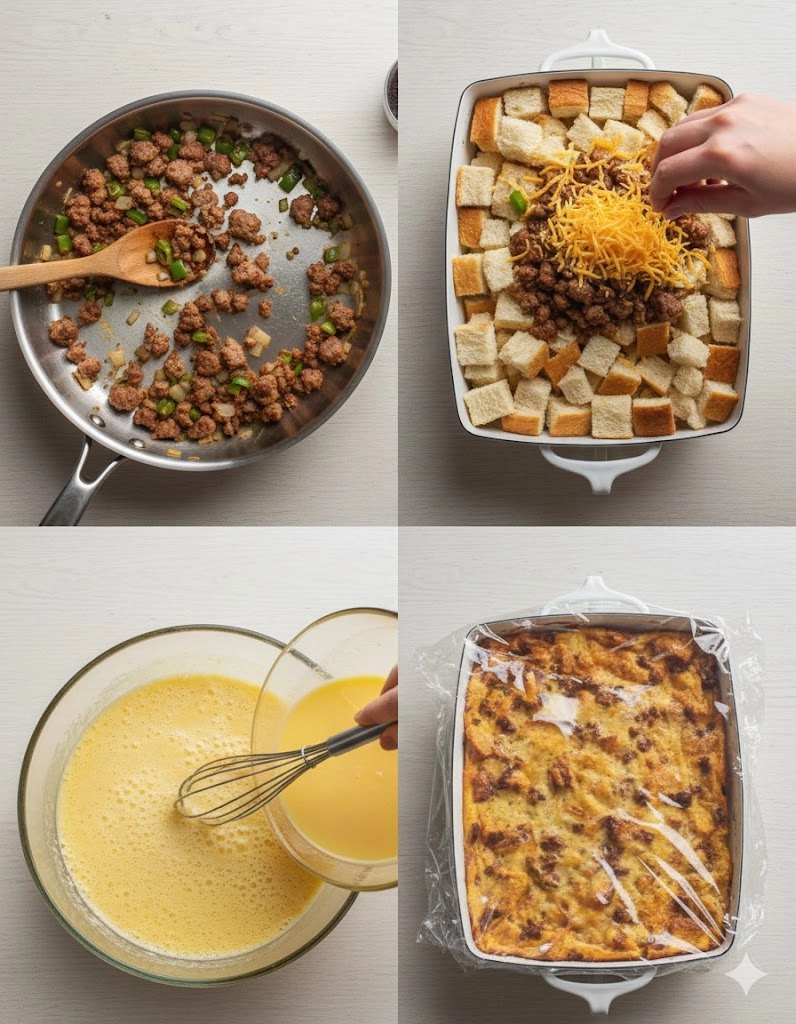
- Brown the Sausage: Cook the sausage and vegetables in a skillet until the meat is fully cooked through and the onion is translucent.
- Prepare the Bread: Spread the cubed bread evenly into a nine by thirteen-inch baking dish greased with butter.
- Layer the Filling: Distribute the browned sausage mixture and grated cheddar cheese over the bread cubes.
- Whisk the Custard: In a large bowl, whisk together the eggs, milk, cream, and seasonings (salt, pepper, nutmeg) until homogeneous.
- Soak the Casserole: Pour the egg and milk mixture evenly over the entire dish, ensuring all bread is saturated.
- Chill (Crucial Step): Cover the dish tightly with plastic wrap and refrigerate for a minimum of four hours, but preferably overnight.
- Preheat and Bake: Remove the casserole from the refrigerator and preheat your oven to three hundred seventy-five Fahrenheit.
- The Final Bake: Bake for forty-five to fifty-five minutes until the top is golden-brown and the center is set.
- Rest and Serve: Let the casserole rest for ten minutes before cutting and serving.
Detailed Technique: Achieving the Perfect Texture
The beauty of a successful baked casserole lies in the balance between a slightly crisp, browned top and a moist, set interior that doesn’t feel watery or overly dense. Pay close attention to these steps for the best results.
Building Depth of Flavor with the Sausage
Start by heating a large skillet over medium-high heat. Add the sausage and break it up with a wooden spoon as it cooks. You are looking not just for cooked meat, but for caramelized meat, where some of the small bits begin to brown intensely. Once the sausage is about halfway cooked, add the chopped onion and green bell pepper. Allow them to cook in the rendered sausage fat. The goal here is to soften the vegetables and allow them to absorb the meat’s savoriness. When the sausage is fully browned and the onions are clear, remove the mixture from the skillet with a slotted spoon to leave behind excess grease—this prevents the final bake from being oily.
The Importance of the Custard Base
The egg and dairy mixture is the matrix that holds the dish together. It must be well-seasoned and fully integrated. When combining the eggs, whole milk, heavy cream, and seasonings, whisk vigorously until the mixture is slightly frothy and no streaks of unmixed cream remain. The key spice here is a whisper of nutmeg; it’s a classic addition to savory egg dishes that elevates the entire profile, lending a warming, earthy note without tasting sweet. Pour the custard slowly and deliberately over the bread and filling layers. Gently press down on any exposed bread chunks to ensure they absorb the liquid completely.
The Essential Chill Time
The four-hour to overnight rest period is non-negotiable for a superior casserole. During this time, the dry bread cubes act like sponges, fully soaking up the seasoned egg custard. This saturation prevents the bottom layer from becoming dry or bready upon baking, instead ensuring that the bread melts into a unified, moist base that binds the filling. If you skip this step, the bread will float and the texture will be uneven. After the required chill time, remove the casserole from the fridge about thirty minutes before baking to allow it to come slightly closer to room temperature, promoting more even cooking.
Checking for Doneness
When baking at three hundred seventy-five Fahrenheit, look for a deep golden-brown color on the top. The casserole will puff slightly as it bakes. To test for doneness, insert a butter knife or a thin skewer into the center, about one inch from the edge of the dish. If it comes out clean, the casserole is set. If the center still appears visibly wobbly or liquid when lightly shaken, return it to the oven for five to ten minutes. Be careful not to overbake, as this can make the edges tough or dry; the internal texture should still be tender and moist. Always let the dish rest out of the oven for ten minutes before slicing, allowing the heat to finish setting the eggs and keeping the slices cohesive.
Insights for the Expert Baker
Even a seemingly straightforward recipe like this benefits from a few seasoned tricks that move it from good to truly excellent.
- Toast Your Bread: For maximum texture, spread your cubed bread on a sheet pan and bake it at three hundred Fahrenheit for ten to fifteen minutes before assembly. This slight drying and toasting prevents the bread from turning mushy once the custard is added, giving the final dish more structure.
- A Cheese Layering Strategy: Instead of mixing all the cheese in with the sausage, hold back about one quarter cup. Sprinkle this reserved cheese over the top of the casserole for the last ten minutes of baking. This ensures a beautiful, browned, and crispy cap of cheese that contrasts nicely with the softer interior.
- The Power of Fresh Herbs: Immediately before baking, sprinkle a small amount of finely chopped fresh parsley or chives over the top. The fresh, grassy notes penetrate the top layer as the casserole bakes, adding a welcome brightness that cuts through the richness of the sausage and cheese.
- Use Full-Fat Dairy: Resist the urge to substitute skim milk or low-fat cream. The fat in the whole milk and heavy cream contributes significantly to the custardy, rich mouthfeel and prevents the eggs from setting up rubbery.
- Go Light on the Mix-Ins: While it’s tempting to add a lot of vegetables or fillings, remember that every extra ingredient displaces the egg custard. Too many dense additions can prevent the casserole from setting properly in the center.
Expanding the Palate: Substitutions and Variations
This foundational recipe is highly adaptable. Use the basic ratio of six cups of bread to three cups of liquid and ten eggs as your starting point, and feel free to pivot the flavor profile.
Flavor Swaps for the Sausage Breakfast Casserole
- Vegetarian Swap: Omit the sausage and instead sauté one pound of sliced mushrooms (cremini and shiitake) with a quarter cup of finely chopped sun-dried tomatoes. Season this mixture with dried thyme and a dash of smoked paprika for depth.
- Spicy Chorizo: Swap the breakfast sausage for one pound of ground Spanish chorizo (removed from the casings). Chorizo will release a significant amount of vibrant red oil; be sure to drain the cooked chorizo very thoroughly before adding it to the bread layer, or the casserole can become greasy.
- The Green Addition: Stir in one cup of lightly sautéed, finely chopped frozen spinach (ensure it is thoroughly squeezed dry to remove all moisture) or a half cup of thinly sliced scallions into the custard mixture before pouring. This adds color and a subtle vegetal note.
- The Sweet and Savory: Incorporate one cup of finely chopped, roasted butternut squash or sweet potato cubes. The sweetness balances the saltiness of the sausage and cheese. Make sure the squash is roasted until tender before adding it to the casserole.
What to Serve Alongside the Bake
A hearty casserole benefits from lighter, fresher elements to round out the meal. Think of texture and temperature contrast.
- A Bright, Acidic Salad: A simple green salad dressed with a sharp lemon vinaigrette is the perfect counterpoint. Use tender spring mix or peppery arugula.
- Fresh Fruit Platter: The sweetness and coolness of sliced melon, berries, or a bowl of grapefruit segments provides a refreshing palate cleanser between bites of the savory, warm casserole.
- Classic Condiments: Serve with small bowls of high-quality hot sauce (like Cholula or Tabasco) for those who want an extra kick, or a dollop of crème fraîche mixed with fresh chives for a cool, tangy finish.

Common Questions About Preparation
Can I use fresh bread instead of day-old bread?
While day-old, slightly dry bread is preferred because it holds its shape better and absorbs the custard without collapsing, you can use fresh bread. If you must use fresh bread, cube it and spread it out on a baking sheet. Leave it on the counter for a few hours, or bake it in the oven at three hundred Fahrenheit for about ten minutes to dry it out slightly. This minor step ensures your casserole doesn’t turn out dense and soggy.
How do I store and reheat leftovers?
Allow any leftover casserole to cool completely to room temperature before covering it tightly with plastic wrap or transferring it to an airtight container. It can be stored in the refrigerator for up to four days. To reheat, slice off the desired portion and place it on a foil-lined baking sheet. Warm it in a three hundred twenty-five Fahrenheit oven for about fifteen to twenty minutes, or until it is heated through. It can also be reheated in a microwave, though the texture will be slightly softer.
Is it possible to freeze the casserole?
Yes, you can freeze this casserole. It is best to bake it fully first, then let it cool completely. Slice it into individual servings, wrap each slice tightly in plastic wrap, and then place them in a large freezer bag. It will keep well for up to three months. To reheat, you can take the frozen slice and warm it directly in a three hundred fifty Fahrenheit oven until heated through, which will take about thirty to forty-five minutes.
Nutritional Breakdown
| Nutrient | Amount per Serving |
| Calories | 450 kcal |
| Protein | 25 g |
| Carbs | 22 g |
| Fat | 30 g |
| Fiber | 1 g |
| Sugar | 4 g |
| Sodium | 550 mg |
Nutrition Information is an estimate and may vary based on preparation and ingredients used.

Effortless Sausage Breakfast Casserole for a Crowd
Ingredients
- 1 lb bulk breakfast sausage
- 1 tbsp unsalted butter
- 2 cups whole milk
- 1 cup heavy cream
- 1 1/2 tsp Kosher salt
- 1/2 tsp black pepper
- 1/4 tsp ground nutmeg
- 2 cups grated sharp cheddar cheese
- 10 large eggs
- 6 cups day-old bread, cut into 1-inch cubes (brioche, Texas toast, or French bread)
- 1/2 cup finely chopped onion
- 1/4 cup finely chopped green bell pepper
Instructions
- Cook sausage, onion, and green bell pepper in a skillet over medium-high heat until the sausage is browned and the vegetables are softened. Drain excess fat.
- Grease a 9×13-inch baking dish with butter. Spread cubed bread evenly in the dish.
- Layer the cooked sausage mixture and grated cheddar cheese over the bread cubes.
- In a large bowl, whisk together the eggs, milk, cream, salt, pepper, and nutmeg until fully combined.
- Pour the custard evenly over the bread and sausage in the baking dish. Gently press down on bread to ensure it absorbs the liquid.
- Cover the dish with plastic wrap and refrigerate for at least 4 hours, preferably overnight.
- Preheat oven to 375°F. Remove casserole from fridge and let sit at room temperature for 30 minutes before baking.
- Bake for 45–55 minutes, or until golden brown and the center is set. A knife inserted near the center should come out clean.
- Let casserole rest for 10 minutes before slicing and serving.
Notes
Equipment
- large skillet
- mixing bowl
- whisk
- 9×13-inch baking dish
- plastic wrap
- oven
- spatula or serving spoon