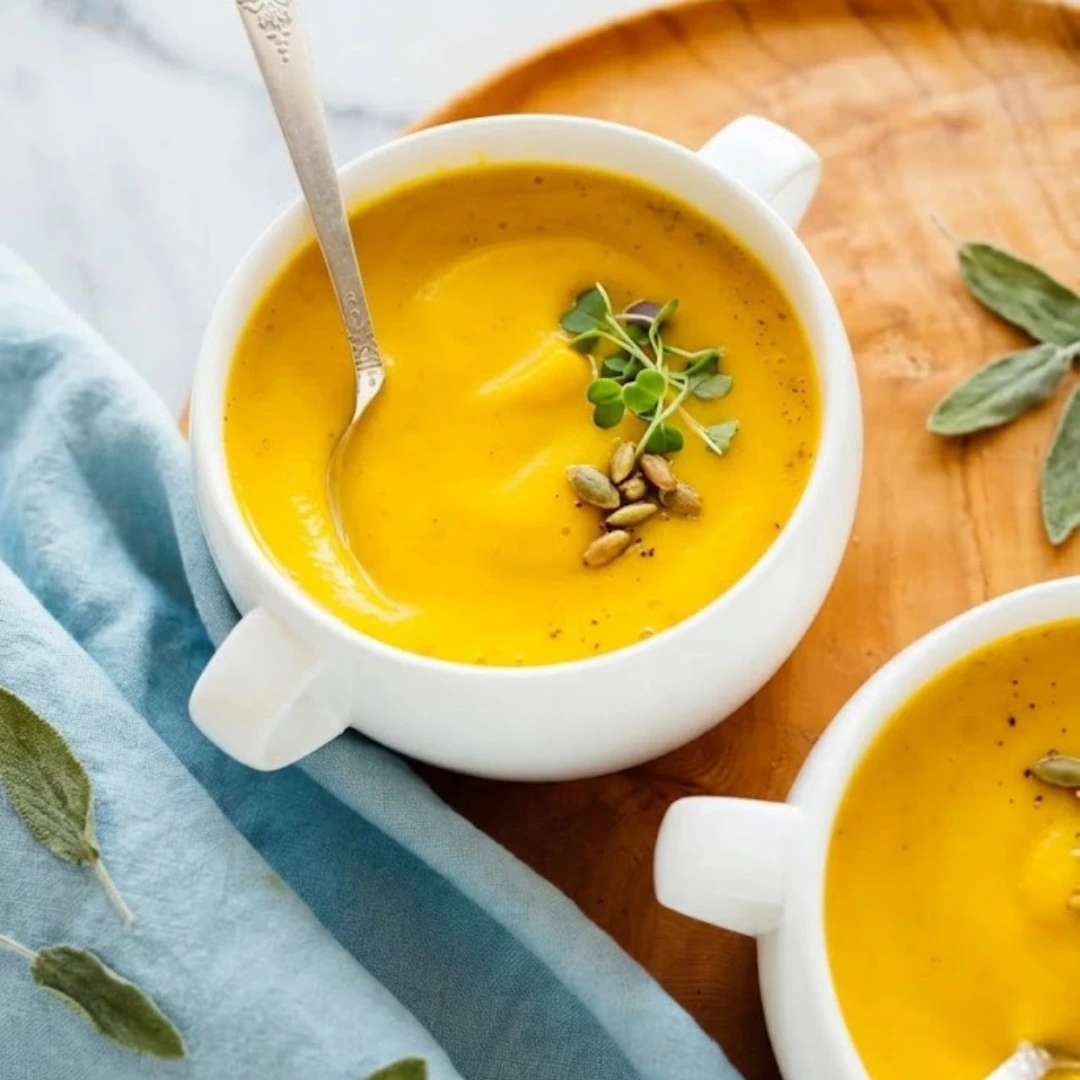
There is something inherently soul-soothing about a bowl of golden, simmering soup as the windows begin to frost and the evening air turns crisp. This roasted butternut squash soup is more than just a seasonal staple; it is a masterclass in how simple, whole-food ingredients can transform into a luxury dining experience with the right technique. By roasting the squash to a deep, caramelized finish and blending it into a silk-like consistency, we achieve a level of richness that usually requires heavy cream, yet this recipe remains light and vibrant. Whether you are prepping for a quiet weeknight dinner or looking for the centerpiece of your holiday spread, this soup delivers a complex, nutty sweetness that has earned it a permanent spot in the pantheon of comfort foods.
Table of Contents
Ingredients
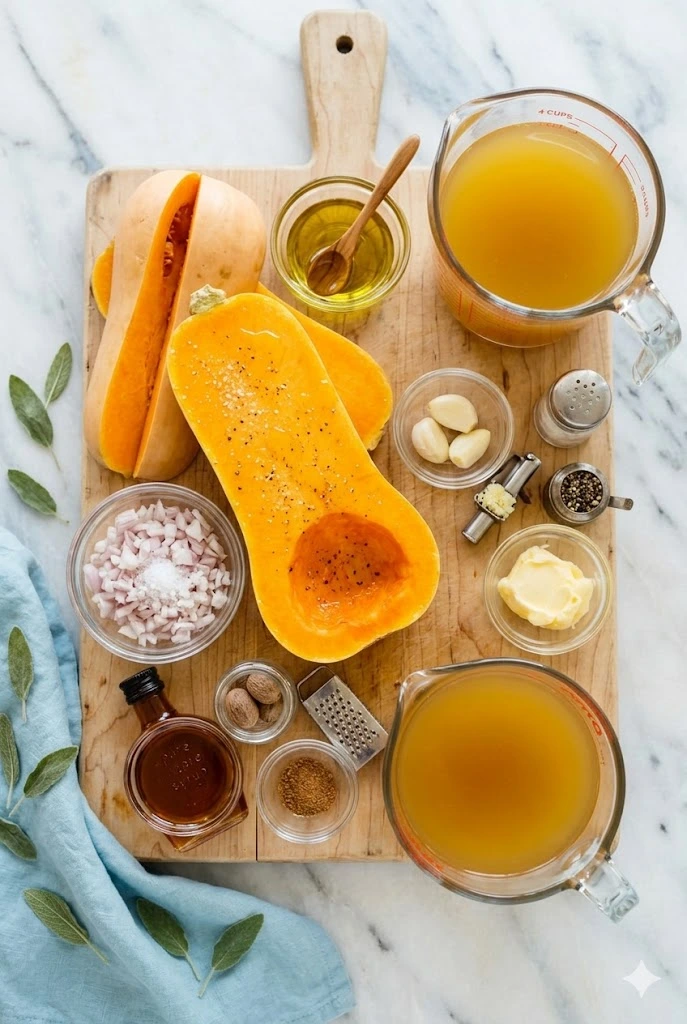
To create this luscious masterpiece, you will need a handful of high-quality pantry staples and fresh produce. The magic lies in the quality of the squash and the aromatic base.
- 1 large butternut squash (approximately 3 pounds), halved vertically and seeds removed
- 1 tablespoon olive oil, plus extra for drizzling over the squash
- 1/2 cup chopped shallot (this usually equates to 1 large shallot bulb)
- 1 teaspoon salt
- 4 garlic cloves, pressed or minced
- 1 teaspoon maple syrup
- 1/8 teaspoon ground nutmeg
- Freshly ground black pepper, to taste
- 3 to 4 cups (24 to 32 ounces) vegetable broth, as needed for consistency
- 1 to 2 tablespoons butter, to taste
Instructions
- Begin by preheating your oven to 425 degrees Fahrenheit. Line a rimmed baking sheet with parchment paper to prevent sticking and ensure easy cleanup. Place the halved butternut squash on the pan and drizzle each half with about 1/2 teaspoon of olive oil. Rub the oil across the flesh and season with a pinch of salt and pepper.
- Turn the squash halves face down on the parchment paper. Roast in the oven until the flesh is tender and completely cooked through, which typically takes 40 to 50 minutes. Do not be alarmed if the skin or the edges of the flesh turn dark brown; this caramelization is essential for a deep, smoky flavor. Once done, remove from the oven and let it sit for about 10 minutes until cool enough to handle.
- While the squash cools, prepare the aromatic base. In a large soup pot (or a medium skillet if using a high-powered blender), warm 1 tablespoon of olive oil over medium heat. Once the oil is shimmering, add the chopped shallots and 1 teaspoon of salt. Sauté, stirring frequently, for 3 to 4 minutes until the shallots soften and turn golden. Add the minced garlic and cook for 1 additional minute until fragrant.
- Transfer the sautéed shallot and garlic mixture into a stand blender. Using a large spoon, scoop the softened butternut squash flesh out of its skin and directly into the blender container. You can discard the tough outer skins.
- Add the maple syrup, ground nutmeg, and several twists of freshly ground black pepper to the blender. Pour in 3 cups of vegetable broth. Be careful to respect the maximum fill line on your blender; if necessary, work in two separate batches.
- Secure the lid tightly. Blend on high speed (or use the soup preset) until the mixture is perfectly smooth and ultra-creamy. If you prefer a thinner consistency, add the remaining cup of vegetable broth and blend again.
- Add 1 to 2 tablespoons of butter (or olive oil for a vegan version) and give it one final blend to emulsify the fats into the soup. Taste the mixture and adjust the salt and pepper if needed.
- If your blender heated the soup sufficiently, you can serve it immediately. Otherwise, pour the contents back into your soup pot and warm over medium heat until steamy. Serve in warm bowls with a final crack of black pepper on top.

Massive Step-By-Step Expansion and Process Details
The journey to the perfect soup begins long before the blender is turned on. Selecting the right squash is the first step in the culinary process. Look for a butternut squash that feels heavy for its size with a matte, unblemished tan skin. A heavy squash indicates high moisture content and dense sugars, which will yield a more flavorful puree.
The Art of the Roast
Roasting is the transformative phase of this recipe. When we place the squash face down at 425 degrees Fahrenheit, we are initiating the Maillard reaction. This chemical reaction between amino acids and reducing sugars gives browned food its distinctive flavor. By roasting the squash in its “jacket,” we steam the interior while caramelizing the edges that touch the pan. This results in a concentrated squash flavor that boiling or steaming simply cannot replicate. If you see dark, almost blackened spots on the edges of your squash, leave them! Those bits provide a toasted, nutty depth that balances the natural sweetness of the maple syrup.
Managing the Aromatics
Shallots and garlic are the unsung heroes of this dish. Unlike yellow onions, which can be assertive, shallots offer a delicate, garlicky sweetness that complements the squash without overpowering it. Sautéing them until they are just golden ensures that their sugars are released but not burnt. When adding the garlic, timing is everything. Garlic contains high amounts of natural sugars and can turn bitter if scorched, which is why we only introduce it for the final 60 seconds of the sauté process—just long enough for the heat to bloom its essential oils.
The Science of the Blend
The choice of blender impacts the final mouthfeel significantly. A high-speed stand blender acts as a centrifugal force, breaking down the fibrous strands of the squash into microscopic particles. This is why the soup feels “creamy” despite containing no dairy cream. The air incorporated during high-speed blending also gives the soup a light, aerated texture. If you are using a standard blender, the 10-minute cooling period for the squash is vital to prevent a “steam explosion” where the pressure builds up and blows the lid off. Always start the blender on the lowest setting and gradually increase to high.
Unique Culinary Insights
To elevate this soup from a simple meal to a gourmet experience, consider the balance of flavors. The addition of nutmeg is a classic French technique; the spice provides a “warmth” that bridges the gap between the savory garlic and the sweet squash.
One professional secret is the “acid adjustment.” While not explicitly in the ingredient list, if you find your soup tastes “flat” after blending, a tiny squeeze of fresh lemon juice or a teaspoon of apple cider vinegar can brighten the entire profile. The acid cuts through the density of the starch, making the flavors pop.
Furthermore, let’s talk about the butter. Incorporating the butter at the very end—a technique known as monter au beurre—adds a glossy sheen and a velvety fat content that coats the palate. This fat acts as a carrier for the volatile aromas of the nutmeg and pepper, allowing the flavors to linger longer.
Deep-Dive FAQ
Can I use a different type of squash if I cannot find butternut?
While butternut squash is prized for its smooth texture and sweet, nutty flavor, you can certainly substitute it. Honeynut squash is a fantastic alternative; it is essentially a miniature, more concentrated version of butternut. You could also use Kabocha squash, though it is starchier and may require an extra cup of broth to reach the desired consistency. Avoid spaghetti squash, as its stringy texture will not puree into a smooth liquid.
Why is my soup sometimes gritty even after blending?
Grittiness usually occurs for two reasons: under-roasting or the type of blender used. If the squash isn’t completely tender when it leaves the oven, the fibers won’t break down entirely. Additionally, an immersion (stick) blender, while convenient, often lacks the sheer power of a stand blender to pulverize every fiber. To fix this, you can pass your finished soup through a fine-mesh sieve (a chinois) for a restaurant-quality, glass-smooth finish.
Is it possible to make this soup ahead of time for a party?
Absolutely. In fact, many people argue that this soup is better the next day. As it sits in the refrigerator, the shallots, garlic, and nutmeg have more time to infuse into the squash puree, creating a more cohesive flavor profile. Simply store it in an airtight container for up to four days. When reheating, you may need to add a splash of water or broth, as the natural starches in the squash will cause the soup to thicken significantly while chilled.
Modifications and Substitutions
This recipe is incredibly versatile and can be adapted for various dietary needs without sacrificing flavor.
- Vegan and Dairy-Free: Simply swap the butter for a high-quality extra virgin olive oil. For an even creamier vegan option, you can stir in 1/2 cup of full-fat canned coconut milk or cashew cream.
- Spice Variations: If you prefer a bit of heat, add a pinch of cayenne pepper or a teaspoon of red curry paste during the shallot sauté phase. For an earthy note, fresh sage or thyme roasted alongside the squash works beautifully.
- Sweetness Levels: If you are watching your sugar intake, the maple syrup can be omitted. The roasted squash has a high natural sugar content that often carries the dish on its own. Conversely, for a dessert-leaning savory soup, an extra teaspoon of maple syrup and a dash of cinnamon can be lovely.
- Broth Options: While vegetable broth keeps this vegetarian, chicken bone broth can be used for added protein and a richer, more savory backbone.
Accompaniments and Serving
Presentation is the final step in creating a memorable meal. Because the soup is monochromatic, vibrant garnishes make a huge impact.
- Textural Contrast: Toasted pepitas (pumpkin seeds) provide a necessary crunch. Alternatively, homemade sourdough croutons fried in olive oil and sea salt are a classic pairing.
- Creamy Swirls: A drizzle of heavy cream, a dollop of crème fraîche, or even a swirl of plain Greek yogurt adds a beautiful visual element and a tangy contrast.
- The Perfect Side: A grilled cheese sandwich made with sharp white cheddar and a thin layer of apple butter is the ultimate companion to this soup. For a lighter option, a crisp arugula salad with a lemon vinaigrette helps cut through the richness of the roasted squash.
Nutrient Profile and Health Benefits
Butternut squash is a nutritional powerhouse, packed with beta-carotene, which the body converts into Vitamin A. This is essential for immune function and eye health. It is also a great source of fiber, which aids in digestion and keeps you feeling full.
| Nutrient | Amount Per Serving |
| Calories | 185 |
| Total Fat | 9 grams |
| Saturated Fat | 4 grams |
| Sodium | 680 milligrams |
| Total Carbohydrates | 28 grams |
| Dietary Fiber | 5 grams |
| Sugars | 9 grams |
| Protein | 3 grams |
| Vitamin A | 290 percent |
| Vitamin C | 55 percent |
Nutritional Disclaimer
The nutritional information provided is an estimate based on the ingredients and cooking methods described. Actual nutritional values may vary depending on the specific brands of products used and any substitutions made. For those with specific dietary restrictions or medical conditions, please consult with a healthcare professional or registered dietitian.
A Warm Farewell to Your New Favorite First Course
Preparing this roasted butternut squash soup is a rhythmic, sensory experience—from the scent of caramelizing squash filling your kitchen to the vibrant orange hue brightening your table. It represents the very best of home cooking: taking humble, inexpensive ingredients and treating them with the respect they deserve to create something extraordinary. As you take your first sip of this velvety, nutmeg-scented creation, I hope it brings a sense of warmth and comfort to your home. This is a recipe meant for sharing, so pour a second bowl, pass the crusty bread, and enjoy the simple luxury of a perfect autumn meal.
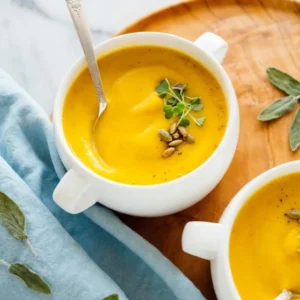
Roasted Butternut Squash Soup
Ingredients
- 1 large butternut squash (about 3 pounds), halved vertically and seeds removed
- 1 tbsp olive oil, plus more for drizzling
- 0.5 cup chopped shallot (about 1 large shallot bulb)
- 1 tsp salt
- 4 cloves garlic, pressed or minced
- 1 tsp maple syrup
- 0.125 tsp ground nutmeg
- Freshly ground black pepper, to taste
- 3 to 4 cups vegetable broth, as needed
- 1 to 2 tbsp butter, to taste
Instructions
- Preheat oven to 425 degrees Fahrenheit. Line a rimmed baking sheet with parchment paper. Drizzle squash with olive oil, rub to coat, and sprinkle with salt and pepper.
- Turn squash face down and roast for 40 to 50 minutes until tender. Let cool for 10 minutes.
- In a pot, sauté shallot and salt in olive oil over medium heat for 3-4 minutes. Add garlic and cook 1 minute until fragrant.
- Scoop squash flesh into a blender (discard skin). Add the sautéed aromatics, maple syrup, nutmeg, pepper, and 3 cups of broth.
- Blend on high until ultra creamy. Add remaining broth to thin if desired.
- Add butter or olive oil and blend again. Taste and adjust salt and pepper as needed.
- Warm the soup in a pot over medium heat until steamy, then serve with extra black pepper.
Notes
Equipment
- Rimmed baking sheet
- parchment paper
- Large soup pot or skillet
- High-speed stand blender
- chef’s knife