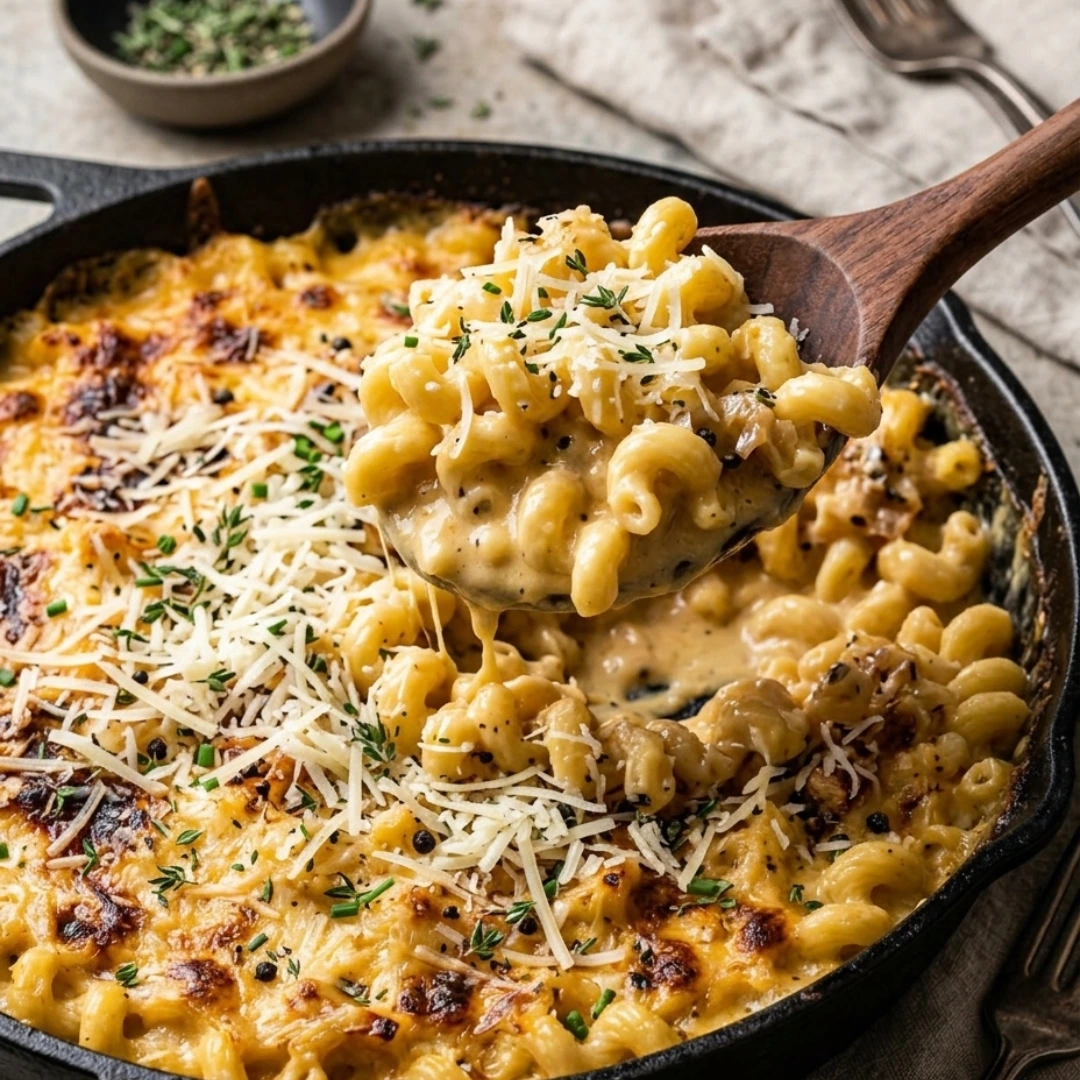
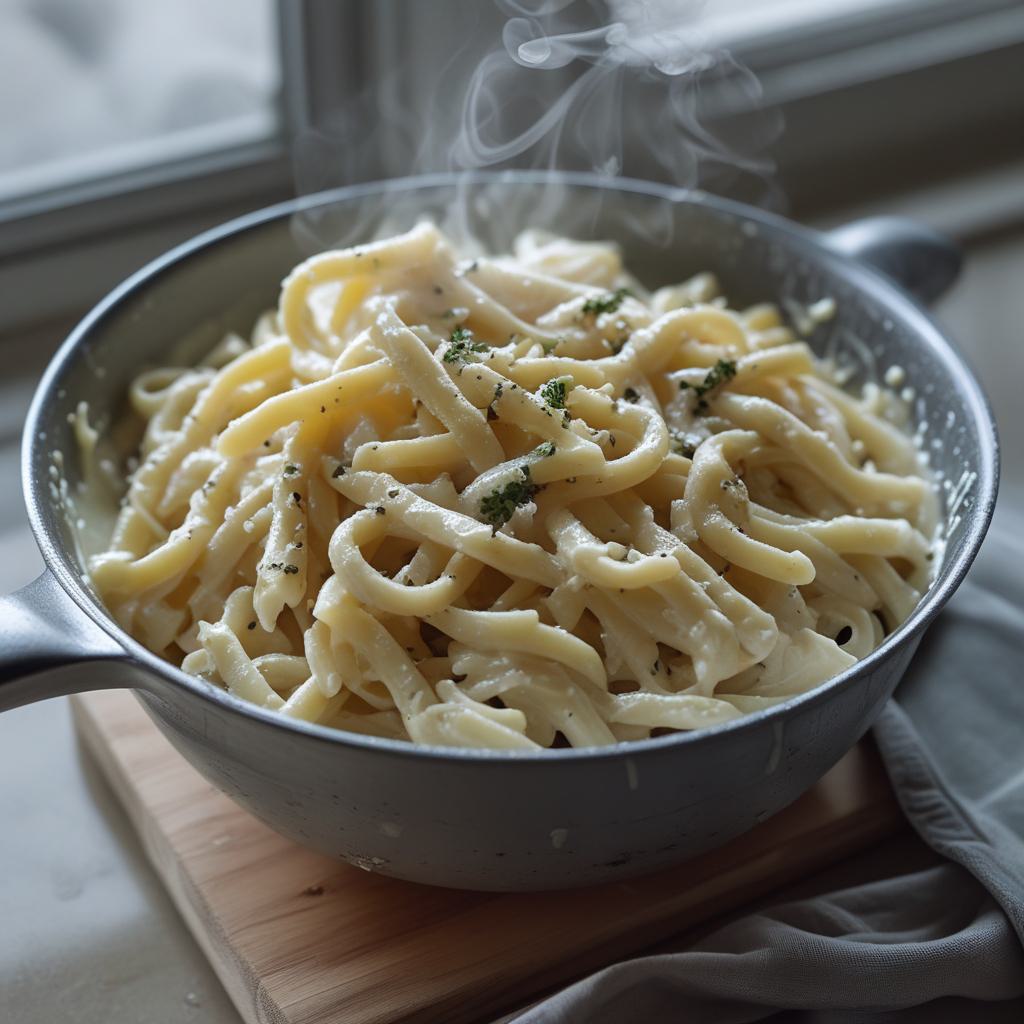
The moment garlic meets warm olive oil, it releases a perfume more seductive than any candle. This primal alchemy – golden cloves trembling in heat, turning translucent then blushing amber – forms the soul of our One Pot Creamy Garlic Pasta. You need no French technique nor artisanal cheese for this dish (though they’re welcome), only the wisdom to let ingredients speak. Imagine linguine draped in silk, not cream; a sauce born from starch and emulsion rather than dairy-heavy shortcuts. It’s culinary sorcery achieved in one vessel, where pasta water transforms into velvety opulence. As steam rises carrying notes of toasted allium and cracked black pepper, you’ll understand why Roman cooks worshipped four ingredients. This recipe elevates simplicity: garlic’s pungency tempered by slow cooking, olive oil’s grassy fruitiness, Parmesan’s umami depth, and pasta’s humble starch. The result? A dish as sophisticated as any truffle-laced creation yet achievable on a Tuesday night. You’ll taste sunshine in the oil, earth in the garlic, the sea in the salt – proof that luxury isn’t complexity, but intention.
Table of Contents
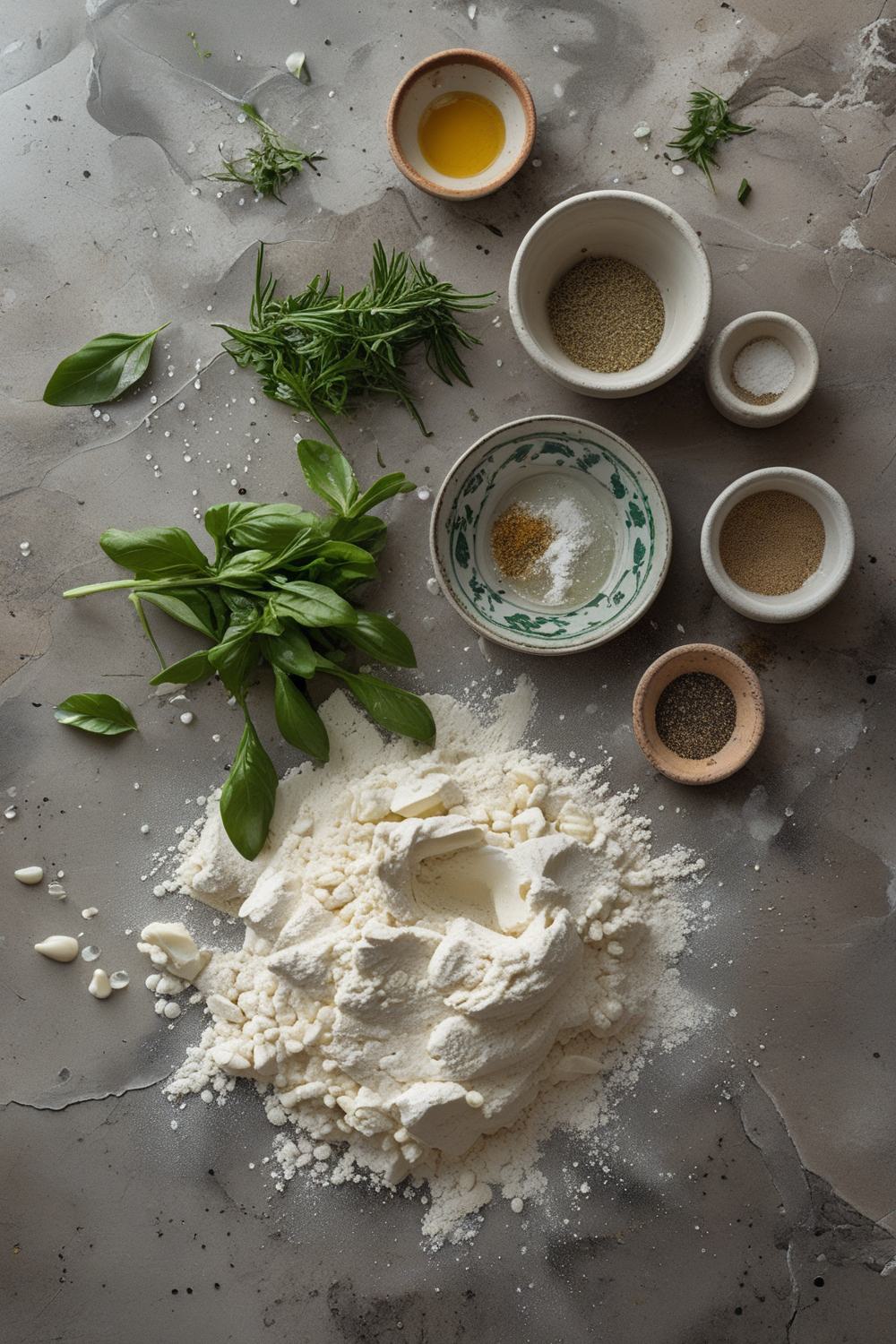
Ingredient Deep Dive
| Ingredient | Quantity | Purpose |
|---|---|---|
| Linguine | 400g | High starch content creates creamy emulsion |
| Garlic cloves | 12 | Provides aromatic base layer when slowly cooked |
| Extra virgin olive oil | 1/2 cup | Carries flavors, forms emulsion with pasta water |
| Vegetable broth | 4 cups | Amplifies umami without overpowering garlic |
| Parmigiano-Reggiano | 1 cup grated | Adds savory depth and emulsifying power |
| Red pepper flakes | 1/2 tsp | Balances richness with subtle heat |
| Lemon zest | 1 tbsp | Cuts through fat, brightens flavor profile |
Starchy pasta acts as this dish’s engineering feat. When simmered directly in broth rather than boiled separately, linguine releases amylose molecules that thicken the cooking liquid into a glossy sauce. Choosing high-quality extra virgin olive oil is non-negotiable – its polyphenols form stable bonds with water molecules upon agitation (that vigorous tossing in step 6), creating the illusion of cream without dairy. Aged Parmigiano-Reggiano contributes casein proteins that act as natural emulsifiers, while its glutamate content enhances overall savoriness through umami synergy.
Garlic undergoes three transformations here: sautéing mellows harsh allicin compounds, slight caramelization adds sweetness, and prolonged simmering infuses the oil with fat-soluble flavor compounds. The broth’s sodium content is precisely calculated to season both pasta and sauce simultaneously during absorption. Lemon zest provides volatile aromatics that balance the dish’s richness while stimulating saliva production – nature’s own sauce primer.
Substitutions & Swaps
For vegan preparation: Substitute Parmesan with 3 tbsp nutritional yeast plus 1 tbsp white miso paste dissolved in broth. This replicates umami depth and emulsification properties. Coconut milk (full-fat) can mimic creaminess – add 1/2 cup after pasta finishes cooking. Gluten-free pasta works beautifully when using corn or rice-based varieties; increase broth by 1/2 cup as GF pasta absorbs more liquid. Pantry emergencies? Shallots can replace half the garlic. White wine (1/2 cup) boosts flavor if broth seems flat.
While fresh linguine is ideal, dried spaghetti achieves respectable results. For nuttier profiles, try substituting half the olive oil with walnut oil added after cooking. Those avoiding nightshades can omit red pepper flakes and use 1/4 tsp white pepper plus 1 tsp smoked paprika for complexity. Always maintain the 1:4 oil-to-broth ratio for proper emulsion – this is the dish’s structural foundation.
Equipment Guide
Your cooking vessel dramatically affects outcomes. A heavy-bottomed stainless steel sauté pan (12″) provides even heat distribution critical for garlic’s slow transformation, while its wide surface facilitates quick evaporation needed to concentrate flavors. Never use non-stick – proper fond development requires steel’s reactivity. Wooden spoons are essential for gently folding pasta without breaking strands, while a microplane zester ensures lemon zest doesn’t become bitter pith.
Digital thermometers prevent garlic from burning (target 275°F/135°C during sauté) but a practiced ear recognizing the sizzle-to-silence moment works too. Pasta tongs with silicone tips allow graceful tossing. Most crucial? A Dutch oven or braiser with at least 3″ side walls to accommodate broth expansion during boiling. Material matters: enameled cast iron retains heat better than stainless for consistent simmering. Avoid aluminum – it reacts with lemon acid.
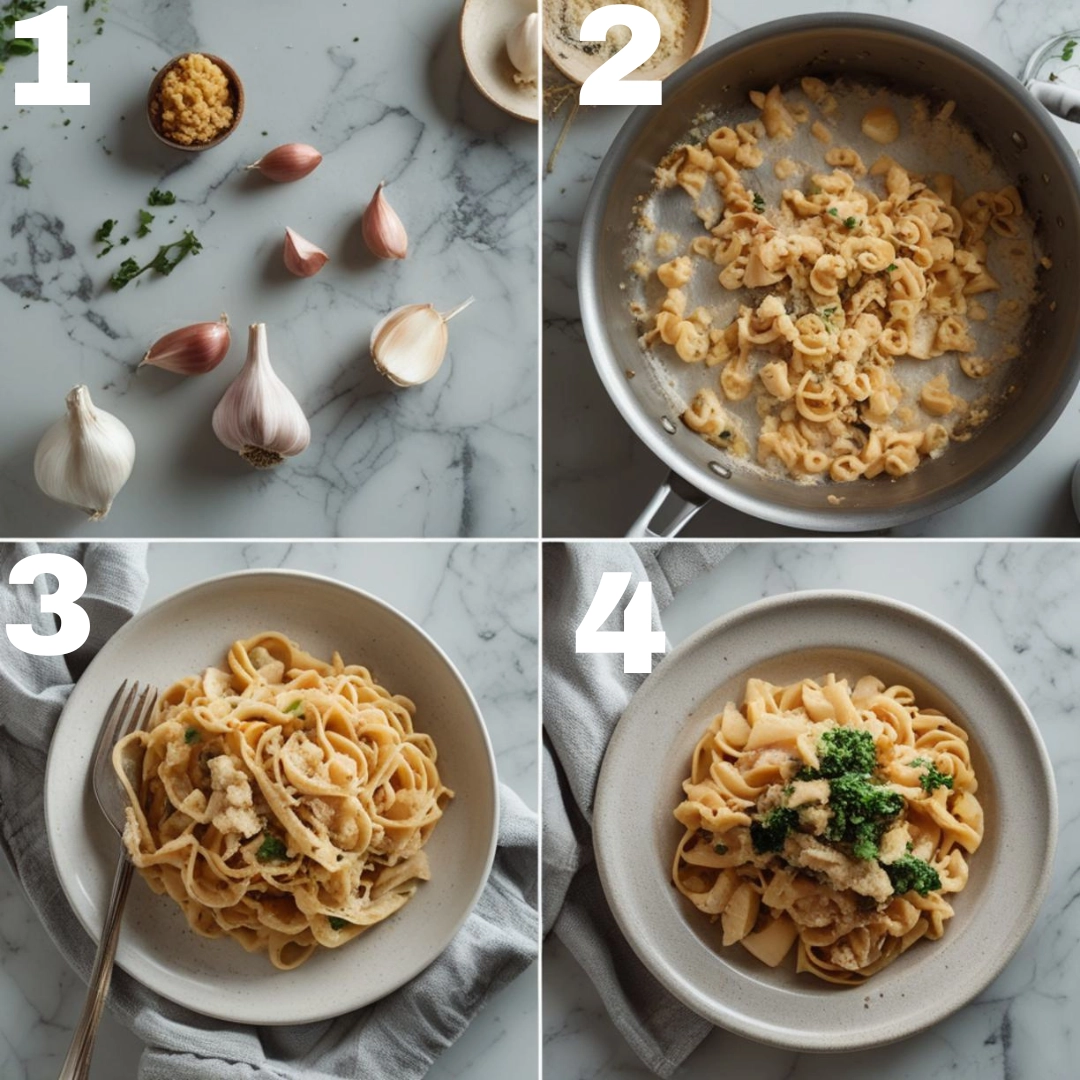
Step-by-Step Walkthrough
- Smash garlic cloves with knife side, keeping skins intact
- Heat olive oil over medium-low until shimmering (300°F)
- Add garlic and cook 8 minutes, turning occasionally until golden
- Remove garlic skins with tongs – reserve cloves
- Increase heat to medium-high, add red pepper flakes for 30 seconds
- Pour broth, scraping fond with wooden spoon to deglaze
- Snap linguine in half, submerge completely in broth
- Simmer uncovered 9 minutes, stirring every 2 minutes
- Mash reserved garlic into paste, incorporate into simmering pasta
- Remove from heat; add Parmesan gradually while swirling pan
- Fold in lemon zest; rest covered 3 minutes pre-serving
The garlic color change from white to pale gold is your first checkpoint – oil temperature should never crackle violently. When adding broth, listen for the dramatic sizzle: this immediate vaporization creates microscopic oil droplets that will later form the sauce’s emulsion matrix. Breaking linguine allows strategic starch release; those cut ends exude amylose into the broth, thickness building exponentially in the final minutes.
Resist stirring during the first 4 minutes of simmering. This allows a controlled starch layer to form at the pan’s bottom, creating a natural thickening agent. The swirling technique in step 10 – performed off-heat – is where science meets art: vigorous movement marries fat and liquid via mechanical shear. If sauce breaks, add 1 tbsp cold butter and swirl again; its lecithin will re-emulsify.
Expert Tips & Troubleshooting
The silent killer: pasta crowding. Use a wide pan where linguine lays flat, not stacked. If using smaller cookware, reduce to 300g pasta with 3.5 cups broth. Seeing oil pool on surface? Your emulsion broke. Fix by dissolving 1 tsp cornstarch in 2 tbsp cold water, heating while whisking aggressively. Sauce too thick? Stir in hot broth 1 tbsp at a time – never water, which dilutes flavor.
Professional tastemaking: after plating, finish with garlic chive blossoms for floral notes or fried capers for briny contrast. If garlic tastes bitter, you scorched the allicin compounds – next time blanch cloves for 1 minute before sautéing. For silkier texture, employ the Monica Galetti trick: pass cooked pasta through a spider skimmer directly into pan, retaining more starchy water. Red flags: Rapid boiling (creates mushy pasta) and impatience with emulsification (sauce must come together off heat to prevent cheese clumping).
Flavor Variations
Envision this dish as a canvas. For Amatriciana verve: stir in 1/4 cup Guanciale crisps and omit lemon. Coastal editions could fold in 1/2 lb clams during the last 3 minutes of simmering – their briny liquor enhances broth. My kid-approved version swaps in buttery cashew cream for Parmesan, adding sweetness via 2 tbsp roasted red pepper puree. South Asian spins use ghee instead of olive oil, finishing with garam masala and cilantro garnish.
Transform it into comfort casserole: Transfer pasta to oven-safe dish, top with Gruyère and panko, broil 3 minutes. Swap 1/4 cup broth for truffle honey for autumnal notes. For keto companions: substitute zucchini noodles; pre-salt them, then add when 2 minutes remain in cooking time. Always remember acid balance – each variation must retain brightness via citrus or vinegar.
Storage & Reheating
This pasta’s emulsion inherently resists refrigeration better than cream-based sauces. Store in airtight container with parchment paper pressed onto surface to prevent oxygen contact. Reheat gently: microwave in 30-second bursts with 1 tsp water per cup, stirring between intervals. Stovetop method: Use non-stick pan with 2 tbsp broth per serving, warming over low heat with constant motion. Freezing not recommended – starch molecules retrograde, creating gritty texture upon thawing.
FAQ Section
Can I use pre-minced garlic?
Avoid it. Jarred garlic contains citric acid that alters flavor chemistry. The dish relies on fresh garlic’s natural sugars balancing during slow cooking.
Why isn’t my sauce thickening?
Insufficient starch release. Next time, don’t stir first 4 minutes or increase heat by 10% to accelerate water evaporation.
Is the garlic overwhelming?
Slow cooking converts sharp allicin to sweet alliin. If still potent, roast cloves in foil beforehand.
Can I double the recipe?
Halve the pasta – do 600g with 6 cups broth maximum. Crowding breaks emulsion and creates uneven cooking.
The Recipe Card
One Pot Creamy Garlic Pasta: Al dente linguine cloaked in garlic-infused emulsion. Fragrant olive oil marries starch-thickened broth and aged Parmigiano into velvet texture. Finished with lemon zest brightness. Prep: 5 min – Cook: 20 min – Serves 4
Nutrition Information
| Nutrient | Per Serving |
|---|---|
| Calories | 620 |
| Carbohydrates | 82g |
| Protein | 22g |
| Fat | 25g |
| Sodium | 890mg |
Disclaimer: Nutritional data estimates provided. Actual values may vary based on specific ingredient brands and preparation methods. Consult a nutritionist for dietary concerns.