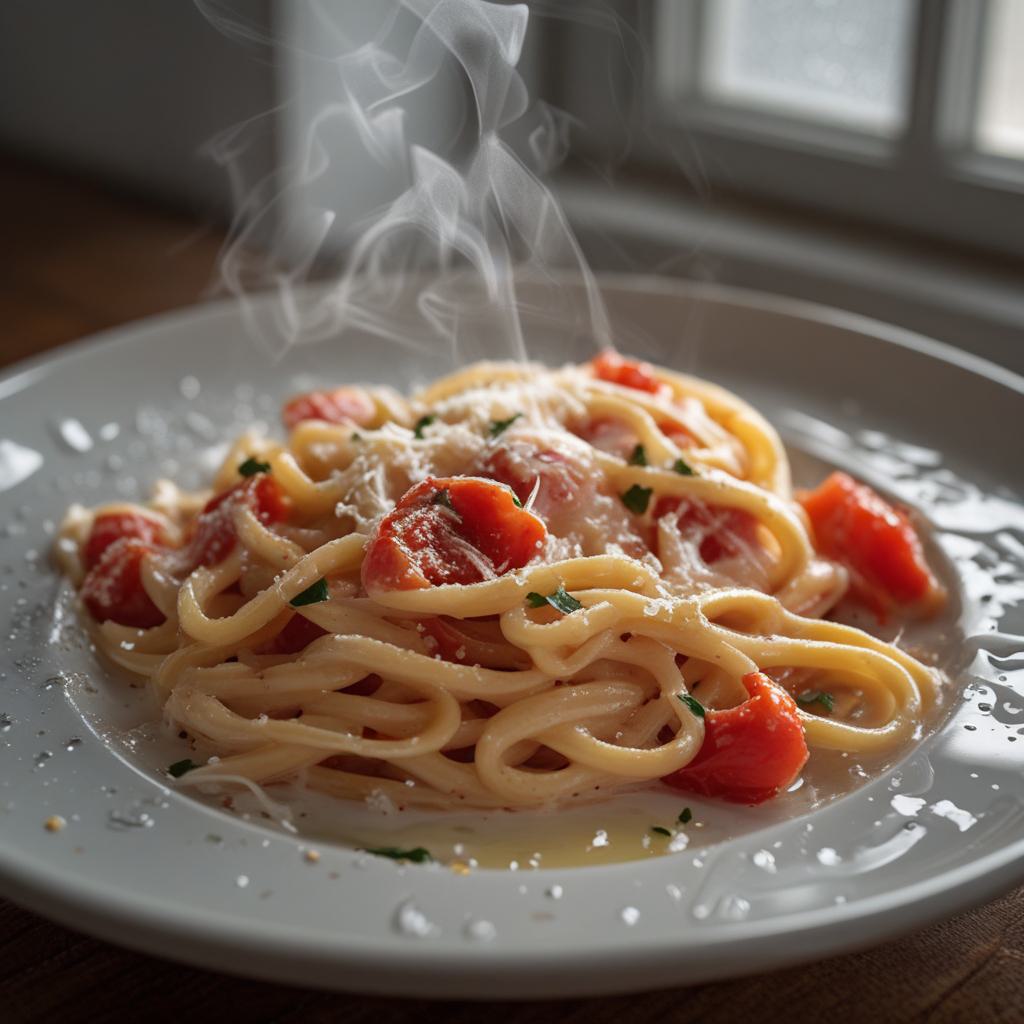
Imagine steam curling from a bowl like edible incense, carrying the bright acidity of San Marzano tomatoes tempered by silkened cream. This isn’t merely sustenance—it’s edible alchemy where humble ingredients transform into velvet-coated nostalgia. The first waft hits with a citrusy punch of fresh basil, followed by the earthy warmth of simmered garlic. Then comes the paradoxical embrace: tangy tomatoes softened by dairy’s unctuousness, clinging to pasta with the devotion of starchy tendrils. There’s a reason this dish transcends borders—it balances primal umami (from fermented Parmesan) with garden-fresh vibrancy, achieving a complexity chefs spend careers chasing. Unlike marinara’s one-note brightness, the cream here acts as a flavor conductor, amplifying the tomatoes’ natural sweetness while mellowing their bite into a rounded, symphonic richness. When tossed with al dente pasta, each tube becomes a flavor reservoir—capturing sauce in its hollows, delivering bursts of herb-flecked luxury with every bite. This is winter comfort meets summer harvest, proving elegance lives in simplicity.
Table of Contents
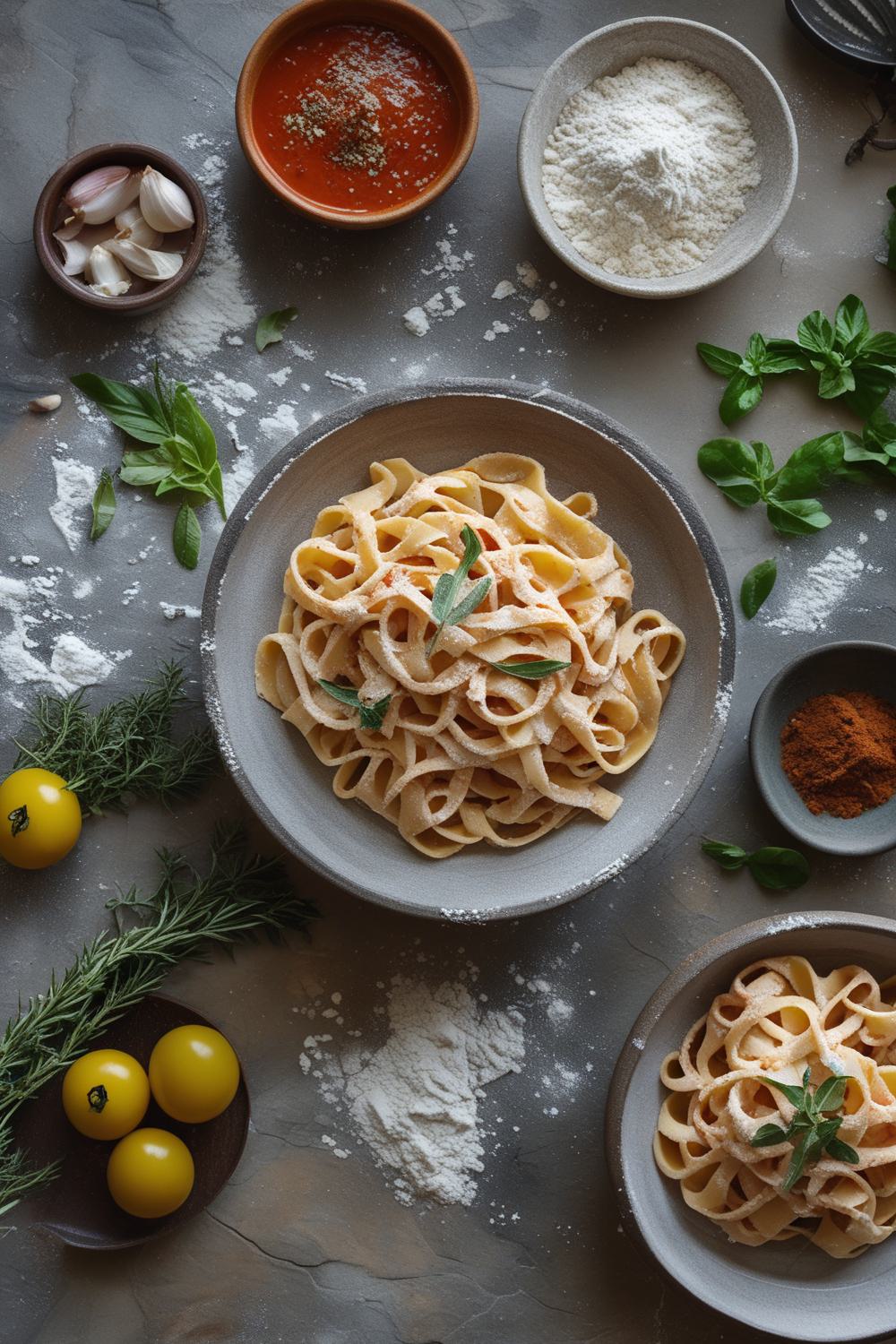
Ingredient Deep Dive
| Ingredient | Quantity | Purpose |
|---|---|---|
| San Marzano tomatoes | 1 (28 oz) can | Low acidity, intense sweetness, balanced pulp-to-liquid ratio |
| Heavy cream (36% fat) | 1 ¼ cups | Emulsifies tomato oils, creates stable suspension without splitting |
| Parmigiano-Reggiano | ¾ cup grated | Glutamates boost savoriness; dissolves into sauce without clumping |
| Garlic cloves, smashed | 3 | Slow-cooked for mellow sweetness, not raw heat |
| Yellow onion | ½ diced | Caramelizes into umami base layer (fond) |
| Fresh basil leaves | ⅓ cup | Adds floral-peppery notes; added late to preserve volatile oils |
| Tubular pasta (rigatoni) | 12 oz | Thick walls hold heat; ridges trap sauce |
| Unsalted butter | 2 tbsp | Lecithin binds water/fat molecules; enriches mouthfeel |
| Red pepper flakes | ¾ tsp | Controlled heat lifts flavors without dominating |
| Pasta water (reserved) | 1 cup | Starch stabilizes emulsion; seasons sauce naturally |
The Science of Fat & Acid: Heavy cream’s saturation point (178°F) allows gentle simmering without curdling—unlike milk, which breaks at 160°F. Combined with tomatoes’ natural pectin, it creates viscosity without flour. Parmigiano’s casein proteins act as natural emulsifiers, binding water-based tomato juices to cream’s butterfat.
Why Tubular? Rigatoni’s geometry matters. Their ¾-inch diameter creates ideal sauce-to-pasta ratio, while the hollow core acts as a flavor reservoir. Surface gelatinization—the starch released during boiling—helps sauce cling tenaciously. Al dente texture (firm to bite) ensures structural integrity against the thick sauce.
Substitutions & Swaps
Vegan: Swap heavy cream for cashew cream (soaked cashews + water blended until smooth). Use miso paste instead of Parmesan for glutamate depth. Avoid coconut cream—its sweetness clashes with tomatoes. Gluten-Free: Select corn-based rigatoni (e.g., Jovial brand); their porous texture mimics wheat pasta’s sauce adherence. Pantry Hacks: No fresh basil? Use 1 tsp dried basil added early during simmering. Substitute red wine (2 tbsp) for brightness if tomatoes taste flat. Out of heavy cream? Combine ¾ cup whole milk with ¼ cup melted butter—though sauce will be thinner.
Equipment Guide
Essential: A 12-inch stainless steel skillet (minimum 3″ depth). Unlike non-stick, stainless allows fond development (caramelized bits = flavor). Use a perforated pasta spoon—lets pasta drain while capturing starch water. Pro Tools: Microplane for finely grated cheese (melts seamlessly). Spider strainer to quickly transfer pasta. Heavy wooden spoon (doesn’t scratch pans). Avoid: Cast iron reacts with tomatoes’ acidity, imparting metallic notes. Blenders over-emulsify, destroying tomato pulp’s desirable texture.
Step-by-Step Walkthrough
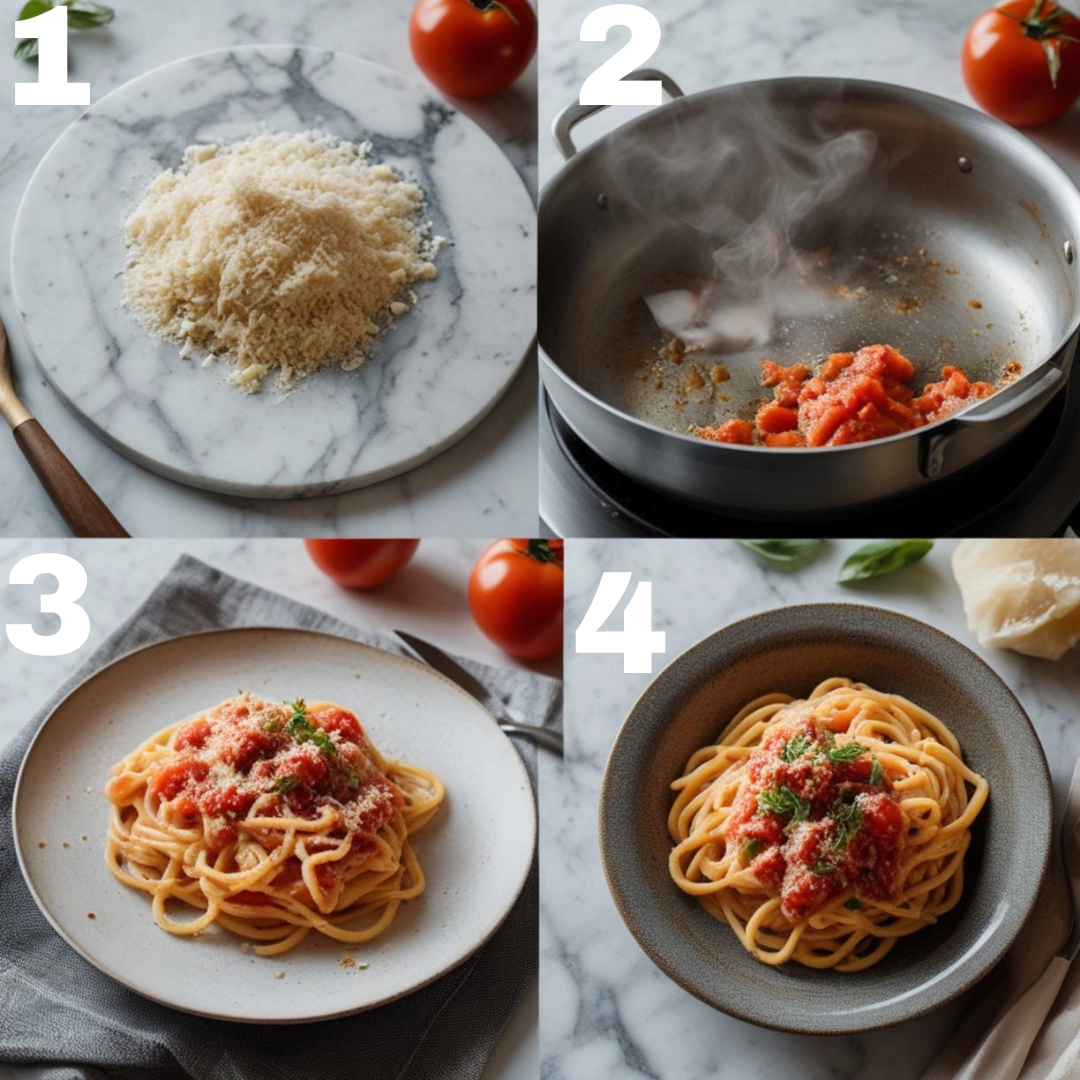
- Bloom Aromatics: Melt butter over medium-low. Add smashed garlic (not minced—prevents burning) and onion. Cook 8 minutes until onions are translucent but not browned.
- Develop Fond: Increase heat to medium. Add tomatoes with juices, crushing by hand. Scrape bottom with wooden spoon to lift caramelized bits. Simmer 15 minutes.
- Infuse Cream: Reduce heat to low. Stir in cream slowly. Add red pepper flakes. Simmer 6 minutes until sauce coats spoon thickly—never boil.
- Cook Pasta: In parallel, boil pasta in 4 quarts salted water (tastes like sea). Reserve 1 cup starchy water before draining. Pasta should be 90% cooked (~1 minute shy of package time).
- Emulsify: Add drained pasta to sauce. Toss vigorously with tongs. Add ½ cup pasta water, sprinkling Parmesan gradually. Sauce should cling like custard—add more water if needed.
- Finish: Off heat, stir in torn basil (retains color). Rest 3 minutes—sauce thickens further as starch cools.
The Tossing Ritual: Aggressive tossing is non-negotiable. The motion rubs starch from pasta onto sauce proteins, creating a glue-like bond. Tilt the skillet 45 degrees and lift-toss in swift arcs.
Water Wisdom: Starchy pasta water isn’t merely backup liquid—its amylose starch molecules unwind when heated, thickening sauces naturally. Add it in ¼ cup increments post-emulsification to adjust consistency.
Cheese Chemistry: Add Parmigiano off direct heat. High temps cause casein proteins to tighten, making sauce gritty. Residual heat gently melts crystals into creamy submission.
Expert Tips & Troubleshooting
Sauce Splitting? Whisk in 1 tbsp cold butter—lecithin rebinds fat/water. Too Acidic? Add ¼ tsp baking soda; neutralizes pH instantly. Pasta Sticking? Under-salted water lacks lubrication. Reboil with 1 tbsp salt. Pro Secret: After draining, toss pasta with 1 tsp olive oil—not to prevent sticking, but to slow water evaporation, keeping it supple while you finish sauce. Layer Herbs: Add half basil during simmering (flavor infusion), half at end (aroma). Never use dried oregano—its camphor notes dominate. Salting Strategy: Salt sauce only after adding pasta water—it’s already seasoned.
Flavor Variations
Spicy Arrabbiata Twist: Swap red pepper flakes for 1 tbsp Calabrian chili paste. Finish with lemon zest. Kid-Friendly: Omit chili. Add ¼ cup mascarpone—extra creamy sweetness. Stir in peas for color. Umami Bomb: Sauté 3 oz diced pancetta with onions. Deglaze pan with 1 tbsp balsamic pre-tomatoes. Seafood Upgrade: Fold in 8 oz raw shrimp during final 2 minutes of tossing—residual heat cooks them perfectly.
Storage & Reheating
Cool completely within 2 hours. Store airtight up to 3 days. To reheat: Place in skillet with 2 tbsp water/stock over medium-low. Stir gently—agitation breaks emulsion. Avoid microwaves (uneven heating causes separation). Freezing not recommended—cream sauces crystallize.
FAQ Section
- Can I use fresh tomatoes? Only meaty varieties like Roma (peeled, seeded). Canned San Marzanos outperform winter tomatoes.
- Why no sugar? Quality tomatoes need none. If excessively tart, add 1 tsp grated carrot during simmering—natural sweetness.
- Can I make sauce ahead? Prepare base (tomato/onion/cream) 2 days ahead. Add pasta, cheese, basil only when serving.
- Gluten-free pasta tips? Cook 1 minute less—they continue softening in sauce. Rinse after draining to remove excess starch.
The Recipe Card
Creamy Tomato Pasta: Silky, complex sauce hugging ridged rigatoni. Balanced sweet-tanginess from San Marzano tomatoes, enriched by cream and Parmigiano. Basil adds freshness. Ready in 35 minutes. Serves 4.
Nutrition Information
| Nutrient | Per Serving |
|---|---|
| Calories | 620 |
| Fat | 32g |
| Carbs | 68g |
| Protein | 18g |
| Sodium | 590mg |
Disclaimer: Nutritional data is estimated. Variations may occur based on ingredient brands.