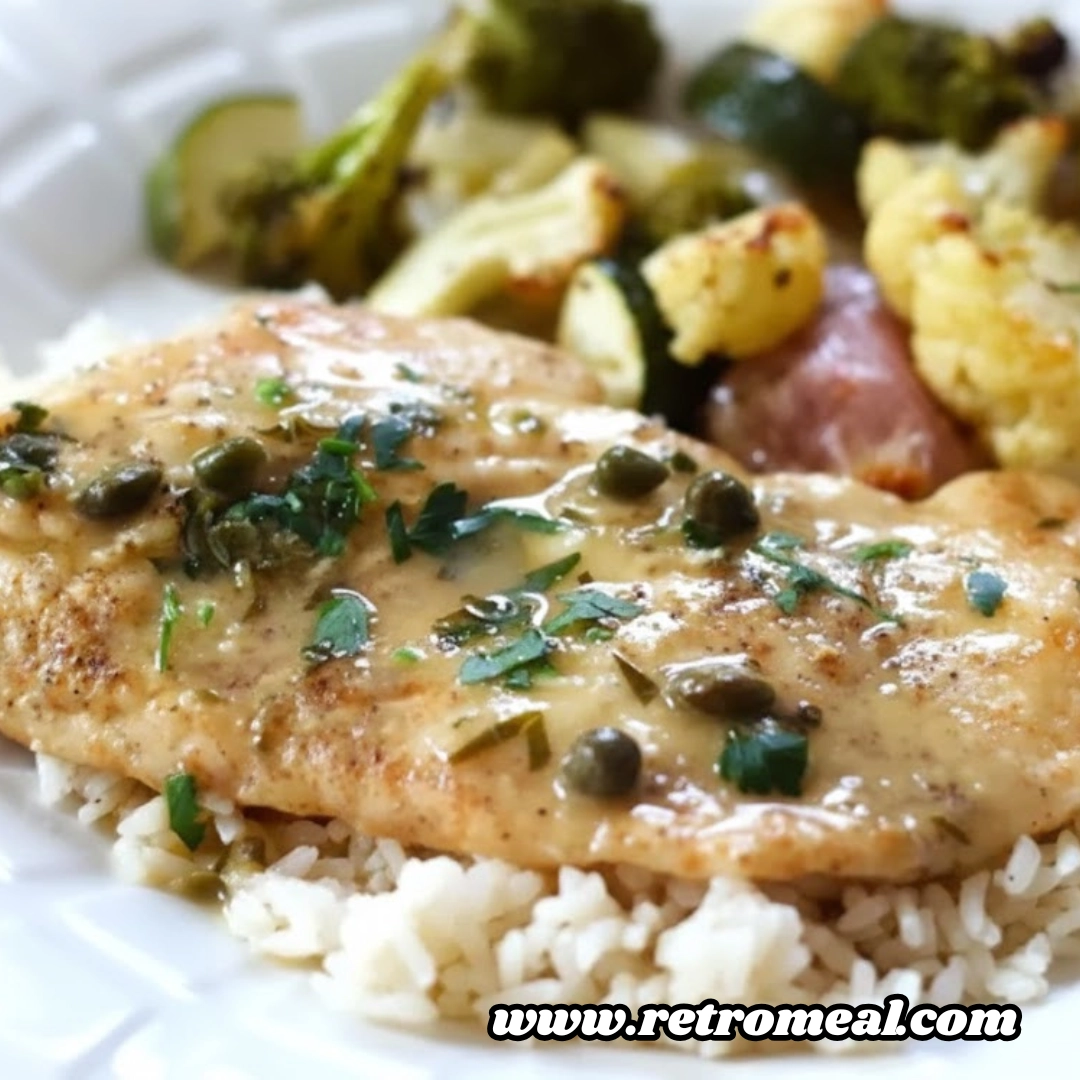
Chicken piccata is a definitive example of how basic pantry staples can be transformed into a sophisticated meal through proper technique and high-heat pan searing. This dish relies on the sharp acidity of citrus and the briny punch of capers to cut through the richness of a butter-mounted sauce. It is an ideal choice for a structured evening meal where efficiency is required but flavor cannot be sacrificed. By thinning the protein and utilizing a rapid reduction of white grape juice or stock, this Quick Chicken Piccata delivers a balanced profile of salty, sour, and savory notes in under thirty minutes.
Table of Contents
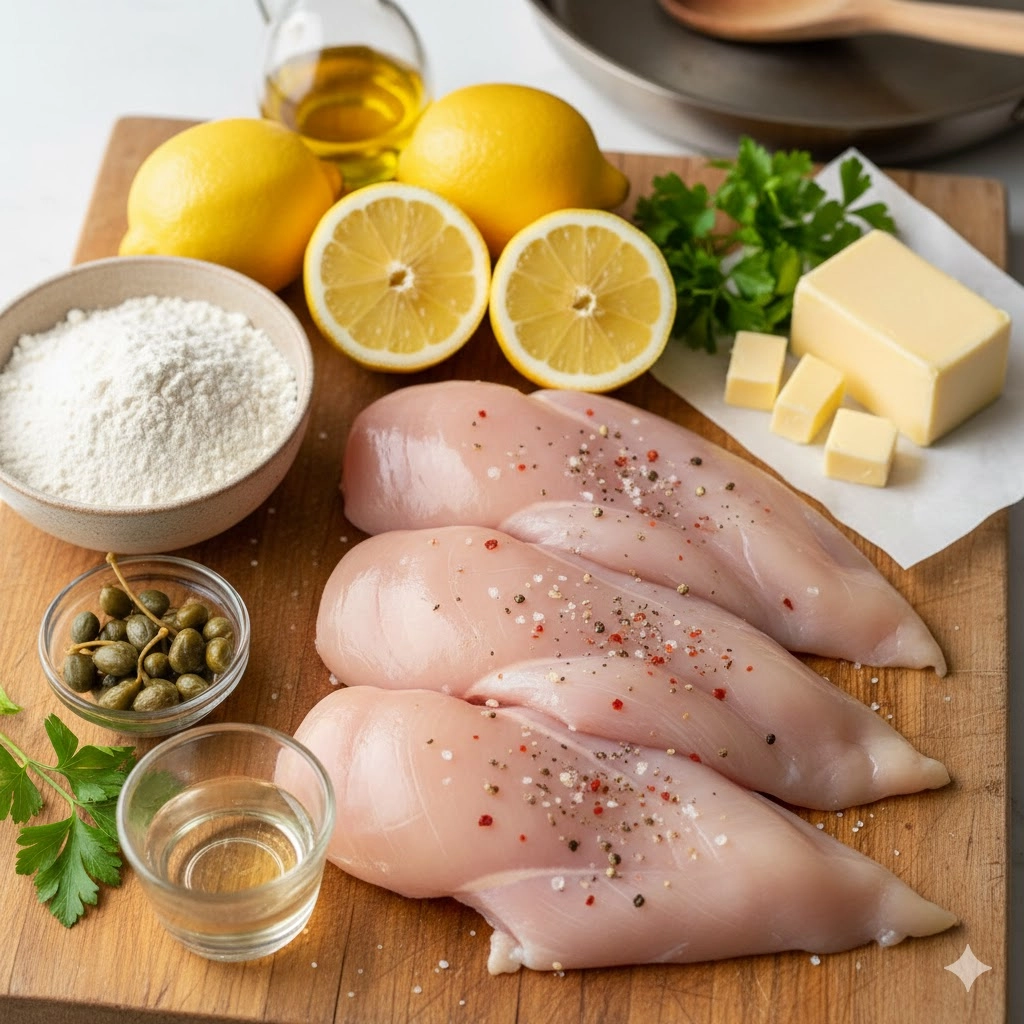
Essential Components
The Protein
- 4 skinless, boneless chicken breast halves (approximately one and a half pounds)
- 1 cup all-purpose flour (for dredging)
- Salt and freshly ground black pepper to taste
- 1 pinch cayenne pepper
The Searing Medium
- 2 tablespoons extra virgin olive oil
The Reduction and Sauce
- 1 tablespoon nonpareil capers, drained
- 1/2 cup white grape juice or chicken stock (non-alcoholic substitution)
- 1/4 cup freshly squeezed lemon juice
- 1/4 cup filtered water
- 3 tablespoons unsalted butter, chilled and sliced into small cubes
- 2 tablespoons fresh Italian flat-leaf parsley, finely chopped
Culinary Directives
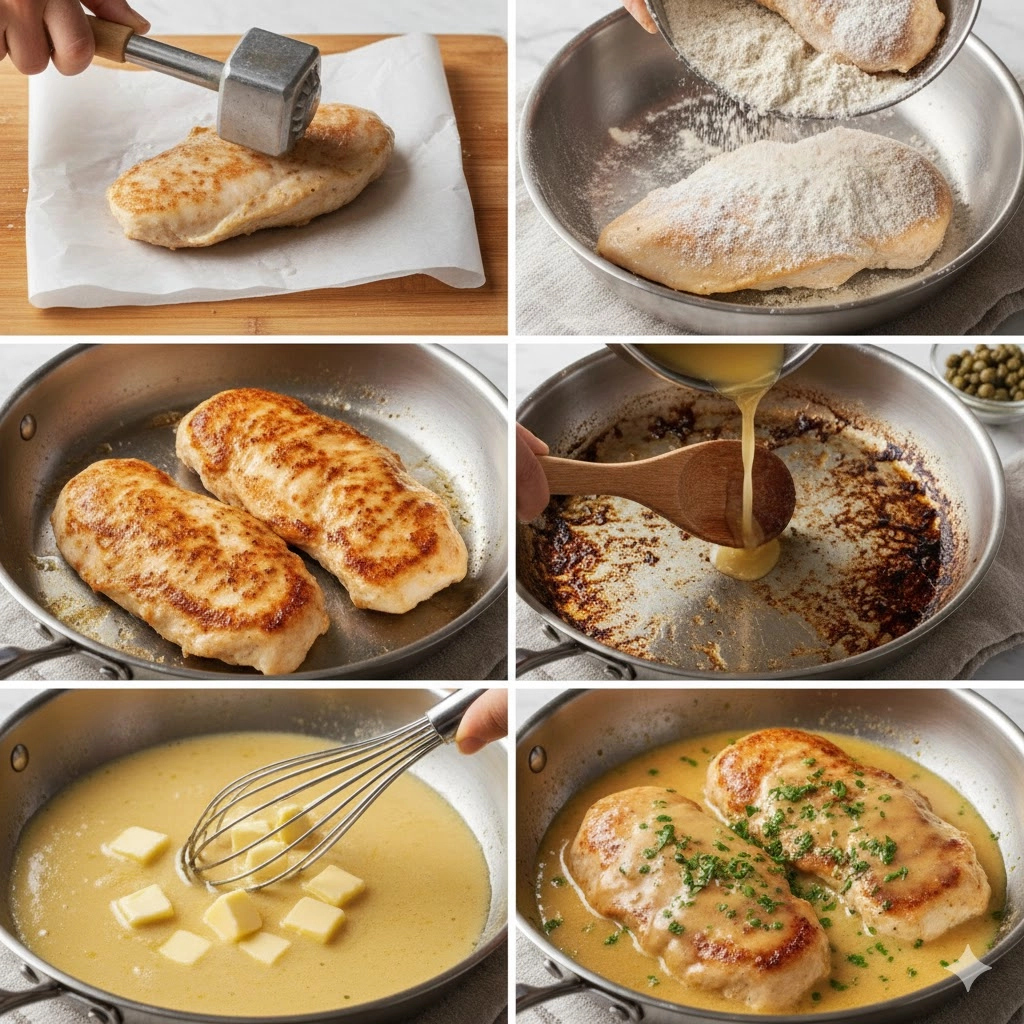
- Uniformly flatten the chicken breasts to a thickness of one half inch using a meat mallet.
- Season the meat thoroughly with salt, black pepper, and cayenne, then coat lightly in flour.
- Heat the olive oil in a heavy-bottomed skillet over medium-high heat until shimmering.
- Sear the chicken until a golden-brown crust forms and the internal temperature is safe, roughly five minutes per side.
- Remove the chicken and briefly sauté the capers in the remaining oil to release their flavor.
- Deglaze the pan with the grape juice or stock, scraping the bottom to incorporate the fond.
- Simmer the liquid until it has reduced in volume by fifty percent.
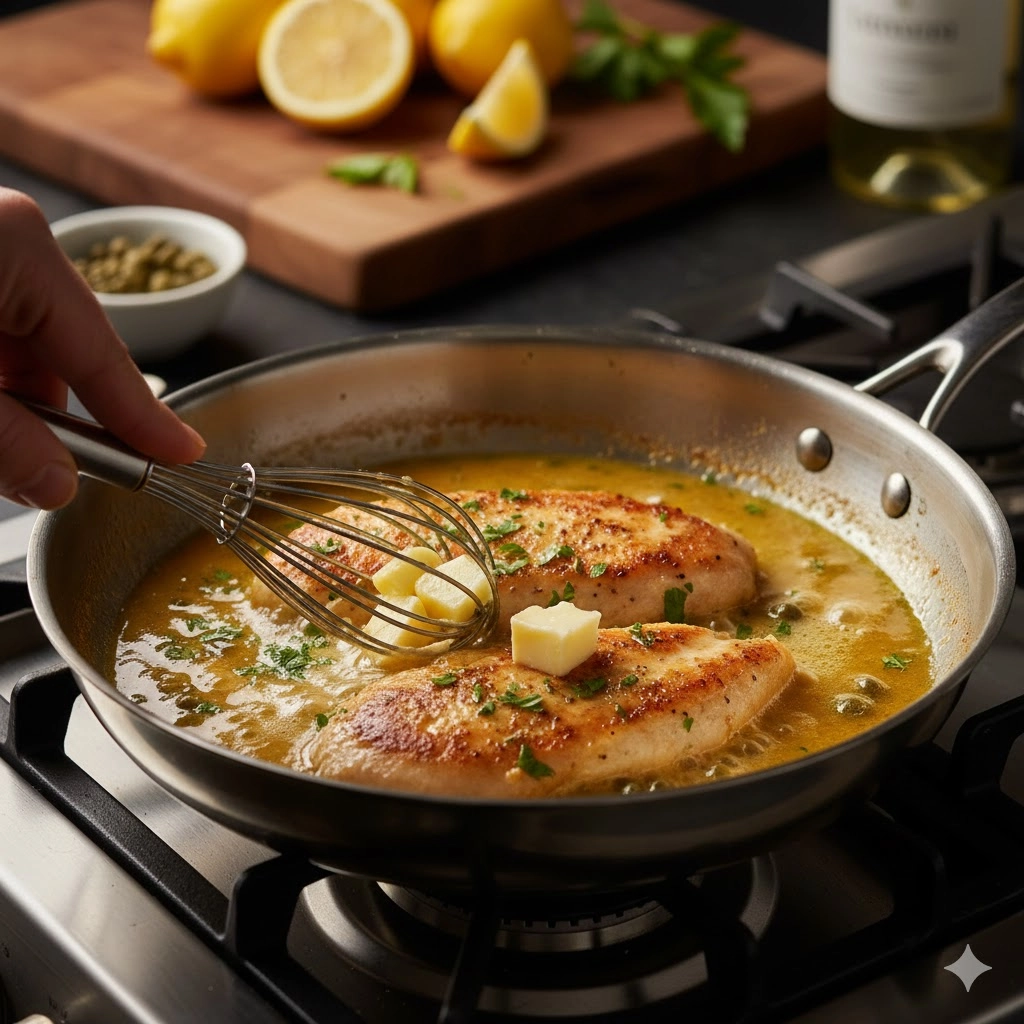
- Whisk in the lemon juice, water, and cold butter cubes until the sauce emulsifies and thickens.
- Fold in the parsley and return the chicken to the pan to coat it in the finished sauce.
In-Depth Preparation Details
Success with this recipe begins with the physical preparation of the meat. Pounding the chicken is not merely about tenderness; it creates a uniform surface area that ensures every portion of the breast cooks at the exact same rate. If one side is thicker than the other, you risk drying out the edges before the center is safe to eat. Aim for a consistent one half inch thickness. When dredging, shake off every bit of excess flour. You want a translucent veil of starch, not a heavy batter. This thin layer is what creates the “fond”—those tiny brown bits stuck to the pan that provide the foundation for the sauce.
The searing process requires patience. Once the chicken hits the hot oil, do not move it for at least three minutes. This allows the Maillard reaction to occur, resulting in a deep golden hue and a complex savory flavor. When you flip the meat, you should see a distinct crust. If the meat is sticking, it likely hasn’t finished forming that crust yet.
The sauce is the most technical part of the dish. After removing the chicken, the capers should be pressed slightly with the back of a spoon in the hot oil. This opens up their cell structure and releases more brine into the fat. When adding your liquid, use a wooden spoon to vigorously scrape the bottom of the skillet. This “deglazing” incorporates the caramelized protein bits into the liquid. The final step—adding cold butter to a hot reduction—is known as monter au beurre. The butter must be cold to ensure it melts slowly enough to emulsify with the liquids, creating a glossy, velvety texture rather than a greasy separation.
Pro Tips for Culinary Excellence
- Cold Butter is Non-Negotiable: To achieve a thick, restaurant-quality emulsion, the butter must be taken straight from the refrigerator. If the butter is room temperature, it will melt too quickly and the fat will separate from the milk solids.
- The Flour Shake: Use a fine-mesh sieve to dust the flour over the chicken if you want the most even, thin coating possible. This prevents “clumping” which can lead to a gummy texture once the sauce is applied.
- Citrus Freshness: Only use freshly squeezed lemon juice. Bottled juice often contains preservatives that introduce a metallic or overly bitter aftertaste that can ruin the delicate balance of the pan sauce.
- Pan Selection: Avoid non-stick pans if possible. A stainless steel or cast iron skillet is preferable because it encourages the formation of the fond, which is essential for a flavorful reduction.
- Rest the Meat: Even though this is a fast dish, let the chicken sit for two minutes after searing before putting it back into the sauce. This allows the juices to redistribute so they don’t leak out and thin your sauce.
- Caper Prep: If you find capers too salty, rinse them under cold water and pat them dry before adding them to the pan. This allows you to control the sodium levels more precisely.
Texture and Flavor Variations
- Crispy Garlic Variation: Sauté three cloves of thinly sliced garlic with the capers for a deeper, aromatic profile. Ensure the garlic does not burn, as it will turn the sauce bitter.
- Creamy Element: For a richer mouthfeel, stir in two tablespoons of heavy cream just before adding the butter. This creates a “Piccata Crema” that is excellent over pasta.
- Garden Herb Swap: If parsley is unavailable, fresh chervil or a very small amount of fresh tarragon can be used. Tarragon adds a slight anise note that pairs surprisingly well with lemon.
- Vegetable Integration: Add a handful of baby spinach to the pan during the final thirty seconds. The heat of the sauce will wilt the greens perfectly, making it a one-pan meal.
Practical Serving Ideas
This dish is classically served over a bed of angel hair pasta or linguine, which allows the thin sauce to coat the strands effectively. For a lower-carb approach, consider serving the chicken over sautéed zucchini noodles or a heap of blanched green beans. The acidity of the sauce also makes it a fantastic partner for roasted root vegetables, particularly fingerling potatoes that have been smashed and crisped. A simple side of crusty sourdough bread is highly recommended to soak up any remaining emulsion from the plate.
FAQs
How do I prevent the lemon sauce from becoming too sour?
The balance of the sauce depends on the reduction of your base liquid. If it tastes too acidic, add an extra tablespoon of cold butter or a small splash of water to mellow the citrus. The butter is the primary balancing agent against the lemon.
Can I use chicken thighs instead of breasts for this recipe?
Yes, boneless chicken thighs work well and are more forgiving regarding overcooking. However, they will require a slightly longer searing time and must still be pounded to a uniform thickness to ensure even heat distribution.
What is the best way to reheat leftovers without the chicken getting tough?
Reheat the chicken and sauce in a skillet over low heat, adding a tablespoon of water or broth to loosen the sauce. Avoid the microwave if possible, as it tends to turn the emulsified butter sauce into oil and makes the chicken rubbery.
Is there a substitute for capers?
If you lack capers, finely chopped green olives or even chopped salt-and-vinegar pickles can provide a similar briny acidity, though the flavor profile will shift slightly.
Nutrition Information
| Nutrient | Amount per Serving |
| Calories | 321 kcal |
| Protein | 25 g |
| Carbs | 8 g |
| Fat | 18 g |
| Fiber | 0 g |
| Sugar | 1 g |
| Sodium | 224 mg |
Disclaimer
Nutrition information is an estimate and may vary based on preparation and ingredients used.
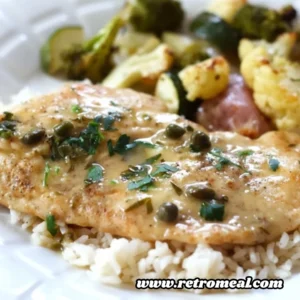
Quick Chicken Piccata
Ingredients
- 4 skinless, boneless chicken breast halves
- 1 pinch cayenne pepper
- salt and ground black pepper to taste
- 1 cup all-purpose flour for dredging
- 2 tbsp extra virgin olive oil
- 1 tbsp capers, drained
- 0.5 cup white grape juice or chicken stock
- 0.25 cup fresh lemon juice
- 0.25 cup filtered water
- 3 tbsp cold unsalted butter, cut into 1/4-inch slices
- 2 tbsp fresh Italian parsley, chopped
Instructions
- Place chicken breasts between sheets of plastic wrap and pound with a meat mallet to a uniform 1/2-inch thickness.
- Season both sides of the chicken with salt, pepper, and cayenne. Dredge lightly in flour and shake off any excess.
- Heat olive oil in a skillet over medium-high heat. Sear chicken until browned and cooked through, about 5 minutes per side.
- Transfer chicken to a plate. In the same pan, sauté capers for 30 seconds, lightly smashing them to release flavor.
- Pour in grape juice or stock. Bring to a boil, scraping up the browned bits, and reduce the liquid by half.
- Stir in lemon juice, water, and cold butter cubes. Whisk continuously until the butter melts and the sauce thickens.
- Lower heat, stir in the fresh parsley, and return chicken to the pan to coat with sauce for 1-2 minutes.
Notes
Equipment
- Meat mallet
- Large heavy-bottomed skillet Stainless steel or cast iron is best for creating fond.
- tongs
- whisk
- wooden spoon