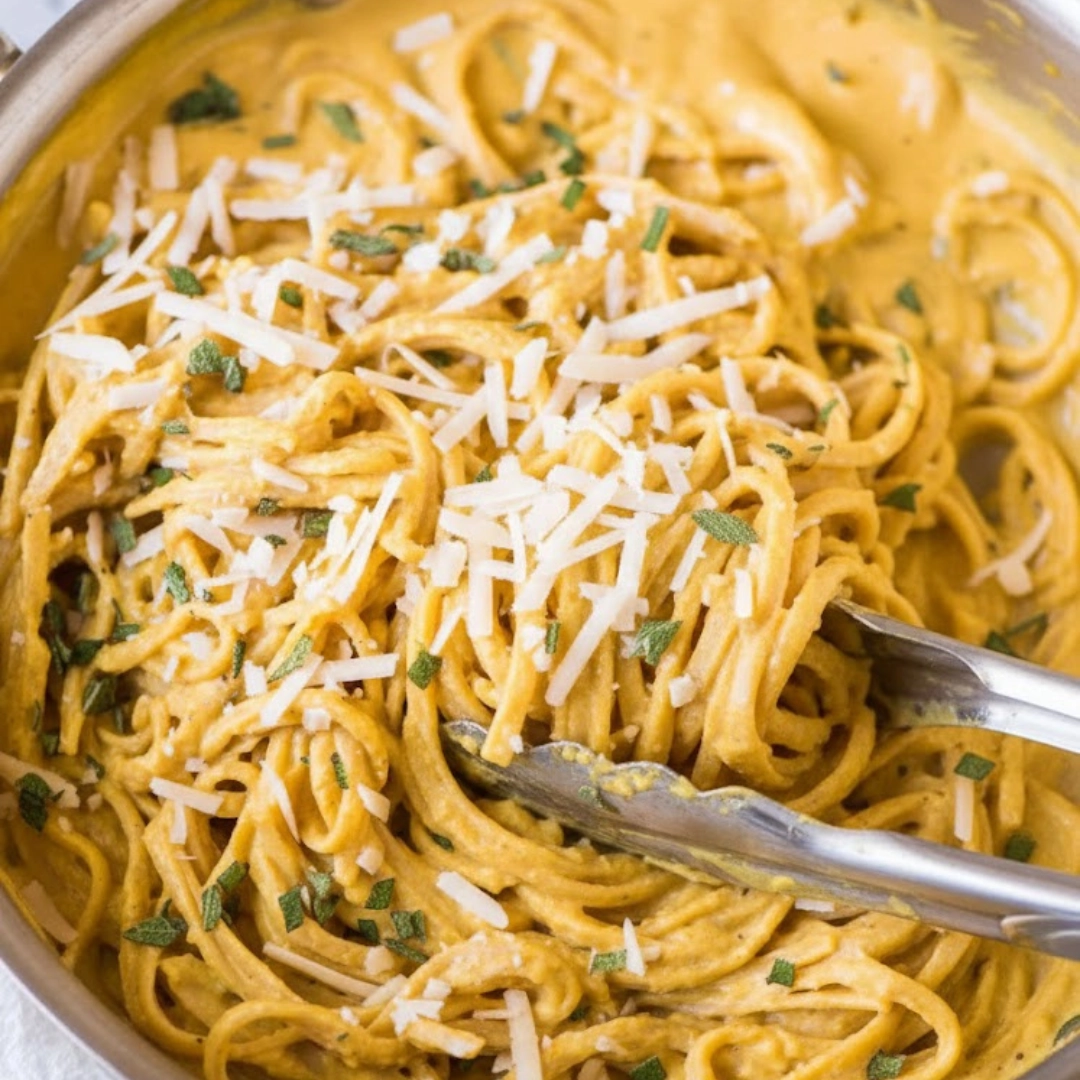
The quiet hours of the late evening often bring about the most unexpected moments of clarity. As the world slows down and the house settles into a rhythmic silence, my mind tends to drift toward the culinary puzzles I am currently solving. Last night, just as I was on the cusp of sleep, I found myself contemplating the humble nature of a pumpkin and how it transforms into a decadent meal. It occurred to me that this Pumpkin Pasta Sauce is essentially the adult version of the comfort foods we craved as children. It possesses all the velvety richness of a classic Alfredo but carries a sophisticated depth that only comes with a bit of kitchen maturity.
While our younger selves might have been content with a jar of store-bought white sauce poured over limp noodles, our adult palates demand something more nuanced. We want the creaminess, certainly, but we also want the earthy hum of fresh sage, the warmth of autumn spices, and perhaps most importantly, a meal that leaves us feeling energized rather than weighed down. This recipe is the bridge between those childhood cravings and our modern wellness goals. It is a vibrant, golden bowl of comfort that proves you do not need heavy cream to achieve a luxurious mouthfeel.
Table of Contents
Essential Ingredients for the Perfect Harvest Sauce
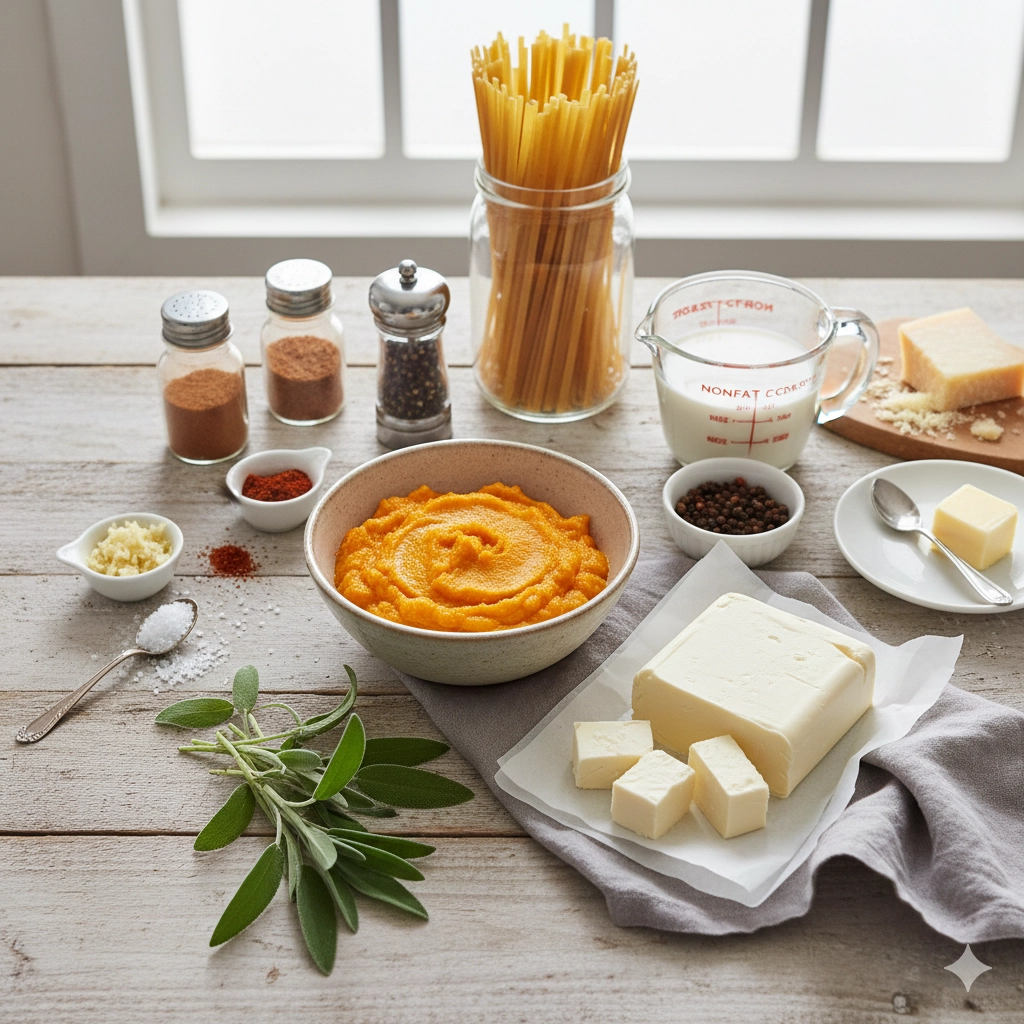
To create this masterpiece, you will need a handful of pantry staples and a few fresh elements that bring the dish to life. Every ingredient here serves a specific purpose, working in harmony to balance sweetness, salt, and spice.
- Whole wheat fettuccini: 8 ounces. You can also use other long, thin noodles like linguine or spaghetti, but fettuccini provides a wonderful surface area for the sauce to cling to.
- Unsalted butter: 1 tablespoon. This forms the fat base for our roux, providing a hint of richness without being overwhelming.
- All-purpose flour: 1 tablespoon. This is the thickening agent that ensures your sauce has body and silkiness.
- Garlic: 2 cloves, finely minced. Garlic provides the aromatic backbone that prevents the pumpkin from leaning too far into “dessert” territory.
- Nonfat milk: 2 cups. Using nonfat milk keeps the calorie count lower while still providing the necessary liquid for a creamy base.
- Pumpkin puree: 1 cup. Ensure you are using pure pumpkin and not pumpkin pie filling, which contains added sugars and spices.
- Reduced-fat cream cheese: 3 ounces. Cut this into chunks and ensure it is at room temperature for seamless melting. Avoid fat-free versions as they do not melt with the same consistency.
- Fresh sage leaves: 1 tablespoon, finely chopped. This is divided to be used both in the sauce and as a fresh garnish.
- Kosher salt: One half teaspoon, or more to taste.
- Ground black pepper: One quarter teaspoon.
- Ground cinnamon: One eighth teaspoon. Just enough to provide a whisper of warmth.
- Ground nutmeg: One eighth teaspoon. Nutmeg is the secret ingredient in many cream sauces, adding a mysterious, savory depth.
- Ground cayenne pepper: A small pinch. This won’t make the dish spicy, but it provides a subtle heat that cuts through the richness of the cheese.
- Grated Parmesan cheese: One half cup. Used for serving to add a salty, umami finish.
Step-by-Step Culinary Preparation
The beauty of this recipe lies in its efficiency. From start to finish, you are looking at a 20-minute cook time, making it an ideal candidate for those busy weeknights when you still want to feel like you are eating at a high-end bistro.
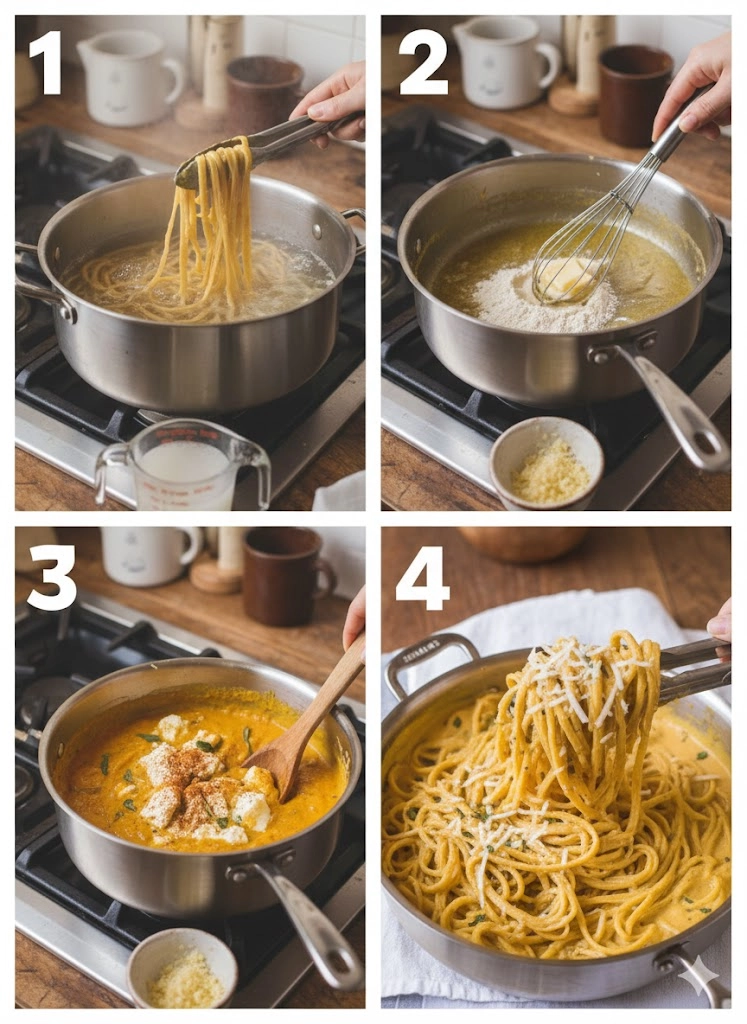
- Begin by bringing a large pot of heavily salted water to a rolling boil. Add your whole wheat fettuccini and cook until it reaches the al dente stage, following the specific timing on your package instructions. Before you drain the pasta, it is vital to reserve 1 cup of the starchy pasta water. Set the pasta and the water aside.
- In a large, heavy-bottomed saucepan, melt the unsalted butter over medium heat. Watch for it to begin sizzling, then immediately whisk in the all-purpose flour. Continue to whisk this mixture constantly. You are looking for the flour to turn a soft golden color and emit a slightly nutty aroma, which usually takes about a minute.
- Stir in the minced garlic and let it cook for just 30 seconds. You want it to be fragrant but not browned, as burnt garlic can turn bitter.
- Slowly begin pouring in the nonfat milk. Do this a few splashes at a time, whisking vigorously between each addition. This gradual process is the key to a smooth sauce without any flour clumps.
- Increase the heat slightly to medium-high. Continue stirring the mixture as it comes to a gentle simmer. Over the next 8 to 10 minutes, the sauce will bubble and begin to thicken significantly.
- Once thickened, remove the pan from the heat. This is where the transformation happens. Stir in the pumpkin puree, the room-temperature chunks of cream cheese, half of your chopped sage, the salt, pepper, cinnamon, nutmeg, and the pinch of cayenne.
- Keep whisking until the cream cheese has completely melted into the sauce. The result should be a smooth, rich, and vibrantly orange sauce. Take a moment to taste your creation and add a bit more salt or pepper if you feel it needs more punch.
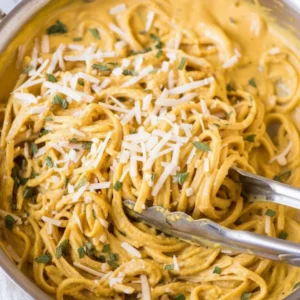
- Transfer the cooked fettuccini directly into the saucepan. Use a pair of tongs to gently toss the noodles until every strand is thoroughly coated. If the sauce seems a bit too thick or is sticking to the pan, add the reserved pasta water a tablespoon at a time until you reach your desired consistency.
- Serve the pasta immediately while it is piping hot. Garnish each bowl with a generous dusting of grated Parmesan cheese and the remaining fresh sage.
Mastering the Texture and Flavor Profile
When you are working with a vegetable-based sauce like this, the science of the “roux” and the “emulsion” becomes very important. Creating a roux—the mixture of butter and flour—is a fundamental culinary technique. It serves as the stabilizer for your milk, ensuring that when you add the acidic and fibrous pumpkin puree, the sauce doesn’t break or become grainy.
The addition of cream cheese acts as an emulsifier. While we aren’t using the heavy fats found in traditional Alfredo, the proteins and fats in the cream cheese bridge the gap between the liquid milk and the solid pumpkin fibers. This is why it is so important to have your cream cheese at room temperature. Cold cream cheese will seize up when it hits the warm sauce, leading to tiny white flecks rather than a uniform, velvet texture.
Furthermore, do not underestimate the power of the pasta water. That murky liquid is liquid gold; it contains the starch released by the wheat, which helps the sauce “marry” to the noodle. Without it, the sauce might simply slide off the pasta and pool at the bottom of the bowl.
Modern Modifications and Dietary Substitutions
While this recipe is designed to be a healthier take on a classic, there is always room for a little customization based on what you have in your pantry or your specific dietary needs.
If you are looking to increase the protein content, this sauce pairs beautifully with grilled chicken breast or even sautéed shrimp. For a vegetarian boost, consider stirring in two cups of fresh baby spinach or chopped kale during the final tossing of the pasta. The residual heat will wilt the greens perfectly without overcooking them.
For those who need a gluten-free option, you can easily swap the whole wheat fettuccini for a high-quality brown rice or chickpea pasta. To thicken the sauce without wheat flour, use a one-to-one gluten-free flour blend or a cornstarch slurry (though with cornstarch, you would add it later in the process once the milk is hot).
If you want a deeper, more savory edge, you can sauté a finely diced shallot with the butter before adding the flour. This adds a subtle sweetness and complexity that complements the earthy pumpkin and the aromatic sage perfectly.
Strategic Accompaniments and Table Presentation
A dish this rich and creamy benefits from being served alongside something bright and crisp to cleanse the palate. A simple arugula salad with a lemon-tahini dressing or a basic balsamic vinaigrette provides the necessary acidity to balance the savory pumpkin.
Roasted vegetables also make an excellent side dish. Consider roasting some broccoli florets or Brussels sprouts with a bit of olive oil and sea salt until the edges are charred and crispy. The bitterness of charred brassicas is a world-class foil to the creamy, slightly sweet notes of the pasta.
As for the table, this is a dish that looks stunning in wide, shallow bowls. The deep orange of the sauce contrasted with the bright green of the fresh sage and the snowy white of the Parmesan makes for a very “Instagrammable” meal. If you really want to lean into the autumnal theme, serve this with a crisp glass of Pinot Grigio or a light-bodied Chardonnay, which has enough acidity to cut through the creaminess of the sauce.
Extensive Step-by-Step Details for Success
To ensure your first attempt at this recipe is a total triumph, let’s look closer at the “thickening” phase. When you are whisking the milk into the roux, it might look thin for the first five minutes. Do not be tempted to add more flour! The thickening power of flour is only fully realized once the liquid reaches a simmer. If you add more flour too early, you will end up with a sauce that is gummy and tastes like raw grain. Patience is your best friend here.
When you add the pumpkin, you might notice the color shift dramatically. This is normal. The pumpkin should be fully incorporated until the sauce is one solid, opaque color. If you see streaks of white, keep whisking. The cream cheese chunks should disappear entirely. This is also the best time to check the “drag” of your spoon. If you can draw a line through the sauce on the back of a spoon and the line holds its shape, your consistency is perfect.
Lastly, when tossing the pasta, use a “lift and fold” motion. You want to aerate the sauce slightly as it coats the noodles. This prevents the pasta from becoming a heavy mass and keeps the individual strands distinct and coated in that liquid gold.
Frequently Asked Questions
Can I use canned pumpkin pie filling instead of pumpkin puree?
It is highly recommended that you do not use pumpkin pie filling for this savory pasta dish. Pumpkin pie filling is pre-sweetened and heavily spiced with ingredients like cloves and ginger in high concentrations, which are intended for desserts. Using it in this recipe would result in a pasta that tastes like a sugary pie, which will clash significantly with the garlic, cheese, and sage. Always look for cans labeled “100 percent Pure Pumpkin.”
Why is my sauce clumpy even though I whisked it?
Clumping usually happens for one of two reasons: either the milk was added too quickly at the beginning, or the cream cheese was too cold when it was added. To fix a clumpy sauce, you can carefully pour the sauce (before adding the pasta) into a high-speed blender or use an immersion blender to smooth it out. Once it is silky, return it to the pan and proceed with adding the pasta.
How do I make the pumpkin flavor more prominent?
Pumpkin itself is actually quite mild. The “pumpkin flavor” we usually associate with autumn is actually the combination of spices. If you want a bolder flavor, you can increase the nutmeg and cinnamon by a tiny bit, or add a pinch of ground ginger. Additionally, browning the butter (cooking it until it turns brown and smells like toasted hazelnuts) before adding the flour will add a depth that makes the pumpkin taste much richer.
Is this recipe suitable for meal prep?
Yes, this sauce holds up reasonably well for a few days. However, because it contains starch and cheese, it will thicken significantly as it cools. When you are ready to eat your leftovers, it is best to reheat them on the stove over low heat with a splash of milk or water to loosen the sauce back to its original creamy state. Avoiding the microwave when possible will prevent the cheese from becoming oily.
A New Classic for Your Kitchen Rotation
This creamy pumpkin pasta sauce is more than just a seasonal trend; it is a versatile, nutrient-dense recipe that deserves a permanent spot in your culinary repertoire. It manages to feel indulgent while remaining surprisingly light, proving that healthy eating doesn’t have to mean sacrificing the textures we love. Whether you are serving it for a cozy date night or a quick Monday dinner, it brings a touch of elegance to the table with very little effort. Once you experience the way the earthy sage and warm nutmeg dance with the creamy pumpkin, you may find yourself reaching for that can of puree all year round.
Nutritional Information
| Nutrient | Amount Per Serving |
| Calories | 483 calories |
| Total Fat | 13 grams |
| Saturated Fat | 7 grams |
| Cholesterol | 38 milligrams |
| Sodium | 550 milligrams |
| Total Carbohydrates | 68 grams |
| Dietary Fiber | 11 grams |
| Sugars | 9 grams |
| Protein | 18 grams |
Nutritional Disclaimer
The nutritional information provided is an estimate based on the specific ingredients listed and a serving size of one-third of the total recipe. These values can vary based on the brands of products used and any slight variations in measurements. For those with specific medical dietary requirements, please consult a professional nutritionist or use a certified nutritional calculator.
Creamy Pumpkin Pasta Sauce
Ingredients
- 8 ounces whole wheat fettuccini (or linguine/spaghetti)
- 1 tbsp unsalted butter
- 1 tbsp all-purpose flour
- 2 cloves garlic, minced
- 2 cups nonfat milk
- 1 cup pumpkin puree (not pie filling)
- 3 ounces reduced-fat cream cheese, room temperature and chunked
- 1 tbsp fresh sage leaves, chopped and divided
- 0.5 tsp kosher salt
- 0.25 tsp ground black pepper
- 0.125 tsp ground cinnamon
- 0.125 tsp ground nutmeg
- 1 pinch ground cayenne pepper
- 0.5 cup grated Parmesan cheese, for serving
Instructions
- Bring a large pot of salted water to a boil. Cook the pasta to al dente according to package instructions. Reserve 1 cup of the starchy pasta water, then drain the noodles and set aside.
- Melt butter in a large saucepan over medium heat. Once sizzling, whisk in the flour constantly until it turns golden and smells nutty. Add minced garlic and cook for 30 seconds until fragrant.
- Slowly pour in the milk a few splashes at a time, whisking vigorously to prevent clumps. Increase heat to medium-high and stir constantly until the sauce bubbles and thickens (about 8–10 minutes).
- Remove the pan from the heat. Whisk in the pumpkin puree, cream cheese, half of the sage, salt, pepper, cinnamon, nutmeg, and cayenne until the cheese is melted and the sauce is smooth.
- Add the cooked pasta to the pan and gently toss to coat. Use the reserved pasta water to thin the sauce if it appears too thick. Taste and adjust seasoning with extra salt or pepper if desired.
- Serve immediately in warm bowls. Garnish with the grated Parmesan cheese and the remaining fresh chopped sage.
Notes
Equipment
- large pot For boiling pasta
- Large saucepan For the sauce
- whisk
- measuring cups and spoons
- tongs For tossing pasta